


How Long Before Tattoo Apply Numb Cream: Timings Guide
- Why numbing matters for tattoo and semi-permanent makeup
- Pain management improves client outcomes
- Procedure quality, speed and retention
- Legal, ethical and safety considerations
- How numb creams work and key ingredients
- Common active agents: lidocaine, prilocaine, tetracaine and benzocaine
- Formulations, penetration enhancers and occlusion
- Onset, depth and duration — the pharmacology
- Timing guide: How long before tattoo apply numb cream
- General timing rules
- Practical timings by product — a comparison
- Microblading and semi-permanent makeup specifics
- My practical step-by-step protocol
- Safety, contraindications and aftercare
- Recognizing allergic reactions and systemic toxicity
- Dosage limits, special populations and pediatric caution
- Aftercare: impact on pigment and healing
- Choosing products and practical studio considerations
- What I look for when selecting a numb cream
- Application tools, occlusion methods and timing control
- Brand example and production capability (QM Makeup)
- FAQ
- 1. How long before tattoo should I apply numb cream?
- 2. Can I apply numbing cream right before tattooing to speed up the process?
- 3. Will numb cream affect pigment retention?
- 4. Is numbing cream safe for eyebrows and eyelids?
- 5. Can I use over-the-counter benzocaine products for tattoo pain?
- 6. What should a studio record after applying numb cream?
- Closing and contact / product information
I write from years of hands-on experience in semi-permanent makeup and tattoo services: clients frequently ask me, “How long before tattoo apply numb cream?” In this guide I summarize evidence-based timings, the pharmacology behind topical anesthetics, practical application protocols for intact and broken skin (microblading/eyelash tattoo), safety notes, and product comparisons to help you plan procedures that are comfortable, safe and respectful of pigment retention. I reference regulatory and clinical resources to back my recommendations.
Why numbing matters for tattoo and semi-permanent makeup
Pain management improves client outcomes
Pain is not just discomfort — it affects client movement, anxiety, and the final quality of the work. Well-managed topical anesthesia reduces involuntary flinching and allows more precise strokes for microblading, permanent eyeliner, or cosmetic tattoos. This is why I prioritize predictable numbing protocols in my practice.
Procedure quality, speed and retention
Less pain generally lets me work more methodically and reduces the need for breaks. That consistency helps pigment deposit evenly. However, minimizing pain must be balanced with product choice and timing — overly thick occlusive layers left too long or improper topical use can theoretically affect pigment uptake.
Legal, ethical and safety considerations
Topical anesthetics are drugs and should be used according to local regulations and safety guidance. The U.S. Food and Drug Administration (FDA) and other agencies provide information about topical anesthetics and their safe use; I advise practitioners to be familiar with those materials (FDA: Topical Anesthetics).
How numb creams work and key ingredients
Common active agents: lidocaine, prilocaine, tetracaine and benzocaine
Most professional tattoo numbing creams contain local anesthetic agents such as lidocaine, prilocaine, tetracaine, or a combination (for example, EMLA combines lidocaine and prilocaine). These block sodium channels in nerve endings to prevent pain signal transmission. For a high-level overview of local anesthetics and mechanisms, see the pharmacology review on PubMed Central (NCBI/PMC review).
Formulations, penetration enhancers and occlusion
Formulation matters: creams, gels and sprays differ in vehicle and penetration enhancers (e.g., propylene glycol, dimethyl sulfoxide in some medical products). Occluding the cream with plastic wrap can dramatically increase absorption and speed onset — a technique commonly used in studio settings. However, occlusion also increases systemic absorption, so it must be applied within recommended dosing limits.
Onset, depth and duration — the pharmacology
Onset and duration vary by agent and formulation. EMLA (2.5% lidocaine + 2.5% prilocaine) typically needs longer contact time for intact skin than high-strength lidocaine creams marketed for dermatologic use. Systemic toxicity is rare when used correctly, but local allergic reactions and methemoglobinemia (rare, associated with prilocaine and benzocaine) are important to recognize. For clinical safety notes, consult authoritative summaries such as MedlinePlus or FDA pages (MedlinePlus: Topical Anesthetics).
Timing guide: How long before tattoo apply numb cream
General timing rules
When clients ask “numb cream before tattoo — how long?” I apply these rules-of-thumb based on the active ingredient and whether the skin is intact or already breached:
- For intact skin (large-area body tattoos): 30–60 minutes for high-percentage lidocaine creams (4–5%); 60–120 minutes for EMLA (2.5%/2.5%).
- For delicate zones (eyelids, lips, brows) or thin skin: longer contact sometimes improves comfort, but I reduce dose and monitor closely.
- When working on broken skin (microblading strokes, recent skin breach): topical creams act faster because micro-channels increase absorption — onset can be within 10–20 minutes, but you must balance pigment uptake concerns.
Practical timings by product — a comparison
Below is a practical comparison table I use when choosing a product. Times are conservative estimates based on published product monographs and dermatology literature.
| Product / agent | Typical concentration | Onset for intact skin | Peak duration | Notes |
|---|---|---|---|---|
| EMLA (lidocaine 2.5% + prilocaine 2.5%) | 2.5%/2.5% | 60–120 min (intact skin) | 60–120 min | Good for dermal procedures; longer application needed on intact skin (EMLA — overview). |
| Lidocaine 4%–5% creams (LMX4/LMX5) | 4%–5% lidocaine | 30–60 min | 30–90 min | Faster onset than EMLA on intact skin; commonly used in dermatology. |
| Tetracaine-containing creams | Typically 0.5%–4% | 20–60 min | 60–180 min | Good skin penetration; can be potent — monitor dose. |
| Benzocaine topical (OTC) | 5%–20% (OTC varies) | 5–15 min | Short (30–60 min) | Faster onset but higher allergy/methemoglobinemia risk; less favored for professional tattooing. |
Sources include product monographs and clinical reviews on topical anesthetics (see FDA and PubMed Central links above and below). Individual product monographs provide the most reliable timing and dosing guidance.
Microblading and semi-permanent makeup specifics
For microblading and brow tattooing, the skin is repeatedly breached by small blades. Many artists apply a numbing cream to intact skin and wait 15–30 minutes if they plan to make shallow initial strokes, then reapply or use an intra-procedural topical (gel or spray) as needed. I often use a two-stage approach: a pre-application for 20–40 minutes and a short touch-up application under occlusion during the procedure when necessary. This strategy balances comfort and pigment uptake.
My practical step-by-step protocol
- Clean and degrease the area. Explain dosing and risks to the client and get consent.
- Apply a thin, even layer of chosen numbing cream. For EMLA, apply thicker and occlude for 60–90 minutes on intact skin; for 5% lidocaine creams, occlude 30–45 minutes.
- Remove cream, wipe area, and assess numbness. If less numb than desired, a short additional occluded application (10–20 minutes) may help, but observe maximum recommended dose.
- During procedure, use topical sprays or gels for touch-up rather than heavy re-application over open channels, to avoid excessive systemic absorption and pigment interference.
Safety, contraindications and aftercare
Recognizing allergic reactions and systemic toxicity
Signs of local allergy: persistent redness, swelling beyond expected inflammation, itching or blistering. Signs of systemic toxicity (rare) include dizziness, tinnitus, perioral numbness, metallic taste, seizures, or cardiac symptoms. If any systemic signs appear, stop application and seek emergency care. Trusted clinical references such as MedlinePlus and FDA pages discuss these risks in detail (MedlinePlus, FDA).
Dosage limits, special populations and pediatric caution
Maximum safe dose depends on the agent and patient weight/age. For example, lidocaine systemic toxicity thresholds are well-documented in anesthesia texts. Children and pregnant or breastfeeding clients require special caution. I always review medical history and medication lists (e.g., methemoglobinemia risk factors such as certain anemias or concomitant drugs when using prilocaine/benzocaine).
Aftercare: impact on pigment and healing
Excessive occlusion or thick cream left on skin after needling may trap fluids and alter the immediate microenvironment; while there’s limited direct evidence that standard topical anesthetic use reduces pigment retention, prudent practice is to remove excess cream thoroughly before pigment application. Follow standard aftercare instructions for tattoo and PMU healing to maximize retention and reduce infection risk.
Choosing products and practical studio considerations
What I look for when selecting a numb cream
I prioritize lab-tested, medical-grade formulations with clear ingredient lists and product monographs. Key criteria: proven active agent concentration, manufacturer transparency, batch traceability, and compatibility with pigment procedures. Regulatory compliance (e.g., CE marking or local approvals) and third-party test reports boost confidence.
Application tools, occlusion methods and timing control
Use single-use applicators, measure amounts (pea-sized for small facial zones, larger for broad body areas but within dosing limits), and control occlusion time with timers. Document the product name, lot number and application timing in client records for traceability.
Brand example and production capability (QM Makeup)
As an industry consultant, I have evaluated many suppliers. QM Makeup was established in 2005; they specialize in semi-permanent makeup and eyelash tattoo beauty and aim to be a leading company in the industry. They produce a broad range of professional products including wireless tattoo machines, microblading machines, semi-permanent makeup ink, tattoo practice skin, tattoo numb cream, professional lash lift kits, high-quality lash lift and tint kits, professional eyelash glue and eyelash extension lashes. QM Makeup integrates distribution, wholesale, private labeling and OEM processing on a large scale and offers full customized branding solutions to partners.
Their production base covers 10,000 square meters with independent R&D and production capabilities, enabling product customization and one-stop tattoo supplies brand solutions. For product inquiries and to explore private labeling or wholesale options, visit QM Makeup or contact [email protected].
FAQ
1. How long before tattoo should I apply numb cream?
It depends on the product: for 4–5% lidocaine creams, apply 30–60 minutes before procedure on intact skin; EMLA usually requires 60–120 minutes. For microblading or broken skin, onset can be faster (10–30 minutes), but you should adjust for safety and pigment considerations.
2. Can I apply numbing cream right before tattooing to speed up the process?
No — most topical anesthetics require time to penetrate the epidermis. Applying immediately before the first needle pass will often provide inadequate analgesia. Allow the recommended contact time and occlusion for the chosen product.
3. Will numb cream affect pigment retention?
Standard, proper use of topical anesthetics has not been shown to clinically reduce long-term pigment retention. However, leaving thick occlusive residues during needling or applying excessive amounts repeatedly over open channels might theoretically affect initial absorption. Remove excess cream before tattooing and use touch-up topicals cautiously.
4. Is numbing cream safe for eyebrows and eyelids?
Delicate areas require lower doses and cautious use. Choose formulations specifically indicated for facial use, limit occlusion time and monitor closely for swelling or visual disturbance. Never use products not intended for ophthalmic proximity without explicit product guidance.
5. Can I use over-the-counter benzocaine products for tattoo pain?
I generally advise against relying on OTC benzocaine for professional tattooing due to variable potency and higher allergy/methemoglobinemia risk. Medical-grade lidocaine or professionally formulated creams provide more predictable results and safety data.
6. What should a studio record after applying numb cream?
Document the product name, manufacturer, lot number, concentration, quantity applied, occlusion method, start and removal times, client weight/contraindications and informed consent. This improves safety and traceability.
Closing and contact / product information
I hope this guide answers “How long before tattoo apply numb cream?” with practical, evidence-informed advice you can use in the studio or as a client. If you need product recommendations, bulk supplies, private labeling or OEM solutions for professional tattoo numb creams, inks, machines or eyelash products, QM Makeup offers a comprehensive line and manufacturing capability. Visit https://www.qmmakeup.com or email [email protected] for inquiries.
When in doubt, consult product monographs, follow regulatory guidance from authorities like the FDA, and prioritize client safety. If you want a tailored protocol for your studio (product selection, dosing chart, consent templates), contact me and I’ll help you set up a reliable, compliant workflow.
Cost Analysis: Profit Margins for Lash Lift Kits
Custom microblading tool Manufacturers and Suppliers
Best tattoo aftercare cream manufacturers and supplier brands in 2026
Wholesale tattoo cream manufacturer and supplier in 2026
After sales support
Can I change my shipping address after placing an order?
Please be advised that your shipping address cannot be revised after the order has been processed or shipped. In the event of an incorrect address provided during the order process, we need to submit an address change application to the courier company, which will be charged a corresponding address change fee and takes 1-3 working days. We will apply to the shipping company for address change after you pay us the address change fee. The address change fee is subject to the shipping company's bill.
Powder Pigment
What is the difference between hybrid tattoo powder pigment and liquid pigment?
Liquid pigment is a pigment based on water, with small molecules, strong fluidity and permeability. The ink can quickly penetrate into the deep layer of the skin, color quickly, and retain color for a long time. It is the best tattoo ink for permanent makeup professional artists to use with machines. hybrid powdered pigment is a pigment based on a combination of water and oil. The color is brighter, the molecules are relatively large, and the fluidity is moderate. It can be used with both machines and hand pens, and is a good choice of high quality permanent makeup pigment for novices and professional tattoo artists.
Payment
What methods of payment are accepted?
We accept various payment methods including T/T (Telegraphic Transfer), Western Union, Credit cards, Alipay, WeChat, and more.
Micro Blade
Do I need to use more than one blade during the procedure?
Our blades are made of 304 stainless steel, sharp and tough, usually one blade can support the completion of the entire microblading process. However, due to the different conditions of the customer's eyebrows, the operator may choose different sizes of blades for treatment accordingly, at this time, it may be necessary to use more than one blade in the microblading professional eyebrow microblading process.
Lash lift kit
Does the perming lotion contain the ingredient “Cysteamine” ?
Yes, some formulas contain the ingredient “Cysteamine”, then some contain the ingredient “Thioglycolic acid”. The active ingredient of the perming lotion is a reducing agent, which acts to break the disulfide bonds in the eyelash. Commonly used reducing agents are Thioglycolic acid and Cysteamine. Compare to Cysteamine, Thioglycolic acid has a strong reducing power.

Professional Pre Inked Eye Brow Mapping String 30m
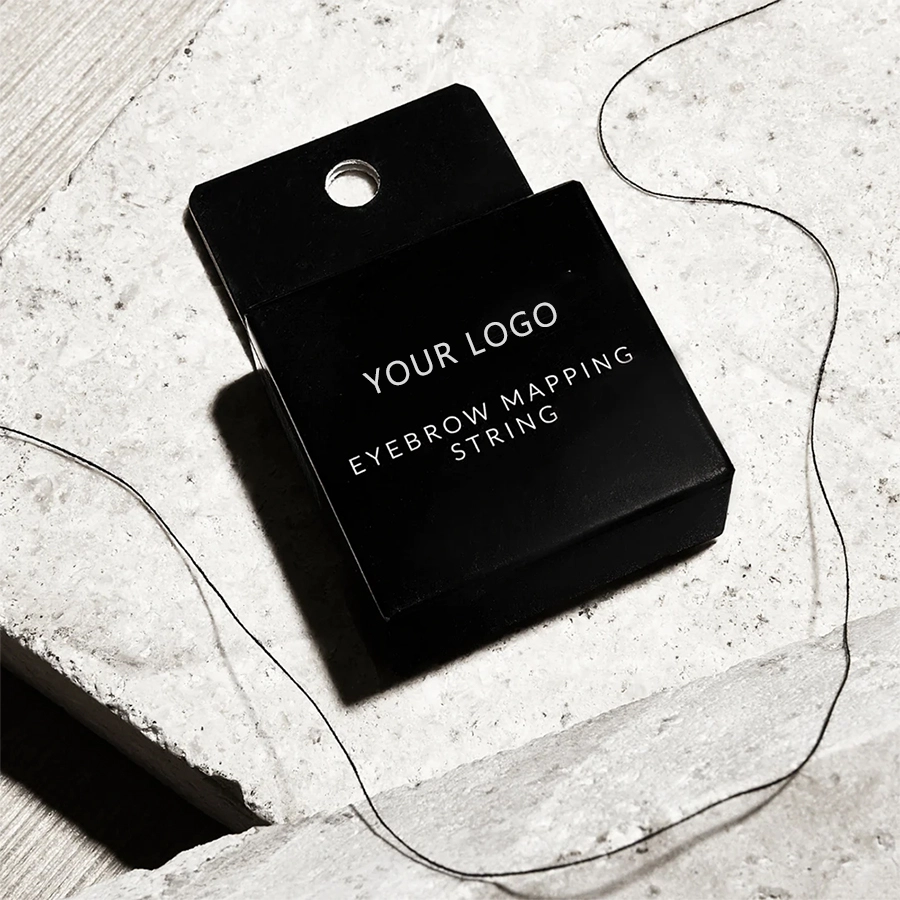
Microblading Pre-inked Mapping String Line 10m
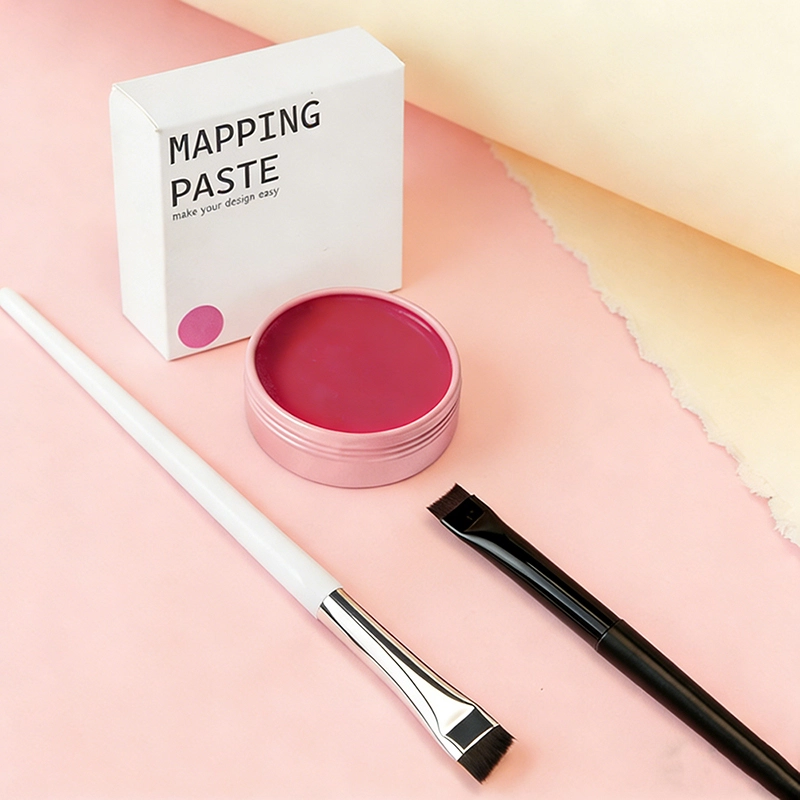
Pre-inked Mapping Ultra-Fine Eyebrows Eyeliner Blade Fan Brush

Instagram
Facebook
YouTube