


How to Use Numbing Cream Before Tattoo: A Beginner's Guide
- Understanding Numbing Creams and Why They Matter
- What is a numbing cream?
- Why use numbing cream before tattoo?
- Who should consider using a numbing cream?
- Step-by-Step: How to Use Numbing Cream Before Tattoo
- 1. Pre-procedure consultation and allergy checks
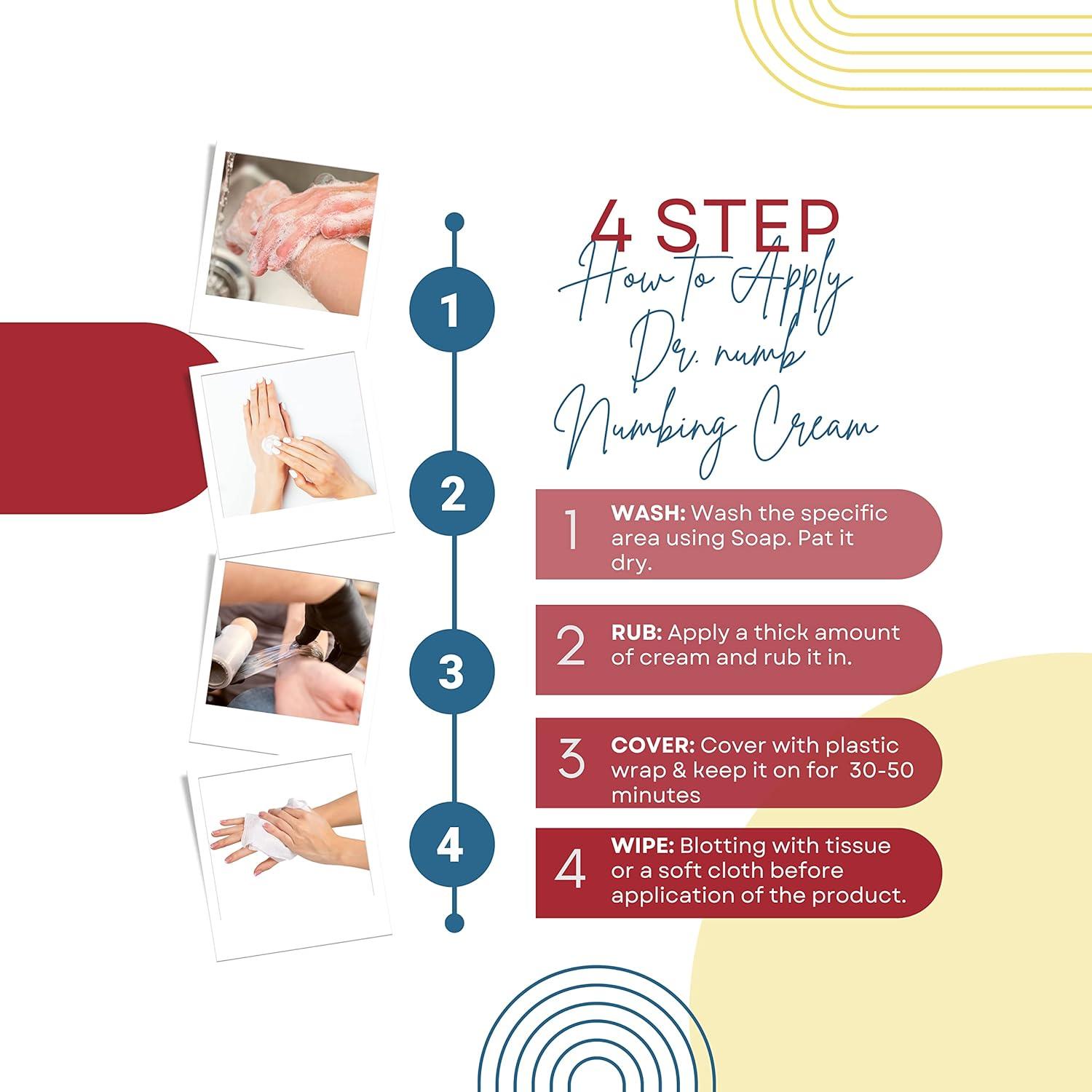
- 2. Clean and prepare the area
- 3. Apply the numbing cream properly
- Timing, Dosage, and Practical Tips
- How long before the tattoo should you apply the cream?
- How much cream should be used?
- Monitoring and reapplication during long sessions
- Safety, Contraindications, and Aftercare
- Key safety considerations
- Recognizing and responding to adverse reactions
- Aftercare for the tattooed area
- Comparing Numbing Options: Choosing the Right Product
- Common active ingredients and typical properties
- Table: Typical topical anesthetic options and features
- Choosing between creams, sprays, and injections
- Why Professional Artists Choose Super Numb Tattoo Cream
- Performance and professional advantages
- Wholesale and clinic-friendly packaging
- Safety, quality control, and support
- Practical Scenarios and Troubleshooting
- If numbing seems weak or uneven
- If a client reports numbness beyond the treatment area or systemic symptoms
- Integrating into studio protocols
- Frequently Asked Questions (FAQ)
- Is numbing cream before tattoo safe?
- How long does numbing cream last during a tattoo?
- Can I use numbing cream on my mucous membranes (lips, eyelids)?
- Will numbing cream affect tattoo healing or ink retention?
- What is the difference between Super Numb Tattoo Cream and other creams?
Getting a tattoo can be an intense experience for first-timers and veterans alike. Using a numbing cream before tattoo can significantly reduce discomfort, shorten breaks, and improve focus for both artist and client. This guide explains step-by-step how to prepare, apply, and monitor a topical anesthetic safely and effectively. It also compares common topical anesthetics, highlights safety precautions, and explains why Super Numb Tattoo Cream by QM Makeup is widely chosen by professional tattoo artists and clinics for wholesale and single-use needs.
Understanding Numbing Creams and Why They Matter
What is a numbing cream?
A numbing cream is a topical anesthetic formulated to reduce pain by temporarily blocking nerve signals in the skin. Active ingredients commonly include lidocaine, prilocaine, benzocaine, or tetracaine. These products are used in cosmetic procedures, minor dermatologic treatments, and increasingly in tattooing and semi-permanent makeup to make the process more comfortable for clients. For general background on topical anesthetics, see the Wikipedia topical anesthetic entry.
Why use numbing cream before tattoo?
Applying numbing cream before tattoo helps reduce immediate pain and anxiety, allowing the artist to work with fewer interruptions and the client to remain more relaxed. This often leads to better procedural accuracy and less movement, which is especially important for detailed designs and permanent makeup work. Many professional artists prefer products that act quickly and provide strong, consistent numbing during longer sessions.
Who should consider using a numbing cream?
Anyone sensitive to pain, having long or dense tattoo sessions, or undergoing cosmetic tattooing (microblading, lip blushing) should consider a topical anesthetic. However, clients with allergies to ingredients (e.g., ester anesthetics), certain medical conditions, or those taking interacting medications should consult a physician before use. Industry organizations such as the Society of Permanent Cosmetic Professionals provide guidance for practitioners on safe product use in semi-permanent makeup.
Step-by-Step: How to Use Numbing Cream Before Tattoo
1. Pre-procedure consultation and allergy checks
Before any topical anesthetic is applied, perform a consultation. Ask about history of allergic reactions, cardiovascular disease, pregnancy, breastfeeding, and medications (especially other local anesthetics or medications that affect liver enzymes). Always perform a patch test at least 24–48 hours before the full application to check for allergic or irritant responses.
2. Clean and prepare the area
Clean the skin with an appropriate antiseptic (e.g., chlorhexidine or 70% isopropyl alcohol) and shave if necessary to remove hair that could interfere with adhesion. The skin should be dry and free of oils, lotions, or makeup to allow the numbing cream to penetrate effectively.
3. Apply the numbing cream properly
Apply a thick, even layer of numbing cream to the treatment area. For occlusive delivery, cover the area with plastic wrap (cling film) to trap heat and enhance absorption. Typical application time varies by product: many modern formulations, including fast-acting options, require 20–45 minutes to achieve strong numbing. Follow the manufacturer’s directions — for the strongest effect, Super Numb Tattoo Cream by QM Makeup is formulated for fast action and deep penetration, making it a popular choice among professional tattooists.
Timing, Dosage, and Practical Tips
How long before the tattoo should you apply the cream?
Timing depends on the product. Some creams need 20–30 minutes, while others may need up to an hour. For efficiency, apply numbing cream about 30–45 minutes before the first needle touch for most clients. Always check manufacturer instructions. Super Numb Tattoo Cream is designed to act quickly, often reaching strong numbing within the 20–45 minute window, but individual results vary by skin type and thickness.
How much cream should be used?
Use enough to form a visible layer over the skin, but avoid excessive amounts that might squeeze out when covered. Dosage guidance is usually given in grams per area — follow package instructions to avoid exceeding maximum recommended systemic doses, particularly for larger treatment areas where lidocaine absorption can accumulate.
Monitoring and reapplication during long sessions
For lengthy tattoo sessions, practitioners may reapply numbing cream during breaks. Remove the old layer, cleanse the skin gently, and apply a fresh layer if needed. Watch for signs of systemic toxicity (dizziness, tinnitus, numbness beyond the treated area) and stop application immediately if such signs appear. Maintain clear communication with the client about how they feel throughout the session.
Safety, Contraindications, and Aftercare
Key safety considerations
Topical anesthetics are generally safe when used as directed, but they carry risks if misused. Avoid applying to broken or significantly damaged skin unless the product explicitly permits it. Do not exceed the recommended total dose for the active ingredient (especially lidocaine). Children, pregnant or nursing clients, and individuals with heart conduction problems or liver disease should consult their healthcare provider before use. For reliable medical guidance on topical anesthetics, see the Wikipedia overview and consult professional medical resources.
Recognizing and responding to adverse reactions
Local allergic reactions may present as redness, itching, or blistering. Systemic toxicity is rarer but serious — early signs include lightheadedness, tinnitus (ringing in the ears), metallic taste, or numbness of the tongue. If systemic symptoms occur, stop application, remove occlusion, ventilate the area, and seek emergency medical help. Keep emergency procedures and contact numbers readily available in professional settings.
Aftercare for the tattooed area
After the session, follow standard tattoo aftercare: keep the area clean, follow your artist’s wound care protocol, avoid direct sunlight and soaking in water, and use recommended ointments. Numbing creams are washed off prior to final bandaging or after final needle pass; do not assume extended topical anesthetic use replaces appropriate wound care.
Comparing Numbing Options: Choosing the Right Product
Common active ingredients and typical properties
Key active ingredients include lidocaine, prilocaine, tetracaine, and benzocaine. Different combinations provide various onset times and durations. For example, EMLA cream (2.5% lidocaine + 2.5% prilocaine) is widely used in medical settings for dermal numbing. Many tattoo-specific formulations use higher lidocaine concentrations (e.g., 4–5%) to achieve faster, deeper numbing. Always compare products based on concentration, recommended application time, and intended use area.
Table: Typical topical anesthetic options and features
| Product / Ingredient | Typical Conc. | Onset | Duration | Notes |
|---|---|---|---|---|
| EMLA (lidocaine + prilocaine) | 2.5% + 2.5% | 30–60 min | 1–2 hrs | Common medical cream; good for superficial procedures |
| Lidocaine cream (many tattoo creams) | 4–5% (varies) | 20–45 min | 1–3 hrs | Generally faster acting; widely used in tattoo industry |
| Tetracaine-based gels | 1–4% | 20–40 min | 1–2 hrs | Potent; often used in ocular/dermal settings — professional use advised |
| Super Numb Tattoo Cream (QM Makeup) | Proprietary formula | Fast-acting (20–45 min) | Effect duration suitable for typical session lengths | High-quality, strong numbing effect; optimized for tattoo artists and wholesale use |
Choosing between creams, sprays, and injections
Topical creams are non-invasive and convenient. Sprays can be useful for small areas or touch-ups. Injectable local anesthesia provides deeper and longer-lasting numbness but requires medical training and is not appropriate for typical studio use. For most tattoo and semi-permanent makeup needs, a high-quality topical cream strikes the best balance of safety, accessibility, and effectiveness.
Why Professional Artists Choose Super Numb Tattoo Cream
Performance and professional advantages
Super Numb Tattoo Cream by QM Makeup offers a strong, fast-acting numbing effect designed specifically for tattoo and semi-permanent makeup procedures. It helps reduce client discomfort and allows artists to work with fewer interruptions. Its formulation emphasizes rapid onset and consistent results across skin types, making it a preferred choice for professionals seeking reliable topical anesthesia in studio environments.
Wholesale and clinic-friendly packaging
For studios and educators, Super Numb Tattoo Cream is available in wholesale options, enabling cost-efficient stocking for frequent use. Bulk packaging and professional labeling make it easy to integrate into studio workflows while maintaining consistent quality and safety practices.
Safety, quality control, and support
QM Makeup emphasizes high quality and stringent manufacturing standards for Super Numb Tattoo Cream. Practitioners receive guidance on proper use, recommended application times, and safety checks. As with any topical anesthetic, always perform patch testing and adhere to recommended dosing and contraindication checks.
Practical Scenarios and Troubleshooting
If numbing seems weak or uneven
Factors such as thick skin, heavy hair, or insufficient occlusion can reduce effectiveness. Remove hair if necessary, apply a slightly thicker layer, and use occlusion (plastic wrap) to enhance penetration. Reassess after the recommended waiting period before deciding to reapply.
If a client reports numbness beyond the treatment area or systemic symptoms
Stop application immediately, remove any remaining cream, cleanse the area, and monitor the client. If systemic symptoms are present (dizziness, ringing in the ears, altered consciousness), seek emergency medical help. Record the product batch and the amount applied for follow-up.
Integrating into studio protocols
Train staff on consultation and patch test procedures, maintain clear labeling of products and expiration dates, and log applications for each client. Keep manufacturer instructions and safety data sheets accessible. Professional organizations such as the Society of Permanent Cosmetic Professionals offer resources to develop safe studio protocols.
Frequently Asked Questions (FAQ)
Is numbing cream before tattoo safe?
Yes, when used as directed. Topical anesthetics are widely used in cosmetic and medical settings. Safety depends on correct dosage, avoiding broken skin (unless permitted), and screening for allergies and contraindications. Perform a patch test 24–48 hours in advance.
How long does numbing cream last during a tattoo?
Duration varies by product and concentration, typically from 1 to 3 hours. Reapplication during longer sessions is possible, but monitor total dose and client response.
Can I use numbing cream on my mucous membranes (lips, eyelids)?
Some products are specially formulated for sensitive areas, but many topical creams are not recommended for mucous membranes due to faster absorption and higher systemic risk. Use only products indicated for those areas and follow professional advice.
Will numbing cream affect tattoo healing or ink retention?
When used properly and washed off before the final bandage, numbing cream should not impact long-term healing or pigment retention. Standard aftercare remains essential to ensure proper healing and color stability.
What is the difference between Super Numb Tattoo Cream and other creams?
Super Numb Tattoo Cream is formulated for fast, strong numbing and designed with professional tattooists in mind. It offers consistent performance, quick onset, and wholesale-friendly packaging for studios. As with any product, compare application times, active ingredients, and safety guidance when choosing the best option for your practice.
For more detailed product information, wholesale inquiries, or to speak with customer support, visit our product page or contact our team: Super Numb Tattoo Cream product page | Contact Customer Service.
References and industry resources: Topical anesthetic (Wikipedia), Tattoo (Wikipedia), Society of Permanent Cosmetic Professionals.
Mastering the application technique is the first step toward a painless session, but your results depend heavily on the quality of the product you choose. To see how a market favorite stacks up in real-world conditions, read our Super Numb Tattoo Cream Review: Does It Really Work?
Where to Buy brown ink tattoo
Custom Private Label Microblading Pigment Manufacturers Indonesia
Custom tattoo machine Manufacturers and Suppliers
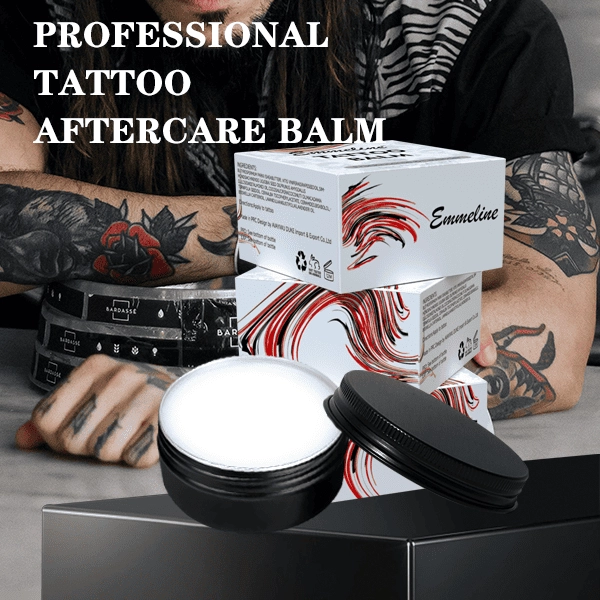
Cream for Tattoos Aftercare: Protecting Color and Detail
Products
Easy to do lifting with glue balm by myself?
Yes, you could use it by yourself for DIY at home.
Pre-inked Mapping String
What is the MOQ to make private label?
Our MOQ for private label pre-inked mapping string is 100pcs/design. You can contact us to learn more details.
Lip patch
How should I choose a numbing product? Order of use and recommendations?
Generally speaking, we recommend choosing numbing products based on your operating experience, usage habits, treatment stage, treatment area, and applicable population. Here are some tips for choosing numbing products.
1. Treatment stage: Before treatment: tattoo numb cream/tattoo numb essence; During treatment: secondary tattoo numb essence
2. Treatment area: Eyebrows: tattoo numb cream/tattoo numb essence/eyebrow patch; Eyeliner: numbing cream; Lips: tattoo numb cream/numbing essence/lip patch; Body: tattoo numb cream.
3. Operating experience: Beginner: tattoo numb cream; Professional: all are okay
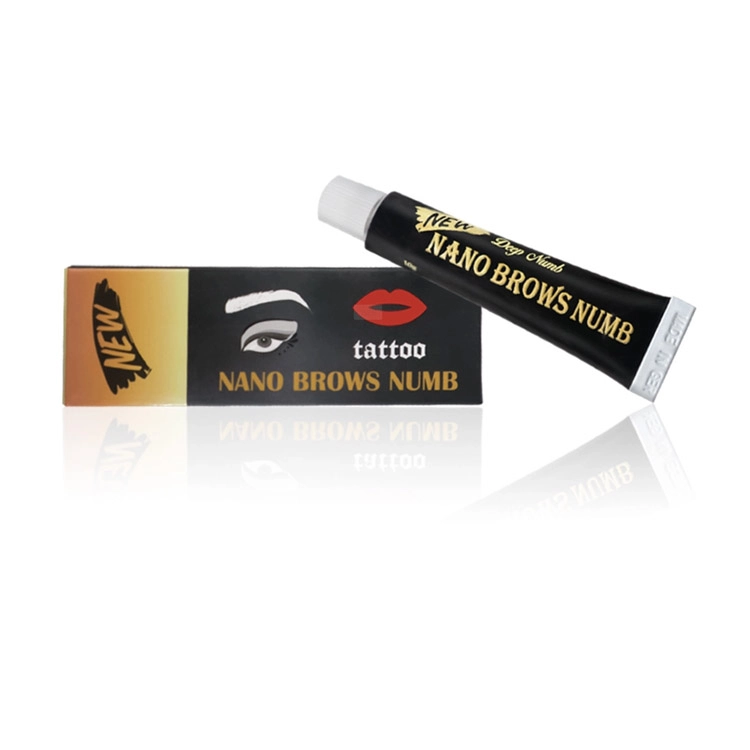
4. Applicable skin: Normal skin: all are okay; Sensitive skin: nano numb cream
Lash Glue
With this very sticky glue, will the lashes fall off when I use the perm lotion?
Our glue is very sticky and after drying it holds the lashes very firmly to the lash silicone perm rod. Although our glue is water-soluble and can be easily cleaned with water, since there is not much water in the perm lotion, there is not enough water in it to dissolve the glue, so there is no chance that the lashes will not stick to the silicone perm rod and fall off after using the perm lotion. The same goes for Neutralizers too.
Perm and dyeing kit
How long does the lash lift tint and brow tint effect last?
The effect for eyelash tinting and brow tinting can last for 6-8 weeks, during which time you can carry out water activities normally. Generally, after 6-8 weeks, the eyelashes and eyebrows will return to their original state, at which time you can arrange for a new tinting treatment.

Professional Pre Inked Eye Brow Mapping String 30m
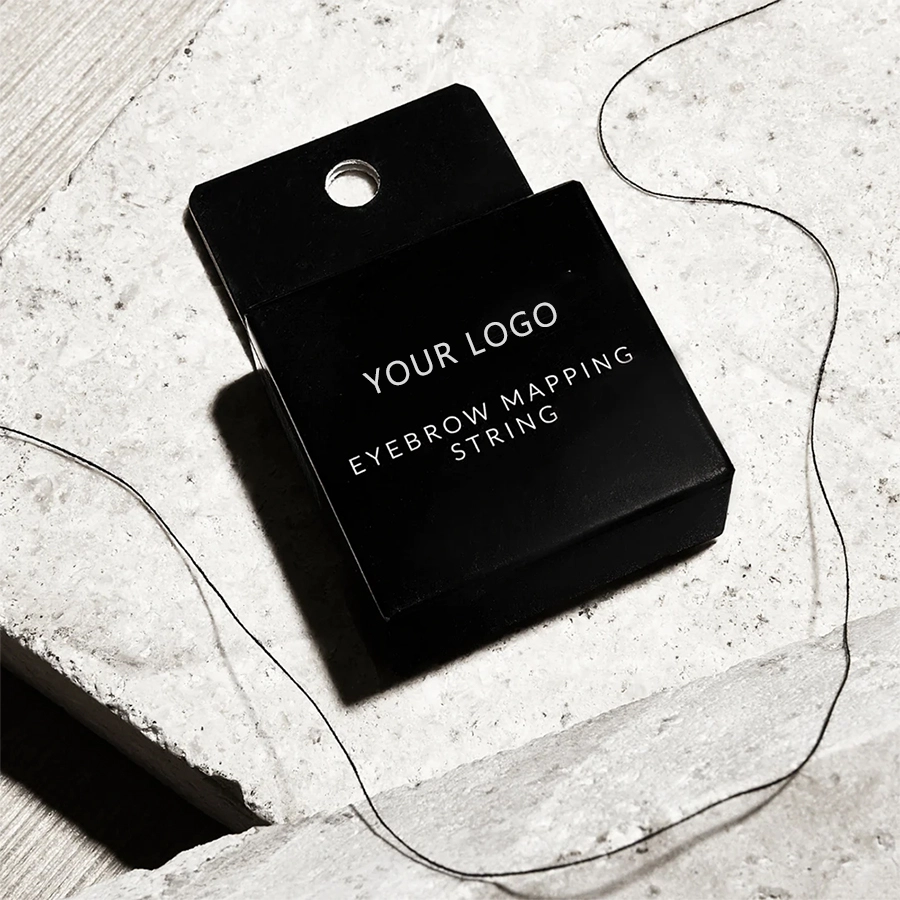
Microblading Pre-inked Mapping String Line 10m
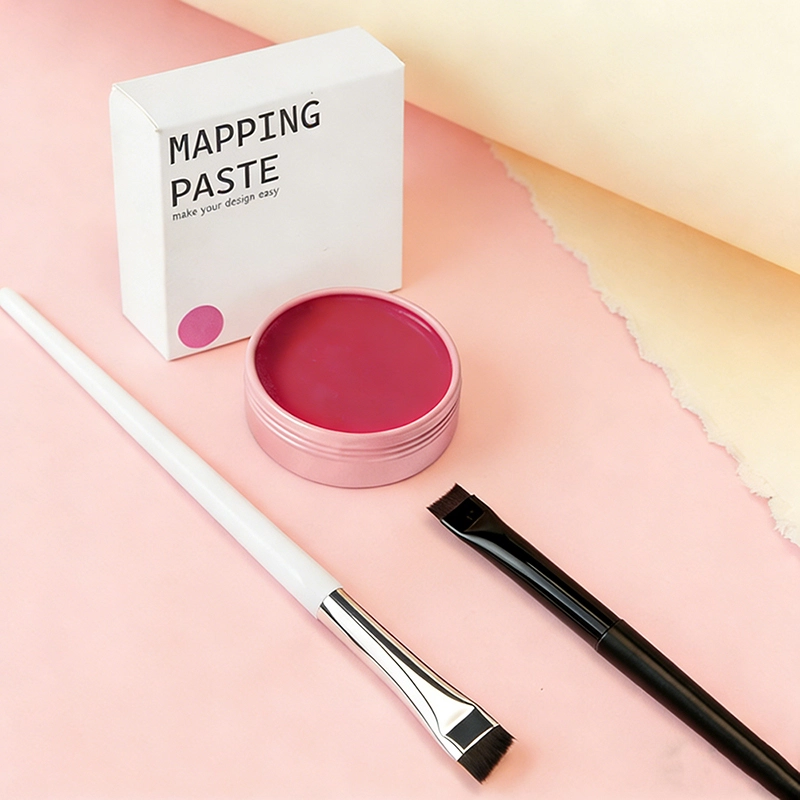
Pre-inked Mapping Ultra-Fine Eyebrows Eyeliner Blade Fan Brush

Instagram
Facebook
YouTube