


How to Use Super Numb Tattoo Cream Safely and Effectively
- How to Use Super Numb Tattoo Cream Safely and Effectively
- Why Super Numb Tattoo Cream is Considered the best numb tattoo cream by many professionals
- How topical tattoo numbing creams work and what to expect
- Preparing the client and workspace before applying the best numb tattoo cream
- Step-by-step application of Super Numb Tattoo Cream for safe and effective numbing
- Timing, dosage and realistic expectations for the best numb tattoo cream
- Key safety precautions and contraindications when using Super Numb Tattoo Cream
- Recognizing and managing adverse effects from numbing creams
- Pro tips for professional tattoo artists: incorporating Super Numb Tattoo Cream into studio practice (wholesale-friendly advice)
- Comparing Super Numb Tattoo Cream to other numbing options
- Aftercare considerations when you use a numbing cream during tattooing
- Brand advantages: why Super Numb Tattoo Cream stands out for studios and wholesale buyers
- Frequently Asked Questions (FAQ)
- Contact and purchase: view Super Numb Tattoo Cream or contact customer service
- References and further reading
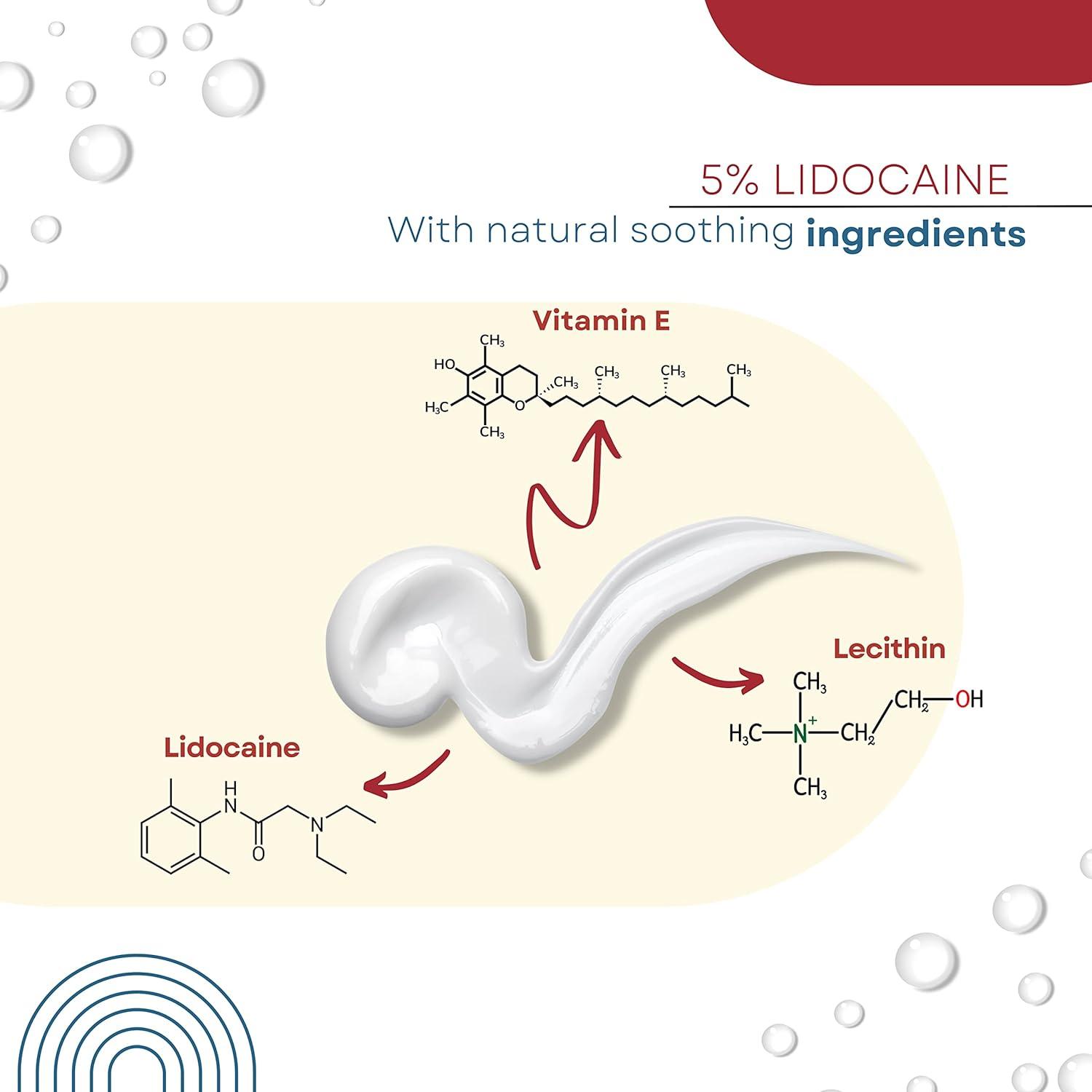
How to Use Super Numb Tattoo Cream Safely and Effectively
Why Super Numb Tattoo Cream is Considered the best numb tattoo cream by many professionals
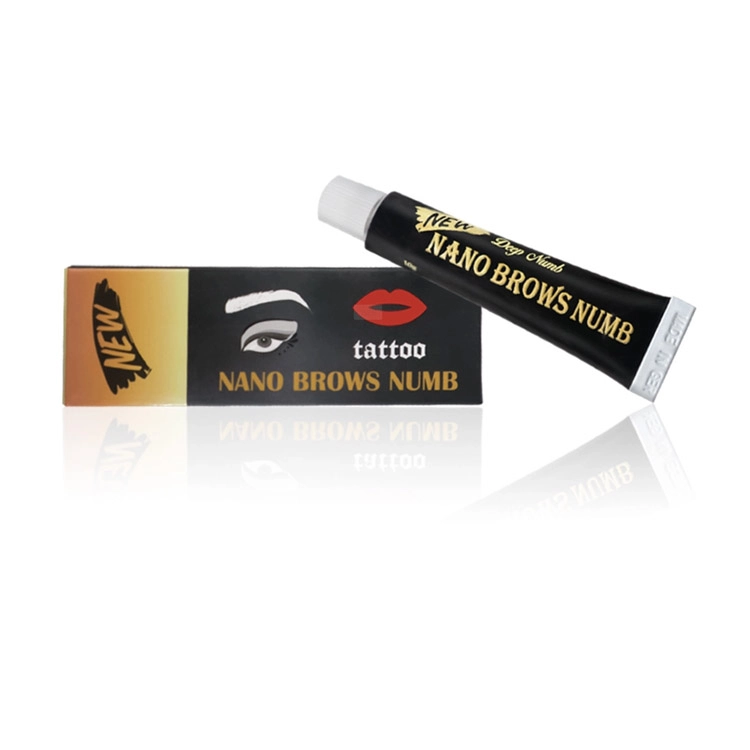
Super Numb Tattoo Cream by QM Makeup offers one of the strongest numbing effects on the market, designed to provide a pain-free tattoo experience. Ideal for wholesale and professional studio use, this High Quality tattoo cream focuses on fast action and long-lasting comfort for clients. In this article you will find step-by-step guidance on how to use Super Numb Tattoo Cream safely and effectively, comparison with other options, safety notes, and professional tips for artists and studios considering the best numb tattoo cream for their practice.
How topical tattoo numbing creams work and what to expect
Topical numbing creams reduce sensation by temporarily blocking nerve conduction in the skin. Active ingredients (commonly lidocaine, prilocaine, or benzocaine in various products) act on sodium channels in peripheral nerves, preventing pain signals from reaching the brain. Expect a gradual onset: most high-quality topical creams begin to take effect within 10–30 minutes and can provide meaningful relief for 1–4 hours depending on formulation, area treated, and whether an occlusive dressing is used. Super Numb Tattoo Cream is formulated for rapid action and extended comfort, making it a practical choice for many procedures.
Preparing the client and workspace before applying the best numb tattoo cream
Preparation reduces risk and improves outcomes. Before applying Super Numb Tattoo Cream, follow these steps: obtain informed consent mentioning the cream and potential side effects; perform or confirm a client allergy history; clean the site thoroughly using appropriate antiseptic; shave hair if necessary with a sterile disposable razor; and ensure the skin is intact (do not apply to broken, infected, or irritated skin). Offer a small patch test when using a numbing product for the first time, particularly for clients with sensitive skin or multiple allergies.
Step-by-step application of Super Numb Tattoo Cream for safe and effective numbing
Using Super Numb Tattoo Cream correctly maximizes comfort and minimizes complications. Follow this procedure:
- Patch test (recommended): Apply a pea-sized amount behind the ear or on the inner arm, cover, and wait 20–30 minutes to check for immediate reactions.
- Clean and dry the treatment area thoroughly.
- Apply a thin, even layer of Super Numb Tattoo Cream across the tattoo area and about 1–2 cm beyond the borders of the planned work.
- For stronger effect, apply a slightly thicker layer and cover with an occlusive dressing (cling film or medical-grade occlusive bandage). Occlusion significantly speeds onset and increases depth of numbness.
- Wait: typical waiting time is 20–45 minutes depending on area and occlusion. Check sensation periodically rather than assuming full effect at a fixed time.
- Immediately before starting, wipe off the cream with sterile gauze and disinfect the skin again per your studio protocol.
- Monitor the client during the procedure. If additional numbing is needed, follow product instructions for safe reapplication intervals.
Timing, dosage and realistic expectations for the best numb tattoo cream
Timing and coverage vary by product, skin type, and body site. Small, thin-skinned areas may respond faster; thick or highly vascular areas can require longer wait times. Avoid applying more product or repeating applications more frequently than the manufacturer recommends. Excessive use increases the risk of systemic absorption and adverse effects. Educate clients that numbing reduces pain but may not completely abolish all sensation—pressure, vibration, and deep-tissue sensations can still be felt.
Key safety precautions and contraindications when using Super Numb Tattoo Cream
Safety is paramount when using any topical anesthetic. Keep these precautions in mind:
- Do not use on open, infected, or eczematous skin unless directed by a clinician.
- Avoid mucous membranes (lips, inside mouth, nostrils, eyelids) unless the product specifically states it is safe for those areas.
- Do not use on young children or infants without medical supervision; some anesthetic agents carry a higher risk of methemoglobinemia in infants.
- Check for known allergies to local anesthetics. Those allergic to one amide anesthetic may tolerate others, but consult medical advice if uncertain.
- Monitor total area and amount applied; large-area applications can increase systemic absorption and toxicity risk.
- Advise clients who are pregnant, breastfeeding, or have significant liver disease, heart disease, or blood disorders to consult their physician before use.
- In case of symptoms such as ringing in the ears, severe dizziness, numbness in areas beyond the application site, difficulty breathing, or loss of consciousness, stop use and seek emergency medical care.
Recognizing and managing adverse effects from numbing creams
Most side effects are local and mild—redness, transient blanching, itching, or minor swelling. Allergic contact dermatitis can occur after repeated exposure. Less commonly, systemic toxicity may present as nervousness, tremors, confusion, cardiac irregularities, or seizures. Methemoglobinemia, a rare but serious blood condition, has been associated with some topical anesthetics (notably benzocaine and prilocaine in certain populations). If clients display signs of systemic toxicity or have difficulty breathing or cyanosis, call emergency services immediately and provide details of what was applied.
Pro tips for professional tattoo artists: incorporating Super Numb Tattoo Cream into studio practice (wholesale-friendly advice)
For tattoo studios and wholesale purchasers, Super Numb Tattoo Cream offers a balance of potency and fast action. Integrate it into your workflow by standardizing patch-test procedures, documenting consent and the amount used, and training apprentices in application and emergency recognition. Maintain a clear policy on reapplication and maximum treated surface area per session. Wholesale buyers benefit from consistent packaging and product support—store the cream as recommended and track lot numbers for quality control. Communicate expected effects and realistic outcomes to clients to set proper expectations and reduce complaints.
Comparing Super Numb Tattoo Cream to other numbing options
Different topical anesthetics have different active ingredients, onset times, and safety profiles. Below is a concise comparison to help you evaluate options when searching for the best numb tattoo cream for your needs.
| Product Type | Typical Active Ingredient(s) | Typical Onset | Typical Duration | Notes / Safety |
|---|---|---|---|---|
| Super Numb Tattoo Cream (QM Makeup) | Proprietary strong topical anesthetic formulation | Fast (often within 10–30 minutes with occlusion) | Designed for extended comfort during sessions | Formulated for professional use and wholesale distribution; follow label instructions |
| OTC Lidocaine Creams (e.g., LMX products) | Lidocaine 4% | 10–30 minutes | 1–2 hours (varies) | Widely used and generally safe when used per directions (source: product labeling) |
| EMLA Cream | Lidocaine 2.5% + Prilocaine 2.5% | 30–60 minutes | 1–3 hours | Effective but contains prilocaine (methemoglobinemia risk in infants); follow guidance (source: product documentation) |
| Benzocaine-containing gels | Benzocaine (various strengths) | Rapid | Short duration | Associated with methemoglobinemia risk in some users; caution advised (source: FDA) |
Sources for comparison data are listed at the end of this article. When choosing the best numb tattoo cream for your needs, balance potency and safety, and prefer products with clear professional labeling and usage guidance.
Aftercare considerations when you use a numbing cream during tattooing
After a tattoo session where Super Numb Tattoo Cream was used, follow standard tattoo aftercare: keep the area clean, follow your studio’s moisturizing and covering instructions, avoid soaking the tattoo, and protect it from sun exposure while healing. Some topical anesthetics can slightly alter the skin surface temporarily; ensure clients understand normal healing signs versus adverse reactions. If irritation persists beyond a few days or signs of infection appear (increasing pain, spreading redness, fever), advise evaluation by a medical professional.
Brand advantages: why Super Numb Tattoo Cream stands out for studios and wholesale buyers
Super Numb Tattoo Cream by QM Makeup is positioned as a High Quality, high-performance option optimized for the professional tattoo market. Key brand advantages include fast onset and powerful numbing designed to reduce procedure pain, formulations suited to repeat professional use, and wholesale availability for studios wanting consistent supply. For businesses, the product offers packaging and product support intended to simplify inventory and maintain reliable client experiences. These attributes make Super Numb an attractive option when searching for the best numb tattoo cream for comfort-focused studios.
Frequently Asked Questions (FAQ)
Q: How long before a tattoo should I apply Super Numb Tattoo Cream?
A: Typical application times range from 20–45 minutes with occlusion for stronger effect; follow the product instructions and check sensation before starting.
Q: Can Super Numb Tattoo Cream be used on lips or eyelids?
A: Avoid mucous membranes unless the product label explicitly permits such use. These areas are more permeable and carry higher risk.
Q: Are there people who should not use topical numbing creams?
A: Yes. Infants and small children, people with certain allergies, pregnant or breastfeeding clients, and individuals with certain heart, liver, or blood disorders should consult a physician prior to use.
Q: Can I apply more cream to increase numbness faster?
A: No. Apply as directed. Excessive amounts increase systemic absorption risk and may cause adverse effects.
Q: What should a tattoo artist do if a client reacts badly during application?
A: Stop applying the product, remove it, wash the area with water and mild soap, and monitor the client. For any signs of systemic involvement or severe reaction, call emergency services and provide details about the product applied.
Contact and purchase: view Super Numb Tattoo Cream or contact customer service
To learn more about Super Numb Tattoo Cream, request wholesale pricing, or get product support, contact QM Makeup customer service or visit the product page. For immediate assistance with product selection, usage instructions, or safety inquiries, reach out to customer support through official channels before conducting new applications in your studio.
After mastering proper usage, you may want to see real experience-based insights. Read the detailed review in Super Numb Tattoo Cream Review: Best Numb Tattoo Cream?.
References and further reading
- FDA guidance and safety communications on topical anesthetics and benzocaine-related risks (visit FDA.gov for details)
- Cleveland Clinic: information on topical anesthetics and safety considerations (clevelandclinic.org)
- DermNet NZ: topical anesthetics overview and clinical considerations (dermnetnz.org)
- NCBI Bookshelf and PubMed articles on local anesthetic toxicity and methemoglobinemia (ncbi.nlm.nih.gov)
- Product labeling and professional product information for OTC lidocaine creams and EMLA (manufacturer product inserts)
Note: Always follow the specific instructions on the Super Numb Tattoo Cream product label and the legal/regulatory guidance for topical anesthetic use in your country. When in doubt, consult a medical professional.
Contact QM Makeup customer support to request wholesale information or to order Super Numb Tattoo Cream and ensure your studio offers a comfortable, professional tattoo experience.
Wholesale Tattoo brightening balm manufacturer and supplier
The 10 Key Factors in microblading handheld tool That Affect Cost
Microblading Eyebrow Pen Aftercare: Tips for Longer Results
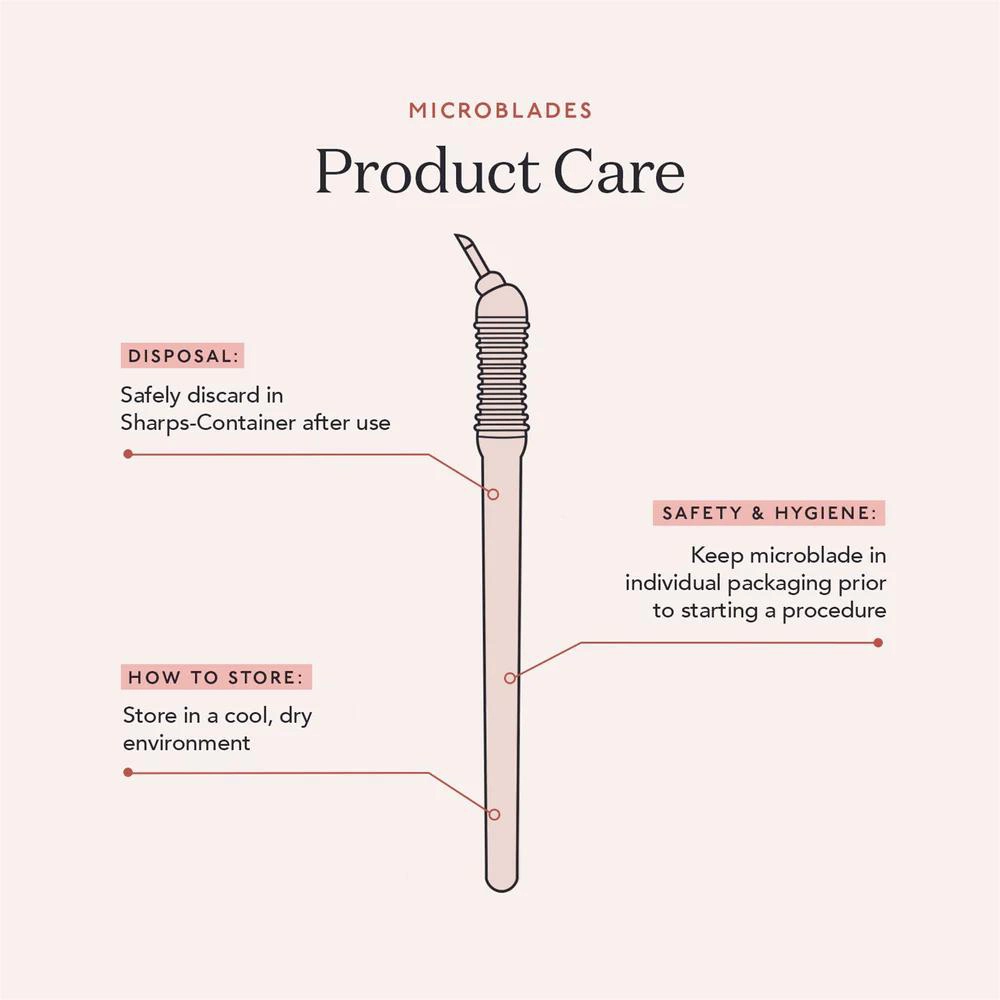
Microblading with a Machine: Is It Right for Your Salon?
Powder Pigment
What is the difference between inorganic and organic permanent makeup ink?
The main difference between organic and inorganic pigments lies in their chemical composition, properties and performance. Here are some key points to distinguish them:
Chemical composition:
Organic tattoo pigment are composed of carbon-based compounds, usually containing carbon, hydrogen, oxygen and other elements (such as nitrogen, sulfur, etc.). Their molecular structure is complex and usually has organic chemical characteristics.
Inorganic tattoo pigments are mainly composed of inorganic compounds and usually do not contain carbon. Such pigments may contain metal oxides, salts, minerals, etc.
Color saturation:
Organic permanent makeup pigment usually have higher color saturation and brighter colors. Inorganic permanent makeup pigment are generally more stable in color, have strong hiding power, and have low color saturation.
Stability:
Organic cosmetic tattoo pigment have poor stability in light, heat and chemical environments and may fade. Inorganic pigments are generally more stable and resistant to high temperatures and chemical erosion.
Permeability:
Organic pigments are usually composed of organic compounds, which often have good water solubility and can dissolve in water faster. Therefore, organic pigments have stronger permeability than inorganic pigments.
In general, organic and inorganic pigments have their own advantages and disadvantages and are suitable for different application scenarios and needs. In order to take into account the brightness, saturation and stability of the ink, most tattoo supplies ink currently use a mixed formula of organic and inorganic.
Tattoo Numbing Patches
How long does the production take for custom?
Typically, the production cycle for custom private label stickers is 7-10 days, while the production cycle for custom private label labels is 20-30 days.
Eyelash Perming Glue Balm
Our glue is strong and the lashes won't pop off all the time. It sets the lashes on the lash lift pads stably and is very easy to remove after the las
Does it come with a Super Glue? I am afraid that the lashes will pop off during the lash lift process.
Lash lift kit
What is the MOQ for customization?
For logo customization, the MOQ is 2000 kits; for other in-depth customization, the MOQ will be based on your specific requirements.
Handmade pen
What is the lifespan of a disposable microblading pen?
A best disposable microblading pen is a one-time use tool that should be used immediately after opening and discarded after use. It cannot be recycled.

Professional Pre Inked Eye Brow Mapping String 30m
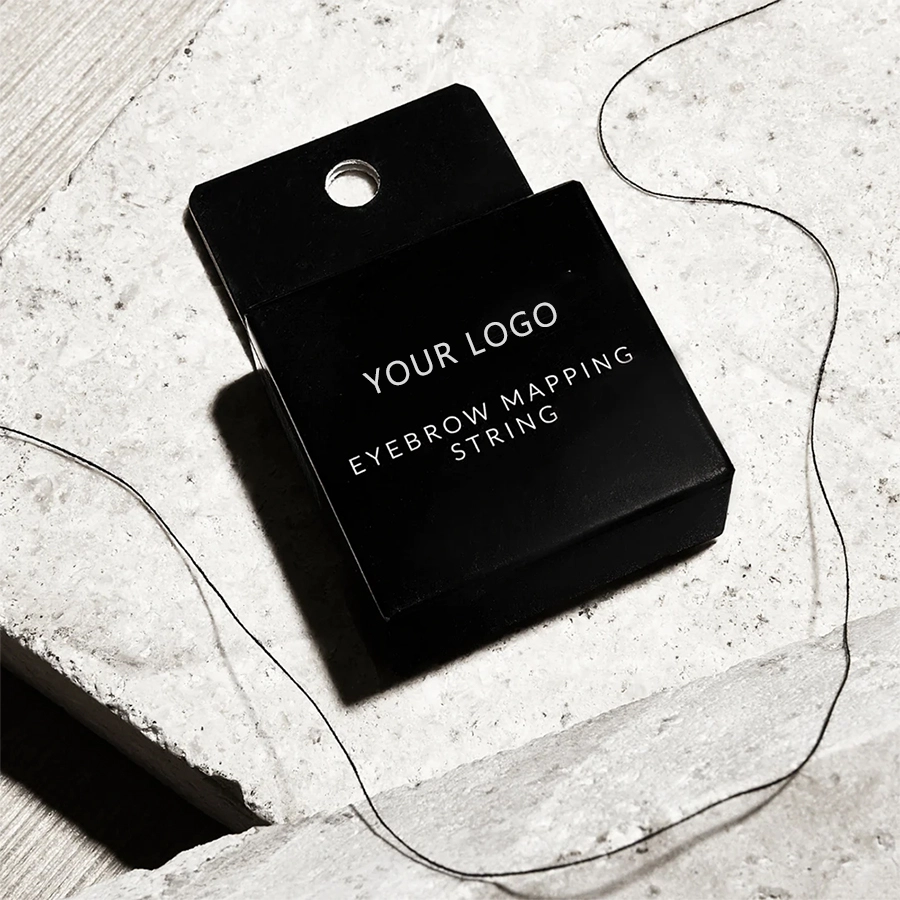
Microblading Pre-inked Mapping String Line 10m
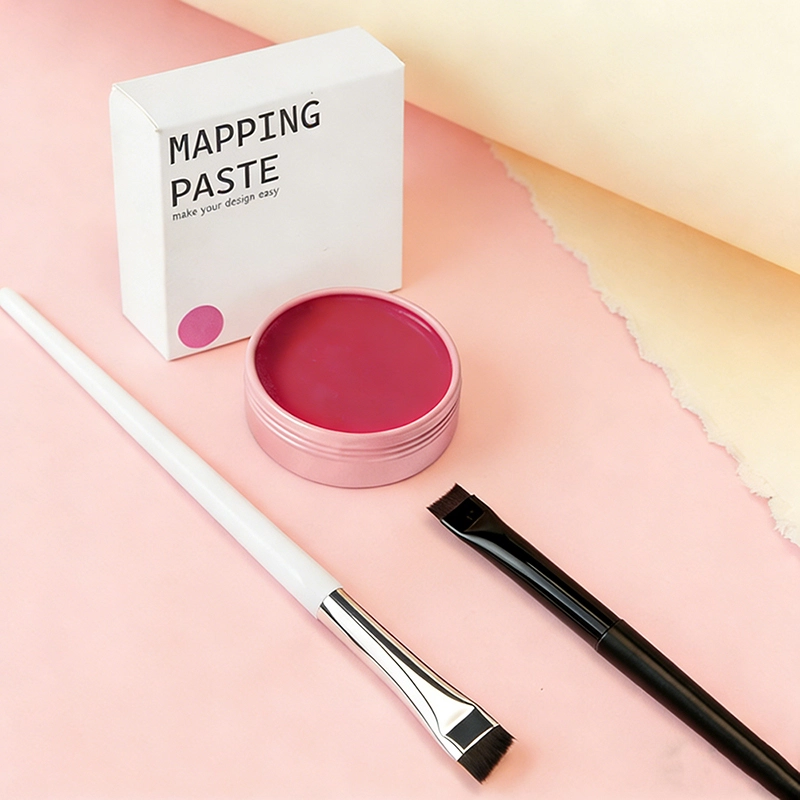
Pre-inked Mapping Ultra-Fine Eyebrows Eyeliner Blade Fan Brush

Instagram
Facebook
YouTube