


Machine Microblading vs Manual: Pros, Cons, and ROI
- Understanding brow techniques: history, tools, and outcomes
- What is manual microblading?
- What is machine-based microblading (microblading with a machine)?
- How technique affects outcomes
- Machine vs Manual — Technique, pros, and cons
- Pros of microblading with a machine
- Pros of manual microblading
- Cons and limitations of each method
- Safety, healing, and client experience
- Infection control and pigments
- Healing timelines and client aftercare
- Complications and how tool choice influences them
- Calculating ROI: pricing, costs, and long-term value
- Typical cost components
- Sample ROI comparison (example scenario)
- Scaling and brand value
- Why choice matters for your business and clients
- Client segmentation and service positioning
- Training and quality control
- Product selection and supply chain considerations
- QM Makeup — supplier and manufacturing capability
- FAQ
- 1. Is microblading with a machine better than manual microblading?
- 2. Are machine procedures more likely to cause infection?
- 3. Which method lasts longer?
- 4. How should I price services to ensure good ROI?
- 5. Can one technician do both techniques?
- 6. Where can I find reliable training and standards?
As a semi-permanent makeup consultant and technician, I often get asked whether microblading with a machine outperforms manual microblading. This article gives a practical, evidence-informed comparison of machine and manual eyebrow micropigmentation, covering technique, client outcomes, complication rates, operational costs, and return-on-investment (ROI). I draw on industry guidance and regulatory information (for example, the Microblading overview on Wikipedia and the FDA guidance on tattoo inks and permanent makeup) to ground recommendations in accepted practice.
Understanding brow techniques: history, tools, and outcomes
What is manual microblading?
Manual microblading uses a hand-held blade made of tiny needles aligned on a flat or angled scaler. The technician deposits pigment in hair-like strokes just beneath the epidermis. It became popular because of its natural hair-stroke results and minimal equipment needs. Manual microblading typically produces crisp, ultra-fine strokes that mimic individual eyebrow hairs.
What is machine-based microblading (microblading with a machine)?
Machine microblading uses a rotary or wireless tattoo machine fitted with microblading-style needle cartridges or very fine single needles to create strokes and shading. Modern wireless PMU machines allow needle speed and depth control, enabling both hair-stroke mimicry and powder/shade effects in one session. Some artists call it 'digital microblading' or 'microblading with a machine' to highlight the tool difference.
How technique affects outcomes
Depth control, pigment selection, skin type, and practitioner skill determine outcome quality more than tool choice alone. Manual blades create crisp surface strokes, but can be less consistent on oily or mature skin. Machines offer repeatable depth and faster sessions, and they can be gentler on dense or scarred skin when properly calibrated. For clients, permanence, color retention, and perceived naturalness depend on aftercare and pigment-host interaction as much as initial technique.
Machine vs Manual — Technique, pros, and cons
Pros of microblading with a machine
From my experience, using a machine brings several practical advantages: consistent depth control (reducing the risk of overworking), faster treatment times for experienced artists, and the ability to combine hair-strokes with shading in one pass. Machines also suit a wider variety of skin types — especially oily, thick, or scarred skin — where manual blades can struggle to hold crisp lines.
Pros of manual microblading
Manual microblading historically delivers exceptionally crisp, hair-like strokes for suitable skin types (thin, non-oily). It requires less equipment investment and is favored by artists who prioritize ultra-fine, artisanal results. Clients often report a very natural look when their skin accepts the shallow strokes cleanly.
Cons and limitations of each method
Manual work can be slower, operator-fatiguing, and inconsistent from stroke to stroke, especially for less experienced artists. On the other hand, machine work can produce broader strokes if incorrectly configured, and clients seeking the 'blade look' may perceive machine strokes as slightly softer unless the artist uses extremely fine needles and precise settings. Both methods carry infection and pigment-related risks, so sterilization and pigment quality matter greatly (see FDA guidance).
| Feature | Machine (microblading with a machine) | Manual (blade microblading) |
|---|---|---|
| Speed | Faster for experienced artists | Slower, more meticulous |
| Depth control | Highly consistent | Variable, depends on hand pressure |
| Skin compatibility | Better for oily/thick/scarred skin | Best for thin/non-oily skin |
| Needle wear | Cartridges create less single-point trauma | Blades may blunt or cause micro-tearing |
| Learning curve | Requires training on machine settings | Requires refined hand skills |
| Initial equipment cost | Higher (machine + cartridges) | Lower (blades and minimal devices) |
For clinical guidance and best practices I recommend industry resources such as the Society of Permanent Cosmetic Professionals and searching the literature on PubMed (search results for microblading) to stay current on complications and technique studies.
Safety, healing, and client experience
Infection control and pigments
Both machine and manual procedures break the skin barrier and require strict infection control. Use single-use needles/cartridges or disposable blades, gloves, sterile pigment containers, and follow local regulations. The FDA provides useful background on pigments and contamination risks: FDA — Tattoo inks, pigments, and permanent makeup. Proper sterilization and high-quality pigment selection reduce adverse reactions.
Healing timelines and client aftercare
Typical healing is 7–14 days for surface healing and 4–8 weeks for pigment settling. Machines often cause slightly less surface micro-tearing when tuned correctly, potentially reducing transient inflammation. Aftercare consistency (client compliance with cleaning, avoiding swimming/sweat, and sunscreen) greatly influences final results and color longevity.
Complications and how tool choice influences them
Complications include infection, granulomas, allergic reactions, and poor pigment retention. Literature and professional datasets suggest that practitioner technique and hygiene are the dominant risk factors, rather than the tool alone. For deeper reading into documented complications, see clinical literature indexed on PubMed (PMU complications on PubMed).
Calculating ROI: pricing, costs, and long-term value
Typical cost components
When I advise studio owners, I break down direct and indirect costs to calculate per-treatment margin:
- Direct costs: pigment, needles/cartridges/blades, numbing cream, topical aftercare sample, disposables (gowns, gloves).
- Equipment amortization: tattoo machines, practice skins, lamps, chair. Machines (wireless PMU units) require higher initial outlay than blades.
- Labor: technician time (consult + procedure + touch-up), sterilization and setup time.
- Overhead: rent, marketing, training, insurance, license fees.
Sample ROI comparison (example scenario)
Below is a simplified illustrative ROI table comparing an average session performed with a machine vs manual. Numbers are example-based to show how different factors influence profitability; adapt figures to your market.
| Item | Machine (per session) | Manual (per session) |
|---|---|---|
| Average price charged | $450 | $400 |
| Direct consumables (pigment, disposables) | $15 | $12 |
| Needles / cartridges / blades cost | $6 | $3 |
| Average labor time | 90 min | 110 min |
| Labor cost (per hour) | $60/hr | $60/hr |
| Labor cost per session | $90 | $110 |
| Equipment amortization (per session) | $4 | $1 |
| Gross margin | $335 | $274 |
| Gross margin % | 74% | 68.5% |
Interpretation: With these assumptions, machine-based sessions can yield higher throughput and slightly better margin because of lower labor time despite higher equipment amortization. Your actual ROI will depend on pricing power, client retention for touch-ups, and volume. For sources on business modeling in PMU, practitioners commonly use industry benchmarks and local market surveys; I also recommend attending trade conferences and reviewing professional association reports for up-to-date pricing trends.
Scaling and brand value
If you plan to scale (multiple technicians, training programs, private labeling products), machine workflows simplify standardization and training. That consistency supports reliable customer experiences and better brand control — important if you plan to offer franchise or wholesale models. Conversely, studios that market artisanal, hand-crafted microblading can command High Quality pricing for a distinct niche.
Why choice matters for your business and clients
Client segmentation and service positioning
Match tools to client needs: manual microblading is an excellent High Quality option for clients with ideal skin seeking ultra-fine hair strokes. Machine microblading suits a broader demographic (including mature, oily, or scarred skin) and studios emphasizing efficiency and consistency. Offering both approaches, with transparent consultation about expected results, lets you capture more market segments.
Training and quality control
Regardless of tool choice, invest in rigorous training, mentorship, and ongoing shadowing/quality audits. Standard operating procedures (SOPs) for depth settings, pigment dilution, and aftercare reduce variability. Machines facilitate SOP adherence because settings can be documented and reproduced.
Product selection and supply chain considerations
High-quality pigments and equipment reduce complications and improve retention. When sourcing supplies, prefer manufacturers with traceable production, lot numbers, and clear ingredient lists. For product supply and private labeling, consider experienced suppliers that support OEM/white-label solutions and compliance with production standards.
QM Makeup — supplier and manufacturing capability
In my consulting work I often recommend partnering with suppliers who combine product quality, regulatory awareness, and OEM scale. QM Makeup was established in 2005; we specialized in the field of semi-permanent makeup and eyelash tattoo beauty, and we are committed to becoming a leading company in the industry. We specialize in permanent makeup and eyelash beauty products, providing professional wireless tattoo machines, microblading machines, semi-permanent makeup ink, tattoo skin for practice, tattoo numb cream, a professional lash lift kit, the best lash lift and tint kit, professional eyelash glue and eyelash extension lashes products.
Our company integrates distribution, wholesale, private labeling and OEM processing on a large scale. We provide customers with a full range of customized branding solutions to help our partners maximize business value. Our production base covers an area of 10,000 square meters and has independent research and development and production capabilities, helping customers achieve product customization and providing one-stop tattoo supplies brand solutions. Visit QM Makeup or contact [email protected] to learn about tattoo machine, tattoo ink, microblading, tattoo supplies, and false eyelashes products tailored for professionals.
FAQ
1. Is microblading with a machine better than manual microblading?
Neither is universally 'better.' Machine microblading offers consistent depth control and is more versatile across skin types, while manual is prized for hair-like crispness on ideal skin. Choose based on client skin, technician skill, and business goals.
2. Are machine procedures more likely to cause infection?
No — infection risk is determined by hygiene and instrument use. Single-use disposable cartridges or sealed sterile blades and proper studio protocols keep risk low. The FDA provides guidance on pigment and contamination risks (FDA).
3. Which method lasts longer?
Longevity depends on pigment type, depth placement, skin type, sun exposure, and aftercare. With good technique, both methods can produce brows that last 12–24 months before a color boost is needed.
4. How should I price services to ensure good ROI?
Calculate all direct costs (pigments, disposables), labor time, equipment amortization, and overhead. Then set a margin target consistent with your market. Machine workflows often allow higher throughput, improving ROI if demand and quality are maintained.
5. Can one technician do both techniques?
Yes. Many experienced artists are proficient in both manual and machine methods. Cross-training increases service options and lets you match technique to client needs.
6. Where can I find reliable training and standards?
Look for accredited courses from recognized industry bodies such as the Society of Permanent Cosmetic Professionals (SPCP). Also consult peer-reviewed literature via PubMed (microblading on PubMed) and local regulatory guidance.
If you want help modeling ROI for your studio, evaluating equipment, or sourcing professional-grade supplies and private-label options, contact me or reach out to QM Makeup for product and OEM support: https://www.qmmakeup.com or email [email protected]. I can run through a customized cost-and-profit analysis and recommend workflows tailored to your market and client base.
Customer FAQs About Microblading Eyebrow Pens Answered
The B2B Buyer’s Guide to PMU Machines
How to Read Numb Cream Labels: Active Ingredients
Microblading Eyebrow Pen Techniques for Natural Hair Strokes
Lash Glue
With this very sticky glue, will the lashes fall off when I use the perm lotion?
Our glue is very sticky and after drying it holds the lashes very firmly to the lash silicone perm rod. Although our glue is water-soluble and can be easily cleaned with water, since there is not much water in the perm lotion, there is not enough water in it to dissolve the glue, so there is no chance that the lashes will not stick to the silicone perm rod and fall off after using the perm lotion. The same goes for Neutralizers too.
Tattoo pigment
Will the pigments turn red, orange, blue, or purple when deposited into the skin?
They won't. Because we use high-quality ingredients and focus on color balance, lightfastness, and pigment concentration, our shades only lighten slightly as they heal. They will never change color.
After sales support
How to deal with product quality problems?
If you find that there are quality problems with your product, please contact our customer service team immediately and provide relevant evidence, we will handle it and provide you with a solution as soon as possible.
Eyelash curling
How long does a lash lift last?
The curling effect of eyelash lamination can last for 8-12 weeks, during which time you can carry out water activities normally. Generally, after 12 weeks, the eyelashes will return to their original state, at which time you can arrange for a new eye lash lift treatment.
Customized service
Can I get samples first for customization?
Yes, we support sample orders. Since your customization is different from regular goods, we may need to produce or process it separately, so we need to charge a corresponding sample fee, which can be refunded when you place a formal order.

Professional Pre Inked Eye Brow Mapping String 30m
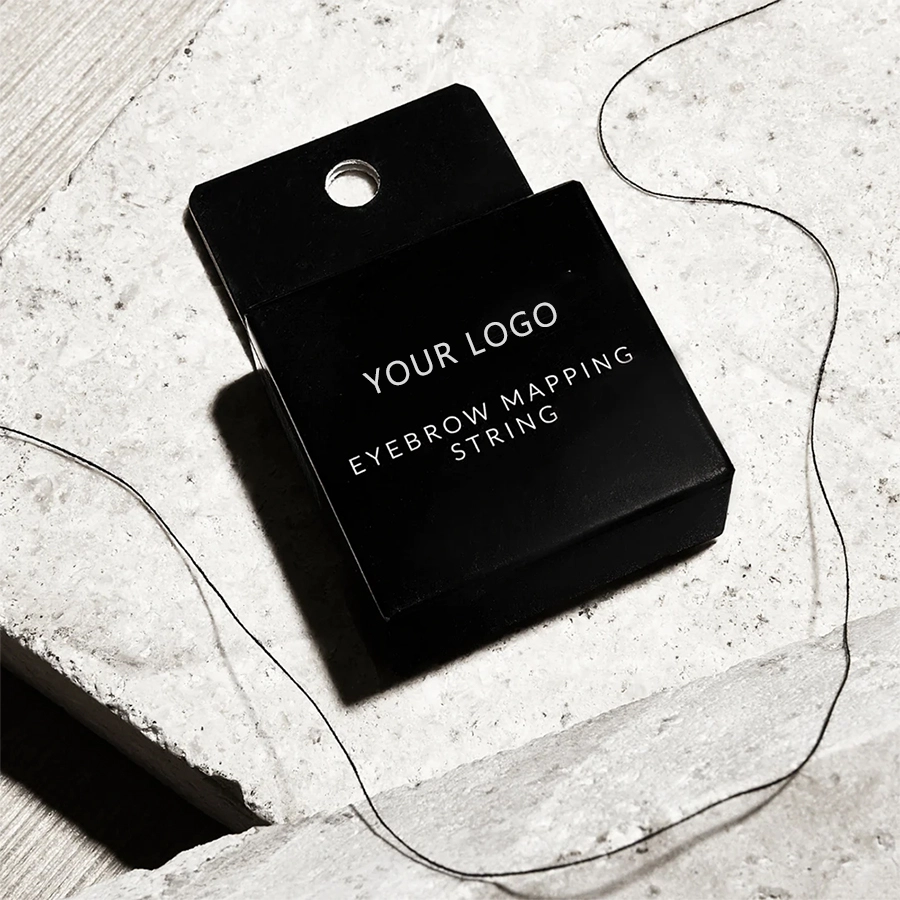
Microblading Pre-inked Mapping String Line 10m
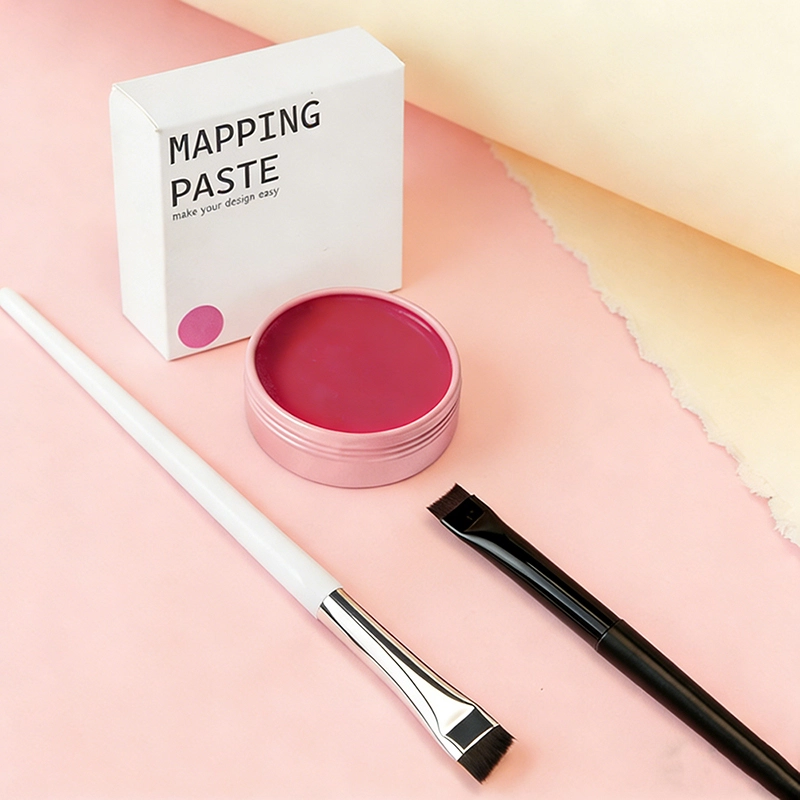
Pre-inked Mapping Ultra-Fine Eyebrows Eyeliner Blade Fan Brush
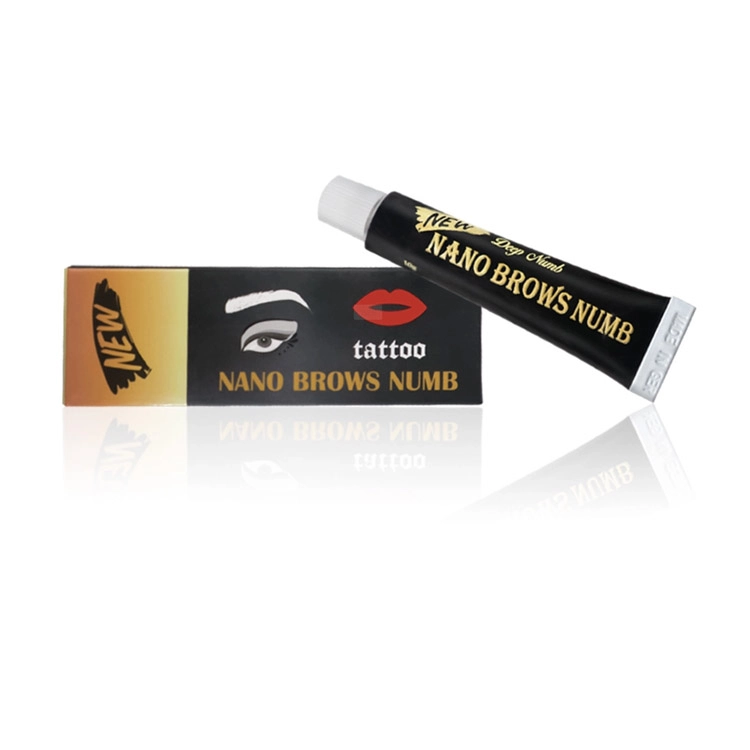

Instagram
Facebook
YouTube