


Natural vs Synthetic: Choosing Tattoo Aftercare Creams
- Understanding Aftercare Needs: Why your choice of cream matters
- How a cream affects tattoo healing
- What clients usually expect
- Natural vs Synthetic: Key differences and what they mean
- Composition and preservative systems
- Allergy and sensitivity considerations
- Performance: moisture, barrier repair, and color retention
- How to evaluate a cream for tattoos aftercare
- Ingredient checklist: what to look for and avoid
- Packaging, shelf-life and contamination risk
- Clinical and practical testing: what professionals do
- Practical guidance: using creams safely and effectively
- Application protocol for fresh tattoos
- When to use more occlusive vs lighter formulations
- Signs of normal healing vs complications
- Natural vs Synthetic comparison: an at-a-glance table
- Why QM Makeup’s 50g Body Tattoo Butter Balm is a practical choice
- Formulation benefits for daily tattoo care
- How it fits into professional workflows
- Practical tips when using the product
- Evidence, standards and professional guidance
- Regulatory context and safety
- Dermatology perspective
- When to consult medical professionals
- FAQ — Frequently Asked Questions
- Q: Is a natural cream always safer than a synthetic one for tattoo aftercare?
- Q: How long should I use a cream for tattoos aftercare?
- Q: Can I use petroleum jelly (Vaseline) on a fresh tattoo?
- Q: Are there ingredients I should avoid entirely?
- Q: How should studios store and distribute aftercare creams?
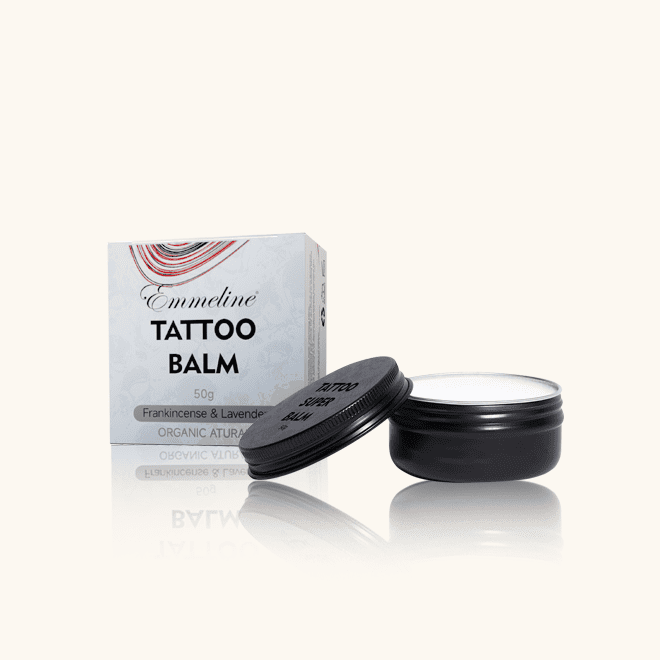
Choosing the right cream for tattoos aftercare affects healing, color retention, and complication risk for clients and artists worldwide. This guide compares natural versus synthetic tattoo aftercare creams, explains ingredient safety and efficacy, and gives step-by-step, evidence-aware advice so you can pick a post-tattoo balm or ointment that promotes fast, healthy healing and long-lasting results. The recommendations reference tattoo safety and dermatology guidance from recognized bodies to meet professional standards and help indexing for global audiences.
Understanding Aftercare Needs: Why your choice of cream matters
How a cream affects tattoo healing
A tattoo is an open micro-wound. The aftercare product you use — whether labeled tattoo balm, healing cream, or tattoo butter — influences moisture balance, barrier restoration, and local inflammation control. A good cream for tattoos aftercare keeps the area hydrated without suffocating the skin, reduces excessive scab formation, and minimizes risk of secondary infection. Clinical and regulatory guidance (e.g., from the U.S. Food and Drug Administration) emphasizes minimizing contamination and using appropriate cosmetic or topical products during healing (FDA: Tattoos & Permanent Makeup).
What clients usually expect
Clients want three things: reduced pain/irritation, quick healing with minimal scabbing, and preserved color/saturation. That means the ideal cream for tattoos aftercare should be non-comedogenic, fragrance-free (or low fragrance), non-irritating, and supportive of the skin’s barrier function. For semi-permanent makeup and body tattoos, recommendations from professional organizations such as the Society of Permanent Cosmetic Professionals inform best practices for aftercare and product selection (SPCP).
Natural vs Synthetic: Key differences and what they mean
Composition and preservative systems
Natural creams often use plant-based oils (e.g., shea, cocoa, coconut, jojoba) and botanical extracts as moisturizers and emollients. Synthetic creams rely on lab-made emollients (e.g., dimethicone, petrolatum, caprylic/capric triglycerides) and carefully formulated preservatives to ensure stability. Preservative choice matters: poorly preserved natural products can harbor microbes, increasing infection risk in fresh tattoos. Regulatory guidance shows that product safety and microbial control are essential; well-formulated synthetic or hybrid balms can therefore be safer during healing if they include safe, proven preservatives (FDA: Cosmetic Ingredients).
Allergy and sensitivity considerations
Natural does not equal hypoallergenic. Botanical extracts and essential oils can cause contact dermatitis in susceptible people. Synthetic formulas can be designed to be fragrance-free and allergen-minimized. When selecting a cream for tattoos aftercare, prioritize hypoallergenic, fragrance-free, and minimally allergenic formulations, and consider patch testing when clients have a history of sensitivities. The American Academy of Dermatology provides practical guidance on minimizing allergic reactions to topical products (AAD).
Performance: moisture, barrier repair, and color retention
Performance depends on humectants, emollients, and occlusives, not simply 'natural' status. Hyaluronic acid, glycerin (humectants), ceramides and fatty acids (barrier repair), and petrolatum or dimethicone (occlusives) are common in synthetic or hybrid creams and are effective at maintaining the right moisture level. A product like QM Makeup’s 50g Body Tattoo Butter Balm is formulated to deeply nourish and support vibrant, long-lasting tattoos by combining emollient and barrier-support ingredients tailored for daily tattoo care.
How to evaluate a cream for tattoos aftercare
Ingredient checklist: what to look for and avoid
Look for:
- Simple, clearly-labeled ingredients: glycerin, shea butter, jojoba, ceramides, panthenol (pro-vitamin B5), and mild preservatives.
- Fragrance-free, dye-free formulations to reduce irritation risk.
- Non-comedogenic bases for areas prone to follicular occlusion.
Avoid:
- Unregulated essential oil blends or highly fragrant botanical extracts immediately after tattooing.
- Topical antibiotics or steroids unless prescribed for a diagnosed infection or inflammatory reaction by a clinician.
- Heavy, unpreserved ‘natural’ salves sold in jars without clear preservation; they may be contaminated.
Packaging, shelf-life and contamination risk
Packaging matters: tubes or airless pumps reduce contamination risk better than open jars. For daily tattoo care, a 50g jar like QM Makeup’s Body Tattoo Butter Balm is convenient, but ensure the balm is used with clean hands or a sanitized spatula to avoid introducing microbes. Check expiration dates and batch information; reputable suppliers offer stability and microbial testing data on request, which aligns with best practices from professional associations (SPCP).
Clinical and practical testing: what professionals do
Piercers and tattoo artists often trial products on themselves and consenting clients, monitoring healing, scab formation, and color retention over weeks. Professionals prioritize products that minimize scabs (reducing ink loss) and maintain hydration. When in doubt, consult dermatology guidance and regulatory information about topical product safety in wound-like conditions (FDA).
Practical guidance: using creams safely and effectively
Application protocol for fresh tattoos
Standard practical steps for using a cream for tattoos aftercare:
- Follow the artist’s first-aid instructions immediately after inking (cleaning, bandaging if applied).
- After initial protection period (usually a few hours to 24 hours depending on artist guidance), wash hands and gently cleanse the tattoo with lukewarm water and mild, fragrance-free soap.
- Pat dry with a clean towel or let air dry. Apply a thin layer of the aftercare cream or tattoo balm—enough to hydrate without leaving a thick film. Over-application can suffocate the skin and prolong scabbing.
- Repeat 2–3 times daily or as recommended. For daily tattoo care, QM Makeup’s 50g Body Tattoo Butter Balm is formulated to soothe, protect, and nourish the skin while supporting vibrant tattoo longevity.
When to use more occlusive vs lighter formulations
In the first 48–72 hours, a slightly occlusive layer can help prevent moisture loss and reduce bleeding or excessive scabbing. As healing progresses, switch to lighter moisturizing creams to maintain barrier repair without trapping sweat and bacteria. This is why many artists recommend an initial balm or ointment for early healing, followed by a lighter daily tattoo care cream.
Signs of normal healing vs complications
Normal signs: mild redness around the fresh tattoo, light scabbing that flakes away, slight itching as skin re-epithelializes. Concerning signs requiring medical attention or clinician consultation include increasing pain, spreading redness, pus or foul odor, and systemic symptoms (fever). If infection is suspected, seek medical care rather than applying stronger topical home remedies. For general safety and infection prevention guidance, consult dermatology resources (AAD).
Natural vs Synthetic comparison: an at-a-glance table
| Feature | Natural-based Creams | Synthetic / Formulated Creams |
|---|---|---|
| Main ingredients | Plant oils, butters, botanical extracts | Lab-made emollients, humectants, ceramides, controlled preservatives |
| Microbial safety | Can be higher risk if not preserved correctly | Usually lower risk when properly formulated and preserved |
| Allergy risk | Potentially higher (essential oils, botanicals) | Can be minimized (fragrance-free, hypoallergenic) |
| Performance (hydration & barrier repair) | Effective if balanced with humectants and occlusives | Often optimized for barrier repair and long-term stability |
| Best for | Clients wanting natural ingredients and who have no allergies | Clients needing low-allergen, clinically-stable options for healing |
Why QM Makeup’s 50g Body Tattoo Butter Balm is a practical choice
Formulation benefits for daily tattoo care
QM Makeup’s Body Tattoo Butter Balm offers high quality balm tattoo aftercare designed to soothe and protect freshly inked skin. By combining nourishing emollients with barrier-supporting ingredients, it helps reduce excessive scabbing and supports pigment stability. As a dedicated tattoo aftercare balm available for Tattoo Butter Balm wholesale, it suits professional studios that need consistent, stable performance for multiple clients.
How it fits into professional workflows
Artists and studios often seek a reliable cream for tattoos aftercare that is easy to recommend for client take-home use. A 50g size is convenient for single-client distribution or retailing at counters. For studios looking to buy in volume, wholesale availability simplifies maintaining a consistent aftercare protocol across clients, supporting predictable healing outcomes.
Practical tips when using the product
Apply a thin layer 2–3 times daily after cleansing. Use clean hands or a sanitized spatula when taking balm from the jar. Store at room temperature away from direct sunlight. For clients with known sensitivities, perform a patch test prior to full application and advise discontinuation if irritation or allergic reaction develops.
Evidence, standards and professional guidance
Regulatory context and safety
Professional and regulatory resources recommend minimizing contamination and choosing appropriate topical products for skin that has been punctured or injured. The U.S. FDA provides guidance about tattoos and cosmetics (FDA: Tattoos & Permanent Makeup). Professional bodies such as the Society of Permanent Cosmetic Professionals also publish best practices for aftercare and client safety (SPCP).
Dermatology perspective
Dermatologists emphasize infection recognition, avoidance of unnecessary topical antibiotics, and choosing non-irritating products during wound healing. For general skin and allergy guidance, refer to the American Academy of Dermatology (AAD) and established dermatology literature. For background on tattoos and skin interactions, see the encyclopedic overview at Wikipedia (Wikipedia: Tattoo).
When to consult medical professionals
If you see signs of infection (pus, worsening redness, fever) or prolonged hypersensitivity reactions, stop topical use and seek medical care. For diagnostic uncertainty, a clinician or dermatologist can provide wound care advice and prescribe appropriate treatments if necessary.
FAQ — Frequently Asked Questions
Q: Is a natural cream always safer than a synthetic one for tattoo aftercare?
A: No. Natural ingredients can cause allergies and may lack adequate preservatives, increasing infection risk. Safety depends on formulation stability, packaging, and the product’s ingredient profile. Choose hypoallergenic, well-preserved creams or balms from reputable manufacturers.
Q: How long should I use a cream for tattoos aftercare?
A: Typically 2–4 weeks of active care is recommended—more for larger pieces or areas that take longer to heal. Continue to moisturize the area thereafter to support skin health and color longevity. Follow your artist’s instructions and monitor healing progress.
Q: Can I use petroleum jelly (Vaseline) on a fresh tattoo?
A: Short-term use of petrolatum can be helpful as an occlusive in the immediate post-ink period, but overuse can trap moisture and bacteria. It’s better to use a purpose-formulated tattoo aftercare cream or a validated balm like QM Makeup’s 50g Body Tattoo Butter Balm, which balances occlusion and breathability and is formulated for daily tattoo care.
Q: Are there ingredients I should avoid entirely?
A: Avoid topical antibiotics without prescription, strong fragrances, high concentrations of essential oils, and alcohol-based drying agents. Also avoid steroid creams unless prescribed, as they can thin skin and affect healing and pigment.
Q: How should studios store and distribute aftercare creams?
A: Store in a cool, dry place away from direct sunlight. Use pumps or sanitized dispensers when possible. If using jars, supply a sanitary spatula or provide factory-sealed single-use samples to reduce contamination. For wholesale purchases, request stability and microbial test documentation from the supplier.
If you’d like to try a trusted solution, consider QM Makeup’s 50g Body Tattoo Butter Balm — a high quality balm tattoo aftercare product designed to soothe, protect, and nourish tattoos for long-lasting vibrancy. For wholesale inquiries, product details, or to purchase, contact our customer service or visit our product page to learn more and place an order. Contact us for personalized aftercare recommendations or wholesale pricing.
Contact & Product Links: View QM Makeup’s Body Tattoo Butter Balm and bulk options, or reach out to our support team for studio-level advice and wholesale orders.
The B2B Buyer’s Guide to best color tattoo ink
How to Start a Lash Lift Service with an eye lash lift kit
Customer FAQs About Lash Lift Kits Answered
Aftercare Kit Checklist for Permanent Makeup Suppliers
Lash lift kit
How long does the lifting effect last?
On average, the lash lifting effect lasts for 2-3 months, depending on the clients eyelashes individual differences and the time you takes for lash lift procedure of soften (perm lotion) and set (neutralizer).
Logistics
How can I track my order?
You will receive a shipping confirmation and tracking number via email or other contact methods for all orders.
Powder Pigment
Why dose the ink not colored on the skin after the pigment microblading operation?
The ink is not colored on the skin after the tattoo operation, which is a common problem encountered by novice tattoo artists. There may be several reasons:
Technical problems: If the tattoo technician is not skilled, the ink may not be properly implanted into the skin during the operation, resulting in the inability to color the colorant.
Selected ink type: The type of ink used does not match the tool used, resulting in the inability to color the colorant, such as using liquid ink with a manual pen. Or the ink is practice pigment, it is not professional-grade permanent makeup pigment.
Skin condition: The condition of the skin will also affect the tattoo effect. If the skin is too dry, greasy or inflamed, the ink may not be absorbed well.
Insufficient depth: If the appropriate implantation depth is not reached during tattooing, the colorant may remain in the epidermis and cannot penetrate into the dermis.
Postoperative care: Improper postoperative care (such as excessive cleaning or improper use of skin care products) may cause the tattoo colorant to fade or fail to be properly absorbed.
If this happens after tattooing, it is recommended to consult a professional tattoo artist for evaluation and adjustment.
Is the hybrid powdered pigment organic pigment for microblading?
Hybrid tattoo powder pigment is a revolutionary solution designed to address common problems encountered during micropigmentation and permanent makeup pigment application. This water-oil balanced makeup tattoo pigment harmoniously blends organic and inorganic ingredients to provide superior results.
Secondary Numbing essence
How should I choose a numbing product? Order of use and recommendations?
Generally speaking, we recommend choosing numbing products based on your operating experience, usage habits, treatment stage, treatment area, and applicable population. Here are some tips for choosing numbing products.
1. Treatment stage: Before treatment: tattoo numb cream/tattoo numb essence; During treatment: secondary tattoo numb essence
2. Treatment area: Eyebrows: tattoo numb cream/tattoo numb essence/eyebrow patch; Eyeliner: numbing cream; Lips: tattoo numb cream/numbing essence/lip patch; Body: tattoo numb cream.
3. Operating experience: Beginner: tattoo numb cream; Professional: all are okay
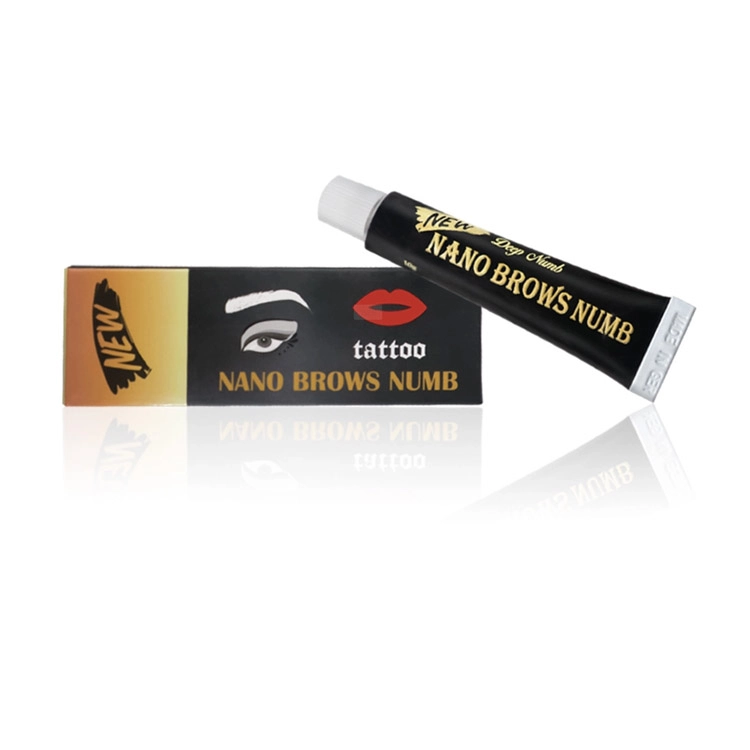
4. Applicable skin: Normal skin: all are okay; Sensitive skin: nano numb cream

Professional Pre Inked Eye Brow Mapping String 30m
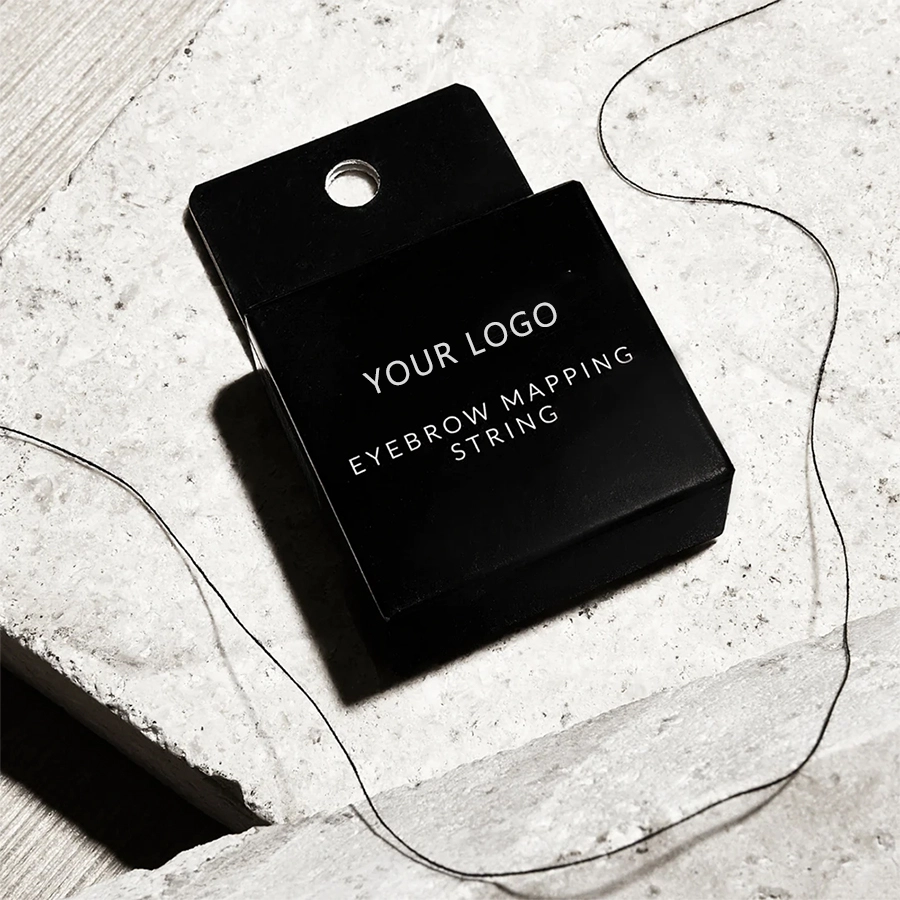
Microblading Pre-inked Mapping String Line 10m
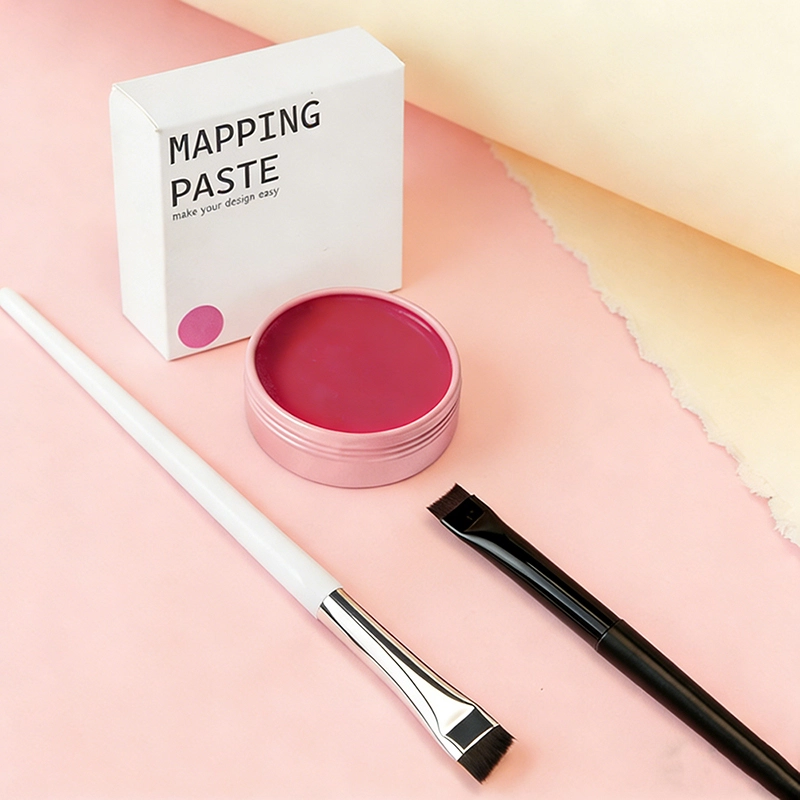
Pre-inked Mapping Ultra-Fine Eyebrows Eyeliner Blade Fan Brush

Instagram
Facebook
YouTube