


Aftercare Kit Checklist for Permanent Makeup Suppliers
- Why aftercare kits matter for suppliers
- Clinical risks and evidence
- Business benefits: retention, liability reduction, and reviews
- Regulatory expectations for suppliers
- Core components of an effective aftercare kit
- Cleansers and wound care
- Protective dressings and barriers
- Topicals: ointments and healing balms
- Packaging, labeling and documentation
- Clear usage instructions and multilingual inserts
- Regulatory labeling, warnings and SDS
- Traceability and batch coding
- Quality, testing and sourcing: what suppliers must verify
- Biocompatibility and microbiological safety
- Supply chain controls and OEM/private label
- Kit variations and a practical comparison
- Designing a compliant and sellable aftercare product
- Branding, private label and consumer expectations
- Claims, advertising and substantiation
- Environmental and consumer trends
- How I approach supplier onboarding and quality assurance
- Checklist I run through with prospective suppliers
- Typical testing requirements and sample plan
- Pricing and margin considerations
- About QM Makeup — partner capabilities and product highlights
- Implementation roadmap for suppliers
- Step 1 — Define target kit SKUs and markets
- Step 2 — Validate formulations and materials
- Step 3 — Pilot with select artists and capture feedback
- Frequently Asked Questions (FAQ)
- 1. What is the most essential item in an aftercare kit for permanent makeup?
- 2. How long should clients use aftercare products?
- 3. Do aftercare kits need regulatory approval?
- 4. Can I private label a QM Makeup aftercare kit?
- 5. How should kits be stored and what is typical shelf life?
- 6. What documentation should I include for studio clients?
- Final thoughts and how I can help
As a consultant with years of experience in semi-permanent makeup (PMU) and eyelash tattoo products, I know that well-built aftercare kits are essential for reducing infection risk, improving healing outcomes and protecting QM Makeup reputation. This article presents a practical, regulatory-aware, and supplier-focused aftercare for tattoo checklist designed for manufacturers, wholesalers and private label partners operating across the US, EU and Asia.
Why aftercare kits matter for suppliers
Clinical risks and evidence
Tattoo and permanent makeup procedures are superficial skin trauma. Without proper aftercare, clients face risks including local infection, delayed healing, pigment loss, and scarring. Public health sources document infectious complications from body art procedures—reviewed cases and recommendations can be found via the CDC and clinical literature (CDC: Tattoos; Complications of body piercing and tattooing (PMC)).
Business benefits: retention, liability reduction, and reviews
As a supplier I’ve seen clear business outcomes when artists provide a standardized professional aftercare kit: fewer complications, higher client satisfaction, and better online reviews. Kits also help studios demonstrate duty of care and reduce disputes over healing outcomes.
Regulatory expectations for suppliers
Different markets have different labelling and safety requirements. The FDA provides guidance on cosmetic ingredients and tattoo inks (FDA: Tattoo Inks and Pigments). For medical device/biocompatibility considerations, ISO 10993 standards inform material safety testing—review these when choosing wound dressings or topical components (FDA on Biocompatibility/ISO 10993).
Core components of an effective aftercare kit
Cleansers and wound care
The initial days after a cosmetic tattoo require gentle cleansing to remove lymph and debris while preventing contamination. I recommend including a sterile saline wipe or a gentle soap pad (pH-balanced, fragrance-free) and clear instructions. Suppliers should source products that comply with cosmetic or medical device quality depending on claims.
Protective dressings and barriers
An appropriate dressing (e.g., non-adherent sterile pad and hypoallergenic adhesive film) protects the fresh tattoo from friction and microbes during the first 24-72 hours. Transparent polyurethane films (e.g., Tegaderm-style) are popular for PMU because they allow inspection without removal. Ensure suppliers validate adhesive materials for skin contact and list ingredients for allergy management.
Topicals: ointments and healing balms
Aftercare ointments support re-epithelialization and hydration. I typically include a small tube (5–10 g) of a fragrance-free, preservative-stable balm—options include petroleum-based or modern barrier creams with skin-friendly emollients. If you market an antimicrobial claim, ensure supporting data and regulatory clearance in target markets.
Packaging, labeling and documentation
Clear usage instructions and multilingual inserts
Clients must be able to follow aftercare without confusion. Provide step-by-step instructions (clean, dry, apply, protect) and timeframe (how long to use ointment, when to resume makeup). For global distribution I advise including instructions in English plus the primary languages of your market (e.g., Spanish, French, Mandarin). Use simple language and photos/illustrations for clarity.
Regulatory labeling, warnings and SDS
Suppliers must include ingredient lists, shelf life/expiration, storage instructions, and safety warnings (e.g., For external use only, allergy alerts). For components classified as cosmetic or medical devices, attach a Safety Data Sheet (SDS) and technical dossier. Refer to FDA and EU Cosmetic Regulation (Regulation (EC) No 1223/2009) for labeling obligations.
Traceability and batch coding
Batch codes and manufacturing dates are crucial for recall readiness and quality control. I recommend a visible lot number and an internal system linking batches to raw material certificates and testing records.
Quality, testing and sourcing: what suppliers must verify
Biocompatibility and microbiological safety
Materials in contact with fresh wounds should be tested for cytotoxicity, sensitization and irritation according to ISO 10993 principles where applicable. For microbiological safety, ensure raw materials meet microbial limits and that final kits are manufactured in clean conditions. The FDA and ISO literature are useful starting points (FDA on Biocompatibility).
Supply chain controls and OEM/private label
When offering OEM or private labeling, I audit upstream suppliers: certificates of analysis, COA for raw ingredients, and factory audits. Your production partner should support custom formulation, compliance labeling and packaging design. If you scale globally, ensure contracts allow documentation sharing for regulatory audits.
Kit variations and a practical comparison
Below is a practical comparison I use when advising clients. It helps them choose a standard retail kit vs. a professional kit for artists.
| Feature | Standard Aftercare Kit (Retail) | Professional Aftercare Kit (Studio Supply) |
|---|---|---|
| Primary cleansing | 2 saline pads or 1 gentle soap pad | 5 saline sachets + bulk gentle cleaning foam |
| Protective dressing | 1 non-adherent pad + small adhesive bandage | 1 transparent film dressing (single-use) + gauze |
| Aftercare topical | 5 g healing balm | 10–30 g professional ointment with batch info |
| Instructions | Single-sheet, English | Multilingual leaflet + artist guidance card |
| Price bracket (supplier wholesale) | Low | Medium–High |
Sources for clinical guidance: NHS aftercare recommendations for tattoos and piercings (NHS: Tattoos) and CDC guidance on body art hygiene (CDC).
Designing a compliant and sellable aftercare product
Branding, private label and consumer expectations
As a supplier I emphasize the buyer’s experience: high-quality packaging, a High Quality tactile feel and clear brand messaging improve perceived value. Offering private labeling and custom formulation increases studio loyalty and enables upsell (e.g., subscription replenishment for clients).
Claims, advertising and substantiation
Any therapeutic or antimicrobial claim requires scientific substantiation and may change product classification under local laws. For example, claiming prevents infection could require medical claims substantiation. I advise sticking to healing-support and barrier protection claims unless you have the data to support stronger claims.
Environmental and consumer trends
Demand for cruelty-free, vegan and low-plastic packaging is growing. Suppliers who can offer eco-friendly tubes, recyclable cartons and refill options gain market advantage. Certification logos should be verifiable and backed by documentation.
How I approach supplier onboarding and quality assurance
Checklist I run through with prospective suppliers
- Raw material COAs and micro testing results
- Stability data for topicals and shelf-life validation
- Label compliance for target markets (US, EU, APAC)
- Batch traceability and recall plan
- Minimum order quantities, lead-times and packaging mock-ups
Typical testing requirements and sample plan
I recommend suppliers provide: micro testing (USP <61>/<62> equivalents), preservative efficacy tests for water-based products, and accelerated stability data showing no phase separation for creams and ointments. Work with accredited labs and maintain records for inspection.
Pricing and margin considerations
Kits must balance cost and perceived value. For studio kits I advise including larger-volume topicals and High Quality dressings; retail kits should be compact with strong shelf appeal. Offer tiered SKUs (basic, standard, High Quality) to capture more customers.
About QM Makeup — partner capabilities and product highlights
QM Makeup was established in 2005; we specialized in the field of semi-permanent makeup and eyelash tattoo beauty, and we are committed to becoming a leading company in the industry. We specialize in permanent makeup and eyelash beauty products, providing professional wireless tattoo machines, microblading machines, semi-permanent makeup ink, tattoo skin for practice, tattoo numb cream, a professional lash lift kit, the best lash lift and tint kit, professional eyelash glue and eyelash extension lashes products.
Our company integrates the distribution, wholesale, private labeling and OEM processing on a large scale. We provide customers with a full range of customized branding solutions to help our partners maximize business value. Our production base covers an area of 10,000 square meters and has independent research and development and production capabilities, helping customers achieve product customization and providing one-stop tattoo supplies brand solutions.
Why work with QM Makeup? Based on my experience working alongside them, QM Makeup delivers:
- Product breadth: tattoo machine, tattoo ink, microblading, tattoo supplies, eyelashes (false)
- Manufacturing scale: independent R&D and production with 10,000 m2 base
- Customization: private labeling and OEM capacity for packaging and formula
- Regulatory support: documentation for export markets and batch traceability
Visit QM Makeup: https://www.qmmakeup.com or contact [email protected] for product catalogs, MOQ and private labeling guidance.
Implementation roadmap for suppliers
Step 1 — Define target kit SKUs and markets
Decide which markets you will serve and whether the kit is retail-facing or studio-supplied. Map labeling, languages and claims accordingly.
Step 2 — Validate formulations and materials
Order samples, run micro and stability tests, and evaluate packaging mock-ups under real-world conditions (transport, humidity).
Step 3 — Pilot with select artists and capture feedback
Distribute pilot kits to experienced PMU artists for at least 30–60 procedures and collect structured feedback on healing outcomes and client comprehension. Iterate on instructions and materials before full launch.
Frequently Asked Questions (FAQ)
1. What is the most essential item in an aftercare kit for permanent makeup?
The most essential items are a gentle cleansing option (saline/soap), a protective non-adherent dressing, and a small tube of fragrance-free healing ointment. Clear instructions are as important as any physical item.
2. How long should clients use aftercare products?
Typical guidance: cleanse gently for the first 3 days, use ointment as directed for 5–10 days depending on healing, and avoid makeup over the area until fully healed. Exact timelines depend on the procedure and skin type—always suggest follow-up with the artist.
3. Do aftercare kits need regulatory approval?
It depends on claims and components. Simple cosmetic aftercare (moisturizing barrier) is generally under cosmetic rules. Antimicrobial or wound-healing claims may change classification to medical devices or require stronger substantiation. Consult regulatory counsel for each target market.
4. Can I private label a QM Makeup aftercare kit?
Yes. QM Makeup supports private labeling and OEM processing, including custom packaging and product formulation adjustments. Contact them at [email protected] or visit qmmakeup.com for details.
5. How should kits be stored and what is typical shelf life?
Store kits in a cool, dry place away from direct sunlight. Topicals typically have a 12–36 month shelf life depending on preservatives and packaging. Validate with stability testing and print expiry dates on packaging.
6. What documentation should I include for studio clients?
Include step-by-step aftercare instructions, an allergy checklist, contact details for the studio, batch number for the kit, and a brief troubleshooting guide (e.g., signs of infection and when to seek medical attention).
Final thoughts and how I can help
Building a reliable aftercare for tattoo kit is both a clinical and commercial decision. As a consultant in the PMU field, I advise suppliers to prioritize biocompatibility, clear labeling, and a tiered product lineup to meet both retail and professional demands. If you need a tailored kit specification, OEM/private labeling support, or regulatory documentation, QM Makeup and I can help you design and deliver market-ready aftercare solutions.
For product inquiries, factory capabilities or private labeling, contact QM Makeup: https://www.qmmakeup.com or email [email protected]. Let’s design an aftercare kit that protects clients and elevates QM Makeup.
Top 5 tattoo pigment Company List and Products Compared
Choosing the Best Healing Ointment for Tattoo Aftercare
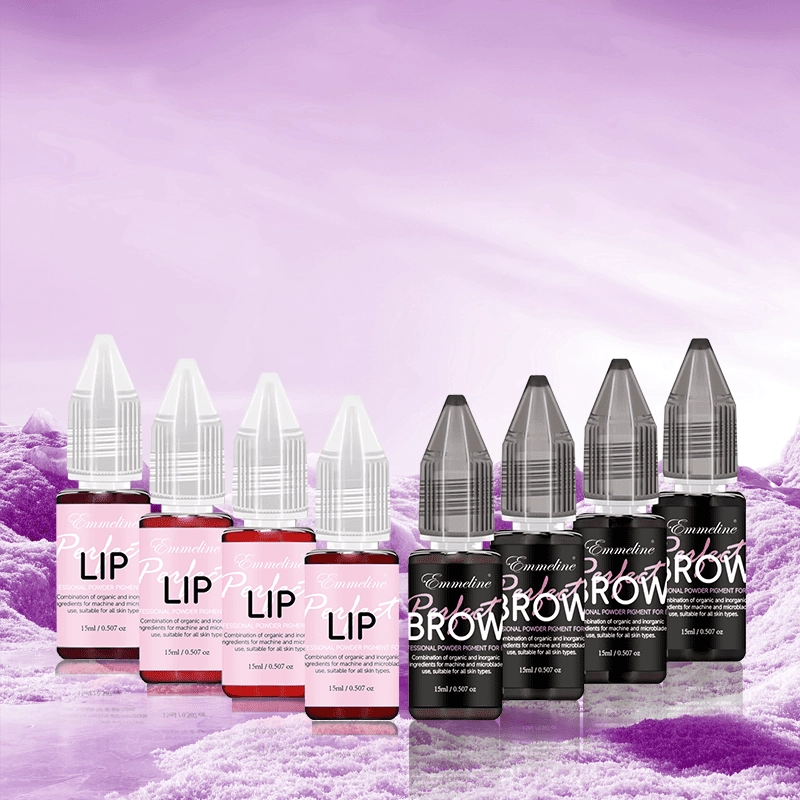
How Long Does Tattoo Pigment Ink Last? Longevity Explained
Wholesale Tattoo skin repair balm manufacturer and supplier
Lash lift kit
How long does the lifting effect last?
On average, the lash lifting effect lasts for 2-3 months, depending on the clients eyelashes individual differences and the time you takes for lash lift procedure of soften (perm lotion) and set (neutralizer).
How long does the lifting effect last?
On average, the lash lifting effect lasts for 2-3 months, depending on the clients eyelashes individual differences and the time you takes for lash lift procedure of soften (perm lotion) and set (neutralizer).
Lash Glue
How many times can I use one lifting adhesive glue?
Our lifting adhesive glue is 6ml, it can be used about 10 times.
Lip patch
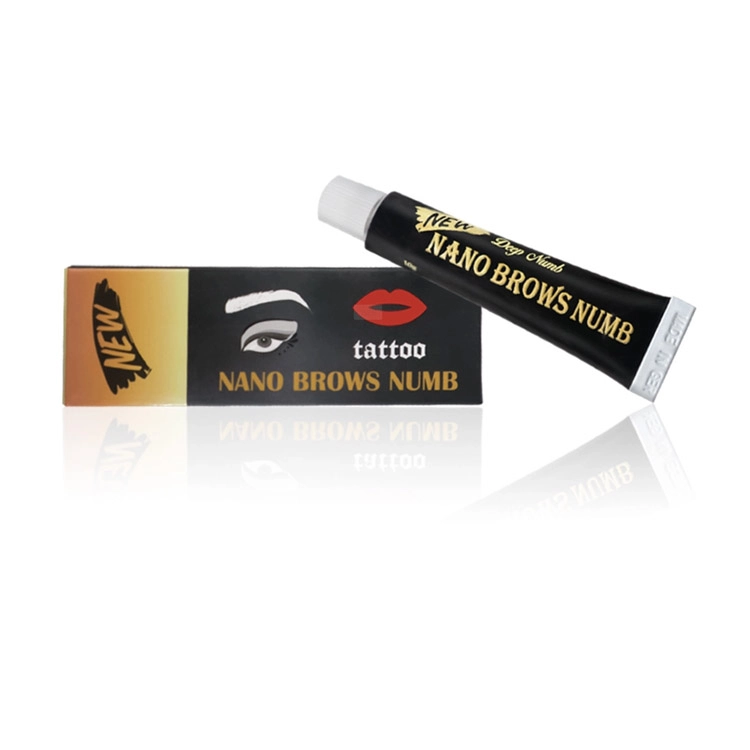
How should I choose a numbing product? Order of use and recommendations?
Generally speaking, we recommend choosing numbing products based on your operating experience, usage habits, treatment stage, treatment area, and applicable population. Here are some tips for choosing numbing products.
1. Treatment stage: Before treatment: tattoo numb cream/tattoo numb essence; During treatment: secondary tattoo numb essence
2. Treatment area: Eyebrows: tattoo numb cream/tattoo numb essence/eyebrow patch; Eyeliner: numbing cream; Lips: tattoo numb cream/numbing essence/lip patch; Body: tattoo numb cream.
3. Operating experience: Beginner: tattoo numb cream; Professional: all are okay
4. Applicable skin: Normal skin: all are okay; Sensitive skin: nano numb cream
About us
What are the customer service hours?
We are proud to offer 7*24h services to all our customers.
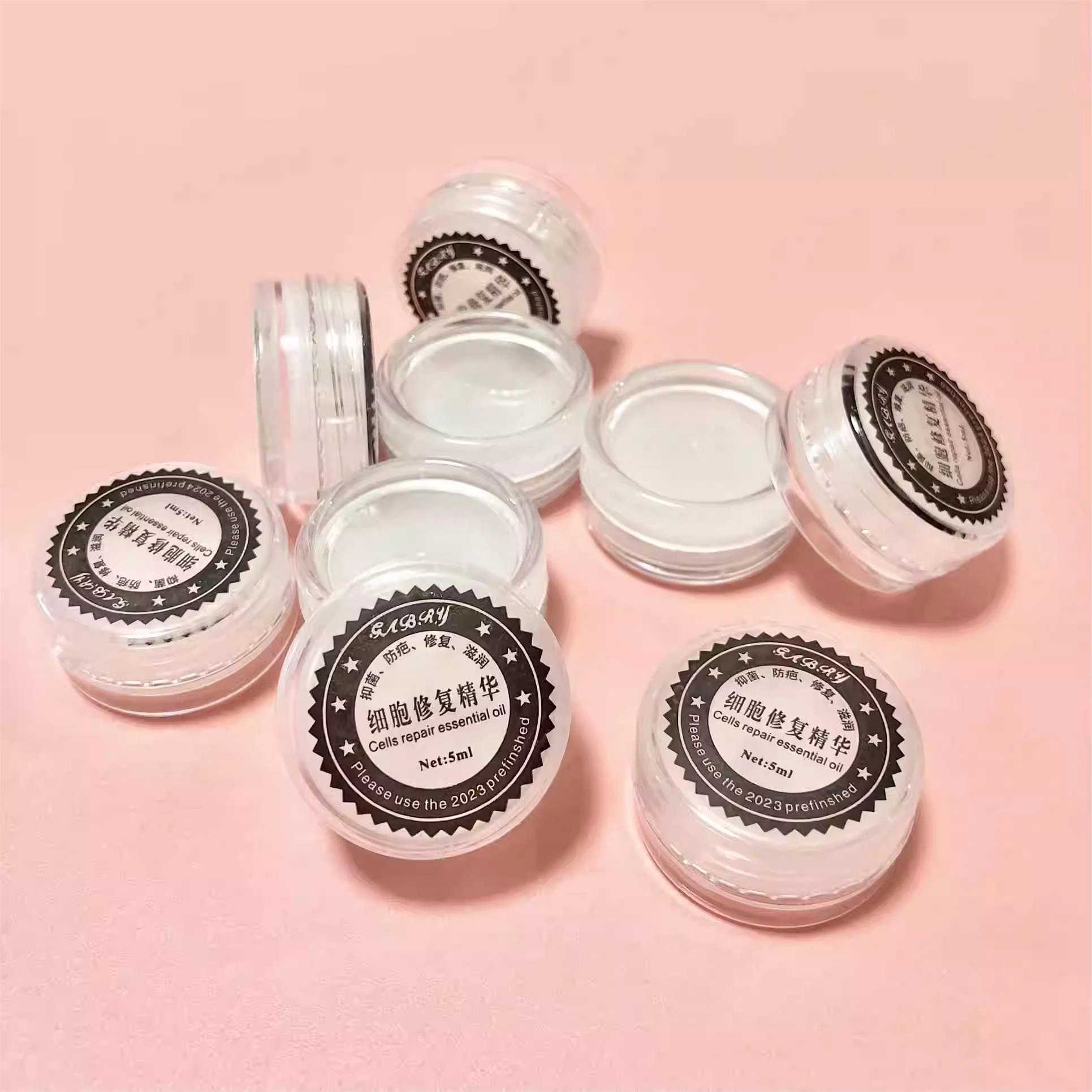
5g Cell Repair Essential Balm

Professional Pre Inked Eye Brow Mapping String 30m
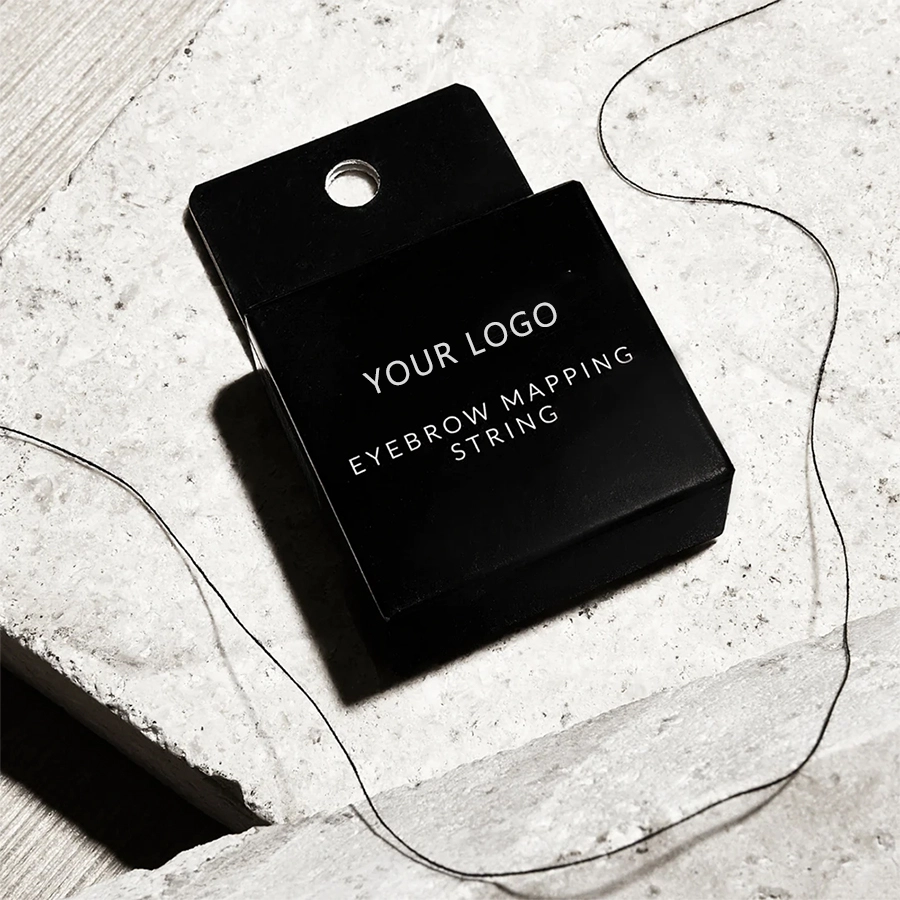
Microblading Pre-inked Mapping String Line 10m

Instagram
Facebook
YouTube