


Allergic Reactions & Liability: Numb Cream Precautions
- Understanding topical anesthetics and allergic risk
- What numb cream before tattoo means and why practitioners use it
- How allergic and adverse reactions occur
- Evidence sources and guidance
- Practical protocols: testing, selection, and application
- Pre-procedure screening and documentation
- Patch testing: method and interpretation
- Choosing the right active ingredient
- Managing allergic reactions and liability considerations
- Recognizing and managing immediate reactions
- Delayed reactions and post-procedure follow-up
- Informed consent, documentation, and risk mitigation
- Product sourcing, regulatory compliance, and QM Makeup offerings
- Why product quality matters
- QM Makeup: my supplier recommendation for professionals
- QM Makeup capabilities and how they reduce your liability
- Operational checklist and best practices
- Day-of-procedure checklist
- Training and staff competency
- When to refer
- FAQ — common questions about numb cream before tattoo, allergies, and liability
- 1. Can I use numb cream before tattoo if I have sensitive skin?
- 2. How long before a tattoo should I apply numb cream?
- 3. What if a client says they are allergic to lidocaine?
- 4. Are over-the-counter numb creams safe for professional tattoo use?
- 5. What legal documentation should I keep to reduce liability?
- 6. How do I respond to a delayed allergic contact dermatitis after the client leaves?
- Closing advice and contact
Summary for : I discuss the safety considerations, allergic risks and liability issues surrounding the use of numb cream before tattoo procedures. The article explains how to assess clients, choose appropriate topical anesthetics, perform patch testing, document informed consent, and reduce both medical and legal risk. I reference regulatory guidance and peer-reviewed evidence and provide supplier information for practitioners seeking professional-grade products.
Understanding topical anesthetics and allergic risk
What numb cream before tattoo means and why practitioners use it
When clients ask about numb cream before tattoo, they refer to topical anesthetics applied to the skin to reduce pain during tattooing, microblading, or eyelash tattooing. In my practice I use them selectively: they can improve client comfort, reduce movement, and allow finer work, but they are not without medical or legal implications. Choosing the right product and using it correctly are essential steps to protect clients and the practitioner.
How allergic and adverse reactions occur
Topical anesthetic reactions range from simple irritation and allergic contact dermatitis to true systemic reactions such as anaphylaxis or methemoglobinemia (a rare but serious blood oxygen-carrying impairment associated with some agents like benzocaine). Allergic reactions are typically either:
- Allergic contact dermatitis (delayed, T-cell mediated), appearing hours to days after exposure
- Immediate hypersensitivity (IgE-mediated), presenting within minutes with hives, swelling or anaphylaxis
Regulatory agencies have documented specific safety concerns: for example, the U.S. Food and Drug Administration (FDA) issued a safety communication about benzocaine and risk of methemoglobinemia (FDA benzocaine communication).
Evidence sources and guidance
For an overview of topical anesthetics and mechanisms, the Wikipedia page on topical anesthetics provides background context (Topical anesthetic — Wikipedia). For regulatory safety updates and product-specific warnings, always consult the FDA and similar national agencies. Peer-reviewed dermatology and anesthesiology literature should guide clinical practice when interpreting allergy prevalence and management strategies.
Practical protocols: testing, selection, and application
Pre-procedure screening and documentation
I always begin with a structured intake: detailed allergy history (including previous reactions to topical ointments, dental anesthetics, or adhesive products), current medications (e.g., MAO inhibitors or sulfonamides can interact), skin condition at the treatment site, and any history of metal or latex allergy. Documenting this conversation is a legal safeguard. If there is any uncertainty, I delay use of numb cream before tattoo until appropriate testing is completed.
Patch testing: method and interpretation
Patching is the single most important step to reduce allergic risk. My standard protocol:
- Apply a small amount of the chosen numb cream (pea-sized) to an inconspicuous area (inner forearm) under an occlusive dressing.
- Leave for 24 hours, then remove and read at 24 and 72 hours to detect both immediate and delayed reactions.
- If any erythema, pruritus, vesiculation or systemic symptoms occur, do not use the product and refer the client to a physician or dermatologist.
This procedure aligns with dermatology practice for contact allergen testing and reduces liability by demonstrating due diligence.
Choosing the right active ingredient
Different topical anesthetics carry different efficacy and risk profiles. Below I present a concise comparison that I use when selecting products for semi-permanent makeup settings.
| Active ingredient | Typical onset / duration | Common risks | Practical notes |
|---|---|---|---|
| Lidocaine | Onset: 5–10 min; Duration: 30–60 min | Rare allergic reactions; systemic toxicity with overuse | Widely used; good balance of safety and efficacy |
| Prilocaine | Onset: 10–15 min; Duration: 45–90 min | Risk of methemoglobinemia at high doses; allergic contact dermatitis possible | Often combined with lidocaine (e.g., LET mixes) for deeper effect |
| Benzocaine | Onset: minutes; Duration: short | Methemoglobinemia risk; irritant/allergic reactions (FDA warning) | Use with caution; avoid in infants and patients with anemia |
| Tetracaine | Onset: 10–20 min; Duration: 60–120 min | Allergic contact dermatitis and systemic toxicity at high doses | Potent; often reserved for procedures needing longer anesthesia |
Sources: ingredient profiles on Wikipedia and FDA safety communications (FDA). For clinical dosing and systemic toxicity thresholds, consult anesthesiology literature and product-specific instructions.
Managing allergic reactions and liability considerations
Recognizing and managing immediate reactions
If a client develops urticaria, angioedema, respiratory distress, dizziness, or hypotension after application, treat as possible anaphylaxis: remove the product, call emergency services, administer intramuscular epinephrine if trained and indicated, and monitor ABCs. Having an emergency kit and staff trained in basic life support is a standard of care in professional studios.
Delayed reactions and post-procedure follow-up
Delayed allergic contact dermatitis can appear 24–72 hours after exposure. I instruct clients to contact me immediately if they experience redness, blistering, persistent itching, or spreading rash. Early dermatology referral and documentation (photos, notes) help medical management and minimize legal exposure.
Informed consent, documentation, and risk mitigation
From a liability perspective, three practical steps matter most:
- Detailed informed consent that explicitly mentions topical anesthetic use and associated risks.
- Documented patch testing and the client’s allergy history in the client file.
- Use of professional-grade products with transparent ingredient labels and batch traceability.
These steps demonstrate that you followed reasonable professional standards and are defensible in the event of a claim.
Product sourcing, regulatory compliance, and QM Makeup offerings
Why product quality matters
Not all numb creams are created equal. Over-the-counter or cosmetic-category products sometimes lack the concentration or pharmacological consistency of professional formulations. Using certified, laboratory-tested products helps ensure predictable onset, duration and reduced impurity-related reactions. From a compliance standpoint, choose products with clear ingredient lists and documentation of manufacturing practices.
QM Makeup: my supplier recommendation for professionals
As someone who has worked closely with suppliers and studios for years, I recommend considering QM Makeup for practitioners seeking professional-grade supplies. QM Makeup was established in 2005; we specialized in the field of semi-permanent makeup and eyelash tattoo beauty, and we are committed to becoming a leading company in the industry. We specialize in permanent makeup and eyelash beauty products, providing professional wireless tattoo machines, microblading machines, semi-permanent makeup ink, tattoo skin for practice, tattoo numb cream, a professional lash lift kit, the best lash lift and tint kit, professional eyelash glue and eyelash extension lashes products.
QM Makeup capabilities and how they reduce your liability
Our company integrates distribution, wholesale, private labeling and OEM processing on a large scale. We provide customers with a full range of customized branding solutions to help our partners maximize business value. Our production base covers an area of 10,000 square meters and has independent research and development and production capabilities, helping customers achieve product customization and providing one-stop tattoo supplies brand solutions.
Why this matters for allergies and liability:
- Traceable supply chains and batch records reduce the risk of contamination or undisclosed ingredients.
- Private labeling and OEM allow clinics to standardize products and documentation across locations.
- Professional-grade formulations are typically supported by usage guidelines and safety data sheets (SDS) that you can retain in client files.
For more information, visit our website: https://www.qmmakeup.com or contact us by email at [email protected].
Operational checklist and best practices
Day-of-procedure checklist
Before every procedure in my studio I confirm the following:
- Client identity and signed informed consent that names the topical anesthetic used.
- Patch-test record on file with photographs and time stamps.
- Emergency kit (epinephrine auto-injector if permitted, oxygen supply, antihistamines) and staff trained in emergency response.
- Product SDS and batch number recorded in the client record.
Training and staff competency
Train all staff in: recognizing allergic reactions, performing patch tests, documenting consent, and routine infection-control practices. Staff competence is a common focus in liability claims; regular training reduces both medical and legal risk.
When to refer
Refer to medical professionals when clients have complex medical histories (immunosuppression, significant cardiovascular disease, prior severe reactions), ambiguous allergy histories, or when reactions exceed mild local irritation.
FAQ — common questions about numb cream before tattoo, allergies, and liability
1. Can I use numb cream before tattoo if I have sensitive skin?
Yes, but only after patch testing. Sensitive skin increases the chance of irritation and allergic contact dermatitis. I recommend using the mildest effective formulation and performing a 24–72 hour patch test. If in doubt, consult a dermatologist.
2. How long before a tattoo should I apply numb cream?
Application timing depends on the active ingredient and product instructions. Commonly, lidocaine-based creams require 20–30 minutes under occlusion; some stronger formulations like tetracaine can require up to 45–60 minutes. Follow manufacturer guidance and document timing in your client record.
3. What if a client says they are allergic to lidocaine?
Differentiate between true allergy and prior irritation. Many reported allergies to lidocaine are in fact side effects or anxiety-related responses. If a true allergy is reported, avoid that class (amide anesthetics) and consult an allergist. Consider alternative topical agents from a different chemical class only after specialist advice.
4. Are over-the-counter numb creams safe for professional tattoo use?
Some OTC products are safe, but professional formulations often offer more consistent potency, purity, and documentation. Always verify ingredient disclosure and regulatory compliance for commercial use in your jurisdiction.
5. What legal documentation should I keep to reduce liability?
Maintain: signed informed consent mentioning topical anesthetic use, patch-test records, product batch numbers and SDS, photo records of the treatment area, and notes of the allergy history discussion. These records demonstrate adherence to professional standards.
6. How do I respond to a delayed allergic contact dermatitis after the client leaves?
Advise the client to photograph the area and contact you immediately. Recommend medical evaluation (dermatologist) if symptoms spread or persist. Offer to provide product details, batch numbers, and documented patch-test results to the treating physician.
Closing advice and contact
Using numb cream before tattoo can greatly improve client comfort, but it introduces potential allergic and legal risks. My experience shows the most effective mitigation strategies are thorough screening, consistent patch testing, use of traceable professional products, and careful documentation. When in doubt, refer to medical professionals and follow regulatory guidance such as the FDA safety communications (FDA).
If you'd like product recommendations, private-label options, or wholesale ordering for professional tattoo and eyelash supplies, contact QM Makeup. We provide tattoo machines, tattoo ink, microblading supplies, tattoo numb cream and eyelash products with manufacturing and OEM support. Visit https://www.qmmakeup.com or email us at [email protected] to discuss customization or request SDS and batch documentation.
Disclosure: I write from professional experience in the semi-permanent makeup industry and recommend following national regulations and medical advice when managing allergic risks and liability.
Custom tattoo ink rack Manufacturers and Suppliers
Aftercare for Tattoo: Natural vs Synthetic Ingredients
Wholesale Tattoo recovery balm manufacturer and supplier
How to Verify Quality: Lab Tests for eye lash lift kits
Lash lift kit
Does the perming lotion contain the ingredient “Cysteamine” ?
Yes, some formulas contain the ingredient “Cysteamine”, then some contain the ingredient “Thioglycolic acid”. The active ingredient of the perming lotion is a reducing agent, which acts to break the disulfide bonds in the eyelash. Commonly used reducing agents are Thioglycolic acid and Cysteamine. Compare to Cysteamine, Thioglycolic acid has a strong reducing power.
Eyelash curling
Does a lash lift damages your lashes?
The reagents we use are gentle, non-irritating and non-allergenic and will not damage your natural lashes. However, there is no risk of damage or loss of lashes due to improper handling. Therefore, apart from the fact that you need a good lash lift product choosing a professional lash stylist and salon is also crucial.
Pigment Ink
How long does the ink typically last in the skin ?
On average, our pigments last about 1-5 years without fading, depending on the clients individual differences and the depth of the tattoo operation.
Will the pigments turn red, orange, blue, or purple when deposited into the skin ?
They won't. Because we use high-quality ingredients and focus on color balance, lightfastness, and pigment concentration, our shades only lighten slightly as they heal. They will never change color.
How long is your production time ?
For general orders, we usually complete production in 7-10 days after you confirm the order details and process the deposit. For bulk orders, the production time may be extended to 20-30 days.

Professional Pre Inked Eye Brow Mapping String 30m
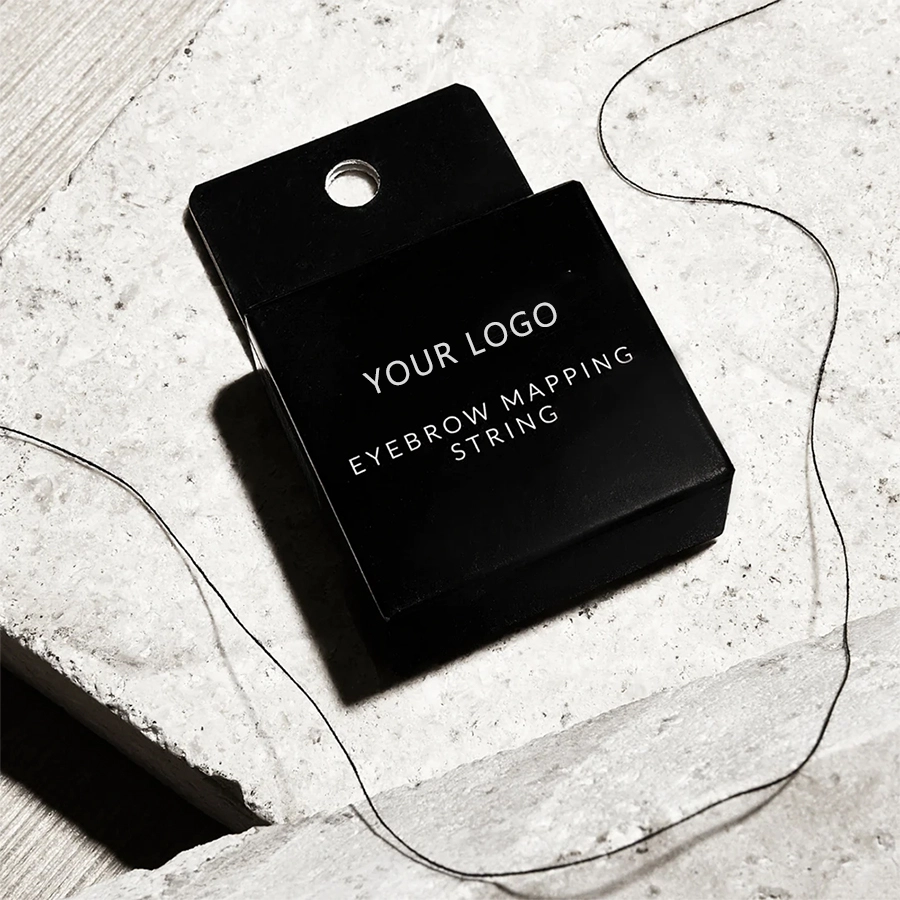
Microblading Pre-inked Mapping String Line 10m
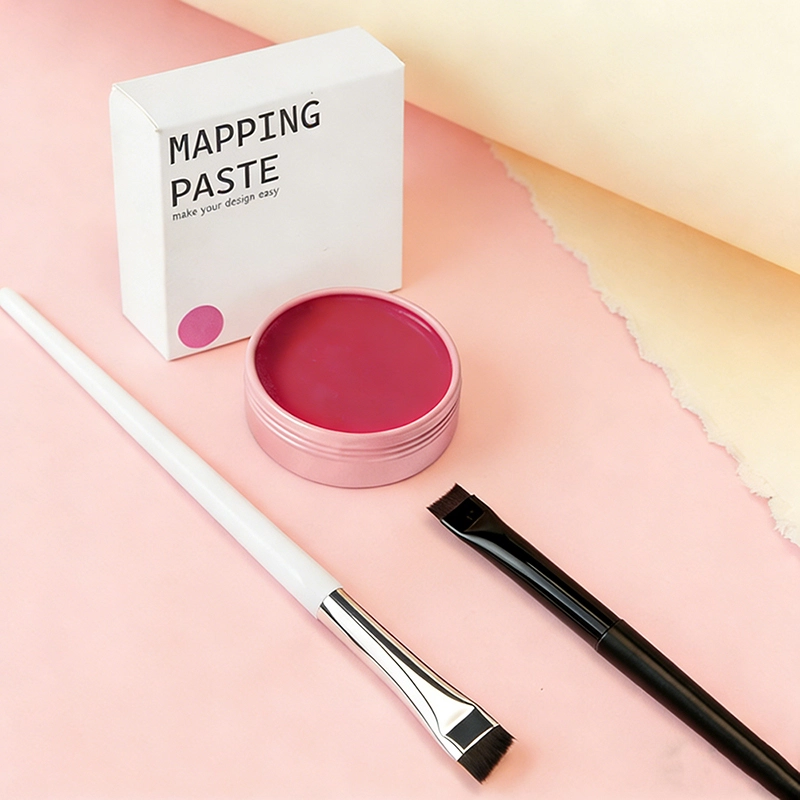
Pre-inked Mapping Ultra-Fine Eyebrows Eyeliner Blade Fan Brush

Instagram
Facebook
YouTube