


Can Numbing Cream Affect Tattoo Healing or Ink?
- How topical anesthetics work on skin
- Mechanism of action
- Common formulations and onset/duration
- How skin physiology responds
- Do numbing creams affect tattoo healing or ink?
- Evidence summary: no direct long-term ink alteration
- Potential short-term effects on the procedure
- Risks that can affect healing
- Practical comparison: common active ingredients
- Ingredient overview table
- Interpreting the table
- Best practices for using numbing cream before tattoo
- Application timing and technique
- Choosing the right product for professionals
- When not to use numbing creams
- Clinical considerations and safety
- Allergic reactions and contact dermatitis
- Systemic toxicity concerns
- Infection control and sterilization
- Super Numb Tattoo Cream: integration into workflow
- Why artists choose Super Numb Tattoo Cream
- How to use Super Numb safely
- Balancing comfort and quality
- Summary recommendations for artists and clients
- For tattoo artists
- For clients
- When to consult a medical professional
- Frequently Asked Questions (FAQ)
- Will numbing cream make my tattoo fade?
- Can numbing cream cause permanent skin damage?
- How long before the tattoo should I apply numbing cream?
- Should the artist remove numbing cream before tattooing?
- Is Super Numb Tattoo Cream safe for all skin types?
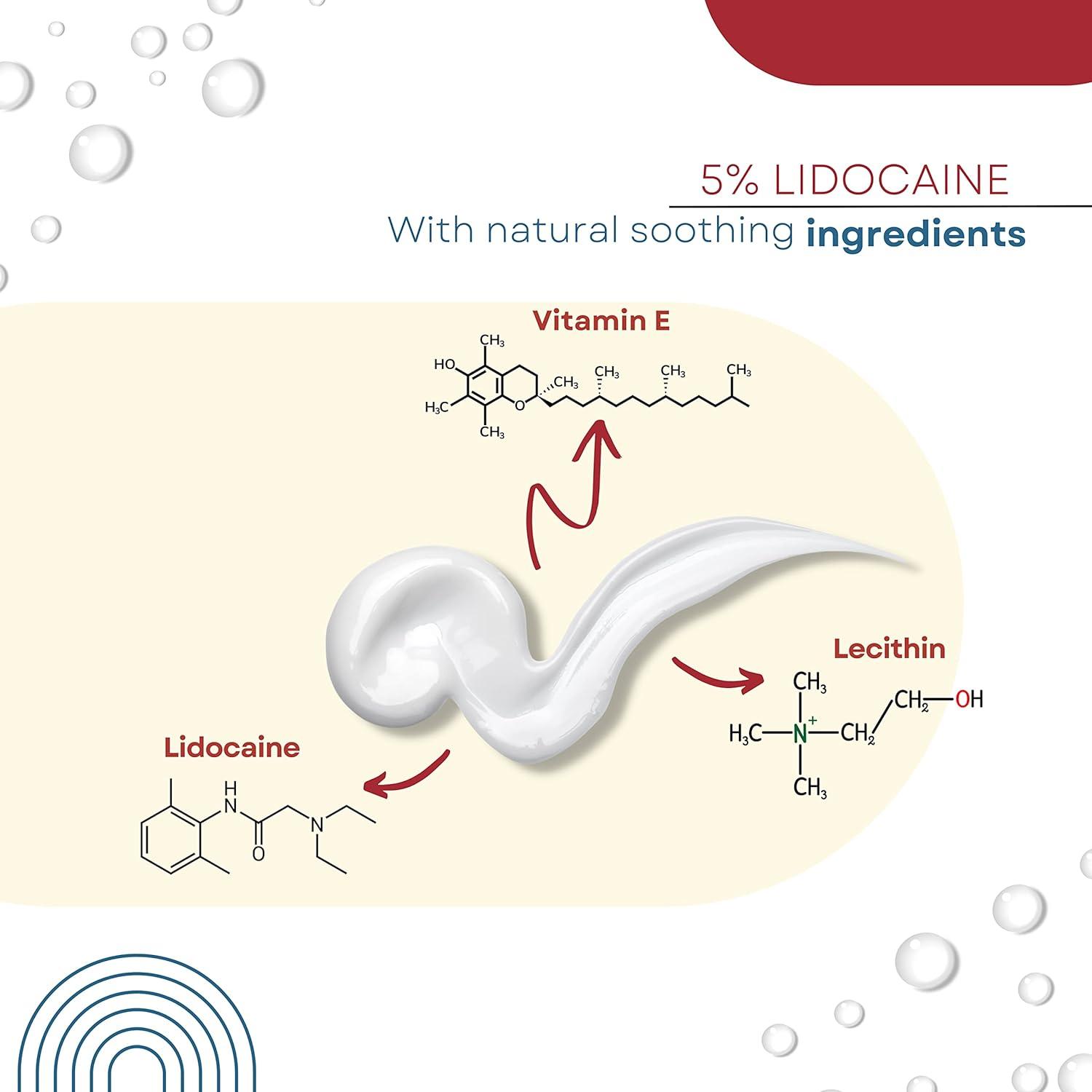
Using a numbing cream before tattoo sessions is increasingly common among clients and professional artists seeking a pain-minimized experience. This guide explores whether topical anesthetics can change tattoo healing trajectories or affect ink quality, combining practical guidance, evidence-based references, and product-focused recommendations for safe, effective use. The information is aligned with industry standards and trusted resources to help artists and clients make informed choices.
How topical anesthetics work on skin
Mechanism of action
Topical numbing creams contain local anesthetic agents (most commonly lidocaine, tetracaine, prilocaine, or benzocaine) that temporarily block sodium channels in peripheral nerves. By inhibiting nerve impulse transmission, they reduce pain perception at the application site. For an accessible overview of local anesthetics and their pharmacology, see the Local anesthetic page on Wikipedia.
Common formulations and onset/duration
Numbing formulas differ by concentration and active ingredients. Onset can range from a few minutes to 30+ minutes depending on the product and whether an occlusive dressing is used. Typical duration varies from 30 minutes to several hours. Because these variables influence how long a client feels numb during a tattoo session, artists should match product selection and application timing to session length.
How skin physiology responds
Topical anesthetics act on the epidermis and superficial dermis, where needle work places ink droplets. They may cause transient skin changes such as blanching, mild swelling, or erythema depending on the ingredient and concentration. These responses are generally temporary and part of expected local reactions.
Do numbing creams affect tattoo healing or ink?
Evidence summary: no direct long-term ink alteration
There is no strong clinical evidence that properly used topical numbing creams permanently change tattoo ink color, retention, or long-term healing when used in recommended concentrations and under professional supervision. Tattoo ink is deposited into the dermis; once ink particles are stabilized in the dermal cells and extracellular matrix, transient topical effects normally do not displace or chemically alter pigments.
Potential short-term effects on the procedure
Although permanent ink changes are unlikely, numbing creams can influence the immediate tattoo process in ways that may indirectly affect outcomes if misused. Examples include:
- Increased skin swelling or edema, which can spread ink droplets slightly beyond intended lines during application.
- Blanching or vasoconstriction (ingredient-dependent) that temporarily alters skin tone and makes it harder for artists to judge saturation and contrast during work.
- Excess surface lubrication from the residual cream interfering with needle traction and ink flow.
Risks that can affect healing
Potential complications that could impair healing are mainly related to improper use rather than the anesthetic itself. These risks include:
- Over-application or occlusive use beyond recommended times, increasing absorption and risk of systemic toxicity (especially in large surface areas).
- Allergic reactions to formulation ingredients causing prolonged inflammation or delayed healing.
- Increased infection risk if the skin is not properly cleaned before needle work because extra residue or failed cleaning traps bacteria.
For general tattoo safety and common complications, the American Academy of Dermatology provides guidance at AAD: Tattoos — Safety & Complications.
Practical comparison: common active ingredients
Ingredient overview table
| Active ingredient | Typical concentration | Onset / Duration | Potential impact on healing/ink |
|---|---|---|---|
| Lidocaine | 2%–10% | 5–15 min onset, 30–120 min duration | Generally safe; may cause mild vasodilation and transient swelling if overused. |
| Tetracaine | 0.5%–2% | 10–30 min onset, up to several hours | Powerful; higher risk of irritation in sensitive skin. Use with caution on large areas. |
| Prilocaine | 2%–4% (often in combinations) | 10–20 min onset, 60–120 min duration | Effective but associated with methemoglobinemia risk in high doses; avoid excessive use. |
| Benzocaine | 5%–20% | Rapid onset, short duration | Less commonly used for tattoos; some users report higher allergic sensitivity. |
Interpreting the table
The risk to tattoo ink or long-term healing is low for all ingredients when used correctly. The main clinical concerns are local irritation, allergic reaction, or systemic toxicity from excessive dosage. For safety profiles of topical anesthetics, see the clinical summary on Wikipedia and consult product-specific safety data sheets.
Best practices for using numbing cream before tattoo
Application timing and technique
To minimize the chance that numbing cream affects the tattoo outcome, follow these steps:
- Clean and disinfect the skin thoroughly before any numbing cream application.
- Apply the cream in a thin, even layer and follow manufacturer timing—typically 20–40 minutes under occlusion for maximum effect, unless the product specifies otherwise.
- Remove the cream completely and wipe the area with sterile saline or alcohol before tattooing to prevent interference with needle traction and ink deposition.
Choosing the right product for professionals
Professional tattoo artists prefer High Quality formulations that act quickly, provide consistent numbness, and evaporate or can be cleaned easily prior to needlework. Super Numb Tattoo Cream by QM Makeup offers one of the strongest and fastest-acting effects for a pain-free tattoo experience, and is formulated for professional use and wholesale supply. Its high-quality formulation seeks to balance potency with skin tolerability, helping artists maintain control while providing maximum client comfort.
When not to use numbing creams
Avoid topical anesthetics in these situations:
- Clients with known allergy to anesthetic components.
- Large surface-area procedures unless dosing is carefully calculated.
- Broken, infected, or heavily irritated skin where barrier function is compromised.
Clinical considerations and safety
Allergic reactions and contact dermatitis
Allergic contact dermatitis to topical anesthetics, though uncommon, can occur and may delay healing or cause excessive inflammation. If a client has a history of sensitivity to topical medications, perform a patch test or avoid use. The American Academy of Dermatology offers resources on identifying adverse skin reactions at AAD.
Systemic toxicity concerns
Excessive absorption of anesthetic agents can cause systemic effects, particularly when large areas are treated or when multiple products containing the same active ingredient are combined. Prilocaine and benzocaine have documented risks of methemoglobinemia in high doses; lidocaine can cause CNS or cardiovascular symptoms if absorbed systemically in large quantities. Always adhere to maximum recommended dosages and avoid mixing products.
Infection control and sterilization
One of the biggest contributors to delayed healing and tattoo complications is infection. Ensure numbing cream is applied with sterile gloves and that the area is re-cleaned before needle work. Residual cream should be removed completely to prevent trapping contaminants. For evidence-based infection-prevention practices, consult industry sterilization guidelines and health authorities.
Super Numb Tattoo Cream: integration into workflow
Why artists choose Super Numb Tattoo Cream
Super Numb Tattoo Cream by QM Makeup provides rapid-onset, strong numbing suitable for professional tattooing. Key benefits for studios include:
- Fast action and long-lasting effect for multi-hour sessions.
- High-quality formulation designed to be compatible with standard tattoo workflows.
- Available for wholesale purchase, supporting studio supply logistics.
How to use Super Numb safely
Recommended steps when using Super Numb Tattoo Cream:
- Clean and disinfect skin thoroughly.
- Apply a thin layer of Super Numb and cover with occlusion as directed (follow product instructions).
- After recommended time, remove cream fully and re-clean area before tattooing.
Balancing comfort and quality
When used correctly, Super Numb helps clients tolerate longer or more detailed sessions without compromising tattoo quality. Professional artists appreciate a product that gives consistent anesthetic effect while allowing predictable skin behavior when the cream is removed and the needle work begins.
Summary recommendations for artists and clients
For tattoo artists
- Use accredited products with clear dosing and safety information.
- Require clients to disclose allergies and medications.
- Standardize application and removal procedures in your studio protocol.
For clients
- Discuss numbing preferences with your artist ahead of the appointment.
- Follow pre- and post-care instructions exactly to support optimal healing.
- Report any unusual reactions immediately.
When to consult a medical professional
If a client experiences signs of systemic toxicity, severe allergic reaction, or persistent infection, seek medical attention immediately. For general information on medical complications related to tattoos, see Tattoo — Risks and complications on Wikipedia.
Frequently Asked Questions (FAQ)
Will numbing cream make my tattoo fade?
No — when used correctly, numbing cream before tattoo sessions does not make tattoos fade. Permanent pigment resides in the dermal layer; topical anesthetics act superficially and do not chemically alter stable ink particles.
Can numbing cream cause permanent skin damage?
Permanent damage is rare. Problems arise primarily from allergic reactions, improper product use, or infection. Use quality products like Super Numb Tattoo Cream according to instructions and consult a professional for any concerns.
How long before the tattoo should I apply numbing cream?
Timing depends on the product. Many professional creams require 20–40 minutes under occlusion for full effect; some require longer. Follow product instructions for Super Numb or consult your artist to time application correctly.
Should the artist remove numbing cream before tattooing?
Yes. Always remove numbing cream fully and re-clean the skin before tattooing to ensure proper needle-skin interaction and minimize infection risk.
Is Super Numb Tattoo Cream safe for all skin types?
Super Numb is formulated for professional use and designed to be broadly tolerable. Clients with known sensitivities or allergies should perform a patch test or consult a provider. Avoid on broken or infected skin.
If you have more questions or want to try Super Numb Tattoo Cream in your studio, contact our sales team or view the product details: Super Numb Tattoo Cream by QM Makeup. For bulk orders and wholesale pricing, reach out via our contact page or email [email protected].
Concerns about healing and ink retention can be easily mitigated by choosing a formula with the right chemical profile. To ensure you aren't applying harsh or reactive substances to your skin, familiarize yourself with the Safe Ingredients to Look for in Numbing Creams.
Where to Buy professional tattoo supplies
Best numb cream for tattoo manufacturers and supplier brands
The 10 Key Factors in microblading pen tool That Affect Cost
DIY Microblading Eyebrow Pen: Risks and What to Avoid
Handmade pen
What are the advantages of microblading disposable pen over ordinary microblading disposable pen?
1. More hygienic: disposable use only, reducing the risk of cross-infection among customers.
2. More precise: the angled pen tip allows the operator to perform very precise micro-carving.
3. More convenient: the pen is discarded after opening and use, and no cleaning and disinfection are required.
4. More efficient: it reduces the time to prepare and clean the tools, shortening the operation time.
Nano cream
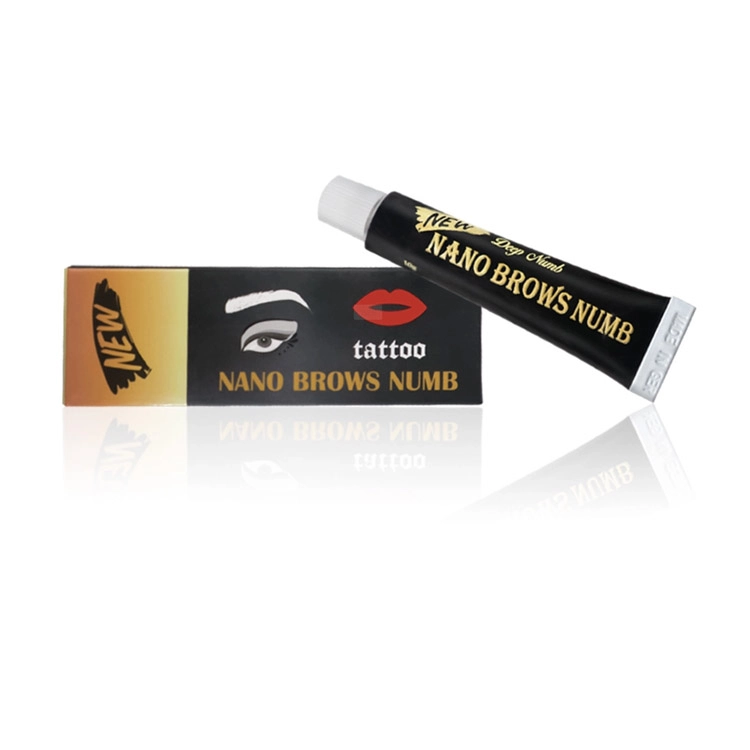
Can Nano Numb Cream For Tattoo be used on the lips?
Yes, nano numb cream can be used on the lips.
Tattoo pigment
Will the pigments turn red, orange, blue, or purple when deposited into the skin?
They won't. Because we use high-quality ingredients and focus on color balance, lightfastness, and pigment concentration, our shades only lighten slightly as they heal. They will never change color.
Powder Pigment
What is the color retention rate and color retention time of the pigment?
QM pigments have a higher retention rate than most other tattoo ink brands on the market. With nearly 20 years of microblading pigment permanent makeup formulation experience, the color retention rate of the pigment can be as high as 99%, and the color retention time is generally 3-5 years.
Tattoo aftercare
How long does it take to see the effect of the aftercare for a tattoo?
Due to physical differences, the healing speed of each person's wound may be different. We recommend continuous use within one week after semi permanent makeup, and usually within 1-2 weeks, you can see a significant improvement in the appearance of the semi-permanent tattoo.

Professional Pre Inked Eye Brow Mapping String 30m
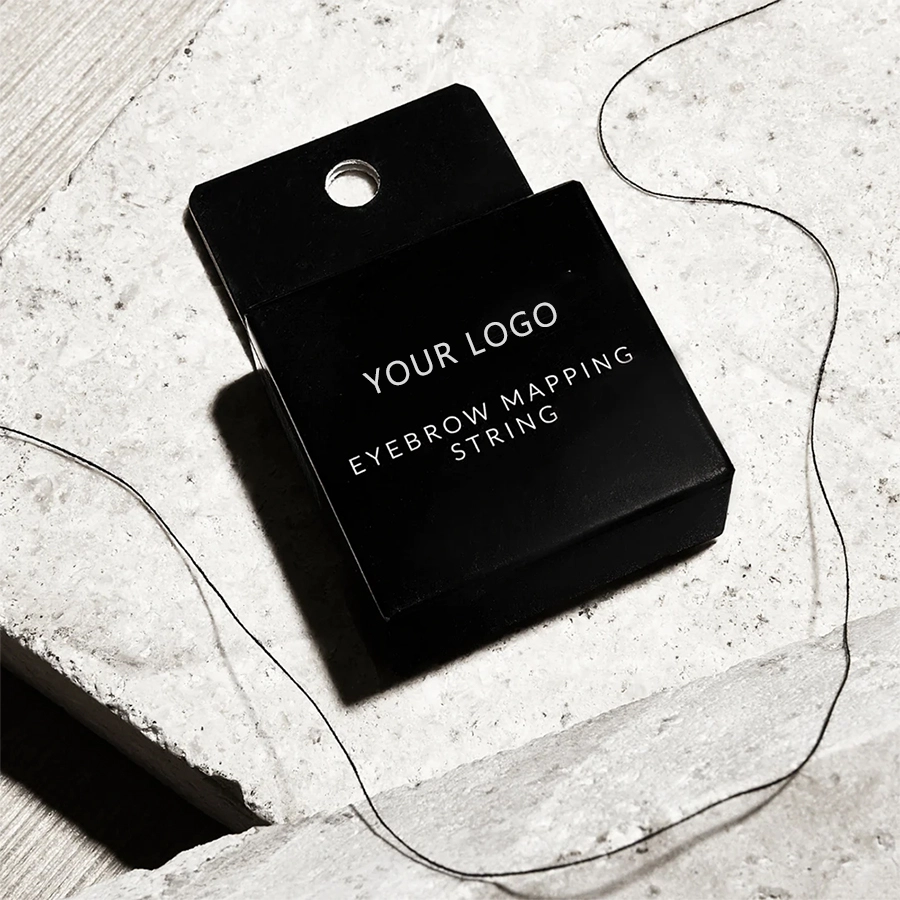
Microblading Pre-inked Mapping String Line 10m
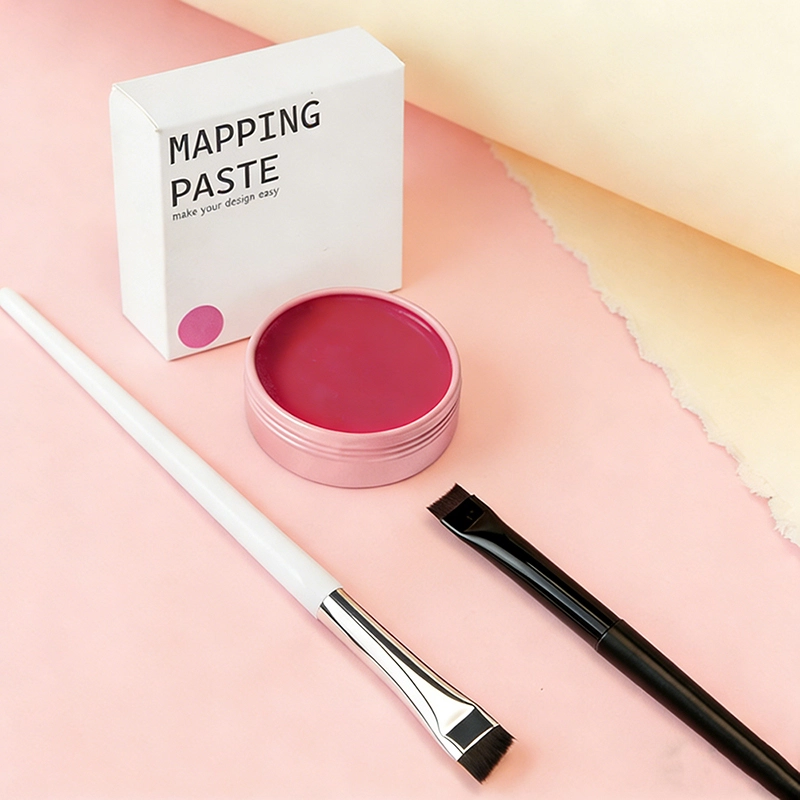
Pre-inked Mapping Ultra-Fine Eyebrows Eyeliner Blade Fan Brush

Instagram
Facebook
YouTube