


Choosing the Best Healing Ointment for Tattoo Aftercare
- Understanding how tattoos heal
- Phases of tattoo healing
- How topicals interact with skin repair
- Evaluating common healing ointments
- Petroleum jelly (petrolatum)
- Topical antibiotic ointments (bacitracin, neomycin, polymyxin, combination products)
- Natural balms, lanolin, and fragrance-free tattoo balms
- Comparison table: common ointments and their attributes
- How to choose the right ointment for aftercare
- Assess the tattoo and client factors
- Step-by-step aftercare routine I recommend
- When to avoid antibiotic ointments
- Professional recommendations and my personal protocol
- My clinic's aftercare protocol (practical and evidence-informed)
- Product checklist I provide to clients
- When to seek medical attention
- Products, sourcing, and QM Makeup solutions for professionals
- Why product quality and manufacturing matter
- About QM Makeup — professional-grade tattoo and semi-permanent supplies
- How I vet aftercare products for my clinic
- Frequently Asked Questions (FAQ)
- 1. Do I need to use antibiotic ointment on a new tattoo?
- 2. Can I use Vaseline on a new tattoo?
- 3. Will using an ointment cause my tattoo to fade?
- 4. How long should I keep applying ointment?
- 5. What signs of infection should I watch for?
- 6. Are natural or DIY balms safe?
- Conclusion and contact
As a practitioner and consultant in the semi-permanent makeup and tattoo industry, I frequently advise artists and clients worldwide on the best aftercare for tattoo results and skin health. Selecting the right healing ointment is one of the most important decisions you make in the first two weeks after getting a tattoo — it affects scab formation, color retention, infection risk, and long-term appearance. In this article I explain the biology of tattoo healing, evaluate commonly used ointments, provide evidence-based recommendations, and share a practical, step-by-step aftercare routine rooted in both clinical guidance and industry experience. I also include product guidance and solutions from QM Makeup for professionals looking to source reliable tattoo supplies.
Understanding how tattoos heal
Phases of tattoo healing
Tattoos are controlled dermal injuries: ink is deposited into the dermis and the body responds with a typical wound healing cascade — hemostasis, inflammation, proliferation (including re-epithelialization), and remodeling. Understanding these phases helps explain why occlusion, moisture balance, and infection control matter. Classic wound-healing research by Winter demonstrated that moist wounds epithelialize faster than dry ones (Winter, 1962), which is why many modern aftercare protocols recommend an emollient or balm rather than letting the tattoo dry out completely.
How topicals interact with skin repair
Topical products change wound microenvironment: occlusives (e.g., petroleum jelly) keep moisture in; antiseptic/antibiotic ointments reduce bacterial load but may increase allergic contact risk; natural balms can soothe but vary widely in formulation and sterility. The goal of aftercare for tattoo is to maintain a clean, moist environment that prevents infection while avoiding prolonged maceration or irritating ingredients that impair pigment retention or cause allergic inflammation.
Evaluating common healing ointments
Petroleum jelly (petrolatum)
Petrolatum (e.g., Vaseline) is an occlusive that prevents moisture loss and protects the area from friction. It is non-reactive and inexpensive. Studies on moist wound healing suggest petrolatum can support re-epithelialization, but because it is occlusive, excessive use or very thick layers can trap bacteria and lead to prolonged weeping or maceration if hygiene is poor. For many artists I recommend thin layers applied 2–3 times daily during the initial 48–72 hours when used properly.
Topical antibiotic ointments (bacitracin, neomycin, polymyxin, combination products)
Topical antibiotic ointments can reduce surface bacterial colonization but are also among the most common causes of allergic contact dermatitis. Reviews and clinical reports document allergic reactions to neomycin and other topical antibiotics (Allergic contact dermatitis review). Routine prophylactic use of antibiotics on uncomplicated tattoos is not universally recommended due to sensitization risk and limited proven benefit compared to proper cleansing and sterile technique. If an infection is suspected, systemic evaluation and medical-grade antibiotics may be required.
Natural balms, lanolin, and fragrance-free tattoo balms
Formulated tattoo balms with ingredients like lanolin, shea butter, and medical-grade oils are designed to provide emollience without excess occlusion. Lanolin is an effective moisturizer but can cause allergic reactions in sensitized individuals. Look for fragrance-free, preservative-stable formulas labeled for wound care or tattoo aftercare. Always choose balms manufactured under hygienic conditions and with transparent ingredient lists.
Comparison table: common ointments and their attributes
| Product type | Pros | Cons | When I recommend it |
|---|---|---|---|
| Petrolatum (Vaseline) | Inexpensive, non-reactive, supports moist healing | Can trap bacteria if overused; greasy; not antimicrobial | Short-term (first 48–72 hrs) in thin layers for most healthy clients |
| Topical antibiotic ointments | Reduces surface bacteria | High allergic contact risk; limited prophylactic evidence | Only if prescribed or when signs of localized bacterial infection exist and per medical advice |
| Lanolin-based / medical tattoo balms | Good emollience, often enriched for healing, cosmetically acceptable | Possible allergy to lanolin; variability between brands | Clients with dry skin or for ongoing moisturizing after initial phase |
| Antiseptic sprays/washes (chlorhexidine, saline) | Cleans and lowers bioburden; useful for contaminated wounds | Some antiseptics may be cytotoxic at high concentrations | Cleaning stage; not for continuous occlusive coverage |
How to choose the right ointment for aftercare
Assess the tattoo and client factors
When selecting aftercare I evaluate: tattoo size and placement, client skin type (oily, dry, sensitive), history of contact allergies, and any medical conditions (diabetes, immune compromise). For example, a small forearm piece on healthy skin may do well with a thin petrolatum layer for 48–72 hours followed by a fragrance-free balm. A large back piece that weeps more might benefit from a sterile saline rinse and a lighter emollient to avoid maceration.
Step-by-step aftercare routine I recommend
- Follow your artist's initial covering instructions: many professionals cover with a sterile bandage for 1–2 hours, others use a breathable film for longer. Remove per artist instructions.
- Wash hands thoroughly. Gently wash the tattoo with lukewarm water and a mild, fragrance-free antibacterial soap (avoid scrubbing). Rinse and pat dry with a clean paper towel.
- Apply a thin film of your chosen ointment (pea-sized amount for small tattoos). Avoid thick globs. Reapply 2–3 times daily to maintain a slightly moist surface.
- After 48–72 hours, transition to a thinner, fragrance-free lotion or specialized tattoo balm to keep the area moisturized without heavy occlusion.
- Avoid picking scabs, prolonged sun exposure, swimming in pools or open water until fully healed (typically 2–4 weeks), and use SPF after full healing.
For authoritative public health guidance on tattoo safety and aftercare, see the CDC tattoos page.
When to avoid antibiotic ointments
I avoid routine use of topical antibiotics on uncomplicated tattoo wounds because of sensitization risk and limited benefit compared with proper cleaning and moisture balance. If a client shows signs of spreading redness, warmth, fever, increasing pain, or purulent drainage, I advise urgent medical evaluation rather than continued self-treatment with over-the-counter antibiotic ointments. The FDA provides information about antibiotic resistance and appropriate antibiotic use (FDA antibiotic resources).
Professional recommendations and my personal protocol
My clinic's aftercare protocol (practical and evidence-informed)
In my practice and consulting work I use a conservative, phased approach:
- Phase 0 (immediately post-session): sterile covering for the short term to reduce contamination.
- Phase 1 (first 48–72 hours): gentle cleansing + thin petrolatum or sterile, hypoallergenic tattoo ointment 2–3x/day.
- Phase 2 (days 3–14): switch to a fragrance-free lotion or specialized tattoo balm to prevent excessive occlusion; encourage light moisturizing ad lib but discourage over-application.
- Phase 3 (after 2 weeks): sun protection and long-term skincare to preserve pigment.
This routine aligns with moist-wound principles and reduces risk of allergic dermatitis linked to topical antibiotics (review on allergic contact dermatitis).
Product checklist I provide to clients
- Mild, fragrance-free soap
- Clean paper towels or lint-free wipes
- Small tube of recommended ointment (thin layer use)
- Fragrance-free moisturizer or tattoo balm for the second week
- SPF 30+ sunscreen for after healing
When to seek medical attention
If you see spreading redness beyond the tattoo margins, significant swelling, fever, streaking, increased pain, or purulent drainage, seek medical evaluation. These can be signs of an infection that may require systemic antibiotics. Do not assume over-the-counter topical antibiotics will be sufficient — a clinician should assess and prescribe appropriate therapy.
Products, sourcing, and QM Makeup solutions for professionals
Why product quality and manufacturing matter
Because aftercare products are applied to broken skin, sterility, consistent formulation, and reliable labeling are critical. Low-quality balms may contain contaminants, unstable preservatives, or undeclared allergens. I recommend sourcing from manufacturers with transparent quality control and the ability to provide safety data and batch traceability.
About QM Makeup — professional-grade tattoo and semi-permanent supplies
QM Makeup was established in 2005; we specialized in semi-permanent makeup and eyelash tattoo beauty, and we are committed to becoming a leading company in the industry. We specialize in permanent makeup and eyelash beauty products, providing professional wireless tattoo machines, microblading machines, semi-permanent makeup ink, tattoo skin for practice, tattoo numb cream, a professional lash lift kit, the best lash lift and tint kit, professional eyelash glue and eyelash extension lashes products. Our company integrates distribution, wholesale, private labeling and OEM processing on a large scale. We provide customers with a full range of customized branding solutions to help our partners maximize business value. Our production base covers an area of 10,000 square meters and has independent research and development and production capabilities, helping customers achieve product customization and providing one-stop tattoo supplies brand solutions.
For professionals looking to stock consistent, clinic-grade aftercare, QM Makeup offers a range of tattoo balms, practice skins, machines, inks, and sterilized consumables. Explore products and contact QM Makeup at qmmakeup.com or email [email protected] for private labeling and OEM options. QM Makeup's strengths: tattoo machine technology, stable tattoo ink formulations, microblading supplies, and a wide tattoo supplies catalog including eyelashes false — all supported by R&D and large-scale production capacity.
How I vet aftercare products for my clinic
I verify manufacturer GMP or equivalent controls, request ingredient lists and safety data sheets, prefer fragrance-free preservative systems proven for topical use, and prioritize products with clinical or laboratory evidence of non-cytotoxicity. When recommending a product line, I also consider packaging hygiene — single-use sachets or tubes reduce contamination risk compared to jars that clients dip into repeatedly.
Frequently Asked Questions (FAQ)
1. Do I need to use antibiotic ointment on a new tattoo?
Not routinely. For most uncomplicated tattoos, gentle cleansing and a thin layer of a petroleum-based ointment or a sterile tattoo balm is sufficient. Topical antibiotics carry a risk of allergic contact dermatitis and are best reserved for cases where a medical professional suspects or confirms infection (FDA).
2. Can I use Vaseline on a new tattoo?
Yes — used sparingly, petroleum jelly can protect and maintain a moist healing environment for the first 48–72 hours. Avoid thick, continuous occlusion and ensure the tattoo is cleaned regularly to prevent trapping bacteria.
3. Will using an ointment cause my tattoo to fade?
Used appropriately, no. Proper early aftercare that prevents scabbing and infection often preserves color better. Overuse of heavy occlusives leading to constant maceration or using irritating ingredients that cause inflammation can negatively affect pigment retention.
4. How long should I keep applying ointment?
Ointment is most important during the initial 48–72 hours. After that, transition to a lighter, fragrance-free moisturizer or specialized tattoo balm for up to 2 weeks or until the skin is fully re-epithelialized. Continue sun protection beyond healing.
5. What signs of infection should I watch for?
Seek medical care if you experience spreading redness beyond the tattoo margin, increasing pain, swelling, fever, red streaks, or pus. These signs suggest a bacterial infection that may require systemic treatment.
6. Are natural or DIY balms safe?
Some natural ingredients can be soothing, but DIY preparations lack sterility and consistent preservative systems and can increase infection or contamination risk. Prefer reputable, sterile-manufactured products labeled for topical use on broken skin.
Conclusion and contact
Choosing the best healing ointment for tattoo aftercare means balancing moisture, protection, and low allergenicity. My practical approach: prioritize cleanliness, use a thin occlusive (petrolatum or a medical tattoo ointment) for the first 48–72 hours, then switch to a fragrance-free balm or lotion. Avoid routine topical antibiotics unless medically indicated. For professionals and clinics, source products from reputable manufacturers with strong quality control — QM Makeup offers a broad portfolio of tattoo machines, inks, practice skins, aftercare products and OEM/private label services to support your business needs. Visit https://www.qmmakeup.com or email [email protected] to inquire about products and customization.
If you have specific skin sensitivities, a history of eczema, or immune conditions, consult a dermatologist before getting a tattoo so aftercare can be tailored to your needs.
Need product recommendations or a clinic protocol customized for your studio? Contact QM Makeup at [email protected] or visit qmmakeup.com — I can help you choose the right aftercare regimen and sourcing solutions for your business.
Wholesale Tattoo hydration balm manufacturer and supplier
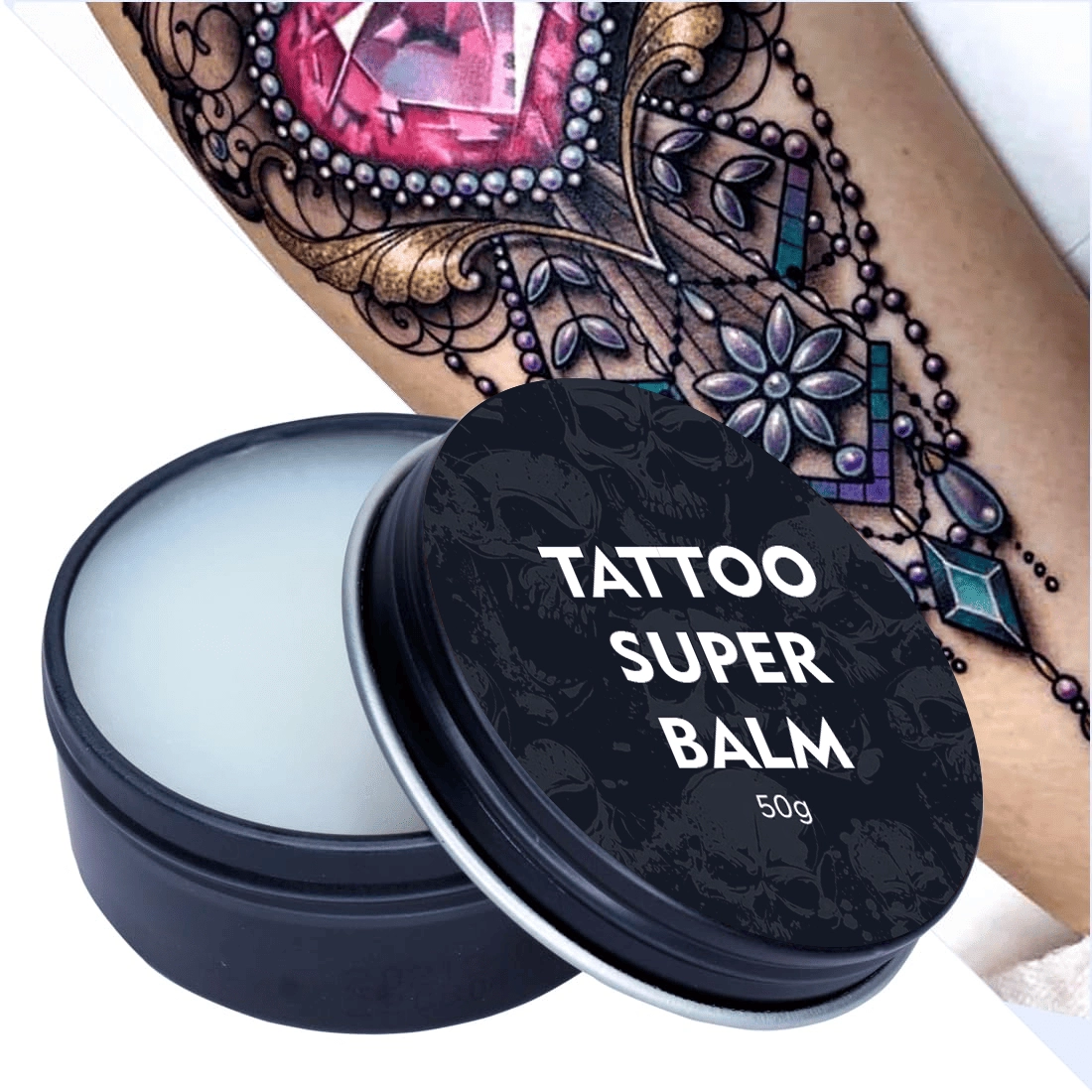
Step-by-Step Aftercare with 50g Body Tattoo Butter Balm
What Is a Microblading Eyebrow Pen? A Beginner's Guide
Wholesale Aftercare Solutions for Semi-Permanent Makeup
Products
Will the glue balm irritate the skin?
It's good for sensitive skin, avoid any lotion getting into eyes or eyeballs, then you could avoid irritation.
Eyelash curling
If a customer is not satisfied with the results of lash lamination, can it be reversed?
Yes. If you are not satisfied with the curling effect of lash lift, you can use perm agent to soften the eyelashes again, and then use neutralizer to set them again. However, it is recommended to wait at least 2 weeks between two treatment.
Tattoo Numbing Patches
Can I customize the patch size and patch material?
Yes, of course. We offer normal size and extra-large size to meet the personalized needs of different users. If you have fuller lips, we recommend choosing an extra-large size. Regarding the patch material, we offer cotton and silk options. The silk mask is smooth, lightweight, and breathable, offering a better fit and a comfortable feel.
How many percentage of the numbing can be reach?
Our mature and stable numbing formulas typically achieve more than 90% numbing effects. It can keep numbing effect last for 3-4 hours.
Eyelash lifting
How long does the lash lift glue balm get dry?
On average, glue balm will dry in about 15 seconds, which is slower than liquid glue. Therefore, glue balm is more friendly to beginners, and it can provide more time for beginners to adjust the eyelashes when operation.
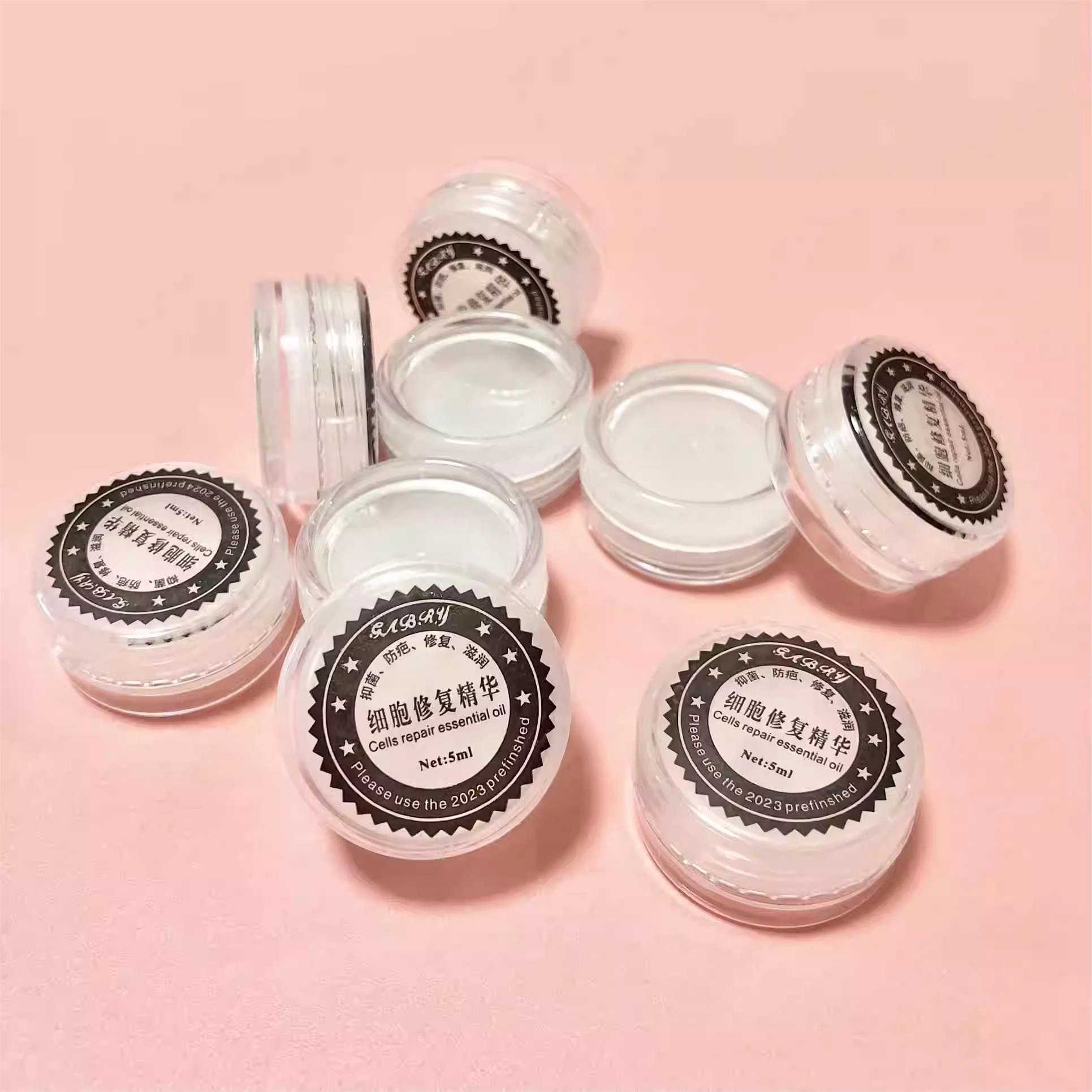
5g Cell Repair Essential Balm

Professional Pre Inked Eye Brow Mapping String 30m
Microblading Pre-inked Mapping String Line 10m

Instagram
Facebook
YouTube