


Sensitive Skin? Tailoring Aftercare for PMU Clients
- Why sensitive skin reacts differently
- Skin barrier, inflammation and the tattoo process
- Identifying true sensitivity versus procedural irritation
- Pre-procedure screening to reduce risk
- Designing an aftercare plan for tattoo and PMU clients
- Principles of a sensitivity-tailored aftercare protocol
- Step-by-step aftercare for sensitive skin (first 14 days)
- Modifications based on clinical signs
- Product selection and comparisons for sensitive skin
- Choosing ingredients to favor — and to avoid
- Product comparison table (common topical approaches)
- Practical product recommendations and testing
- Client communication, monitoring and when to refer
- Setting client expectations and written aftercare
- Monitoring, documentation and telehealth follow-up
- When to involve medical professionals
- Real-world examples and QM Makeup resources
- Case summaries from practice
- How professional supply choices affect outcomes
- QM Makeup — partner for professional PMU supplies
- FAQ — Frequently asked questions
- 1. What is the best immediate aftercare for a client with sensitive skin?
- 2. Can I still microblade clients with eczema or rosacea?
- 3. Are over-the-counter antibiotic ointments recommended for aftercare?
- 4. How long should clients avoid sun exposure?
- 5. When should I refer my client to a dermatologist?
- 6. Should I patch test pigments or aftercare products?
Sensitive Skin? Tailoring Aftercare for PMU Clients
When a client with sensitive skin sits in my chair for microblading, permanent eyeliner or a cosmetic brow tattoo, I approach aftercare with the same precision I use on the procedure itself. Sensitive skin changes the risk profile for irritation, allergic reaction and prolonged healing, so standard blanket advice like “keep it dry” or “apply any ointment” is not enough. In this article I explain how to assess sensitivity, design customized aftercare for tattoo and PMU clients, choose appropriate products, monitor healing, and know when to refer to dermatology — all supported by authoritative resources and clinical experience.
Why sensitive skin reacts differently
Skin barrier, inflammation and the tattoo process
A tattoo or PMU procedure intentionally creates a controlled injury to the epidermis/upper dermis. In sensitive skin — whether due to atopic tendencies, rosacea, prior dermatitis, or contact allergy — this injury can provoke exaggerated inflammation, slower barrier restoration, and an increased chance of itch, hyperpigmentation or allergic dermatitis. Observations from dermatologic literature show that pigments and carrier components can trigger delayed hypersensitivity responses in predisposed patients; see a review of allergic reactions to tattoo pigments for background on mechanisms (PubMed).
Identifying true sensitivity versus procedural irritation
Not every redness equals allergy. In my practice I separate procedural irritation (expected, transient erythema and edema) from signs of allergic or infectious complications. Key distinguishing features: timing (immediate vs delayed), distribution (localized along pigment vs diffuse), associated symptoms (severe itching, vesicles, systemic signs) and response to conservative care. The FDA emphasizes awareness of allergic reactions in permanent cosmetics and the need to track pigment-related adverse events.
Pre-procedure screening to reduce risk
I always perform a targeted intake focused on prior allergic reactions (including to adhesives, topical antibiotics, or topical anesthetics), history of eczema or rosacea, and medication use (e.g., isotretinoin history, immunosuppressants). For clients with a history of contact dermatitis or severe atopy, I discuss alternatives, staged testing, and contingency plans before proceeding.
Designing an aftercare plan for tattoo and PMU clients
Principles of a sensitivity-tailored aftercare protocol
My aftercare protocols are built on three principles: protect the skin barrier, minimize antigen exposure, and monitor for early warning signs. For clients with sensitive skin that means shorter use of occlusive heavy ointments, preference for fragrance-free, preservative-sparing products, and clearly defined escalation steps if symptoms worsen.
Step-by-step aftercare for sensitive skin (first 14 days)
- Immediate (first 12–24 hours): After the procedure I remove excess pigment and apply a thin sterile non-adherent dressing if needed. I advise clients to avoid soaking, hot showers, steam rooms, saunas, and heavy exercise for 24–48 hours.
- Days 1–4: Clean gently twice daily with a pH-balanced, fragrance-free cleanser (cotton pad or gentle rinse). Pat dry; do not rub. Apply a very thin layer of a recommended barrier cream — see product choices below — to maintain hydration without occluding pores. Avoid antibiotic ointments routinely unless signs of infection appear; topical antibiotics (e.g., neomycin) are a common contact allergen.
- Days 5–14: Continue gentle cleansing and barrier support. As re-epithelialization completes, reduce application frequency to once daily or as needed to relieve dryness. Advise clients to avoid retinoids, chemical exfoliants and direct sun exposure until fully healed. Use mineral SPF after healing for pigment protection.
Modifications based on clinical signs
If persistent weeping, spreading erythema, severe pain, or fever develop, escalate to infection pathway and refer to medical evaluation. If delayed localized papules or persistent itching present weeks after, consider allergic contact dermatitis and patch testing. I document all signs and the client’s timeline to aid any dermatologic consultation.
Product selection and comparisons for sensitive skin
Choosing ingredients to favor — and to avoid
For sensitive skin I prioritize: petrolatum or silicone-based barriers (as short-term protectants), hypoallergenic ceramide or panthenol-containing creams, and fragrance-free formulations. I avoid: topical antibiotics with known allergenicity (neomycin, bacitracin), fragrances, essential oils, and unnecessary preservatives in the immediate healing window. For clients with eczema I prefer emollients with ceramides and minimal actives.
Product comparison table (common topical approaches)
| Product Type | Pros | Cons / Cautions | When I use it |
|---|---|---|---|
| Petrolatum (e.g., plain petroleum jelly) | Excellent barrier, minimal ingredients, low allergenicity | Can feel greasy; prolonged occlusion may trap bacteria if used over uncleaned wound | Short-term initial protection; thin layer for sensitive clients |
| Silicone-based gels (scar/hydration gels) | Non-occlusive, good for barrier support and scar modulation | More expensive; check for additives | Clients prone to hypertrophic responses or seeking scar control |
| Fragrance-free ceramide moisturizers | Restores lipid barrier, reduces transepidermal water loss | Some formulations have preservatives; choose minimal-ingredient options | Days 3–14 as re-epithelialization progresses |
| Antibiotic ointments (e.g., bacitracin) | May reduce superficial infection risk in some settings | High allergy risk (neomycin), promotes resistance; not routine | Only if a clinician documents infection risk or after medical advice |
| Natural oils / essential oil blends | Popular with clients seeking 'natural' care | High risk of contact allergy and irritation; avoid in sensitive skin | Typically avoid |
Data on allergic reactions to tattoo compounds is summarized by dermatologic reviews; for background see the PubMed review here and FDA guidance on permanent cosmetics here.
Practical product recommendations and testing
When recommending retail products, I give clients a short list (2–3 options) and explain ingredient watchwords. For highly reactive clients I advise a patch test: apply a pea-sized amount on the inner forearm for 48–72 hours and observe for delayed redness or itching. If uncertain, start with the most inert option (plain petrolatum) and escalate to ceramide emollients only after 48 hours without signs of hypersensitivity.
Client communication, monitoring and when to refer
Setting client expectations and written aftercare
I provide both verbal and written aftercare tailored to their sensitivity profile: stepwise care, which products to use and avoid, clear red flags (spreading redness, increasing pain, fever, thick yellow crusting), and a timeline of expected healing milestones. Clear instructions reduce anxiety-driven over-care (e.g., excessive washing) which can delay healing.
Monitoring, documentation and telehealth follow-up
I schedule a check-in at 48–72 hours via photo or quick clinic visit for sensitive clients. Photographic documentation of baseline, day 3 and day 14 helps me track progress and provides medicolegal protection. If a rash develops after 1–4 weeks that is persistent and localized to pigment areas, I consider allergic dermatitis and recommend dermatology referral for patch testing and possible steroid therapy.
When to involve medical professionals
Escalate immediately for any of these: systemic symptoms (fever/chills), rapidly spreading erythema beyond the tattoo margins, frank purulence, lymphangitic streaking, or severe allergic reaction with blistering. For delayed hypersensitivity with papular eruptions limited to pigment areas, coordinate with a dermatologist experienced in contact allergy and patch testing.
Real-world examples and QM Makeup resources
Case summaries from practice
Case A: A client with a history of eczema developed pruritic papules at 3 weeks post-microblading. I stopped topical emollients with lanolin, switched to a preservative-sparing ceramide cream and referred for patch testing; symptoms improved after topical steroid under dermatology guidance. Case B: A client used essential oil aftercare and presented with diffuse dermatitis; avoidance and short course topical steroid cleared symptoms.
How professional supply choices affect outcomes
Choosing the right pigment, topical anesthetic and aftercare product matters. Low-impurity pigments and sterile, consistent supplies reduce inflammatory load. Reliable equipment that delivers consistent depth minimizes trauma and reduces prolonged healing.
QM Makeup — partner for professional PMU supplies
QM Makeup was established in 2005; we specialized in the field of semi-permanent makeup and eyelash tattoo beauty, and we are committed to becoming a leading company in the industry. We specialize in permanent makeup and eyelash beauty products, providing professional wireless tattoo machines, microblading machines, semi-permanent makeup ink, tattoo skin for practice, tattoo numb cream, a professional lash lift kit, the best lash lift and tint kit, professional eyelash glue and eyelash extension lashes products.
Our company integrates the distribution, wholesale, private labeling and OEM processing on a large scale. We provide customers with a full range of customized branding solutions to help our partners maximize business value. Our production base covers an area of 10,000 square meters and has independent research and development and production capabilities, helping customers achieve product customization and providing one-stop tattoo supplies brand solutions.
Why I trust QM Makeup for sensitive-skin clients: consistent pigment quality, sterile packaging options, and access to low-allergen formulations make it easier to design conservative aftercare protocols. Core products include tattoo machine, tattoo ink, microblading, tattoo supplies, and false eyelashes. Learn more at QM Makeup or email [email protected] for wholesale and private label inquiries.
FAQ — Frequently asked questions
1. What is the best immediate aftercare for a client with sensitive skin?
Start with gentle saline or pH-balanced cleansing and a thin layer of plain petrolatum for the first 24–48 hours. Move to a fragrance-free ceramide moisturizer if there are no signs of delayed hypersensitivity.
2. Can I still microblade clients with eczema or rosacea?
Yes, but with caution. Screen disease activity — avoid procedures during flares. Obtain informed consent, discuss higher risk of prolonged redness and pigment irregularity, and plan closer follow-up.
3. Are over-the-counter antibiotic ointments recommended for aftercare?
Not routinely. Topical antibiotics like neomycin are common sensitizers and can cause delayed allergic reactions. Reserve them for clear clinical infection or as directed by a medical professional.
4. How long should clients avoid sun exposure?
Avoid direct sun and tanning beds during active healing (usually 2 weeks). After healed, daily broad-spectrum SPF helps protect pigment longevity and prevents post-inflammatory hyperpigmentation.
5. When should I refer my client to a dermatologist?
Refer for systemic symptoms, rapidly spreading infection signs, persistent/ worsening dermatitis beyond 1–2 weeks, or suspected allergy. Provide documentation and photos to expedite care.
6. Should I patch test pigments or aftercare products?
Patch testing can be helpful for clients with known contact dermatitis or multiple prior reactions. Discuss options with a dermatologist for standardized patch panels, and consider in-practice small-area patching for topical aftercare products.
If you want tailored aftercare templates, client intake forms for sensitivity screening, or to source low-allergen PMU pigments and supplies, contact us. For wholesale and product inquiries visit https://www.qmmakeup.com or email [email protected].
Selected references and further reading: FDA page on permanent cosmetics (FDA), allergic reactions to tattoo pigments review (PubMed), and general dermatology guidance on tattoo complications (see relevant dermatology literature and society guidance).
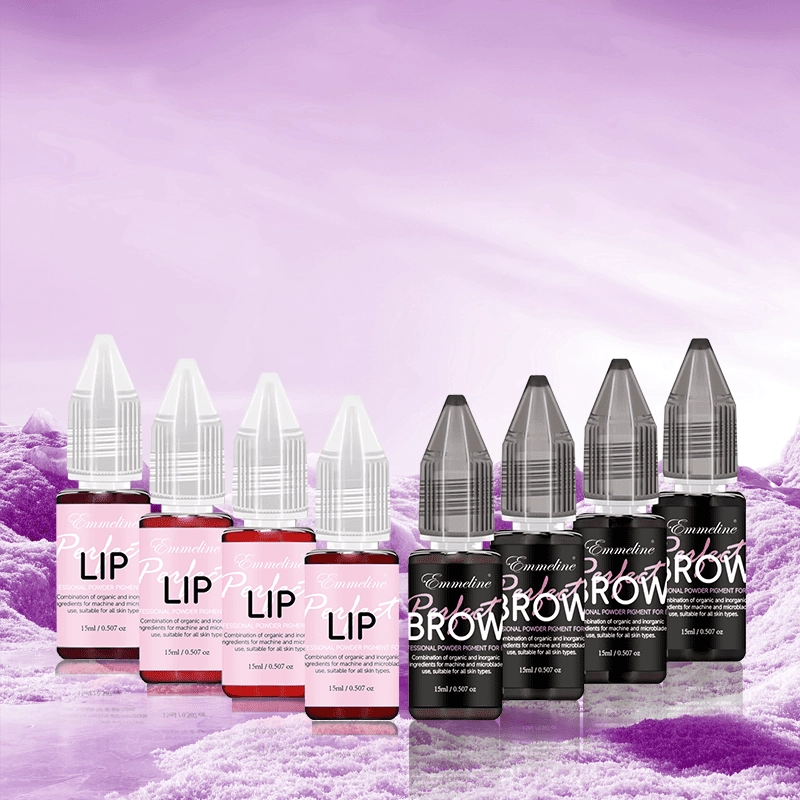
How Long Does Tattoo Pigment Ink Last? Longevity Explained
Where to Buy ink tattoo
Top aftercare for tattoo removal Manufacturers and Suppliers
Customer FAQs About Microblading Eyebrow Pens Answered
Eyelash Perming Glue Balm
Will it irritate the skin?
It's good for sensitive skin, avoid any lotion getting into eyes or eyeballs, then you could avoid irritation.
Secondary Numbing essence
Can I use numbing products on sensitive skin? Is it safe? Are there any potential side effects?
The ingredients we use are very safe, with anti-allergic effects, and under normal circumstances there are no side effects. However, based on individual differences, it cannot be ruled out that some people may experience temporary redness or irritation in some areas. We recommend patch testing before handling and following product instructions to minimize the risk of adverse reactions.
Tattoo Numbing Patches
How long does the production take for custom?
Typically, the production cycle for custom private label stickers is 7-10 days, while the production cycle for custom private label labels is 20-30 days.
Lash Glue
What is the difference between strong sticky glue and super sticky glue?
Both strong sticky glue and super sticky glue can be used in eyelash perming programs and are highly adhesive and easy to wash and clean with water. The strong sticky glue is made with a pharmaceutical formula that is gentle, non-irritating, and anti-allergenic, making it ideal for people with sensitive skin or eyes, and is lightweight, leaving no waxy residue when applied. The super sticky glue is more suitable for professional lash artists, the glue is very strong sticky, the texture is thicker (there will be a slight elastic phenomenon), the operator can more easily fix the lashes in the silicone perm rod, reduce the operation time, work more efficiently.
Super numb
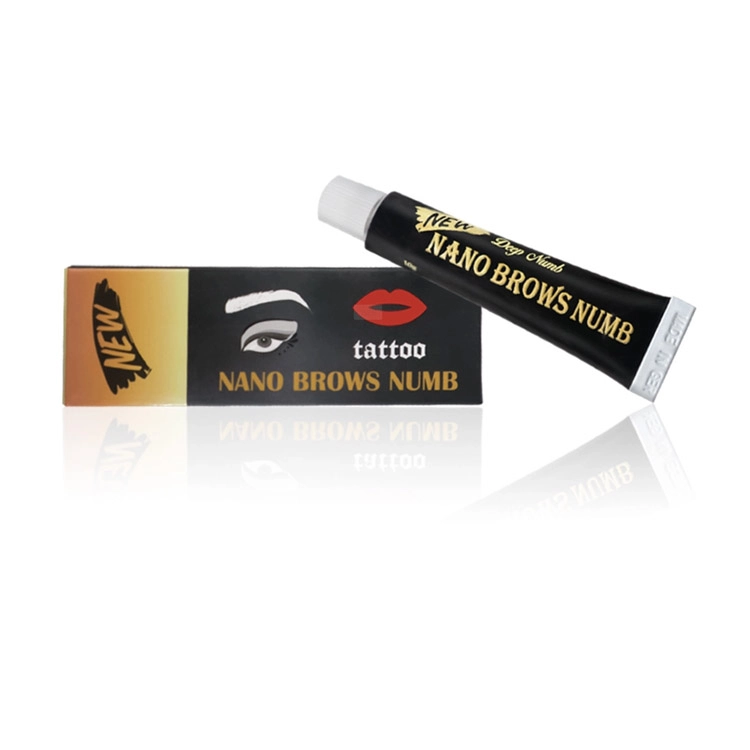
What is the difference between Super Numb Tattoo Cream and Nano Numb Cream For Tattoo?
Both super numb cream and nano numb cream can be used for tattoos, piercings or other beauty treatments. But they are suitable for different people. Super numb cream has a stronger effect. If you need a very strong super numb tattoo cream, we recommend you to use Super Numb Tattoo Cream. Nano Numb Cream is developed for people with sensitive skin. The formula is more gentle, anti-sensitive and anti-redness. If you need a comfortably numb tattoo cream specifically for sensitive skin, we recommend you to use nano numb cream.
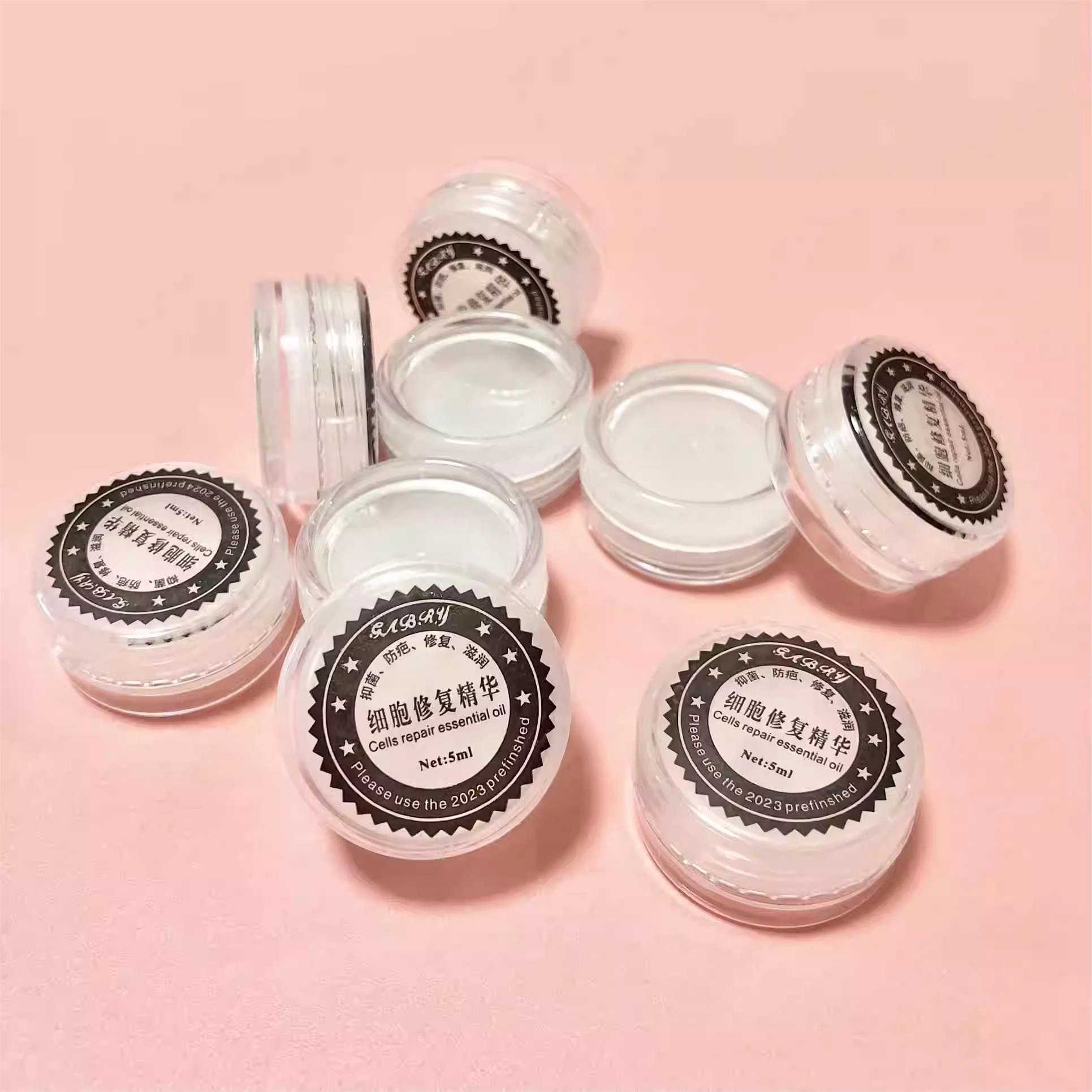
5g Cell Repair Essential Balm

Professional Pre Inked Eye Brow Mapping String 30m
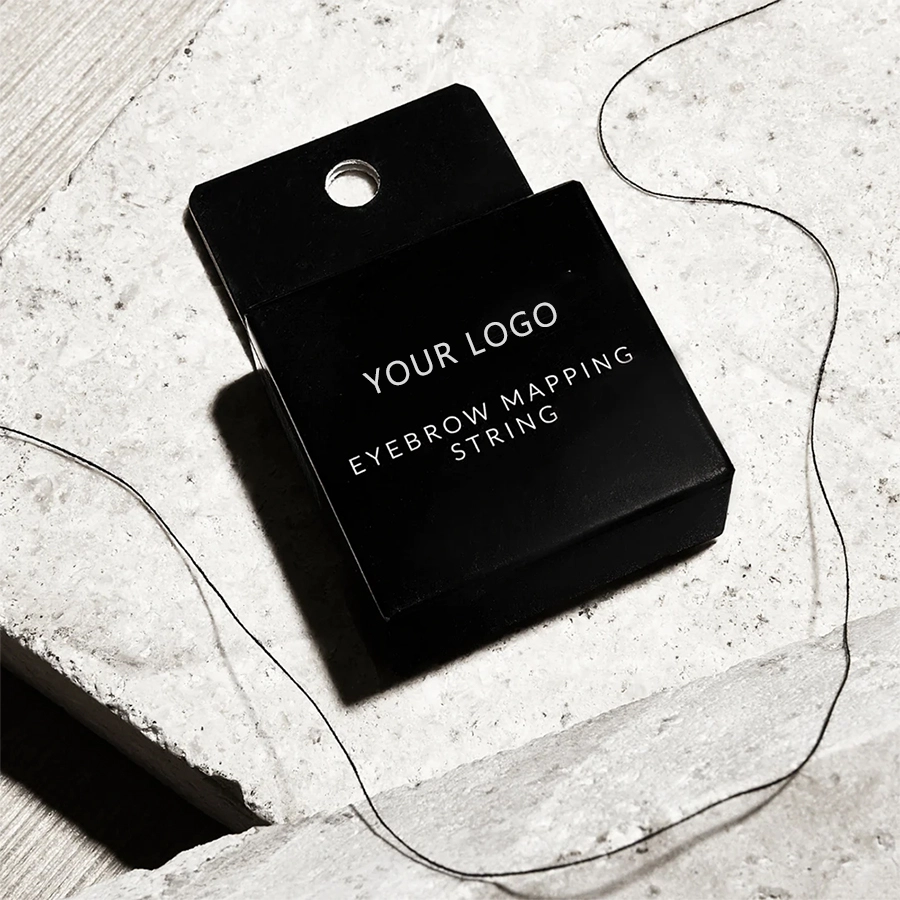
Microblading Pre-inked Mapping String Line 10m

Instagram
Facebook
YouTube