


Shipping & Customs for Wholesale Numb Cream Orders
- Understanding Product Classification and Regulatory Risks
- Cosmetic vs. medicinal classification: why it matters
- Common regulated ingredients and limits
- How I determine the HS code and tariff impact
- Documentation, Testing, and Labeling Requirements
- Essential documentation for customs clearance
- Safety Data Sheets and ingredient disclosure
- Labeling, language, and claims
- Shipping Options, Restrictions, and Practical Comparisons
- Choosing between courier, air freight, and sea freight
- Dangerous goods and shipping restrictions
- Comparison table: shipping methods
- Customs Clearance, Duties, Taxes and Practical Checklists
- Preparing for customs: checklist I use for every wholesale order
- Duties, VAT, and special taxes
- Handling customs holds and rejections
- Quality, Traceability, and Batch Control for Wholesale Buyers
- Why batch traceability matters
- Stability, storage and temperature control
- Testing, audits and compliance documentation
- Wholesale Commercial Considerations and Contract Terms
- Incoterms and who handles customs
- Insurance, claims and liability
- Pricing strategies including landed cost
- QM Makeup: Our Capabilities and How We Support Wholesale Numb Cream Orders
- Practical Step-by-Step Checklist for a First Wholesale Shipment
- Frequently Asked Questions (FAQ)
- 1. Can I import numb cream before tattoo into my country without a prescription?
- 2. What paperwork will customs typically request for numb cream shipments?
- 3. Are there shipping restrictions for numb creams on airplanes?
- 4. How can I reduce the risk of customs delays?
- 5. What should I do if customs seizes a shipment?
- 6. How do I calculate landed cost for wholesale buyers?
- Contact & Next Steps
As a consultant with long experience in semi-permanent makeup logistics and international trade, I frequently advise suppliers and studios on how to ship wholesale numb cream before tattoo procedures safely, compliantly, and cost-effectively. This guide explains how product classification, ingredient restrictions (e.g., lidocaine), labeling, documentation, shipping method choice, customs procedures, and post-shipment follow-up interact—so you can reduce delays, avoid seizure, and scale your cross-border sales.
Understanding Product Classification and Regulatory Risks
Cosmetic vs. medicinal classification: why it matters
One of the first determinations I make is whether the numb cream will be treated as a cosmetic, medical device, or medicinal product by the importing country. The regulatory category directly impacts: required documentation, whether a prescription or import license is needed, allowable active ingredient concentrations, and which customs tariff (HS) code applies. For example, the U.S. Food and Drug Administration explains the difference between cosmetics and drugs here: FDA: Cosmetics vs. Drugs. In the EU, topical anesthetics containing certain concentrations of active pharmaceutical ingredients are regulated under medicinal product rules rather than cosmetics (EU Cosmetics Regulation overview).
Common regulated ingredients and limits
Numb creams commonly contain lidocaine, tetracaine, benzocaine, or prilocaine. Many countries restrict maximum concentrations or require pharmaceutical registration when those ingredients exceed specified thresholds. Always check the importing market's allowed maximums and whether ingredients trigger a medicinal classification. I rely on official regulator pages (e.g., FDA or national health ministries) and regional regulations to confirm limits.
How I determine the HS code and tariff impact
I classify products using the Harmonized System (HS) and consult the World Customs Organization for guidance: World Customs Organization (WCO). Some numb creams ship under HS codes for cosmetics, others under pharmaceutical codes—tariffs and import permits differ accordingly. Using a customs broker or checking the target market’s tariff database reduces the risk of misclassification.
Documentation, Testing, and Labeling Requirements
Essential documentation for customs clearance
For wholesale shipments I always prepare the following core documents: commercial invoice, packing list, bill of lading (or AWB), certificate of origin (if preferential duty treatment is requested), Safety Data Sheet (SDS), Certificate of Analysis (COA) for active ingredients, and product specification sheets. If the product is treated as medicinal in the destination, include regulatory approval or import authorization.
Safety Data Sheets and ingredient disclosure
SDS (formerly MSDS) are critical. Customs or courier companies may refuse carriage without a proper SDS, and many countries require SDS to be in the local language or English. Follow OSHA/SDS structure and include concentrations of active anesthetics. For guidance on chemical classification and safety documentation, consult OSHA: OSHA.
Labeling, language, and claims
Claims like numbing or anesthetic can change how regulators view the product. If you position products as numb cream before tattoo for topical use to reduce pain, ensure labeling and marketing claims are consistent with the classification. Many markets require local language labels, ingredient lists, batch numbers, manufacturing and expiry dates, and importer contact details. Incorrect or missing labeling is a very common cause of customs holds or rejections.
Shipping Options, Restrictions, and Practical Comparisons
Choosing between courier, air freight, and sea freight
Choice depends on value density, urgency, compliance complexity, and whether temperature control is needed. I typically recommend:
- Sample or urgent small wholesale orders: express couriers (DHL, FedEx) for speed and integrated customs brokerage.
- Medium value pallet orders: air freight with a freight forwarder and customs broker.
- Large low-value bulk: sea freight to save cost, but expect longer lead times and more customs handling on arrival.
Dangerous goods and shipping restrictions
Many topical creams are not classified as dangerous goods, but formulations with volatile solvents or aerosol propellants can be restricted for air carriage. Always check IATA Dangerous Goods Regulations: IATA DGR. If a numb cream contains flammable solvents or high concentrations of certain compounds, you may need DG labeling and special packing.
Comparison table: shipping methods
| Method | Transit Time | Cost (per kg) | Documentation Complexity | Best for |
|---|---|---|---|---|
| Express Courier | 2–7 days | High | Low–Medium (broker included) | Samples & small orders; urgent clears |
| Air Freight | 3–10 days | Medium–High | Medium (forwarder + broker) | Medium-value pallets |
| Sea Freight | 20–60 days | Low | High (large shipments, customs processing) | Large bulk shipments |
Customs Clearance, Duties, Taxes and Practical Checklists
Preparing for customs: checklist I use for every wholesale order
Before shipping a pallet of numb cream before tattoo, I verify:
- Product classification and HS code confirmed with customs broker.
- Regulatory status in destination (cosmetic vs. medicinal) and any required registrations.
- SDS, COA, technical spec and batch records included in shipment paperwork.
- Correct invoice value and Incoterm to clarify who pays duties and VAT.
- Labeling compliant with local language and ingredient disclosure laws.
- Arrange an experienced customs broker/agent in destination country.
Duties, VAT, and special taxes
Customs duty depends on HS code and trade agreements; VAT or GST often applies at importation, calculated on CIF (cost + insurance + freight) value plus duty. For preferential tariff treatment under free trade agreements, provide a valid Certificate of Origin. Always simulate landed cost using the HS code to give accurate pricing to buyers.
Handling customs holds and rejections
If customs detains a shipment, the most common reasons are missing paperwork, product misclassification, labeling issues, or suspicion of regulated pharmaceuticals. My recommended steps are: contact your customs broker immediately; provide missing documents (SDS, COA, product specs); be ready to provide batch samples for testing; and communicate transparently with your buyer to manage expectations and costs for re-export or destruction if required.
Quality, Traceability, and Batch Control for Wholesale Buyers
Why batch traceability matters
I insist on robust batch numbering and COAs for each production lot. Batch traceability speeds problem resolution when customs or end-users request sample testing, and it protects both seller and buyer in product liability or adverse events. Maintain production logs, raw-material COAs, and stability/shelf-life data.
Stability, storage and temperature control
Most cream formulations are stable at ambient conditions, but certain formulas with emulsions or sensitive actives may need controlled temperatures. If temperature control is required, choose cold chain logistics and include temperature indicators in packaging. Document storage recommendations on the label and technical files.
Testing, audits and compliance documentation
To support wholesale clients, I recommend third-party testing for microbiological safety, preservative efficacy, and active ingredient concentration. Maintain testing records and make them available to buyers and regulators on request.
Wholesale Commercial Considerations and Contract Terms
Incoterms and who handles customs
Negotiate clear Incoterms (e.g., FOB, CIF, DDP). I strongly advise sellers to avoid DDP unless they have robust international operations; DDP shifts customs risk, duty payments, and local compliance to the seller. For new markets I usually start with FOB or EXW and then add delivery services as logistics mature.
Insurance, claims and liability
Insure shipments for transit damage and loss. For high-value orders, full cargo insurance covering customs delays or damage during handling is essential. Define responsibility for claims in the sales contract.
Pricing strategies including landed cost
Provide buyers with a landed cost breakdown (product price + shipping + insurance + duties + VAT + customs broker fees + handling). Transparent landed cost calculations reduce disputes and speed repeat orders.
QM Makeup: Our Capabilities and How We Support Wholesale Numb Cream Orders
QM Makeup was established in 2005; we specialized in the field of semi-permanent makeup and eyelash tattoo beauty, and we are committed to becoming a leading company in the industry. We specialize in permanent makeup and eyelash beauty products, providing professional wireless tattoo machines, microblading machines, semi-permanent makeup ink, tattoo skin for practice, tattoo numb cream, a professional lash lift kit, the best lash lift and tint kit, professional eyelash glue and eyelash extension lashes products.
Our company integrates the distribution, wholesale, private labeling and OEM processing on a large scale. We provide customers with a full range of customized branding solutions to help our partners maximize business value.
Our production base covers an area of 10,000 square meters and has independent research and development and production capabilities, helping customers achieve product customization and providing one-stop tattoo supplies brand solutions.
When you source numb cream before tattoo from QM Makeup, you gain access to:
- Regulatory support: product specification, COA and SDS issuance for customs.
- Private labeling and OEM: formula customization (subject to regulatory feasibility).
- Volume production with batch traceability from our 10,000 m2 facility.
- Integrated logistics partnerships and documentation templates to reduce customs friction.
Visit us at https://www.qmmakeup.com or contact [email protected] for quotes, technical files, and private-label inquiries. Our core products include tattoo machine, tattoo ink, microblading, tattoo supplies, and eyelashes (false).
Practical Step-by-Step Checklist for a First Wholesale Shipment
- Classify product and confirm regulatory status in destination market (cosmetic vs. medicinal).
- Obtain SDS, COA, and product specification; translate labels if required.
- Confirm HS code and calculate duties/VAT to generate landed cost.
- Choose shipping method and prepare DG documentation if applicable (IATA).
- Engage a customs broker and provide them full documentation ahead of shipment.
- Ensure batch traceability records and testing certificates accompany shipment.
- Insure the shipment and clarify Incoterms in the sales contract.
Frequently Asked Questions (FAQ)
1. Can I import numb cream before tattoo into my country without a prescription?
It depends on the destination. Some countries treat topical anesthetics with lidocaine at low concentrations as cosmetics, while others treat them as medicinal products requiring registration or a prescription. Check the importing country's health regulator (e.g., FDA for the U.S. or national medicine agencies) before shipping. See the FDA guidance on product categories here: FDA.
2. What paperwork will customs typically request for numb cream shipments?
At minimum: commercial invoice, packing list, SDS, COA, and correct labeling. If the product is regulated as a pharmaceutical, an import license or regulatory approval will be required. Engage a customs broker early to confirm the exact list.
3. Are there shipping restrictions for numb creams on airplanes?
Most creams are allowed, but formulations containing flammable solvents, aerosols or certain controlled substances may be restricted under IATA Dangerous Goods Regulations. Check IATA DGR and consult your carrier: IATA.
4. How can I reduce the risk of customs delays?
Provide accurate classification and complete documentation (SDS, COA, invoice with HS code). Use experienced customs brokers, pre-clear shipments where possible, and avoid making ambiguous marketing claims that could reclassify the product during inspection.
5. What should I do if customs seizes a shipment?
Contact your customs broker and the consignee immediately. Provide requested documentation and be prepared for product sampling for lab testing. If the product is non-compliant, options include re-export, destruction, or paying penalties—legal counsel and local importer support are essential.
6. How do I calculate landed cost for wholesale buyers?
Landed cost = product price + packing + freight + insurance + duties + VAT/GST + customs broker & handling fees. Provide a clear breakdown to buyers so they can compare offers and avoid surprises at delivery.
Contact & Next Steps
If you are ready to ship numb cream before tattoo at wholesale volumes, I can help you with product classification, documentation templates, and a customs-ready packing plan. For OEM, private label or bulk supply, contact QM Makeup: https://www.qmmakeup.com or email [email protected]. We can provide COAs, SDS, batch traceability and logistics support to streamline your cross-border shipments.
References: World Customs Organization (WCO) https://www.wcoomd.org; IATA Dangerous Goods Regulations https://www.iata.org/en/programs/cargo/dgr/; FDA cosmetics/drug classification https://www.fda.gov; EU Cosmetics Regulation https://ec.europa.eu/health/cosmetics/overview_en.
High-End Tattoo Machines Buyers Trust for Permanent Makeup
FAQs: Tattoo Numbing Cream for Semi-Permanent Makeup Clients
Custom tattoo ink Manufacturers and Suppliers
What is microblading
Eyelash Perming Glue Balm
How many applications for lash lift and brow lamination?
About 15-20 applications.
Tattoo Numbing Patches
What is the MOQ for private label?
We offer private label customization services, including the making private label stickers and printing private label labels on packaging. The MOQ for private label stickers is 100 pieces, and the MOQ for private label labels is 30,000 pieces.
Pigment Ink
How long does the ink typically last in the skin ?
On average, our pigments last about 1-5 years without fading, depending on the clients individual differences and the depth of the tattoo operation.
Lip patch
Where does numb cream work tattoo?
Tattoo numb cream mainly acts on the epidermis and dermis of the skin, blocking the transmission of nerve signals, thereby quickly relieving pain and discomfort.
Tattoo aftercare
How do I choose the right PMU repair product? Any professional tattoo aftercare instructions?
How to choose the best tattoo aftercare product for yourself depends largely on your skin type and main needs for repair. Here are some best tattoo aftercare tips:
Personal skin type:
1. Sensitive skin: It is recommended to choose “Cell repair serum balm”, which is natural, moisturizing and non-irritating. It is the best tattoo balm for microblading aftercare.
2. Scar skin: It is recommended to choose “Ice crystal anti-scar repair serum”, which can quickly promote wound healing and prevent scars. It is the best tattoo aftercare lotion serum.
3. Inflammatory skin: It is recommended to choose “Vitamin A&D ointment gel”, vitamins have anti-inflammatory functions and play an important role in the growth and repair of skin cells. It is the best ointment for tattoo aftercare.
Main needs:
1. Skin repair and regeneration: It is recommended to choose “Ice crystal anti-scar repair serum”, BFGF factor is the most effective choice;
2. Moisturizing protection: It is recommended to choose “Cell repair serum balm”, white vaseline is an excellent choice;
3. Anti-inflammatory repair: It is recommended to choose “Vitamin A&D ointment gel”, vitamins A and D are very excellent ingredients.
It is best to choose and use according to your skin condition and needs.

Professional Pre Inked Eye Brow Mapping String 30m
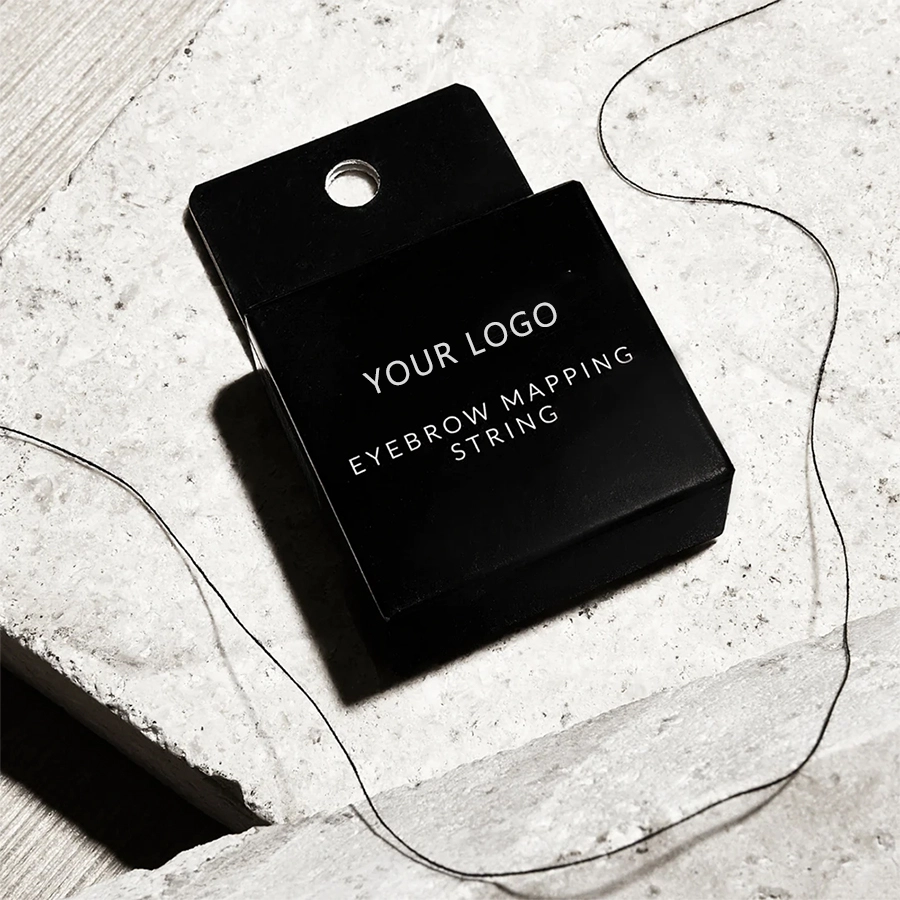
Microblading Pre-inked Mapping String Line 10m
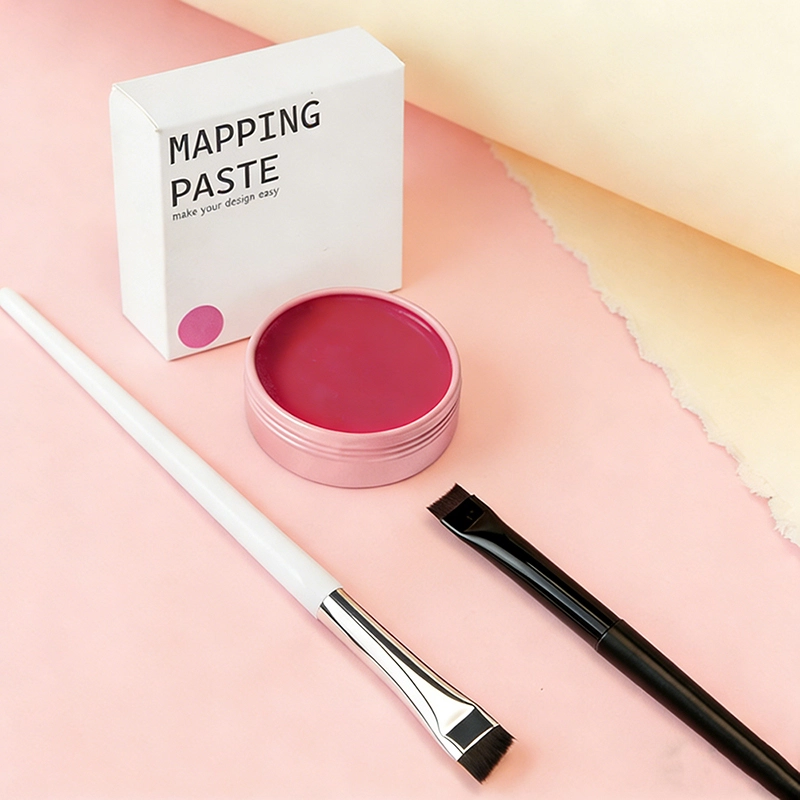
Pre-inked Mapping Ultra-Fine Eyebrows Eyeliner Blade Fan Brush
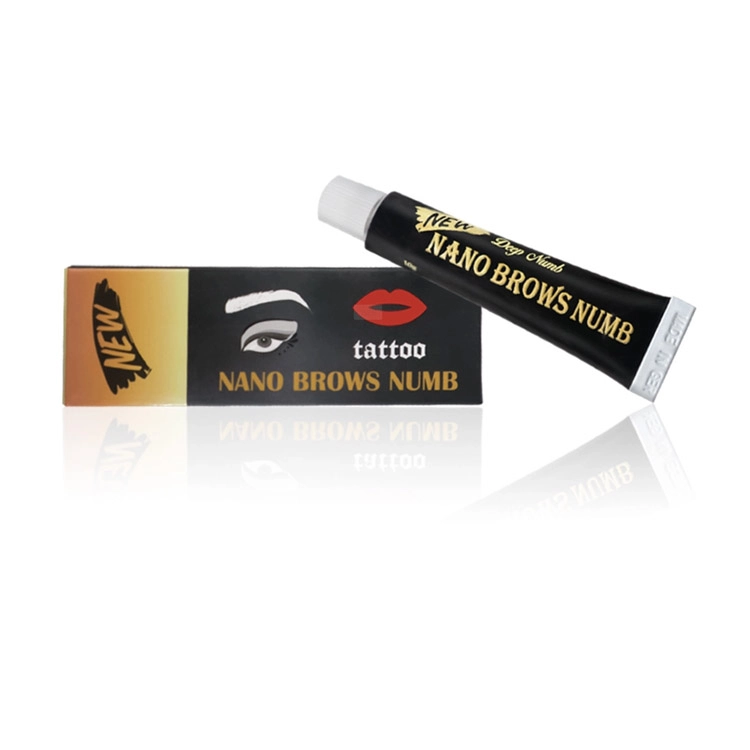

Instagram
Facebook
YouTube