


How to Source OEM Aftercare Products for PMU Brands
- Why aftercare matters for PMU safety and brand reputation
- Client outcomes and clinical risk
- Business impact: retention, reviews and liability
- Market expectation and positioning
- Defining regulatory, formulation and labeling requirements
- Understand the regulatory landscape
- Key formulation and safety considerations
- Labeling, claims and instructions for use
- Sourcing strategies: OEM, private label and manufacturing partnerships
- Choosing a model: OEM vs. private label vs. white label
- Supplier selection criteria
- Contract terms you should insist on
- Quality control, testing and supply chain resilience
- Testing matrix and documentation
- Supply chain risk management
- Stability, packaging and user experience
- Commercial considerations: cost, margins and go-to-market
- Unit economics and pricing strategy
- Branding, claims and packaging design
- Launch checklist (operational)
- Case study and supplier comparison
- Working with QM Makeup: capabilities and what sets us apart
- Practical step-by-step: how I recommend you onboard an OEM aftercare partner
- Step 1 — Define your product brief
- Step 2 — Shortlist and audit suppliers
- Step 3 — Pilot, test and iterate
- Step 4 — Scale and maintain QA
- FAQ
- 1. What ingredients should I avoid in aftercare for tattoo products?
- 2. Do aftercare products need to be sterile?
- 3. How long does it take to bring an OEM aftercare product to market?
- 4. Can I use the same aftercare product for lips, brows and body tattoos?
- 5. What documentation should I receive from my OEM partner?
- 6. How do I balance cost vs. product quality?
- Contact & next steps
I have worked with semi-permanent makeup (PMU) brands for years, helping them design, manufacture and successfully launch aftercare for tattoo products that protect clients, reduce complications and strengthen brand loyalty. In this guide I lay out how to source OEM aftercare — from regulatory requirements and formulation essentials to supplier selection, testing and supply-chain resilience — so you can make informed decisions and minimize risk while maximizing product-market fit.
Why aftercare matters for PMU safety and brand reputation
Client outcomes and clinical risk
Aftercare for tattoo is not a cosmetic optionality — it is a component of clinical safety. Properly formulated aftercare reduces infection risk, inflammation and poor pigment retention. Public health authorities like the CDC document infection risks associated with body art and emphasize practitioner and client education to reduce complications. As someone who has advised clinics and brands, I've seen direct correlations between clear aftercare instructions, the right product choice and fewer post-procedure complications.
Business impact: retention, reviews and liability
Aftercare products are a touchpoint that affects reviews, repeat bookings and brand differentiation. Poor aftercare outcomes lead to complaints, refunds and reputational damage. From a liability perspective, ensuring your OEM aftercare meets regulatory and safety standards reduces legal exposure and supports defensible product claims in marketing and clinician training.
Market expectation and positioning
Clients expect professional PMU providers to recommend or retail clinical-grade aftercare that complements the tattooing process. Packaging, ingredient transparency and clinical claims (e.g., antimicrobial vs. soothing barrier) influence purchase decisions and perceived value.
Defining regulatory, formulation and labeling requirements
Understand the regulatory landscape
Before sourcing, determine how aftercare for tattoo is regulated where you sell. In the US, tattoo inks and related products are overseen in part by the FDA, and many jurisdictions apply cosmetics or topical wound-care regulations. For manufacturing quality frameworks, ISO 22716 Cosmetics — Good Manufacturing Practices (GMP) is a recognized standard; review the ISO guidance when specifying manufacturing controls (ISO 22716).
Key formulation and safety considerations
- Preservation: choose preservatives with evidence of efficacy to prevent microbial contamination, especially for multi-use packaging.
- Non-comedogenic, non-irritant base: many clients have sensitive skin post-procedure — formulations with minimal fragrance and proven soothing actives (e.g., panthenol, allantoin) reduce adverse reactions.
- Compatibility with pigment retention: avoid oil-heavy occlusives that may affect pigment settling unless clinically validated.
- pH and sterility controls: specify acceptable pH range and microbial limits in your technical specification.
Peer-reviewed literature on tattoo complications (for example, a review available through PubMed Central) helps define risk profiles and ingredient choices (Complications of tattooing).
Labeling, claims and instructions for use
Define permitted claims (e.g., soothing vs. antibacterial) based on evidence and local law. Provide concise, clinically useful aftercare instructions — for example, frequency of application, when to seek a clinician, and hygiene tips. From an SEO and customer trust perspective, include ingredient lists (INCI), batch codes and storage recommendations on labels.
Sourcing strategies: OEM, private label and manufacturing partnerships
Choosing a model: OEM vs. private label vs. white label
Each model offers trade-offs in cost, control and speed to market. Below is a concise comparison to guide selection.
| Model | Control over formula & brand | Lead time | Typical cost per unit | Best when |
|---|---|---|---|---|
| OEM (custom formulation, private labeling) | High — custom formula, packaging | Medium to Long | Higher initial investment, lower at scale | You need differentiation and regulatory control |
| Private Label (existing formula, brandable) | Medium — limited formula changes | Short to Medium | Moderate | Faster market entry with some customization |
| White Label (ready-made products) | Low — no formula control | Shortest | Lowest upfront | Testing proof-of-concept or low-risk SKUs |
Supplier selection criteria
When evaluating partners I use a weighted scorecard including:
- Regulatory compliance and documentation (MSDS, COA, stability data)
- GMP certification or ISO 22716 implementation
- Analytical and microbiological testing capabilities
- Private label/OEM experience in PMU or wound-care adjacent categories
- Supply chain transparency and capacity to scale
- Quality systems: batch traceability, deviation management, recall procedures
Contract terms you should insist on
Negotiate clear terms on minimum order quantities (MOQs), lead times, intellectual property (who owns the formula), quality acceptance criteria, penalties for out-of-spec batches, and confidentiality. Define responsibilities for regulatory filings in each market you intend to sell to.
Quality control, testing and supply chain resilience
Testing matrix and documentation
Insist on the following documentation for every production batch:
- Certificate of Analysis (COA) covering preservative efficacy (challenge test), pH, viscosity and microbial limits
- Stability data supporting shelf-life and storage conditions
- Raw material certificates and supplier traceability
- Packaging compatibility and leachables data where relevant
Third-party laboratories or recognized internal labs should perform preservative challenge testing and microbial testing. The CDC and medical literature point to the importance of microbial control in body-art products; maintain conservative microbial specifications to reduce risk (CDC technical guidance).
Supply chain risk management
Diversify critical raw material sources (emollients, preservatives) and have contingency suppliers. Quantify lead-time variability and include buffer stock for key SKUs. In my experience, a reliable OEM partner will provide a clear escalation path for delays and raw material substitution policies with prior approval.
Stability, packaging and user experience
Packaging choices (tube, jar, pump) have clinical consequences: jars increase contamination risk if end-users dip fingers; single-use sachets reduce contamination but increase cost. Validate packaging with real-world use studies to ensure the product remains effective throughout the labeled shelf-life.
Commercial considerations: cost, margins and go-to-market
Unit economics and pricing strategy
Work backward from your retail price target to determine acceptable cost of goods sold (COGS). Include all supply-chain costs: manufacturing, packaging, labeling, testing, freight, duties and warehousing. Factor in promotional allowances for salons and clinics that will retail the aftercare.
Branding, claims and packaging design
Aftercare for tattoo products often command white-glove margin if positioned clinically (e.g., clinician-formulated, preservative-efficacy tested). Invest in clear usage instructions and professional imagery. Claims must map to documented testing to remain compliant.
Launch checklist (operational)
- Finalize technical file: formulation, COAs, stability data
- Confirm labeling and regulatory classification per target market
- Order an initial pilot batch with full testing
- Set up logistics: warehousing, fulfillment and returns policy
- Train clinician partners on recommended use and contraindications
Case study and supplier comparison
When I supported a mid-size PMU brand to develop a branded aftercare balm, we followed this path: define target claims (soothing, non-greasy, antimicrobial-preserved), shortlist OEMs with GMP and PMU experience, run small-batch challenge tests, conduct a closed-clinic user trial (n=120), refine packaging (switch from jar to airless pump) and then scale. The result was a retail SKU that reduced client-reported irritation by 42% versus the brand's previous over-the-counter recommendation (clinic feedback survey data).
| Metric | Before (OTC product) | After (OEM custom balm) |
|---|---|---|
| Client irritation reports | 12% of clients | 7% of clients |
| Repeat purchase rate | 24% | 38% |
| Average retail margin | 28% | 46% |
Working with QM Makeup: capabilities and what sets us apart
QM Makeup was established in 2005; we specialized in the field of semi-permanent makeup and eyelash tattoo beauty, and we are committed to becoming a leading company in the industry. We specialize in permanent makeup and eyelash beauty products, providing professional wireless tattoo machines, microblading machines, semi-permanent makeup ink, tattoo skin for practice, tattoo numb cream, a professional lash lift kit, the best lash lift and tint kit, professional eyelash glue and eyelash extension lashes products.
Our company integrates the distribution, wholesale, private labeling and OEM processing on a large scale. We provide customers with a full range of customized branding solutions to help our partners maximize business value. Our production base covers an area of 10,000 square meters and has independent research and development and production capabilities, helping customers achieve product customization and providing one-stop tattoo supplies brand solutions.
Why clients choose QM Makeup:
- Industry focus: deep PMU and lash expertise since 2005
- End-to-end services: formulation, OEM, private label, packaging and fulfillment
- Technical capability: in-house R&D and quality control labs supporting stability and preservative efficacy testing
- Scale and speed: production base with large capacity to support global rollouts
- Transparent documentation: COAs, stability data and batch traceability
Our core product strengths include tattoo machine, tattoo ink, microblading, tattoo supplies and false eyelashes. Visit our website at https://www.qmmakeup.com or contact us via email at [email protected] to discuss OEM aftercare formulations, private labeling and bespoke product solutions.
Practical step-by-step: how I recommend you onboard an OEM aftercare partner
Step 1 — Define your product brief
Document the target claims, ingredient exclusions (e.g., no parabens or fragrances), packaging type and target retail price. Include required regulatory markets and expected annual volumes.
Step 2 — Shortlist and audit suppliers
Request quality documents (GMP certificate, ISO, COAs) and run facility audits — either in person or via virtual audit. Use a scorecard to shortlist 3 suppliers.
Step 3 — Pilot, test and iterate
Order pilot batches, run preservative challenge tests, stability testing and conduct a controlled user trial. Refine formula and packaging based on real-world feedback.
Step 4 — Scale and maintain QA
Agree on routine batch testing, supply contingencies and continuous improvement metrics. Keep training materials for clinicians updated with any formula or instruction changes.
FAQ
1. What ingredients should I avoid in aftercare for tattoo products?
Avoid ingredients with high allergenic or irritant potential (undiluted essential oils, strong fragrances, high concentrations of active acids). Avoid certain oil-heavy formulations if pigment retention is a concern unless validated. Always base exclusions on clinical evidence and regulatory restrictions in your markets.
2. Do aftercare products need to be sterile?
Most topical aftercare products are not sterile but must meet strict microbial limits and pass preservative efficacy (challenge) testing. Single-use sterile dressings are different; define sterility needs with your OEM based on intended use.
3. How long does it take to bring an OEM aftercare product to market?
Typical timelines: private label (4–8 weeks); custom OEM with formulation and testing (3–6 months); extensive stability or regulatory filings can extend timelines. Plan conservatively for regulatory review and packaging tooling.
4. Can I use the same aftercare product for lips, brows and body tattoos?
Not always. Mucosal areas (lips) and highly vascular regions may require different formulations or contraindications. Work with your OEM to validate use across indications and adjust labeling and instructions accordingly.
5. What documentation should I receive from my OEM partner?
Minimum: COAs, preservative challenge test results, stability summary, batch records, GMP or ISO evidence, ingredient supplier COAs and labeling proofs. For regulated markets you may need additional dossiers.
6. How do I balance cost vs. product quality?
Prioritize safety and proven efficacy. Reducing COGS by compromising on preservatives, testing or packaging often increases long-term costs through complaints, returns or worse. Consider phased launches: start with a clinically validated core SKU and expand.
Contact & next steps
If you are ready to source OEM aftercare for tattoo products or need a partner to design private-label solutions, contact QM Makeup. We can help with formulation, testing coordination, packaging and global supply. Visit https://www.qmmakeup.com or email [email protected] to request a capability pack and start your project.
References: FDA guidance on tattoos and permanent makeup (FDA), CDC body art technical guidance (CDC), ISO 22716 cosmetics GMP overview (ISO 22716), and a review on tattoo complications (PubMed Central).
What is eyelash extension ?
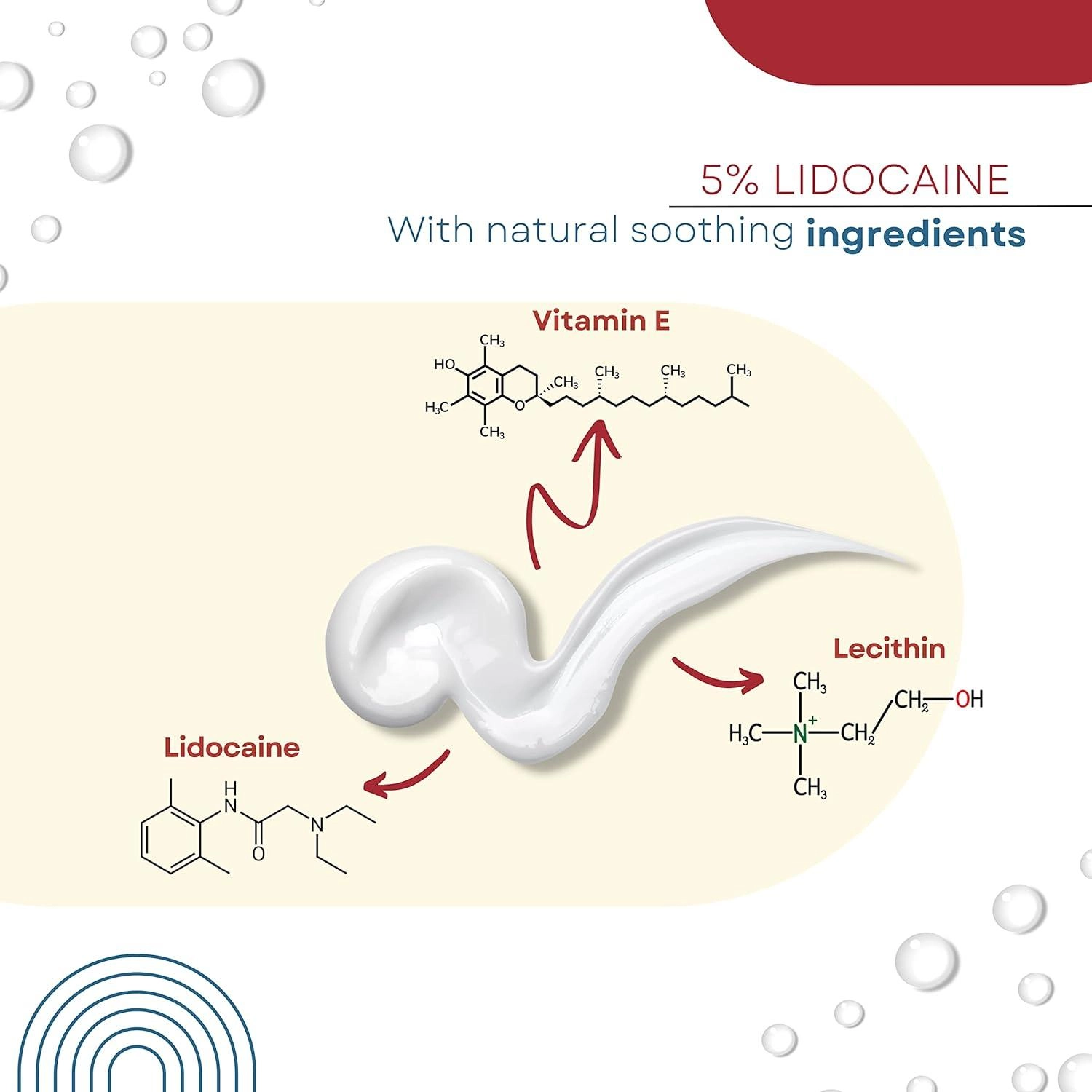
Super Numb Tattoo Cream Review: Best Numb Tattoo Cream?
The B2B Buyer’s Guide to best tattoo ink for sensitive skin
How to Choose Right tattoo ink manufacturer and supplier ?
Handmade pen
What is the lifespan of a disposable microblading pen?
A best disposable microblading pen is a one-time use tool that should be used immediately after opening and discarded after use. It cannot be recycled.
Secondary Numbing essence
Can I use numbing products on sensitive skin? Is it safe? Are there any potential side effects?
The ingredients we use are very safe, with anti-allergic effects, and under normal circumstances there are no side effects. However, based on individual differences, it cannot be ruled out that some people may experience temporary redness or irritation in some areas. We recommend patch testing before handling and following product instructions to minimize the risk of adverse reactions.
Powder Pigment
What is the color retention rate and color retention time of the pigment?
QM pigments have a higher retention rate than most other tattoo ink brands on the market. With nearly 20 years of microblading pigment permanent makeup formulation experience, the color retention rate of the pigment can be as high as 99%, and the color retention time is generally 3-5 years.
Customized service
What customization services do you offer?
We can accommodate various customization such as personalized products, custom formulas, custom designs, custom packaging, private labeling etc.
Products
What’s your product quality certificate for glue balm?
We have MSDS certificate for PERM & FIXING & Glue lotions and glue balm.
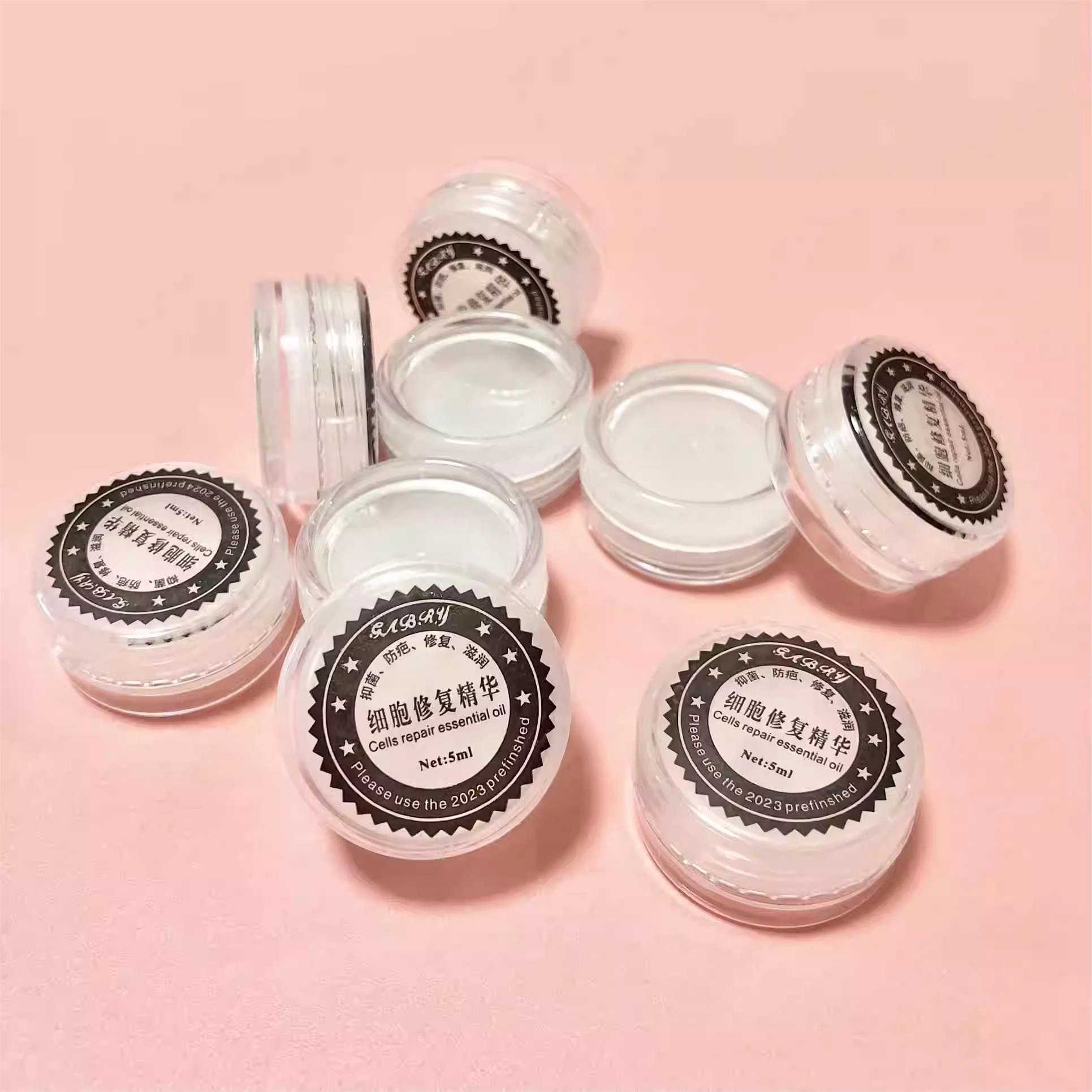
5g Cell Repair Essential Balm

Professional Pre Inked Eye Brow Mapping String 30m
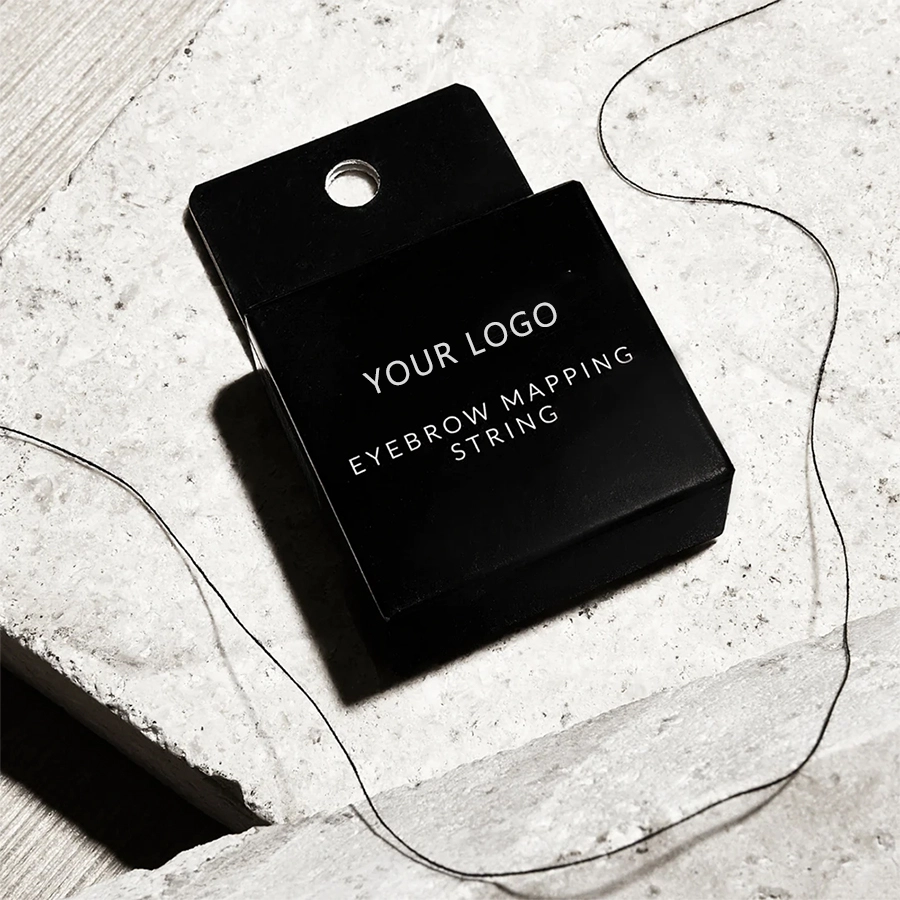
Microblading Pre-inked Mapping String Line 10m

Instagram
Facebook
YouTube