


Top Mistakes Using Pigment Tattoo Ink and How to Avoid Them
- Top Mistakes Using Pigment Tattoo Ink and How to Avoid Them
- Mistake 1 — Choosing the Wrong Pigment Tattoo Ink for the Procedure
- Mistake 2 — Ignoring Skin Undertone and Fitzpatrick Matching
- Mistake 3 — Improper Pigment Dilution or Mixing
- Mistake 4 — Contamination and Poor Sterility Practices
- Mistake 5 — Incorrect Storage and Expired Pigment Tattoo Ink
- Mistake 6 — Using Low-Quality Wholesale Microblading Pigment Ink to Save Costs
- Mistake 7 — Overworking the Skin and Causing Scarring
- Mistake 8 — Failing to Patch Test and Discuss Allergies
- Mistake 9 — Not Following Aftercare Protocols That Affect Pigment Retention
- Mistake 10 — Misunderstanding Regulatory and Safety Documentation
- Quick Comparison: QM Makeup Hybrid Powder Microblading Pigment Ink vs Generic Inks
- Best Practices Checklist for Professional Use of Pigment Tattoo Ink
- Why Professional Artists Prefer QM Makeup Hybrid Powder Microblading Pigment Ink
- Real-World Scenarios and Solutions
- Scenario: Client’s brows turned cool/grey after healing
- Scenario: Rapid fading within months
- FAQ — Frequently Asked Questions
- Q: How do I choose the correct pigment tattoo ink for powder brows vs. microblading?
- Q: Can I mix QM Makeup pigments with any diluent?
- Q: How long should pigment last before requiring a touch-up?
- Q: Are there safety certifications I should require from pigment suppliers?
- Q: What should I do if a client reports an adverse reaction?
- Call to Action — Try QM Makeup Hybrid Powder Microblading Pigment Ink
- Authoritative References
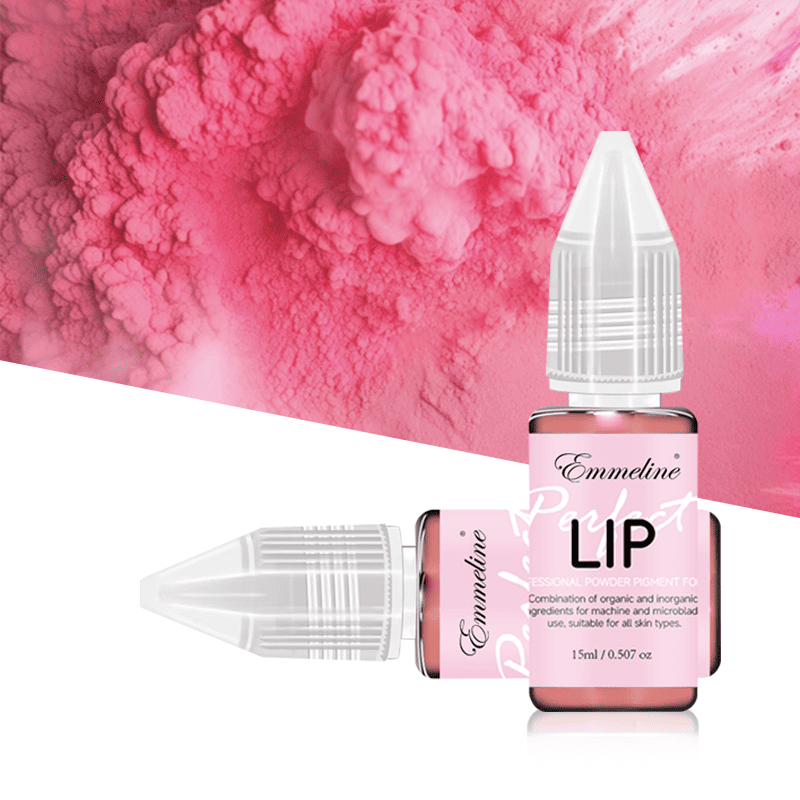
Top Mistakes Using Pigment Tattoo Ink and How to Avoid Them
Mistake 1 — Choosing the Wrong Pigment Tattoo Ink for the Procedure
One of the most common and impactful errors is selecting an ink that is not formulated for the specific treatment. Pigment tattoo ink used for body tattooing can differ significantly from inks designed for microblading, powder brows, or permanent makeup. Using an incompatible formula can cause poor color retention, allergic reactions, or unpredictable healing.
How to avoid it: Always choose pigments that are explicitly labeled for the procedure you perform. For professionals seeking a reliable option, QM Makeup Hybrid Powder Microblading Pigment Ink is formulated for microblading and powder techniques, offering stable pigments and high-quality consistency. When evaluating inks, look for clearly stated intended uses, batch traceability, and product technical data sheets.
Mistake 2 — Ignoring Skin Undertone and Fitzpatrick Matching
Color choice must be based on the client's skin undertone and Fitzpatrick skin type. Picking an overly warm or cool pigment without considering how it will oxidize and heal can result in unsightly color shifts (e.g., turning grey, red, or blue after healing).
How to avoid it: Perform a thorough consultation and use healed-swatch tests where possible. Understand the common healing shifts for specific pigment hues and choose stable formulations designed to minimize unwanted undertone changes. QM Makeup’s High Quality formula is engineered to retain its intended hue more predictably, which makes color planning easier for professionals.
Mistake 3 — Improper Pigment Dilution or Mixing
Incorrect dilutions, ad hoc mixing, or using unsuitable diluents can alter pigment viscosity and saturation. Over-diluting causes weak retention and fading; under-diluting can lead to excess pigment deposition and scabbing.
How to avoid it: Follow manufacturer dilution guidelines. Use sterile, purpose-made diluents recommended by the pigment manufacturer rather than improvising with water or non-sterile fluids. Keep a consistent record of ratios used for different techniques and skin types. For pre-mixed confidence, consider pigments designed for the technique (e.g., Hybrid Powder Microblading Pigment Ink) that require minimal adjustment.
Mistake 4 — Contamination and Poor Sterility Practices
Contaminated pigment containers, reusing drops between clients, or dipping tools into multi-use bottles without aseptic technique increases infection risk and degrades pigment quality.
How to avoid it: Use single-use vials or decant pigment into sterile disposable cups for each client. Maintain a clean workspace, use gloves, and follow studio infection control protocols. Choose suppliers who provide sealed, tamper-evident packaging and clear lot numbers. QM Makeup offers professional-grade packaging and a quality control process to help minimize contamination risks.
Mistake 5 — Incorrect Storage and Expired Pigment Tattoo Ink
Pigments exposed to heat, sunlight, or fluctuating temperatures can separate, change consistent viscosity, or oxidize. Using expired pigment risks unpredictable results.
How to avoid it: Store pigments according to manufacturer instructions—usually in a cool, dark place at stable room temperature. Keep opened pigments in airtight containers and rotate stock using first-in, first-out (FIFO). Record purchase and opening dates on labels. QM Makeup’s pigment packaging includes storage recommendations and batch information to aid inventory control.
Mistake 6 — Using Low-Quality Wholesale Microblading Pigment Ink to Save Costs
Choosing the cheapest wholesale microblading pigment ink often means sacrificing safety testing, color stability, and supplier traceability. Short-term savings can lead to client dissatisfaction, touch-ups, and reputational damage.
How to avoid it: Prioritize quality, testing, and supplier reputation when buying wholesale. Look for pigments that list ingredients, stability testing, and contact information. Investing in a trusted product like QM Makeup Hybrid Powder Microblading Pigment Ink reduces the need for frequent touch-ups and supports consistent client outcomes.
Mistake 7 — Overworking the Skin and Causing Scarring
Excessive passes or applying too much pigment in one session can create heavy scabbing, cause pigment rejection, or scar tissue that affects final color and retention.
How to avoid it: Use conservative technique—build color gradually across sessions when necessary. Understand the skin’s reaction by area, client age, and skin type. Employ proper machine or hand-tool settings for microblading/powder work and follow recommended needle/pen depths for the chosen pigment.
Mistake 8 — Failing to Patch Test and Discuss Allergies
Although true allergies to modern microblading pigments are uncommon, sensitivities and delayed reactions occur. Applying pigment without discussing client history or performing patch tests can lead to adverse events and liability issues.
How to avoid it: Conduct client intake covering allergies, autoimmune conditions, and medications. For clients with a history of sensitivities, perform a small patch test and document results. Ensure you have an aftercare and adverse reaction plan. High-quality pigments with transparent ingredient lists, like QM Makeup’s formula, help professionals make informed choices for sensitive clients.
Mistake 9 — Not Following Aftercare Protocols That Affect Pigment Retention
Poor aftercare guidance can undermine even the best work—clients exposing fresh work to sun, chlorine, or improper products accelerate fading and color change.
How to avoid it: Provide clear, written aftercare instructions tailored to the procedure. Recommend products that are compatible with pigments and avoid active exfoliants and strong acids during healing. Reinforce the importance of sun protection to extend pigment longevity.
Mistake 10 — Misunderstanding Regulatory and Safety Documentation
Assuming all pigments meet local regulatory standards without verification is risky. Different regions have varying rules for tattoo and permanent makeup pigments; some pigments banned in one jurisdiction may be sold elsewhere.
How to avoid it: Verify that suppliers comply with local regulations and can provide Certificates of Analysis (COA) or safety documentation where required. Keep records of product lot numbers and supplier communications. Reputable suppliers like QM Makeup provide product data that helps studios meet compliance requirements.
Quick Comparison: QM Makeup Hybrid Powder Microblading Pigment Ink vs Generic Inks
Below is a practical comparison table highlighting features professionals care about when choosing pigment tattoo ink.
| Feature | QM Makeup Hybrid Powder Microblading Pigment Ink | Typical Generic/Low-Cost Inks |
|---|---|---|
| Color Vibrancy | High, engineered for consistent healed color | Variable; may fade unevenly |
| Longevity / Retention | Long-lasting with predictable retention | Often requires more frequent touch-ups |
| Formulation Consistency | Controlled batch quality and uniform viscosity | Inconsistent batches and separation issues |
| Safety & Testing | High-quality standards, documented sourcing | Limited safety documentation |
| Wholesale Availability | Professional wholesale options with labelling | May be available cheap but limited support |
| Price | Competitive for professional-grade pigment | Lower upfront cost, higher long-term risk |
Best Practices Checklist for Professional Use of Pigment Tattoo Ink
Follow this checklist to reduce mistakes and improve outcomes:
- Select pigments specifically formulated for the application (microblading, powder brows, lips, etc.).
- Consult on skin undertone and Fitzpatrick type; use healed swatches when possible.
- Use sterile single-use decants; avoid double-dipping into bottles.
- Store pigments per manufacturer guidelines and track batch/expiry dates.
- Perform patch tests when indicated and document client history.
- Apply conservative technique; build color over sessions if needed.
- Provide clear aftercare instructions and emphasize sun protection.
- Buy from reputable suppliers with transparency and quality documentation.
Why Professional Artists Prefer QM Makeup Hybrid Powder Microblading Pigment Ink
In the latter stages of this guide it’s important to weigh brand benefits realistically. QM Makeup Hybrid Powder Microblading Pigment Ink is positioned as a professional-grade choice for the following reasons:
- Formulated specifically for powder and microblading techniques to deliver predictable healed color.
- Consistent viscosity and pigment load reduce the guesswork in dilution and layering.
- Designed for vibrant, long-lasting results—helping reduce touch-ups and improving client satisfaction.
- Available in wholesale formats for studio supply chains and professional inventory management.
- Manufacturer provides product information, storage guidance, and batch traceability to support studio compliance.
Real-World Scenarios and Solutions
Scenario: Client’s brows turned cool/grey after healing
Cause: Pigment undertone mismatch, overworking, or product oxidation.
Solution: Choose a warmer base pigment formulated to resist cool shifts. QM Makeup pigments include shades designed to neutralize common healing tendencies—test small areas when moving to new formulas.
Scenario: Rapid fading within months
Cause: Over-dilution, inadequate pigment load, poor aftercare, or client sun exposure.
Solution: Reassess dilution protocols and educate clients on aftercare. Opt for pigments with documented retention properties like QM Makeup’s Hybrid Powder series.
FAQ — Frequently Asked Questions
Q: How do I choose the correct pigment tattoo ink for powder brows vs. microblading?
A: Powder techniques typically use slightly denser pigments designed for a softer, shaded effect, while microblading pigments may be formulated for fine hair strokes and specific viscosity. Use products labeled for the intended technique—QM Makeup Hybrid Powder Microblading Pigment Ink is tailored for hybrid powder/microblading work.
Q: Can I mix QM Makeup pigments with any diluent?
A: Use sterile diluents recommended by the pigment manufacturer. Avoid untested liquids. Follow QM Makeup’s guidelines for dilution to preserve color performance and sterility.
Q: How long should pigment last before requiring a touch-up?
A: Longevity varies by skin type, technique, and aftercare. Many clients need a touch-up at 6–12 weeks initially, then periodic refreshers every 1–3 years. High-quality pigments typically extend the interval between refreshers.
Q: Are there safety certifications I should require from pigment suppliers?
A: Ask for product ingredient lists, batch numbers, COAs, and any available safety testing or compliance documentation relevant to your region. Regulatory requirements differ by country, so ensure the supplier can provide appropriate documentation.
Q: What should I do if a client reports an adverse reaction?
A: Stop further procedures, document the reaction, and refer the client to medical care if necessary. Retain product lot information and advise the client to seek medical evaluation. Report the incident per local health authority requirements.
Call to Action — Try QM Makeup Hybrid Powder Microblading Pigment Ink
If you want dependable results and fewer corrective sessions, consider QM Makeup Hybrid Powder Microblading Pigment Ink—engineered for vibrant, long-lasting color and consistent handling. For pricing, wholesale options, or to request samples and product documentation, contact our sales team or view the product page:
View QM Makeup Hybrid Powder Microblading Pigment Ink | Contact us at: [email protected]
After learning the common mistakes, the next step is understanding pigment quality and safety. Explore the composition and health considerations in Safety & Ingredients: Pigment Tattoo Ink Explained for Artists.
Authoritative References
The following resources provide solid background on tattoo inks, safety, and regulatory perspectives:
- Wikipedia — Tattoo ink: https://en.wikipedia.org/wiki/Tattoo_ink
- U.S. Food & Drug Administration — Tattoos & permanent makeup: https://www.fda.gov/cosmetics/cosmetic-products/tattoos-and-permanent-makeup
- European Commission — Scientific Committees (consumer safety pages): https://ec.europa.eu/health/scientific_committees/consumer_safety_en
- PubMed — National Library of Medicine: https://pubmed.ncbi.nlm.nih.gov/ (search for peer-reviewed reviews on tattoo ink safety)
By following the best practices above and choosing high-quality, procedure-specific pigment tattoo ink like QM Makeup Hybrid Powder Microblading Pigment Ink, professionals can reduce errors, ensure client safety, and deliver consistent, beautiful results.
Custom disposable microblading pens Manufacturers and Suppliers
The B2B Buyer’s Guide to OEM Microblading Tools
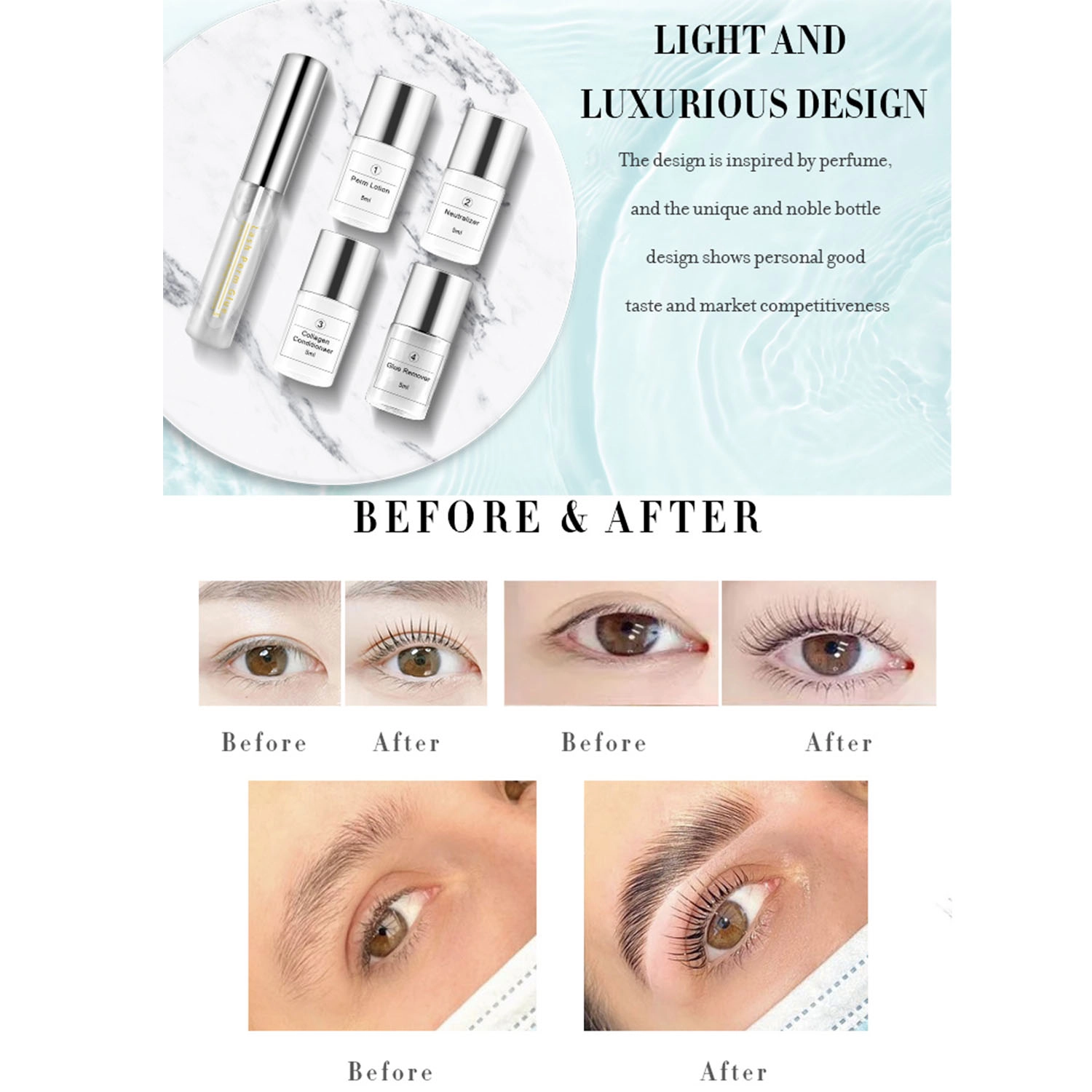
FAQ: Everything You Need to Know About Eyelash Perm Kits
Custom microblade effect brow pen Manufacturers and Suppliers
Eyelash curling
How do I make diy lash perm?
1. Clean the eyelashes and skin around the eyes with clean water and cotton pads
2. Apply glue to the back of the silicone perm rod and stick it on the upper eyelid. After the silicone perm rod is fixed on the eyelid, cover the lower eyelashes with the eye patch.
3. Apply glue to the surface of the silicone perm rod, use a Y-shaped brush or a separate tool to stick the eyelashes on the silicone perm rod, and comb the eyelashes straight to ensure that the eyelashes do not overlap. After the glue dries and fixes the position of the eyelashes, proceed to the next step.
4. Apply the perm agent to the eyelashes to soften the eyelashes, cover with plastic wrap, and wait for 8 to 10 minutes.
5. Remove the perm agent, apply the neutralizer to shape the eyelashes, cover with plastic wrap, and wait for 8 to 10 minutes
6. Remove the neutralizer, clean the eyelashes and residual glue with a detergent, and remove the silicone perm rod and eye patch.
7. Apply Collagen conditioner to nourish the eyelashes, and you're done!
Does a lash lift damages your lashes?
The reagents we use are gentle, non-irritating and non-allergenic and will not damage your natural lashes. However, there is no risk of damage or loss of lashes due to improper handling. Therefore, apart from the fact that you need a good lash lift product choosing a professional lash stylist and salon is also crucial.
Cleaning Foam Tool
Is your eyelash extension care products safe?
Yes, very safe. Safety is the first element in developing our products, our Eyelash Shampoo Cleanser has a rich foam and is waterless, so it prevents water from getting into the eyes. The ingredients are safe, friendly to sensitive eyes and are anti-allergenic. It can also be used on sensitive skin.
250g tattoo cream
How long does the numbing product last?
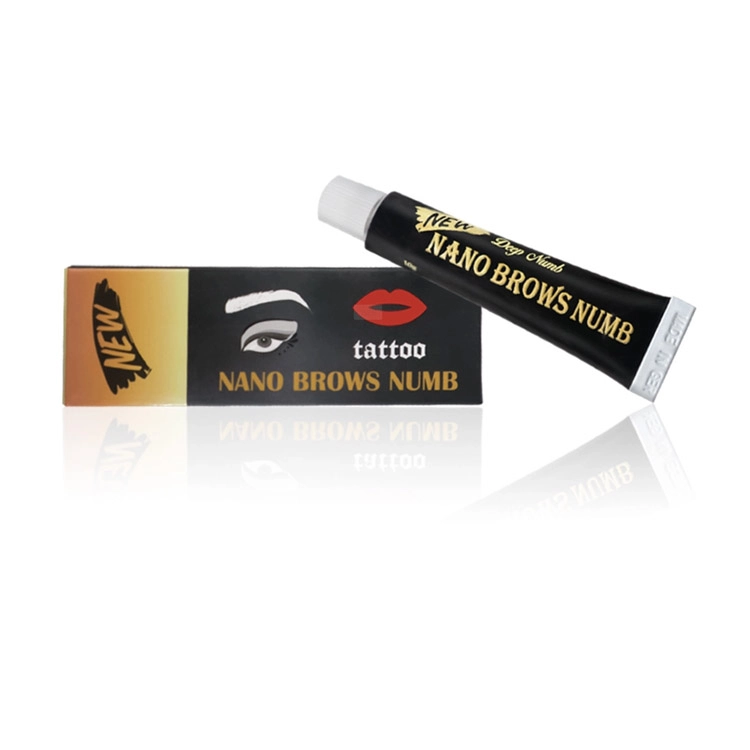
Different numbing products have different duration of effect. For example, body numbing cream lasts longer than eyebrow numb tattoo cream. For the specific duration, please check the product description or contact us for more details.
Super numb
Can tattoo numb cream be used on the lips?
Yes, super numb tattoo cream can be used on the lips.

Professional Pre Inked Eye Brow Mapping String 30m
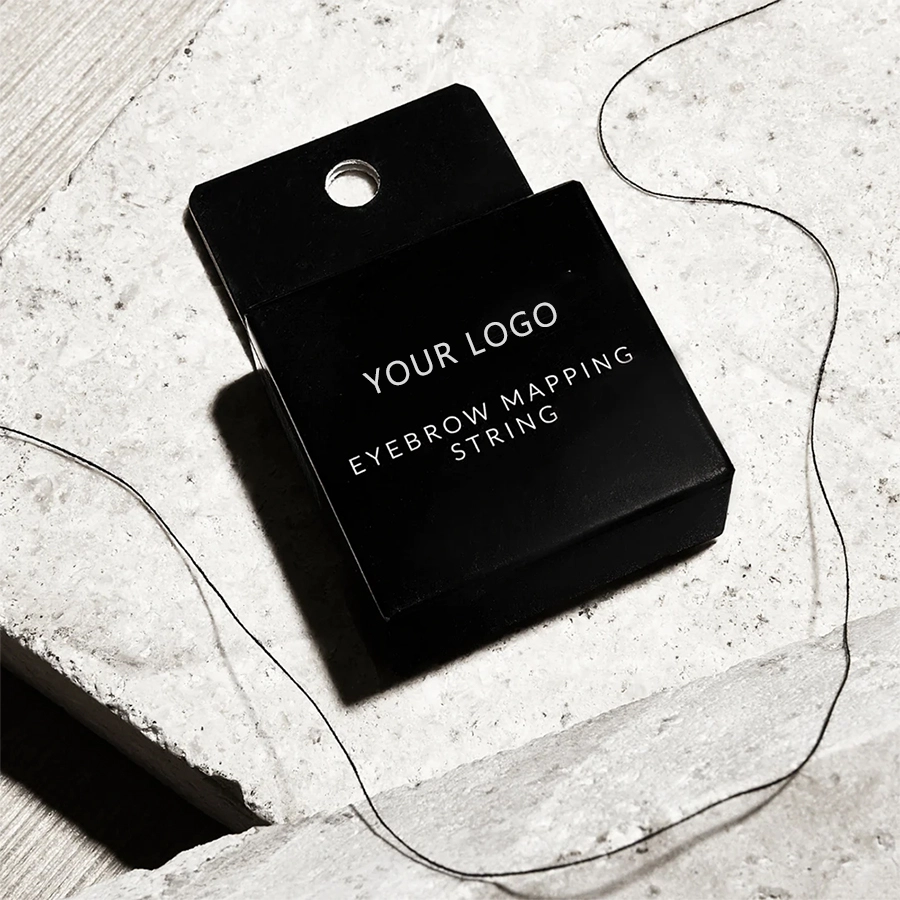
Microblading Pre-inked Mapping String Line 10m
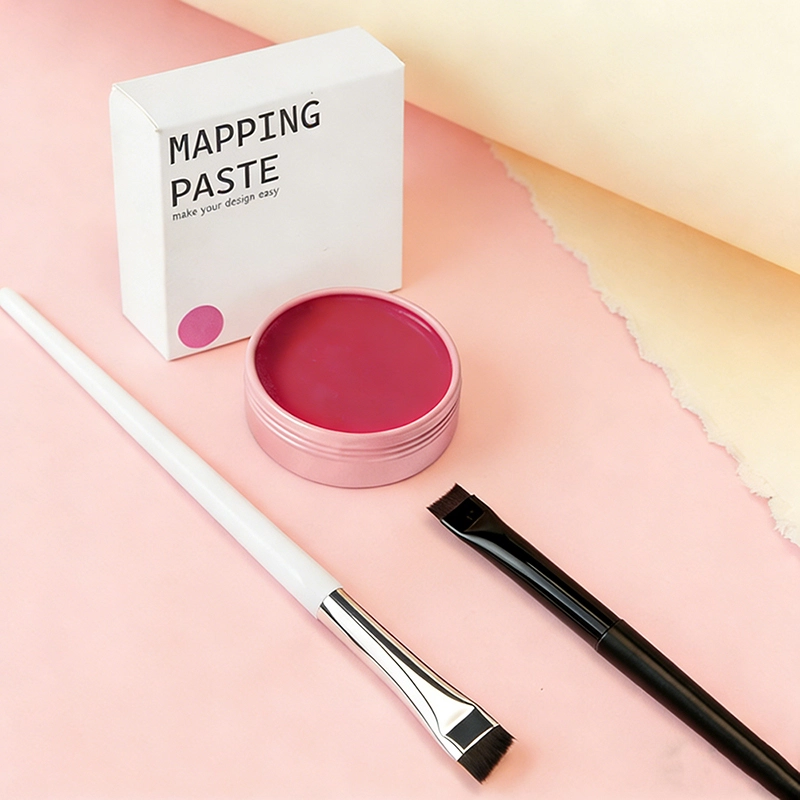
Pre-inked Mapping Ultra-Fine Eyebrows Eyeliner Blade Fan Brush

Instagram
Facebook
YouTube