


Safety & Ingredients: Pigment Tattoo Ink Explained for Artists
- Safety & Ingredients: Pigment Tattoo Ink Explained for Artists
- What is pigment tattoo ink and why artists should understand it
- Core ingredients in pigment tattoo ink: what’s commonly inside
- How pigment tattoo ink behaves in the skin: color, migration, and fading
- Common safety concerns and how pigment ingredients factor in
- Comparing pigment types: quick reference table
- Best practices for artists: minimizing risk with pigment tattoo ink
- Why choose Hybrid Powder Microblading Pigment Ink for professional results
- Practical tips when using Hybrid Powder Microblading Pigment Ink
- Regulatory landscape and testing recommendations
- Troubleshooting: common pigment-related issues and fixes
- Brand summary: QM Makeup and professional value
- FAQ — Frequently Asked Questions about Pigment Tattoo Ink
- Q: Is pigment tattoo ink safe?
- Q: How long does microblading pigment last?
- Q: Should I do a patch test for pigment tattoo ink?
- Q: Can pigment tattoo ink cause MRI problems?
- Q: How should I store pigments like Hybrid Powder Microblading Pigment Ink?
- Need more details or want to order?
- Authoritative references and further reading
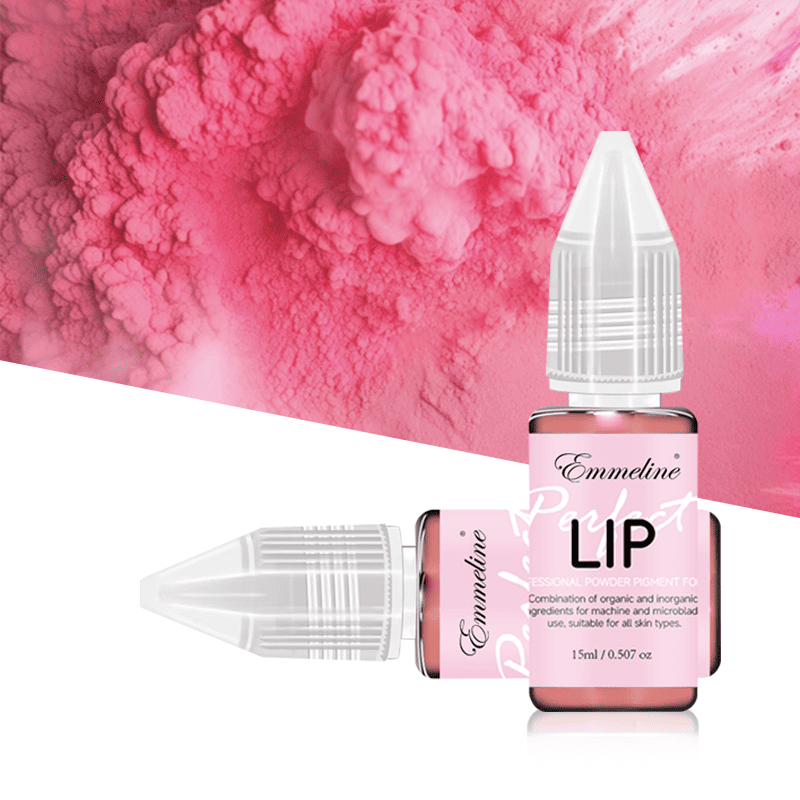
Safety & Ingredients: Pigment Tattoo Ink Explained for Artists
What is pigment tattoo ink and why artists should understand it
Pigment tattoo ink is the concentrated colorant used in permanent makeup, microblading, and traditional tattooing. For professionals, understanding what goes into pigment tattoo ink is essential for delivering predictable color results, minimizing adverse reactions, and improving long-term client satisfaction. This article focuses on practical, evidence-based information you can use in your studio—covering ingredients, behavior in skin, safety protocols, and why Hybrid Powder Microblading Pigment Ink from QM Makeup can be a strong choice for professionals demanding consistent, high-quality results.
Core ingredients in pigment tattoo ink: what’s commonly inside
Most pigment tattoo inks contain two broad categories of components: colorants (the pigments) and carrier liquids. Knowing both is important because each affects performance, sterility, stability, and the likelihood of reactions.
- Colorants (pigments): These include inorganic pigments (iron oxides, titanium dioxide), organic pigments (azo pigments, phthalocyanines), and carbon-based pigments (carbon black). Each class has distinct lightfastness, color stability, and allergy profiles.
- Carriers and solvents: Distilled water, glycerin, propylene glycol, ethanol, and sometimes witch hazel or sorbitol. Carriers control viscosity, help pigment flow into the needle, and reduce microbial risk when properly formulated.
- Humectants and stabilizers: Glycerin and propylene glycol help the pigment retain moisture and settle in the dermis smoothly, improving workability during microblading and shading.
- Preservatives: To inhibit microbial growth in the bottle (for multi-use products) some formulas include preservatives such as phenoxyethanol. Single-use sterile cartridges and vials reduce the need for strong preservatives.
How pigment tattoo ink behaves in the skin: color, migration, and fading
When pigment tattoo ink is deposited into the dermis, several processes determine the appearance over time: immediate color, early settling (weeks), and long-term stability (years). Artists need to plan for color shift, fading, and potential migration.
- Initial color vs healed color: Many pigments appear darker immediately after application and lighten as inflammation subsides and excess carrier is absorbed.
- Photodegradation and fading: Organic pigments tend to be more vibrant but can fade faster under UV exposure. Inorganic iron-oxide pigments are usually more lightfast and stable, making them common in eyebrow and microblading inks.
- Migration: Poor technique, incorrect pigment viscosity, or improper placement depth can lead to pigment spreading beyond the intended area. Choosing the right pigment consistency—like the Hybrid Powder Microblading Pigment Ink optimized for shading—reduces migration risk.
Common safety concerns and how pigment ingredients factor in
Artists must manage both immediate and delayed reactions. While serious systemic reactions are rare, localized reactions—granulomas, allergens, and infections—are possible. Ingredient knowledge helps mitigate these risks.
- Allergic reactions: Organic azo pigments and certain preservatives are more likely to trigger allergies. Using well-formulated pigment tattoo ink with stable, tested pigments lowers this risk.
- Contamination and infection: Sterility is non-negotiable. Use single-use sterile vials or cartridges when possible and follow aseptic technique. Products intended for professional use should be manufactured in clean facilities with quality controls.
- Heavy metals and impurities: Some pigments can contain trace metals (e.g., nickel, chromium). Reputable manufacturers test raw materials and provide safety documentation to minimize contaminants.
- MRI and ink interactions: Very rarely, some clients report temporary swelling or discomfort during MRI scans. This is uncommon but worth noting in informed consent discussions.
Comparing pigment types: quick reference table
| Pigment Type | Common Use | Lightfastness | Allergy Risk | Notes for Artists |
|---|---|---|---|---|
| Iron oxides (inorganic) | Eyebrows, permanent makeup | High | Low | Stable, natural tones; great for brows |
| Organic azo pigments | Bright colors, some PMU shades | Moderate | Moderate | Vibrant but may fade/change; test for allergies |
| Carbon black | Black pigments, liners | High | Low | Strong coverage, widely used for microblading bases |
Best practices for artists: minimizing risk with pigment tattoo ink
Follow a consistent protocol to protect clients and guarantee results:
- Choose professional-grade pigments: Use inks produced for permanent makeup and microblading with transparent ingredient lists and quality control (e.g., Hybrid Powder Microblading Pigment Ink).
- Patch testing: For clients with sensitive skin or a history of allergies, perform a small patch test 24–48 hours prior when practical.
- Maintain sterility: Use single-use needles/cartridges, sterile vials, and dispose of sharps correctly. Avoid cross-contamination when decanting pigments.
- Record keeping: Document pigment batch numbers, shades used, and any client reactions for traceability.
- Proper depth and technique: Control needle depth and pigment saturation to lower migration and uneven fading.
- Aftercare: Provide clear aftercare instructions to clients: sun protection, gentle cleansing, and avoiding exfoliants on the treated area for recommended periods.
Why choose Hybrid Powder Microblading Pigment Ink for professional results
QM Makeup Hybrid Powder Microblading Pigment Ink offers vibrant, long-lasting colors formulated specifically for microblading and shading. Key professional advantages include a stable carrier blend for smooth application, carefully selected pigments that reduce unpredictable color shifts, and a High Quality formula optimized for consistent shading. These properties help artists achieve predictable healed colors and reduce the need for frequent retouches—important when working with clients who expect natural, durable results.
Practical tips when using Hybrid Powder Microblading Pigment Ink
- Begin with conservative pigment saturation; it’s easier to darken than to remove excess pigment.
- Match pigment undertone to client skin tone and natural hair color to avoid ashy or orange healed results.
- Store pigments as recommended by the manufacturer—cool, dark, and tightly sealed.
- Use fresh pigment in small single-use containers during a session to avoid contamination.
Regulatory landscape and testing recommendations
Regulation of pigment tattoo ink varies by region. In the United States, the FDA provides guidance on tattoos and permanent makeup, noting that pigments and inks fall under cosmetic and device oversight depending on use. The EU has taken steps to address certain hazardous substances in tattoo inks, and reputable manufacturers comply with regional requirements and provide safety data. Always choose pigments from suppliers who can provide safety data sheets (SDS), ingredient declarations, and batch testing information.
Troubleshooting: common pigment-related issues and fixes
Some frequent problems and how to address them:
- Rapid fading: Check pigment quality, sun exposure, and technique depth. Use pigments with proven lightfastness and advise clients about sun protection.
- Color shift (e.g., turns warm or cool): Use stable pigments formulated to minimize shifts; consider neutral base pigments or corrective shading techniques.
- Uneven healing: Evaluate pigment viscosity, needle choice, and hand speed. Hybrid Powder Microblading Pigment Ink is designed for even deposit with common microblading and shading tools.
Brand summary: QM Makeup and professional value
QM Makeup focuses on creating pigments for professionals that balance vibrancy, stability, and safety. Hybrid Powder Microblading Pigment Ink is positioned as a wholesale, high-quality microblading pigment ink that delivers consistent shading and color performance. For studios that prioritize reliable healing results, accessible ingredient transparency, and formulas tailored to PMU workflows, QM Makeup aims to be a practical option backed by professional testing and quality controls.
FAQ — Frequently Asked Questions about Pigment Tattoo Ink
Q: Is pigment tattoo ink safe?
A: When sourced from reputable manufacturers, produced in controlled environments, and used with proper sterile technique, pigment tattoo ink is generally safe for permanent makeup and microblading. Risks such as allergic reactions or infections can be minimized by using professional-grade pigments, single-use supplies, and following best practices.
Q: How long does microblading pigment last?
A: Longevity depends on pigment type, skin type, sun exposure, and technique. Many microblading pigments last 1–3 years before noticeable fading. Proper pigment selection, such as the Hybrid Powder Microblading Pigment Ink formulated for durability, and client aftercare improve longevity.
Q: Should I do a patch test for pigment tattoo ink?
A: Patch tests are recommended for clients with a history of sensitive skin or allergies. While routine patch testing for every client is not always standard in fast-turnover settings, it is a best practice when doubt exists.
Q: Can pigment tattoo ink cause MRI problems?
A: Rarely, some clients report temporary swelling or discomfort during an MRI where metallic components exist in pigments. This is uncommon but should be included in client consent forms and medical history checks.
Q: How should I store pigments like Hybrid Powder Microblading Pigment Ink?
A: Store in a cool, dry place away from direct sunlight, tightly sealed. Follow manufacturer expiry recommendations and rotate stock by batch numbers. Using small single-use aliquots during procedures reduces contamination risk.
Need more details or want to order?
For product specifications, safety data, wholesale pricing, or to request samples of Hybrid Powder Microblading Pigment Ink, please contact our support team or visit our product page. Our specialists can provide SDS files, batch testing information, and recommended shade matching guidance to help you select the right pigments for your clientele.
Authoritative references and further reading
- U.S. Food & Drug Administration — Tattoos and Permanent Makeup: https://www.fda.gov/cosmetics/cosmetic-products/tattoos-and-permanent-makeup
- Wikipedia — Tattoo ink: https://en.wikipedia.org/wiki/Tattoo_ink
- Wikipedia — Permanent makeup: https://en.wikipedia.org/wiki/Permanent_makeup
- European Chemicals Agency (ECHA) — homepage (search for tattoo ink guidance and restrictions): https://echa.europa.eu/
- SafePiercing.org — Infection prevention resources for body art professionals: https://www.safepiercing.org/
References above provide regulatory context, ingredient overviews, and safety considerations. For specific batch certificates, SDS, or third-party testing related to Hybrid Powder Microblading Pigment Ink, please request documentation from the supplier.
Contact / View Product: Reach out to our sales team to request samples, SDS sheets, and wholesale pricing for Hybrid Powder Microblading Pigment Ink. Whether you need help shade-matching or compliance documents, our specialists are ready to assist.
Once you understand the safety and ingredients, it's equally important to know how long these pigments last during hybrid powder microblading. Learn more in How Long Does Hybrid Powder Microblading Pigment Ink Last?.
What's the Best Tattoo Machine for Semi-Permanent Makeup?
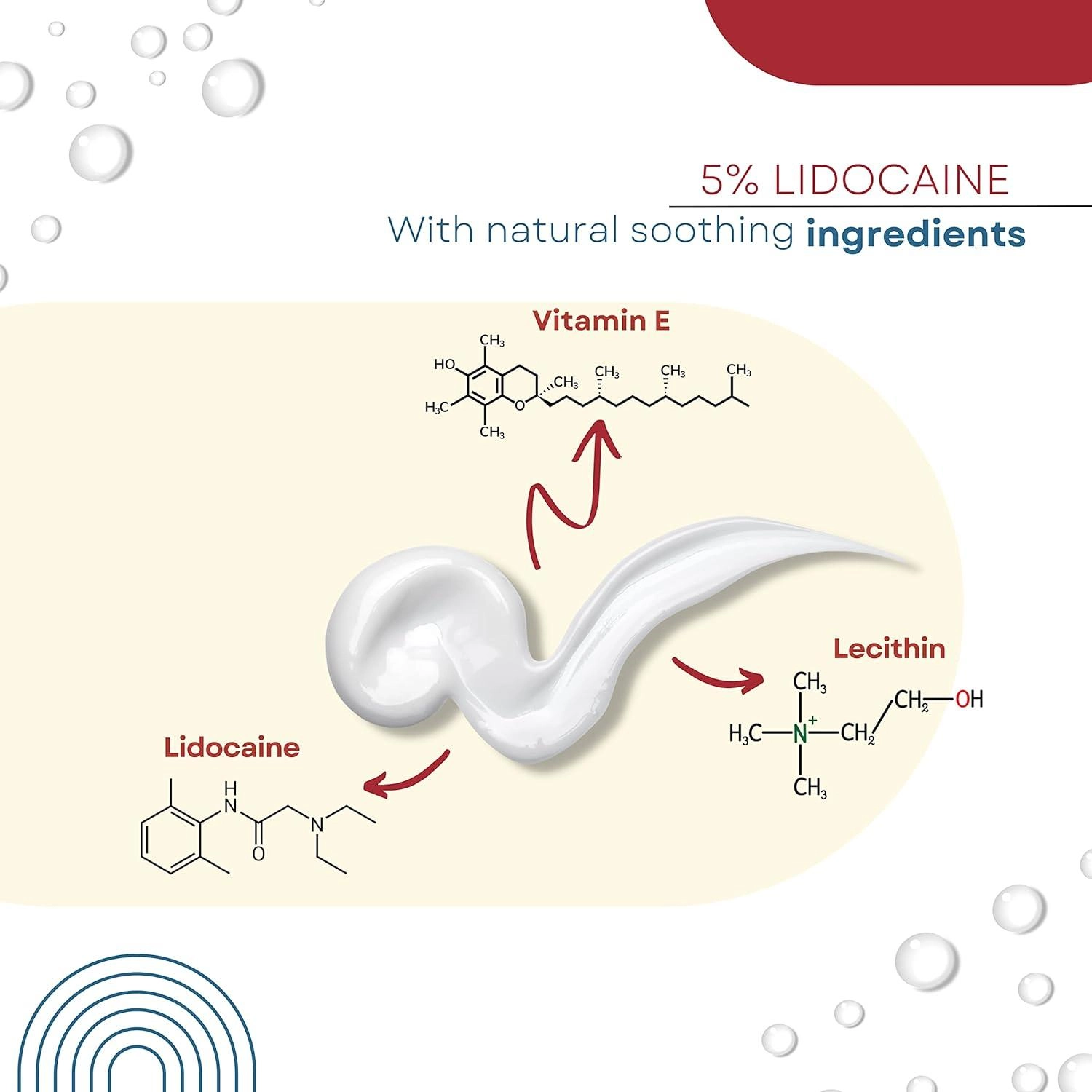
Can Numbing Cream Affect Tattoo Healing or Ink?
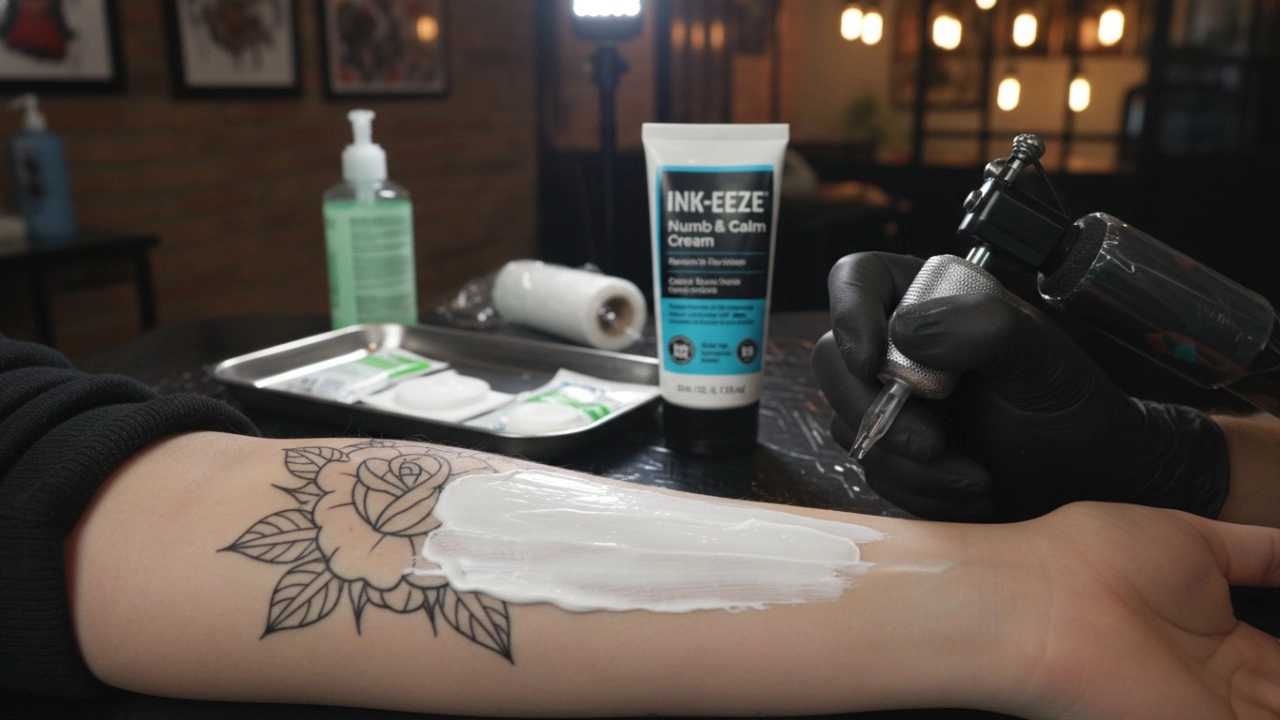
10 Best Tattoo Numbing Creams of 2026: Ranked for Maximum Pain Relief
Safety, Sterilization, and Compliance for Machine Microblading
Payment
What currencies are supported for payment?
All of our transactions are based in US Dollars. If your credit card is based in another currency, your order total will be calculated in accordance with the daily exchange rate of the date your card issuer processes the transaction. If you have a shipping agent in China who can help you pay in RMB, your order total will be calculated in RMB based on the daily exchange rate.
Powder Pigment
What is the difference between hybrid tattoo powder pigment and liquid pigment?
Liquid pigment is a pigment based on water, with small molecules, strong fluidity and permeability. The ink can quickly penetrate into the deep layer of the skin, color quickly, and retain color for a long time. It is the best tattoo ink for permanent makeup professional artists to use with machines. hybrid powdered pigment is a pigment based on a combination of water and oil. The color is brighter, the molecules are relatively large, and the fluidity is moderate. It can be used with both machines and hand pens, and is a good choice of high quality permanent makeup pigment for novices and professional tattoo artists.
Perm and dyeing kit
How do I make brow lamination tint?
1. Clean eyebrows: Use warm water and facial cleansing products to clean eyebrows and surrounding skin, making sure there are no impurities and oils.
2. Shape eyebrows: Use eyebrow scissors to trim the length and shape of eyebrows as needed
3. Apply skin care oil: Apply skin care oil to the skin around eyebrows to prevent dye from getting on the skin and facilitate cleaning.
4. Mix dye: Mix dye and developer in a 1:1 ratio.
5. Apply dye: Use a small brush to apply eye brow dye evenly on eyebrows, from the beginning to the end of eyebrows, and pay attention to control the amount to avoid applying it on the skin. Wait for the appropriate time (usually 5-10 minutes) to allow the eyebrow dye to fully color.
6. Wash: Use warm water and paper towels to gently wash the dye off, and be careful not to rub the eyebrows hard.
Follow-up care
1. Avoid water washing: Avoid contact with water within 24 hours after dyeing to ensure that the color lasts.
2. Regularly touch up the color: Depending on the growth rate of the eyebrows and the fading of the color, you can touch up the color every 4-6 weeks.
Lash lift kit
How long does the lifting effect last?
On average, the lash lifting effect lasts for 2-3 months, depending on the clients eyelashes individual differences and the time you takes for lash lift procedure of soften (perm lotion) and set (neutralizer).
Secondary Numbing essence
How should I choose a numbing product? Order of use and recommendations?
Generally speaking, we recommend choosing numbing products based on your operating experience, usage habits, treatment stage, treatment area, and applicable population. Here are some tips for choosing numbing products.
1. Treatment stage: Before treatment: tattoo numb cream/tattoo numb essence; During treatment: secondary tattoo numb essence
2. Treatment area: Eyebrows: tattoo numb cream/tattoo numb essence/eyebrow patch; Eyeliner: numbing cream; Lips: tattoo numb cream/numbing essence/lip patch; Body: tattoo numb cream.
3. Operating experience: Beginner: tattoo numb cream; Professional: all are okay
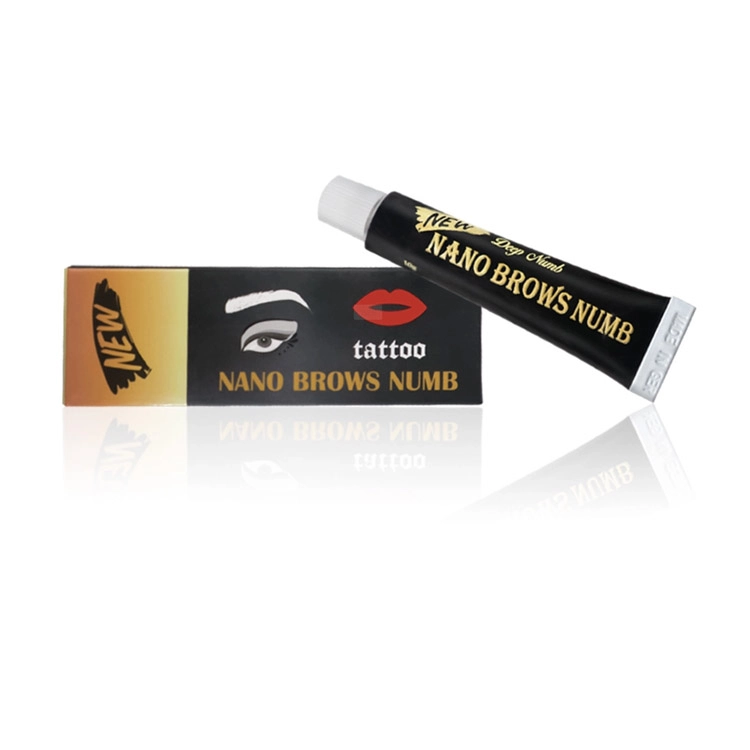
4. Applicable skin: Normal skin: all are okay; Sensitive skin: nano numb cream

Professional Pre Inked Eye Brow Mapping String 30m
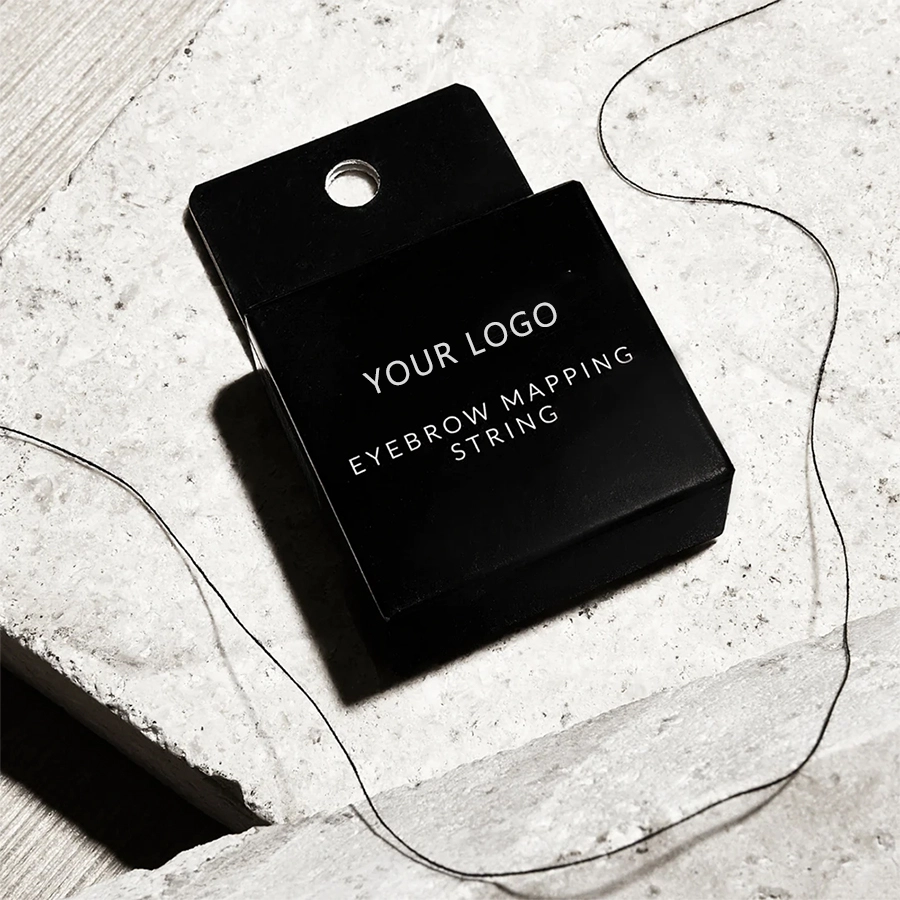
Microblading Pre-inked Mapping String Line 10m
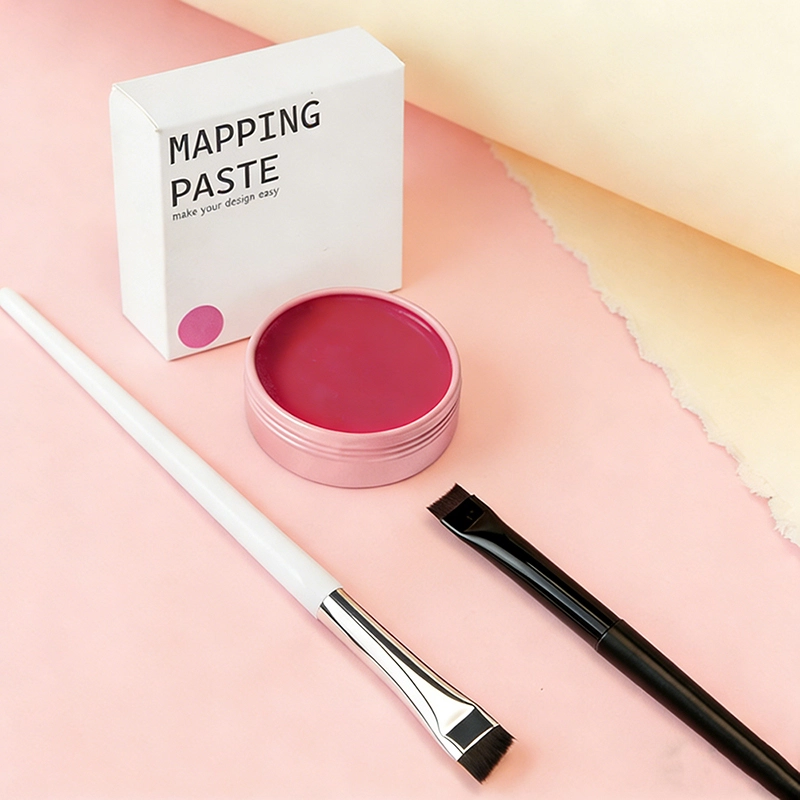
Pre-inked Mapping Ultra-Fine Eyebrows Eyeliner Blade Fan Brush

Instagram
Facebook
YouTube