


Top-Rated Numb Cream Brands for Tattoo & PMU Supply
- Understanding topical anesthetics used for tattoo & PMU
- What numb cream before tattoo typically contains
- How they work and expected onset
- Clinical and PMU-specific considerations
- How to choose the right numb cream before tattoo
- Match formulation to procedure and anatomy
- Regulatory status and client safety
- Practical factors: onset, duration, occlusion and residue
- Top-rated numb cream brands compared
- How I interpret the comparison
- Evidence and real-world performance
- Safe application, legal considerations and supply logistics
- Best-practice application protocol
- Contraindications, interactions and adverse effects
- Supply, labeling and storage
- QM Makeup — supplier capabilities and how they fit into professional workflows
- FAQ — Common questions about numb cream before tattoo
- 1. How long before a tattoo should numb cream be applied?
- 2. Will numb cream affect ink retention or PMU pigment uptake?
- 3. Are all numbing creams safe around the eyes and lips?
- 4. Can I use multiple applications if the area isn't numb enough?
- 5. Are prescription products like Pliaglis better than OTC lidocaine creams?
- 6. What paperwork or records should a studio keep when using numb creams?
- 7. Where can I get reliable products and private labeling/OEM services?
I often get asked which topical anesthetic is best when preparing a client with numb cream before tattoo or semi-permanent makeup (PMU). In this guide I combine clinical reasoning, manufacturer data and industry best practices to compare leading numbing creams, explain how to choose one for your workflow, and show safe application and legal considerations. Throughout I reference regulatory guidance from authorities like the U.S. FDA and public health guidance from the CDC to keep recommendations evidence-informed.
Understanding topical anesthetics used for tattoo & PMU
What numb cream before tattoo typically contains
Topical anesthetics used in tattoo and PMU settings are most commonly lidocaine, prilocaine, tetracaine, or combinations thereof. EMLA (a eutectic mixture of lidocaine/prilocaine) is a classic example; many over-the-counter and professional formulations are lidocaine-based at concentrations ranging from 2.5% to 5% or higher in prescription products. For an overview of EMLA and its composition see the EMLA page on Wikipedia: https://en.wikipedia.org/wiki/Eutectic_mixture_of_local_anesthetics.
How they work and expected onset
Topical anesthetics block sodium channels in peripheral nerves, reducing pain transmission. Onset varies by formulation and skin condition: occluded application over intact skin may take 30–60+ minutes for creams like EMLA to reach full effect, while fast-penetrating gels (higher-percent lidocaine) can act in 15–30 minutes per manufacturer claims. The U.S. FDA provides safety information for topical lidocaine products here: FDA — Topical Lidocaine Safety Information.
Clinical and PMU-specific considerations
Skin condition, vascularity, and whether you’re working on scarred or thin skin change both effectiveness and safety. For PMU and eyelash-related procedures I prioritize thinner gels or patches that minimize blurred pigment perception. I never rely solely on a product’s marketing claims—practical testing on a small area and a patch test are essential.
How to choose the right numb cream before tattoo
Match formulation to procedure and anatomy
For broad-area body tattoos I often recommend creams with proven deeper penetration (e.g., EMLA when time allows). For delicate PMU work around the brows or lips, I prefer quick-acting lidocaine gels with predictable short-onset and minimal swelling, so that pigment visibility is preserved. Consider the target area’s thickness and vascularity when selecting concentration and vehicle (cream vs. gel vs. ointment).
Regulatory status and client safety
Check whether the product is OTC or prescription in your jurisdiction; some high-concentration combinations require prescription. Always follow local regulations and observe contraindications (e.g., methemoglobinemia risk with prilocaine in vulnerable patients). For general infection control and procedure safety relevant to tattooing and PMU, consult CDC guidance: CDC — Tattoo Safety.
Practical factors: onset, duration, occlusion and residue
Onset and duration determine your chair flow. A cream that needs 60 minutes of occlusion is impractical in some studios; a 20–30 minute gel may be preferable. Also consider residue and how it interacts with pigments or lash adhesives—some numbing creams leave a greasy film that can repel ink or affect glue adhesion.
Top-rated numb cream brands compared
Below I compare several widely-used brands and formulations commonly used by tattoo and PMU professionals. I include active ingredient, typical onset (manufacturer-reported), OTC/prescription status, and a short professional note.
| Brand / Product | Active Ingredient (typical) | Onset (manufacturer claim) | OTC / Rx | Professional notes |
|---|---|---|---|---|
| EMLA Cream | Lidocaine 2.5% + Prilocaine 2.5% | ~60 min for intact skin | Rx/OTC varies by country | Good for broader areas; slower onset; watch for methemoglobinemia risk in infants/at-risk patients. See EMLA (Wikipedia). |
| LMX 4 | Lidocaine 4% | 15–30 min | OTC (in many markets) | Popular for shorter procedures; good balance of onset and potency. |
| Dr. Numb | Lidocaine 5% | 15–20 min | OTC (varies by market) | Widely used in tattoo studios; often cited for reliable topical anesthesia. |
| Uber Numb | Lidocaine 5% | 10–20 min | OTC (varies) | Marketed for rapid onset; popular among artists doing quick touch-ups. |
| HUSH Anesthetic | Lidocaine 5% (gel) | 20–30 min | OTC (seller dependent) | Gel formulation designed for tattooing; sold with practitioner-focused instructions. |
| Pliaglis | Lidocaine 7% + Tetracaine 7% | ~30–60 min | Prescription | Higher-strength, FDA-approved for certain dermatologic use—prescription only. (See FDA label) |
Notes: onset/duration data above are manufacturer-reported ranges; actual effect may vary by individual and treated skin. For general safety information on topical lidocaine, consult the FDA: FDA — topical lidocaine.
How I interpret the comparison
If you need rapid turnover (30 minutes total), choose a 4–5% lidocaine gel/cream with occlusion for 15–30 minutes. If you’re treating large areas or require deeper anesthesia, a combination product like EMLA or prescription Pliaglis can be more effective, but they require longer application times and attention to contraindications.
Evidence and real-world performance
High-quality randomized trials for topical anesthetics in tattooing are limited; much of our procedural knowledge comes from dermatologic use-cases and manufacturer data. When I evaluate a product I pair reported onset and active concentration with hands-on testing in a controlled studio setting, checking for side effects and impact on pigment retention.
Safe application, legal considerations and supply logistics
Best-practice application protocol
My step-by-step protocol to use a numb cream before tattoo or PMU:
- Obtain informed consent and medical history; screen for allergies, pregnancy, lactation, and local skin infections.
- Perform a patch test if the client has a history of sensitivity.
- Clean and prepare the skin with standard infection-control measures per CDC guidance (CDC — Tattoo Safety).
- Apply the product per manufacturer instructions (amount, occlusion, and time). Record lot numbers for traceability.
- Remove cream, clean residue, and proceed—but assess anesthesia level before starting. Reapply only if safe and within dosage limits.
Contraindications, interactions and adverse effects
Watch for signs of systemic toxicity (e.g., dizziness, tinnitus, perioral numbness), allergic reaction, or excessive swelling. Avoid using certain formulations near mucous membranes or on broken skin unless the product is approved for that use. Because some products contain prilocaine, be mindful of methemoglobinemia risk in susceptible patients. Regulatory advice on topical anesthetic safety is available from the FDA: FDA.
Supply, labeling and storage
As a supplier or studio buyer, ensure you obtain products from reputable distributors, check expiration dates, and maintain batch records. For those supplying PMU and tattoo studios, quality control and the ability to offer private labeling and OEM (if needed) can be a differentiator.
QM Makeup — supplier capabilities and how they fit into professional workflows
QM Makeup was established in 2005; we specialized in the field of semi-permanent makeup and eyelash tattoo beauty, and we are committed to becoming a leading company in the industry. We specialize in permanent makeup and eyelash beauty products, providing professional wireless tattoo machines, microblading machines, semi-permanent makeup ink, tattoo skin for practice, tattoo numb cream, a professional lash lift kit, the best lash lift and tint kit, professional eyelash glue and eyelash extension lashes products.
Our company integrates distribution, wholesale, private labeling and OEM processing on a large scale. We provide customers with a full range of customized branding solutions to help our partners maximize business value. Our production base covers an area of 10,000 square meters and has independent research and development and production capabilities, helping customers achieve product customization and providing one-stop tattoo supplies brand solutions.
Why I recommend considering a supplier like QM Makeup for studio supply needs:
- Comprehensive product range across tattoo machine, ink, microblading and topical anesthetics that lets you standardize supplies.
- Private label and OEM options to build your own brand and control specification and packaging.
- Large production base and R&D capability to support product customization and consistent quality.
Visit QM Makeup: https://www.qmmakeup.com. Contact: [email protected].
FAQ — Common questions about numb cream before tattoo
1. How long before a tattoo should numb cream be applied?
It depends on the product. Some lidocaine gels report onset in 10–30 minutes, while creams like EMLA may need 45–60 minutes. Follow the manufacturer instructions and test anesthesia before starting the procedure.
2. Will numb cream affect ink retention or PMU pigment uptake?
Some oily or occlusive creams can interfere with pigment adherence; gels that leave minimal residue are preferred. I recommend cleaning the area thoroughly after removal and before tattooing to minimize interference.
3. Are all numbing creams safe around the eyes and lips?
No. Mucosal areas and thin skin (eyelids, lips) require products formulated for those areas and practitioner judgment. Use only products approved for periocular or mucosal use and perform patch testing. Avoid using products off-label without clinical justification.
4. Can I use multiple applications if the area isn't numb enough?
Only if permitted by the product’s dosing instructions and within safe cumulative limits for the active ingredient. Excessive topical anesthetic can lead to systemic toxicity. When in doubt, consult the manufacturer or a medical professional.
5. Are prescription products like Pliaglis better than OTC lidocaine creams?
Prescription products may offer higher concentrations or combinations (e.g., lidocaine + tetracaine) with documented dermatologic indications, which can provide deeper or longer anesthesia. However, they also require medical oversight and may not be necessary for all PMU or tattoo procedures.
6. What paperwork or records should a studio keep when using numb creams?
Record product name, lot number, expiration date, amount applied, time of application and removal, and client consent/medical history. Good traceability supports safety and regulatory compliance.
7. Where can I get reliable products and private labeling/OEM services?
Reputable manufacturers with R&D, quality control and production capacity—such as QM Makeup—offer supply, wholesale and private labeling. For more information: QM Makeup or email [email protected].
If you want practical recommendations tailored to your studio’s workflow, feel free to contact me or reach out to QM Makeup for product catalogs and OEM/private label options. For supply inquiries and product details visit https://www.qmmakeup.com or email [email protected].
Author note: I draw on years of PMU consultancy and product testing when recommending topical anesthetics. My advice prioritizes client safety, procedure quality and studio efficiency—always verify product labels and local regulations before use.
Scaling Salon Services: Stocking Professional Lash Lift Kits
Choosing the Right Tattoo Numbing Cream for Sensitive Skin
What is tattoo ink
Cost-Effective Numb Creams for High-Volume Studios
Eyelash lifting
Is glue balm easy to clean?
Yes, it is. You can easily clean it with glue remover or water.
Customized service
Are there any additional charges for customized services?
Customized services may be subject to appropriate customization fees based on your specific requirements, which can be negotiated with our sales team.
After sales support
What do I do if the shipment got damages?
A damaged item is typically defined as a broken product that is fractured, shattered, bent, crushed, or leaking. To ensure quality control, we require evidence of damage in the form of photos and videos. For any damaged items, we will provide a replacement or issue a refund.If your damaged package was shipped by a freight forwarder, we will not be held responsible for it.
How to deal with product quality problems?
If you find that there are quality problems with your product, please contact our customer service team immediately and provide relevant evidence, we will handle it and provide you with a solution as soon as possible.
About us
Does your factory accommodate visits from customers?
Yes, we are located in Baiyun District, Guangzhou. We welcome your visit, please do make an appointment with our customer service in advance.

Professional Pre Inked Eye Brow Mapping String 30m
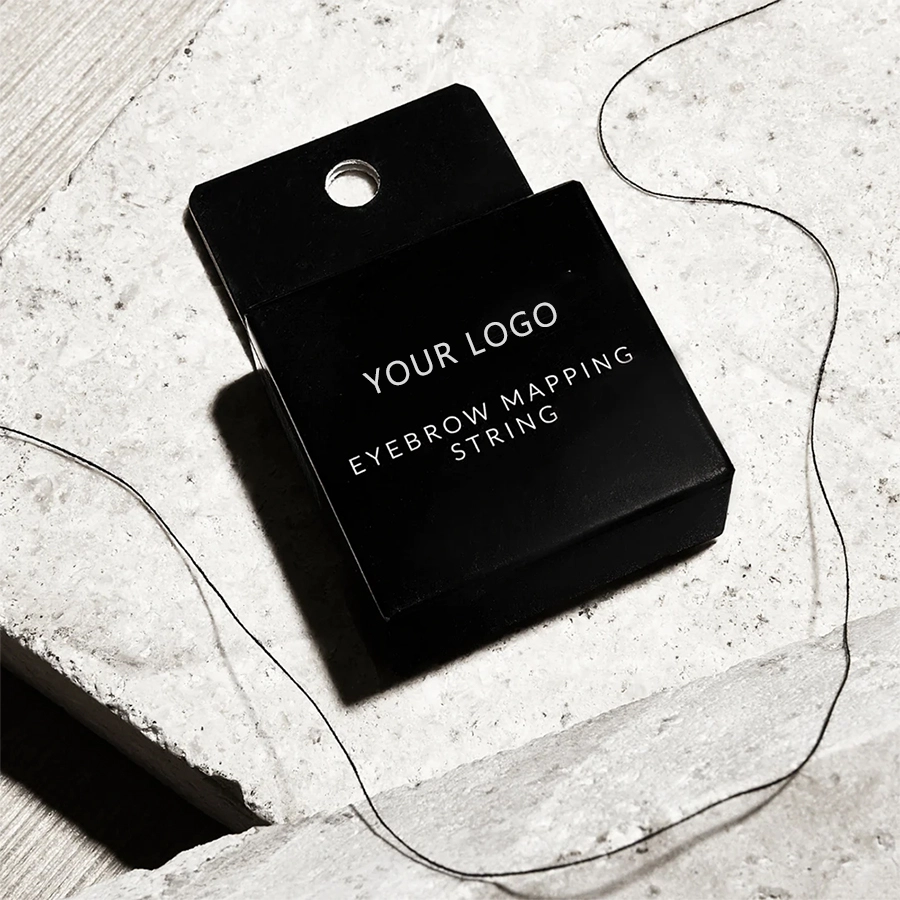
Microblading Pre-inked Mapping String Line 10m
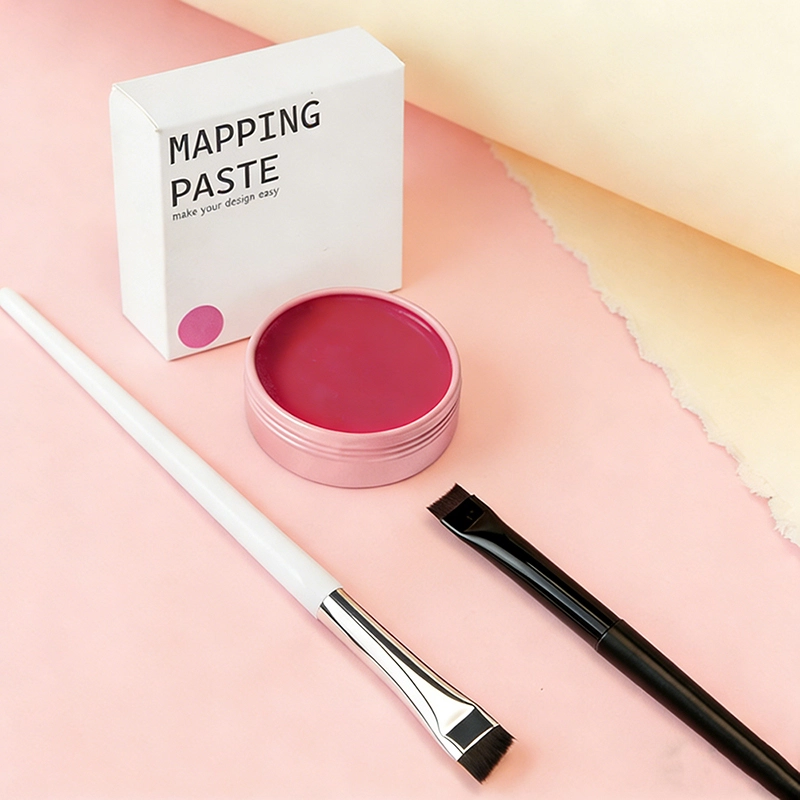
Pre-inked Mapping Ultra-Fine Eyebrows Eyeliner Blade Fan Brush

Instagram
Facebook
YouTube