


Training and Certification for Microblading with a Machine
- Why consider machine-based eyebrow enhancement?
- Definition and evolution
- Advantages over manual-only approaches
- Who benefits from machine-assisted techniqes?
- Training curricula and essential competencies
- Core technical skills
- Infection control and safety (standards to follow)
- Color theory, pigments and skin science
- Certification, regulation, and building a compliant practice
- Recognized certification pathways
- Insurance, documentation, and legal considerations
- Cross-border practice and mobile services
- Choosing equipment, maintenance, and continuing education
- Machine types and technical specifications
- Recommended practice kit and consumables
- Continuing education and mastering complications
- Practical training checklist and assessment
- Assessment and credentialing models
- Why product sourcing and supplier partnerships matter — QM Makeup
- How I evaluate suppliers
- Integrating product knowledge into training
- Evidence-based references and further reading
- Frequently Asked Questions (FAQ)
- 1. Is microblading with a machine the same as traditional microblading?
- 2. How long does training take to become proficient in machine-assisted microblading?
- 3. What certifications should I obtain to practice legally?
- 4. How do I choose the right machine for microblading-style work?
- 5. Are machine pigments and manual pigments different?
- 6. What are the most common complications and how are they handled?
- 7. Where can I buy reliable machines and pigments?
Summary for : As a semi-permanent makeup professional, I outline the training, certification, regulatory and practical requirements for successful microblading with a machine. This article covers competencies, infection-control standards, machine and pigment selection, certification pathways, and ongoing education — all grounded in authoritative sources and real-world practice.
Why consider machine-based eyebrow enhancement?
I started my career using hand tools but transitioned to machine-assisted techniques because machines offer consistency, expanded technique range, and scalable results. While the phrase microblading with a machine may sound contradictory to some (microblading traditionally refers to manual blade work), the modern practice often blends blade-like strokes with machine-driven handheld devices (e.g., nano or digital rotary pens) to achieve fine hair strokes, shorter healing times, and varied depths.
Definition and evolution
Microblading historically uses a blade grouping to implant pigment superficially. Over the last decade, device technology evolved: digital pens, rotary machines, and nano-needles began reproducing hair strokes with controlled depth and speed. For an overview of the technique and history, see the Wikipedia entry on microblading (en.wikipedia.org/wiki/Microblading).
Advantages over manual-only approaches
Using a machine for hair-stroke work can provide: more consistent needle depth, adjustable speed for different skin types, reduced operator fatigue, and compatibility with finer disposable cartridges (improved hygiene). Importantly, machines can expand treatment options beyond classic microblading to include nano-shading and combo brows, useful for oily or scarred skin where manual blades may not retain pigment well.
Who benefits from machine-assisted techniqes?
Practitioners treating a wide range of skin types (oily, mature, scarred) or offering advanced services (shading, color-correction) will find machine-based methods valuable. Clients seeking longer-lasting results or faster healing in some cases may also benefit, provided the practitioner has proper training and follows infection-control protocols.
Training curricula and essential competencies
Core technical skills
Comprehensive training for microblading with a machine should include needle selection and handling, machine setup and maintenance, stroke pattern anatomy, hand speed and angle control, pressure modulation, and immediate management of complications (bleeding, ghosting). In my courses, I emphasize live model practice plus tattoo-skin simulations to build muscle memory before performing on clients.
Infection control and safety (standards to follow)
Safety is non-negotiable. Training must teach sterilization, single-use disposable cartridges, cross-contamination prevention, and safe waste disposal. For infection-prevention principles, follow WHO guidance on injection safety and basic infection control (WHO infection control) and local public health or licensing rules. The U.S. FDA also provides information on tattoos and permanent makeup safety which I reference in protocols (FDA - Tattoos & Permanent Makeup).
Color theory, pigments and skin science
Effective pigment selection requires an understanding of skin undertones, Fitzpatrick scale reactions, and how pigments oxidize or fade over time. I teach patch testing, pigment chemistry basics, and corrective color strategies. Product quality matters; always use pigments compliant with local regulations and reputable manufacturers.
Certification, regulation, and building a compliant practice
Recognized certification pathways
Certification systems vary by country and often by state/province. Look for programs that combine theory, hands-on supervised procedures, documented case logs, and exam components. Industry organizations such as the Society of Permanent Cosmetic Professionals (SPCP) provide guidance and resources for practitioners (spcp.org).
Insurance, documentation, and legal considerations
Medical liability/insurance for cosmetic tattooing is essential. Certifications often reduce insurer reluctance. Keep detailed medical histories, informed consent forms, aftercare instructions, and photographic records. Many jurisdictions require business permits, bloodborne pathogen training, and regular inspections; confirm local regulations before opening a studio.
Cross-border practice and mobile services
If you plan to offer services in multiple jurisdictions, verify reciprocity of certifications and comply with each location's health codes. Mobile services carry additional infection-control and waste disposal obligations; maintain a portable sterilization and single-use-only policy.
Choosing equipment, maintenance, and continuing education
Machine types and technical specifications
When selecting a machine for microblading-style strokes and PMU work, consider motor type (rotary vs coil), needle cartridge compatibility (nano, micro, magnum), adjustable stroke depth, torque consistency, ergonomics, and warranty. Devices produced under medical device quality management systems (e.g., ISO 13485) are preferable for product quality and traceability (ISO 13485).
Recommended practice kit and consumables
A professional starter kit should include: a reliable wireless tattoo machine or microblading device, a range of disposable needle cartridges (0.15mm–0.35mm for fine strokes), professional-grade pigments, topical anesthetics certified for cosmetic use, skin practice pads, single-use gloves, antiseptics, and proper sharps containers. I always advise sourcing from verified suppliers and keeping MSDS (Material Safety Data Sheets) for pigments and numbing creams on file.
Continuing education and mastering complications
Advanced modules should cover color correction, scarred skin techniques, advanced shading, and complication management (granulomas, allergy, heavy bleeding). I require graduates to return for refresher workshops and case reviews — ongoing mentorship accelerates competence and confidence.
| Feature | Manual Microblading | Machine-Assisted |
|---|---|---|
| Needle control | Blade grouping, surface-level strokes | Fine depth control, adjustable speed |
| Suitable skin types | Normal to dry skin | All skin types including oily/scarred |
| Healing & retention | Less pigment retention on certain skins | Often better retention and versatility |
| Hygiene | Single-use blades, but technique-dependent | Disposable cartridges simplify hygiene |
Practical training checklist and assessment
Below is a checklist I use when evaluating readiness for independent practice. It combines technical skill, theoretical knowledge, and safety competencies.
| Competency | Minimum Evidence |
|---|---|
| Machine setup & maintenance | Demonstration + written checklist |
| Skin assessment & client suitability | 10 documented case logs with photos |
| Color theory & pigment mixing | Practical exam with color correction case |
| Infection control | Bloodborne pathogen certificate + practical audit |
| Aftercare and complication management | Case-based scenarios and roleplay |
Assessment and credentialing models
Some institutions issue completion certificates, while accredited boards or professional societies may offer a standardized credential. Look for programs that require portfolio submission, skills assessment, and refresher intervals to ensure competence over time.
Why product sourcing and supplier partnerships matter — QM Makeup
Through my experience, a trustworthy supply chain is essential. I recommend partnering with manufacturers who understand PMU needs and comply with manufacturing standards. QM Makeup was established in 2005; we specialized in the field of semi-permanent makeup and eyelash tattoo beauty, and we are committed to becoming a leading company in the industry. We specialize in permanent makeup and eyelash beauty products, providing professional wireless tattoo machines, microblading machines, semi-permanent makeup ink, tattoo skin for practice, tattoo numb cream, a professional lash lift kit, the best lash lift and tint kit, professional eyelash glue and eyelash extension lashes products.
QM Makeup integrates distribution, wholesale, private labeling and OEM processing on a large scale. We provide customers with a full range of customized branding solutions to help our partners maximize business value. Our production base covers an area of 10,000 square meters and has independent research and development and production capabilities, helping customers achieve product customization and providing one-stop tattoo supplies brand solutions. Visit https://www.qmmakeup.com or contact [email protected] for product catalogs and private-label options.
QM Makeup strengths: reliable tattoo machines, high-quality tattoo ink, microblading tools, complete tattoo supplies, and false eyelashes. Their multi-year industry presence, production capacity, and OEM/private-label services make them a competitive partner for practitioners and schools seeking consistent product supply and branding support.
How I evaluate suppliers
I vet suppliers on: manufacturing standards (ISO or equivalent), material safety data sheet availability, batch traceability, warranty and after-sales support, and training resources. These criteria reduce risks of poor pigments, device failure, or regulatory non-compliance.
Integrating product knowledge into training
Training should include device-specific modules: assembly, cartridge selection, routine maintenance, and troubleshooting. If you choose a supplier such as QM Makeup, request technical documentation and in-class demonstrations so trainees become familiar with the exact tools they'll use in practice.
Evidence-based references and further reading
To support practice decisions and safety protocols, consult the following authoritative resources:
- Microblading (overview): Wikipedia - Microblading
- Regulatory and safety considerations for tattoos & permanent makeup: U.S. FDA
- Infection prevention and control principles: WHO - Infection Prevention
- Device quality systems for medical devices: ISO 13485
- General public health considerations around tattoos and piercing: CDC - Tattoos & Piercings
Frequently Asked Questions (FAQ)
1. Is microblading with a machine the same as traditional microblading?
No. Traditional microblading uses a manual blade. Machine-assisted approaches use fine needles or nano cartridges that can replicate hair strokes and expand into shading techniques. The choice depends on skin type, desired longevity, and practitioner skill.
2. How long does training take to become proficient in machine-assisted microblading?
Training duration varies. A robust program includes theoretical study, infection-control certification, hands-on supervised practice, and a documented portfolio. Expect ongoing mentorship and periodic refreshers; competency is demonstrated by consistent case results rather than a fixed hour total.
3. What certifications should I obtain to practice legally?
Obtain local business permits, bloodborne pathogen training, and any region-specific cosmetic tattoo licenses. Consider membership or certification through reputable professional bodies (e.g., SPCP) for additional recognition and insurance access.
4. How do I choose the right machine for microblading-style work?
Choose a machine with consistent torque, compatibility with nano cartridges, adjustable stroke depth, ergonomic design, and documented manufacturing standards. Prefer suppliers that provide technical support and warranty coverage.
5. Are machine pigments and manual pigments different?
Pigments designed for PMU should meet safety and stability standards regardless of delivery method. However, pigment viscosity and particle size can be optimized for cartridges vs blades. Use high-quality pigments from traceable manufacturers and perform patch tests when necessary.
6. What are the most common complications and how are they handled?
Common issues include infection, poor pigment retention, and adverse color changes. Prevention via aseptic technique, client screening, and correct technique is paramount. Manage complications with appropriate medical referral, topical treatments, and, when needed, color-correction protocols by an experienced practitioner.
7. Where can I buy reliable machines and pigments?
Vendor selection should prioritize regulatory compliance, product documentation, and after-sales support. QM Makeup offers a broad product range including tattoo machines, microblading machines, pigments, practice skins and consumables. Visit qmmakeup.com or email [email protected] for catalogs and OEM/private label options.
If you want hands-on training recommendations, a syllabus review, or a vetted supplier list (including devices and pigments I trust), contact me directly or reach out to QM Makeup at [email protected] to explore product samples and bulk/practice-pack pricing.
Ready to advance your skills or outfit your studio? Visit https://www.qmmakeup.com or email [email protected] to request product catalogs, training partnerships, or private-label solutions.
The B2B Buyer’s Guide to Bulk PMU Production
Wholesale eye lash lift kits: Supplier Checklist
Wholesale Tattoo hydration balm manufacturer and supplier
Color Matching with Microblading Eyebrow Pens Explained
Lash Glue
How do I choose the right lifting glue for eyelashes?
The choice of glue for eyelash lifting depends on several factors, including skin type, application habits and personal skills. Here are some tips for you:
Skin type: For sensitive skin, we recommend choosing strong sticky glue.
Habits: If you don't want the glue to leave a waxy residue when applied, we recommend choosing strong sticky glue; if you need a very sticky glue and don't mind a slightly elastic status quo during application, we recommend choosing super sticky glue.
Personal skills: If you are a professional, we recommend using liquid lifting glue, strong sticky glue and super sticky glue are ideal for you. If you are a beginner, we recommend lifting glue balm, non-flowing glue allows you to better control the amount of glue and adjust the lashes, you can click to see the lifting glue balm page for more details.
Pigment Ink
How long does the ink typically last in the skin ?
On average, our pigments last about 1-5 years without fading, depending on the clients individual differences and the depth of the tattoo operation.
Products
Will the glue balm irritate the skin?
It's good for sensitive skin, avoid any lotion getting into eyes or eyeballs, then you could avoid irritation.
Eyelash curling
How long does a lash lift last?
The curling effect of eyelash lamination can last for 8-12 weeks, during which time you can carry out water activities normally. Generally, after 12 weeks, the eyelashes will return to their original state, at which time you can arrange for a new eye lash lift treatment.
Customized service
What if I can't reach the custom minimum order quantity?
We have a minimum order quantity requirement for customized products, which depends on the printing or process or raw material production. The minimum order quantity is calculated separately for each design style. If your order quantity is less than the minimum order quantity, we suggest that you can first order the outer packaging or raw materials according to the minimum order quantity, and then order the finished products in batches, so that your packaging or raw materials can be used in multiple orders.

Professional Pre Inked Eye Brow Mapping String 30m
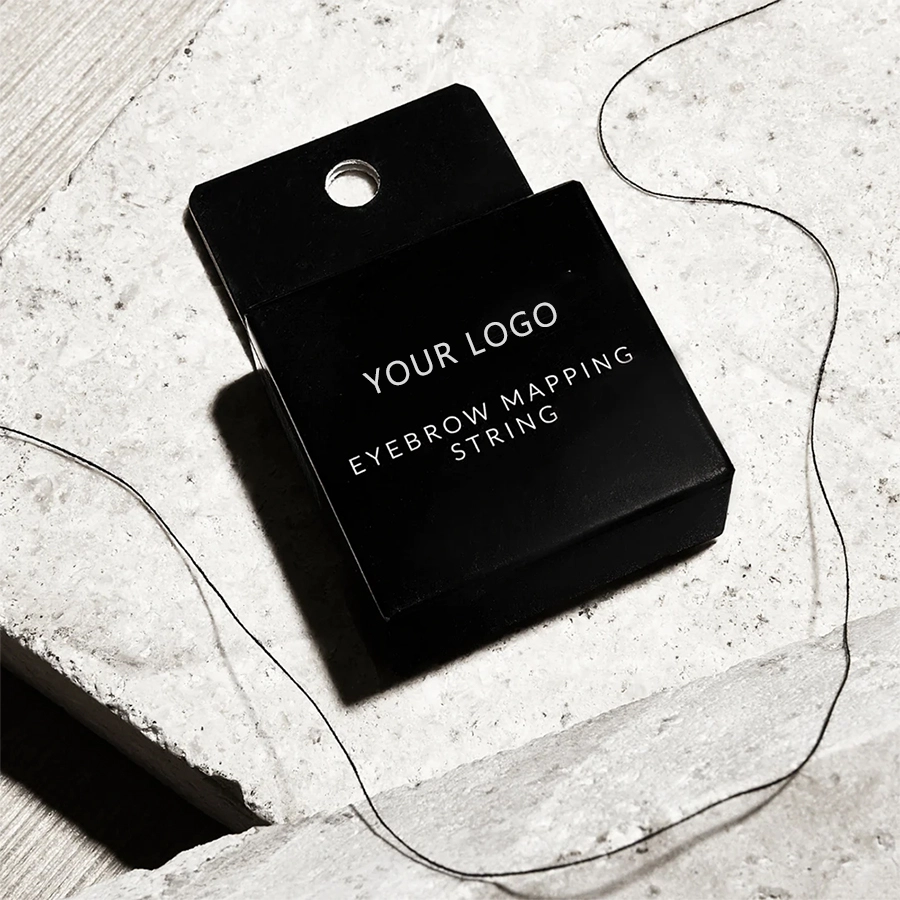
Microblading Pre-inked Mapping String Line 10m
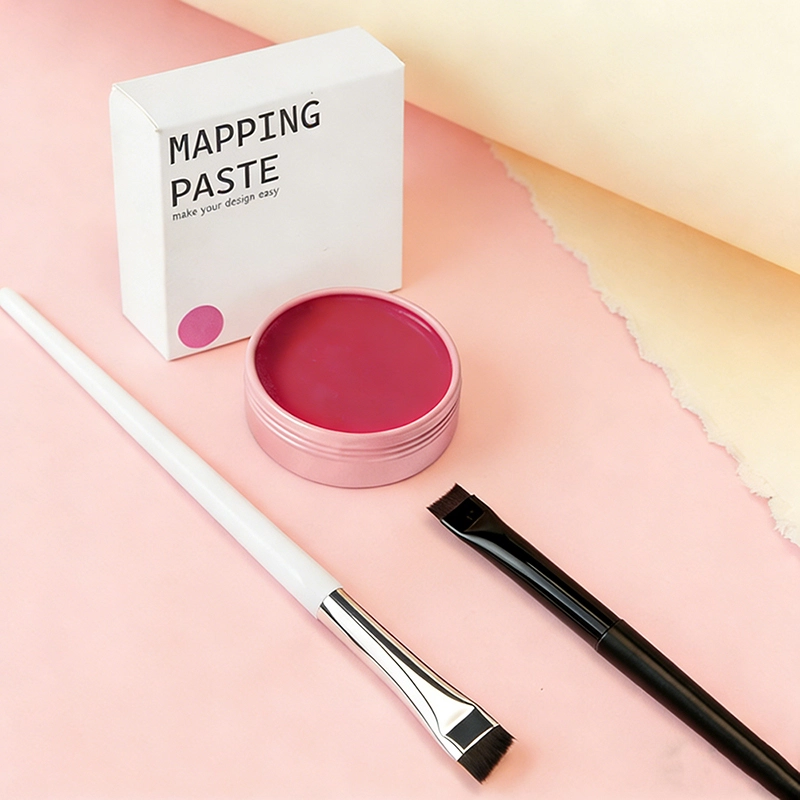
Pre-inked Mapping Ultra-Fine Eyebrows Eyeliner Blade Fan Brush

Instagram
Facebook
YouTube