


U-Curved Blade vs Flat Blade: Which Suits Your Machine?
- Blade Choice Matters: Precision, Compatibility, and Results
- What the blade geometry actually changes
- Why the type of microblading machine matters
- Understanding U-Curved vs Flat Blades
- U-curved blade: geometry and benefits
- Flat blade: geometry and benefits
- How geometry affects pigment flow and healing
- Which Blade Suits Your Microblading Machine?
- Pen-style (rotary) machines vs manual techniques
- Needle depth, stroke consistency, and machine speed
- Compatibility checklist for your microblading machine
- Practical Guidance: Skin Types, Technique, and QM Makeup Solutions
- Choosing by skin type and brow goal
- Sterilization, durability, and professional workflow
- QM Makeup U-Curved Microblading Needle Blade — features and fit
- Wholesale and private label considerations
- Compare: U-Curved vs Flat Blade — Quick Reference
- Evidence, Standards, and Best Practices
- Industry guidance and safety
- Testing and validation
- Technique adjustments for best results
- Conclusion: Matching Blade to Machine and Client Needs
- Why choose QM Makeup for blades and supply
- FAQ
- Q: Can I use a U-curved blade with any microblading machine?
- Q: Which blade gives better retention?
- Q: Are U-curved blades harder to learn with?
- Q: Does QM Makeup offer samples or private label minimums?
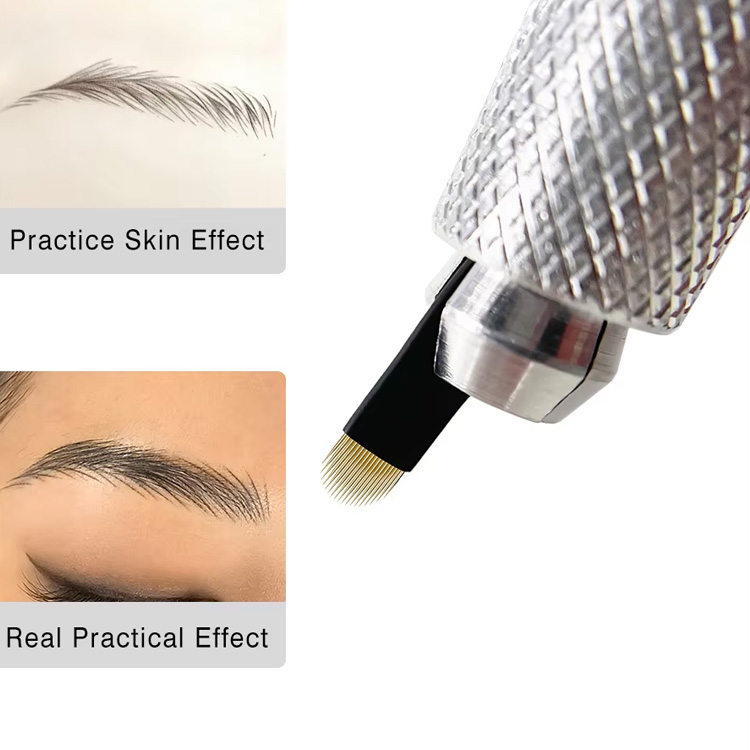
Selecting the correct microblading blade affects every stage of the procedure: how the needle meets skin, the depth and uniformity of pigment placement, the number of passes needed, and ly the healed result. This guide explains the functional differences between U-curved and flat blades and helps you match blade type to your microblading machine, skin type, and stylistic goals. It also introduces the QM Makeup U-Curved Microblading Needle Blade and practical steps for safe, repeatable results.
Blade Choice Matters: Precision, Compatibility, and Results
What the blade geometry actually changes
Blade geometry determines contact angle, surface area touching the skin, and how many needles engage during a single stroke. These factors influence the microblading machine's stroke consistency and the technician's ability to control pigment depth. For example, a U-curved blade presents the pigment-bearing needles in a gentle arc that can cradle hair-stroke shapes, while a flat blade aligns needles on a plane for consistent linear entry.
Why the type of microblading machine matters
Not all microblading machines behave the same. Motorized pen-style machines that allow variable speed and stroke length interact differently with blade geometries than manual or hybrid tools. Blade selection must consider the machine's stroke amplitude, stability, and how it transfers force to the skin. Matching a blade to your microblading machine improves control and reduces trauma, leading to better retention and healing.
Understanding U-Curved vs Flat Blades
U-curved blade: geometry and benefits
The U-curved blade curves slightly to form a shallow arc across the needle line. That curvature reduces lateral pressure on the skin and helps the needles enter at slightly varied angles, which can mimic natural hair direction and thickness. Advantages include enhanced precision for hair-stroke shaping, improved pigment pick-up in some formulas, and reduced risk of over-depositing pigment in one narrow band.
Flat blade: geometry and benefits
Flat blades align needles on a single plane. They offer uniform contact on flatter skin surfaces and are often favored for consistent, straight strokes. Flat blades can be more predictable when working with machines that have precise stroke control, and they may deposit pigment more evenly on firmer skin types.
How geometry affects pigment flow and healing
Blade shape affects how pigment sits in the microchannels. A U-curved blade can create slightly wider microchannels with variable needle orientation, often producing a softer, more blended initial result. Flat blades can produce a tight, linear microchannel ideal for crisp strokes. Both can heal well when matched to machine settings, technique, and skin type.
Which Blade Suits Your Microblading Machine?
Pen-style (rotary) machines vs manual techniques
Pen-style microblading machines—often used for microblading-like shading and for powering microblading blades—provide consistent speed and stroke amplitude. On such machines, a U-curved blade can take advantage of the machine's smooth motion to create natural-looking strokes with minimal multiple passes. Manual microblading (hand tool) gives tactile feedback some artists prefer; in that case, blade feel and direct control may favor flat blades for predictable entry, though experienced artists successfully use both geometries.
Needle depth, stroke consistency, and machine speed
When you increase machine speed and maintain shallow depth, a U-curved blade often helps distribute pigment evenly without over-penetration. On slower speeds with greater depth, flat blades can offer more repeatable linear penetration. Your microblading machine's stroke length, motor torque, and stability should inform final blade choice.
Compatibility checklist for your microblading machine
- Confirm blade shank/handle compatibility with your machine cartridge or needle holder.
- Match blade geometry with stroke length and speed settings of your device.
- Test on synthetic skin to check pigment deposit, stroke crispness, and machine vibration.
Practical Guidance: Skin Types, Technique, and QM Makeup Solutions
Choosing by skin type and brow goal
Different skin conditions respond better to different blade geometries:
- Dry to normal skin: Both U-curved and flat blades work well; U-curved blades can create softer, more natural hair-strokes.
- Oily or very textured skin: Flat blades often produce more consistent lines because they maintain uniform contact, but a skilled artist using a U-curved blade can still achieve excellent results by adjusting technique and machine settings.
- Scarred or thin skin: Use lighter passes; U-curved blades can help disperse pressure and reduce the risk of over-penetration.
Sterilization, durability, and professional workflow
Disposable single-use blades remain the industry standard for safety and cross-contamination control. Ensure each blade is packaged sterile and compatible with your microblading machine. Durable construction reduces burrs or deformation that can cause uneven strokes. Proper storage and correct cartridge seating in your machine contribute to consistent outcomes and lower complication rates.
QM Makeup U-Curved Microblading Needle Blade — features and fit
Discover the QM Makeup U-Curved Microblading Needle Blade—perfect for precision and durability. Available for wholesale and private label, this microblading needle ensures professional results. Elevate QM Makeup with QM Makeup’s trusted U-Curved Microblading Needle.
Key practical features to look for in the QM Makeup U-Curved blade are:
- Consistent U-shaped arc for natural hair-stroke shaping
- Precision manufacturing to fit common cartridge adapters used by professional microblading machines
- Options for wholesale quantities and private label packaging suitable for salons and distributors
Wholesale and private label considerations
For studios and distributors, QM Makeup supports bulk ordering and private-label services. This is especially valuable for brands that want consistent supplies and custom packaging. Verify sample performance with your specific microblading machine before committing to bulk orders.
Compare: U-Curved vs Flat Blade — Quick Reference
| Attribute | U-Curved Blade | Flat Blade |
|---|---|---|
| Best for | Natural hair-stroke curves, softer blended look | Sharp, consistent linear strokes; firmer skin |
| Pigment deposit | Moderate, dispersed; good for layered shading | Tighter, concentrated lines |
| Machine compatibility | Pen-style and fixed-stroke machines; needs consistent cartridge fit | Works well with precise stroke machines and manual tools |
| Skin types | All types, especially dry-normal; adjustable for oily with technique | Best on normal to oily; can be challenging on uneven texture |
| Healing look | Softer, more natural; slightly diffused immediately after procedure | Sharper, crisper strokes |
Evidence, Standards, and Best Practices
Industry guidance and safety
Microblading falls under semi-permanent makeup practices and accepted safety protocols emphasize single-use needles, informed consent, and aftercare. For a general overview of microblading techniques and recommendations, see the Wikipedia entry on microblading: https://en.wikipedia.org/wiki/Microblading. For professional standards and training resources, consult recognized organizations such as the American Academy of Micropigmentation which provide continuing education and practice guidelines.
Testing and validation
Before integrating any new blade into regular workflow:
- Run compatibility tests on synthetic practice skin with your microblading machine and pigments.
- Assess stroke clarity, pigment deposit, and any vibration or wobble that could affect outcomes.
- Document results and adjust depth/speed accordingly.
Technique adjustments for best results
When switching blade geometry, tweak your technique: modify angle of entry, pressure, and stroke speed. For instance, using a U-curved blade often benefits from slightly lighter passes and a subtle change in hand angle to follow the blade's arc. With flat blades, maintain consistent perpendicularity to the stroke direction for linear precision.
Conclusion: Matching Blade to Machine and Client Needs
Both U-curved and flat blades have their places in the professional microblading toolkit. The right choice depends on your microblading machine type, client skin characteristics, and desired aesthetic. U-curved blades like the QM Makeup U-Curved Microblading Needle Blade deliver reliable precision and are especially useful when you want softer, more natural hair-strokes with controlled pigment deposit. Test blades with your microblading machine, follow sterilization and single-use protocols, and adapt technique to achieve consistent, safe outcomes.
Why choose QM Makeup for blades and supply
QM Makeup offers a U-curved blade built for durability and precision, with wholesale and private-label options for studios and distributors. Their manufacturing and packaging follow professional expectations for sterility and consistency, making integration into your inventory straightforward.
FAQ
Q: Can I use a U-curved blade with any microblading machine?
A: Compatibility depends on your machine's cartridge or needle holder. Most pen-style machines accept standardized cartridges, but always test fit and perform a brief trial on practice skin. Ensure the blade seats securely and the machine maintains a stable stroke.
Q: Which blade gives better retention?
A: Retention is influenced more by correct depth, pigment quality, aftercare, and skin type than blade geometry. Both U-curved and flat blades can produce excellent retention when used with proper technique and machine settings.
Q: Are U-curved blades harder to learn with?
A: Not necessarily. Some artists find U-curved blades forgiving because they mimic natural hair curvature, while others prefer the predictability of flat blades. Training and practice will determine how quickly you become comfortable.
Q: Does QM Makeup offer samples or private label minimums?
A: QM Makeup provides wholesale and private-label options. Contact their sales team for sample availability and minimum order requirements.
If you want to test the QM Makeup U-Curved Microblading Needle Blade or discuss private-label/wholesale pricing, contact QM Makeup or view the product page: QM Makeup U-Curved Microblading Needle Blade. For direct inquiries, email [email protected] or call their distributor line listed on the product page.
Once you have decided that U-curved blades are the right choice for your artistic style, the next step is ensuring your hardware is compatible. Learn How to Choose a Microblading Machine for U-Curved Blades to achieve seamless results.
Tips for buy eyelash tint
Wholesale Microblading Machines: Find Reliable Suppliers

Supplier Checklist for Tattoo Aftercare Cream: 5g Cell Repair
Where to Buy permanent makeup machine
Cleaning Foam Tool
Is your eyelash extension care products safe?
Yes, very safe. Safety is the first element in developing our products, our Eyelash Shampoo Cleanser has a rich foam and is waterless, so it prevents water from getting into the eyes. The ingredients are safe, friendly to sensitive eyes and are anti-allergenic. It can also be used on sensitive skin.
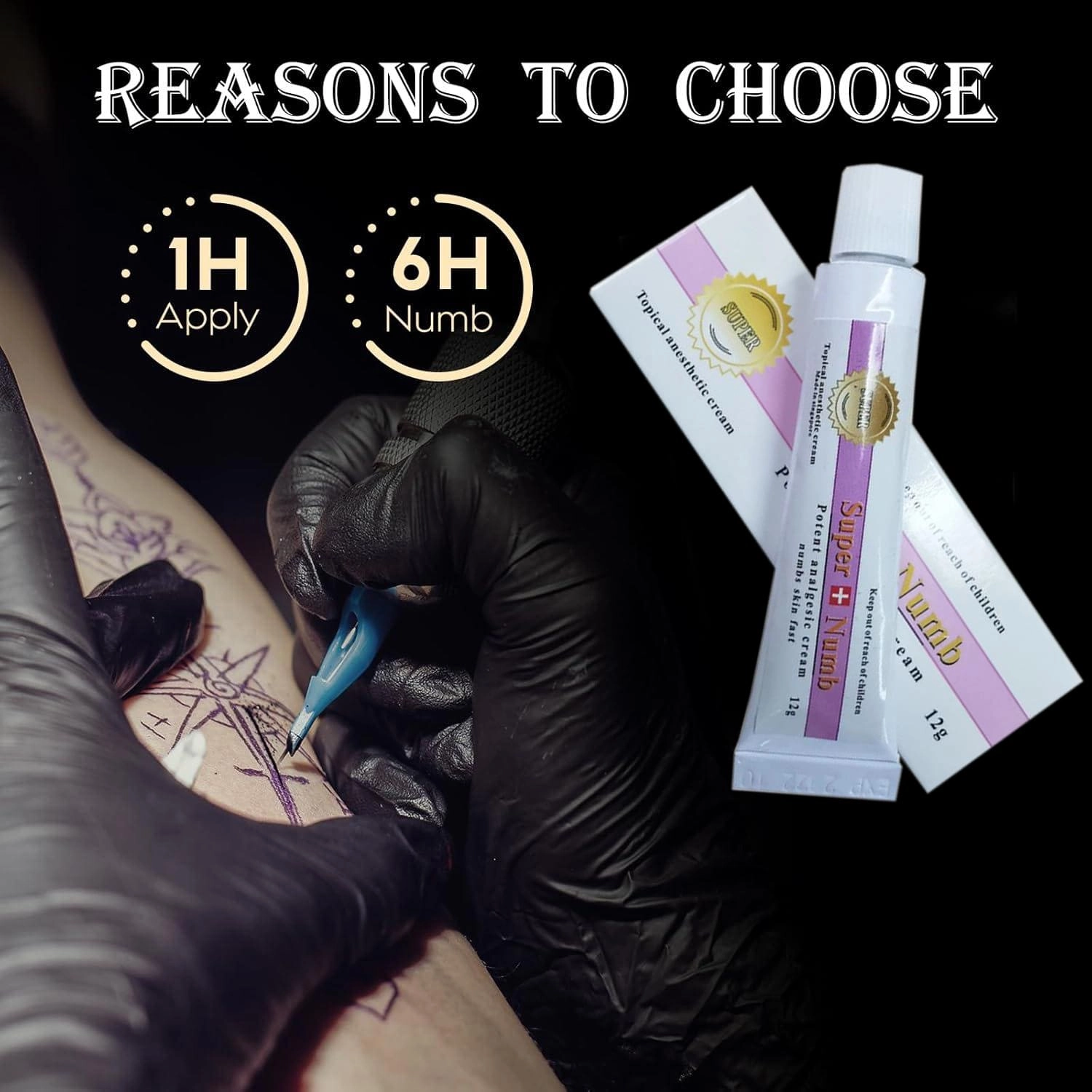
250g tattoo cream
Where make tattoo numb cream take effect ?
Numb up tattoo cream mainly acts on the epidermis and dermis of the skin, blocking the transmission of nerve signals, thereby quickly relieving pain and discomfort.
Perm and dyeing kit
How do I make brow lamination tint?
1. Clean eyebrows: Use warm water and facial cleansing products to clean eyebrows and surrounding skin, making sure there are no impurities and oils.
2. Shape eyebrows: Use eyebrow scissors to trim the length and shape of eyebrows as needed
3. Apply skin care oil: Apply skin care oil to the skin around eyebrows to prevent dye from getting on the skin and facilitate cleaning.
4. Mix dye: Mix dye and developer in a 1:1 ratio.
5. Apply dye: Use a small brush to apply eye brow dye evenly on eyebrows, from the beginning to the end of eyebrows, and pay attention to control the amount to avoid applying it on the skin. Wait for the appropriate time (usually 5-10 minutes) to allow the eyebrow dye to fully color.
6. Wash: Use warm water and paper towels to gently wash the dye off, and be careful not to rub the eyebrows hard.
Follow-up care
1. Avoid water washing: Avoid contact with water within 24 hours after dyeing to ensure that the color lasts.
2. Regularly touch up the color: Depending on the growth rate of the eyebrows and the fading of the color, you can touch up the color every 4-6 weeks.
Eyelash curling
How do I make diy lash perm?
1. Clean the eyelashes and skin around the eyes with clean water and cotton pads
2. Apply glue to the back of the silicone perm rod and stick it on the upper eyelid. After the silicone perm rod is fixed on the eyelid, cover the lower eyelashes with the eye patch.
3. Apply glue to the surface of the silicone perm rod, use a Y-shaped brush or a separate tool to stick the eyelashes on the silicone perm rod, and comb the eyelashes straight to ensure that the eyelashes do not overlap. After the glue dries and fixes the position of the eyelashes, proceed to the next step.
4. Apply the perm agent to the eyelashes to soften the eyelashes, cover with plastic wrap, and wait for 8 to 10 minutes.
5. Remove the perm agent, apply the neutralizer to shape the eyelashes, cover with plastic wrap, and wait for 8 to 10 minutes
6. Remove the neutralizer, clean the eyelashes and residual glue with a detergent, and remove the silicone perm rod and eye patch.
7. Apply Collagen conditioner to nourish the eyelashes, and you're done!
Pigment Ink
How long does the ink typically last in the skin ?
On average, our pigments last about 1-5 years without fading, depending on the clients individual differences and the depth of the tattoo operation.

Professional Pre Inked Eye Brow Mapping String 30m
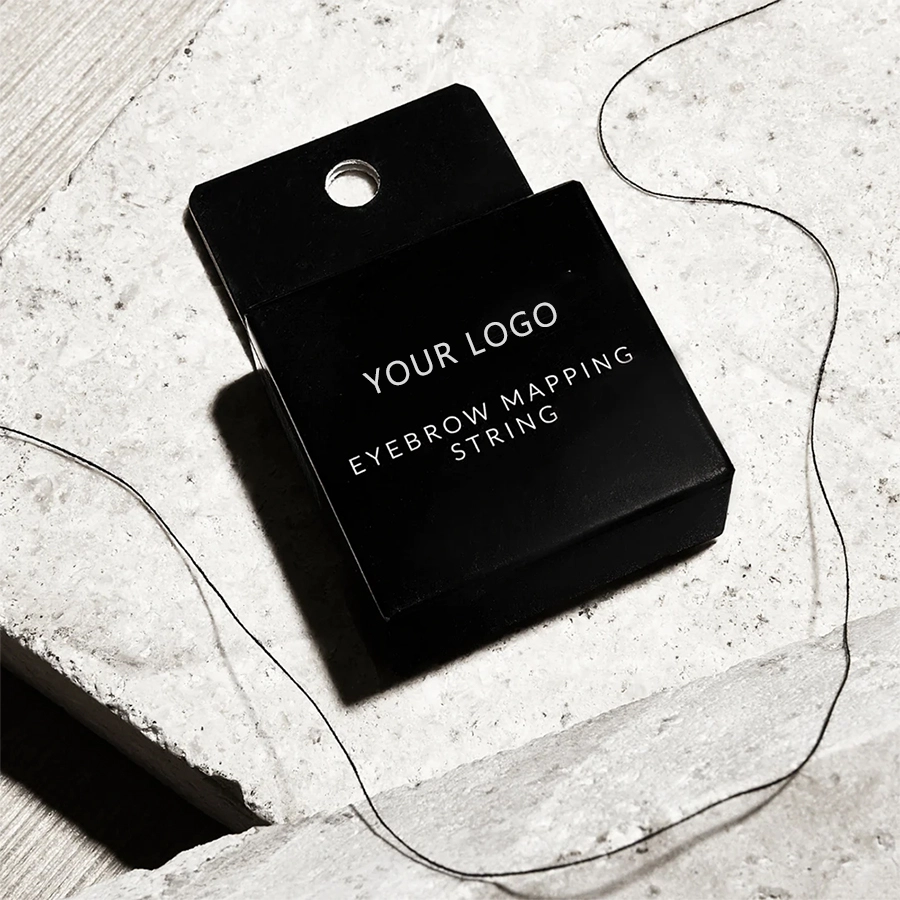
Microblading Pre-inked Mapping String Line 10m
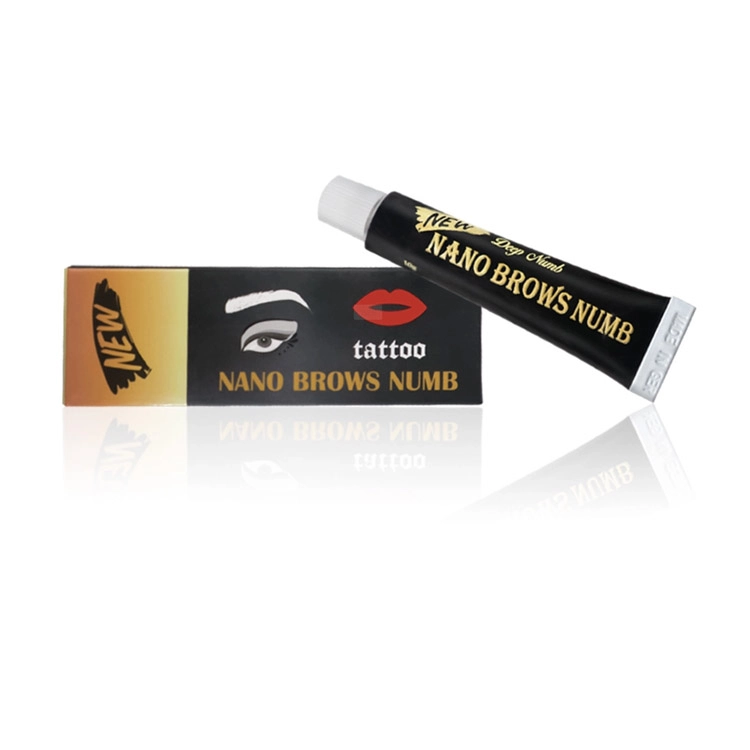
Nano Brows Numb Cream For Tattoo

Instagram
Facebook
YouTube