


What Is Pigment Tattoo Ink? Guide to Hybrid Powder Microblading
- What Is Pigment Tattoo Ink? Understanding the Basics of Pigment Tattoo Ink
- Composition and Terminology: What 'Pigment' Means in PMU
- Pigment Tattoo Ink vs Traditional Tattoo Ink
- Introduction to Hybrid Powder Microblading: What Is Hybrid Powder Microblading
- How Hybrid Powder Microblading Pigment Ink Plays a Role
- Ingredients and Safety Considerations for Microblading Pigment Ink
- Key Safety Factors to Consider
- How Hybrid Powder Microblading Pigment Ink Works in Practice
- Factors That Affect Pigment Performance
- Choosing the Right Pigment Tattoo Ink for Your Practice
- Checklist for Selecting High-Quality Microblading Pigment Ink
- Comparison Table: QM Makeup Hybrid Powder Microblading Pigment Ink vs Other Ink Types
- Application Tips for Hybrid Powder Microblading Pigment Ink
- Practical Workflow Tips
- Aftercare, Color Retention, and Touch-Ups
- Aftercare Best Practices
- Troubleshooting Common Issues with Pigment Tattoo Ink
- Common Problems and Solutions
- Why Professionals Trust QM Makeup Hybrid Powder Microblading Pigment Ink
- Brand Advantages of QM Makeup
- FAQ: Pigment Tattoo Ink & Hybrid Powder Microblading
- Contact & View Product
- Authoritative References and Further Reading
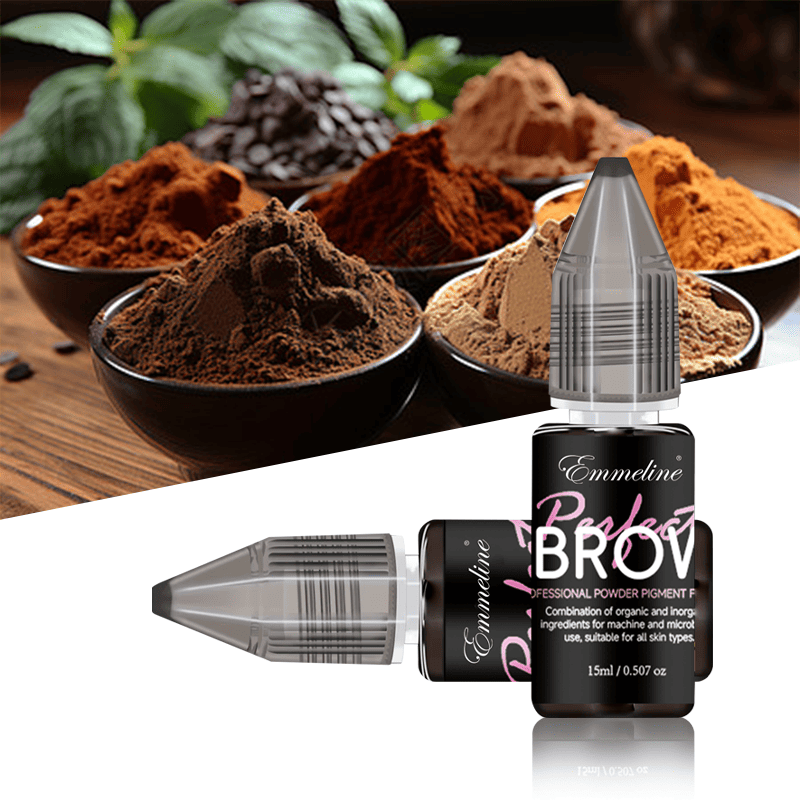
What Is Pigment Tattoo Ink? Understanding the Basics of Pigment Tattoo Ink
Pigment tattoo ink is the colored suspension used to create both permanent and semi-permanent body and cosmetic tattoos. In the semi-permanent makeup (PMU) world — especially in eyebrow treatments like microblading and powder shading — pigment tattoo ink is formulated specifically to deliver predictable color retention, safe healing, and minimal migration. Unlike conventional body-art inks, PMU pigments are optimized for facial skin layers, color stability, and ease of correction.
Composition and Terminology: What 'Pigment' Means in PMU
At its core, pigment tattoo ink consists of colorant particles (organic or inorganic pigments) suspended in a carrier solution. The carrier may include distilled water, glycerin, alcohol, or propylene glycol; preservatives and pH stabilizers are often added to maintain product stability. Particle size, pigment chemistry, and carrier formulation determine how the pigment sits in the dermis, how the color heals, and how it fades over time.
Pigment Tattoo Ink vs Traditional Tattoo Ink
Pigment tattoo ink for PMU differs from traditional tattoo ink in several meaningful ways: targeted particle size for shallow implantation, refined color palettes calibrated to skin tones, and carriers blended to reduce irritation and promote even healing. For example, eyebrow pigments are engineered for subtler retention and easier color correction than body tattoo inks, which are intended to be permanent and often contain different binder chemistries.
Introduction to Hybrid Powder Microblading: What Is Hybrid Powder Microblading
Hybrid Powder Microblading is a modern brow technique that combines the fine hair-stroke realism of microblading with the soft, filled-in finish of powder shading. This hybrid approach uses both manual microblade strokes and machine-powered shading to achieve brows that look natural yet defined. The technique is popular because it suits a wide variety of skin types and client preferences — from those who want hair-like texture to those who prefer a more filled or makeup-like finish.
How Hybrid Powder Microblading Pigment Ink Plays a Role
Hybrid Powder Microblading Pigment Ink is specifically formulated to work with both microblade tools and shading devices. The ink's particle size and carrier viscosity allow it to be deposited consistently during hair strokes and during shading passes, enabling precise blending and even color distribution. Using a purpose-made product reduces the risks of color patchiness and migration that can occur when using inks not designed for hybrid techniques.
Ingredients and Safety Considerations for Microblading Pigment Ink
Safety should be the top priority when choosing pigment tattoo ink. Ingredients vary across brands, but high-quality PMU pigments follow strict manufacturing controls and testing. Look for pigments that disclose ingredients, provide batch testing, and meet local safety regulations.
Key Safety Factors to Consider
- Sterility and Packaging: Single-use sterile vials or cartridges reduce contamination risk.
- Ingredient Disclosure: Reputable brands list pigments (CI numbers for colorants), carriers, and preservatives.
- Allergy and Patch Testing: Even safe pigments can cause reactions — conduct a patch test for sensitive clients.
- Regulatory Compliance: Follow FDA guidance and local regulations for cosmetics and tattoo products.
Authoritative resources such as the U.S. FDA and EU chemical agencies recommend careful review of pigments and documentation. Always consult local regulations and perform appropriate client consent and patch testing.
How Hybrid Powder Microblading Pigment Ink Works in Practice
Understanding pigment behavior helps technicians predict results and plan treatments. Hybrid pigments must balance immediate visual impact with long-term stability. Right after application, pigments will look darker due to initial saturation and skin response; as healing progresses, up to 30-50% of color intensity may soften. Because hybrid techniques use both strokes and shading, the pigment must retain crisp strokes while allowing smooth shaded areas.
Factors That Affect Pigment Performance
- Skin Type: Oily or thick skin may cause faster pigment migration or softer hair strokes; dry or thin skin may retain crisp lines longer.
- Technique: Depth, angle, and speed of application influence retention and color distribution.
- Pigment Chemistry: Organic vs inorganic pigments will fade and shift differently over time.
- Aftercare: Client adherence to aftercare instructions is crucial to final color and retention.
Choosing the Right Pigment Tattoo Ink for Your Practice
Selecting the right pigment tattoo ink is a business and technical decision. Professionals seeking a reliable wholesale microblading pigment ink should evaluate formulations, supplier transparency, testing standards, and cost-effectiveness.
Checklist for Selecting High-Quality Microblading Pigment Ink
- Color range and ability to mix predictable shades for client-specific matching.
- Documented stability testing and batch traceability.
- Clear ingredient lists and compliance information (ISO, CE where applicable).
- Packaging format suitable for your workflow: sterile vials or prefilled cartridges.
- Proven performance for both hair-strokes and shading — essential for hybrid techniques.
Comparison Table: QM Makeup Hybrid Powder Microblading Pigment Ink vs Other Ink Types
| Attribute | QM Makeup Hybrid Powder Microblading Pigment Ink | Permanent Tattoo Ink | Standard PMU Pigments |
|---|---|---|---|
| Designed Use | Hybrid brows: microblading + powder shading | Body tattoos | Microblading or machine-only PMU |
| Particle Size | Optimized for shallow dermal placement | Varied; often larger particles | Fine, but not always optimized for hybrid techniques |
| Color Stability | High-quality formula for long-lasting, natural fading | Typically permanent, color shifts possible | Good short- to mid-term stability |
| Sterility | Sterile packaging options available | Depends on supplier | Varies by brand |
| Best For | Professionals seeking vibrant, predictable hybrid results | Body-art artists | PMU techs not requiring hybrid versatility |
Application Tips for Hybrid Powder Microblading Pigment Ink
Technique matters. Even the best pigment tattoo ink requires correct use to achieve optimal outcomes. Here are practical tips for professionals working with hybrid pigments.
Practical Workflow Tips
- Pre-procedure: Map brows and choose a pigment shade that anticipates post-heal softening.
- Blending: Use a combination of manual microblading strokes for hair effect and light machine shading for soft fullness. Start light — you can always build depth later.
- Depth Control: Stay in the upper dermis. Too deep causes blowouts; too shallow results in poor retention.
- Needles and Tools: Use blades and cartridges that your hybrid pigment is tested with to ensure consistent deposit.
- Pigment Loading: Keep pigment fresh and well-agitated during the procedure to avoid sinking or separation.
Aftercare, Color Retention, and Touch-Ups
Aftercare directly impacts how pigment tattoo ink heals and how long results last. Educate clients with clear instructions and realistic timelines for fading and touch-ups.
Aftercare Best Practices
- Keep treated area clean and dry for the first few days, following your chosen product's recommended timeline.
- Avoid heavy sweating, saunas, and prolonged sun exposure during healing.
- Use recommended topical steps (light ointments or post-procedure serums) and avoid harsh chemicals.
- Schedule a 6-8 week touch-up to perfect color and density once healed.
Expect gradual fading: many hybrid procedures retain excellent color for 1-3 years, depending on skin type, lifestyle, and pigment chemistry. Touch-ups extend longevity and refine crispness of strokes and shading.
Troubleshooting Common Issues with Pigment Tattoo Ink
Even experienced technicians encounter problems. Knowing how to diagnose and correct issues saves time and preserves client satisfaction.
Common Problems and Solutions
- Patchy Shading: Often due to inconsistent depth or insufficient pigment deposit. Solution: perform a conservative layering in the touch-up session.
- Color Shift: Some pigments may warm or cool over time. Solution: select pigments with proven color stability; correct with color theory during touch-up if needed.
- Migration and Blowouts: Caused by too deep implantation or excessive pressure. Solution: refine technique, reduce depth, and choose pigments optimized for shallow placement.
- Allergic Reactions: Rare but possible. Solution: discontinue procedure, consult healthcare professionals, and use removal or corrective strategies if necessary.
Why Professionals Trust QM Makeup Hybrid Powder Microblading Pigment Ink
QM Makeup Hybrid Powder Microblading Pigment Ink offers vibrant, long-lasting colors for flawless results. Trusted as the best ink tattoo option by many technicians, it is ideal for professionals seeking high-quality wholesale microblading pigment ink. QM Makeup's High Quality formula is designed to achieve perfect shading and crisp hair-stroke retention, making it a practical choice for hybrid techniques.
Brand Advantages of QM Makeup
- Formulation optimized for hybrid microblading and powder shading.
- Wide color range that blends predictably for natural results across skin tones.
- Commercial-grade quality suitable for professional studios and wholesale buyers.
- Focus on safety, stability, and easy application for consistent outcomes.
FAQ: Pigment Tattoo Ink & Hybrid Powder Microblading
Q: Is pigment tattoo ink safe for all skin types?
A: High-quality PMU pigments are formulated to be safe for most skin types, but patch testing is recommended for sensitive clients. Follow local regulations and manufacturer guidance.
Q: How long does Hybrid Powder Microblading last?
A: Results typically last 1–3 years depending on skin type, pigment chemistry, sun exposure, and aftercare. Periodic touch-ups are recommended to maintain optimal results.
Q: Can I use regular tattoo ink for microblading?
A: No. Regular tattoo inks are formulated differently and can lead to unpredictable color retention, migration, or healing. Use pigments specifically designed for PMU and hybrid techniques, such as Hybrid Powder Microblading Pigment Ink.
Q: How soon can I do a touch-up?
A: A touch-up is usually performed 6–8 weeks after the initial treatment to refine color and density after full healing.
Q: What should I do if my client experiences discoloration?
A: Assess the cause — whether it's pigment chemistry, sun exposure, or healing response. Corrective color theory and targeted touch-ups can often resolve mild discoloration; severe cases may require specialist removal consultations.
If you have more questions or want to test QM Makeup Hybrid Powder Microblading Pigment Ink in your practice, contact our sales team or view the product details for wholesale options and technical data sheets.
Contact & View Product
To order or request samples, please contact our customer service team or view the product page for QM Makeup Hybrid Powder Microblading Pigment Ink and bulk pricing.
After gaining a complete overview of pigment ink, you may want to return to the basics and ensure your tools and setup are correct. Review the essentials again in Beginner Checklist: Tools for Hybrid Powder Microblading Pigment Ink.
Authoritative References and Further Reading
For safety guidelines, pigment chemistry, and regulatory information, consult these authoritative sources:
- Wikipedia — Tattoo ink: https://en.wikipedia.org/wiki/Tattoo_ink
- U.S. Food & Drug Administration — Tattoos & Permanent Makeup: https://www.fda.gov/cosmetics/cosmetic-products/are-tattoos-permanent
- European Chemicals Agency (ECHA): https://echa.europa.eu
- Society of Permanent Cosmetic Professionals (SPCP): https://www.spcp.org
Wholesale Tattoo skin repair balm manufacturer and supplier
What is tattoo pigment
The B2B Buyer’s Guide to ODM Makeup Manufacturing
Where to Buy permanent makeup machine
Tattoo pigment
Are these pigments safe for human body?
Yes, absolutely safe, we go through layers of screening and rigorous testing of every ingredient to ensure that it is non-toxic and harmless. Our pigments are CE and REACH certified and comply with EU regulations.
How long does the ink typically last in the skin?
On average, our pigments last about 1-5 years without fading, depending on the clients individual differences and the depth of the tattoo operation.
After sales support
How do I change or cancel my order?
Any cancellation made after an order has been placed, will be subject to a cancellation fee regardless of the time the order has been placed (even if it is just a second later) as the merchant processor/credit card charges us a fee for cancellations.
Please note that any orders that have already been packed, produced or shipped cannot be cancelled.
Lash lift kit
What is the MOQ for customization?
For logo customization, the MOQ is 2000 kits; for other in-depth customization, the MOQ will be based on your specific requirements.
Handmade pen
What is the lifespan of a disposable microblading pen?
A best disposable microblading pen is a one-time use tool that should be used immediately after opening and discarded after use. It cannot be recycled.

Professional Pre Inked Eye Brow Mapping String 30m
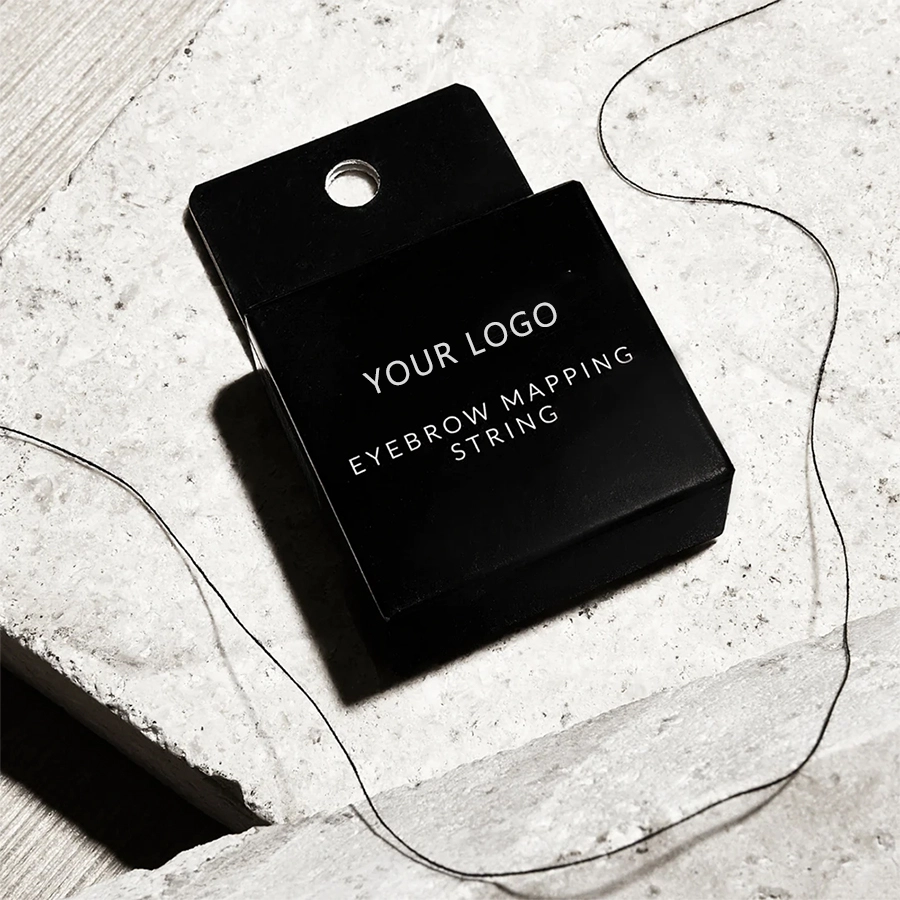
Microblading Pre-inked Mapping String Line 10m
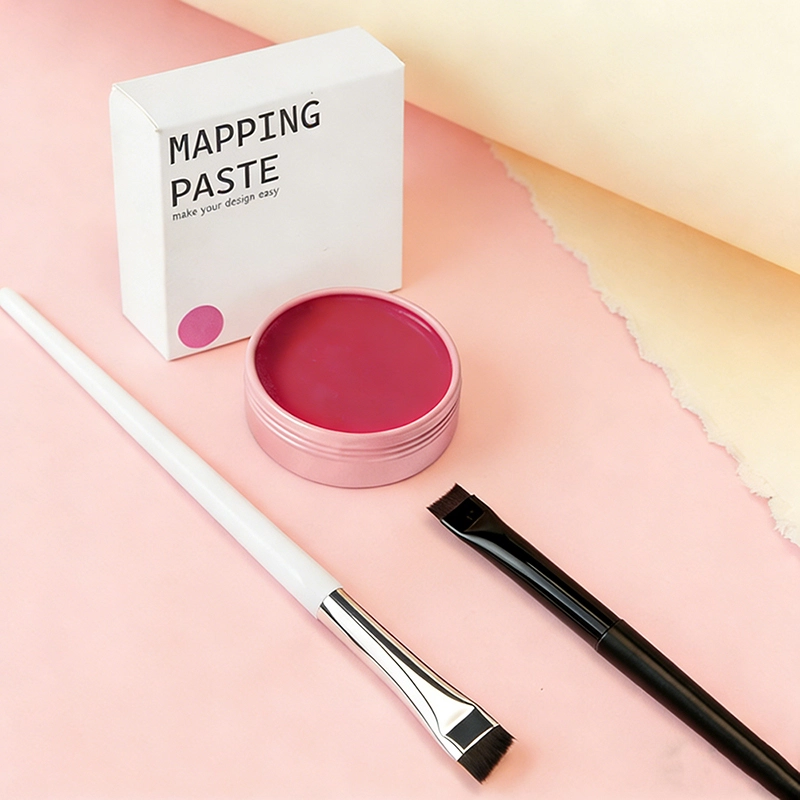
Pre-inked Mapping Ultra-Fine Eyebrows Eyeliner Blade Fan Brush

Instagram
Facebook
YouTube