


What's the Best Tattoo Machine for Semi-Permanent Makeup?
- Understanding semi-permanent makeup devices and why machine choice matters
- What PMU does to skin: controlled injury and pigment placement
- Regulatory and safety expectations
- Why the question what's the best tattoo machine has no one-size-fits-all answer
- Major machine types and technical comparison
- Coil machines: traditional but less common for PMU
- Rotary machines: smooth, versatile, widely used
- Pen-style (cartridge) machines: ergonomics and modularity
- Comparison table: coil vs rotary vs pen-style (PMU focus)
- Key technical criteria when choosing the best PMU machine
- Stroke length and speed (RPM) control
- Ergonomics, weight and noise
- Power source: corded vs wireless
- Needle cartridges and sterilization
- Practical comparisons: models, features and cost-effectiveness
- What I test when evaluating a machine
- Evidence-based safety and ink compatibility
- Cost vs performance: value table
- Choosing the best machine for specific PMU services
- Microblading and hair-stroke brows
- Powder brows and shading
- Lips and eyeliners
- My recommendations and maintenance tips
- Top selection checklist
- Routine maintenance and documentation
- Training and competence
- QM Makeup: professional supplies, capabilities and how we support artists
- FAQ — Frequently Asked Questions
- 1. What's the single most important feature when selecting a PMU machine?
- 2. Are wireless tattoo machines reliable enough for daily studio use?
- 3. Can I use the same machine for microblading and shading?
- 4. How do I verify the safety of pigments and cartridges?
- 5. What maintenance steps extend machine life?
- 6. How do I choose between an entry-level and professional machine?
I write as a professional consultant and practitioner in the semi-permanent makeup (PMU) industry with years of hands-on experience evaluating tattoo machines, inks and consumables. If you're asking what's the best tattoo machine for semi-permanent makeup, you need a device that delivers consistent needle control, minimal tissue trauma, reliable speed/battery life, and proven safety/biocompatibility. Below I summarize the decision factors, compare machine types, provide evidence-based guidance with reputable sources, and recommend selection criteria that will help you pick the right tool for microblading, shading, lip work and lash tattooing.
Understanding semi-permanent makeup devices and why machine choice matters
What PMU does to skin: controlled injury and pigment placement
Semi-permanent makeup techniques place pigment into the superficial dermis. The quality of pigment placement depends on needle depth, stroke consistency, and device vibration patterns. Excessive trauma increases healing time and risk of scarring or pigment migration; inadequate penetration leads to rapid fading. This is why machine characteristics directly affect outcomes. For clinical context on tattooing and health risks, see the World Health Organization overview on infectious risks and skin reactions: WHO - Tattoos and piercings.
Regulatory and safety expectations
Products used in PMU should conform to sterilization and safety standards. While PMU devices may not all be classed as medical devices globally, we follow best practice guidance such as FDA information on tattoo inks and related products: FDA - Inks & Tattoos, and biocompatibility considerations similar to ISO 10993 for materials that contact skin (ISO 10993).
Why the question what's the best tattoo machine has no one-size-fits-all answer
Different PMU services (microblading, powder brow, lips, lash tattoo) require different needle configurations, stroke characteristics and power delivery. Best depends on application, artist technique, client skin type, and business needs (portability, battery vs corded, cost). I will help you match features to needs.
Major machine types and technical comparison
Coil machines: traditional but less common for PMU
Coil machines create a distinct hit and vibration. They can be adjustable and powerful, historically used for body tattooing. For PMU, they can be more traumatic and heavier — usually not ideal for delicate shading or hair-stroke microblading.
Rotary machines: smooth, versatile, widely used
Rotary devices use a rotating motor to drive the needle. They tend to provide smooth linear motion, minimal vibration, and precise control — attributes favorable for microshading and eyeliner work. Many modern PMU artists prefer rotary or pen-style rotaries for their consistent needle trajectory and low noise.
Pen-style (cartridge) machines: ergonomics and modularity
Pen-style machines (often rotary-based) accept needle cartridges and are designed for ergonomic grip and single-hand control. They are the dominant choice for PMU because cartridges enhance sterility (pre-sterilized single-use) and needle depth consistency. Wireless pen machines add portability and reduce cable clutter.
Comparison table: coil vs rotary vs pen-style (PMU focus)
| Feature | Coil | Rotary | Pen-style (rotary carb) |
|---|---|---|---|
| Stroke smoothness | Medium (pulsing) | High (smooth) | High (very smooth) |
| Vibration/comfort | Higher | Lower | Lowest |
| Needle options | Fixed / custom | Cartridge possible | Cartridge (single-use) |
| Best for | Body work, traditional tattoos | Shading, liners, general PMU | Microblading-style hair strokes (when using cartridges), brows, lips |
| Portability | Lower | Medium | High (wireless available) |
Key technical criteria when choosing the best PMU machine
Stroke length and speed (RPM) control
Stroke length determines how far the needle travels; for hair strokes I prefer shorter strokes (~1.5–2.5 mm) for crisp lines and for powder shading longer or adjustable strokes. A device with precise speed (RPM) control allows adjustment to skin type: slower speeds for thin, elderly skin; faster for oily skin. Many reliable PMU rotaries offer 2,000–10,000 RPM ranges with adjustable modes.
Ergonomics, weight and noise
Artists perform long procedures; weight under 100–150 g in the grip section reduces fatigue. Pen-style grips mimic a cosmetic pen and improve control. Low noise and minimal vibration reduce operator fatigue and client anxiety.
Power source: corded vs wireless
Wireless machines have matured: modern lithium battery packs deliver consistent power and allow mobility. I always check real-world battery life (minutes per charge) and whether output stability is maintained under load. For busy studios, having two battery packs or a corded backup avoids interruptions.
Needle cartridges and sterilization
Single-use, pre-sterilized needle cartridges minimize cross-contamination risk and speed up setup. Ensure cartridge brands are compatible and meet biocompatibility claims. For guidance on infection prevention and best practices, consult professional bodies like the Society of Permanent Cosmetic Professionals: SPCP.
Practical comparisons: models, features and cost-effectiveness
What I test when evaluating a machine
When I test machines I assess: stroke consistency on practice skin, battery stability, cartridge fitment tolerance, vibration/noise levels, micro-adjustability, and ease of cleaning. I also check manufacturer documentation for warranty and service, and whether the company performs quality control on motors and batteries.
Evidence-based safety and ink compatibility
Compatibility between machine performance and pigment viscosity matters. Pigments that are too viscous cause drag and require more force; machine torque must handle it without stalling. I recommend using pigments with documented safety profiles and suppliers who provide SDS (Safety Data Sheets). The FDA's page on inks is a useful reference: FDA - Inks & Tattoos.
Cost vs performance: value table
| Tier | Approx. price (USD) | Typical users | When recommended |
|---|---|---|---|
| Entry | $80–$200 | Beginners, trainees | Low volume, learning phases |
| Professional | $200–$700 | Certified PMU artists, studios | Daily use, client work, better warranty |
| High-end | $700+ | High-volume studios, educators | Longevity, top motor/ergonomics, full support |
Choosing the best machine for specific PMU services
Microblading and hair-stroke brows
Although microblading traditionally uses manual blades, modern hybrid techniques and permanent microblading-style strokes performed with cartridge pen machines can produce consistent, reproducible hair strokes. For hair strokes I favor pen-style devices with short stroke length, low vibration and compatible fine cartridges. For dry or very thin skin, use lower speed and minimal pressure.
Powder brows and shading
For powder or ombré brows, a rotary machine with slightly longer stroke and adjustable speed provides the soft, diffuse deposit required. Needle groupings such as magnums or soft shaders in cartridge form work well.
Lips and eyeliners
Lip pigment placement requires a machine that minimizes trauma to reduce swelling and bleeding; I use pen-style rotaries with smooth motion and precise depth control. Eyeliner work needs extremely steady motions; low vibration and ergonomic grip are essential for safety and accuracy.
My recommendations and maintenance tips
Top selection checklist
- Choose a pen-style rotary with cartridge compatibility for most PMU tasks.
- Confirm adjustable speed and stroke length suitable for your techniques.
- Prioritize pre-sterilized single-use cartridges and reliable battery life.
- Buy from manufacturers with clear quality control, warranty and SDS for consumables.
Routine maintenance and documentation
Keep maintenance logs for devices, replace batteries per manufacturer advice, and only use manufacturer-approved chargers. Maintain client charts with device used and pigment batch numbers to support traceability — a best practice supported by professional associations like SPCP and infection-control guidance from public health bodies.
Training and competence
Machine quality won't replace technique. Invest in training and certification, and start on practice skin and models. The quality of outcomes depends equally on your skill as on your device.
QM Makeup: professional supplies, capabilities and how we support artists
QM Makeup was established in 2005; we specialized in the field of semi-permanent makeup and eyelash tattoo beauty, and we are committed to becoming a leading company in the industry. We specialize in permanent makeup and eyelash beauty products, providing professional wireless tattoo machines, microblading machines, semi-permanent makeup ink, tattoo skin for practice, tattoo numb cream, a professional lash lift kit, the best lash lift and tint kit, professional eyelash glue and eyelash extension lashes products.
Our company integrates the distribution, wholesale, private labeling and OEM processing on a large scale. We provide customers with a full range of customized branding solutions to help our partners maximize business value. Our production base covers an area of 10,000 square meters and has independent research and development and production capabilities, helping customers achieve product customization and providing one-stop tattoo supplies brand solutions.
Why I recommend QM Makeup for studio supplies:
- Comprehensive PMU product range: tattoo machine, tattoo ink, microblading tools, tattoo supplies, and false eyelashes.
- Manufacturing scale and R&D: in-house production reduces variability and supports private labeling/OEM.
- Practice and training support: practice skin and kits for skills development.
- Supply chain reliability: large production base reduces stock-outs for busy studios.
Find QM Makeup online at https://www.qmmakeup.com or contact sales and support via email at [email protected].
FAQ — Frequently Asked Questions
1. What's the single most important feature when selecting a PMU machine?
I consider needle control and stroke consistency the most important. If a device cannot reliably control depth and motion, results and safety are compromised.
2. Are wireless tattoo machines reliable enough for daily studio use?
Yes, modern wireless devices with high-quality lithium batteries and stable motor design are reliable for daily use. Always verify realistic battery life specs and have a corded backup or spare batteries for uninterrupted service.
3. Can I use the same machine for microblading and shading?
Yes, many pen-style rotary machines are versatile enough for both hair strokes and shading when paired with appropriate cartridges and adjusted speed/stroke length. However, manual microblading blades (non-machine) remain an option for some artists and skin types.
4. How do I verify the safety of pigments and cartridges?
Request SDS (Safety Data Sheets) and ingredient lists from suppliers. Check for biocompatibility claims and batch traceability. For regulatory context, consult the FDA guidance on inks: FDA - Inks & Tattoos.
5. What maintenance steps extend machine life?
Use manufacturer-approved chargers and batteries, keep motors clean of pigment/ink ingress, avoid dropping devices, and follow recommended service intervals. Keep records of maintenance and replace wear parts per guidelines.
6. How do I choose between an entry-level and professional machine?
Match expected workload and client standards. For low-volume or learning, entry-level models are fine. For daily client work and consistent results, invest in a professional or high-end machine for durability, warranty and service support.
If you want product recommendations tailored to your practice, check QM Makeup's catalog or contact us directly. Explore our PMU machines, inks and full studio kits at https://www.qmmakeup.com or email [email protected] for a customized quote and private labeling/OEM inquiries.
In short: the best tattoo machine for semi-permanent makeup is the one that matches your technique and client needs — in most modern PMU settings that's a high-quality pen-style rotary with cartridge compatibility, stable power delivery and excellent ergonomics. Combine that with safe pigments, certified training and studio hygiene to deliver predictable, beautiful results.
Shipping & Customs for Wholesale Numb Cream Orders
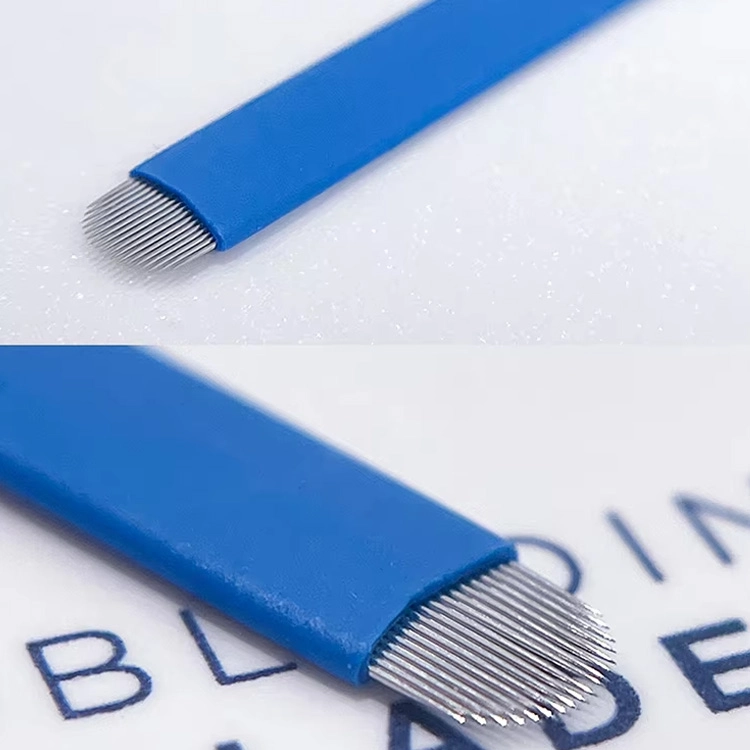
Supplier Checklist When Purchasing U-Curved Blades in Bulk
Custom Eyeliner Tattoo Machine Manufacturers & Suppliers South Korea
Natural vs Strong Numb Creams: Buyer Recommendations
Pigment Ink
How long is your production time ?
For general orders, we usually complete production in 7-10 days after you confirm the order details and process the deposit. For bulk orders, the production time may be extended to 20-30 days.
Tattoo Numbing Patches
How many percentage of the numbing can be reach?
Our mature and stable numbing formulas typically achieve more than 90% numbing effects. It can keep numbing effect last for 3-4 hours.
250g tattoo cream
How long does the numbing product last?
Different numbing products have different duration of effect. For example, body numbing cream lasts longer than eyebrow numb tattoo cream. For the specific duration, please check the product description or contact us for more details.
Powder Pigment
What is the color retention rate and color retention time of the pigment?
QM pigments have a higher retention rate than most other tattoo ink brands on the market. With nearly 20 years of microblading pigment permanent makeup formulation experience, the color retention rate of the pigment can be as high as 99%, and the color retention time is generally 3-5 years.
Lip patch
Can I use numbing products on sensitive skin? Is it safe? Are there any potential side effects?
The ingredients we use are very safe, with anti-allergic effects, and under normal circumstances there are no side effects. However, based on individual differences, it cannot be ruled out that some people may experience temporary redness or irritation in some areas. We recommend patch testing before handling and following product instructions to minimize the risk of adverse reactions.

Professional Pre Inked Eye Brow Mapping String 30m
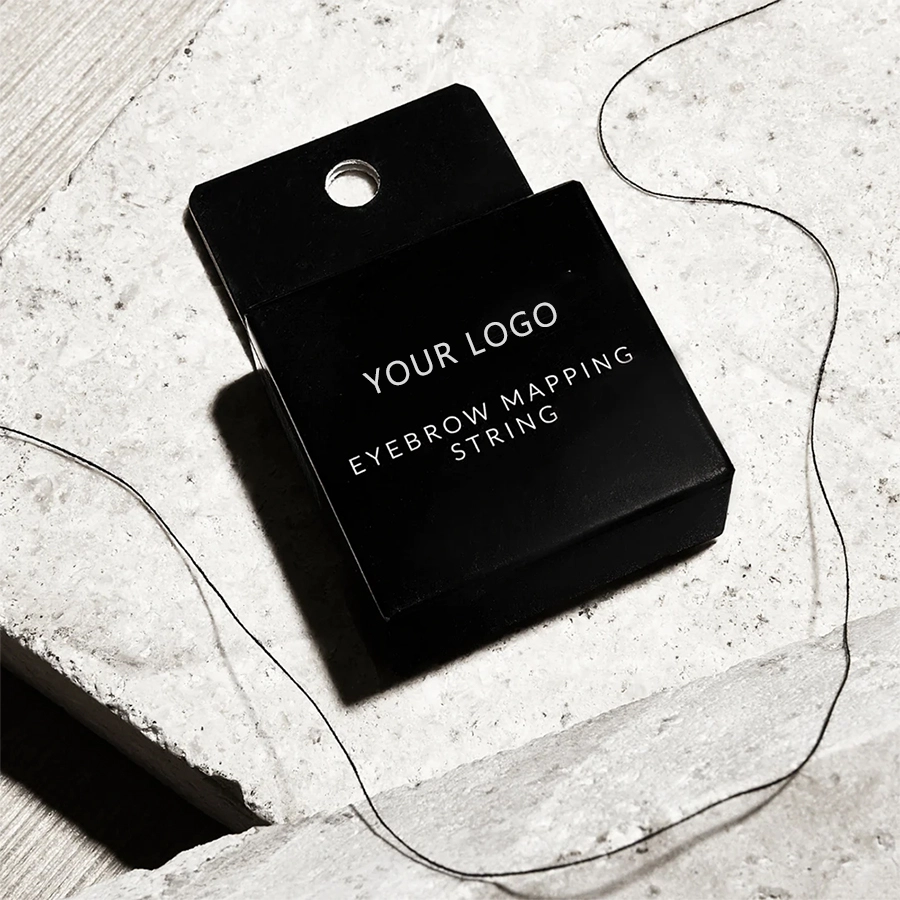
Microblading Pre-inked Mapping String Line 10m
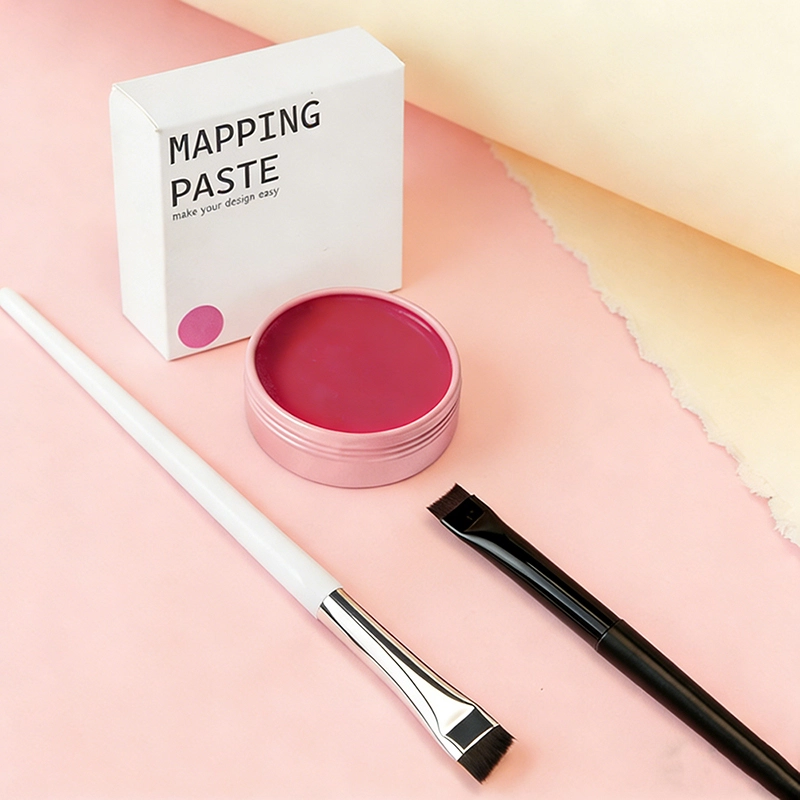
Pre-inked Mapping Ultra-Fine Eyebrows Eyeliner Blade Fan Brush

Instagram
Facebook
YouTube