


what is the best color ink for a tattoo | QM Makeup Guide
# What Is the Best Color Ink for a Tattoo?
Choosing the right tattoo ink color is critical for semi-permanent makeup professionals. The ideal pigment depends on skin tone, undertones, and desired longevity. Below, we break down key factors to help you make informed decisions.
Factors Influencing Ink Color Selection
- Skin Tone & Undertones:
- Fair skin: Soft browns, cool blacks, and ash-based pigments blend naturally.
- Medium/Olive skin: Warm browns, rich blacks, and caramel tones work best.
- Dark skin: Deep blacks, espresso browns, and bold pigments prevent ashy fading.
- Undertone Compatibility:
- Cool undertones: Ash-based pigments (e.g., taupe, graphite).
- Warm undertones: Golden or red-based pigments (e.g., auburn, chestnut).
Best Ink Colors for Semi-Permanent Makeup
- Eyebrows:
- Soft black (for deep contrast).
- Medium brown (universal for most skin tones).
- Taupe (cool undertones, fair skin).
- Lip Blush:
- Coral or peach (brightens natural lip color).
- Rose pink (neutral undertones).
- Mauve (cool undertones).
- Eyeliner:
- Jet black (classic, high contrast).
- Dark brown (softer, natural look).
Longevity & Fading Considerations
- Blacks & Browns: Last longest (5+ years with touch-ups).
- Reds & Oranges: Fade faster due to larger pigment molecules.
- Avoid Blues/Greens: Rarely used in PMU; higher risk of discoloration.
Expert Tips
- Always perform a patch test to assess pigment retention.
- Use high-quality, FDA-compliant inks (e.g., Permablend, Fusion).
- Adjust saturation based on client’s skin type (oily skin may require deeper shades).
For professionals, mastering ink selection ensures flawless, long-lasting results. Stay updated with industry trends and client-specific needs.
Sources:
- Society of Permanent Cosmetic Professionals (SPCP)
- FDA Cosmetic Pigment Guidelines
- Peer-reviewed studies on PMU pigment longevity
This guide simplifies complex decisions while prioritizing safety and artistry. For High Quality pigments, explore QM Makeup’s curated selection.
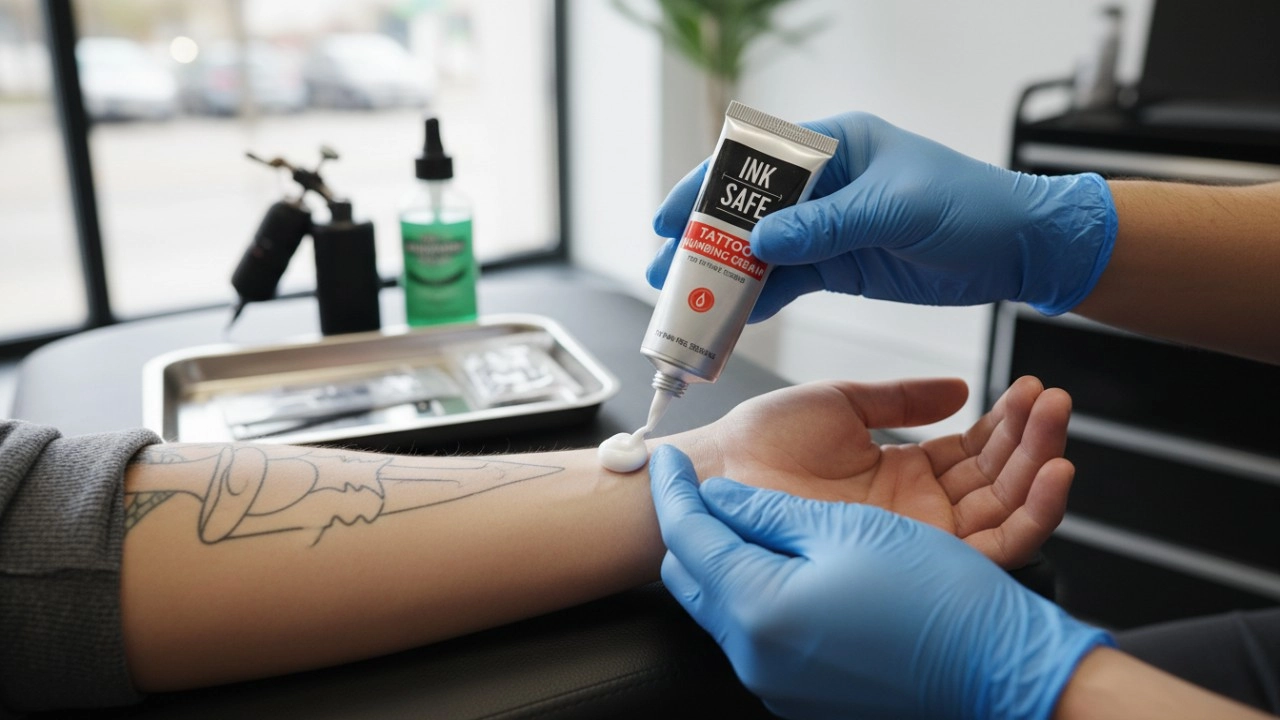
10 Best Numbing Creams for Tattoos in 2026: Ranked by Pain Relief and Safety
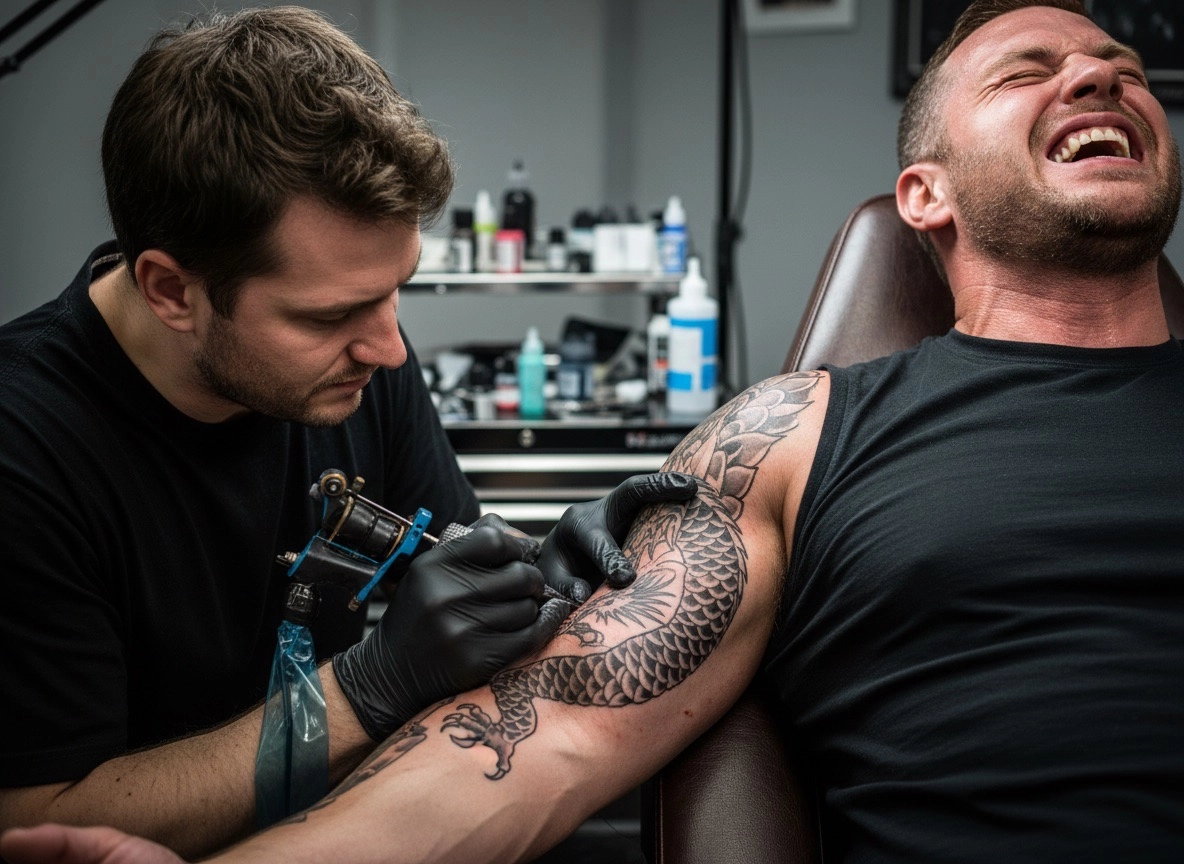
Does Numbing Cream Work for Tattoos? The Ultimate Guide to a Pain-Free Session
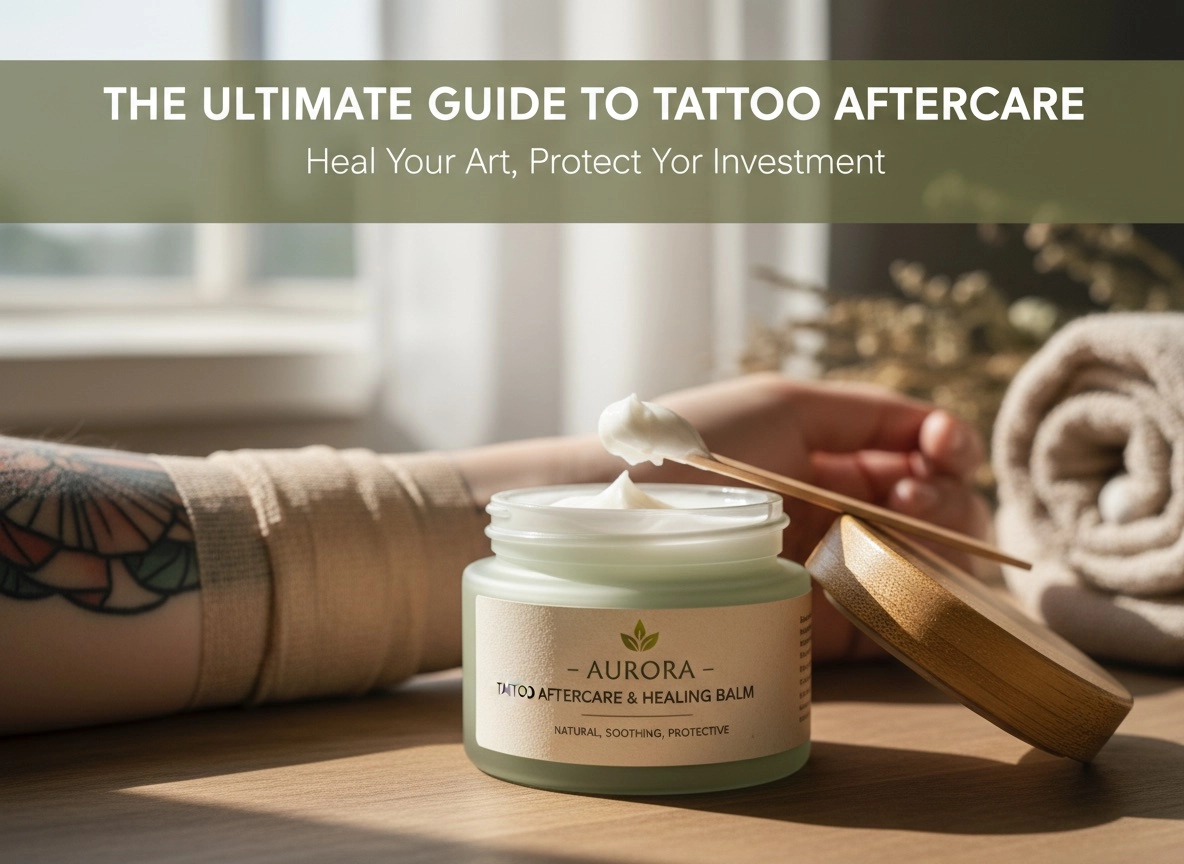
The Ultimate Guide to Tattoo Aftercare Cream: Healing & Vibrancy for 2026 and Beyond
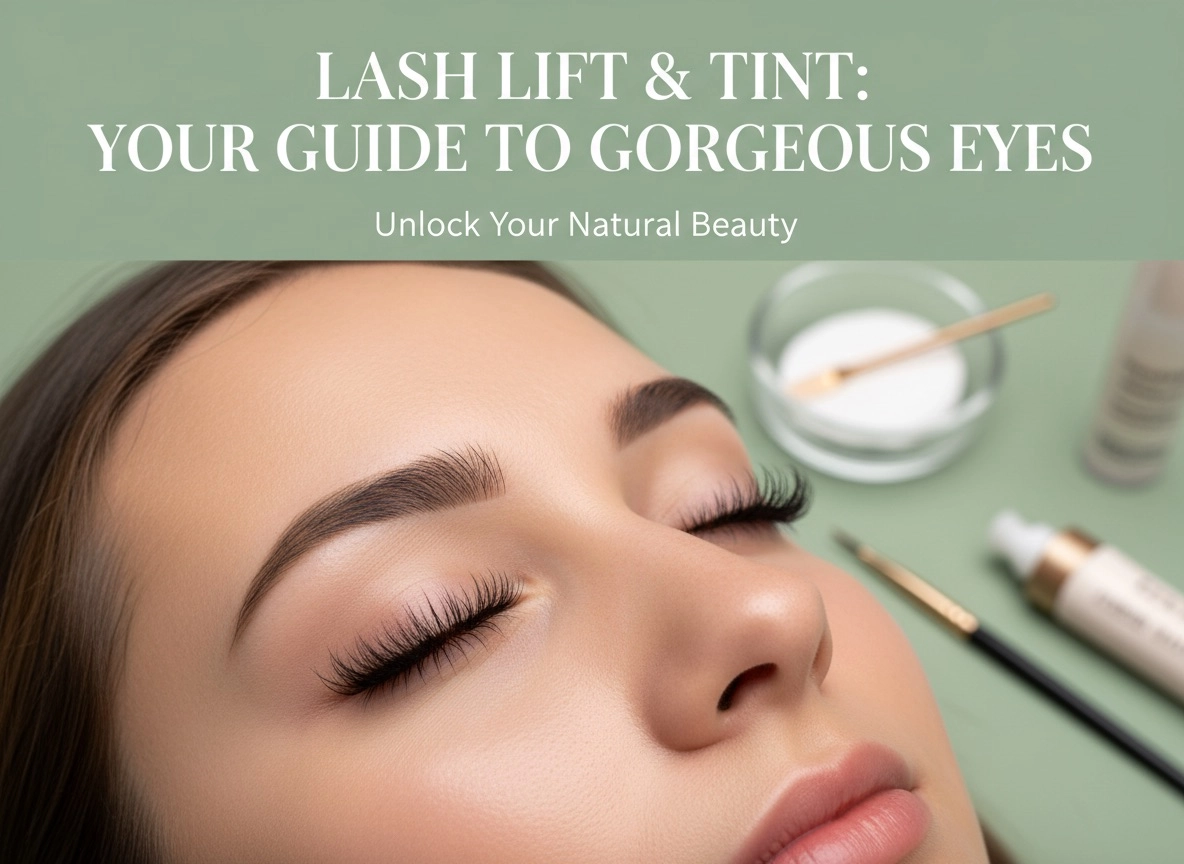
Lash Lift and Tint 2026: Your Ultimate Guide to Defined, Curled Lashes
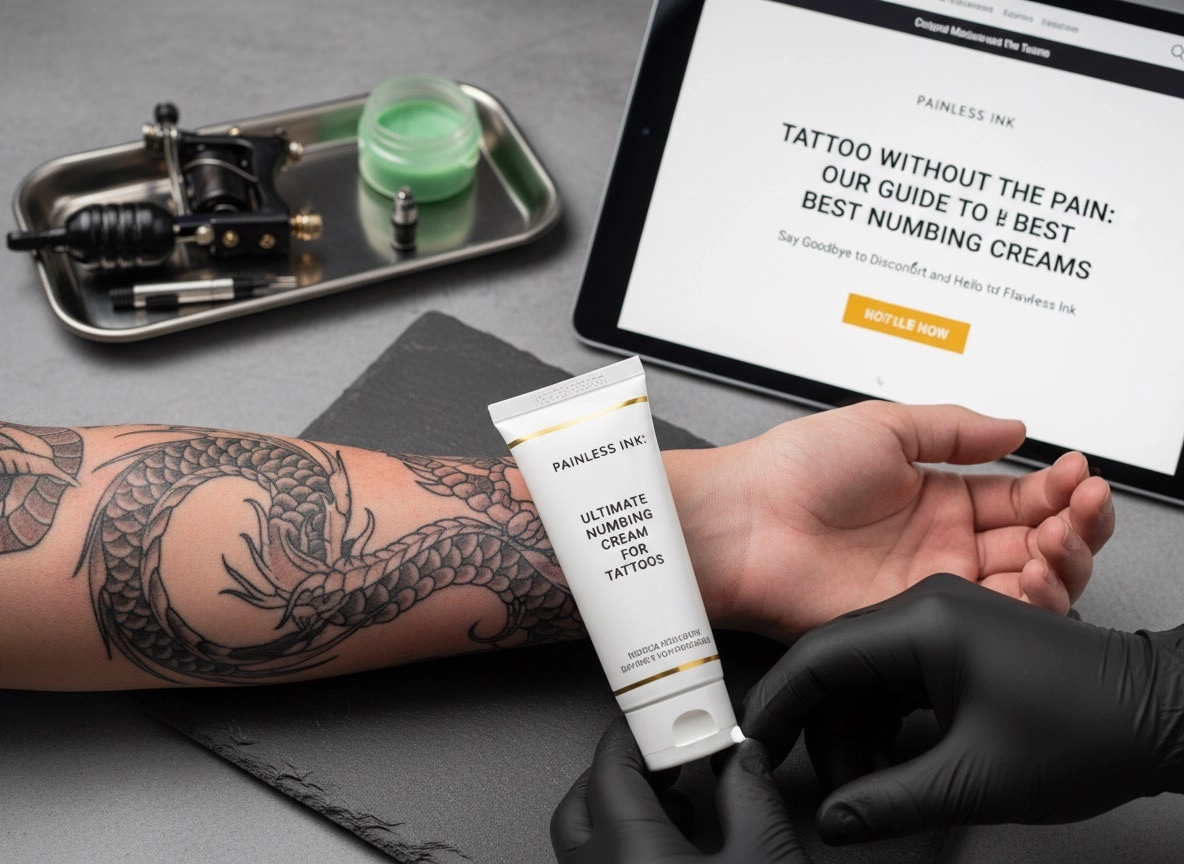
Best Numbing Cream for Tattoos 2026: The Ultimate Guide for Pain-Free Ink
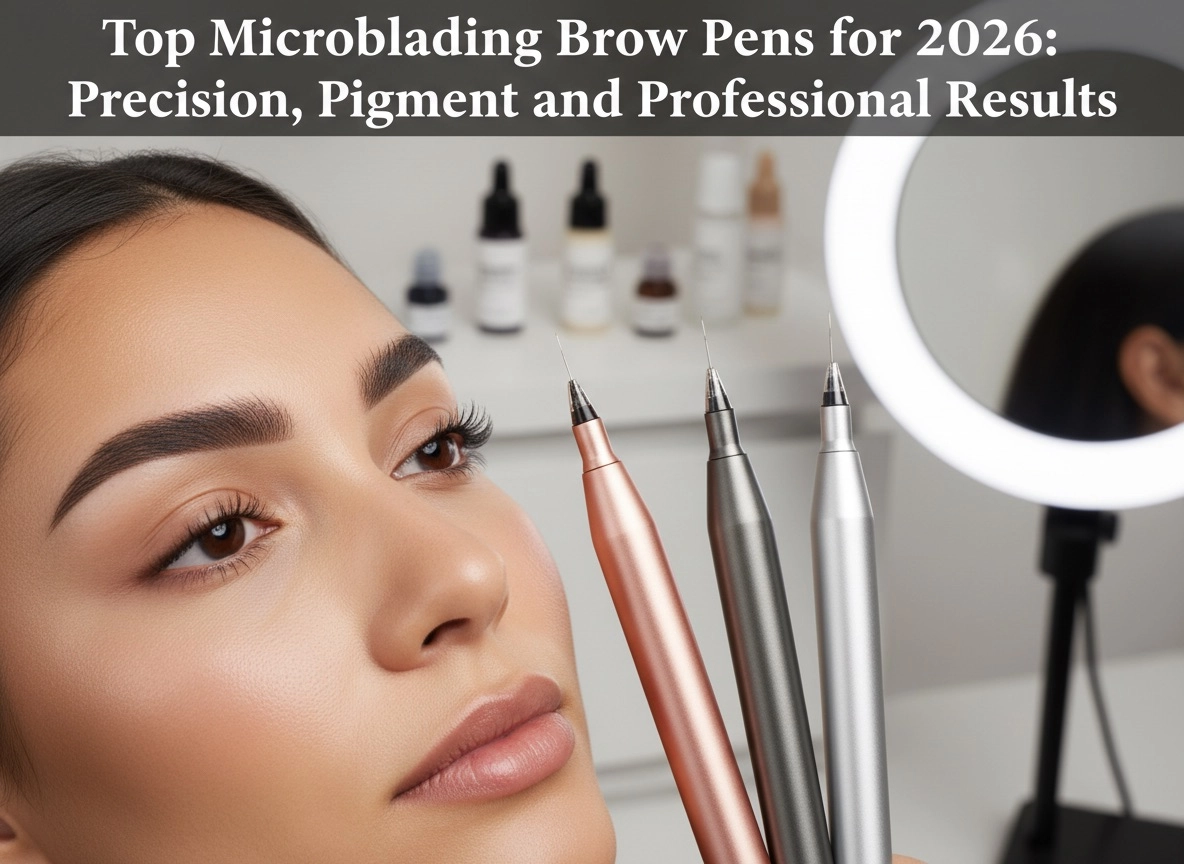
Top Microblading Brow Pens for 2026: Precision, Pigment, and Professional Results
Sample
Can I have samples before my order?
Yes, we can provide samples before you place your order. Please note that there might be a nominal charge for the samples, and you'll be responsible for the shipping costs.
For customized products,we may charge fee of sample, sample charge will be refundable upon confirmation of the order.
Perm and dyeing kit
How do I make brow lamination tint?
1. Clean eyebrows: Use warm water and facial cleansing products to clean eyebrows and surrounding skin, making sure there are no impurities and oils.
2. Shape eyebrows: Use eyebrow scissors to trim the length and shape of eyebrows as needed
3. Apply skin care oil: Apply skin care oil to the skin around eyebrows to prevent dye from getting on the skin and facilitate cleaning.
4. Mix dye: Mix dye and developer in a 1:1 ratio.
5. Apply dye: Use a small brush to apply eye brow dye evenly on eyebrows, from the beginning to the end of eyebrows, and pay attention to control the amount to avoid applying it on the skin. Wait for the appropriate time (usually 5-10 minutes) to allow the eyebrow dye to fully color.
6. Wash: Use warm water and paper towels to gently wash the dye off, and be careful not to rub the eyebrows hard.
Follow-up care
1. Avoid water washing: Avoid contact with water within 24 hours after dyeing to ensure that the color lasts.
2. Regularly touch up the color: Depending on the growth rate of the eyebrows and the fading of the color, you can touch up the color every 4-6 weeks.
Cleaning Foam Tool
Is your eyelash extension care products safe?
Yes, very safe. Safety is the first element in developing our products, our Eyelash Shampoo Cleanser has a rich foam and is waterless, so it prevents water from getting into the eyes. The ingredients are safe, friendly to sensitive eyes and are anti-allergenic. It can also be used on sensitive skin.
Lash lift kit
What is the MOQ for customization?
For logo customization, the MOQ is 2000 kits; for other in-depth customization, the MOQ will be based on your specific requirements.
250g tattoo cream
How long does the numbing product last?
Different numbing products have different duration of effect. For example, body numbing cream lasts longer than eyebrow numb tattoo cream. For the specific duration, please check the product description or contact us for more details.
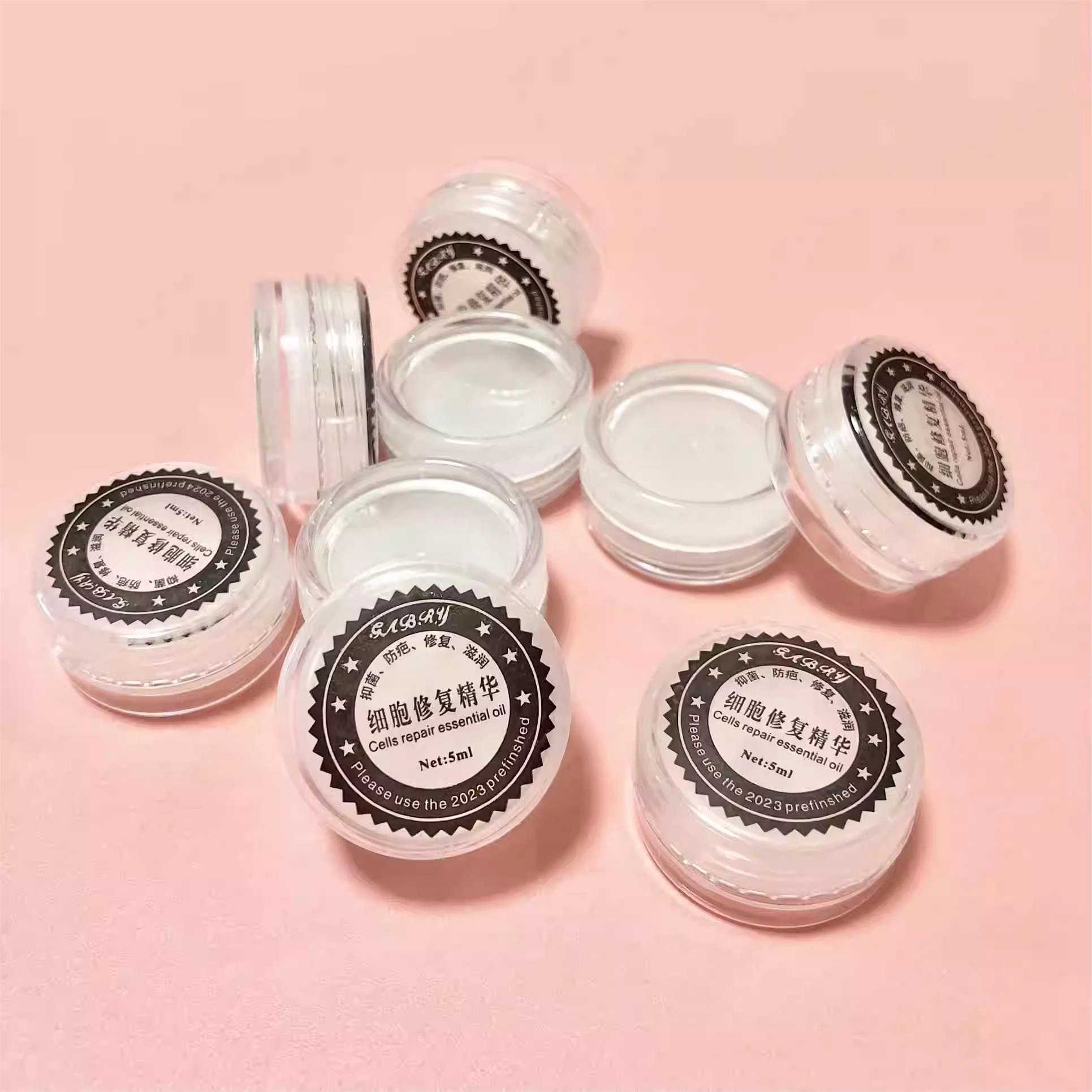
5g Cell Repair Essential Balm
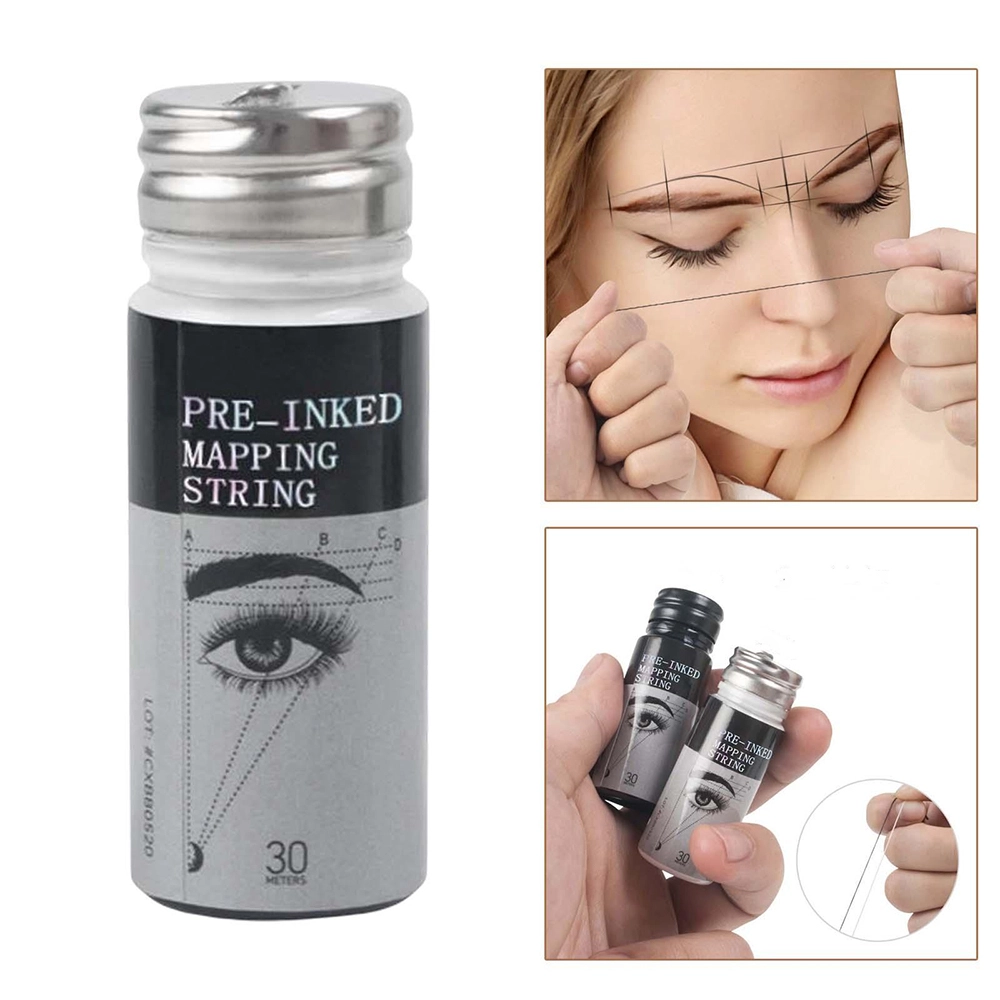
Classic Pre Inked Eyebrow Mapping String 30m
Achieve flawless brows with QM Makeup's Professional Pre Inked Eyebrow Mapping String 30m. This High Quality pre-inked mapping string ensures precise, clean lines for perfect brow mapping every time. An essential tool for professionals seeking efficiency and accuracy in their work.
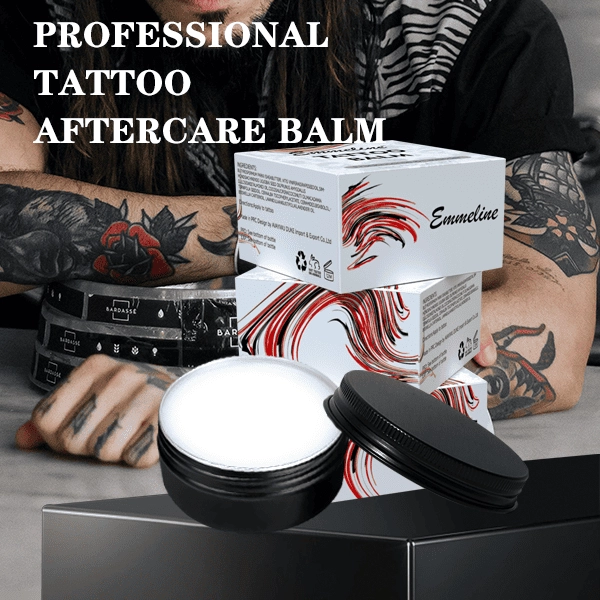
50g Body Tattoo Butter Balm
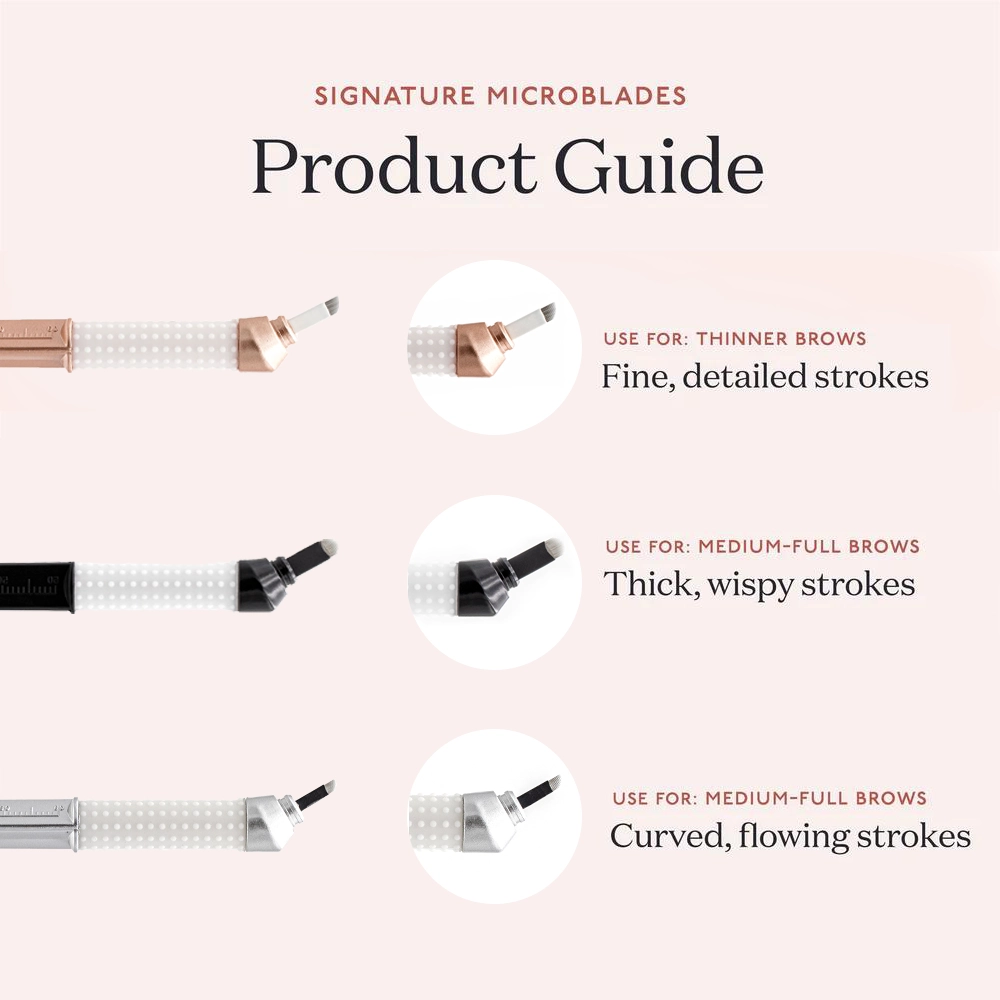
Angled Disposable Microblading Pen for Eyebrows
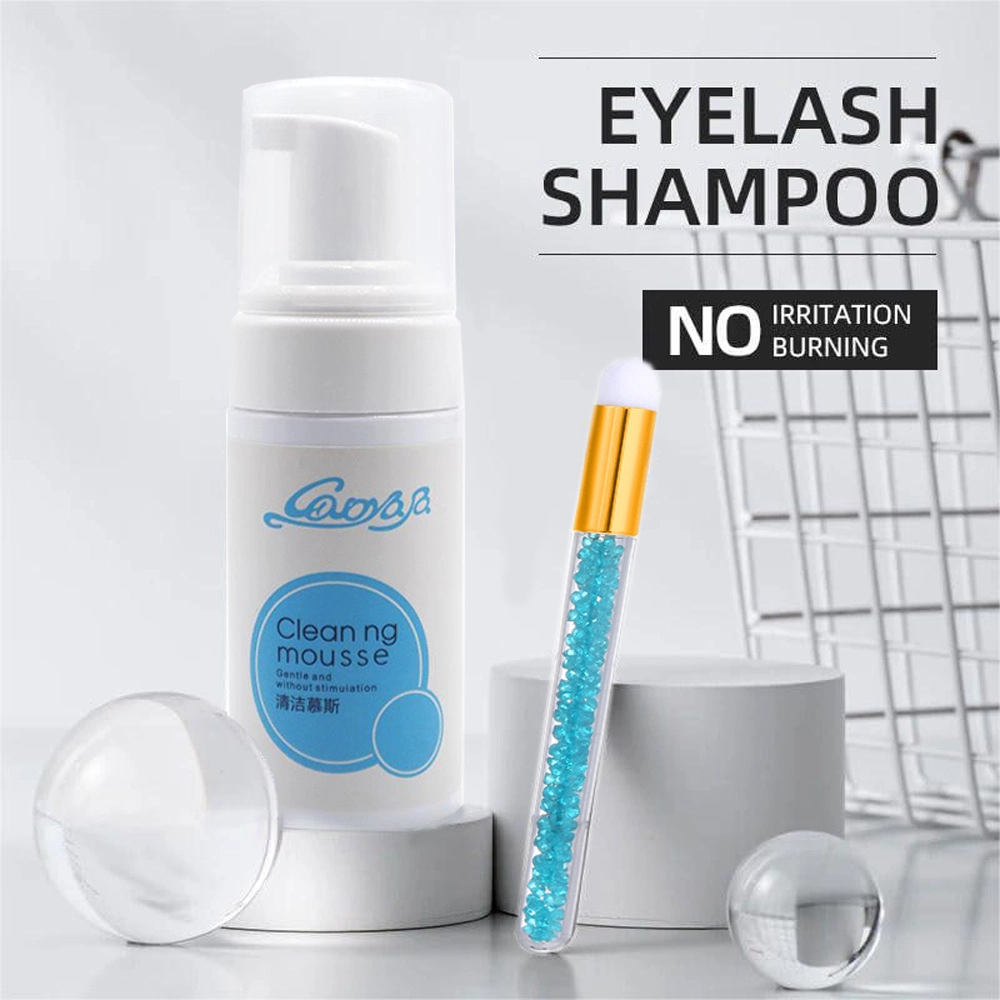
Best Eyelash Extension Cleaning Shampoo
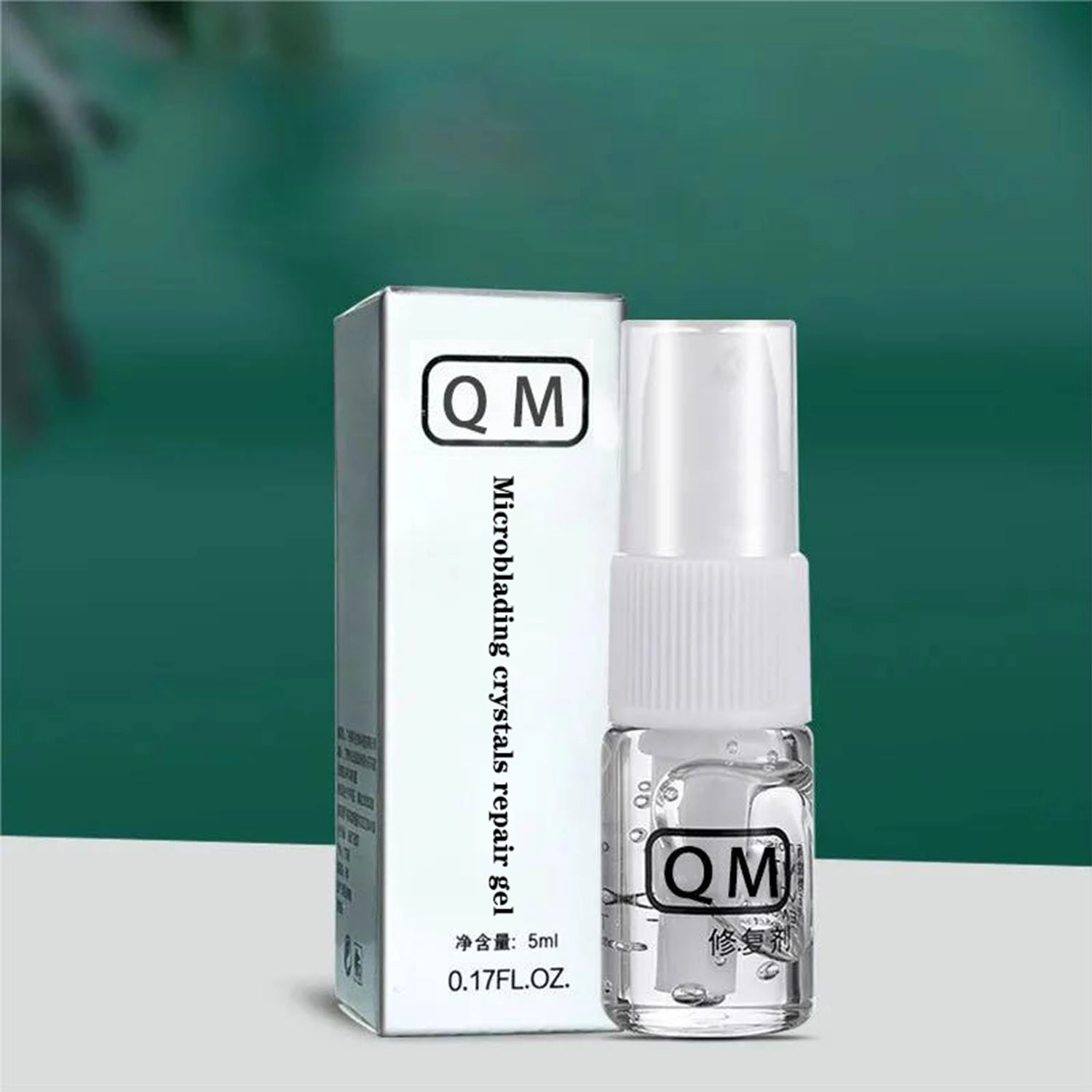
5ml Crystal Anti-scar Repair Serum Gel
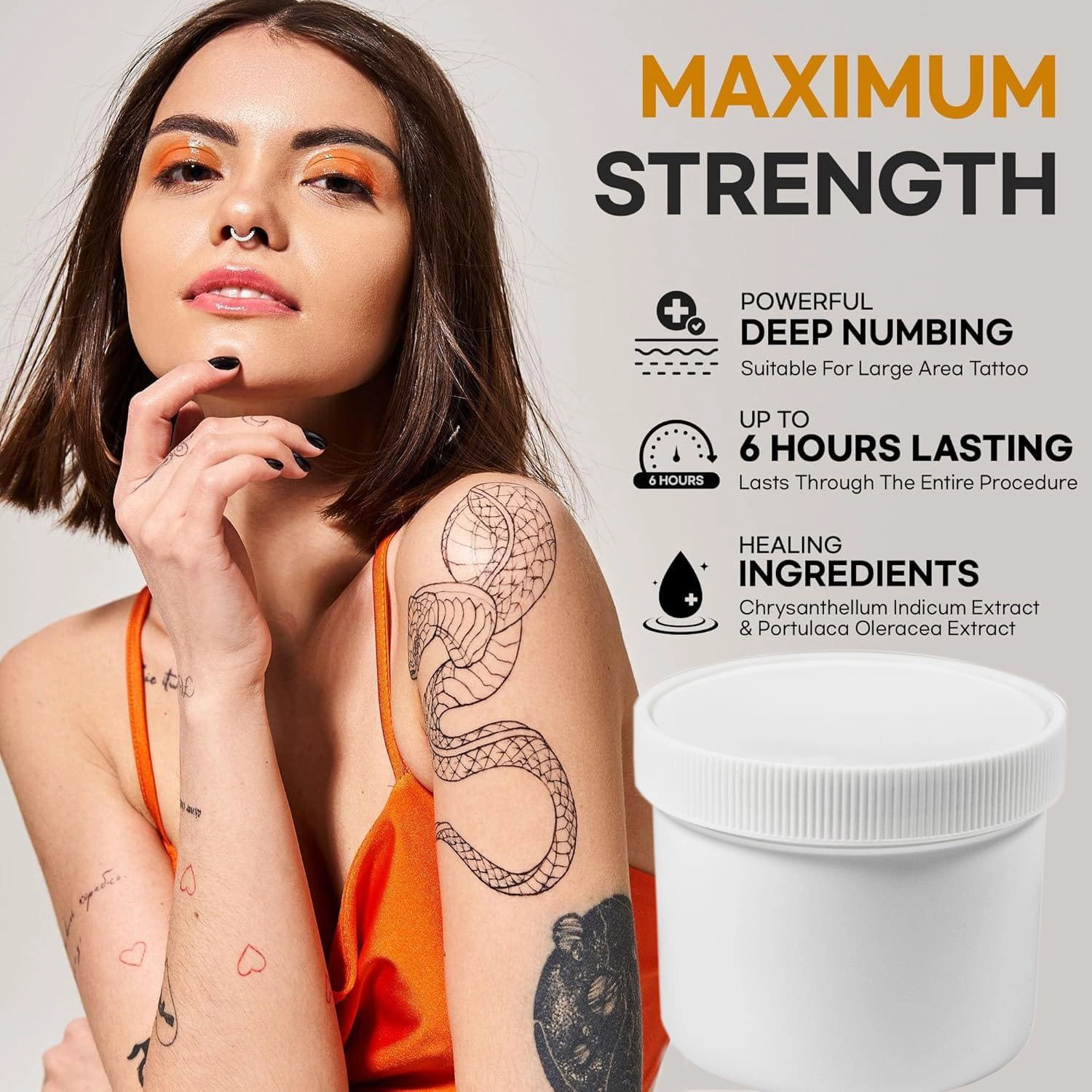
Body Use Super Numb Tattoo Numbing Cream
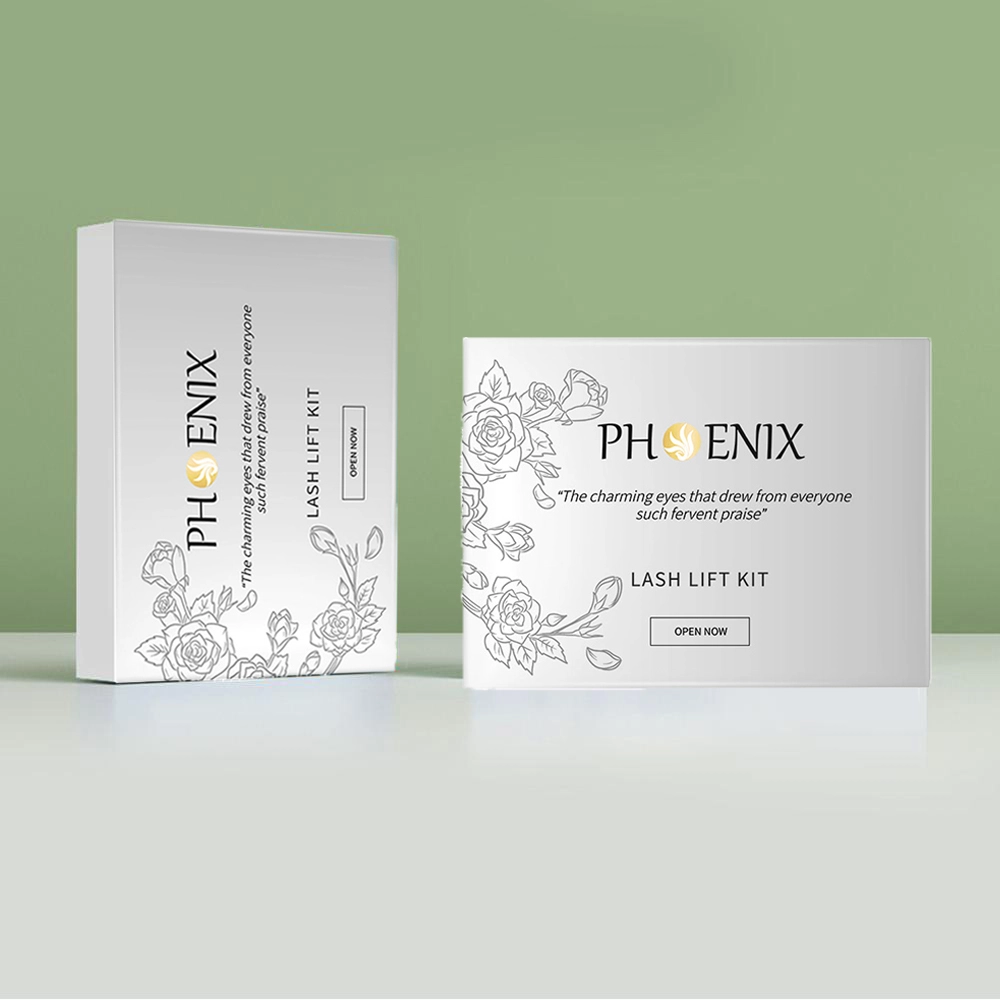
Professional Keratin Lash Lift Kit
What product do we have?

Instagram
Facebook
YouTube