


The Ultimate Guide to Tattoo Aftercare Cream: Healing & Vibrancy for 2026 and Beyond
Getting a new tattoo is an investment in art and self-expression, but the needle is only half the battle—the rest is up to how well you heal. As an industry leader producing professional wireless tattoo machines and inks since 2005, Guangzhou Qingmei Cosmetics Co., Ltd. (Qin mei) understands that even the highest quality ink needs proper aftercare to shine. This guide covers everything from tattoo healing ointment science to the future of skin regeneration.
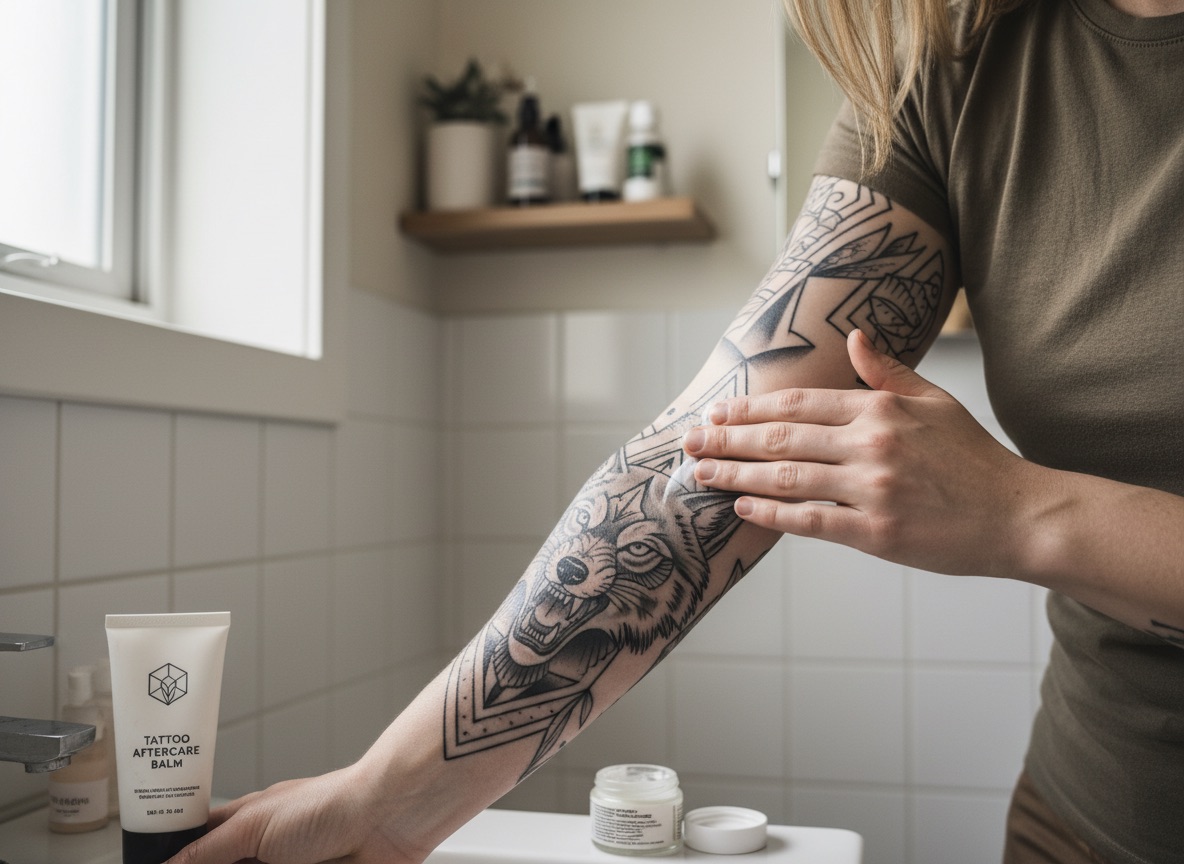
What is Tattoo Aftercare Cream and Why is it Essential?
Tattoo aftercare cream is a specialized topical product designed to moisturize, protect, and soothe freshly tattooed skin without clogging pores. Unlike standard lotions, these creams allow the skin to breathe while forming a barrier against bacteria and environmental irritants.
Your new tattoo is essentially an open wound. The right aftercare product acts as a surrogate skin barrier, preventing pathogens from entering while locking in the moisture necessary for cell regeneration. According to dermatological data, keeping a wound moist can accelerate re-epithelialization (skin regrowth) by up to 50% compared to dry healing.
Why Specialized Creams Matter
- Breathability: Standard petroleum jelly can suffocate the skin, trapping heat and bacteria.
- Infection Prevention: Quality creams often contain mild antiseptics or anti-inflammatory agents.
- Ink Preservation: Proper hydration prevents heavy scabbing, which can pull ink out of the dermis.
Quick Takeaways: Your Essential Tattoo Aftercare Checklist
- Wash Hands First: Never touch your fresh tattoo with dirty hands.
- Gentle Cleansing: Use a fragrance-free antibacterial soap before applying cream.
- Less is More: Apply a thin layer of tattoo healing ointment; the skin should look shiny, not gloopy.
- Avoid Irritants: Steer clear of alcohol, fragrances, and dyes.
- Sun Protection: UV rays are the #1 enemy of tattoo longevity (after the wound is healed).
The Science Behind Tattoo Healing: How Creams Support Recovery
Healing creams work by maintaining an optimal moisture balance (homeostasis) that allows immune cells to repair the dermis efficiently. Ingredients like Panthenol (Vitamin B5) are scientifically proven to reduce transepidermal water loss and speed up barrier restoration.
When a needle punctures the skin, it triggers an inflammatory response. Your body rushes white blood cells to the area to fight infection and close the wound. A best tattoo lotion for new tattoos supports this process by reducing excessive inflammation and preventing the skin from drying out and cracking.
Critical Healing Stages
- Hemostasis (Day 1): Clotting and initial sealing.
- Inflammation (Days 1-3): Redness and heat; requires soothing agents.
- Proliferation (Days 4-14): New tissue formation; requires intense hydration.
- Maturation (Weeks 3+): Strengthening of the skin barrier.
Key Ingredients to Look For (and What to Avoid)
The most effective tattoo aftercare products rely on biocompatible ingredients like Panthenol, Shea Butter, and Aloe Vera to promote healing without irritation. Understanding ingredient labels is the single most important skill for tattoo preservation.
Must-Have Ingredients
- Panthenol (Vitamin B5): A powerhouse that converts to pantothenic acid in the skin, known for its ability to regenerate damaged tissues and retain moisture.
- Shea Butter: A natural fat rich in Vitamins A and E that provides deep moisturization without clogging pores (non-comedogenic).
- Aloe Vera: Offers immediate cooling relief and anti-inflammatory benefits.
- Jojoba Oil: Structurally similar to human sebum, making it an excellent carrier for moisture.
- Vegan Ingredients: Vegan tattoo cream formulations are gaining popularity for avoiding animal-derived lanolin, which can be an allergen for some.
Ingredients to Avoid
- Petroleum Jelly (Vaseline): While good for minor cuts, pure petrolatum creates a 100% occlusive barrier that can trap bacteria and delay healing in fresh tattoos.
- Fragrance (Parfum): The leading cause of contact dermatitis (allergic reactions) in skincare products.
- Alcohol: dehydrates the wound and stings.
- Hydrogen Peroxide: Too harsh; destroys new healthy skin cells along with bacteria.
Types of Aftercare Products: Ointments, Creams, Balms, and Lotions
Ointments provide the strongest protective barrier for the first few days, while lotions are better suited for long-term maintenance once the tattoo begins to peel. Choosing the right texture depends on your skin type and the healing stage.
Product Breakdown
- Ointments:
- Texture: Thick, greasy, oil-based.
- Best For: The first 3-5 days when the tattoo is weeping.
- Example: A fragrance-free tattoo aftercare ointment helps seal plasma.
- Creams:
- Texture: blend of oil and water, absorbs easily.
- Best For: Days 5-14 during the peeling phase.
- Balms:
- Texture: Solid oils that melt on contact.
- Best For: Natural/Vegan preferences; provides a "second skin" feel.
- Note: Tattoo balm ingredients often include essential oils; ensure they are diluted safely.
- Lotions:
- Texture: Water-based, lightweight.
- Best For: Long-term care and daily moisturizing after the first 2 weeks.
Top-Rated Tattoo Aftercare Creams for Every Need
For superior healing, experts recommend dedicated products like Hustle Butter for natural care or Aquaphor for an accessible drug-store barrier. Do not use generic body lotions until the tattoo is fully healed.
- Best Overall: Hustle Butter Deluxe. A vegan, all-natural butter that serves as a lubricant during tattooing and a healer afterward. It reduces redness significantly.
- Best Budget: Aquaphor Healing Ointment. Widely available and effective for the first few days. Tip: Use sparingly to avoid clogging.
- Best for Sensitive Skin: Aveeno Daily Moisturizing Lotion. Fragrance-free and colloidal oatmeal-based, making it perfect for the itchy peeling phase.
- Best Vegan: Mad Rabbit Tattoo Balm. A specifically formulated vegan tattoo cream that emphasizes color enhancement and clean ingredients.
How to Apply Tattoo Aftercare Cream: A Step-by-Step Guide
Consistency and cleanliness are the two pillars of successful application; apply a thin layer 2-3 times daily for the first two weeks.
- Wash Your Hands: 67% of people report some adverse skin reaction to tattoos; many are caused by introducing bacteria from dirty hands.
- Clean the Tattoo: Use lukewarm water and mild soap. Pat dry with a clean paper towel (cloth towels harbor bacteria).
- Air Dry: Let it breathe for 5-10 minutes.
- Apply Cream: Take a pea-sized amount. Gently massage it in until it is almost invisible. If you can see white streaks, you used too much.
- Repeat: Do this morning, afternoon, and night.
The Future of Tattoo Aftercare: Innovations for 2026
The tattoo aftercare market is projected to reach over $247 million by 2033, driving innovations like smart healing patches and microbiome-friendly balms.
As we look toward 2026, we are seeing a shift from passive moisturizing to active healing:
- Smart Patches: Thin, breathable films that monitor infection markers (temperature/pH) and release moisture automatically.
- Biotech Ingredients: Use of growth factors and peptides to accelerate skin repair without scarring.
- Advanced UV Protection: New formulations that block UV rays without degrading the ink pigments, crucial as statistics show 93% of tattoo fading is due to sun exposure.
Expert Perspective: Insights from Industry Leaders like Qin mei
Quality aftercare starts with quality equipment; as a premier manufacturer of tattoo machines and inks, Qin mei emphasizes that precise pigment implantation reduces trauma and speeds up healing.
Guangzhou Qingmei Cosmetics Co., Ltd. has been at the forefront of the industry since 2005. Their facility, covering 10,000 square meters, produces everything from wireless tattoo machines to semi-permanent makeup ink. Their expertise highlights a critical truth: the less trauma caused by the needle (a result of high-quality machinery), the easier the healing process.
When you combine professional-grade equipment from manufacturers like Qin mei with a disciplined aftercare routine using the right tattoo healing ointment, you ensure that the art remains as vibrant as the artist intended.
Conclusion
Your tattoo is a permanent modification to your body, and its longevity depends entirely on how you treat it in the first few weeks. By choosing a fragrance-free tattoo aftercare product, avoiding harmful petroleum barriers, and following a strict hygiene routine, you protect your investment. Whether you opt for a high-end vegan tattoo cream or a trusted dermatologist-recommended lotion, consistency is key.
FAQ
Can I use Vaseline or Aquaphor on my new tattoo?
Aquaphor is generally safe for the first 3 days, but Vaseline (100% petroleum jelly) is not recommended. Vaseline is non-breathable and can trap bacteria or suffocate the wound. Aquaphor allows for slight air exchange but should still be applied very thinly.
How often should I put cream on my new tattoo?
Apply a thin layer of aftercare cream 2-3 times a day for the first 2-4 weeks. Listen to your skin; if it feels tight or dry, apply a small amount. Do not over-moisturize, as this can lead to "bubbling" or clogged pores.
What are the signs of an infected tattoo?
Redness spreading outward, excessive swelling, pus, or heat radiating from the tattoo after Day 3 are signs of infection. If you experience fever or red streaks, seek medical attention immediately. Infection rates are low (0.5% - 6%), but they require professional treatment.
Is it better to use a cream or a lotion for tattoo aftercare?
Use an ointment or thick cream for the first week, then switch to a lotion. Ointments provide the heavy-duty protection needed for an open wound, while lotions are better for hydrating the peeling skin without over-saturating it.
Are there specific aftercare creams for sensitive skin?
Yes, look for products labeled "hypoallergenic" and "fragrance-free." Ingredients like chamomile, aloe vera, and colloidal oatmeal are excellent for sensitive skin types to reduce itching and irritation.
References
- What is Tattoo Aftercare Cream and Why is it Essential?
- Why Specialized Creams Matter
- Quick Takeaways: Your Essential Tattoo Aftercare Checklist
- The Science Behind Tattoo Healing: How Creams Support Recovery
- Critical Healing Stages
- Key Ingredients to Look For (and What to Avoid)
- Must-Have Ingredients
- Ingredients to Avoid
- Types of Aftercare Products: Ointments, Creams, Balms, and Lotions
- Product Breakdown
- Top-Rated Tattoo Aftercare Creams for Every Need
- How to Apply Tattoo Aftercare Cream: A Step-by-Step Guide
- The Future of Tattoo Aftercare: Innovations for 2026
- Expert Perspective: Insights from Industry Leaders like Qin mei
- Conclusion
- FAQ
- Can I use Vaseline or Aquaphor on my new tattoo?
- How often should I put cream on my new tattoo?
- What are the signs of an infected tattoo?
- Is it better to use a cream or a lotion for tattoo aftercare?
- Are there specific aftercare creams for sensitive skin?
- References
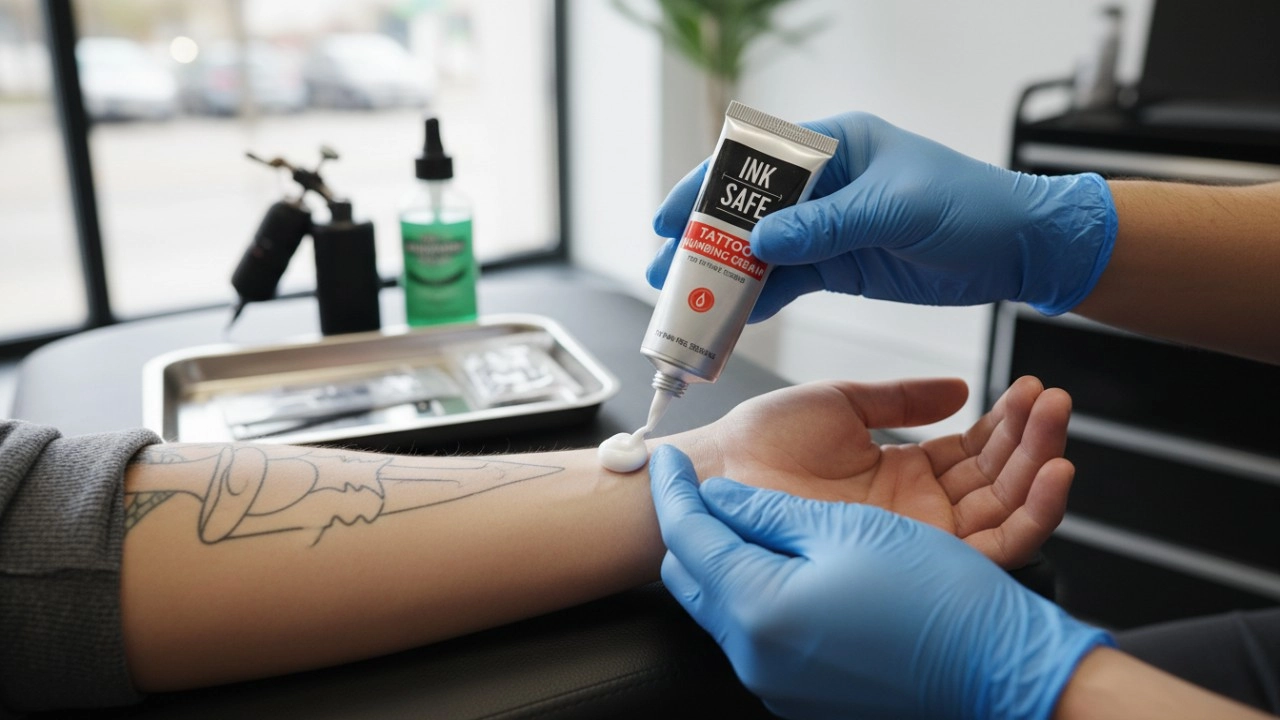
10 Best Numbing Creams for Tattoos in 2026: Ranked by Pain Relief and Safety
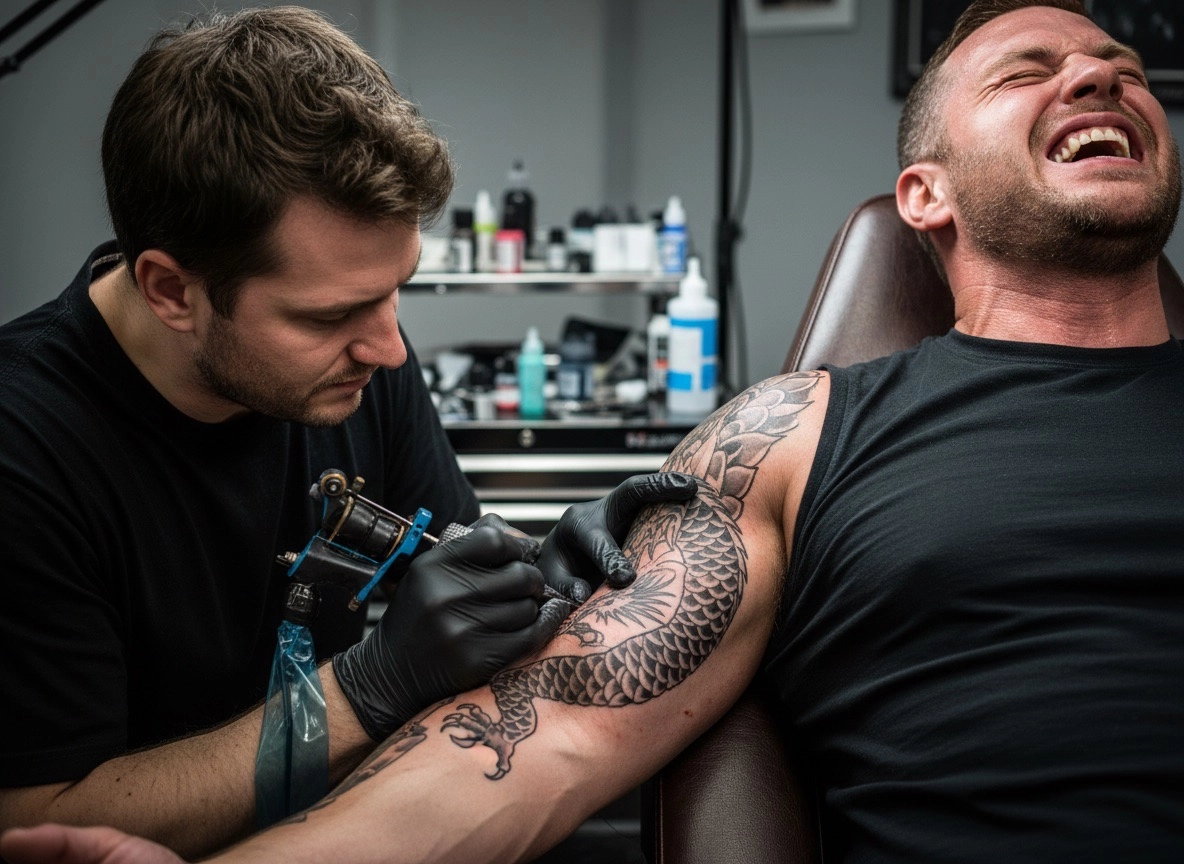
Does Numbing Cream Work for Tattoos? The Ultimate Guide to a Pain-Free Session
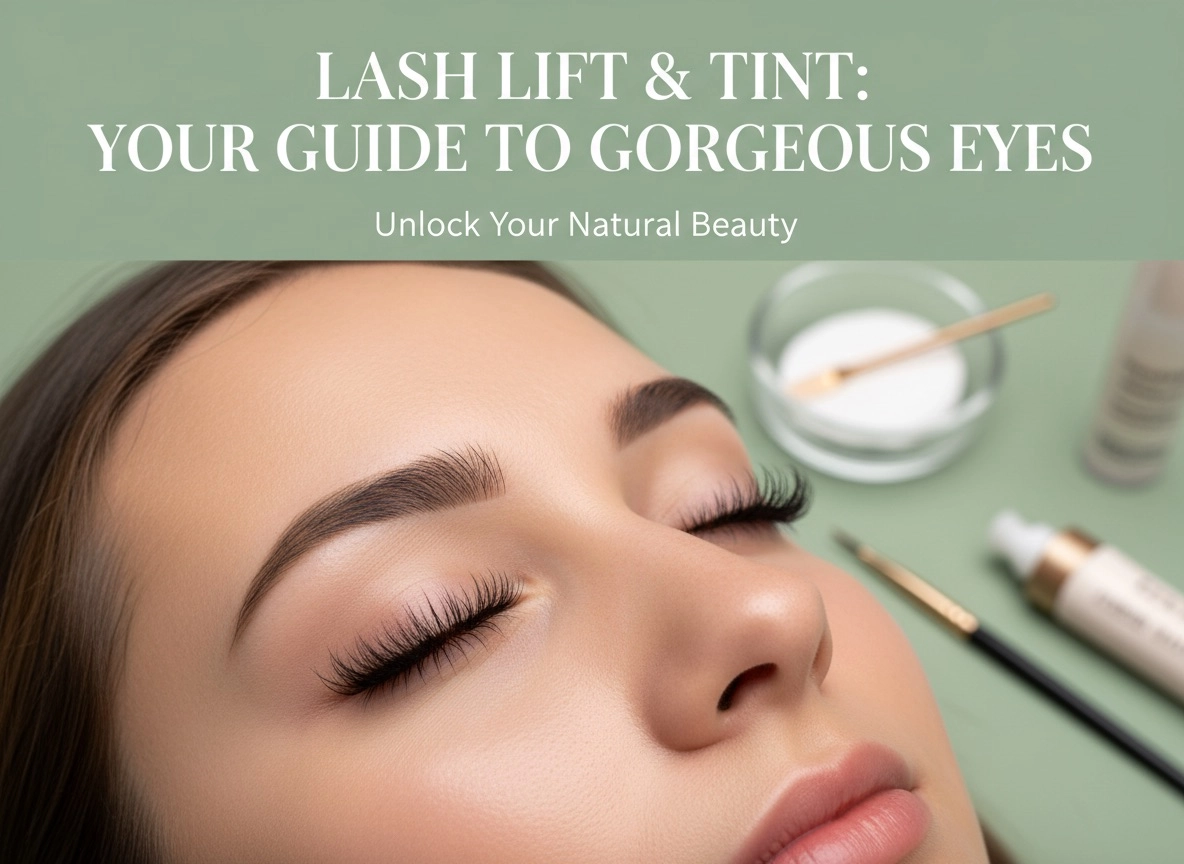
Lash Lift and Tint 2026: Your Ultimate Guide to Defined, Curled Lashes
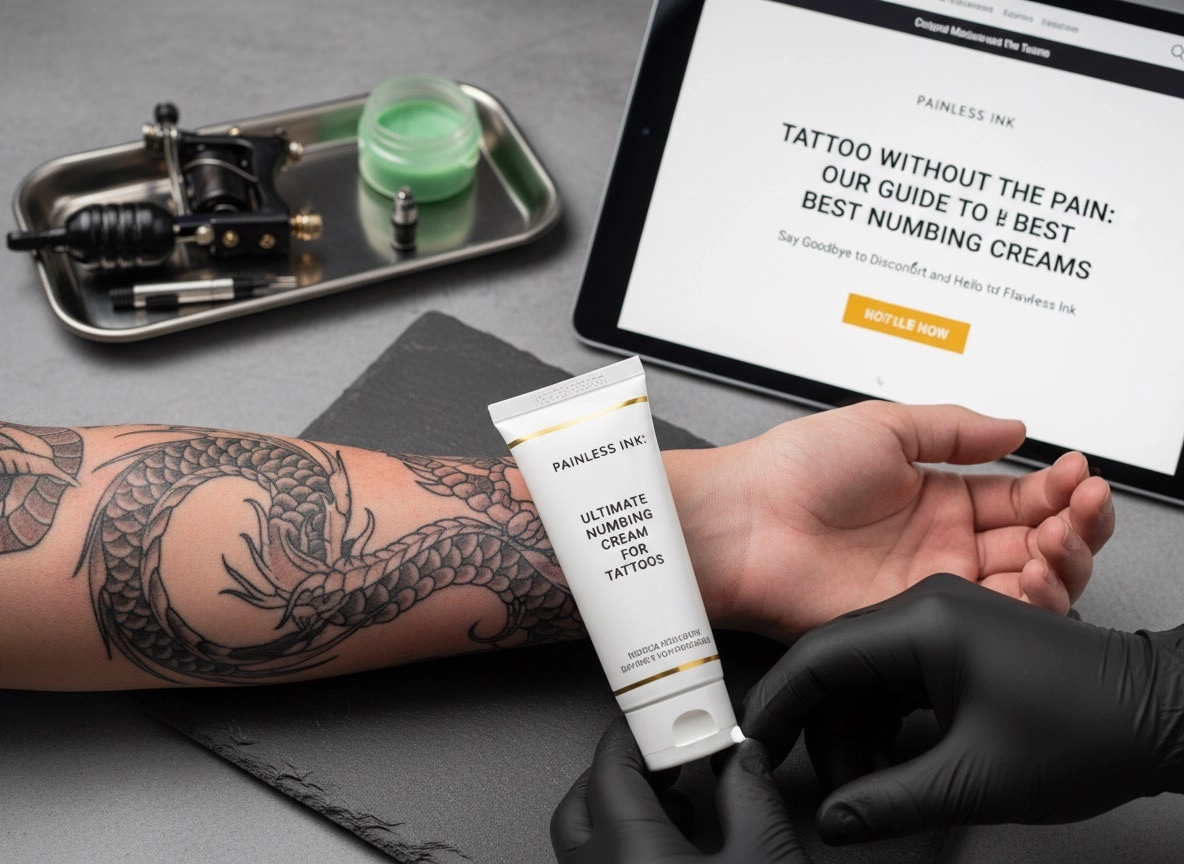
Best Numbing Cream for Tattoos 2026: The Ultimate Guide for Pain-Free Ink
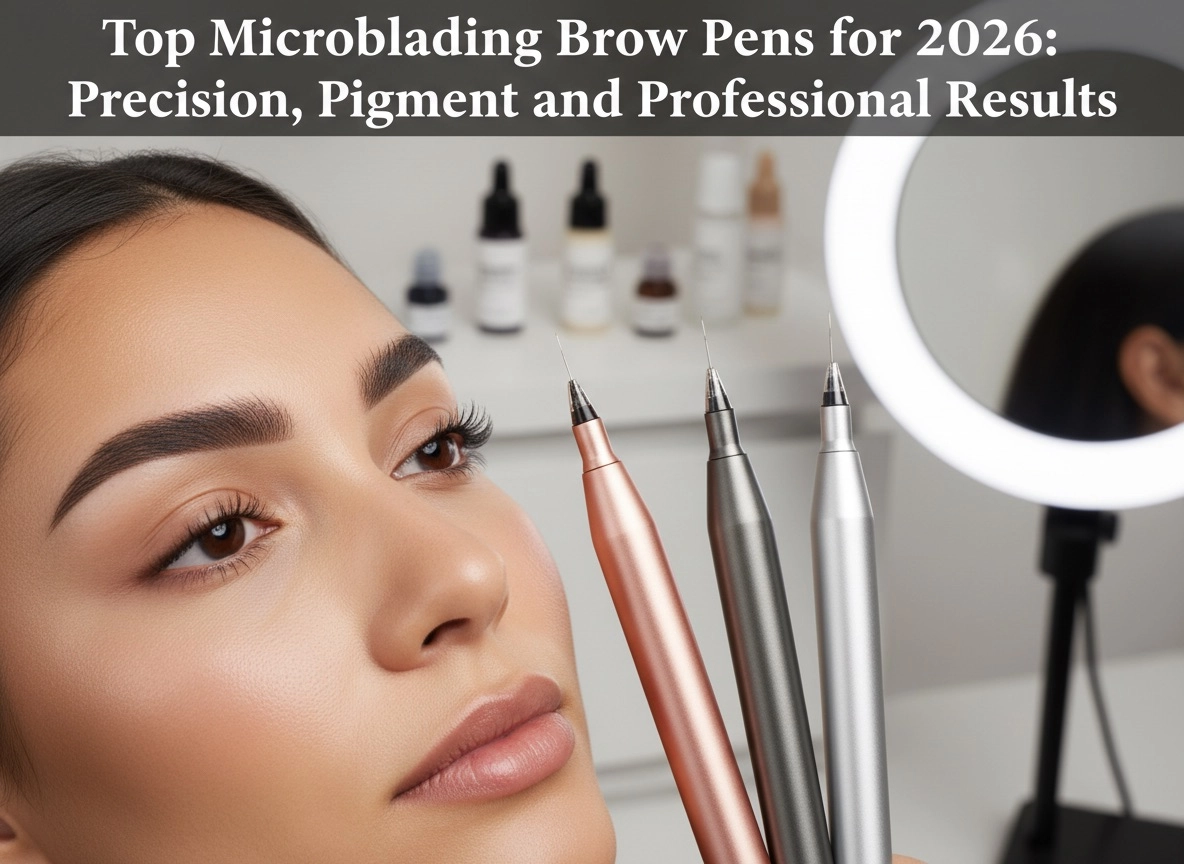
Top Microblading Brow Pens for 2026: Precision, Pigment, and Professional Results
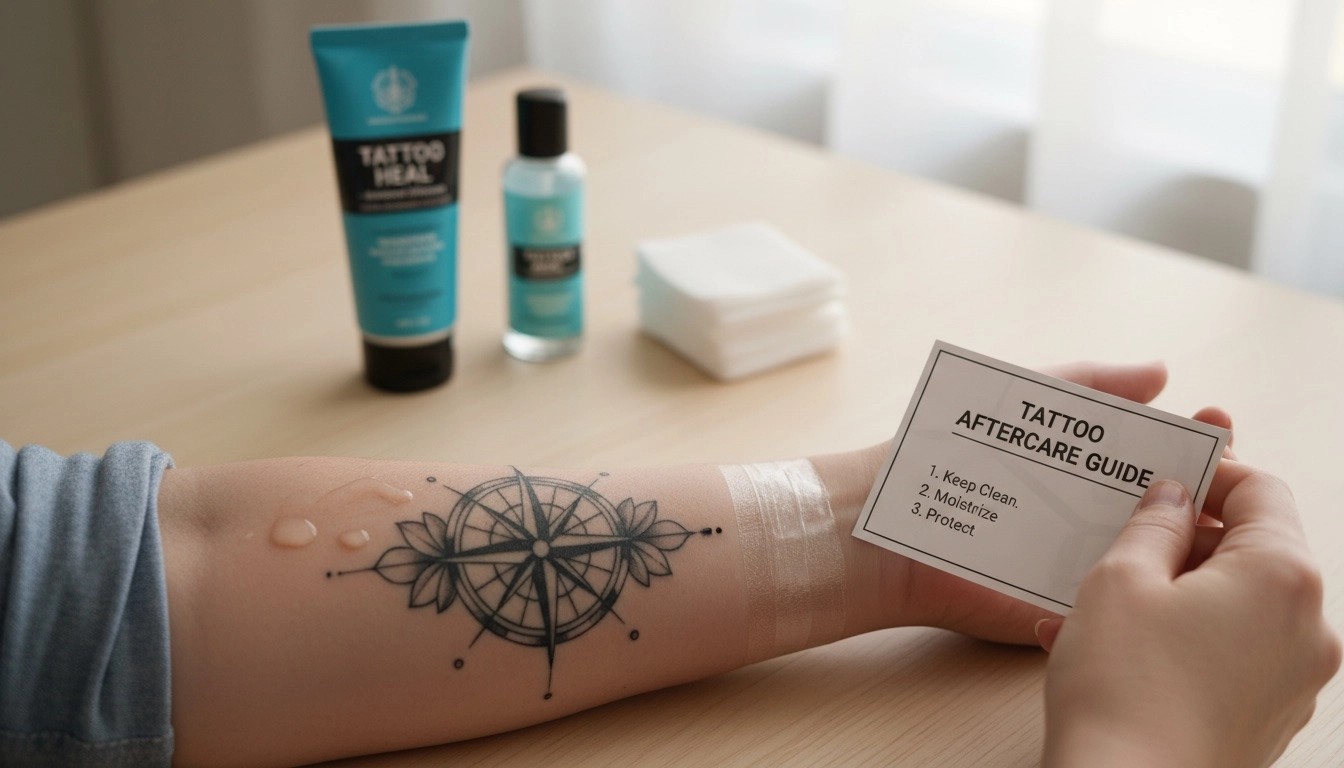
Ultimate Tattoo Aftercare Instructions 2026: Your Expert Guide to Flawless Healing
Logistics
When will my order ship?
We ship from our warehouse in Guangzhou, China. The standard order preparing time is typically 5-7 days.
Customization or Production: If the product needs to be customized or produced, the shipping time will depend on the production cycle, which may take 7 days to several weeks.
Tattoo aftercare
How often should I use the microblading repair product for best tattoo aftercare results?
It is recommended to apply the repair twice a day, morning and evening, for 1-2 weeks for best aftercare for tattoo results. Continuous use will help promote healing and extend the life of semi permanent makeup tattoos.
Perm and dyeing kit
How long does the lash lift tint and brow tint effect last?
The effect for eyelash tinting and brow tinting can last for 6-8 weeks, during which time you can carry out water activities normally. Generally, after 6-8 weeks, the eyelashes and eyebrows will return to their original state, at which time you can arrange for a new tinting treatment.
Eyelash lifting
How long does the lash lift glue balm get dry?
On average, glue balm will dry in about 15 seconds, which is slower than liquid glue. Therefore, glue balm is more friendly to beginners, and it can provide more time for beginners to adjust the eyelashes when operation.
After sales support
What after-sales services do you have?
We provide warranty for microblading machines, microblading pigments, microblading needles, microblading aftercare, tattoo numbing cream, eyelash glue, and eyelash lift kits within the shelf life. Proof of purchase and batch number are required to apply for warranty.
For microblading machines, non-human damage, all tattoo machines have a one-year manufacturer's warranty from the date of purchase.
Warranty service is only for quality problems caused by non-human factors while the product is still within the shelf life. Product deterioration and product failure caused by improper operation or storage are not covered by the warranty.
Microblading Pre-inked Mapping String Line 10m
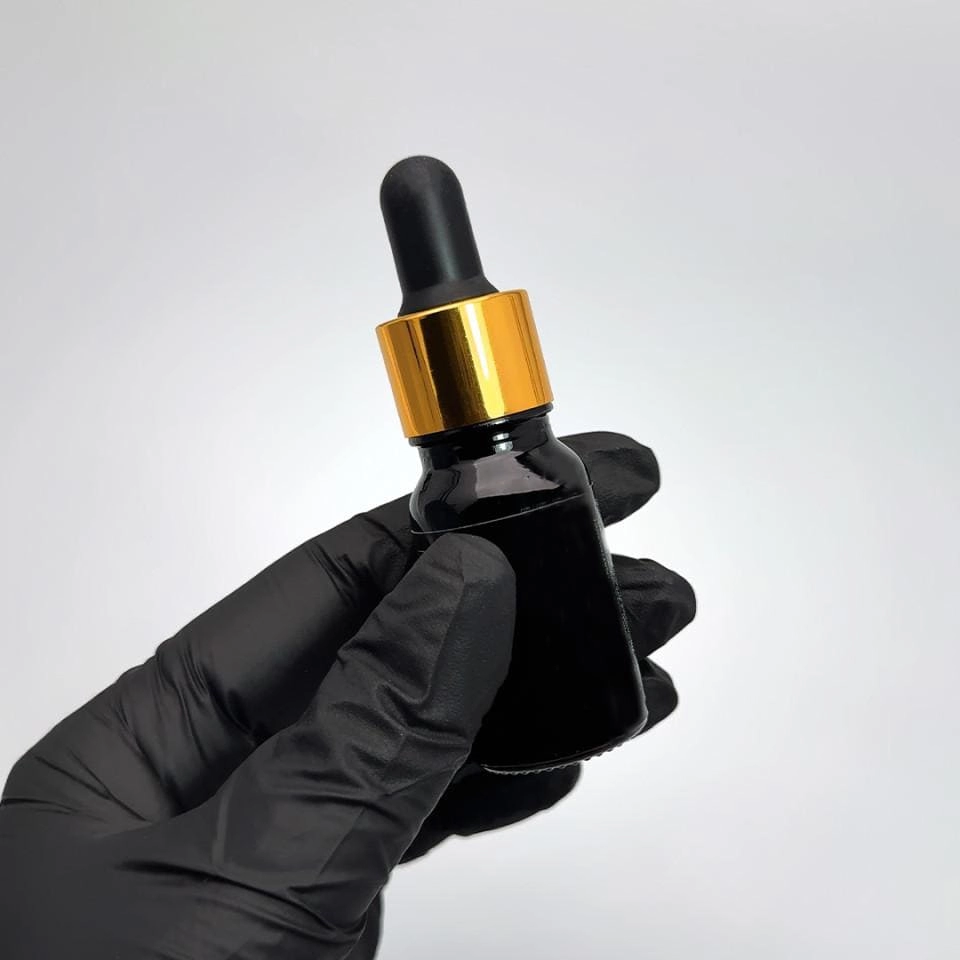
15 Mins Super Numb Tattoo Numbing Essence
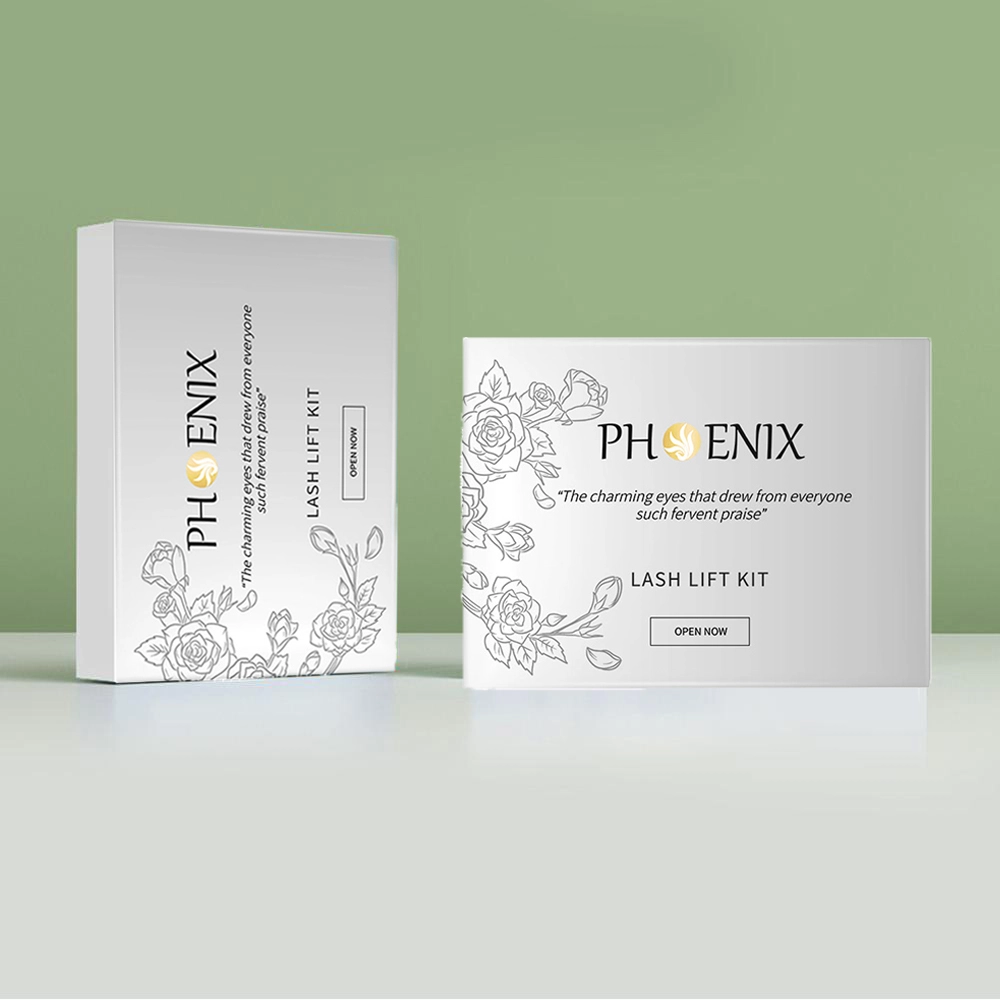
Professional Keratin Lash Lift Kit
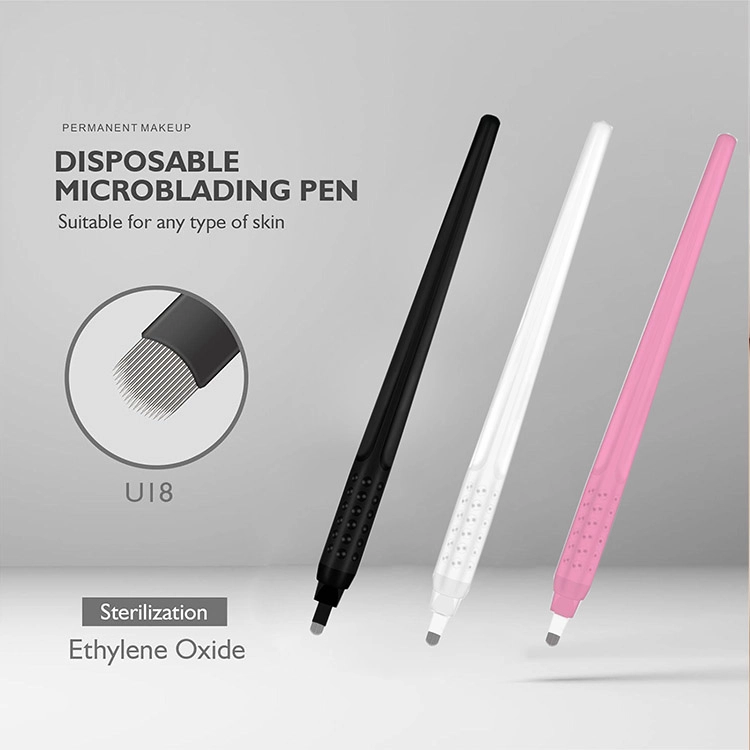
Disposable Microblading Pen
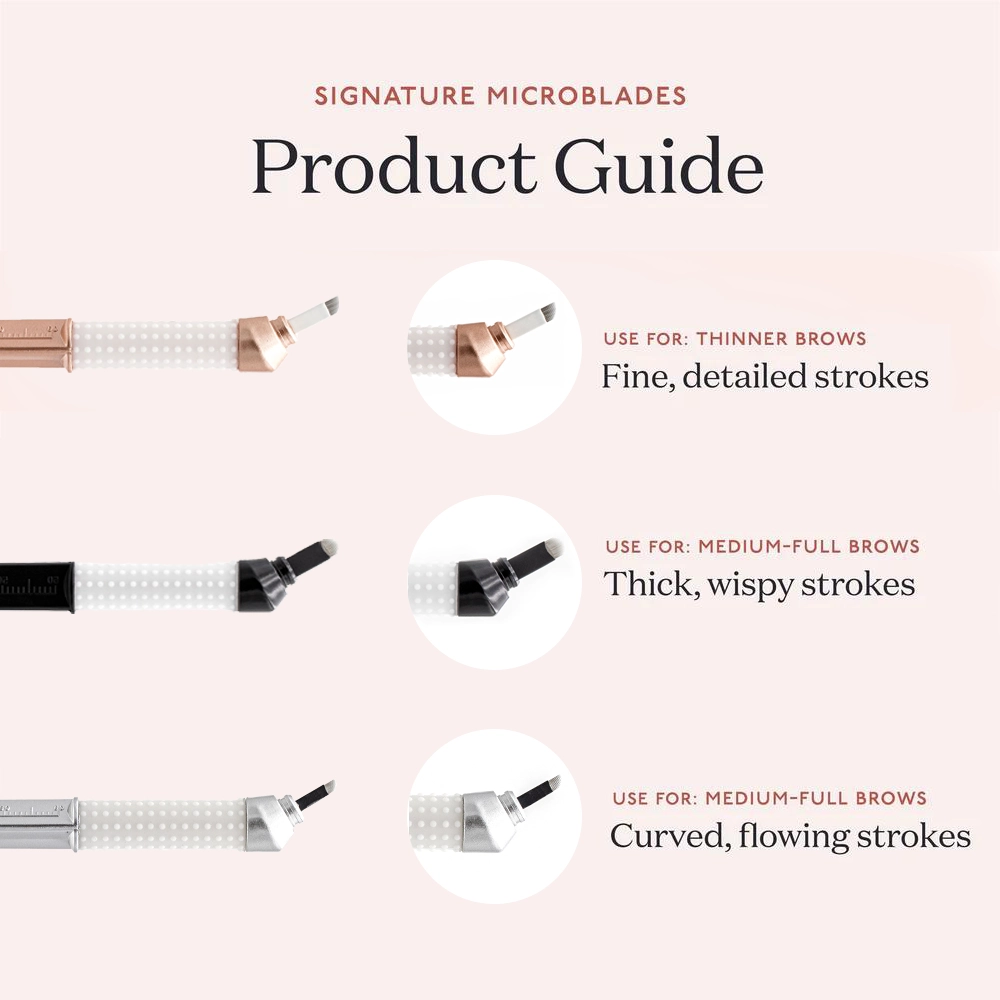
Angled Disposable Microblading Pen for Eyebrows
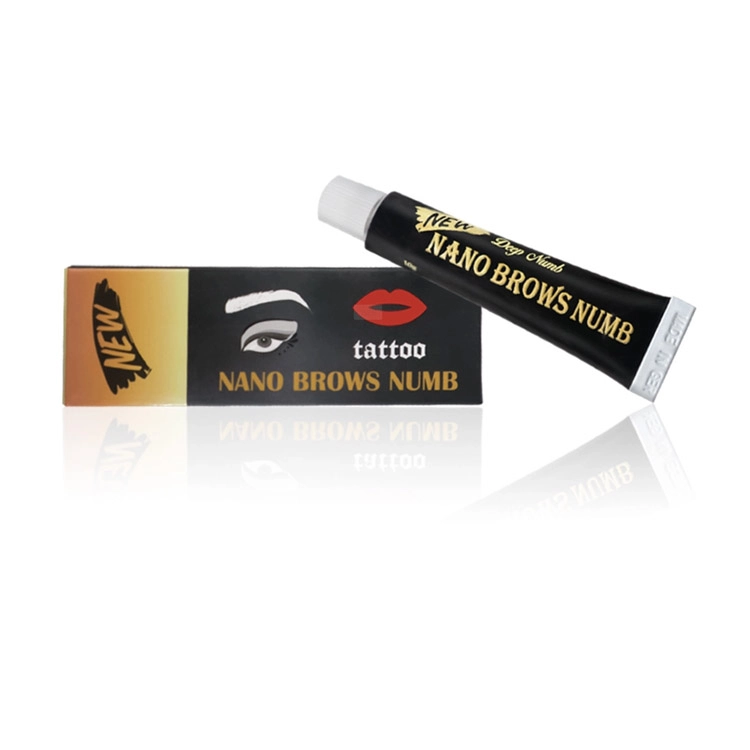
Nano Brows Numb Cream For Tattoo
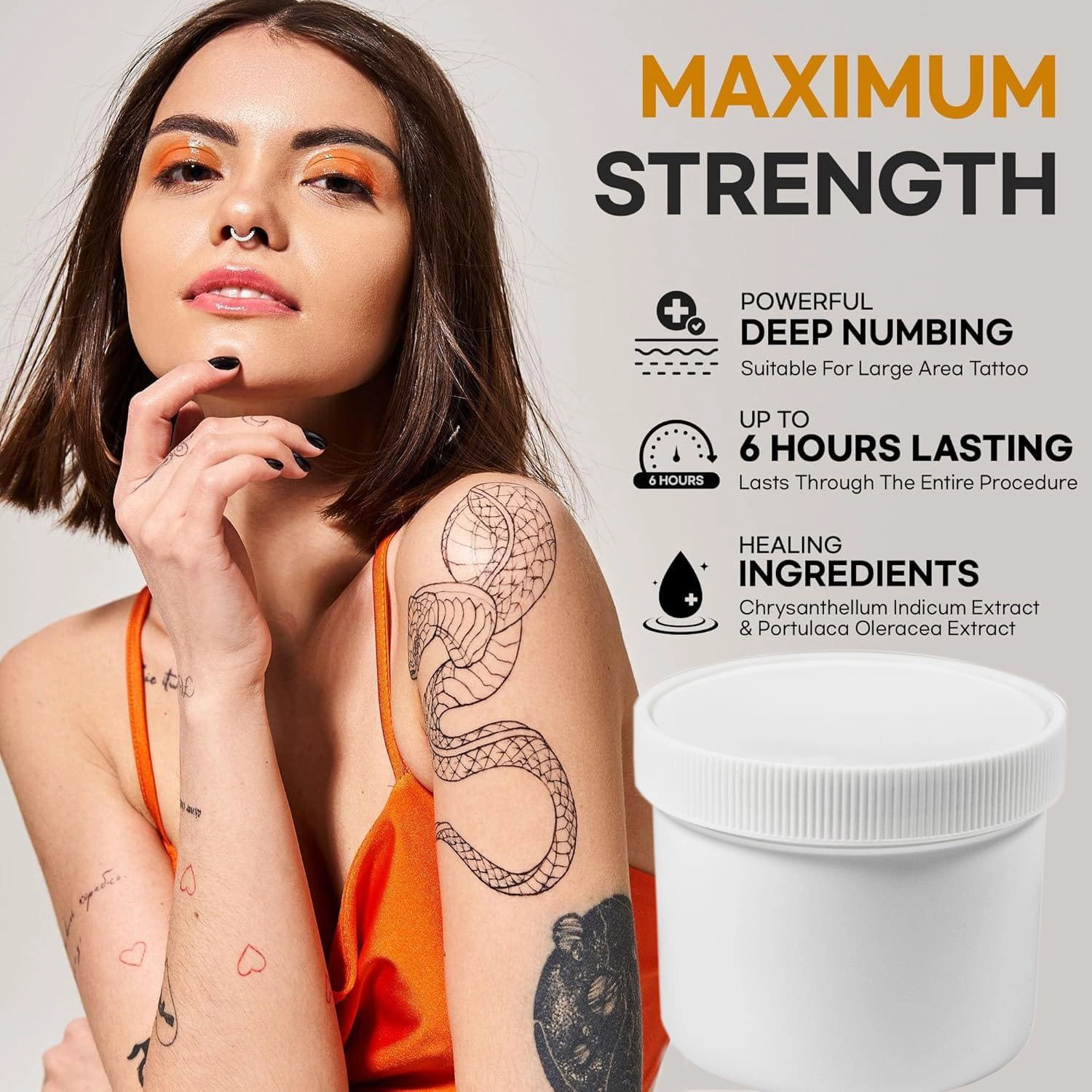
Body Use Super Numb Tattoo Numbing Cream
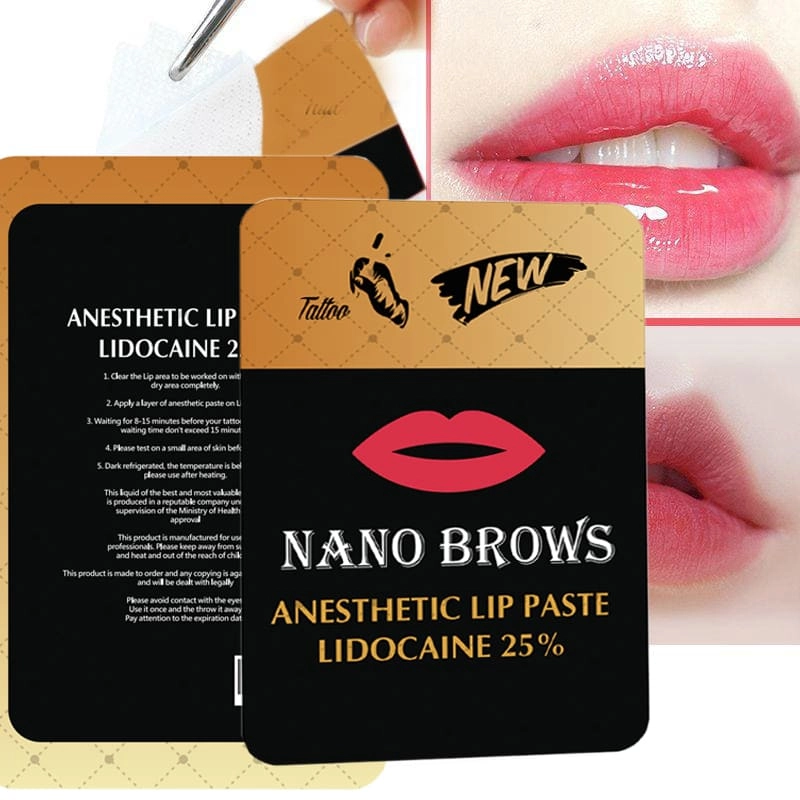
15 Mins Fast Numbing Lip Patches
What product do we have?

Instagram
Facebook
YouTube