


Ultimate Tattoo Aftercare Instructions 2026: Your Expert Guide to Flawless Healing
Introduction: Why Proper Tattoo Aftercare is Crucial for Lasting Art
Congratulations on your new tattoo! The artist's work is only half the journey; proper aftercare is paramount for preserving its vibrancy and ensuring healthy healing. A fresh tattoo is essentially an open wound, and how you treat it in the first few weeks determines the longevity of the artwork.
As leaders in the semi-permanent makeup and tattoo beauty industry since 2005, Guangzhou Qingmei Cosmetics Co., Ltd. (Qin mei) understands the entire lifecycle of a tattoo. From manufacturing professional-grade equipment like wireless tattoo machines and high-quality semi-permanent makeup inks, we know that the best results come from a combination of superior tools and diligent post-procedure care.
This comprehensive guide provides expert-backed instructions for tattoo aftercare to help you protect your investment and ensure your new art heals beautifully. Following these instructions meticulously will minimize risks of infection, promote faster recovery, and maintain the aesthetic quality of your tattoo for years to come.
Immediate Aftercare: The First 24-48 Hours
The first few hours are critical for setting the stage for a complication-free healing process.
- Bandage Removal: Carefully remove the artist's bandage. According to most professional artists and medical advice, this is typically done after 1-2 hours for traditional plastic wrap. However, if your artist used a specialized medical-grade adhesive film (like Saniderm), it might stay on for several days. If the bandage adheres to the skin, gently wet it with lukewarm water to loosen the adhesive.
- First Wash: Wash your hands thoroughly with an antibacterial soap before touching the area. Gently cleanse the tattooed area with a mild, fragrance-free antibacterial liquid soap and lukewarm water, using only clean fingertips.
- Purpose of First Wash: The goal is to remove any excess blood, plasma, and leaked ink. As stated by the Mayo Clinic, keeping the area clean is the first line of defense against infection. Avoid scrubbing, harsh cloths, or loofahs, as these can cause severe irritation to the sensitized skin.
- Drying: Pat the tattoo gently with a clean paper towel. Avoid fabric towels, which can harbor bacteria and leave behind lint. Allow the area to air dry completely for 10-15 minutes before applying any product.
Ongoing Aftercare: Washing & Moisturizing Routine (Weeks 1-4)

During the first month, your tattoo will go through several healing stages, including oozing, itching, and peeling.
- Washing Frequency: Clean your tattoo 2-3 times daily, especially after activities that may cause sweating or dirt accumulation. Consistency is key to preventing bacterial buildup.
- Moisturizing: Once the tattoo is completely dry, apply a very thin layer of unscented, non-comedogenic lotion or a specialized tattoo aftercare ointment (e.g., Aquaphor or Vitamin A&D ointment).
- Application: Less is more. A thin, breathable layer is essential. Over-moisturizing can "suffocate" the tattoo, leading to clogged pores and bacterial growth.
- Switching Products: Many professionals recommend starting with an ointment for the initial 3-5 days, then transitioning to a lighter, fragrance-free lotion for the remainder of the healing period.
- What to AVOID: Strictly avoid petroleum-based products like Vaseline or Neosporin. According to the American Academy of Dermatology (AAD), petroleum jelly can trap moisture and bacteria, potentially causing infection and fading the ink. Also, avoid hydrogen peroxide and rubbing alcohol, as they can damage healing tissue.
Protection and Lifestyle Adjustments During Healing
Your daily habits play a significant role in how well your tattoo heals.
- Sun Exposure: Avoid direct sunlight and tanning beds completely for at least 2-4 weeks. UV rays are the number one enemy of fresh ink. Once healed, consistently use broad-spectrum sunscreen with an SPF of 30 or higher, as recommended by the American Academy of Dermatology.
- Soaking & Submerging: No baths, swimming pools, hot tubs, saunas, or prolonged showers for at least 2-3 weeks. Submerging your tattoo in standing water can introduce dangerous bacteria and increase the risk of infection.
- Clothing: Wear loose-fitting, clean clothing over your new tattoo. Tight clothes can cause friction, irritation, and even pull off scabs prematurely.
- Picking & Scratching: Resist the urge to pick, scratch, or peel scabs. Doing so can pull out ink, lead to scarring, and cause permanent damage to the design.
- Strenuous Activity: Avoid excessive sweating and strenuous workouts during the initial healing phase (first few days) to prevent irritation and minimize exposure to gym bacteria.
- Hydration: Stay well-hydrated by drinking plenty of water. Hydrated skin heals faster and retains its elasticity better.
Specific Considerations for Semi-Permanent Makeup Aftercare
For those who have utilized Qin mei’s advanced microblading machines or semi-permanent makeup inks for eyebrows, eyeliner, or lip blush, the aftercare requires extra delicacy.
- Gentle Approach: Facial skin is thinner and more sensitive. Aftercare for semi-permanent makeup often involves an even gentler touch than body tattoos.
- Product Recommendations: Use only specific aftercare products recommended by your technician. These are typically lighter balms or serums designed specifically for facial use.
- Avoiding Makeup: Refrain from applying traditional makeup directly on or around the tattooed area for at least 7-10 days. Makeup brushes can harbor bacteria, and products can clog the healing skin.
- Facial Washing: Be extra cautious when washing your face. Avoid direct scrubbing or harsh rubbing of the treated area. Use a splash-washing technique or carefully clean around the area with a cotton pad.
- Expert Guidance: Given Qin mei's specialization in the research and development of semi-permanent makeup products, we emphasize that adhering to these precise aftercare steps is critical for color retention and definition in delicate areas like the eyes and lips.
Recognizing Signs of Infection and When to Seek Medical Help
While rare with proper hygiene, infections can happen. It is crucial to be vigilant.
- Symptoms to Watch For: According to the Centers for Disease Control and Prevention (CDC) and Mayo Clinic, signs of infection include spreading redness, increased swelling, excessive warmth radiating from the area, severe pain, yellow or green pus, foul-smelling discharge, or fever.
- Red Streaking: If you see red streaks radiating away from the tattoo site, this could indicate blood poisoning (sepsis) and requires emergency medical attention.
- When to Consult a Physician: If you experience any of these symptoms, contact a healthcare professional immediately. Do not attempt to self-treat a potential infection with home remedies.
Long-Term Tattoo Care: Keeping Your Art Vibrant
Once the initial healing is done (usually after 4 weeks), maintenance becomes a lifelong habit to keep your art looking fresh.
- Continued Sun Protection: UV rays break down pigment over time. Even after complete healing, consistently use high-SPF sunscreen (preferably with zinc oxide) on your tattoo whenever it is exposed to the sun.
- Moisturize Regularly: Healthy skin holds ink better. Keep your skin hydrated with a quality moisturizer to maintain the tattoo's appearance and prevent dullness.
- Healthy Lifestyle: A balanced diet, adequate sleep, and good hydration contribute to overall skin health, which directly benefits the longevity and vibrancy of your tattoos.
- Touch-Ups: Over time, some tattoos may need touch-ups to restore faded lines or colors. Consult your original artist or a reputable studio if you notice significant dullness. Companies like Qin mei continue to innovate with high-retention inks to minimize the need for frequent touch-ups, but biological factors always play a role.
Conclusion: Your Path to a Perfectly Healed Tattoo
Following these detailed instructions for tattoo aftercare is essential for ensuring your new body art heals beautifully and remains a vibrant statement for years to come. The healing process is a partnership between the artist's skill and your commitment to care.
From the quality of the professional wireless tattoo machines and semi-permanent makeup ink supplied by industry leaders like Guangzhou Qingmei Cosmetics Co., Ltd., to your diligent daily routine, every step contributes to the final outcome. We provide the tools for perfection; you provide the care to sustain it.
Remember, patience and consistency are key during the healing process. By committing to proper care, you not only protect your investment but also honor the artistry of your tattoo. Trust in expert guidance and enjoy your stunning, perfectly healed tattoo!
FAQ
How long do tattoo aftercare instructions typically need to be followed?
Initial healing usually takes 2-4 weeks, during which diligent aftercare is crucial. However, full internal healing of the deeper skin layers can take up to 6 months.
Can I use Vaseline or petroleum jelly on my new tattoo?
No, it is generally advised to avoid petroleum-based products like Vaseline. As noted by the American Academy of Dermatology, these products can suffocate the tattoo, trap bacteria, and hinder proper healing. Opt for specialized tattoo balms or water-based, unscented lotions.
What kind of soap should I use for washing my new tattoo?
Use a mild, fragrance-free, antibacterial liquid soap. Avoid harsh soaps, scented products, or those containing dyes or alcohol, as they can irritate the open wound.
Is it normal for my new tattoo to scab and peel?
Yes, light scabbing and peeling are normal parts of the healing process, typically occurring during the second week. Do not pick or scratch at the scabs; let them fall off naturally to avoid ink loss.
When can I go swimming or take a bath after getting a tattoo?
You should avoid submerging your tattoo in baths, pools, hot tubs, or any standing water for at least 2-3 weeks to prevent bacterial infection.
How do I protect my tattoo from the sun after it has healed?
Once healed, always apply a broad-spectrum sunscreen with SPF 30 or higher, preferably containing zinc oxide, to protect your tattoo from fading due to UV exposure.
What are the signs that my tattoo might be infected?
Signs of infection include spreading redness, increased swelling, warmth, severe pain, pus or foul-smelling discharge, fever, or red streaks. Seek medical attention immediately if you notice these.
Can I work out with a new tattoo?
It's best to avoid strenuous activity and excessive sweating for the first 1-2 weeks of healing. Sweat can irritate the tattoo, and gyms can be sources of bacteria.
References
- American Academy of Dermatology: Caring for Tattooed Skin
- Mayo Clinic: Tattoos: Understand Risks and Precautions
- WebMD: Tattoo Aftercare
- Introduction: Why Proper Tattoo Aftercare is Crucial for Lasting Art
- Immediate Aftercare: The First 24-48 Hours
- Ongoing Aftercare: Washing & Moisturizing Routine (Weeks 1-4)
- Protection and Lifestyle Adjustments During Healing
- Specific Considerations for Semi-Permanent Makeup Aftercare
- Recognizing Signs of Infection and When to Seek Medical Help
- Long-Term Tattoo Care: Keeping Your Art Vibrant
- Conclusion: Your Path to a Perfectly Healed Tattoo
- FAQ
- How long do tattoo aftercare instructions typically need to be followed?
- Can I use Vaseline or petroleum jelly on my new tattoo?
- What kind of soap should I use for washing my new tattoo?
- Is it normal for my new tattoo to scab and peel?
- When can I go swimming or take a bath after getting a tattoo?
- How do I protect my tattoo from the sun after it has healed?
- What are the signs that my tattoo might be infected?
- Can I work out with a new tattoo?
- References
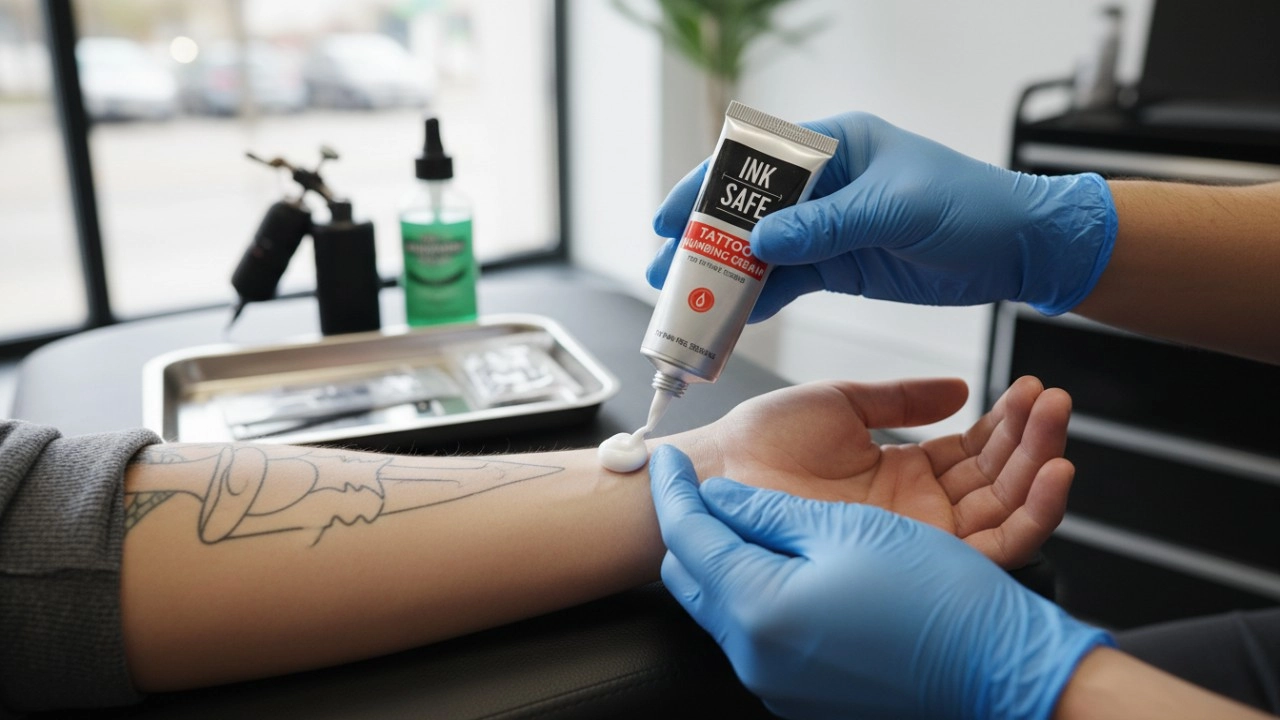
10 Best Numbing Creams for Tattoos in 2026: Ranked by Pain Relief and Safety
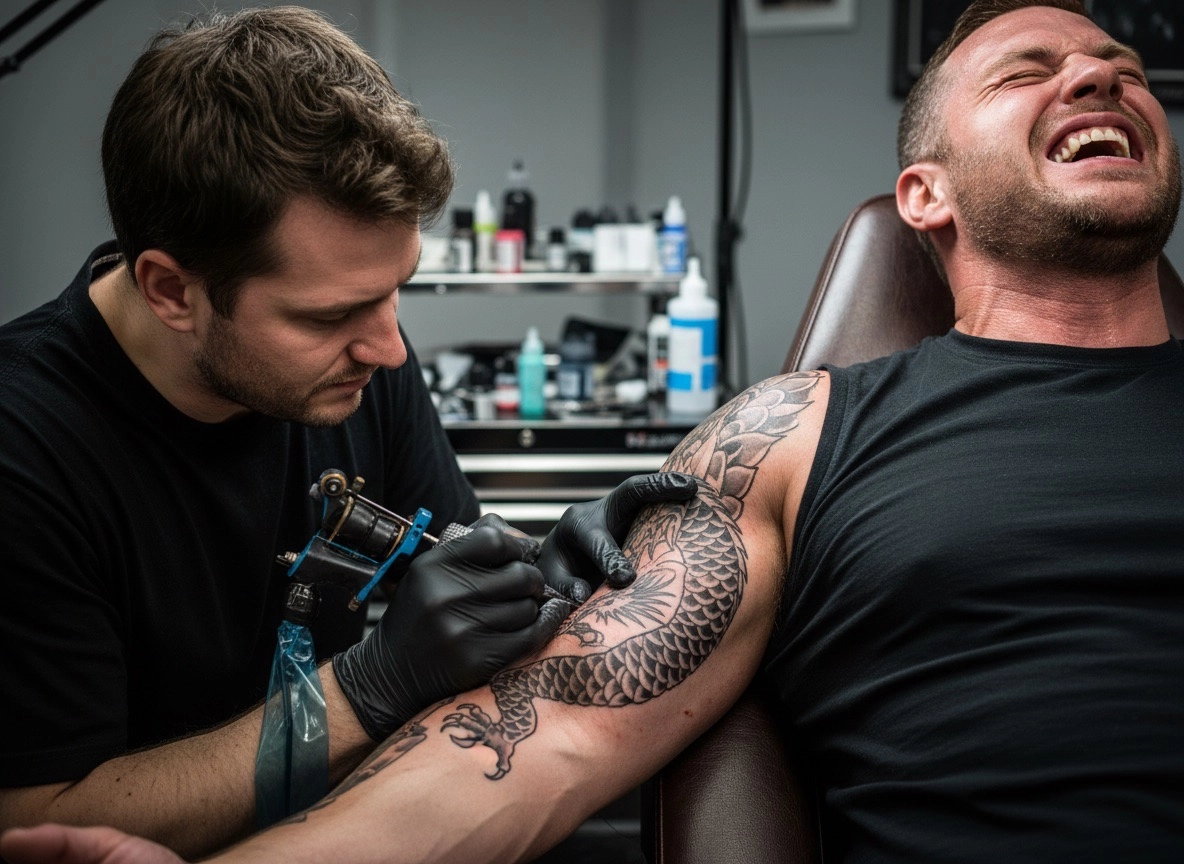
Does Numbing Cream Work for Tattoos? The Ultimate Guide to a Pain-Free Session
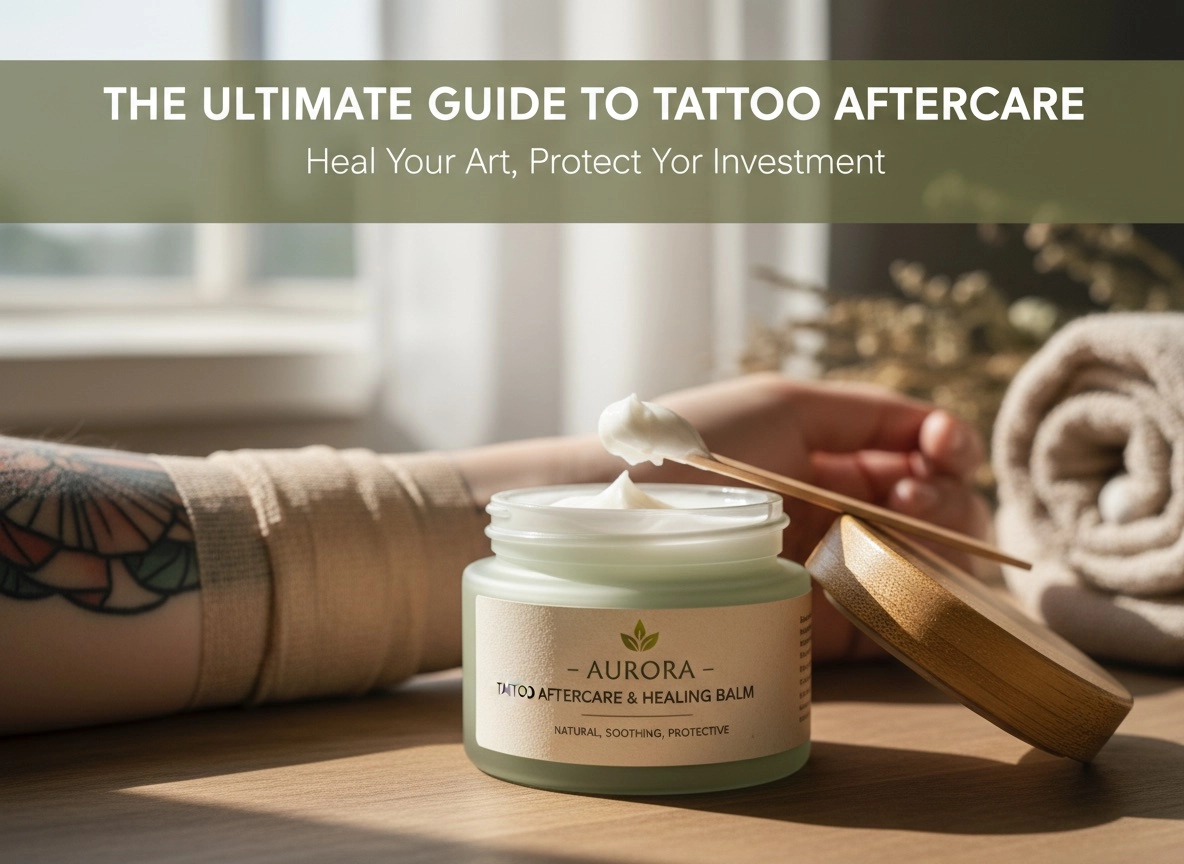
The Ultimate Guide to Tattoo Aftercare Cream: Healing & Vibrancy for 2026 and Beyond
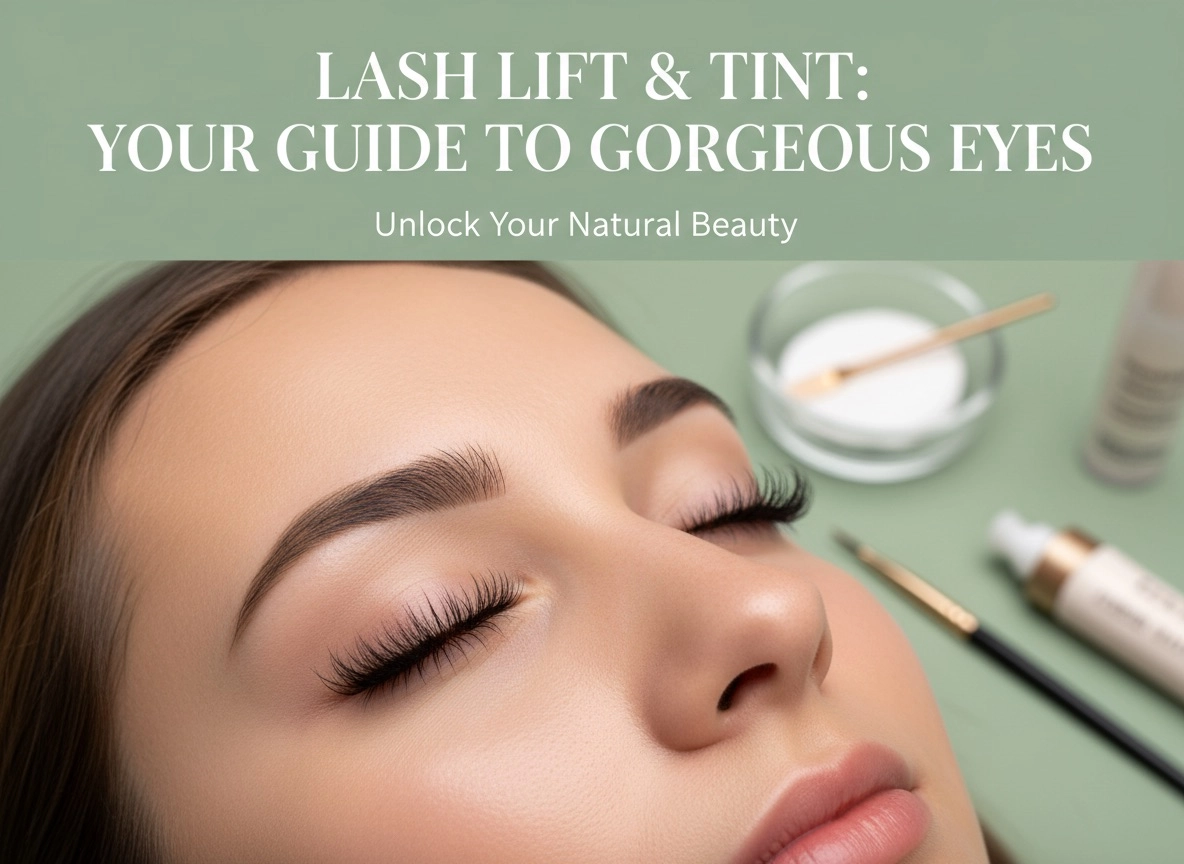
Lash Lift and Tint 2026: Your Ultimate Guide to Defined, Curled Lashes
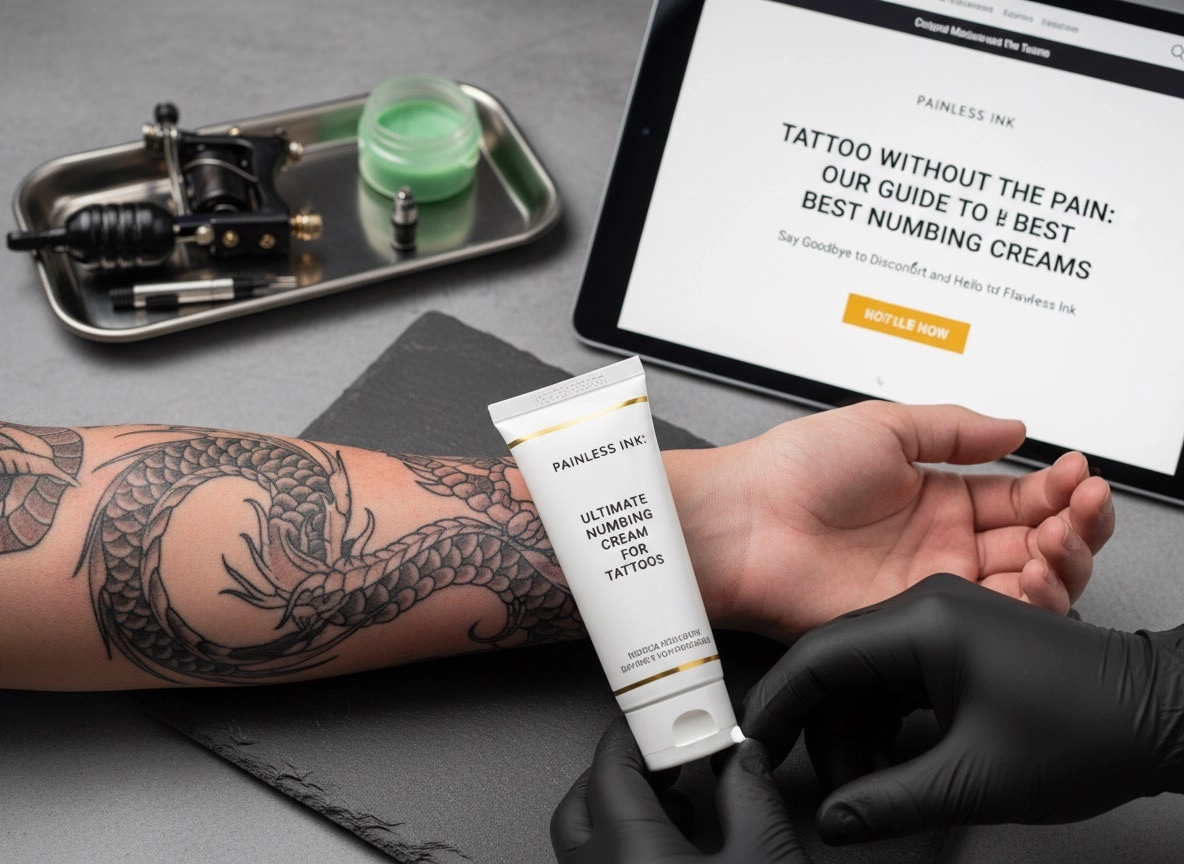
Best Numbing Cream for Tattoos 2026: The Ultimate Guide for Pain-Free Ink
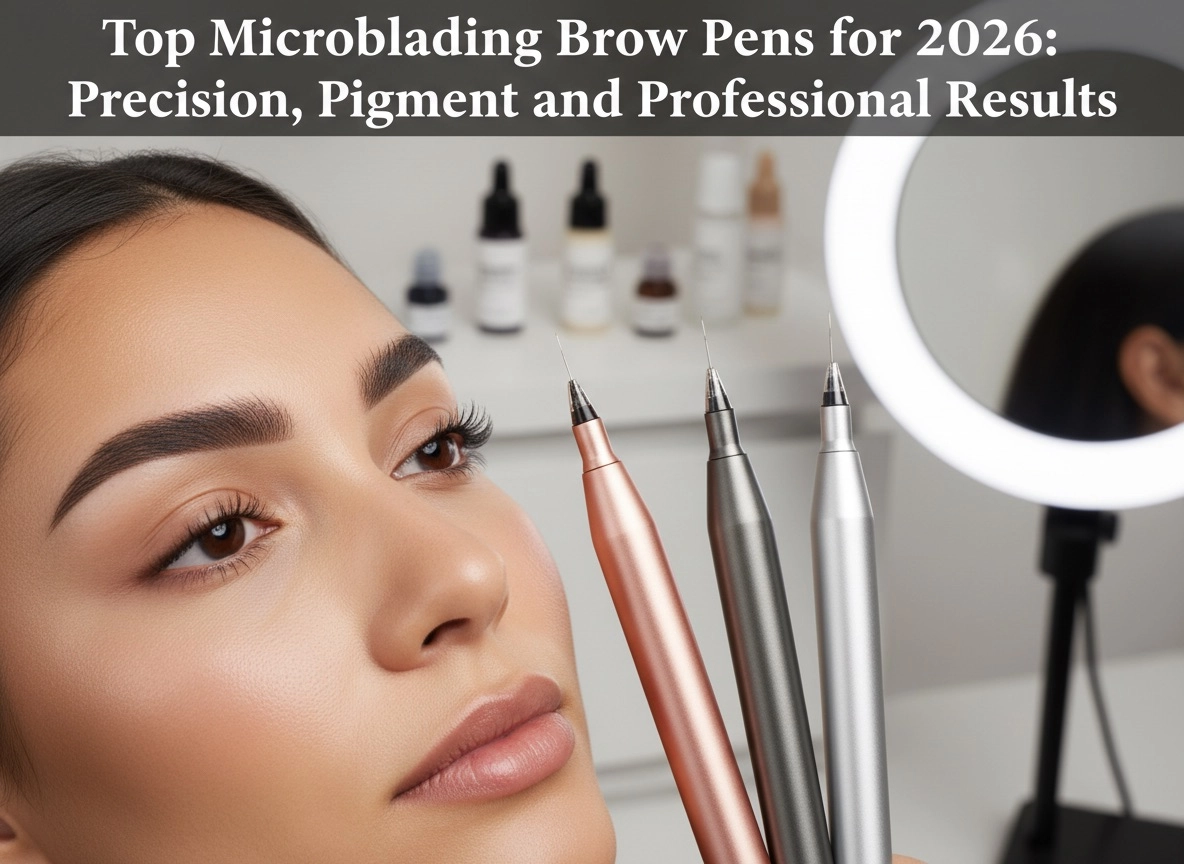
Top Microblading Brow Pens for 2026: Precision, Pigment, and Professional Results
Powder Pigment
Why dose the ink not colored on the skin after the pigment microblading operation?
The ink is not colored on the skin after the tattoo operation, which is a common problem encountered by novice tattoo artists. There may be several reasons:
Technical problems: If the tattoo technician is not skilled, the ink may not be properly implanted into the skin during the operation, resulting in the inability to color the colorant.
Selected ink type: The type of ink used does not match the tool used, resulting in the inability to color the colorant, such as using liquid ink with a manual pen. Or the ink is practice pigment, it is not professional-grade permanent makeup pigment.
Skin condition: The condition of the skin will also affect the tattoo effect. If the skin is too dry, greasy or inflamed, the ink may not be absorbed well.
Insufficient depth: If the appropriate implantation depth is not reached during tattooing, the colorant may remain in the epidermis and cannot penetrate into the dermis.
Postoperative care: Improper postoperative care (such as excessive cleaning or improper use of skin care products) may cause the tattoo colorant to fade or fail to be properly absorbed.
If this happens after tattooing, it is recommended to consult a professional tattoo artist for evaluation and adjustment.
Handmade pen
What are the advantages of microblading disposable pen over ordinary microblading disposable pen?
1. More hygienic: disposable use only, reducing the risk of cross-infection among customers.
2. More precise: the angled pen tip allows the operator to perform very precise micro-carving.
3. More convenient: the pen is discarded after opening and use, and no cleaning and disinfection are required.
4. More efficient: it reduces the time to prepare and clean the tools, shortening the operation time.
Customized service
Are there any additional charges for customized services?
Customized services may be subject to appropriate customization fees based on your specific requirements, which can be negotiated with our sales team.
Eyelash curling
How long does a lash lift last?
The curling effect of eyelash lamination can last for 8-12 weeks, during which time you can carry out water activities normally. Generally, after 12 weeks, the eyelashes will return to their original state, at which time you can arrange for a new eye lash lift treatment.
After sales support
Can I change my shipping address after placing an order?
Please be advised that your shipping address cannot be revised after the order has been processed or shipped. In the event of an incorrect address provided during the order process, we need to submit an address change application to the courier company, which will be charged a corresponding address change fee and takes 1-3 working days. We will apply to the shipping company for address change after you pay us the address change fee. The address change fee is subject to the shipping company's bill.
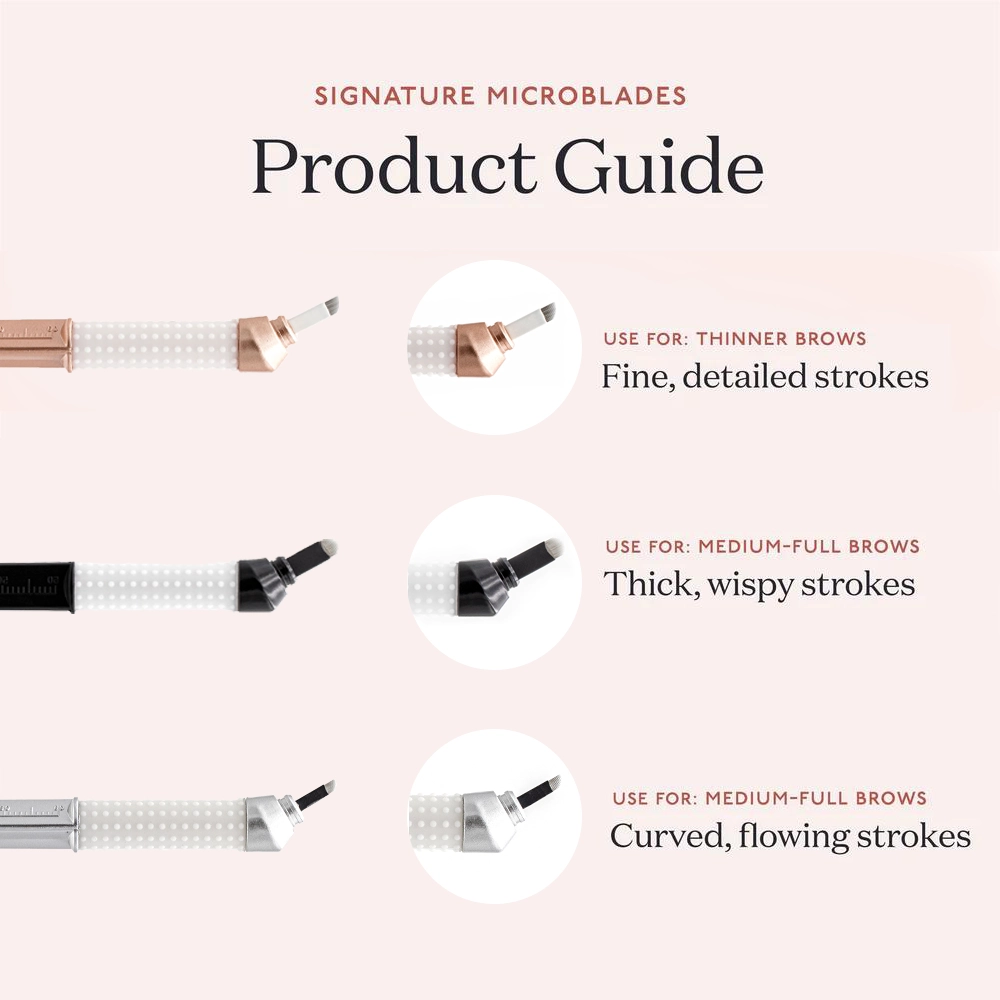
Angled Disposable Microblading Pen for Eyebrows
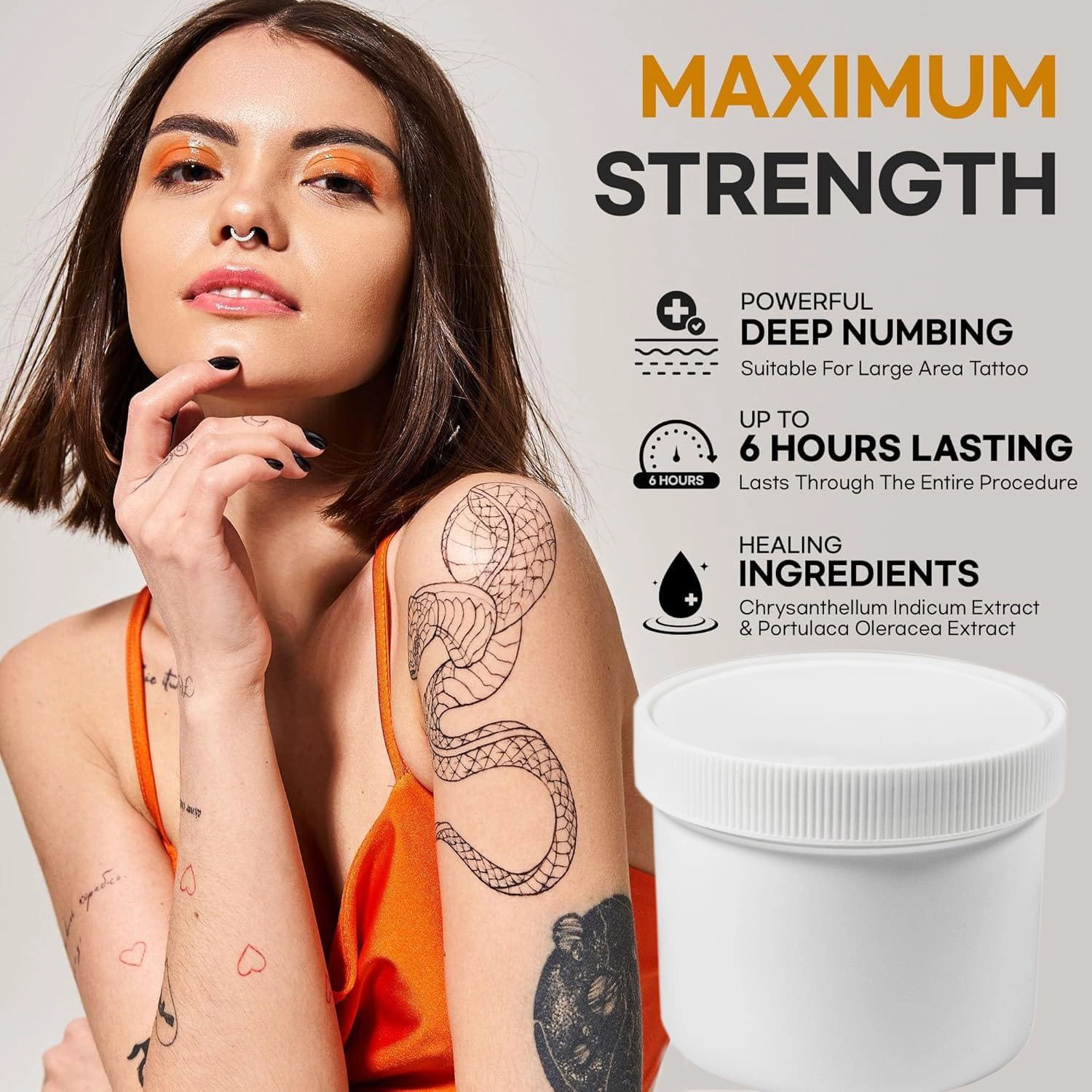
Body Use Super Numb Tattoo Numbing Cream

Professional Pre Inked Eye Brow Mapping String 30m
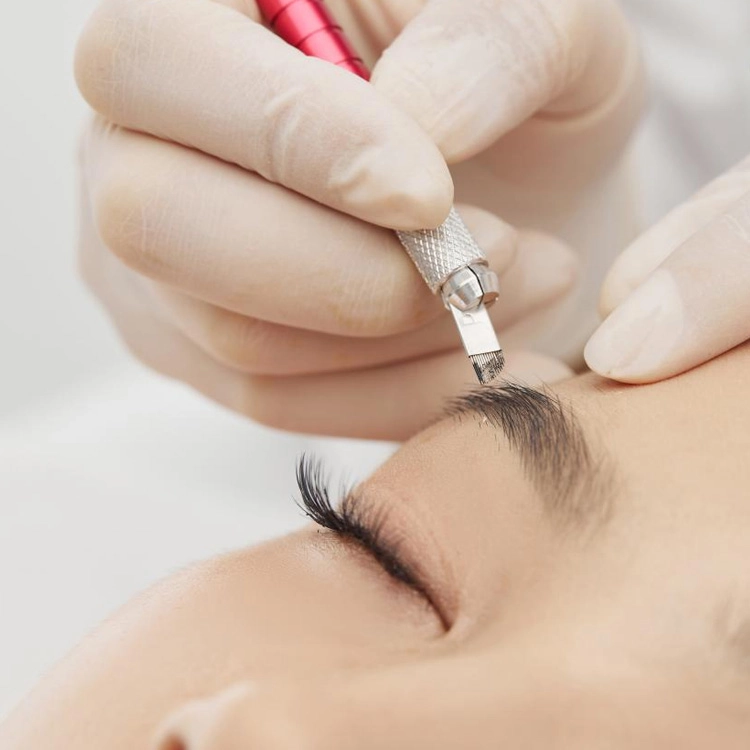
Slope Microblading Needle Blade
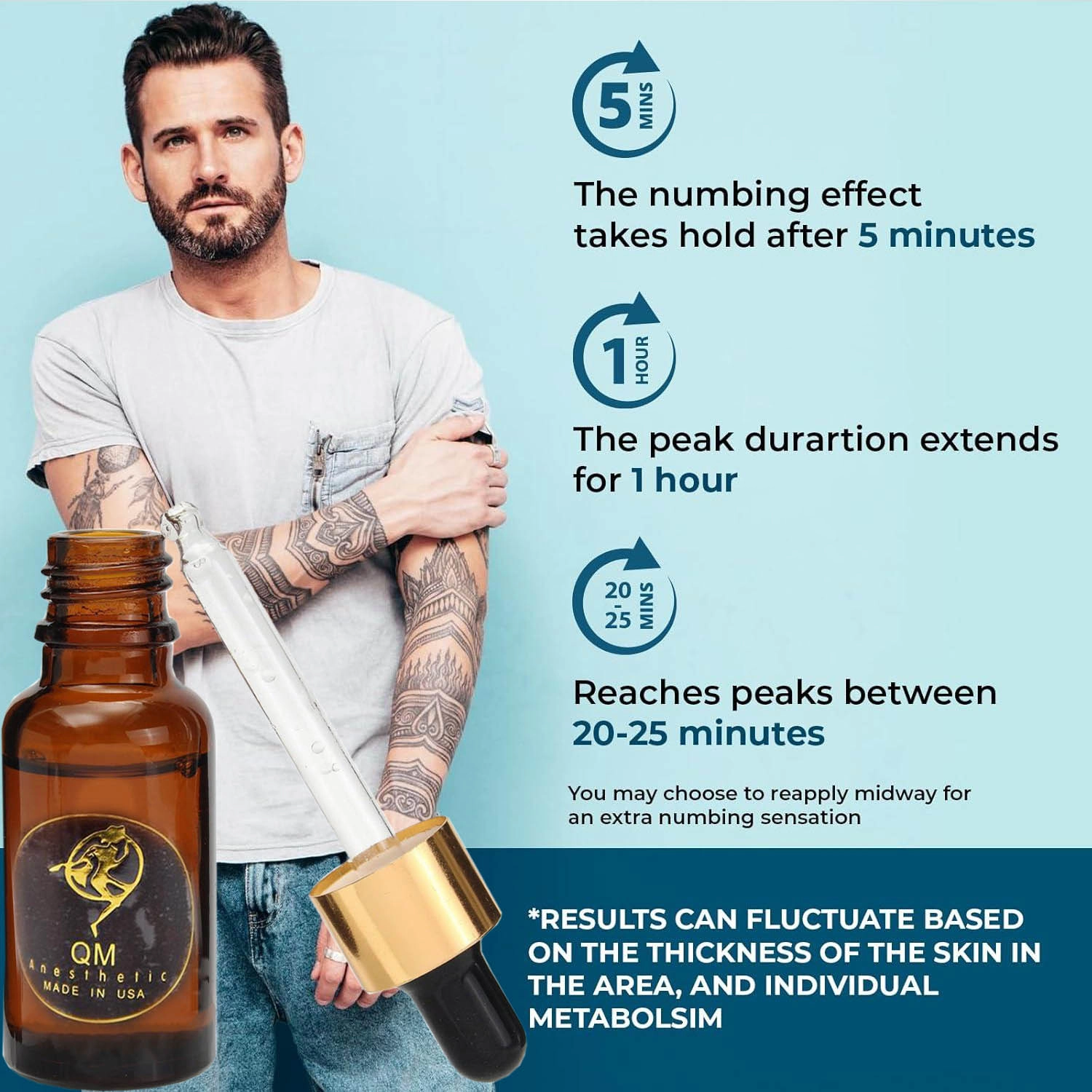
5 Minutes Secondary Numbing Essence
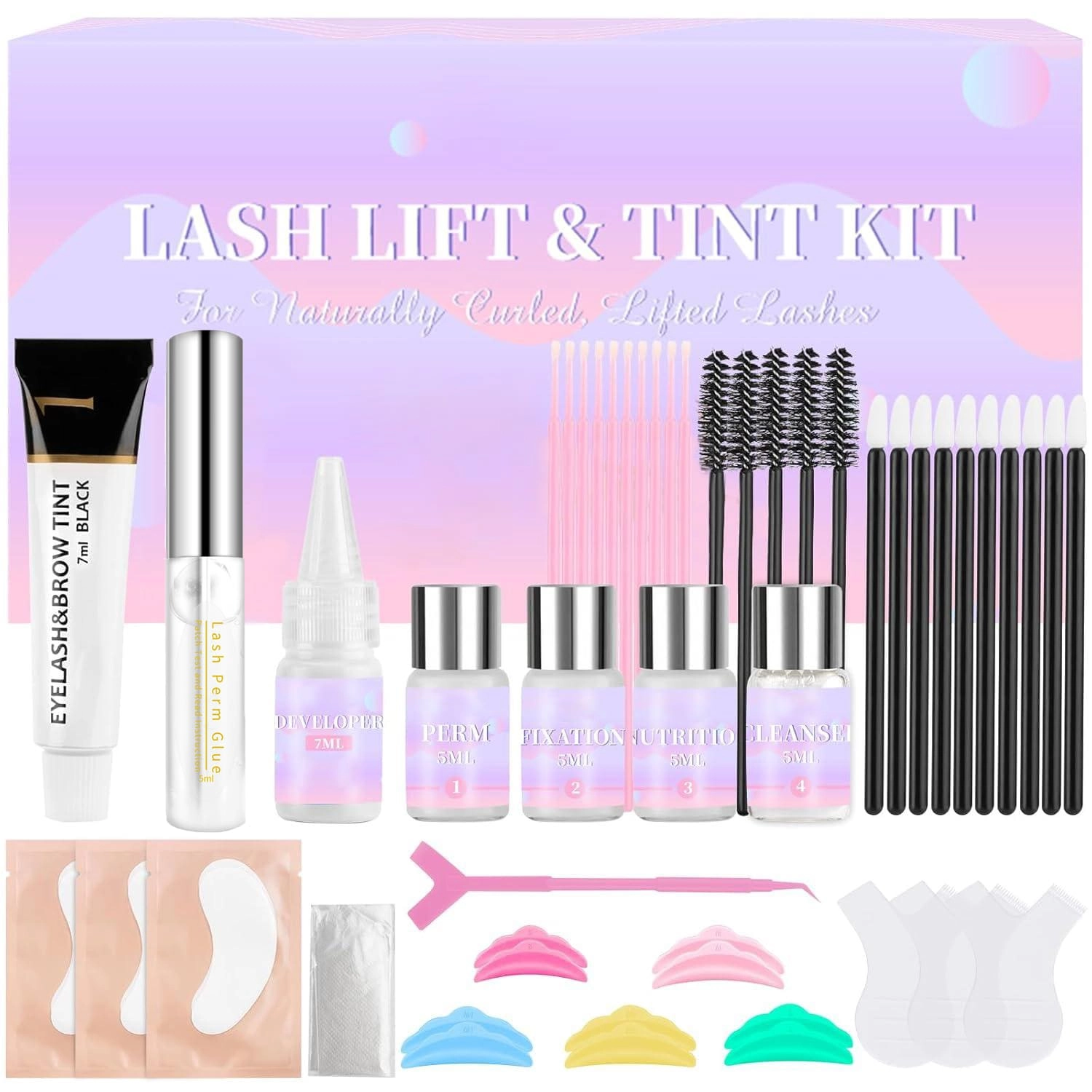
Professional Lash Lift and Tint Kit
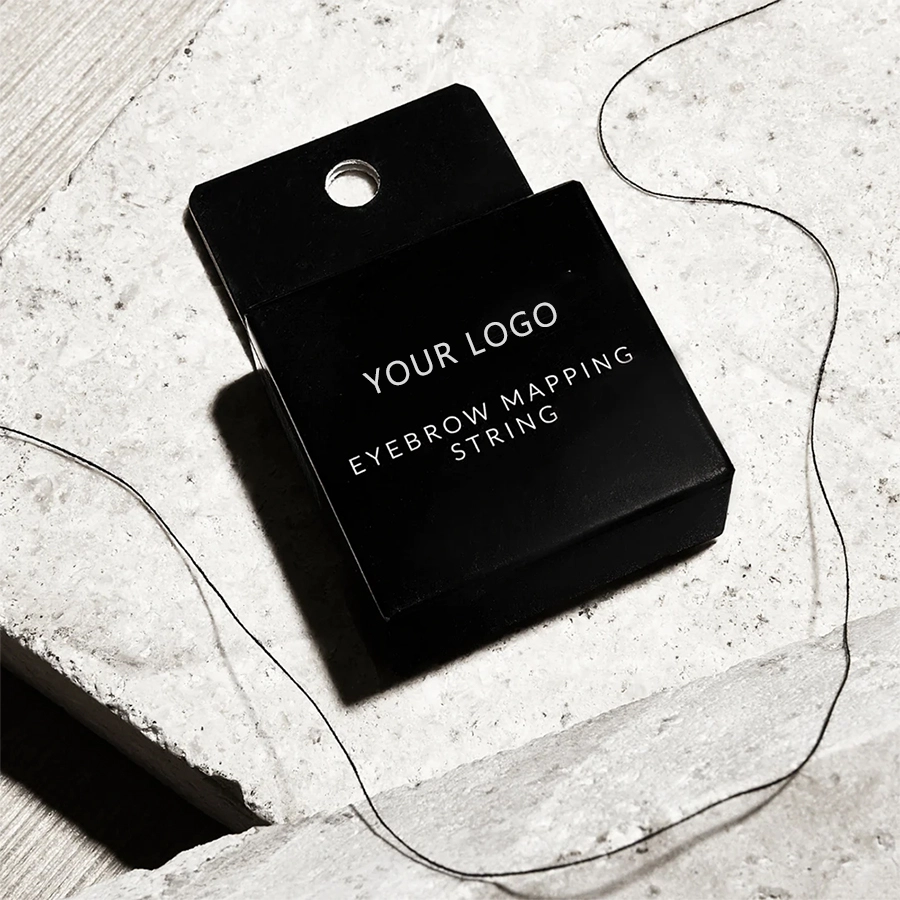
Microblading Pre-inked Mapping String Line 10m
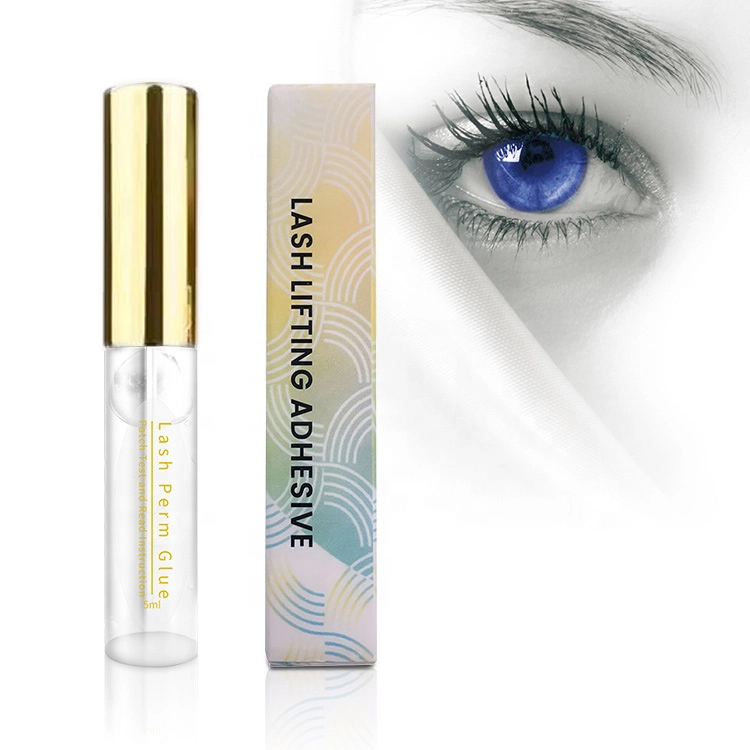
Japan Professional Lash Lift Adhesive
What product do we have?

Instagram
Facebook
YouTube