


how to clean microblading tools | QM Makeup Guide
How to Clean Microblading Tools: A Guide for Professionals
Maintaining hygiene is paramount in the semi-permanent makeup industry. Proper cleaning of your microblading tools is crucial for preventing infections and ensuring client safety. This article provides a comprehensive guide on how to effectively clean and sterilize your microblading tools, addressing common challenges faced by professionals.
Pre-Cleaning: The First Step
Before any sterilization process, a thorough pre-cleaning is essential. Immediately after each microblading procedure, remove visible pigment and debris from your blades using a lint-free wipe and a gentle, non-abrasive cleanser. Discard the wipe appropriately. This initial cleaning significantly reduces the bioburden before moving to more rigorous disinfection and sterilization steps.
Disinfection: Killing Harmful Organisms
Disinfection is the process of eliminating or reducing the number of harmful microorganisms on your microblading tools. Immerse your blades in a hospital-grade disinfectant solution following the manufacturer's instructions meticulously. Pay close attention to the recommended contact time; inadequate exposure will not effectively disinfect your equipment. Always ensure proper ventilation when working with disinfectants.
Sterilization: Achieving Complete Microbial Removal
Sterilization eliminates all forms of microbial life, ensuring complete safety for your clients. Autoclaving is the gold standard for sterilizing microblading tools. This method uses high-pressure steam to kill all bacteria, viruses, and spores. Follow your autoclave's specific operating instructions diligently. Proper packaging of your tools is vital for effective sterilization.
Post-Sterilization and Storage
Once your microblading tools are sterilized, handle them with care to prevent contamination. Use sterile forceps to retrieve them from the autoclave or storage container. Store your sterilized tools in a clean, dry, and airtight container to maintain sterility. Replace your blades after each use. Regular maintenance and diligent cleaning practices are key to preventing cross-contamination.
Choosing the Right Products
Select high-quality disinfectants and sterilization equipment from reputable suppliers. Always verify that your chosen products are suitable for medical devices. Follow all safety guidelines provided by the manufacturer.
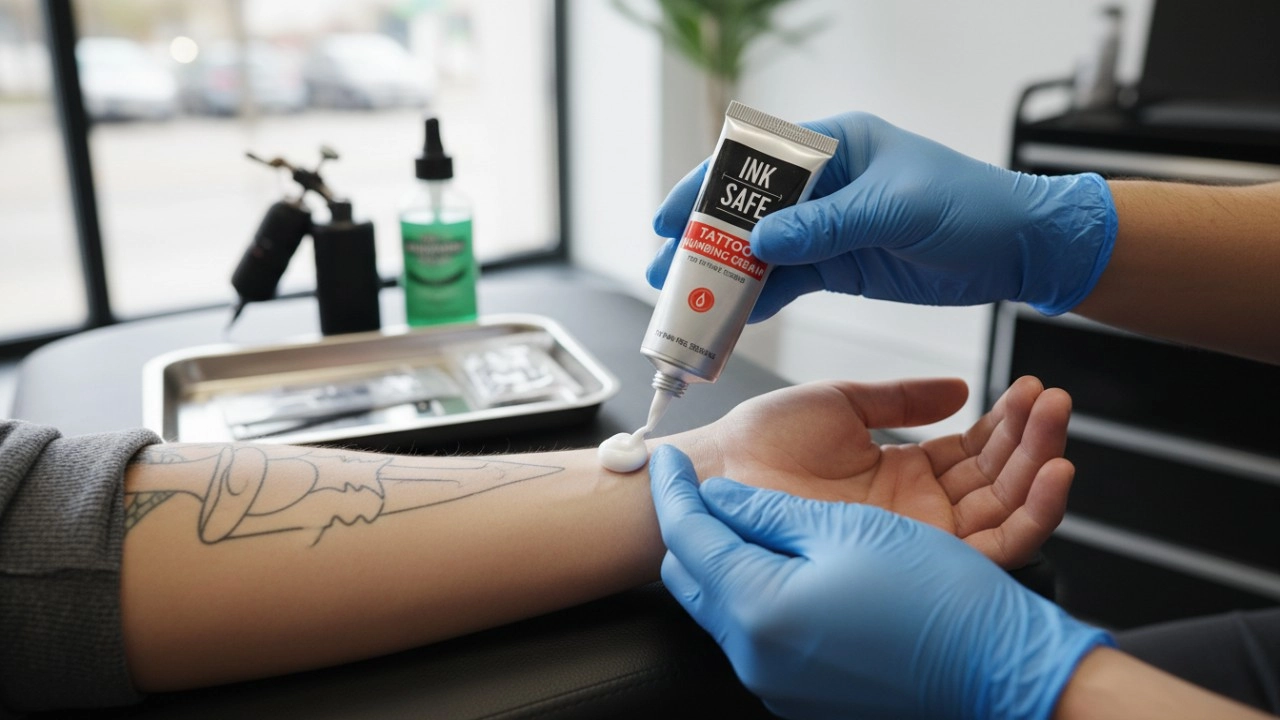
10 Best Numbing Creams for Tattoos in 2026: Ranked by Pain Relief and Safety
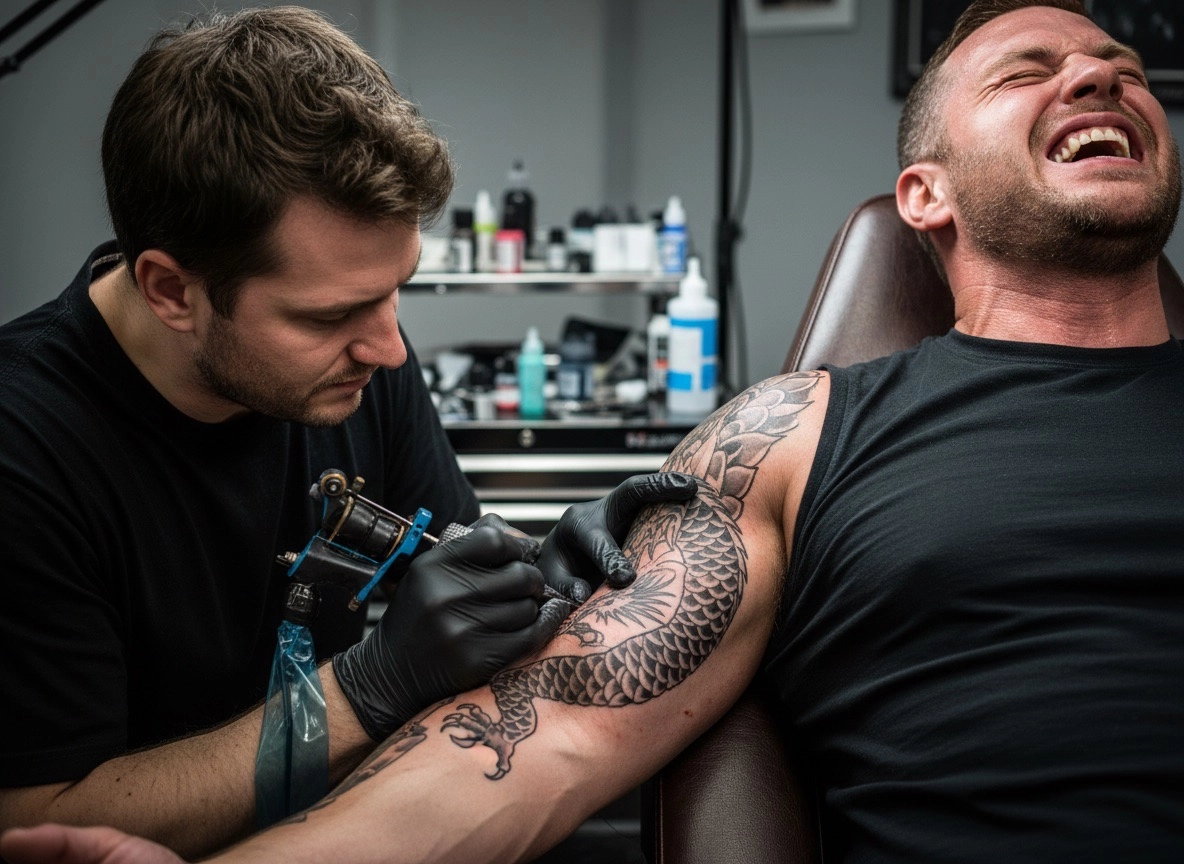
Does Numbing Cream Work for Tattoos? The Ultimate Guide to a Pain-Free Session
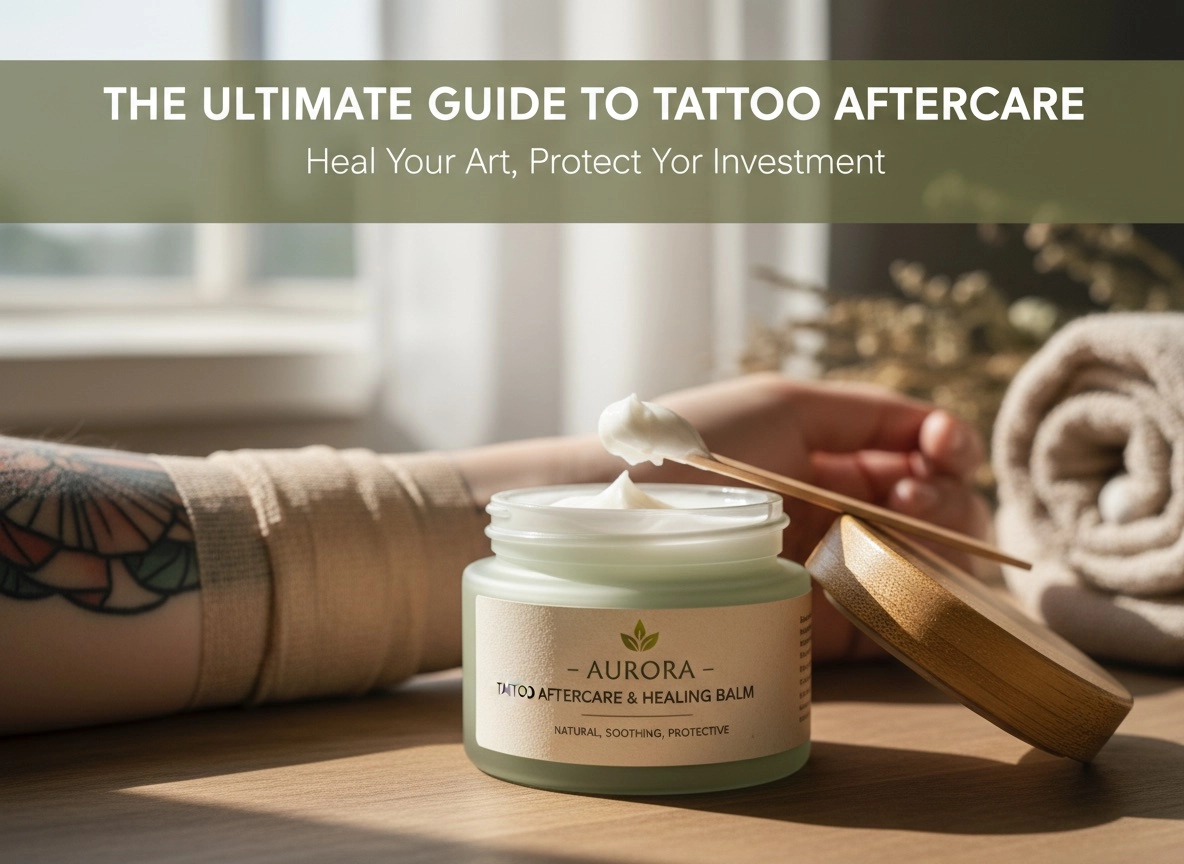
The Ultimate Guide to Tattoo Aftercare Cream: Healing & Vibrancy for 2026 and Beyond

Lash Lift and Tint 2026: Your Ultimate Guide to Defined, Curled Lashes
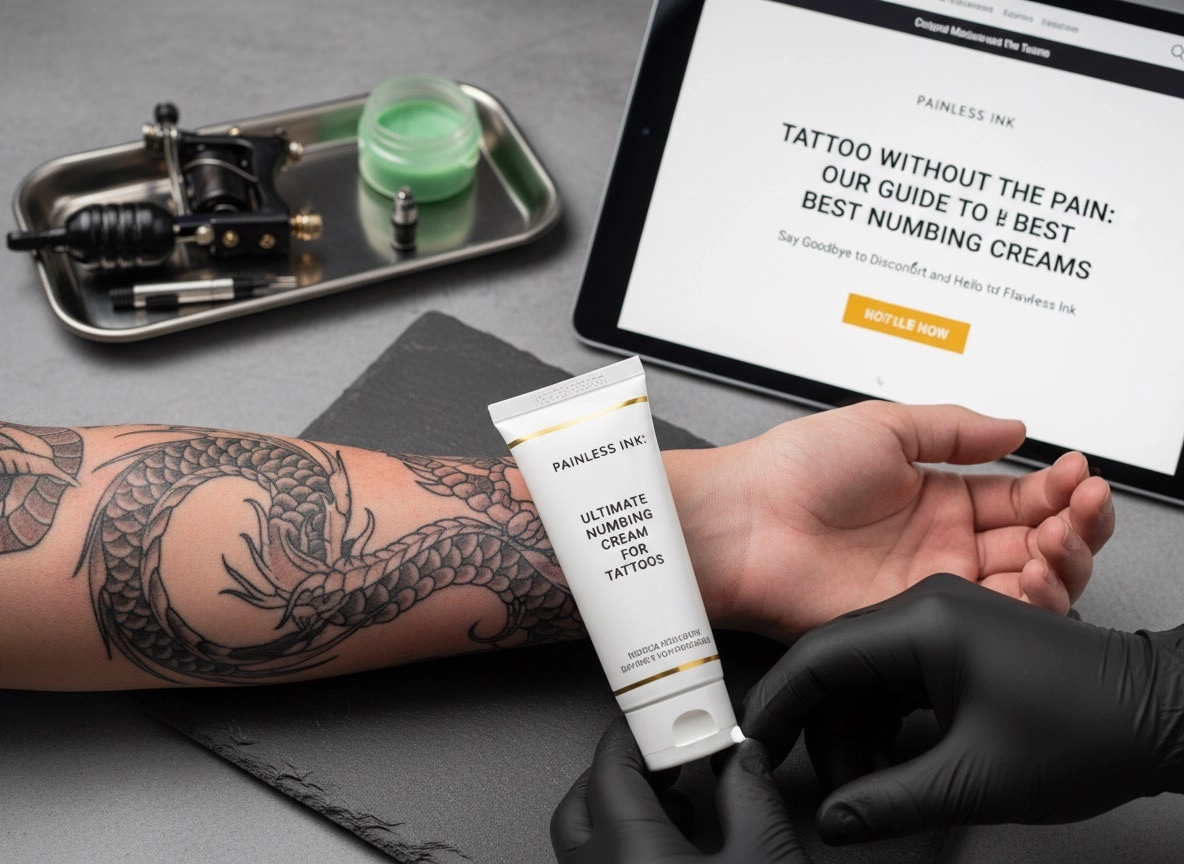
Best Numbing Cream for Tattoos 2026: The Ultimate Guide for Pain-Free Ink
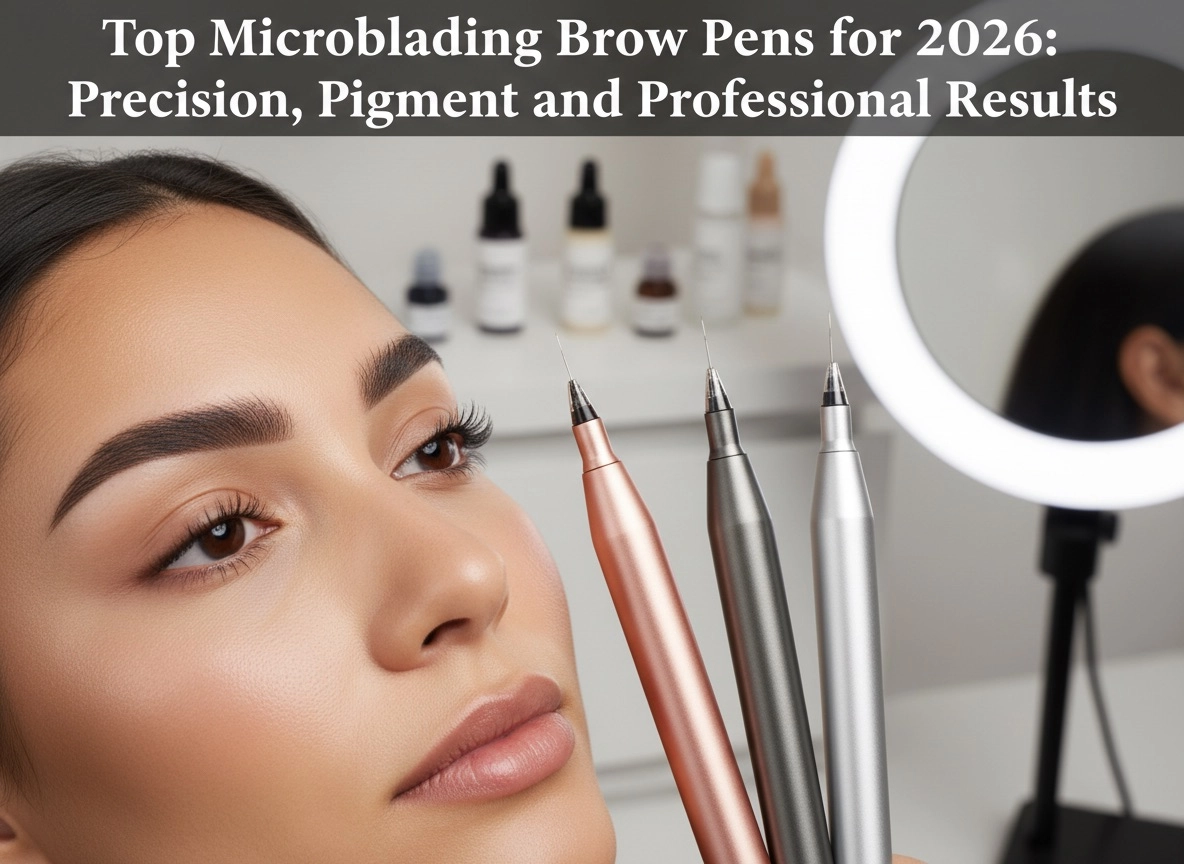
Top Microblading Brow Pens for 2026: Precision, Pigment, and Professional Results
After sales support
What do I do if the shipment got damages?
A damaged item is typically defined as a broken product that is fractured, shattered, bent, crushed, or leaking. To ensure quality control, we require evidence of damage in the form of photos and videos. For any damaged items, we will provide a replacement or issue a refund.If your damaged package was shipped by a freight forwarder, we will not be held responsible for it.
Tattoo balm
Is the repair product suitable for all skin types?
Yes, our repair products are good tattoo aftercare products, it is suitable for all skin types aftercare for tattoo. They are gentle and safe and can be used on sensitive skin.
Powder Pigment
Why dose the ink not colored on the skin after the pigment microblading operation?
The ink is not colored on the skin after the tattoo operation, which is a common problem encountered by novice tattoo artists. There may be several reasons:
Technical problems: If the tattoo technician is not skilled, the ink may not be properly implanted into the skin during the operation, resulting in the inability to color the colorant.
Selected ink type: The type of ink used does not match the tool used, resulting in the inability to color the colorant, such as using liquid ink with a manual pen. Or the ink is practice pigment, it is not professional-grade permanent makeup pigment.
Skin condition: The condition of the skin will also affect the tattoo effect. If the skin is too dry, greasy or inflamed, the ink may not be absorbed well.
Insufficient depth: If the appropriate implantation depth is not reached during tattooing, the colorant may remain in the epidermis and cannot penetrate into the dermis.
Postoperative care: Improper postoperative care (such as excessive cleaning or improper use of skin care products) may cause the tattoo colorant to fade or fail to be properly absorbed.
If this happens after tattooing, it is recommended to consult a professional tattoo artist for evaluation and adjustment.
Handmade pen
Do disposable eyebrow pen microblading meet hygiene and safety standards?
Our microblading pen for eyebrows are sterilized in individual blister packs using EO gas sterilization. Each 3d microblading pen is packed in a protective cover for safe storage and handling, and is also marked with a batch number, manufacturer date, and expiration date to ensure safety and hygiene, so you can use it with confidence.
Perm and dyeing kit
How long does the lash lift tint and brow tint effect last?
The effect for eyelash tinting and brow tinting can last for 6-8 weeks, during which time you can carry out water activities normally. Generally, after 6-8 weeks, the eyelashes and eyebrows will return to their original state, at which time you can arrange for a new tinting treatment.
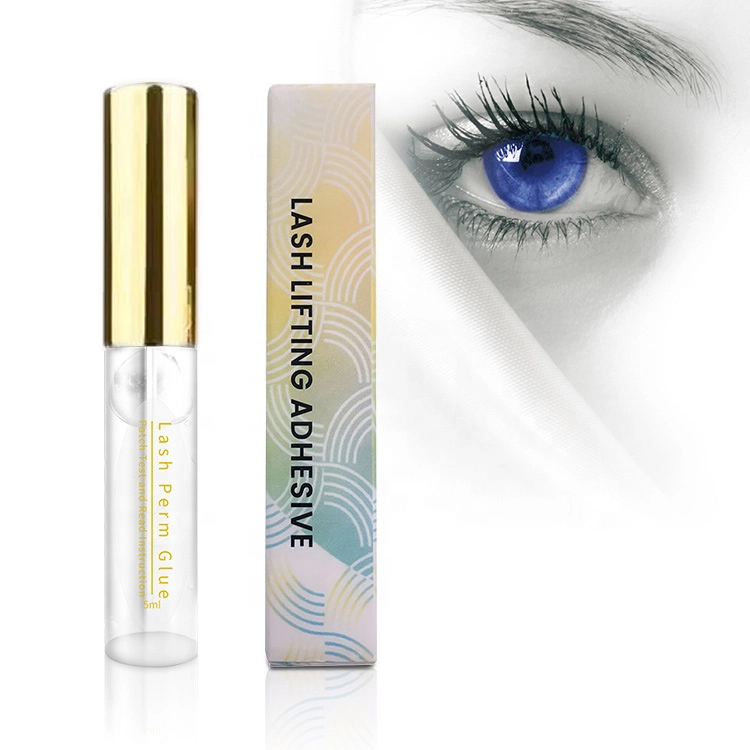
Japan Professional Lash Lift Adhesive

Professional Pre Inked Eye Brow Mapping String 30m
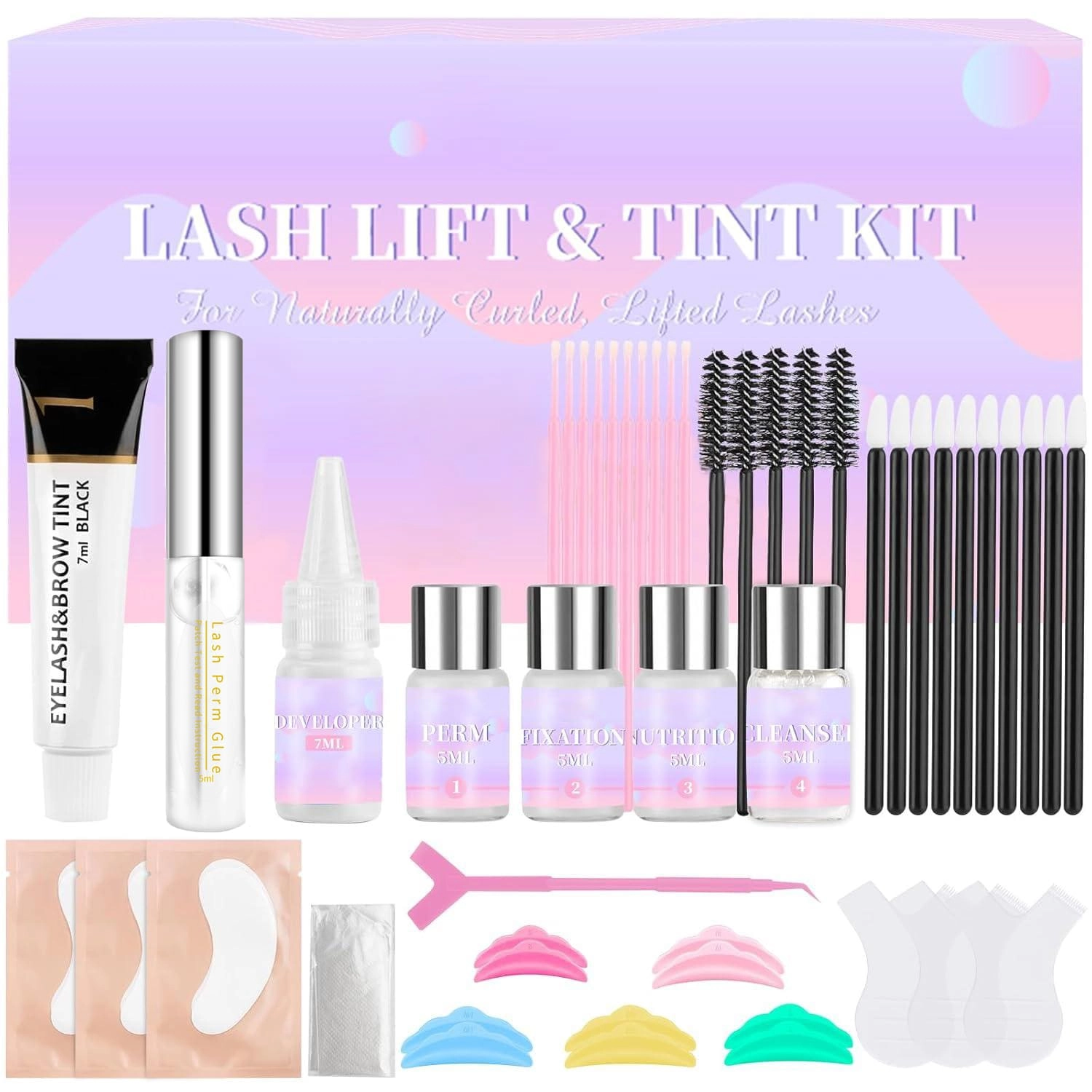
Professional Lash Lift and Tint Kit
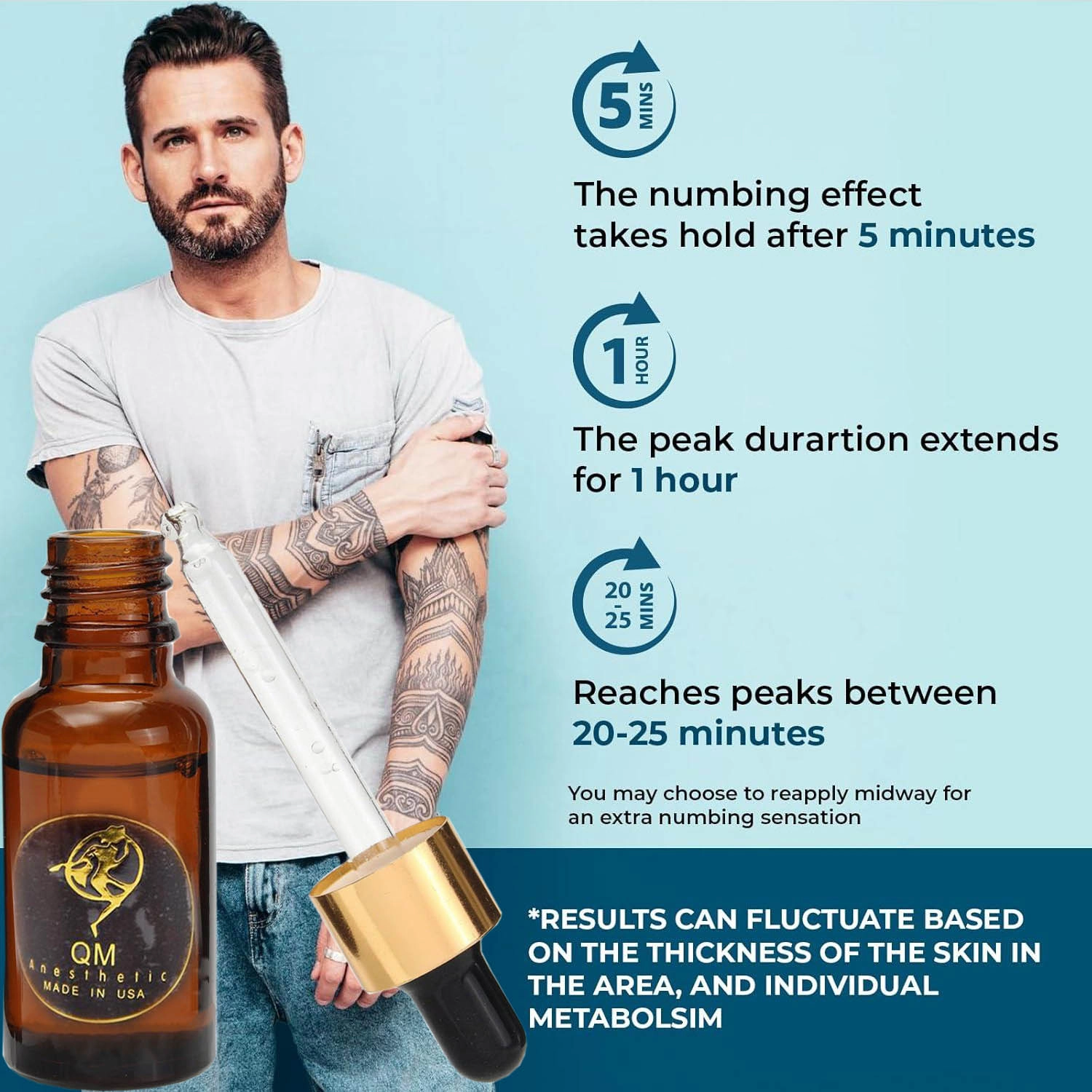
5 Minutes Secondary Numbing Essence
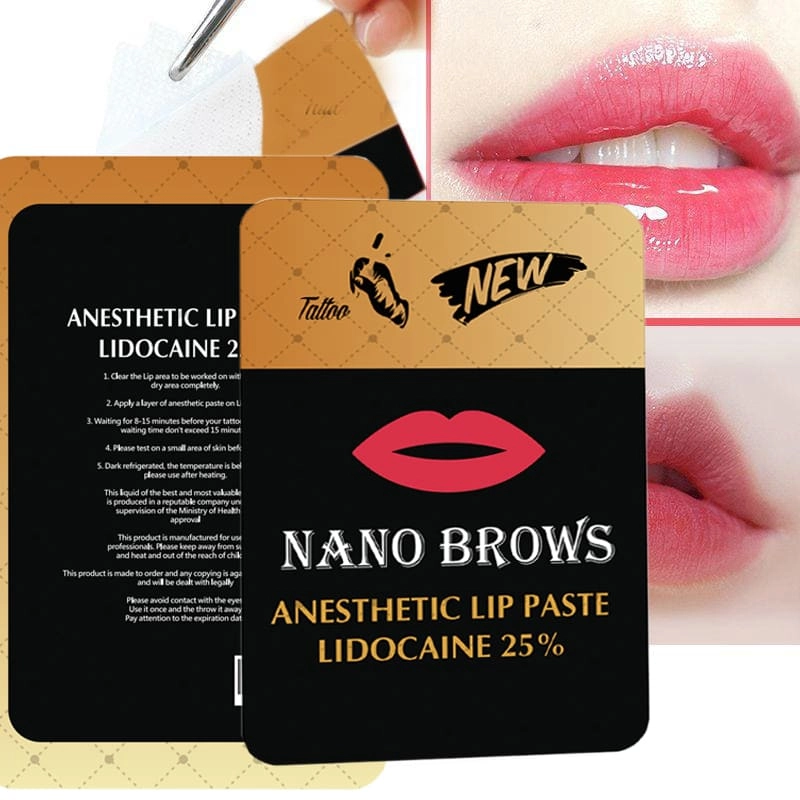
15 Mins Fast Numbing Lip Patches
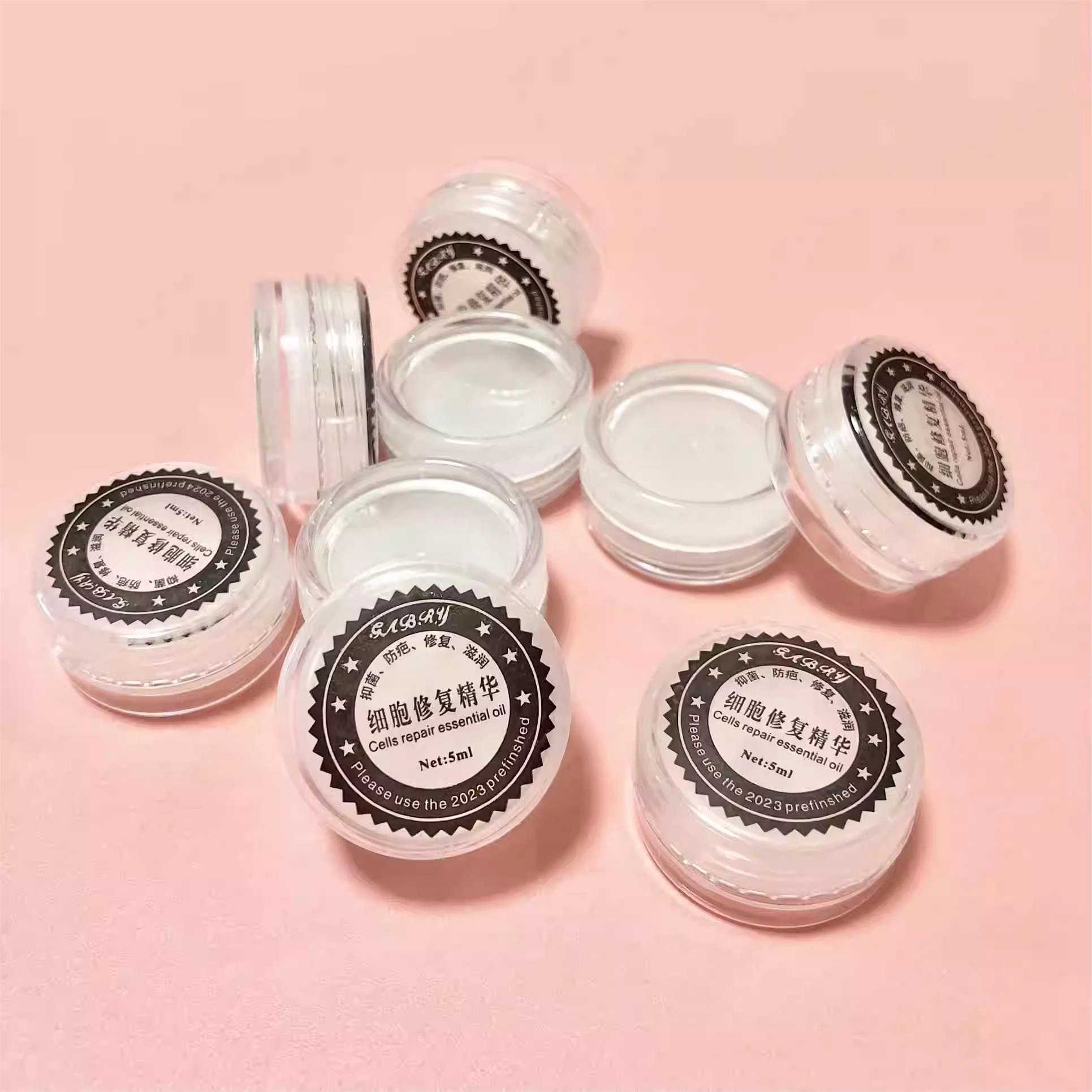
5g Cell Repair Essential Balm
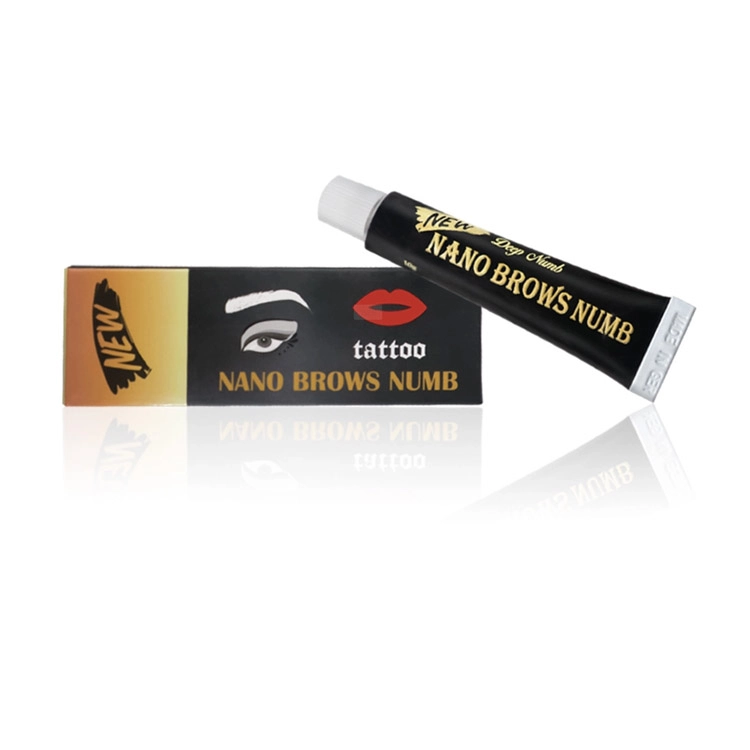
Nano Brows Numb Cream For Tattoo
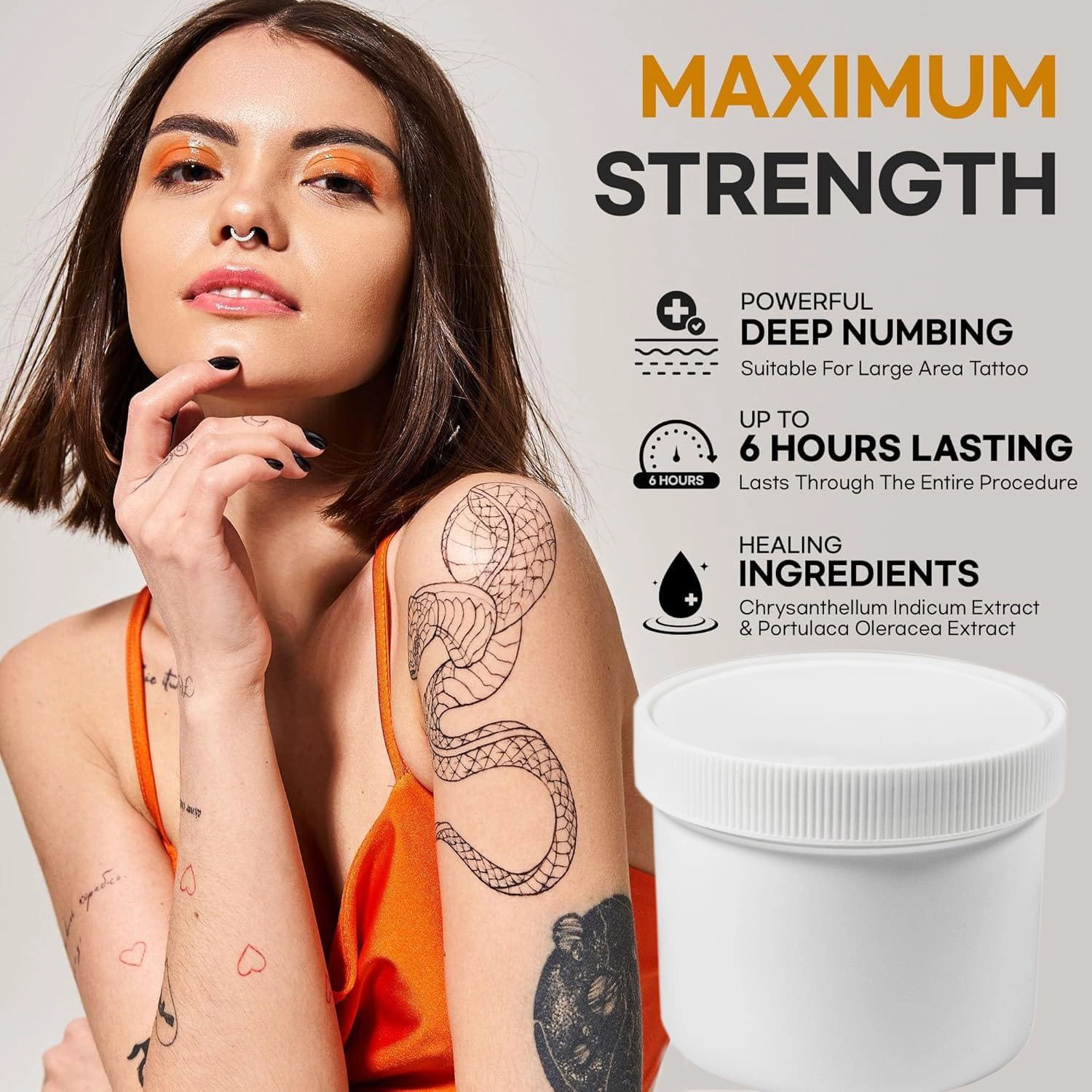
Body Use Super Numb Tattoo Numbing Cream
What product do we have?

Instagram
Facebook
YouTube