

Does tattoo balm offer moisturizing benefits for dry or flaky tattooed areas? | QM Makeup Guide
Does Tattoo Balm Offer Moisturizing Benefits for Dry or Flaky Tattooed Areas?
Tattoo balm can be a helpful solution for dry or flaky tattooed skin—a common concern in semi permanent makeup treatments. This article addresses professionals’ need for safe, effective aftercare by exploring if tattoo balms moisturize and protect freshly tattooed or healed areas. Keywords: tattoo balm, moisturizing, dry, flaky, tattooed areas, semi permanent makeup.
General Benefits of Tattoo Balm
- Formulated for Post-Procedure Skin:
Tattoo balms are designed to address the vulnerability of newly tattooed or microbladed skin, which often becomes dry or flaky.
- Hydration and Barrier Formation:
Ingredients such as shea butter, cocoa butter, and natural oils provide deep moisture to the skin while creating a protective layer to lock in hydration.
*Reference: American Academy of Dermatology Association (AAD)*
- Skin Soothing Properties:
Common components like panthenol, calendula, and Vitamin E help calm irritation and support the sensitive healing process following semi permanent makeup procedures.
Tattoo Balm & Semi Permanent Makeup
Why Hydration Matters
- Moisturized Skin Enhances Pigment Retention:
Proper hydration can help prolong pigment vibrancy and improve healing outcomes for microblading, powder brows, or other cosmetic tattoo techniques.
*Source: Journal of Cosmetic Dermatology, 2021*
- Prevents Excessive Flaking:
Balm prevents scabbing and flaking, which may cause patchy results or pigment loss.
Selecting a Professional-Grade Tattoo Balm
- Avoid Comedogenic Ingredients:
Choose balms that are free from heavy petrolatum or synthetic fragrances to avoid pore-clogging and irritation on delicate facial areas.
- Sterility Standards:
Products used in a professional environment should meet high hygiene standards to reduce the risk of infection.
- Hypoallergenic and Dermatologist-Tested:
Ensure balms carry suitable certifications or dermatologist recommendations.
Best Practices for Application
- Timing:
Apply following practitioners’ aftercare protocol, usually after the initial healing phase when skin starts to feel tight, dry, or itchy.
- Application Technique:
Use clean hands or disposable applicators to prevent introducing bacteria to healing skin.
- Amount:
Thin, even layers are recommended to allow skin to breathe.
Additional Considerations
- Monitor for Allergic Reactions:
Always patch test a new product, especially for facial tattoos.
- Educate Clients:
Provide guidance on consistent use, emphasizing benefits for comfort, appearance, and healing.
Authoritative Sources
- (https://www.aad.org)
- (https://onlinelibrary.wiley.com/journal/14732165)
- (https://www.ncbi.nlm.nih.gov/pmc/articles/PMC5843359/)
For semi permanent makeup professionals, recommending the right tattoo balm can make a significant difference in client satisfaction and results. Well-chosen, hydrating balms address both immediate and long-term needs of tattooed skin, helping combat dryness and maintaining aesthetic outcomes.
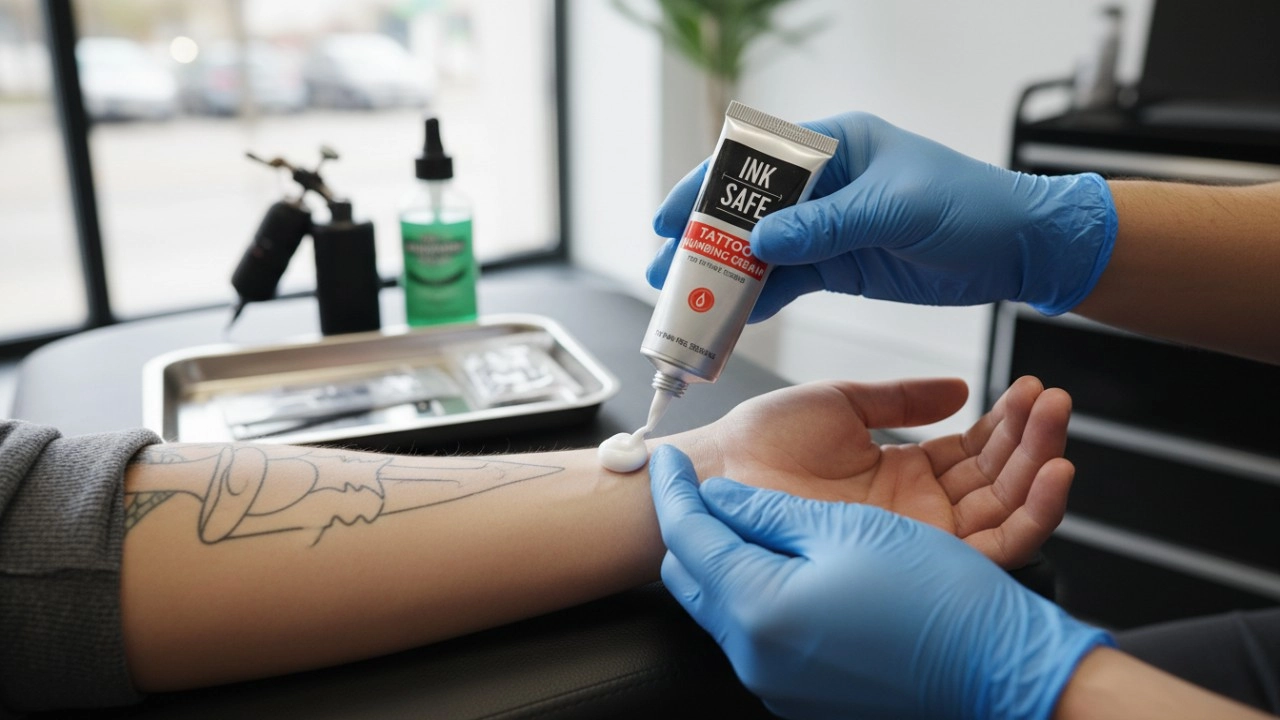
10 Best Numbing Creams for Tattoos in 2026: Ranked by Pain Relief and Safety
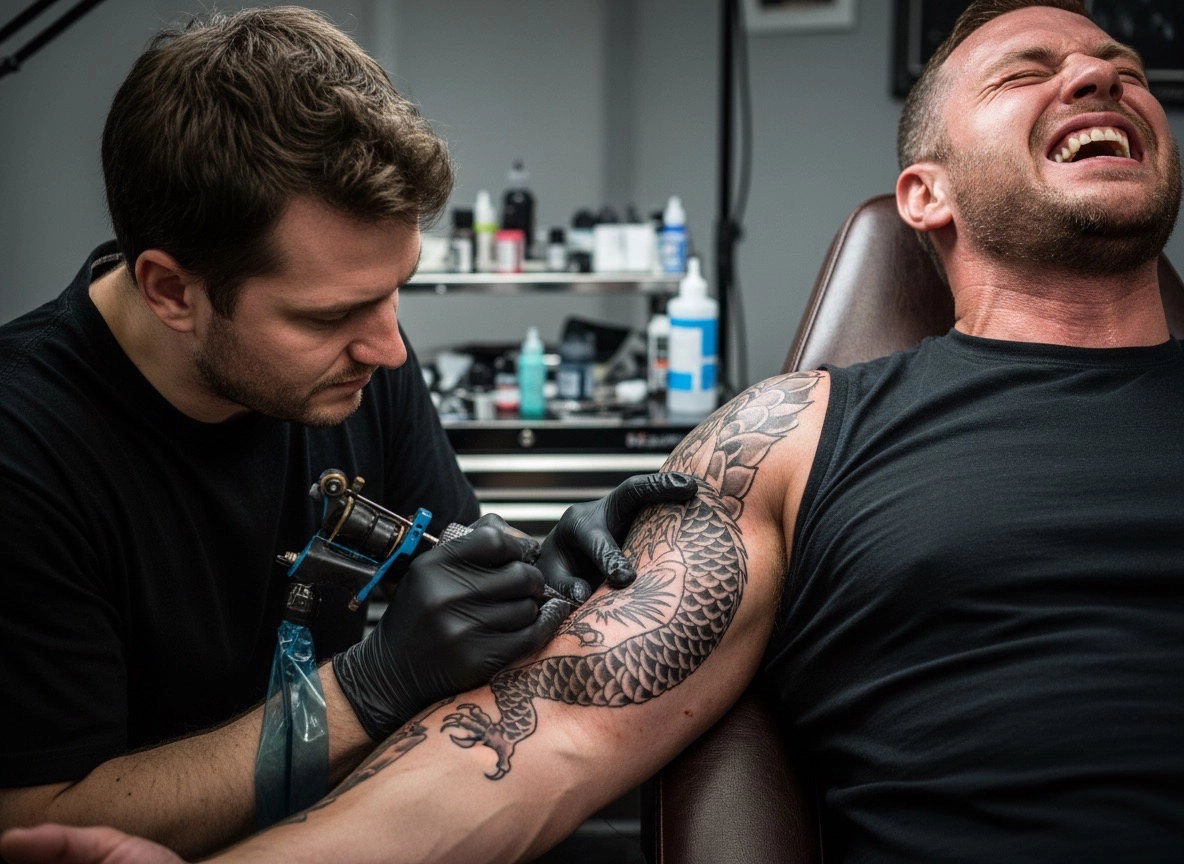
Does Numbing Cream Work for Tattoos? The Ultimate Guide to a Pain-Free Session
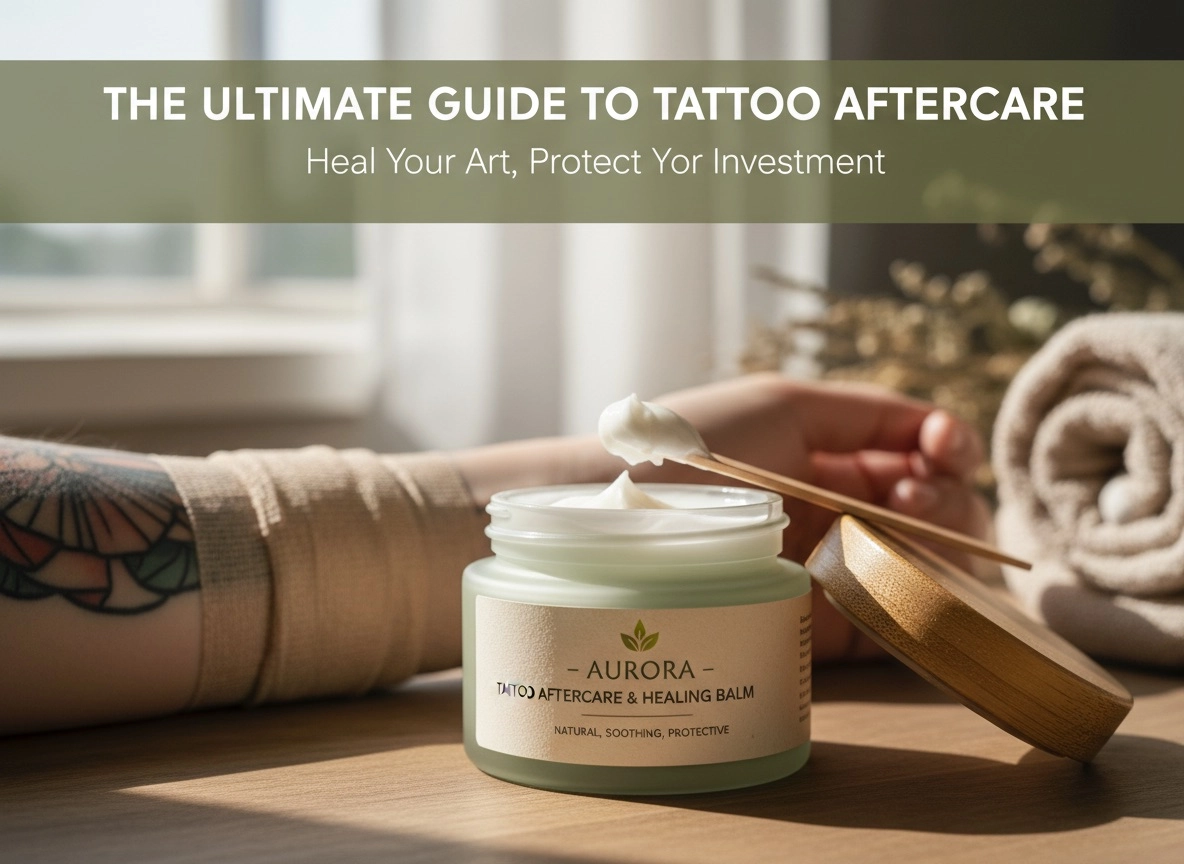
The Ultimate Guide to Tattoo Aftercare Cream: Healing & Vibrancy for 2026 and Beyond
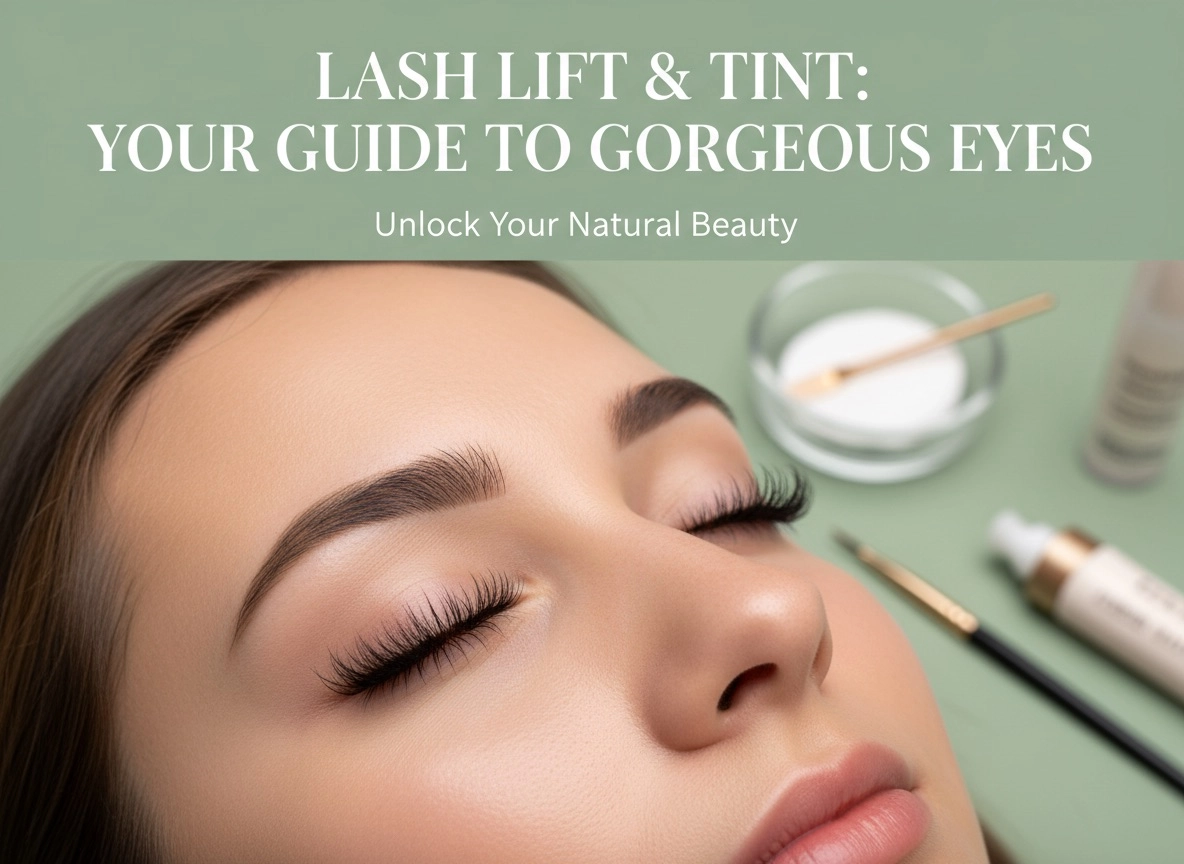
Lash Lift and Tint 2026: Your Ultimate Guide to Defined, Curled Lashes
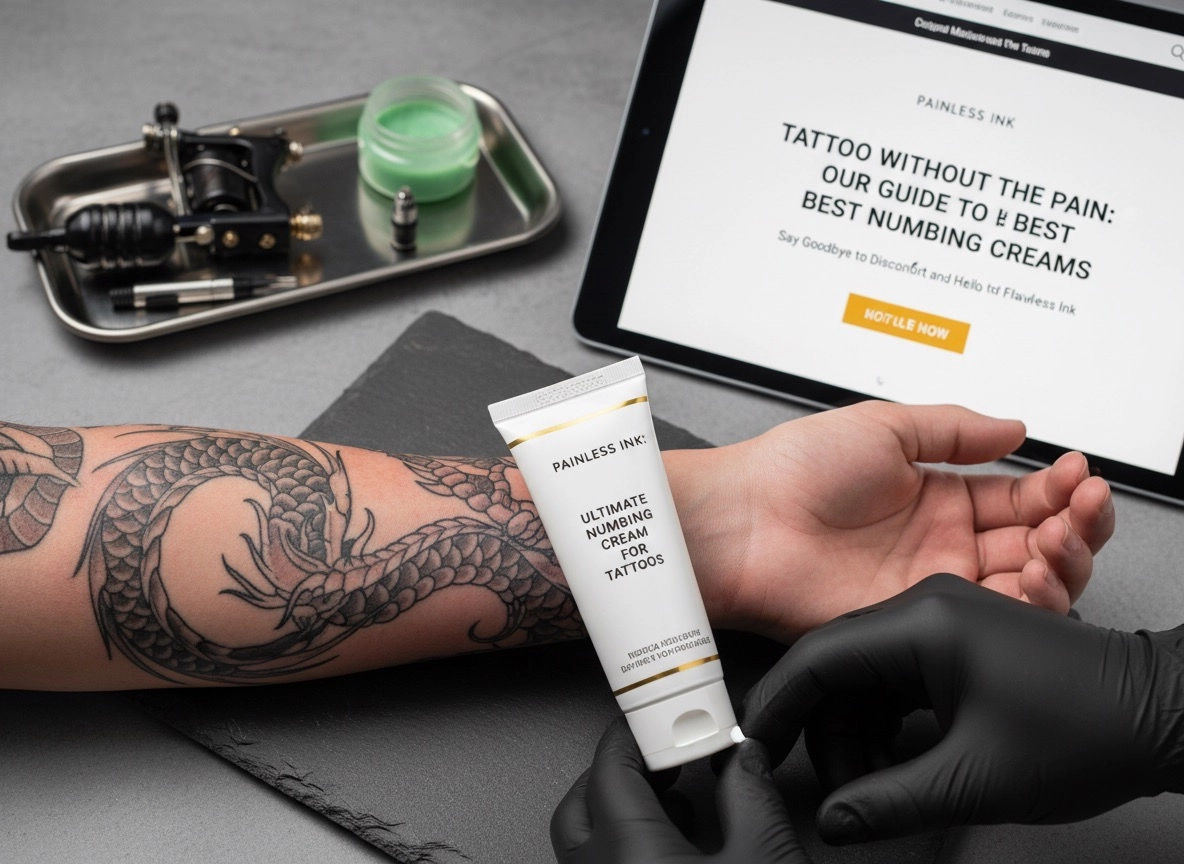
Best Numbing Cream for Tattoos 2026: The Ultimate Guide for Pain-Free Ink
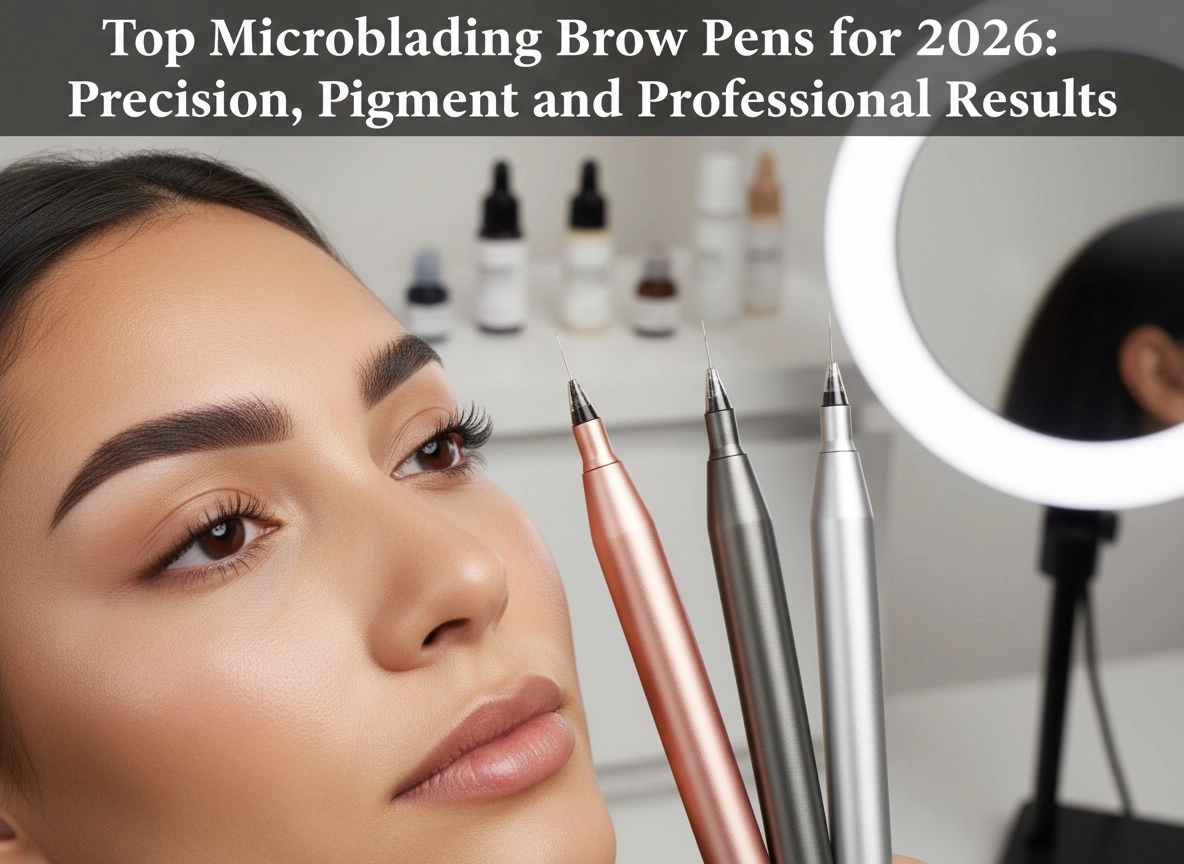
Top Microblading Brow Pens for 2026: Precision, Pigment, and Professional Results
Powder Pigment
What is the difference between inorganic and organic permanent makeup ink?
The main difference between organic and inorganic pigments lies in their chemical composition, properties and performance. Here are some key points to distinguish them:
Chemical composition:
Organic tattoo pigment are composed of carbon-based compounds, usually containing carbon, hydrogen, oxygen and other elements (such as nitrogen, sulfur, etc.). Their molecular structure is complex and usually has organic chemical characteristics.
Inorganic tattoo pigments are mainly composed of inorganic compounds and usually do not contain carbon. Such pigments may contain metal oxides, salts, minerals, etc.
Color saturation:
Organic permanent makeup pigment usually have higher color saturation and brighter colors. Inorganic permanent makeup pigment are generally more stable in color, have strong hiding power, and have low color saturation.
Stability:
Organic cosmetic tattoo pigment have poor stability in light, heat and chemical environments and may fade. Inorganic pigments are generally more stable and resistant to high temperatures and chemical erosion.
Permeability:
Organic pigments are usually composed of organic compounds, which often have good water solubility and can dissolve in water faster. Therefore, organic pigments have stronger permeability than inorganic pigments.
In general, organic and inorganic pigments have their own advantages and disadvantages and are suitable for different application scenarios and needs. In order to take into account the brightness, saturation and stability of the ink, most tattoo supplies ink currently use a mixed formula of organic and inorganic.
Pre-inked Mapping String
Do you provide any other package for pre-inked mapping string?
Yes, we provide different package for pre-inked mapping string: Metal tube / Plastic bottle with metal lid / Paper box. Besides that, we also support making customize outer box for the pre-inked mapping string.
Pigment Ink
Will the pigments turn red, orange, blue, or purple when deposited into the skin ?
They won't. Because we use high-quality ingredients and focus on color balance, lightfastness, and pigment concentration, our shades only lighten slightly as they heal. They will never change color.
Customized service
What if I can't reach the custom minimum order quantity?
We have a minimum order quantity requirement for customized products, which depends on the printing or process or raw material production. The minimum order quantity is calculated separately for each design style. If your order quantity is less than the minimum order quantity, we suggest that you can first order the outer packaging or raw materials according to the minimum order quantity, and then order the finished products in batches, so that your packaging or raw materials can be used in multiple orders.
Tattoo aftercare
How often should I use the microblading repair product for best tattoo aftercare results?
It is recommended to apply the repair twice a day, morning and evening, for 1-2 weeks for best aftercare for tattoo results. Continuous use will help promote healing and extend the life of semi permanent makeup tattoos.
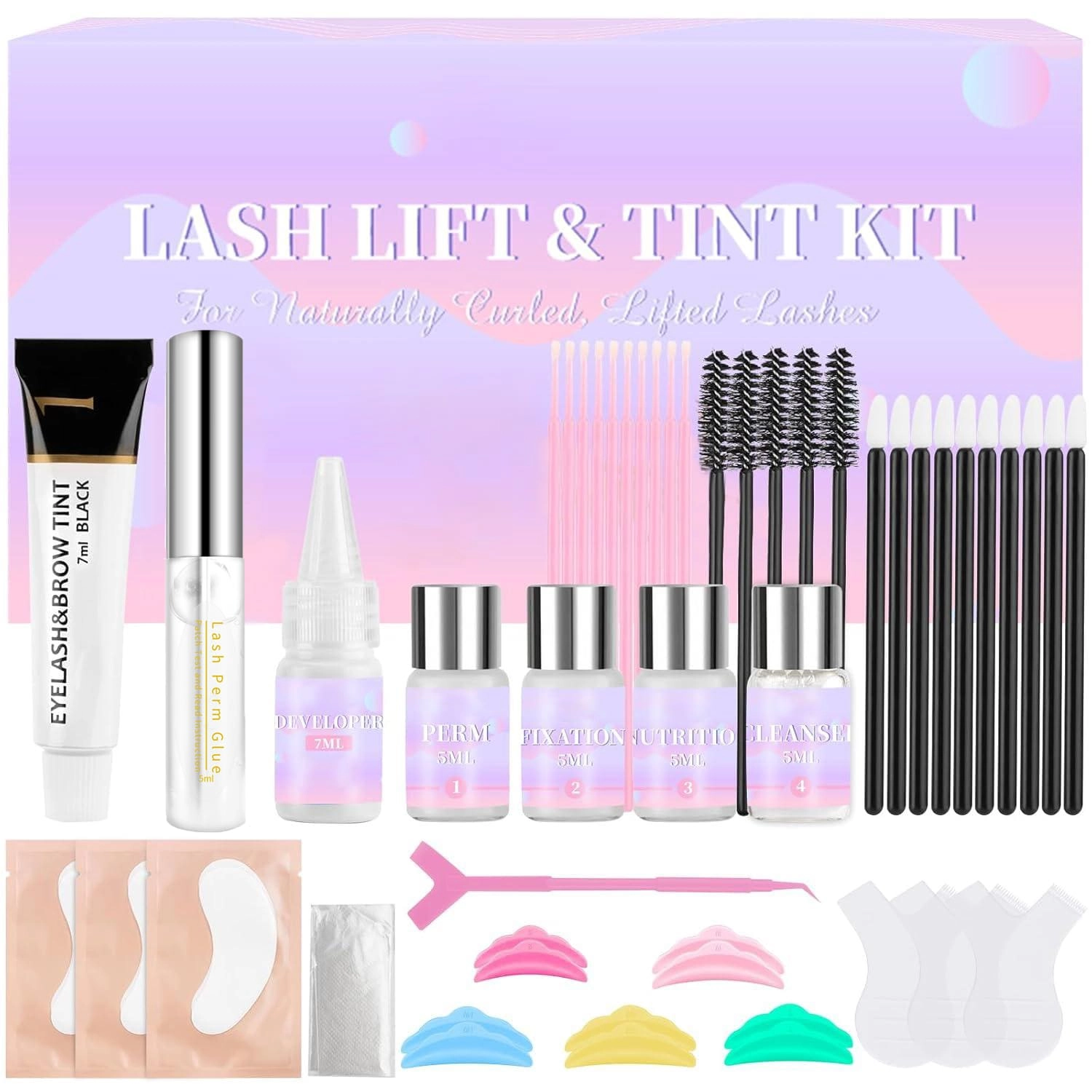
Professional Lash Lift and Tint Kit
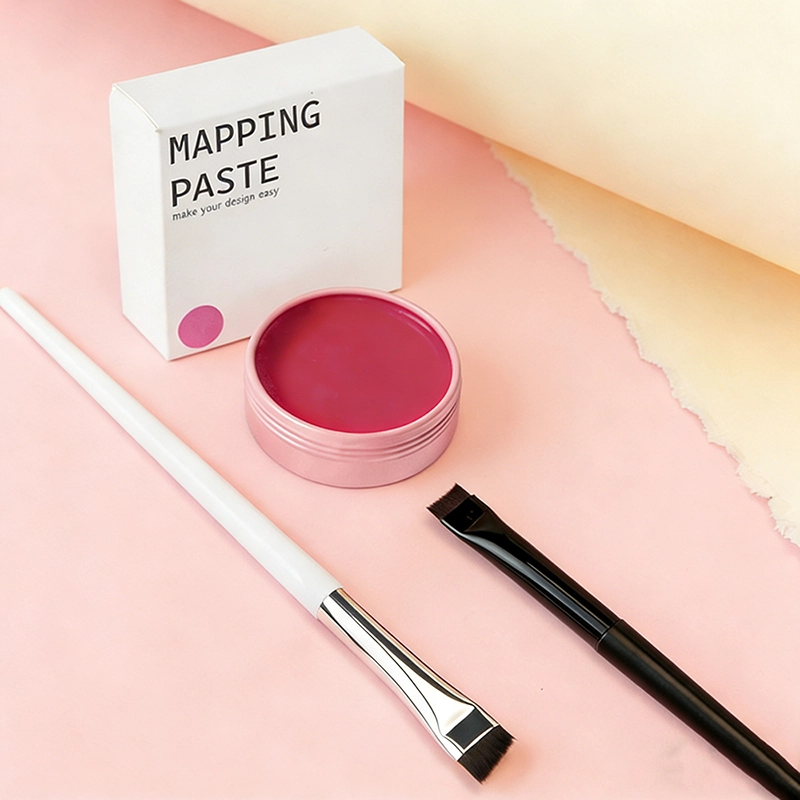
Pre-inked Mapping Ultra-Fine Eyebrows Eyeliner Blade Fan Brush
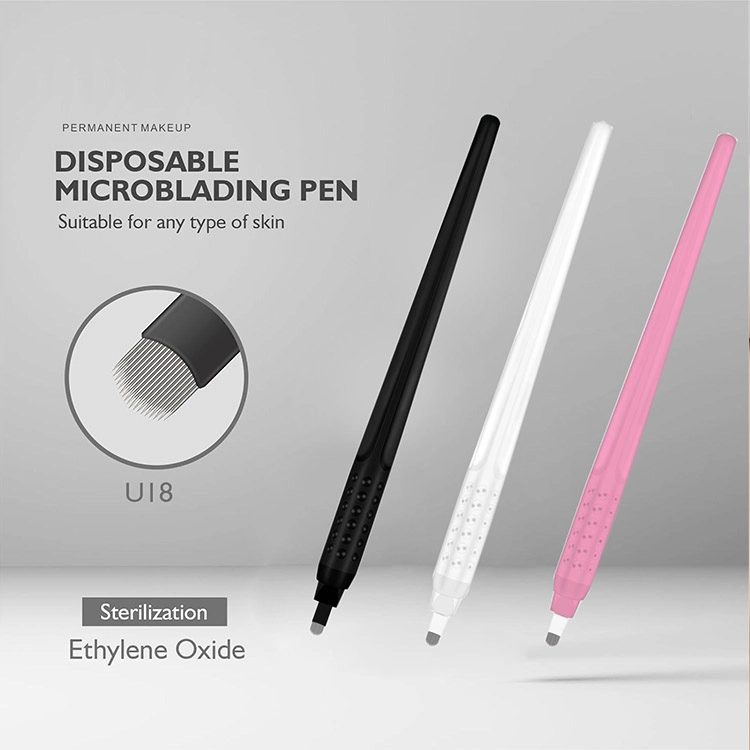
Disposable Microblading Pen
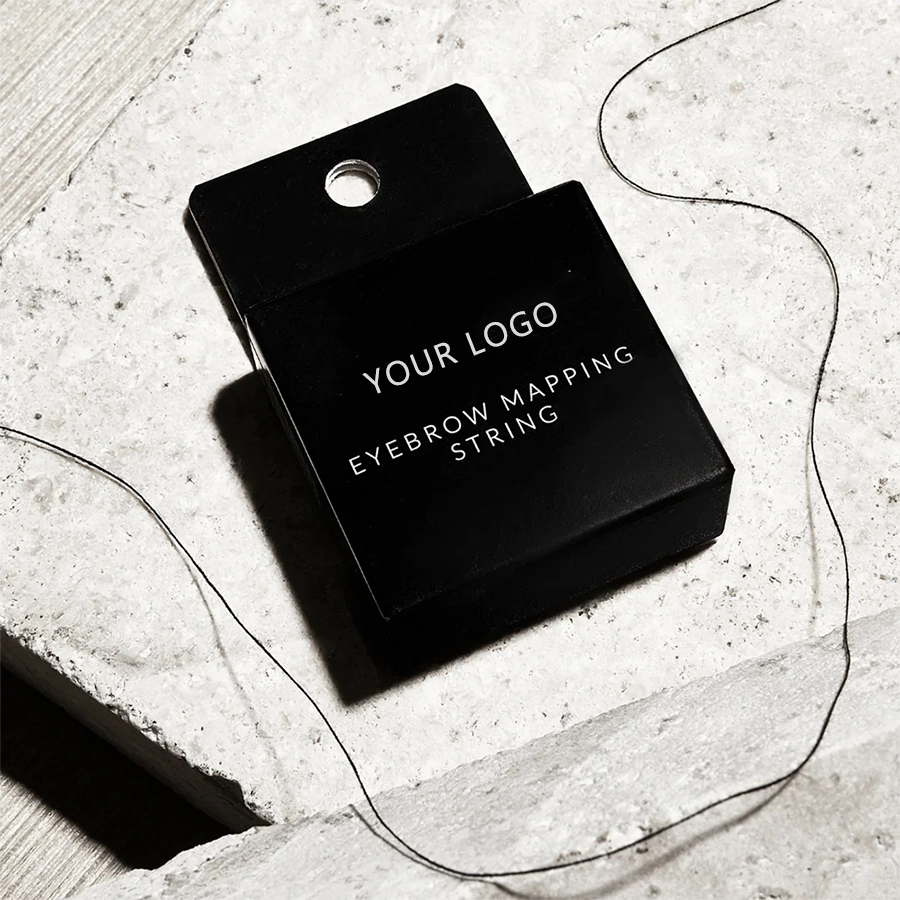
Microblading Pre-inked Mapping String Line 10m
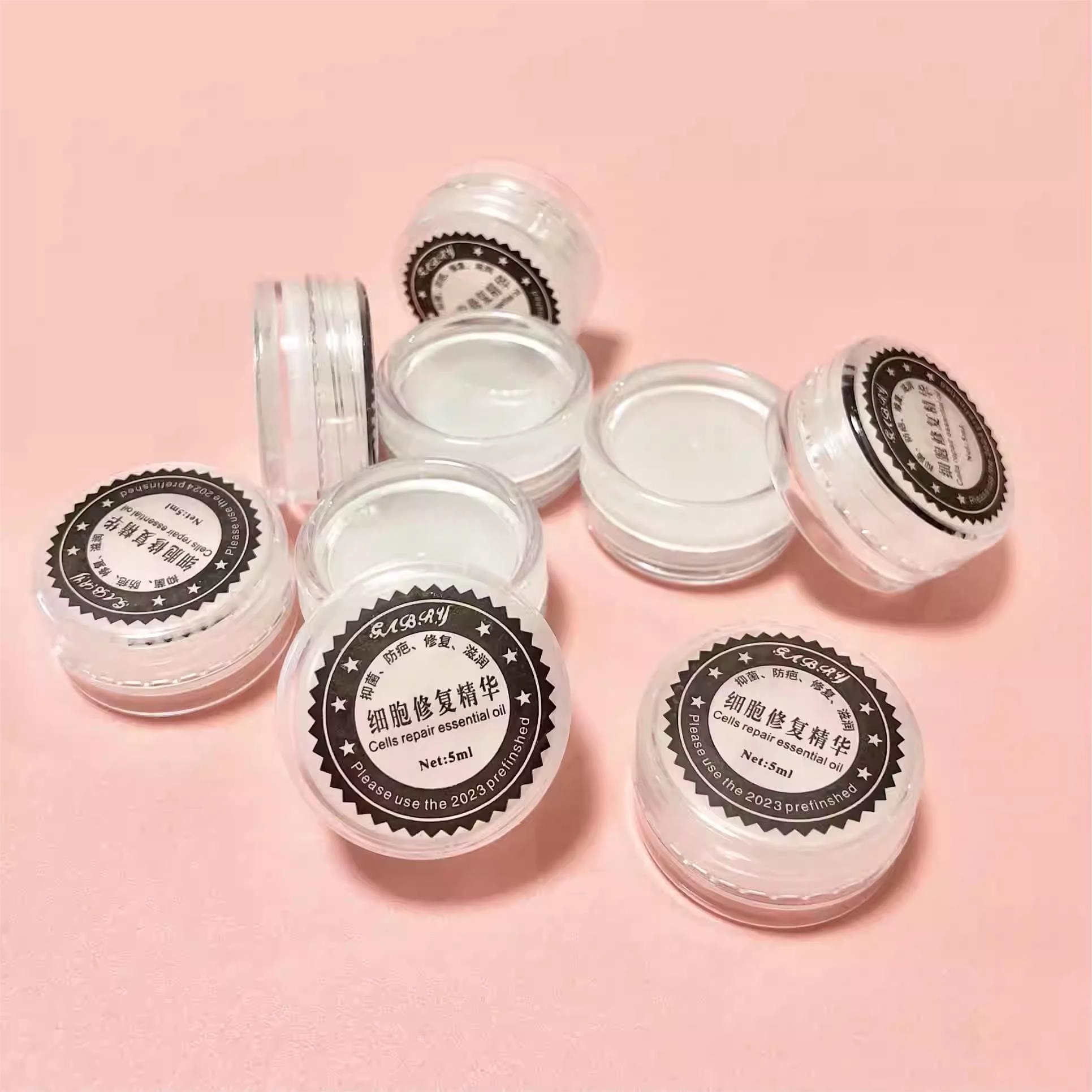
5g Cell Repair Essential Balm
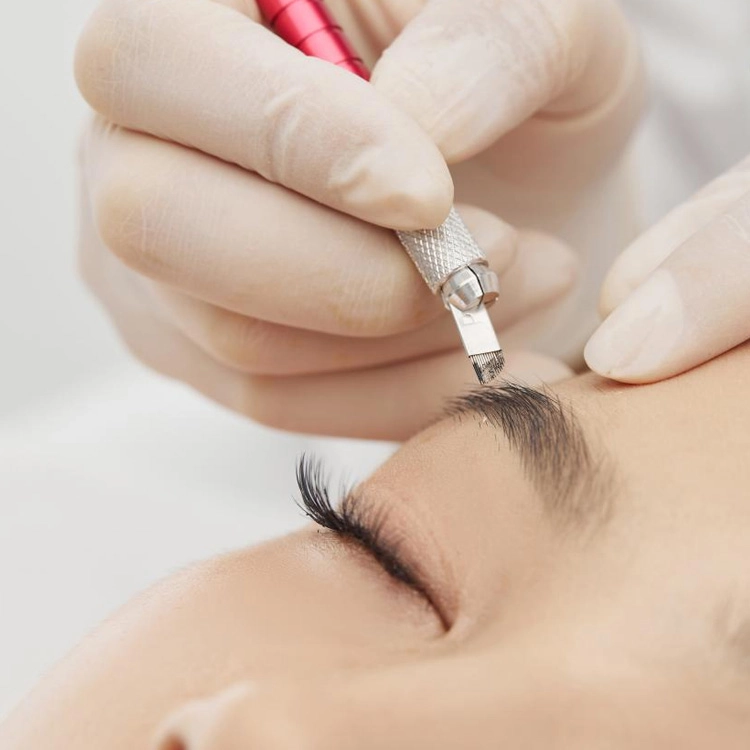
Slope Microblading Needle Blade
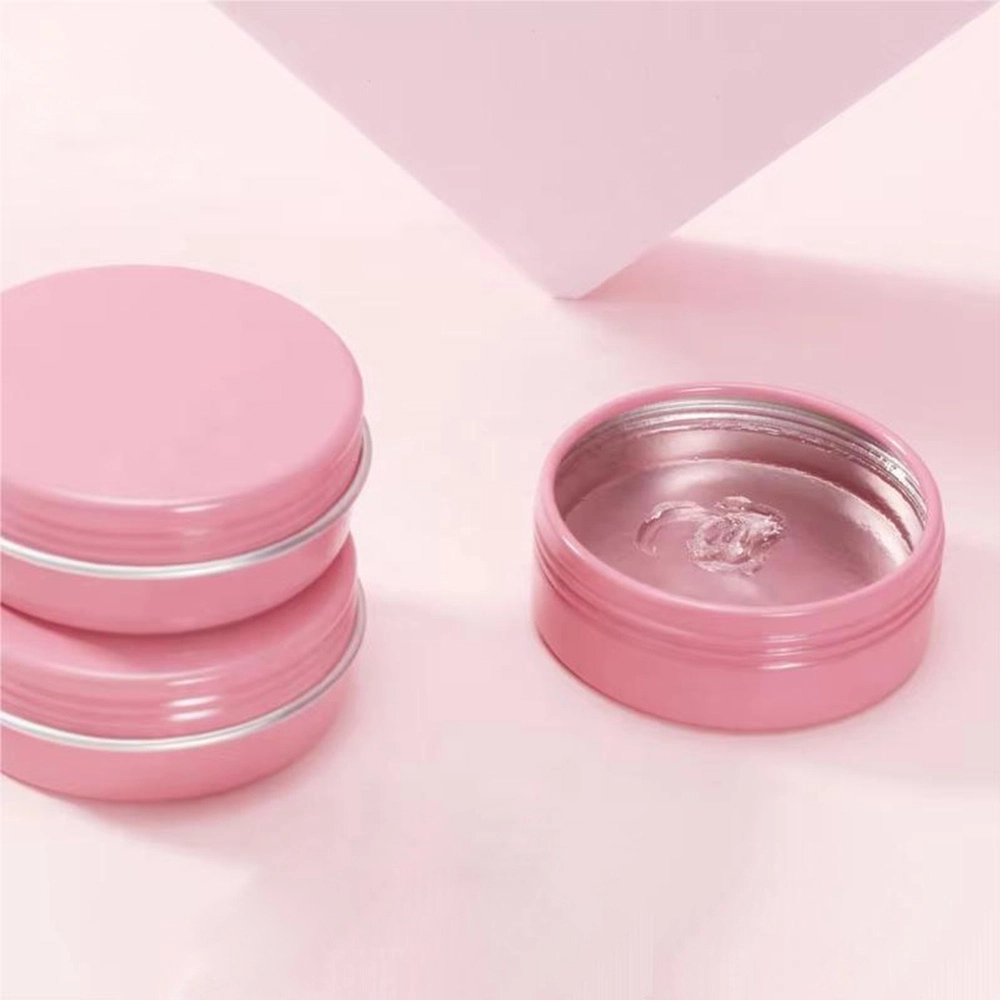
Eyelash Perming Glue Balm
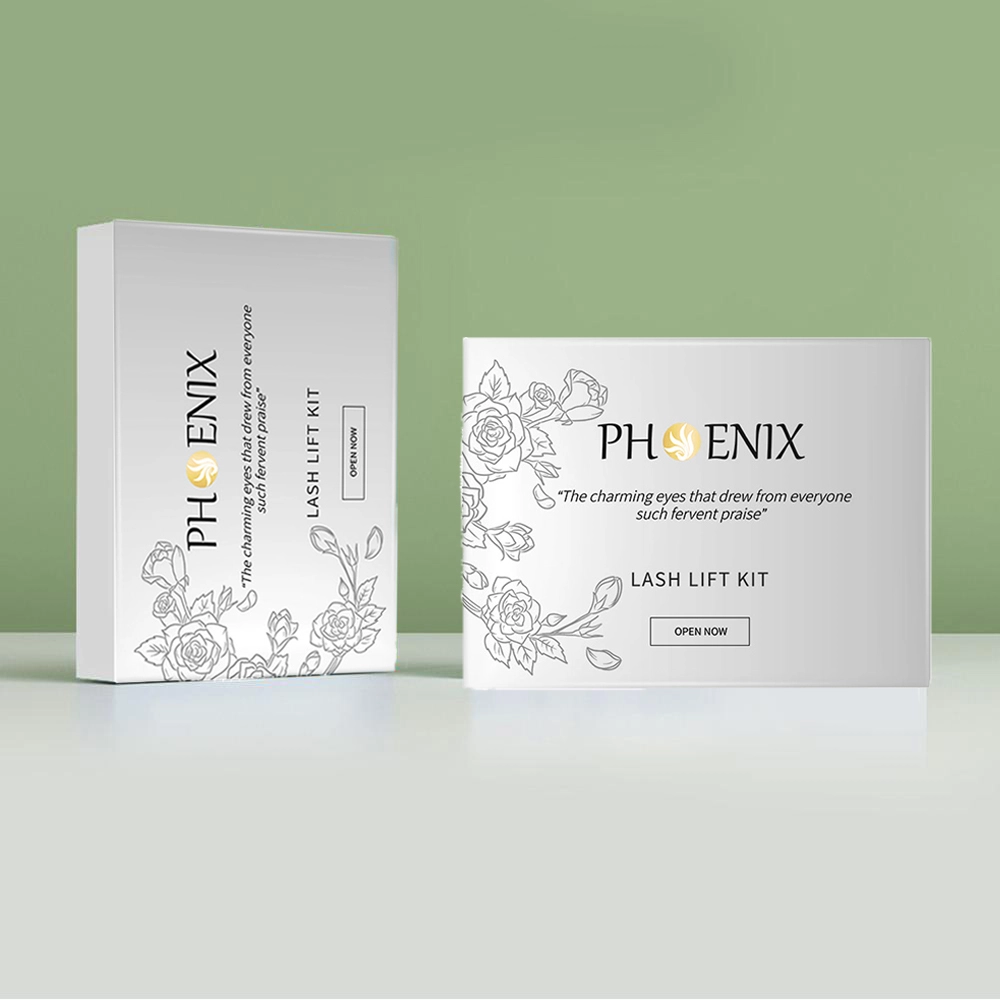
Professional Keratin Lash Lift Kit
What product do we have?

Instagram
Facebook
YouTube