


Does tattoo butter balm help maintain tattoo brightness and clarity? | QM Makeup Guide
Does Tattoo Butter Balm Help Maintain Tattoo Brightness and Clarity?
Tattoo butter balm has become a popular aftercare product in the semi-permanent makeup industry, used to enhance the healing process and preserve the vibrancy of tattoos. Research and industry data confirm that proper moisturizing and protection are critical for maintaining tattoo brightness and clarity during the healing stages and beyond. Tattoo butter balms typically contain natural emollients and healing agents such as shea butter, vitamin E, and coconut oil that hydrate the skin, reduce inflammation, and support regeneration.
How Does Tattoo Butter Balm Aid the Healing Process?
Can Tattoo Butter Balm Prevent Fading of Semi-Permanent Makeup?
While tattoo butter balm does not stop pigment fading caused by external factors like UV exposure, it helps prolong the tattoos brightness by maintaining optimal skin hydration and facilitating proper healing. According to dermatology studies, maintaining skin moisture is essential in preventing premature pigment breakdown. Users who apply tattoo balm regularly report longer-lasting semi-permanent makeup results.
What Ingredients in Tattoo Butter Balm Contribute to Tattoo Brightness?
Key ingredients include:
- Shea Butter: Deep hydration and anti-inflammatory effects.
- Vitamin E: Antioxidant protection supporting skin repair.
- Coconut Oil: Antibacterial, moisturizing properties aiding healing.
These components collectively create a nurturing environment that helps preserve the tattoos clarity and vibrancy.
Is Tattoo Butter Balm Safe for All Skin Types?
Most tattoo butter balms use hypoallergenic and natural ingredients making them safe for sensitive skin. However, individuals with known allergies should verify the ingredients list to avoid reactions. In professional semi-permanent makeup settings, products tested for dermatological safety and approved by governing bodies are recommended.
When and How Should Tattoo Butter Balm Be Applied?
Typically, tattoo butter balm should be applied after the initial healing phase when the skin is closed but still requires moisture to avoid dryness. A thin layer is recommended 2-3 times daily for up to 2 weeks post-procedure, following the technicians specific aftercare guidelines. Overapplication can suffocate the skin, so moderation is key for maintaining brightness and clarity.
- Does Tattoo Butter Balm Help Maintain Tattoo Brightness and Clarity?
- How Does Tattoo Butter Balm Aid the Healing Process?
- Can Tattoo Butter Balm Prevent Fading of Semi-Permanent Makeup?
- What Ingredients in Tattoo Butter Balm Contribute to Tattoo Brightness?
- Is Tattoo Butter Balm Safe for All Skin Types?
- When and How Should Tattoo Butter Balm Be Applied?
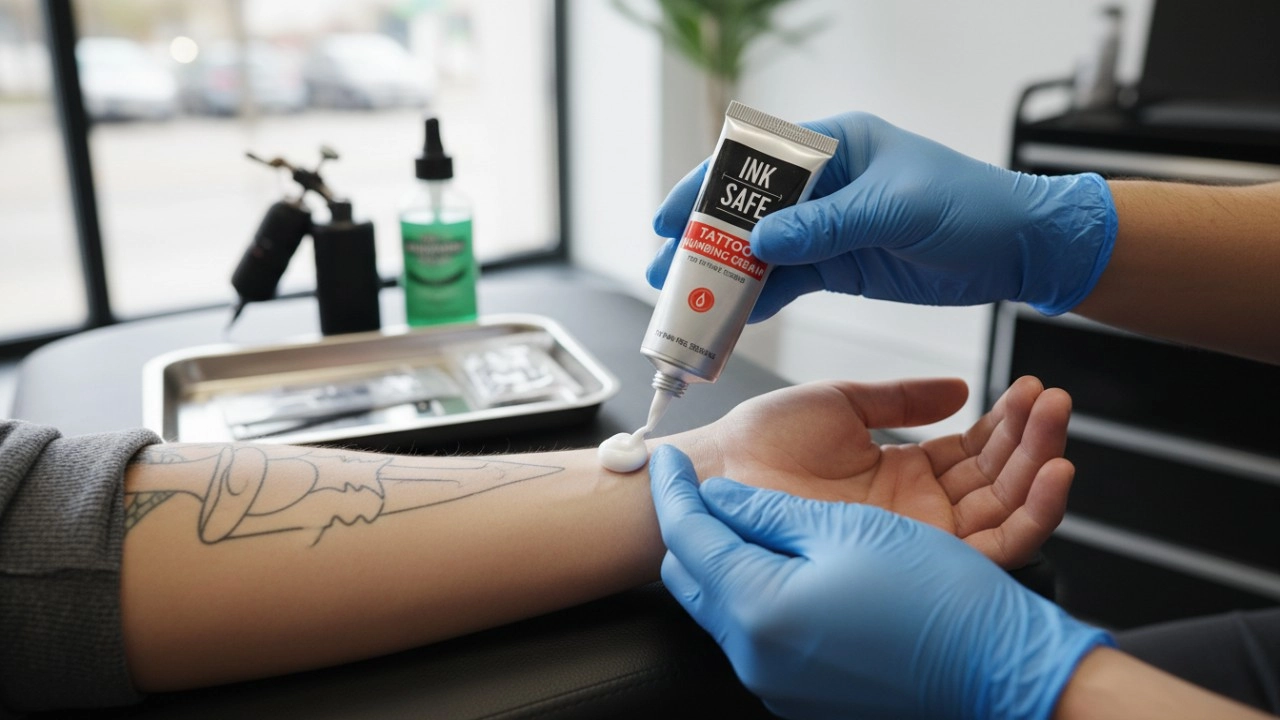
10 Best Numbing Creams for Tattoos in 2026: Ranked by Pain Relief and Safety
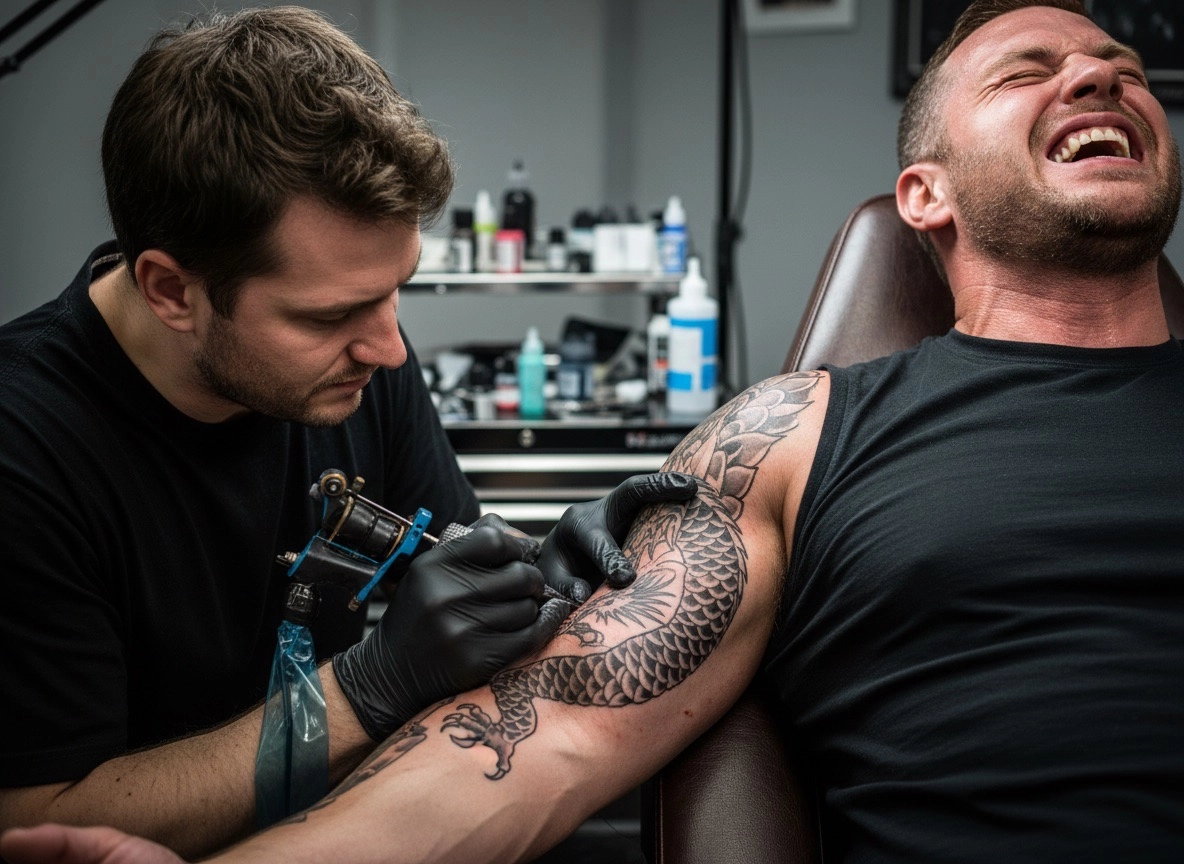
Does Numbing Cream Work for Tattoos? The Ultimate Guide to a Pain-Free Session
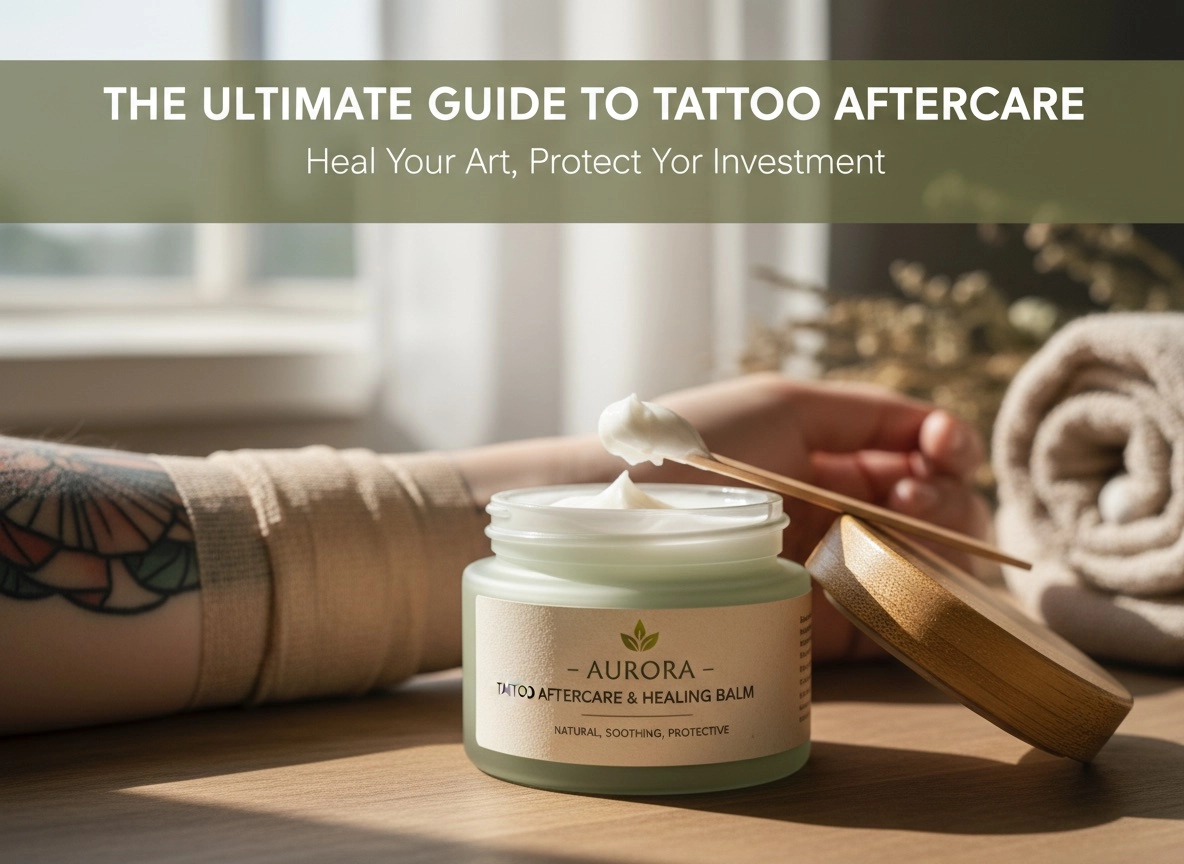
The Ultimate Guide to Tattoo Aftercare Cream: Healing & Vibrancy for 2026 and Beyond
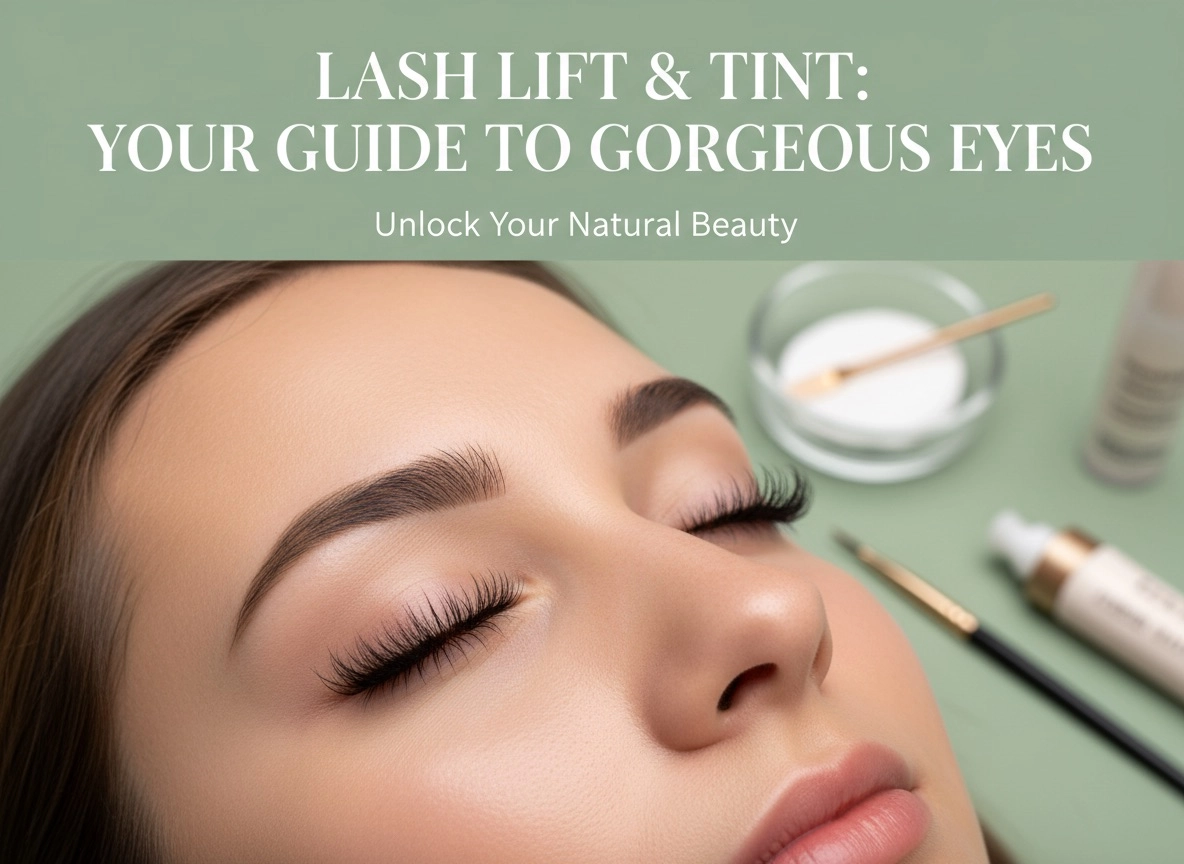
Lash Lift and Tint 2026: Your Ultimate Guide to Defined, Curled Lashes
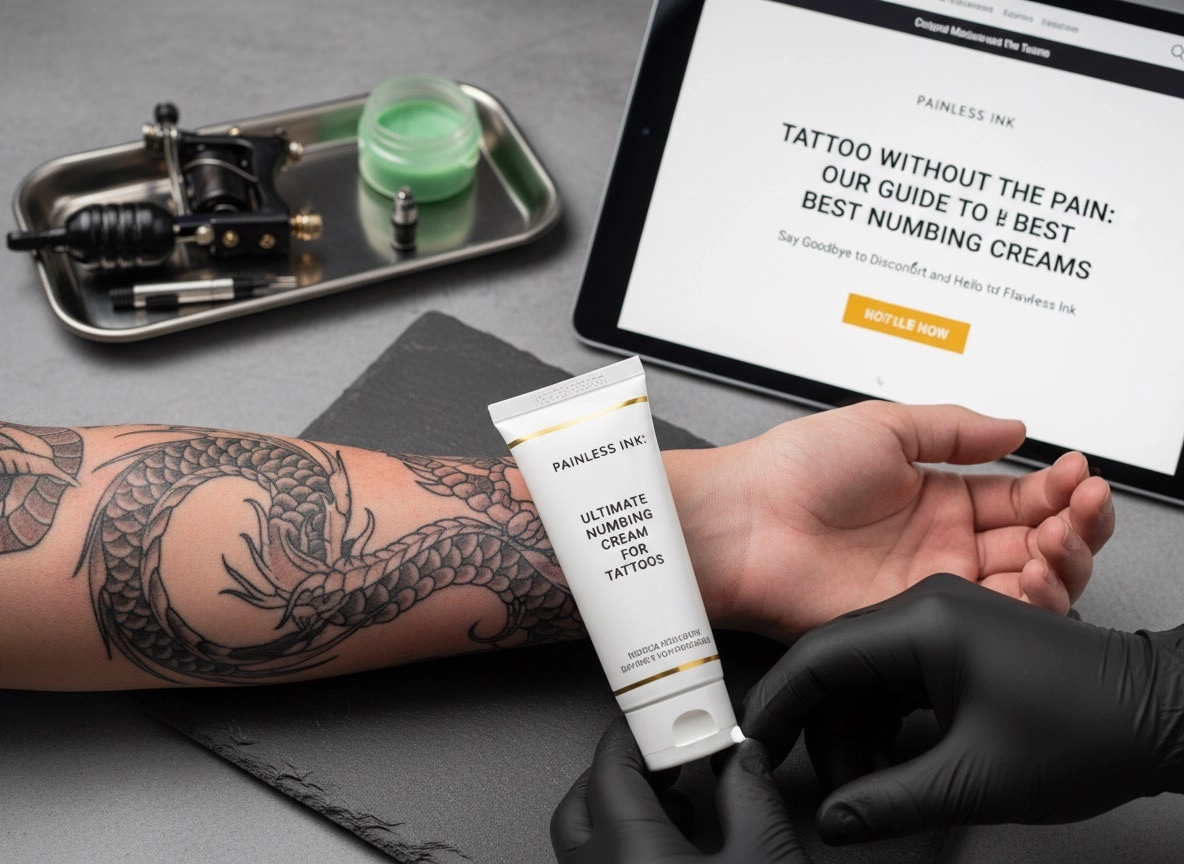
Best Numbing Cream for Tattoos 2026: The Ultimate Guide for Pain-Free Ink
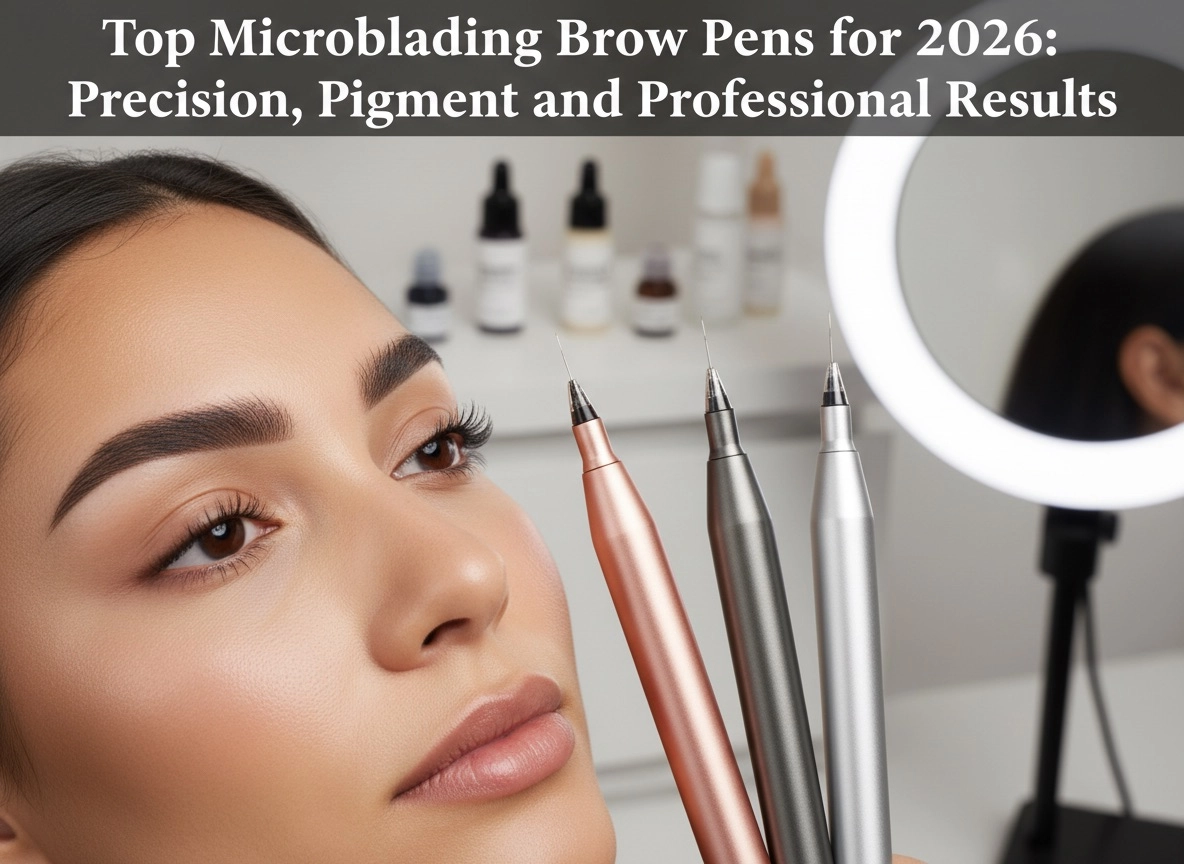
Top Microblading Brow Pens for 2026: Precision, Pigment, and Professional Results
Tattoo Numbing Patches
Can I customize the patch size and patch material?
Yes, of course. We offer normal size and extra-large size to meet the personalized needs of different users. If you have fuller lips, we recommend choosing an extra-large size. Regarding the patch material, we offer cotton and silk options. The silk mask is smooth, lightweight, and breathable, offering a better fit and a comfortable feel.
Tattoo balm
How often should I use the tattoo repair balm for best tattoo care results?
Tattoo butter balm is the best aftercare for tattoo, here are the general steps and suggestions for using tattoo repair balm.
Use phase:
Use before tattoo: Before tattooing, tattoo repair balm can be used on the tattoo area to help keep the skin moisturized, reduce friction during tattooing, and reduce skin damage.
After tattooing: After the tattoo artist completes the tattoo, it is recommended to use the repair cream for the first time to protect the new tattoo area.
During the healing period: In the next few weeks, the repair balm can be used every day to help keep the skin moisturized and prevent dryness and scabbing.
Daily care: The repair balm can be used every day on the old tattoo area to effectively prevent the old tattoo from fading. It has the effect of enhancing the color and keeping the faded old tattoo bright.
How to use:
Cleaning: Before using the repair balm, clean the tattoo area with warm water and soap-free lotion and pat dry gently.
Apply the repair balm: Take an appropriate amount of the repair balm and apply it evenly on the tattoo area, making sure to cover the entire area.
Gently massage: Gently massage the repair cream to allow it to better penetrate the skin.
Frequency: Apply 1 to 3 times a day according to the product instructions or the tattoo artist's advice to keep the skin moist.
Avoid irritation: During your recovery period, avoid using products containing alcohol or fragrances, as well as overexposure to the sun.
Powder Pigment
What is the color retention rate and color retention time of the pigment?
QM pigments have a higher retention rate than most other tattoo ink brands on the market. With nearly 20 years of microblading pigment permanent makeup formulation experience, the color retention rate of the pigment can be as high as 99%, and the color retention time is generally 3-5 years.
What is the difference between inorganic and organic permanent makeup ink?
The main difference between organic and inorganic pigments lies in their chemical composition, properties and performance. Here are some key points to distinguish them:
Chemical composition:
Organic tattoo pigment are composed of carbon-based compounds, usually containing carbon, hydrogen, oxygen and other elements (such as nitrogen, sulfur, etc.). Their molecular structure is complex and usually has organic chemical characteristics.
Inorganic tattoo pigments are mainly composed of inorganic compounds and usually do not contain carbon. Such pigments may contain metal oxides, salts, minerals, etc.
Color saturation:
Organic permanent makeup pigment usually have higher color saturation and brighter colors. Inorganic permanent makeup pigment are generally more stable in color, have strong hiding power, and have low color saturation.
Stability:
Organic cosmetic tattoo pigment have poor stability in light, heat and chemical environments and may fade. Inorganic pigments are generally more stable and resistant to high temperatures and chemical erosion.
Permeability:
Organic pigments are usually composed of organic compounds, which often have good water solubility and can dissolve in water faster. Therefore, organic pigments have stronger permeability than inorganic pigments.
In general, organic and inorganic pigments have their own advantages and disadvantages and are suitable for different application scenarios and needs. In order to take into account the brightness, saturation and stability of the ink, most tattoo supplies ink currently use a mixed formula of organic and inorganic.
Handmade pen
Do disposable eyebrow pen microblading meet hygiene and safety standards?
Our microblading pen for eyebrows are sterilized in individual blister packs using EO gas sterilization. Each 3d microblading pen is packed in a protective cover for safe storage and handling, and is also marked with a batch number, manufacturer date, and expiration date to ensure safety and hygiene, so you can use it with confidence.
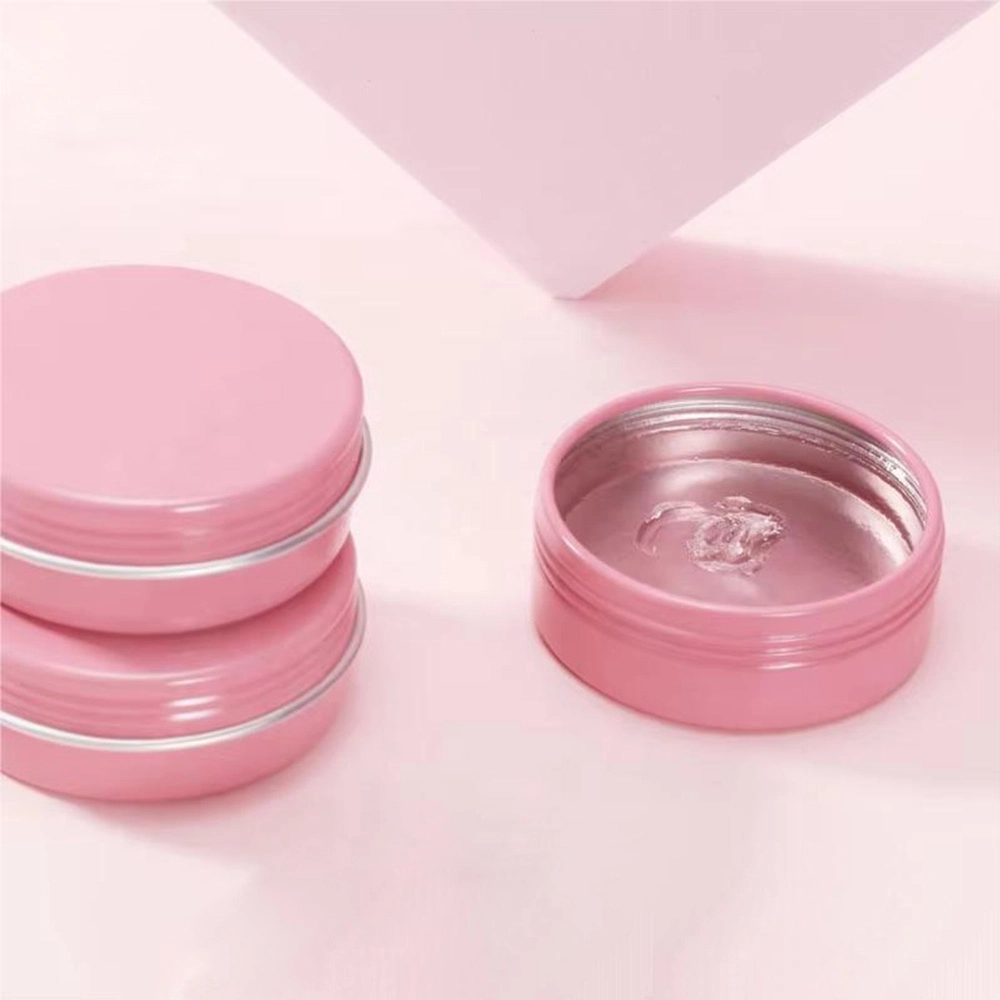
Eyelash Perming Glue Balm
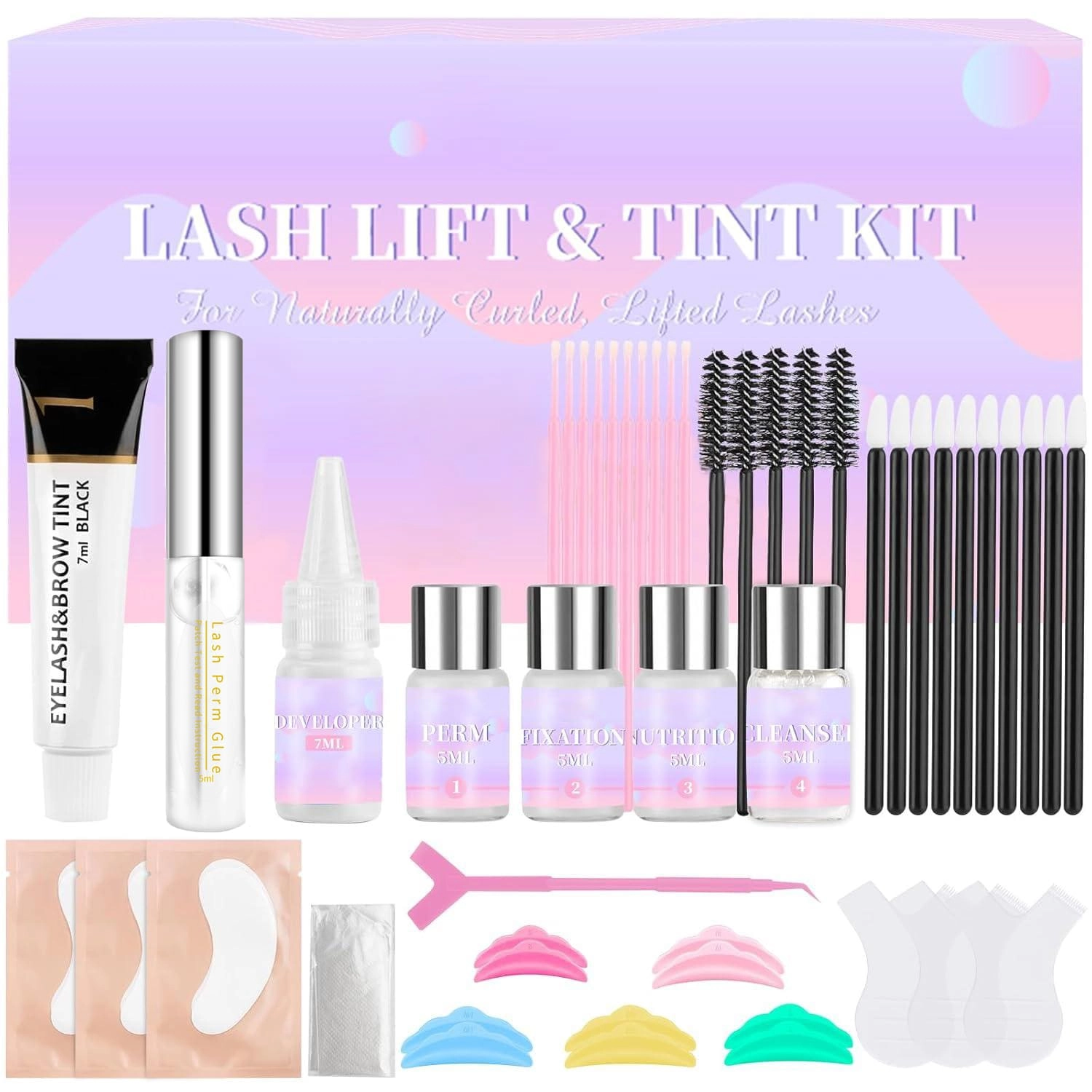
Professional Lash Lift and Tint Kit
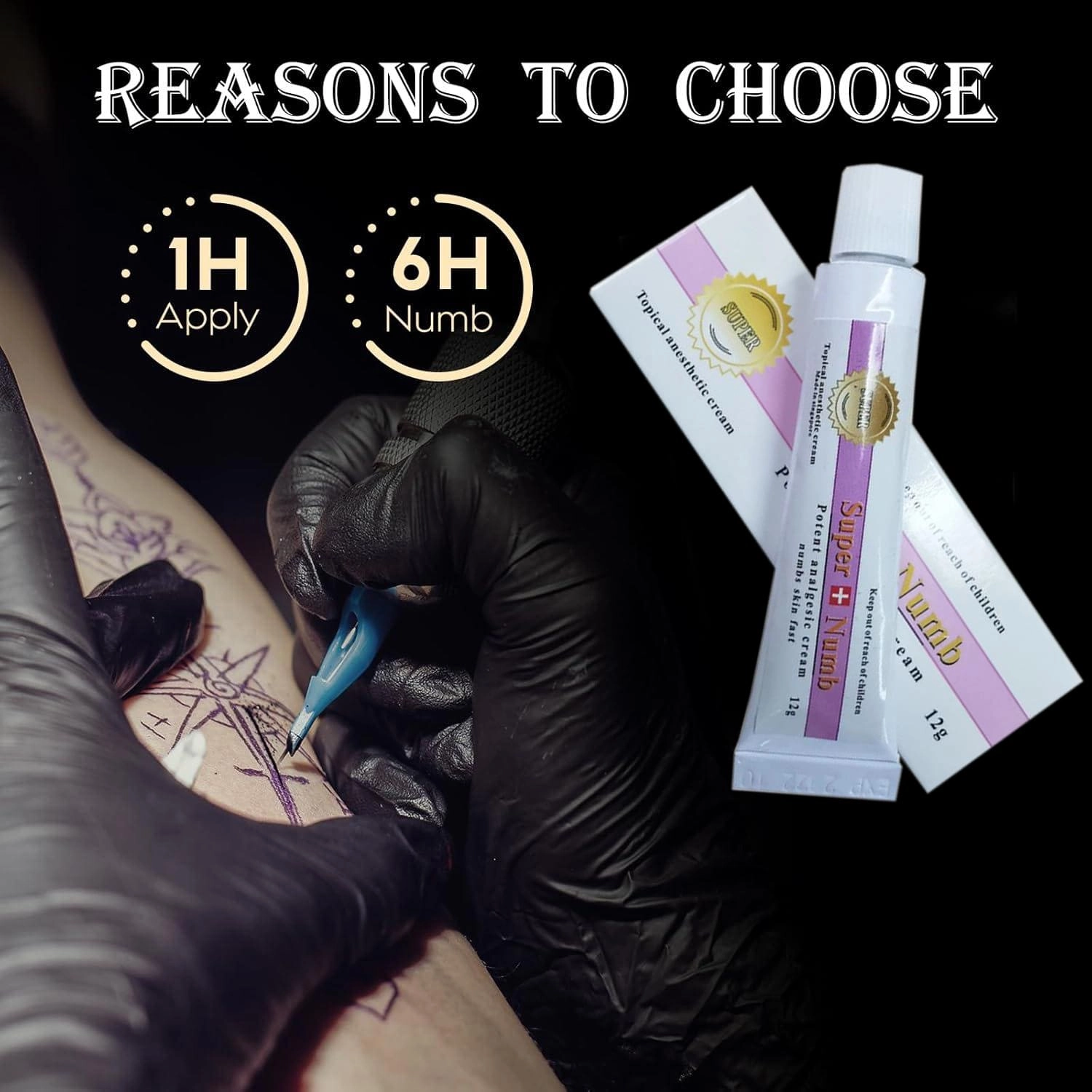
Super Numb Tattoo Cream
Microblading Pre-inked Mapping String Line 10m
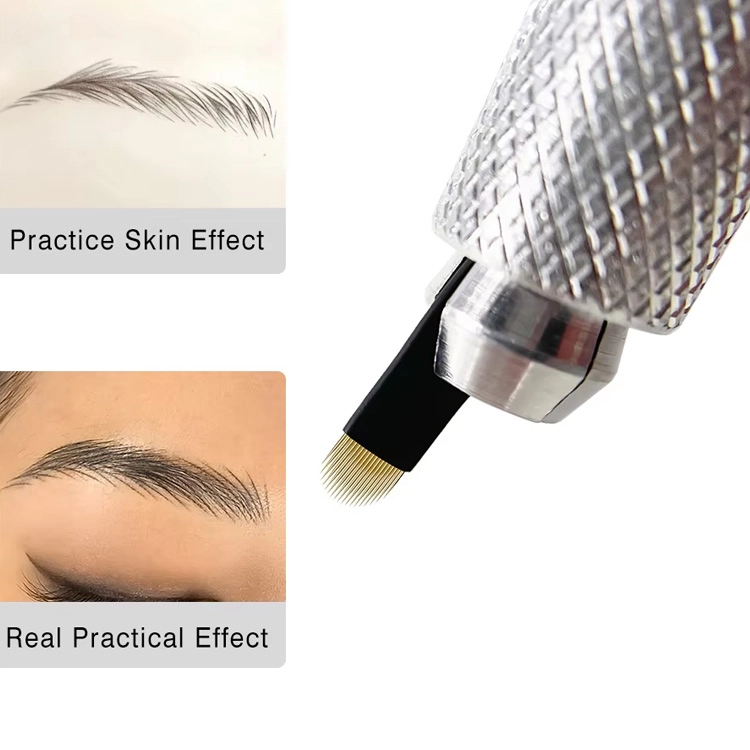
U-Curved Microblading Needle Blade
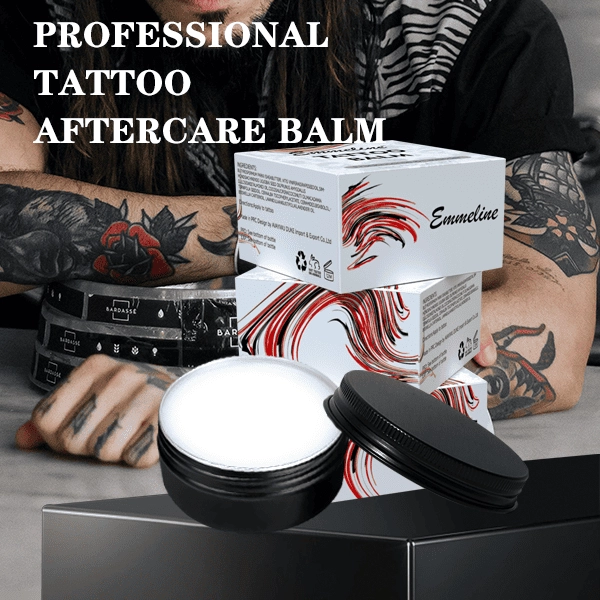
50g Body Tattoo Butter Balm
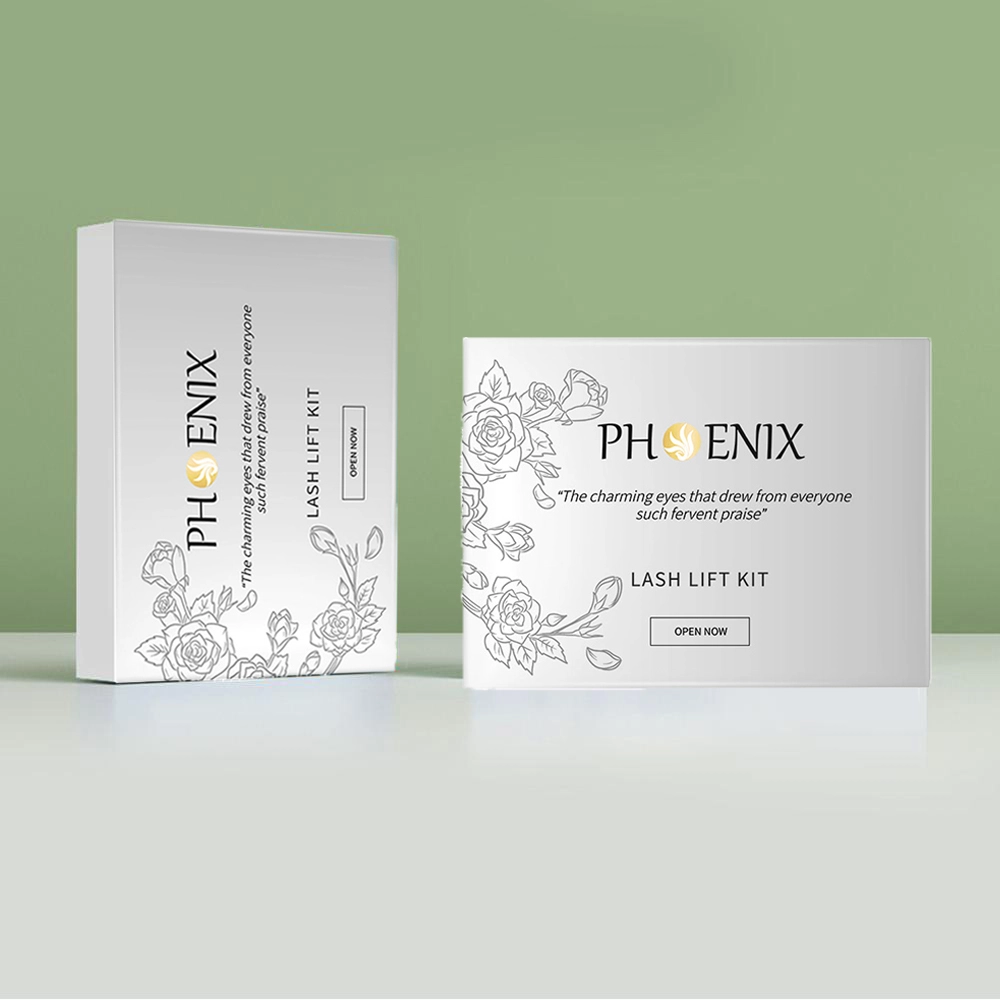
Professional Keratin Lash Lift Kit
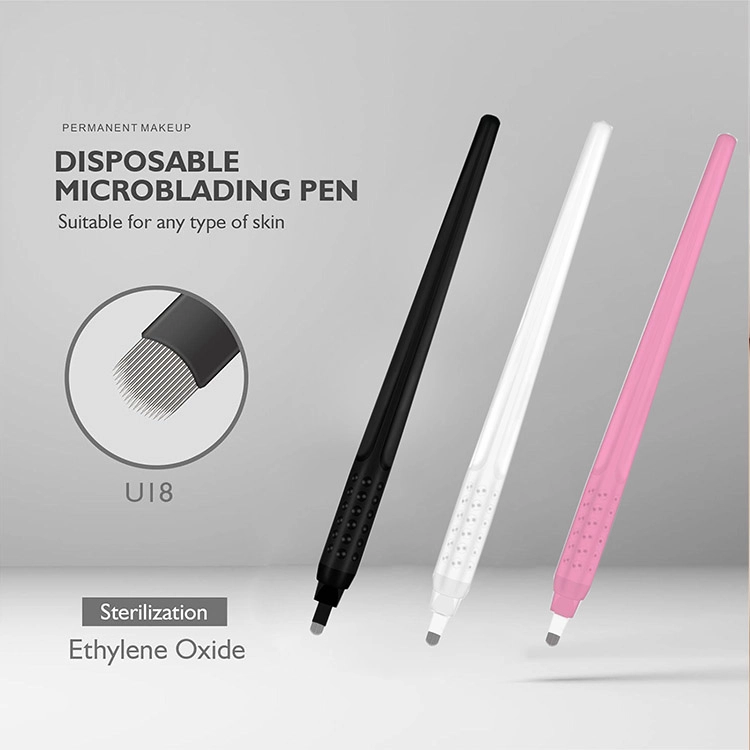
Disposable Microblading Pen
What product do we have?

Instagram
Facebook
YouTube