


How Painful Is Permanent Makeup?
Is semi-permanent makeup painful? How painful is it? This is a question in the minds of many semi-permanent makeup beginners and patients who are planning to undergo semi-permanent makeup treatment. This article will give you an in-depth understanding of permanent makeup pain management methods, the effectiveness and safety of soothing creams, and how long they last.
-
Feasibility: Is it okay to use numbing cream before microblading?
Since semi-permanent makeup uses a high-speed needle to bring pigment into the dermis of the skin, it will cause damage to the epidermis and dermis of the skin (although the damage is relatively small). Semi-permanent makeup is bound to be painful, but the pain is much less than a body tattoo. Before treatment, professional tattoo artists will use painless tattoo numb products to manage the pain for patients.

Solution: What cream can I use to numb for a tattoo?
At present, there are many numbing relief products on the market, and the common types are pain-free tattoo numbing cream, numbing essence, numbing gel, numbing spray, and numbing patch. Different types of numbing products are used in different scenarios and needs (if you want to know more about how to choose the right pain-free product, you can browse our series of articles on numbing products). The more commonly used pain-free tattoo product is tattoo numbing cream, which is simpler and more convenient to use than other types of no-pain products, and it is easy to control the dosage, which is more friendly to semi-permanent makeup beginners.
Effectiveness: Do tattoo numbing creams really work?
Using numbing cream before a tattoo can effectively numb the patient's skin to avoid pain during treatment. The active ingredients of the numbing cream are lidocaine, procaine, and epinephrine. Depending on the different combinations of active ingredients, the numbing effect on the patient's skin can reach 40% to 90%.
1. Lidocaine and procaine
They have similar effects; both of them achieve analgesic effects by blocking the transmission of nerve impulses. The difference is that their onset and duration of action are different. Lidocaine takes effect quickly but lasts for a short time, while procaine takes effect slowly but lasts for a long time. The combination of the two can achieve a fast onset and long duration effect, ensuring that patients will not feel pain during treatment.
2. Epinephrine
The addition of epinephrine can effectively delay the absorption of lidocaine and procaine, prolong the numbness effect, and at the same time, epinephrine can cause the contraction of skin blood vessels, which helps to reduce bleeding in the tattoo area.

Safety: Is it good to put numbing cream before a tattoo?
The safety of numb tattoo cream is closely related to its ingredient content. We strongly recommend that you check the product ingredient description and content ratio before using deep numb tattoo cream to ensure that the content of various ingredients is within the safe range. According to medical literature guidelines (you can also check on Wikipedia), the lidocaine and procaine ingredients of numbing creams for external use on the human body should not exceed 5% (that is, the numbing ingredient content in each 1g of cream should not exceed 50mg). Some national drug administrations require that it should not exceed 4%. For specific regulations, please check the drug management regulations in your area. In addition, numbing creams have the risk of causing allergies and redness and swelling. Therefore, before using numb skin cream for tattoos, patch tests must be applied to the treatment area (avoiding damaged skin). Pregnant women, breastfeeding women, children, people with heart disease, high blood pressure, or abnormal liver and kidney function should not use it. When using, avoid contact with eyes and mucous membranes.

Onset of Effect: How long to leave on tattoo numbing cream?
The onset time of numb cream tattoo is affected by the formula and the content of active ingredients. Common pure numb tattoo creams generally take effect in 20 minutes. Depending on the different treatment items and the depth of the operation on the skin, we recommend different waiting times to ensure that the patient's treatment area has been fully numbed before the operation. Taking our best numbing cream for microblading, “Super Numb Tattoo Cream,” as an example, we recommend that for semi-permanent makeup treatments, you wait for 25-30 minutes; for body tattoo operations, wait for 60-75 minutes.

Duration: How long does numbing cream last?
The duration of the numb cream tattoo is also affected by the formula and the content of the active ingredients. Generally speaking, high-quality cream to numb before a tattoo can ensure that patients do not feel pain throughout the treatment process. Taking our “super numb cream” as an example, the numbing effect can generally last for 3-4.5 hours.
It is worth noting that there may be individual differences in the numbing effect. For example, patients who have undergone major surgery may be resistant to numbing ingredients; patients are strong and have thicker skin, which makes the skin insensitive to painless tattoo numbing cream. It is recommended to do a pain test for the patient before the treatment begins.
If the patient feels pain during the treatment, a secondary numbing relief product can be used if necessary to prolong the numbness time.
If you are interested in the information of tattoo numbing products, welcome to follow our channel or contact us for more tips and details!
- Feasibility: Is it okay to use numbing cream before microblading?
- Solution: What cream can I use to numb for a tattoo?
- Effectiveness: Do tattoo numbing creams really work?
- 1. Lidocaine and procaine
- 2. Epinephrine
- Safety: Is it good to put numbing cream before a tattoo?
- Onset of Effect: How long to leave on tattoo numbing cream?
- Duration: How long does numbing cream last?
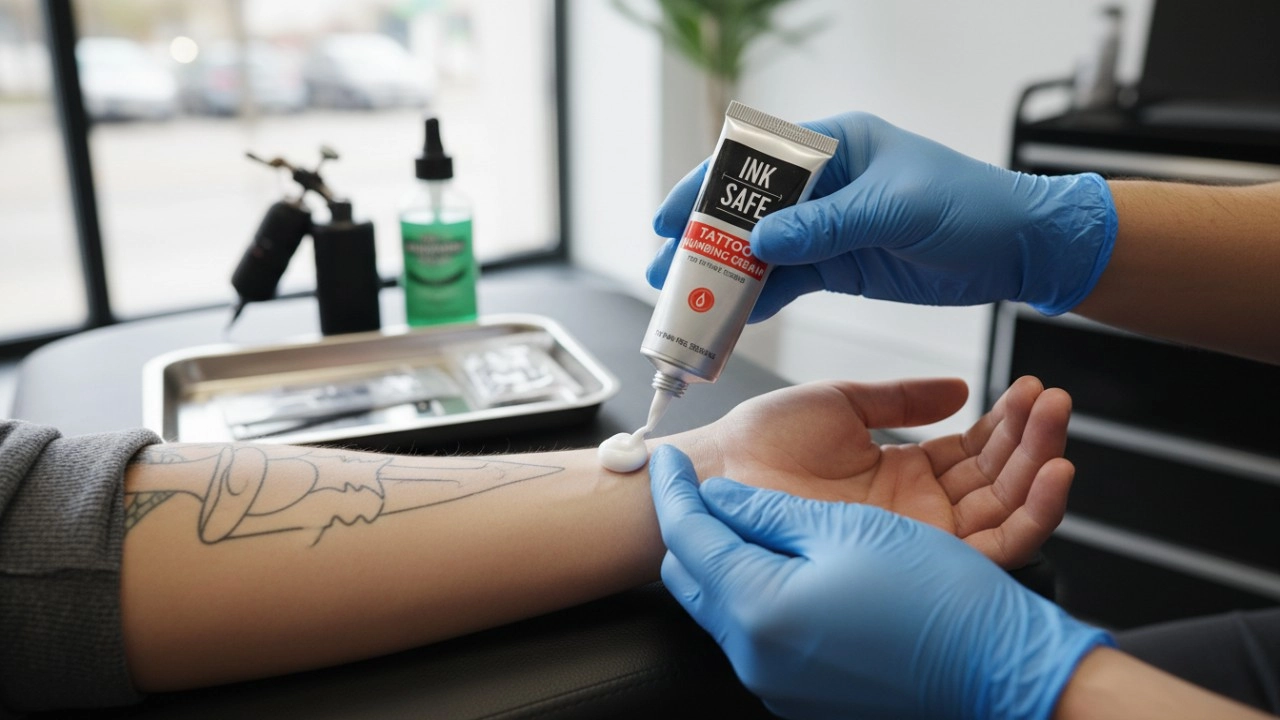
10 Best Numbing Creams for Tattoos in 2026: Ranked by Pain Relief and Safety
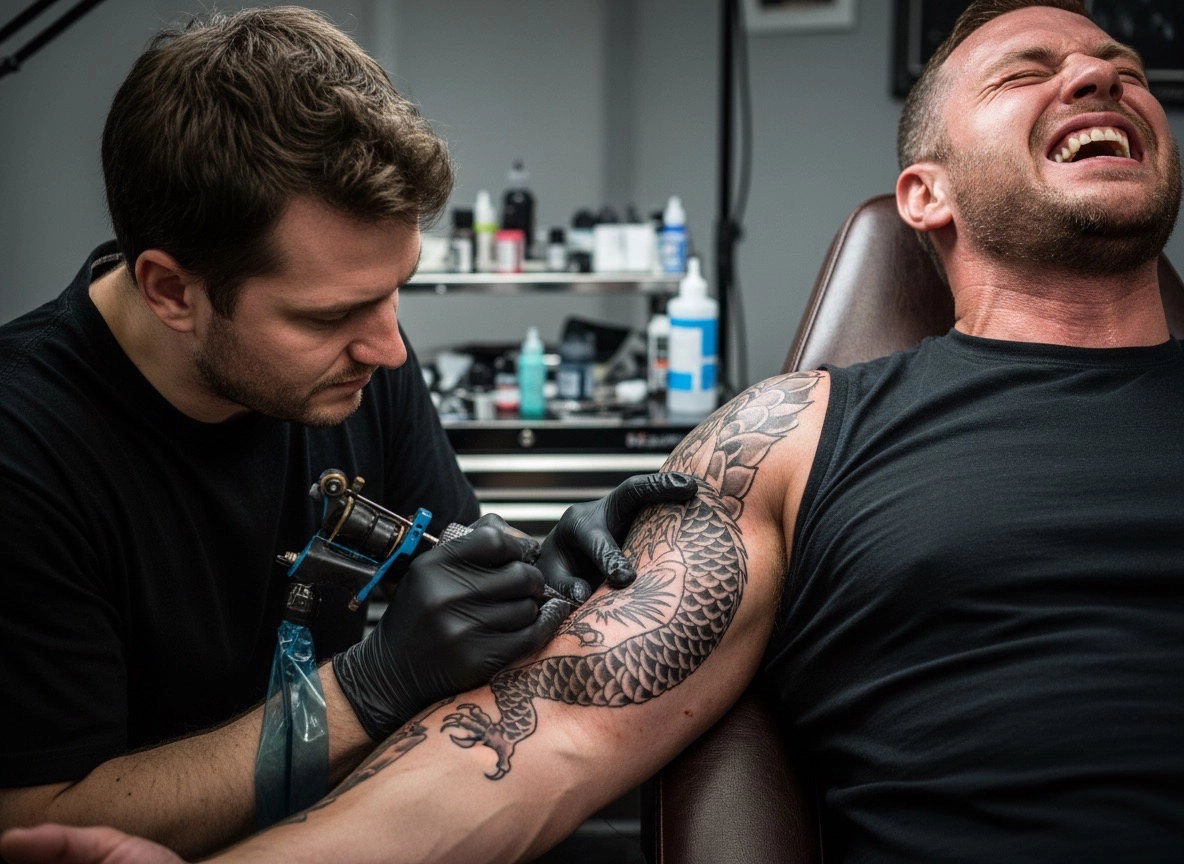
Does Numbing Cream Work for Tattoos? The Ultimate Guide to a Pain-Free Session
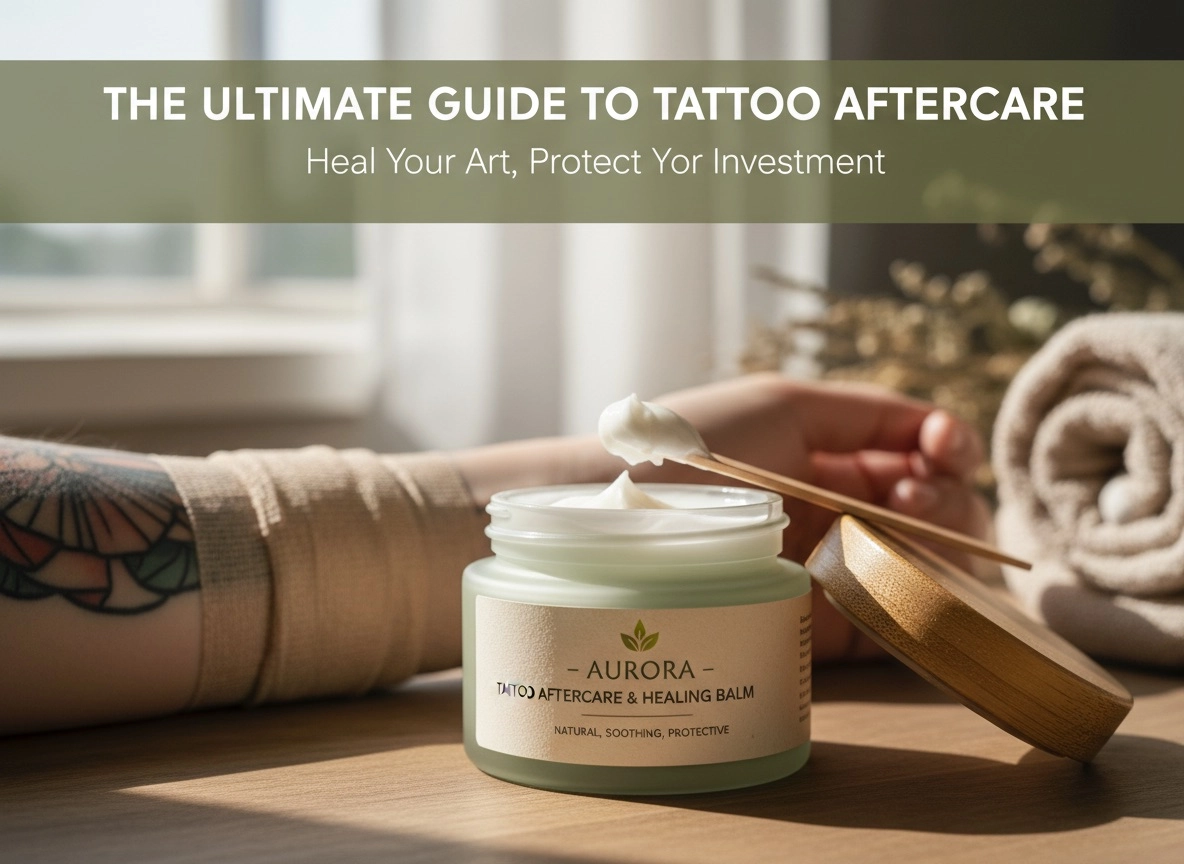
The Ultimate Guide to Tattoo Aftercare Cream: Healing & Vibrancy for 2026 and Beyond

Lash Lift and Tint 2026: Your Ultimate Guide to Defined, Curled Lashes
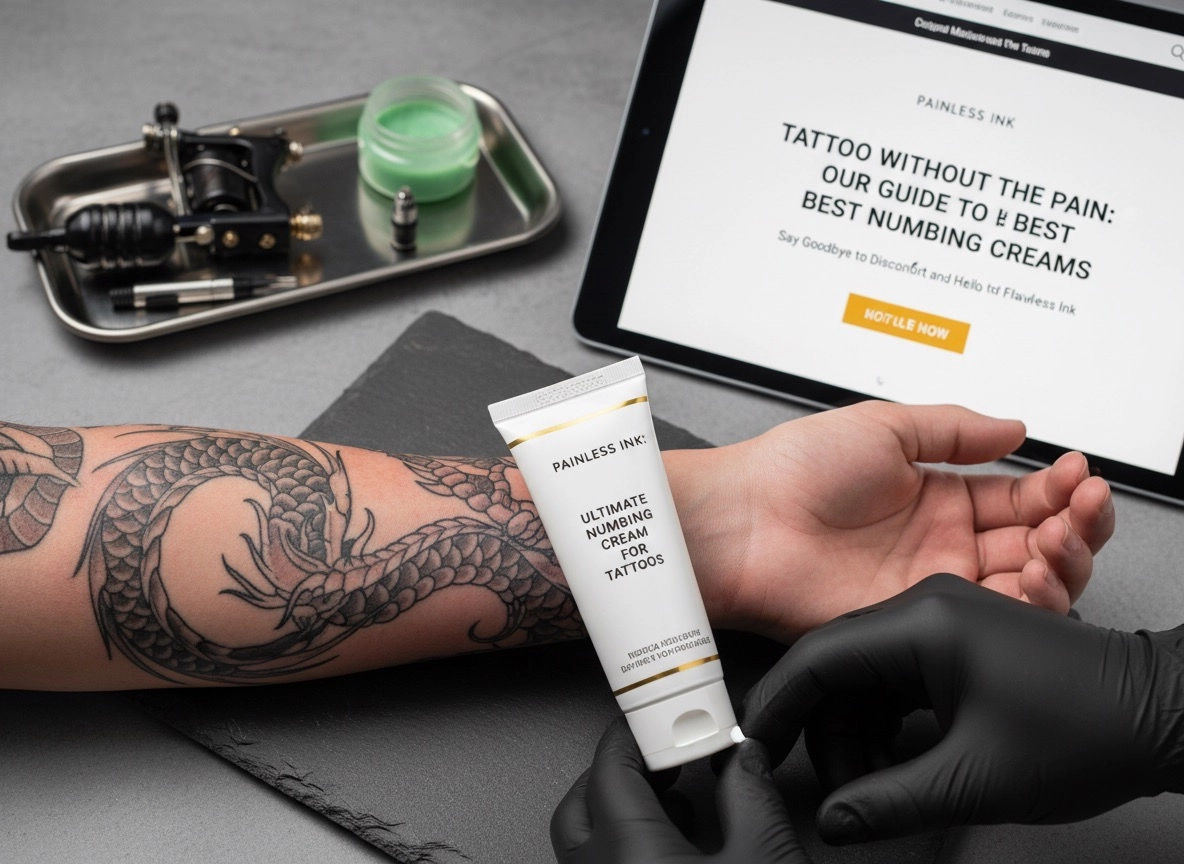
Best Numbing Cream for Tattoos 2026: The Ultimate Guide for Pain-Free Ink
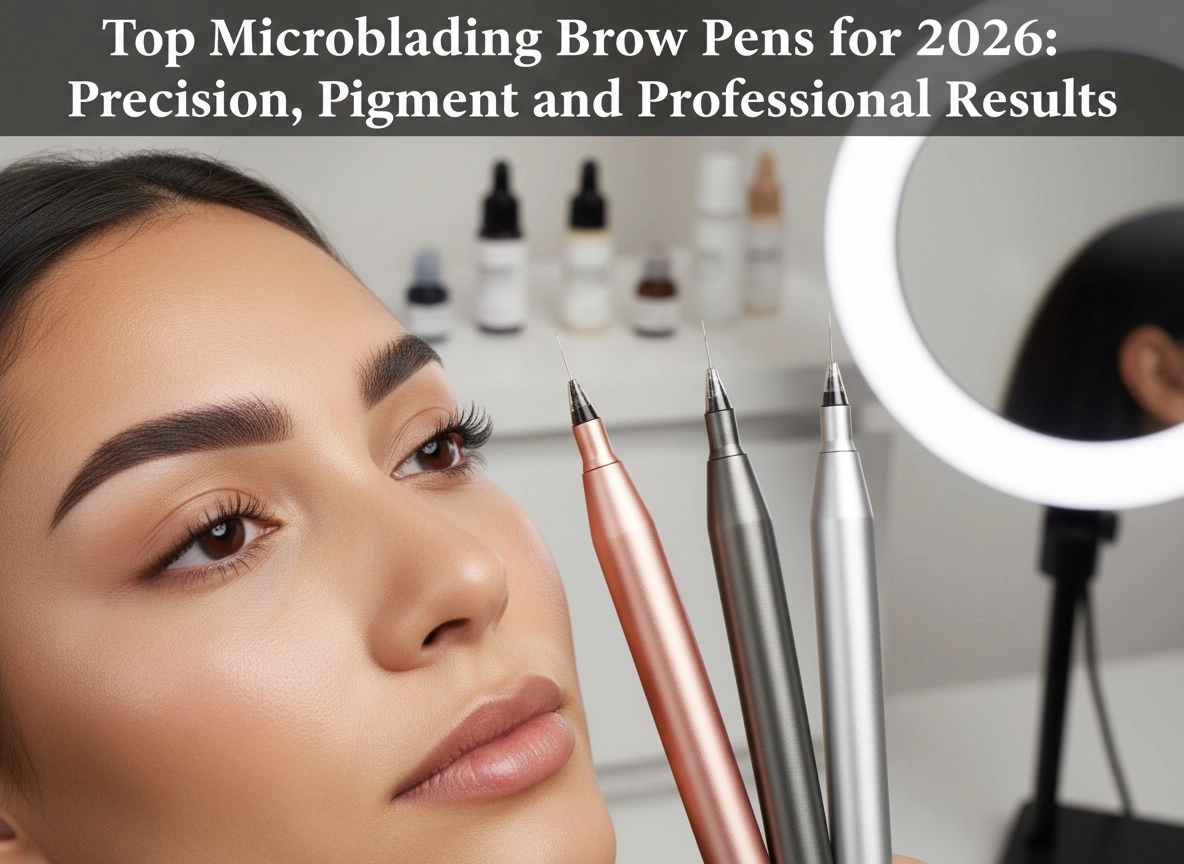
Top Microblading Brow Pens for 2026: Precision, Pigment, and Professional Results
Tattoo balm
Is the repair product suitable for all skin types?
Yes, our repair products are good tattoo aftercare products, it is suitable for all skin types aftercare for tattoo. They are gentle and safe and can be used on sensitive skin.
What are the characteristics of tattoo balm?
Our tattoo repair balm can be used to help the skin of new tattoos heal and protect, and can also be used for the maintenance of old tattoos. New tattoos usually need to be regularly applied with repair balm during the initial weeks of healing, and for old tattoos, regular maintenance can also help maintain color and luster.
Powder Pigment
What is the difference between inorganic and organic permanent makeup ink?
The main difference between organic and inorganic pigments lies in their chemical composition, properties and performance. Here are some key points to distinguish them:
Chemical composition:
Organic tattoo pigment are composed of carbon-based compounds, usually containing carbon, hydrogen, oxygen and other elements (such as nitrogen, sulfur, etc.). Their molecular structure is complex and usually has organic chemical characteristics.
Inorganic tattoo pigments are mainly composed of inorganic compounds and usually do not contain carbon. Such pigments may contain metal oxides, salts, minerals, etc.
Color saturation:
Organic permanent makeup pigment usually have higher color saturation and brighter colors. Inorganic permanent makeup pigment are generally more stable in color, have strong hiding power, and have low color saturation.
Stability:
Organic cosmetic tattoo pigment have poor stability in light, heat and chemical environments and may fade. Inorganic pigments are generally more stable and resistant to high temperatures and chemical erosion.
Permeability:
Organic pigments are usually composed of organic compounds, which often have good water solubility and can dissolve in water faster. Therefore, organic pigments have stronger permeability than inorganic pigments.
In general, organic and inorganic pigments have their own advantages and disadvantages and are suitable for different application scenarios and needs. In order to take into account the brightness, saturation and stability of the ink, most tattoo supplies ink currently use a mixed formula of organic and inorganic.
Lash lift kit
Does the neutralizer contain the ingredient “Sodium Bromate” ?
Yes. The active ingredient of the neutralizer is an oxidant agent, which reconnects the disulfide bonds in the eyelashes that were broken by the perming lotion. Commonly used oxidants are sodium bromate and hydrogen peroxide. Sodium bromate works best at a neutral pH value, and can achieve a firm, elastic styling effect.
Eyelash curling
If a customer is not satisfied with the results of lash lamination, can it be reversed?
Yes. If you are not satisfied with the curling effect of lash lift, you can use perm agent to soften the eyelashes again, and then use neutralizer to set them again. However, it is recommended to wait at least 2 weeks between two treatment.
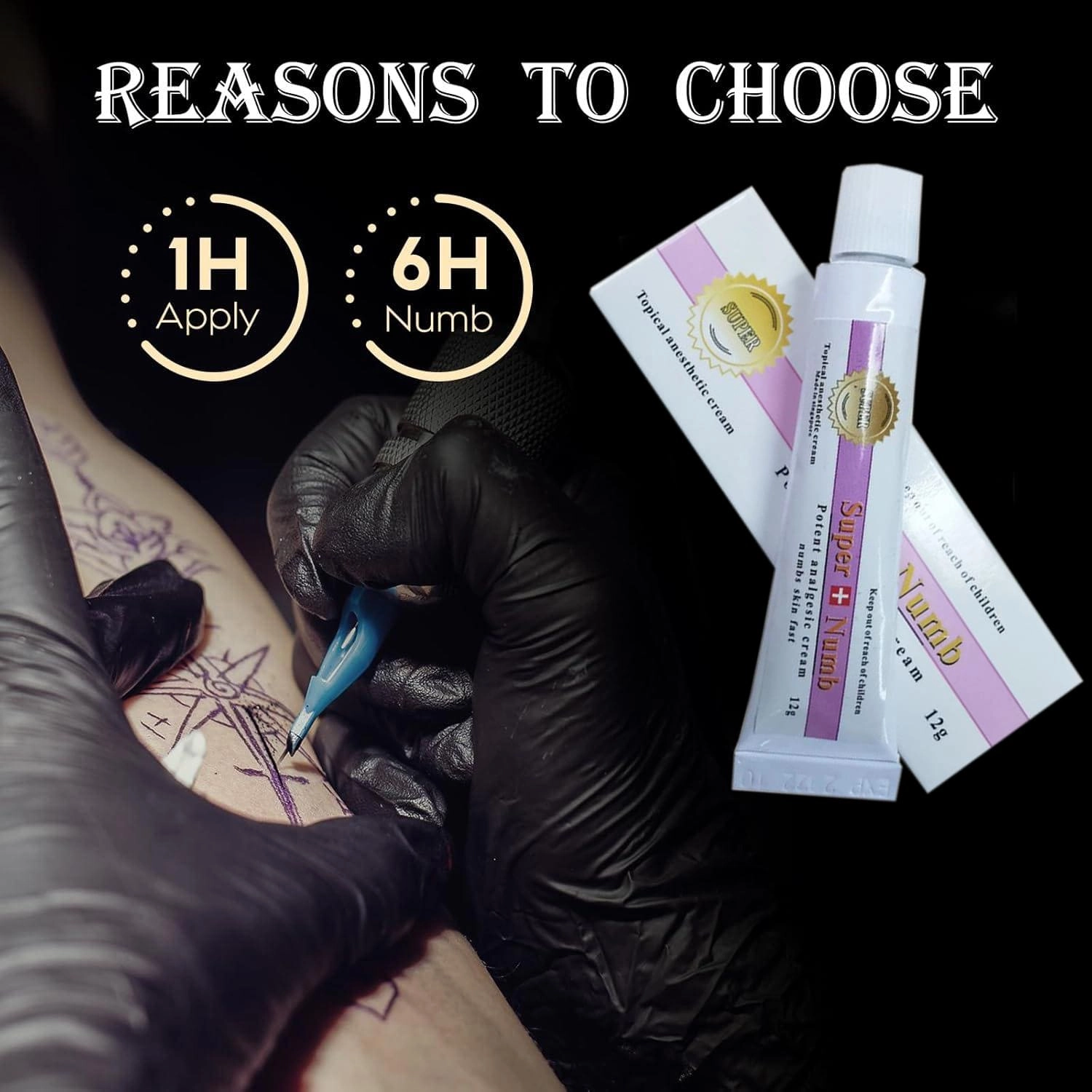
Super Numb Tattoo Cream
15 Mins Super Numb Tattoo Numbing Essence
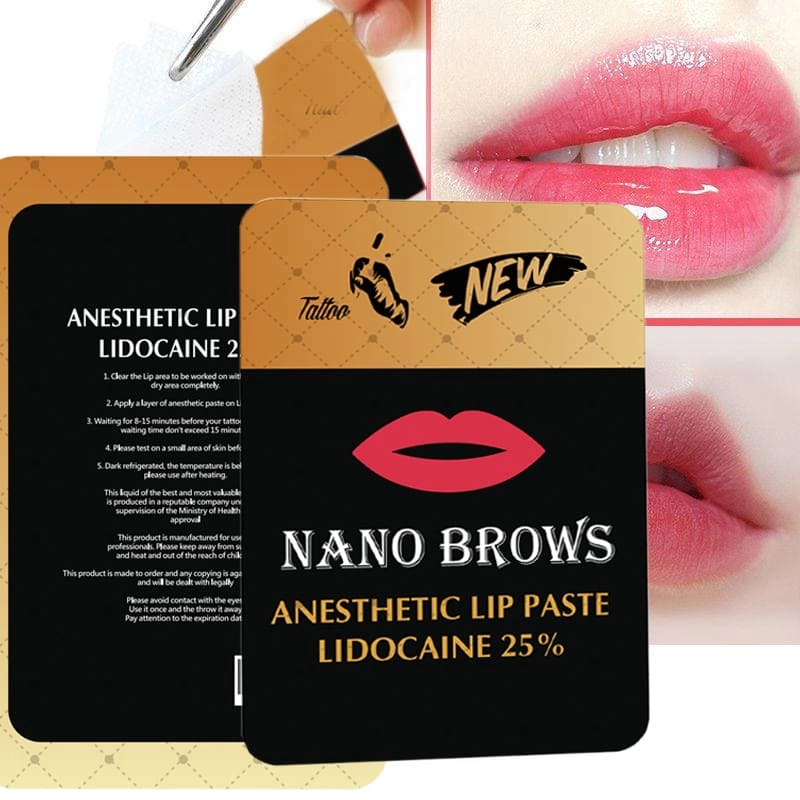
15 Mins Fast Numbing Lip Patches
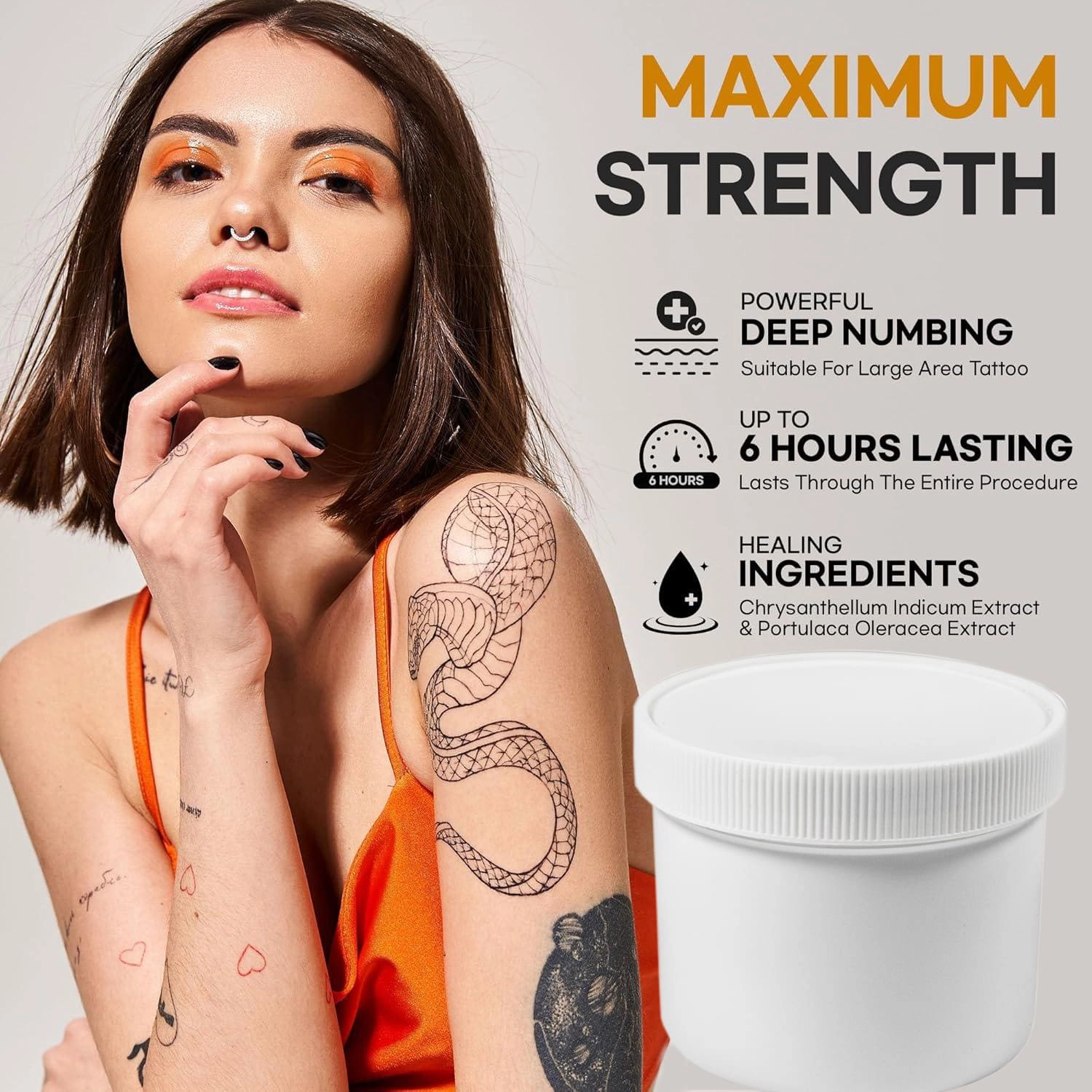
Body Use Super Numb Tattoo Numbing Cream
What product do we have?

Instagram
Facebook
YouTube