


How to Brighten Your Old Tattoo | QM Makeup Guide
How to Brighten Your Old Tattoo: Expert Guide for Semi-Permanent Makeup
1. What are the most effective methods to brighten an old tattoo?
The most effective ways to brighten an old tattoo include professional touch-ups, exfoliation, and using high-quality moisturizers. A touch-up involves an experienced artist retracing faded lines or recoloring areas. Light exfoliation with gentle scrubs can remove dead skin, making the ink appear fresher. Specialized tattoo balms or moisturizers hydrate the skin, enhancing color vibrancy.
2. Can semi-permanent makeup techniques help refresh faded tattoos?
Yes, semi-permanent makeup artists can often revitalize faded cosmetic tattoos like brows, lips, or eyeliner using color correction and new pigment implantation. These methods restore definition and vibrancy for a refreshed, natural look while correcting undesired tones.
3. What daily skincare routines help maintain a tattoo's brightness?
To maintain and brighten tattoos, cleanse gently, moisturize regularly, and always apply SPF 30+ sunscreen on exposed tattoos. Anti-oxidant serums and gentle exfoliators help remove dull skin layers and prevent pigmentation loss. Avoid harsh chemicals that can prematurely fade colors.
4. Are there products designed to brighten and protect tattoos?
Yes, there are products like tattoo-specific brightening creams and aftercare lotions that nourish the skin while safeguarding pigment integrity. Look for creams with vitamin E, panthenol, and natural oils. Semi-permanent tattoo artists recommend these for enhancing results post-procedure.
5. When should you consider professional help for tattoo brightening?
Seek professional help if your tattoo shows extensive fading, blurring, or unwanted color changes. A semi-permanent makeup or tattoo specialist can determine if your tattoo needs touch-ups, lightening, or complete color correction for optimal appearance and longevity.
- How to Brighten Your Old Tattoo: Expert Guide for Semi-Permanent Makeup
- 1. What are the most effective methods to brighten an old tattoo?
- 2. Can semi-permanent makeup techniques help refresh faded tattoos?
- 3. What daily skincare routines help maintain a tattoo's brightness?
- 4. Are there products designed to brighten and protect tattoos?
- 5. When should you consider professional help for tattoo brightening?
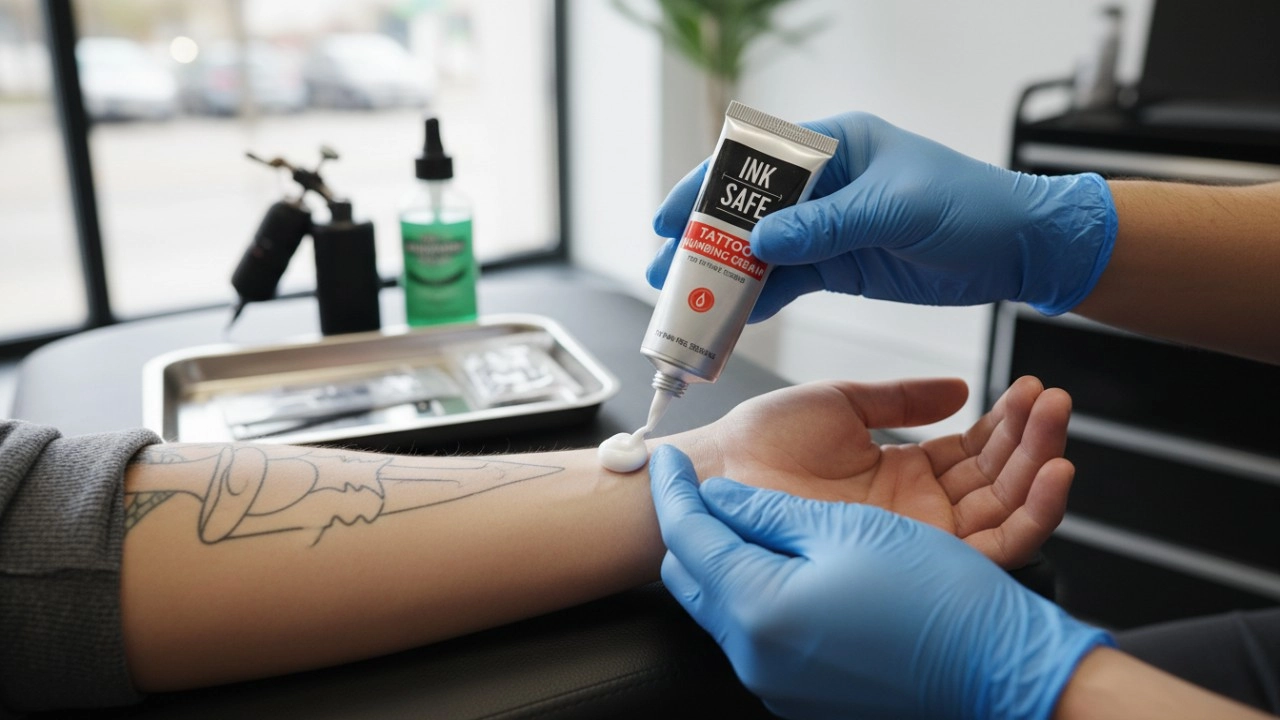
10 Best Numbing Creams for Tattoos in 2026: Ranked by Pain Relief and Safety
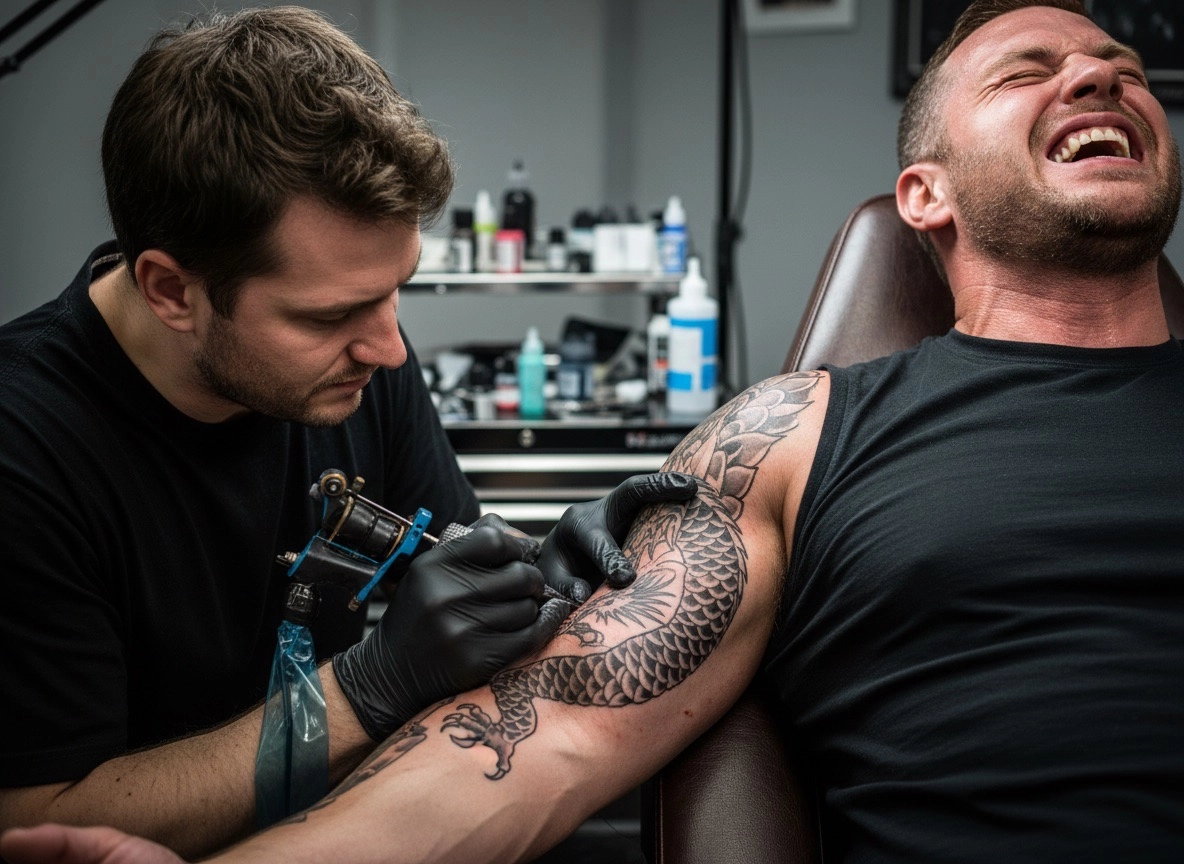
Does Numbing Cream Work for Tattoos? The Ultimate Guide to a Pain-Free Session
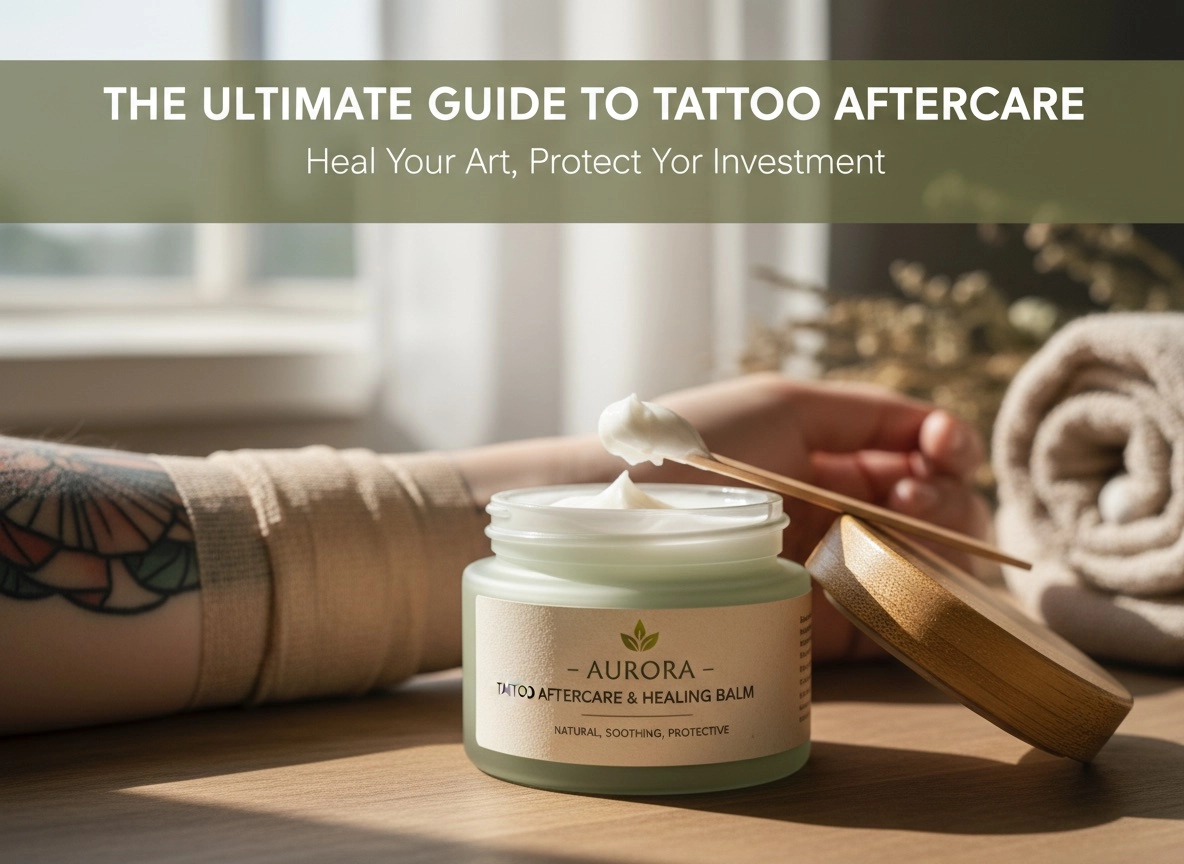
The Ultimate Guide to Tattoo Aftercare Cream: Healing & Vibrancy for 2026 and Beyond
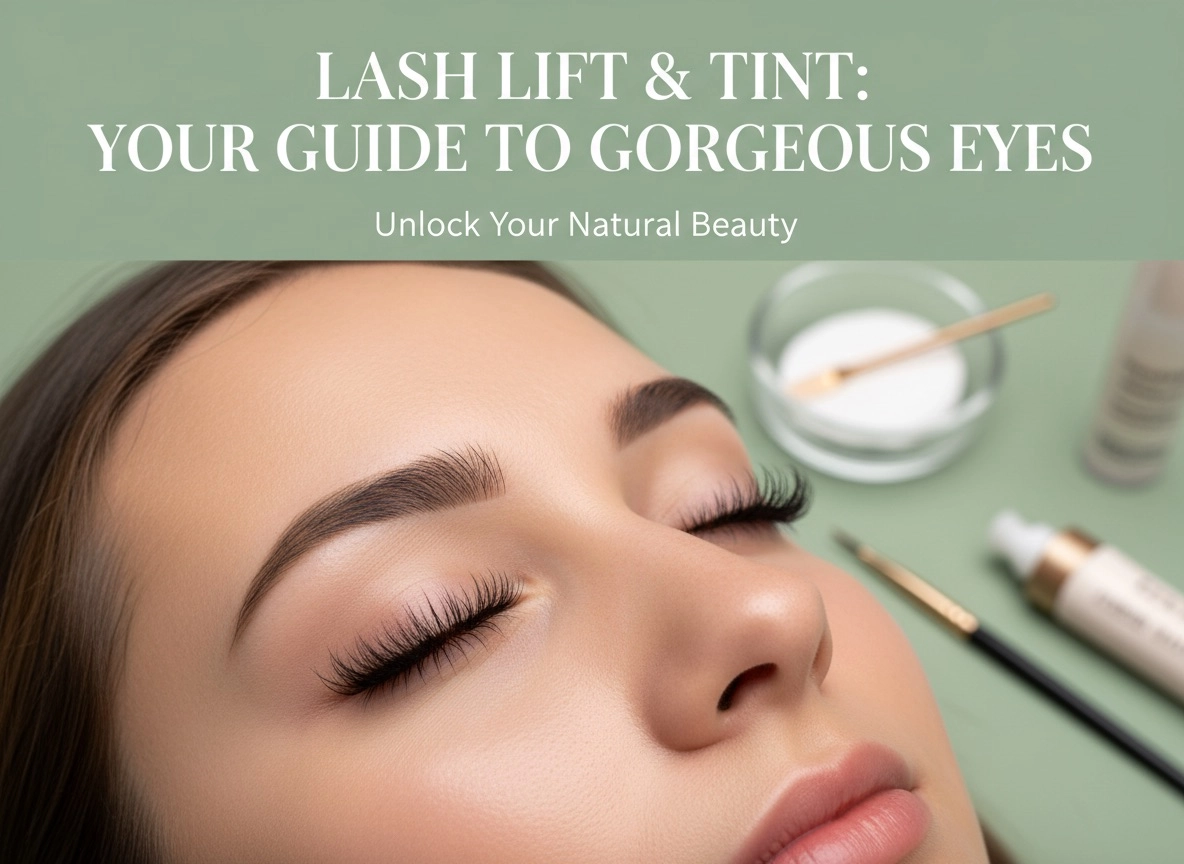
Lash Lift and Tint 2026: Your Ultimate Guide to Defined, Curled Lashes
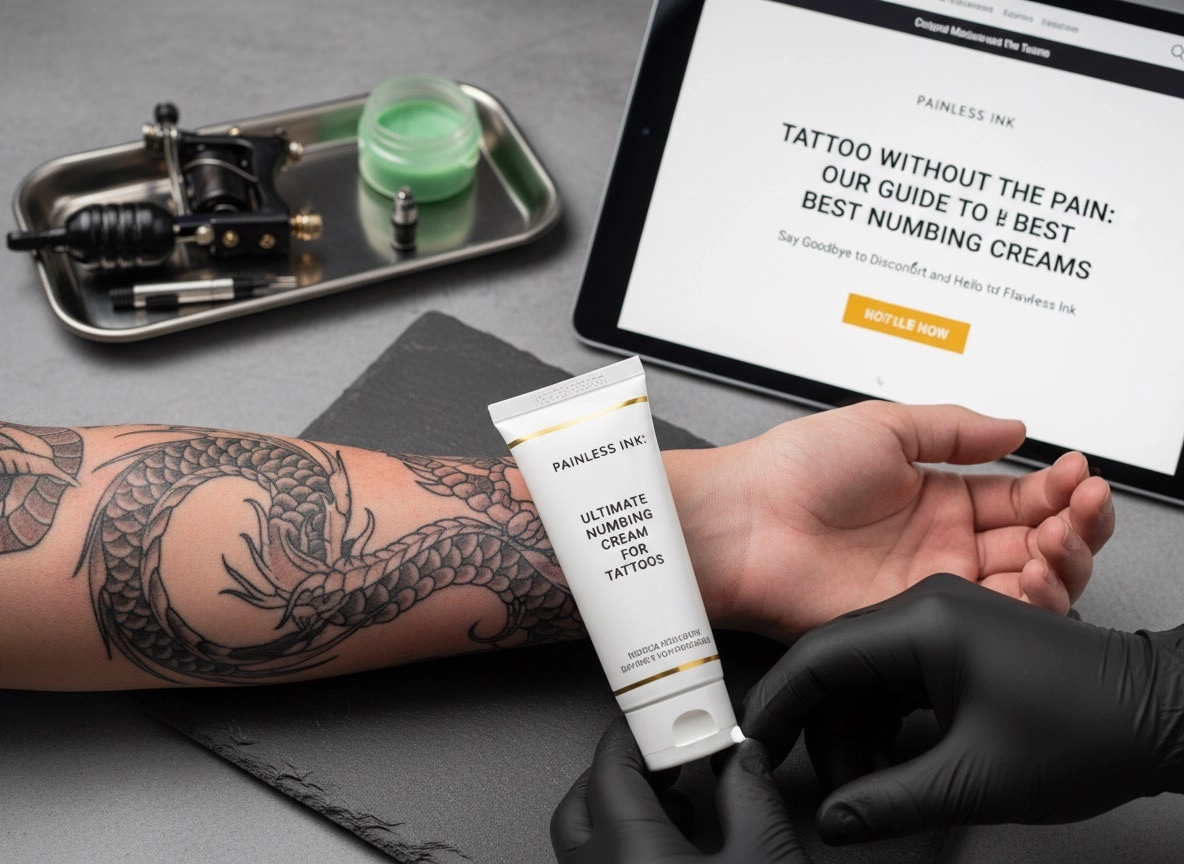
Best Numbing Cream for Tattoos 2026: The Ultimate Guide for Pain-Free Ink
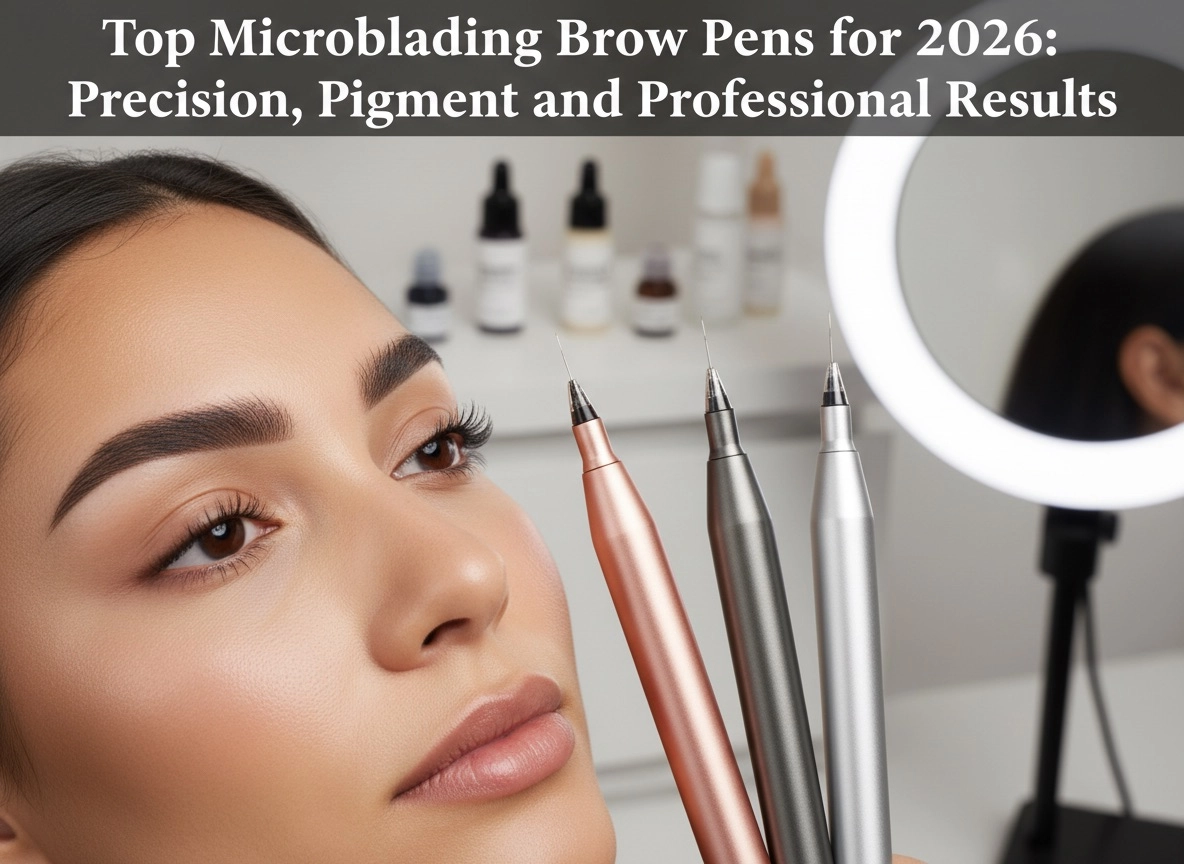
Top Microblading Brow Pens for 2026: Precision, Pigment, and Professional Results
Lash lift kit
Does the neutralizer contain the ingredient “Sodium Bromate” ?
Yes. The active ingredient of the neutralizer is an oxidant agent, which reconnects the disulfide bonds in the eyelashes that were broken by the perming lotion. Commonly used oxidants are sodium bromate and hydrogen peroxide. Sodium bromate works best at a neutral pH value, and can achieve a firm, elastic styling effect.
Powder Pigment
What is the difference between hybrid tattoo powder pigment and liquid pigment?
Liquid pigment is a pigment based on water, with small molecules, strong fluidity and permeability. The ink can quickly penetrate into the deep layer of the skin, color quickly, and retain color for a long time. It is the best tattoo ink for permanent makeup professional artists to use with machines. hybrid powdered pigment is a pigment based on a combination of water and oil. The color is brighter, the molecules are relatively large, and the fluidity is moderate. It can be used with both machines and hand pens, and is a good choice of high quality permanent makeup pigment for novices and professional tattoo artists.
Customized service
What information do I need to provide to start the cooperation process?
You need to provide your company information, product needs, customization requirements, cooperation intentions and other relevant information.
Micro Blade
How to use microblading needle? Is finest blade the best needles for microblading?
Choosing the thickness of a microblade depends largely on several factors, including the type of eyebrow tattoo, the level of detail required and the individual's tattooing skills. Here are some basic guidelines:
Type of eyebrow tattoo: Detail and line tattoos: finer lines and details can often be achieved with finer needles (e.g. 0.16mm or 0.18mm).
Filling and shading: slightly thicker needles (e.g. 0.20mm or 0.25mm) may be required for better color coverage and shading effects on the skin.
Individual tattooing techniques: Novice tattoo artists may tend to use thicker needles to minimize manipulation time on the skin, while experienced tattoo artists have the flexibility to choose needles of different thicknesses to achieve more varied results.
Skin type: The texture and thickness of different skins can also affect needle selection. Thicker skin may require a slightly thicker needle to ensure that the color and lines penetrate effectively.
Hair condition: The thickness of the client's native hair is also an important factor in choosing the thickness of the needles. Thicker hairs will require slightly thicker needles to ensure that the lines are consistent with the native hairs.
Pigment Ink
What is the MOQ for customization ?
For label customization, the MOQ is 100pcs; for packaging customization, the MOQ is 1000pcs; for other in-depth customization, the MOQ will be based on your specific requirements.
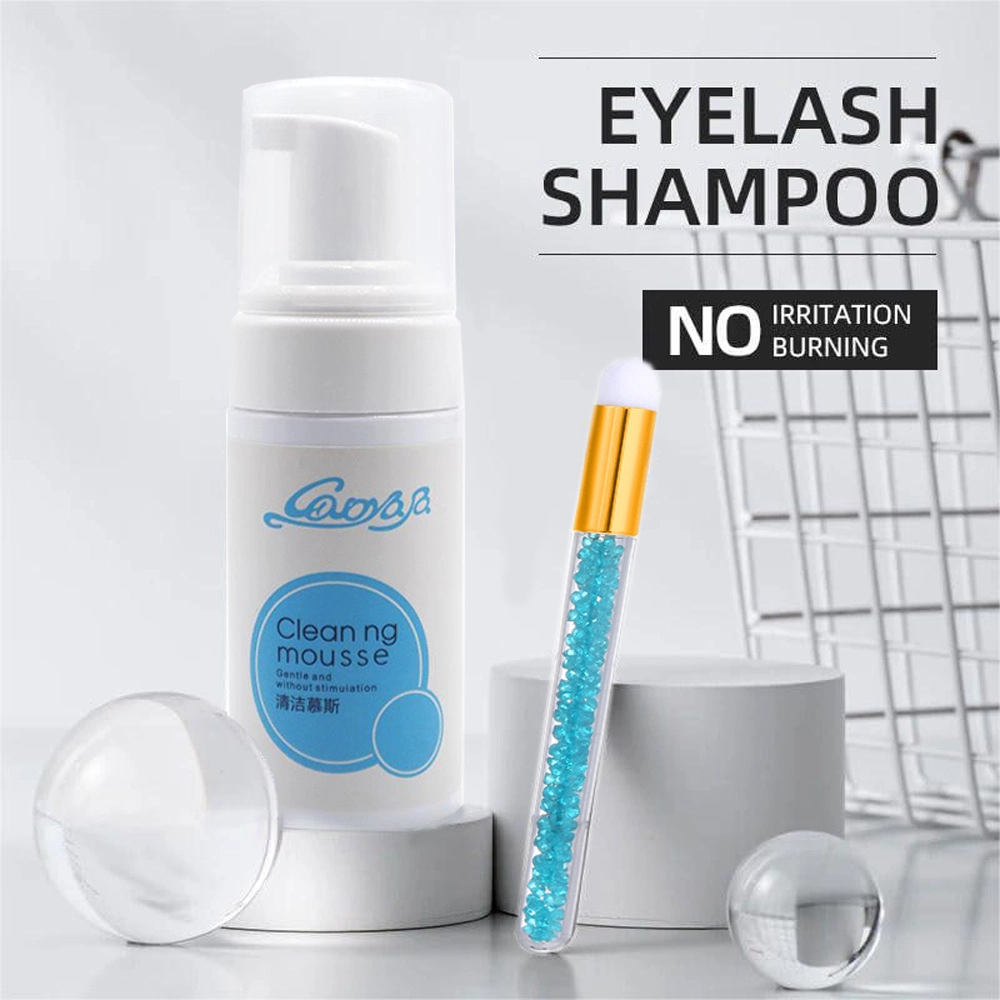
Best Eyelash Extension Cleaning Shampoo
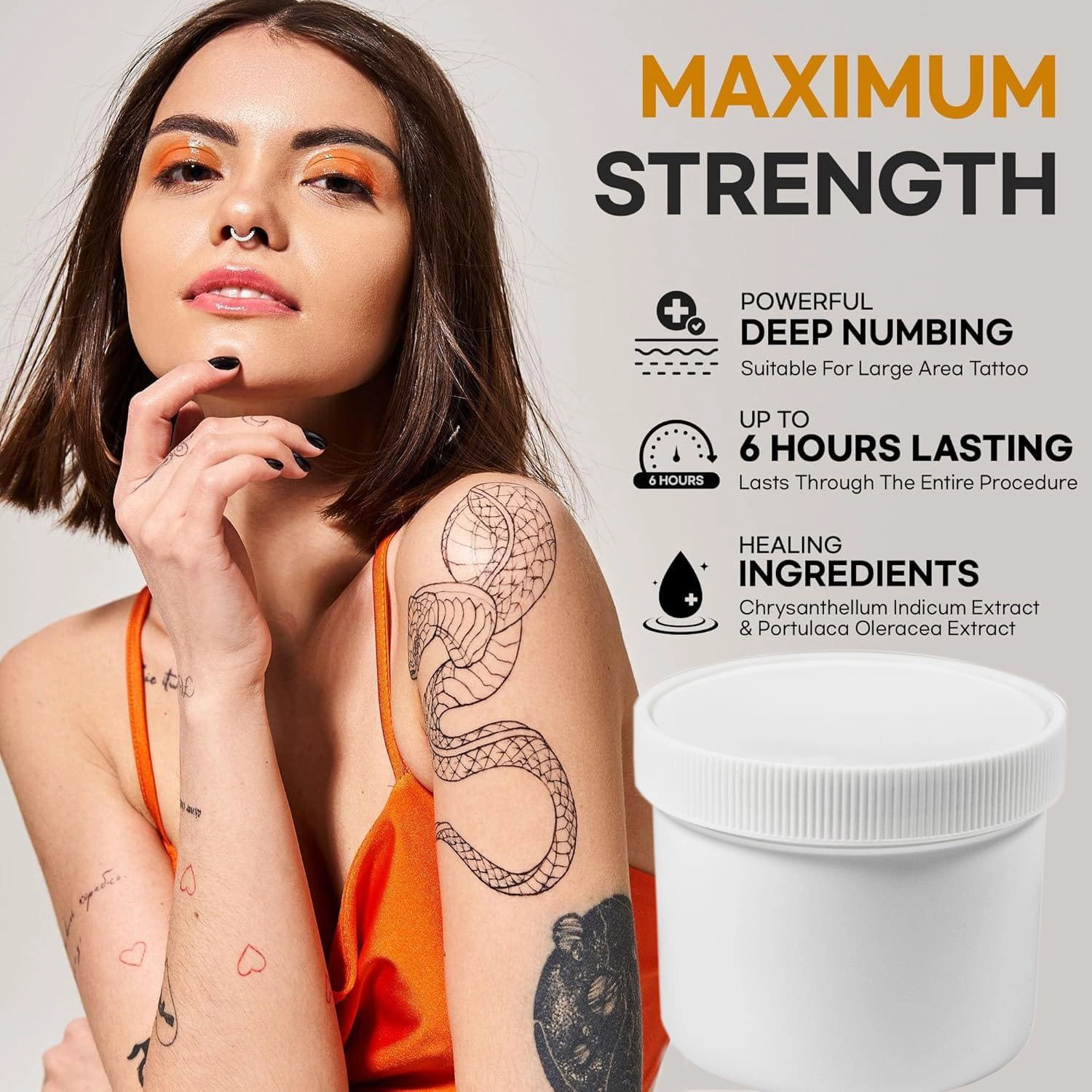
Body Use Super Numb Tattoo Numbing Cream
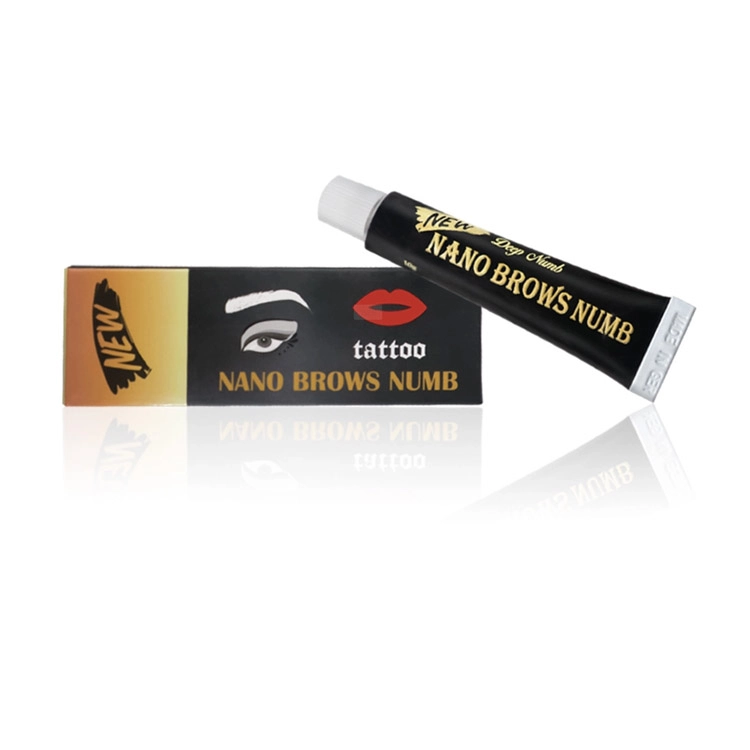
Nano Brows Numb Cream For Tattoo
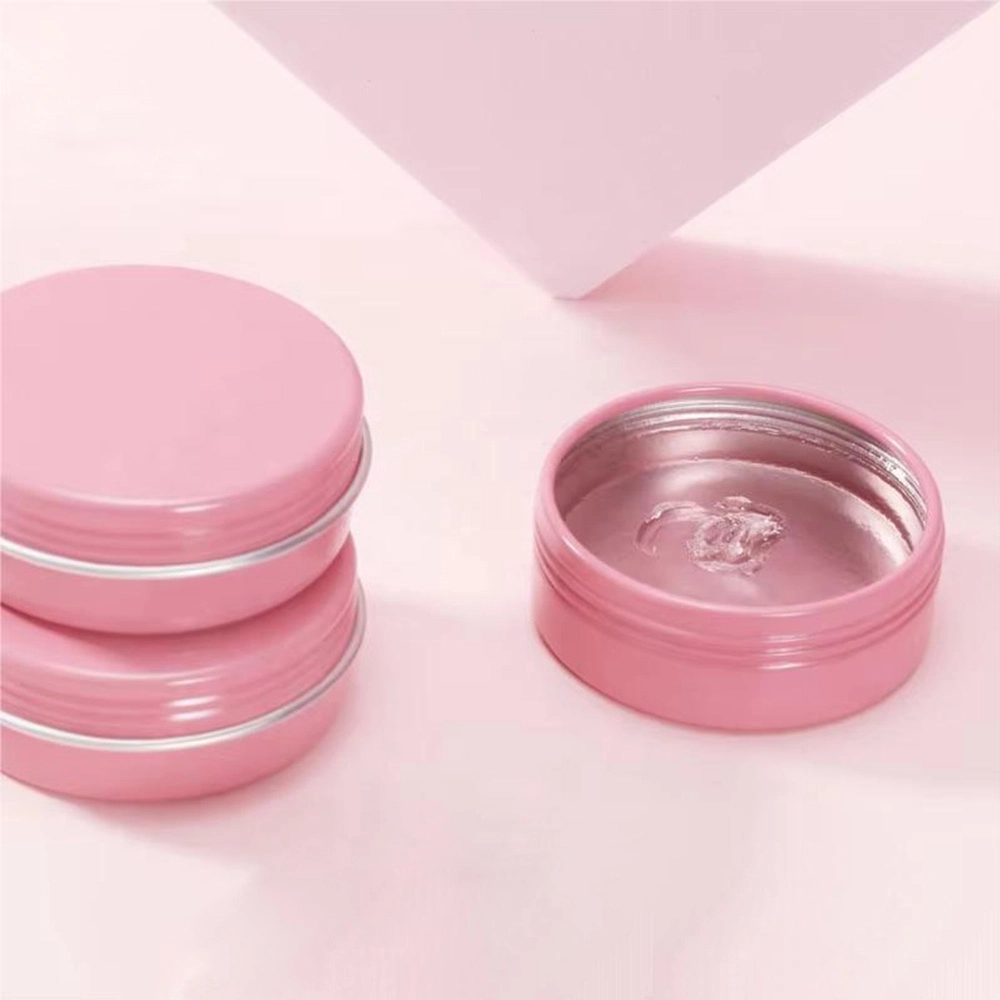
Eyelash Perming Glue Balm
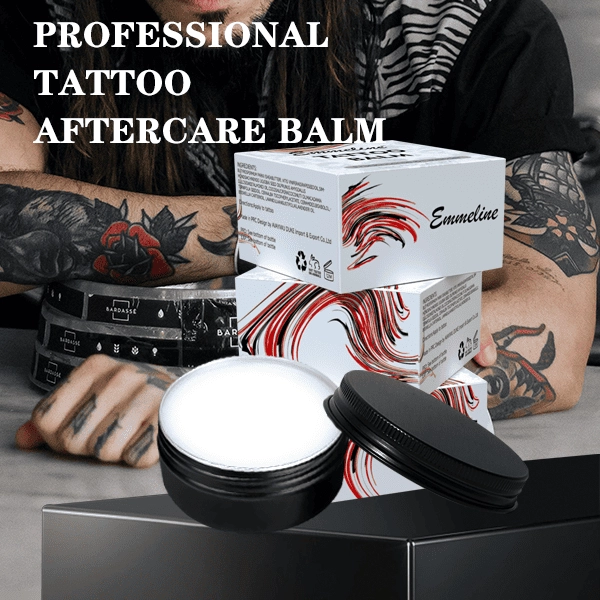
50g Body Tattoo Butter Balm
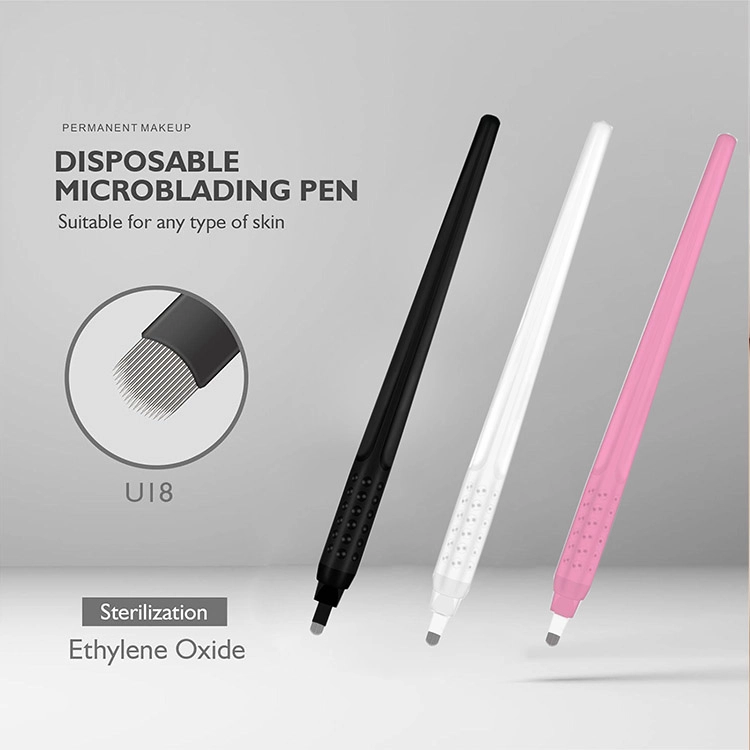
Disposable Microblading Pen
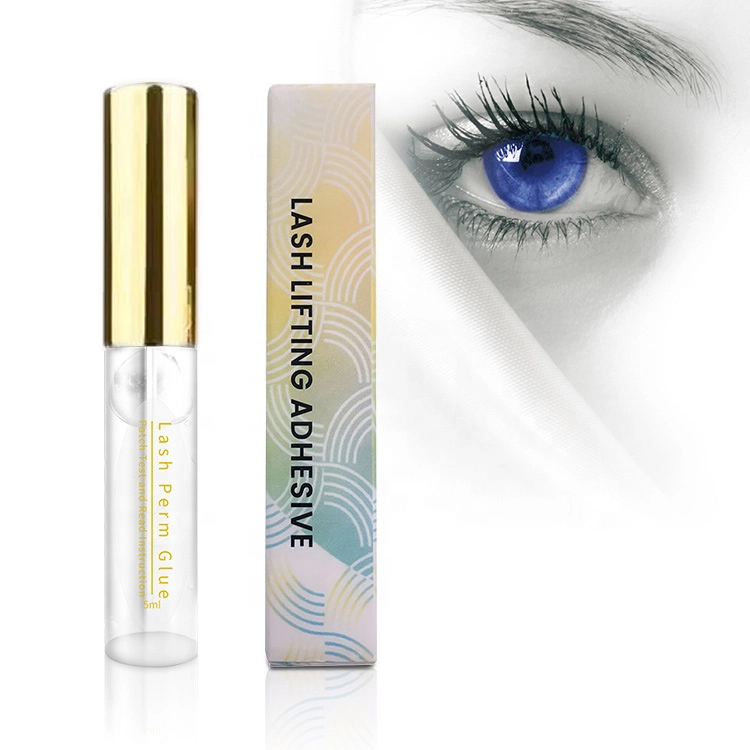
Japan Professional Lash Lift Adhesive
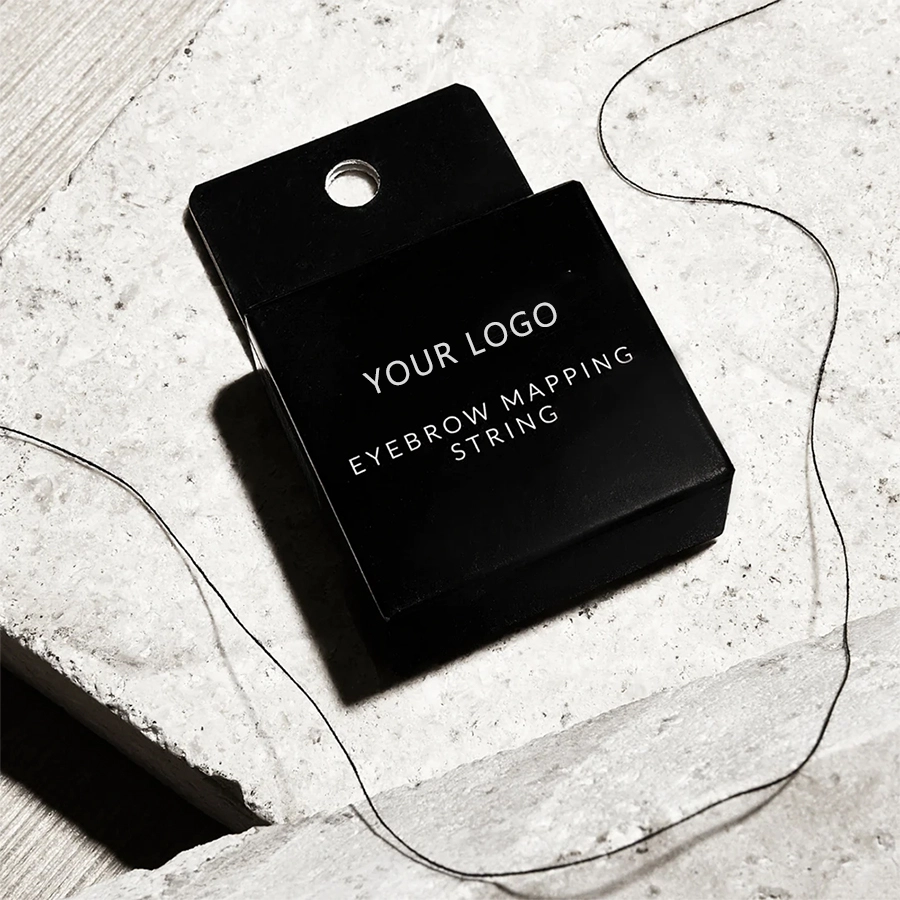
Microblading Pre-inked Mapping String Line 10m
What product do we have?

Instagram
Facebook
YouTube