


how to sterilize microblading tools | QM Makeup Guide
# How to Sterilize Microblading Tools: A Professional Guide
Sterilizing microblading tools is essential to prevent infections and meet industry health standards. Below are key steps and best practices to ensure safe, hygienic procedures.
Why Sterilization Matters
- Prevents cross-contamination and infections (e.g., hepatitis, HIV).
- Complies with health regulations (OSHA, CDC guidelines).
- Maintains client trust and professional reputation.
Sterilization Methods for Microblading Tools
1. Autoclaving (Most Effective)
- Uses steam under pressure (121°C/250°F for 15-30 mins).
- Kills bacteria, viruses, and spores.
- Recommended for reusable stainless steel handles.
2. Chemical Disinfection (For Non-Autoclavable Tools)
- Soak in EPA-approved disinfectants (e.g., Barbicide, CaviCide) for 10+ mins.
- Rinse with sterile water before use.
- Avoid alcohol—it doesn’t kill all pathogens.
3. Single-Use Disposable Tools
- Blades, needles, and cartridges should never be reused.
- Discard immediately after use in a sharps container.
Pre-Sterilization Cleaning Steps
1. Pre-clean tools – Remove pigment residue with an ultrasonic cleaner or enzymatic cleaner.
2. Rinse thoroughly – Use distilled water to avoid mineral deposits.
3. Dry completely – Moisture can compromise sterilization.
Post-Sterilization Storage
- Store in sterile pouches or UV cabinets.
- Label with sterilization dates (expires in 30 days if unopened).
Industry Standards & Compliance
- Follow CDC, OSHA, and local health department guidelines.
- Document sterilization processes for audits.
By adhering to these protocols, professionals ensure safe, compliant microblading services. For High Quality sterilized tools, explore QM Makeup’s certified supplies.
Keyword Integration: microblading tools, sterilize microblading tools, semi-permanent makeup safety, autoclave microblading, Barbicide for microblading.
Sources: CDC, OSHA, EPA-approved disinfectant lists.
Tone: Professional, concise, and instructional.
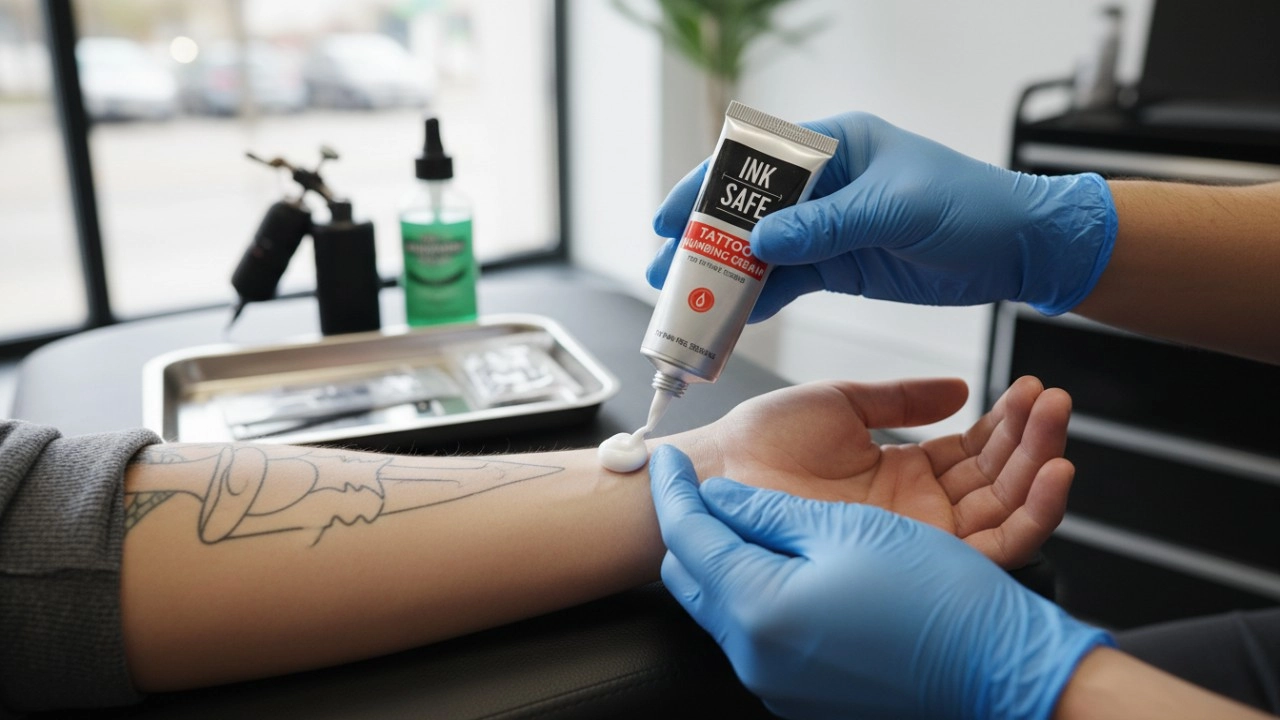
10 Best Numbing Creams for Tattoos in 2026: Ranked by Pain Relief and Safety
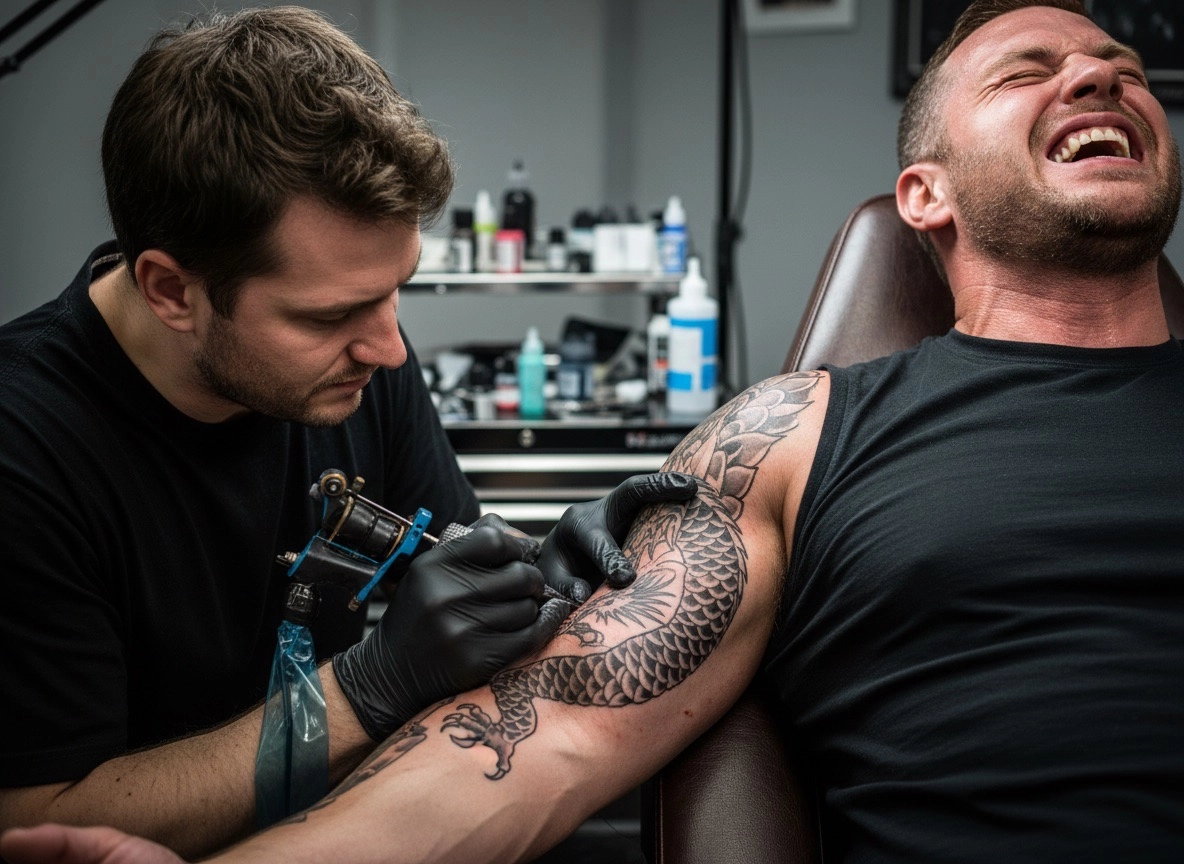
Does Numbing Cream Work for Tattoos? The Ultimate Guide to a Pain-Free Session
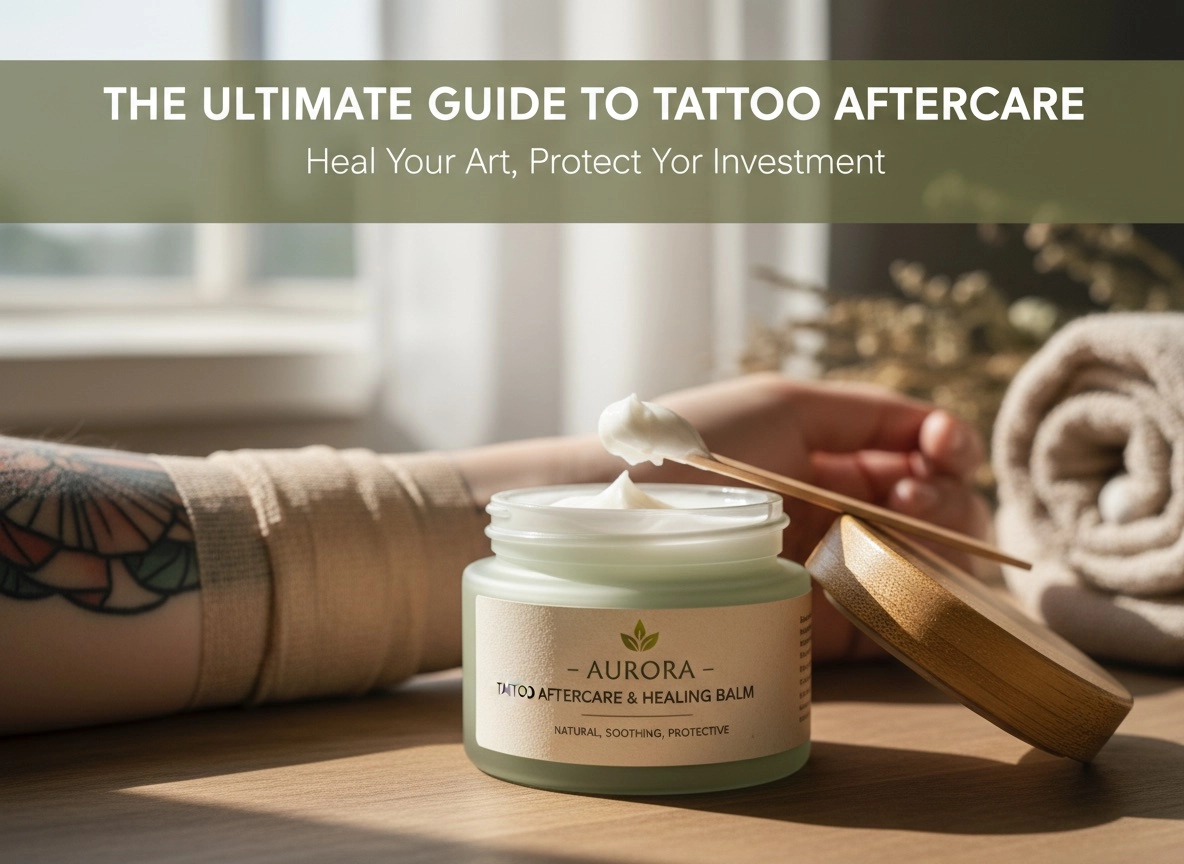
The Ultimate Guide to Tattoo Aftercare Cream: Healing & Vibrancy for 2026 and Beyond
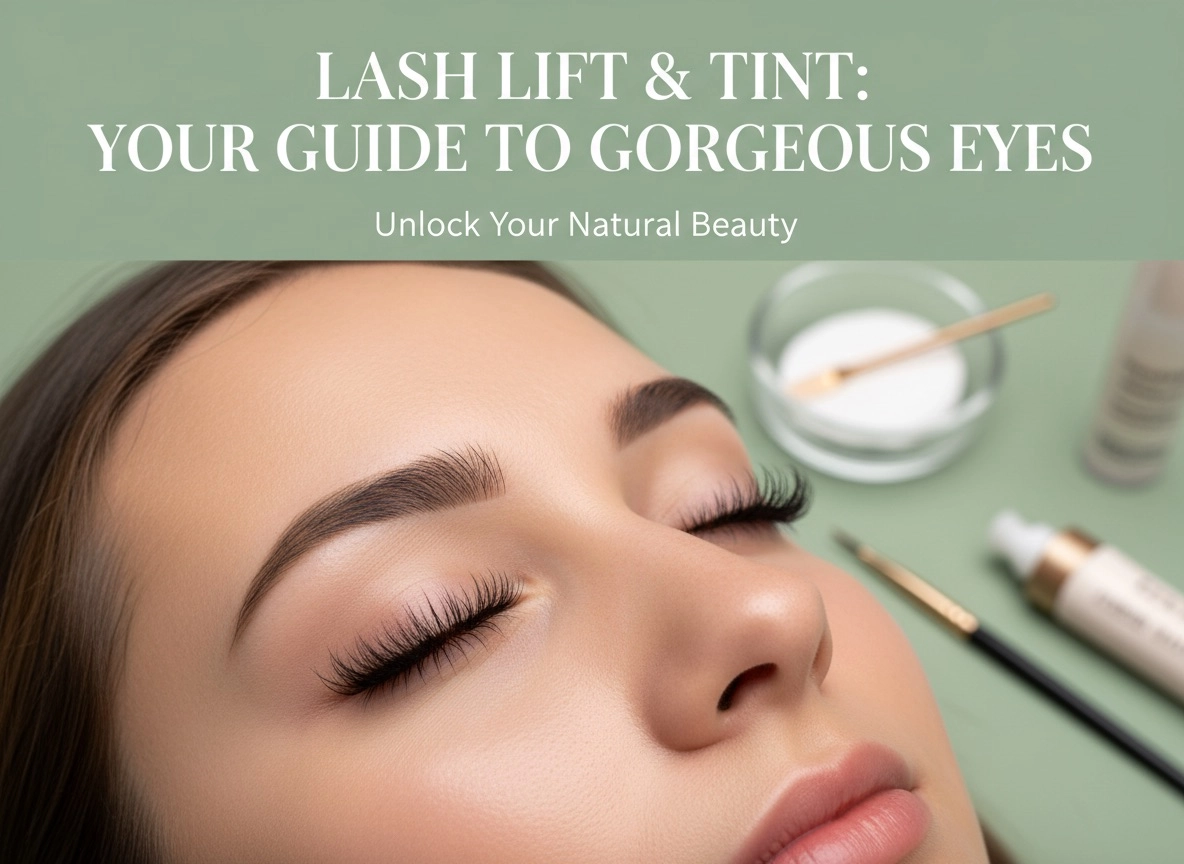
Lash Lift and Tint 2026: Your Ultimate Guide to Defined, Curled Lashes
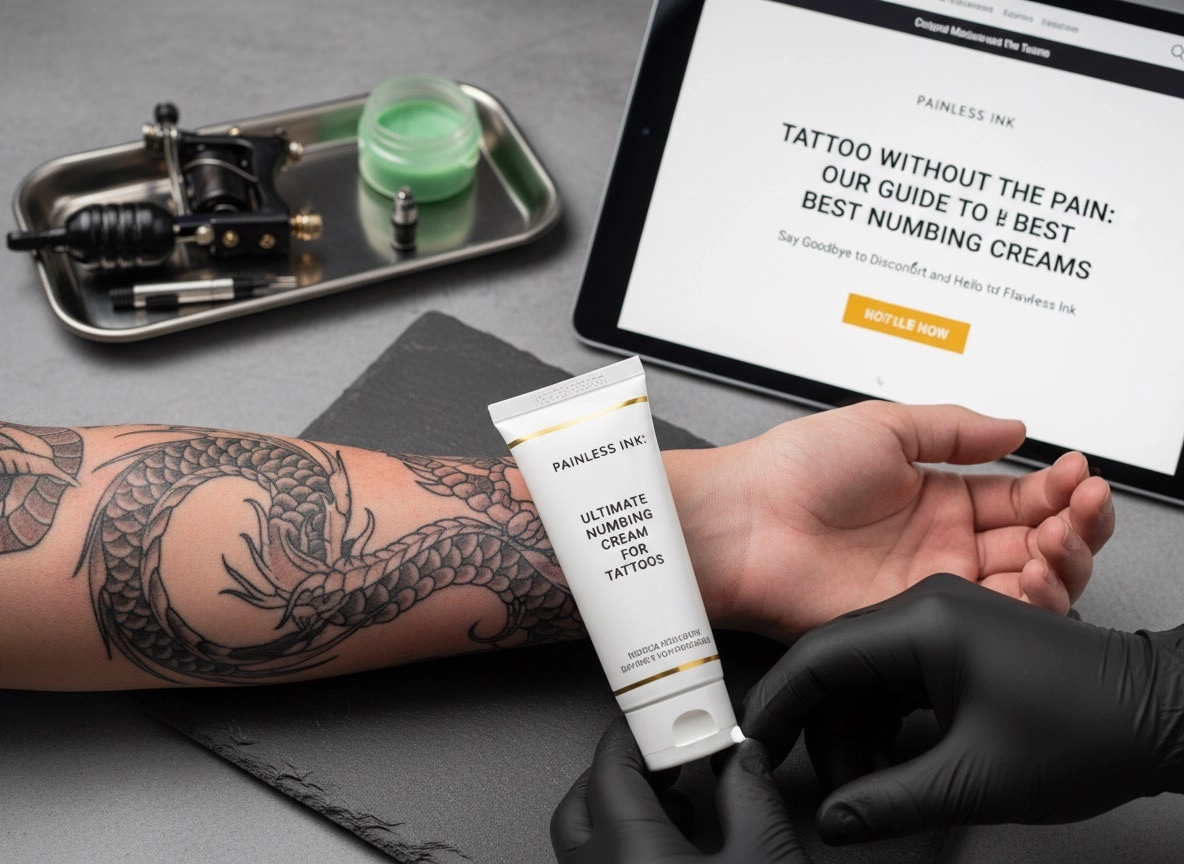
Best Numbing Cream for Tattoos 2026: The Ultimate Guide for Pain-Free Ink
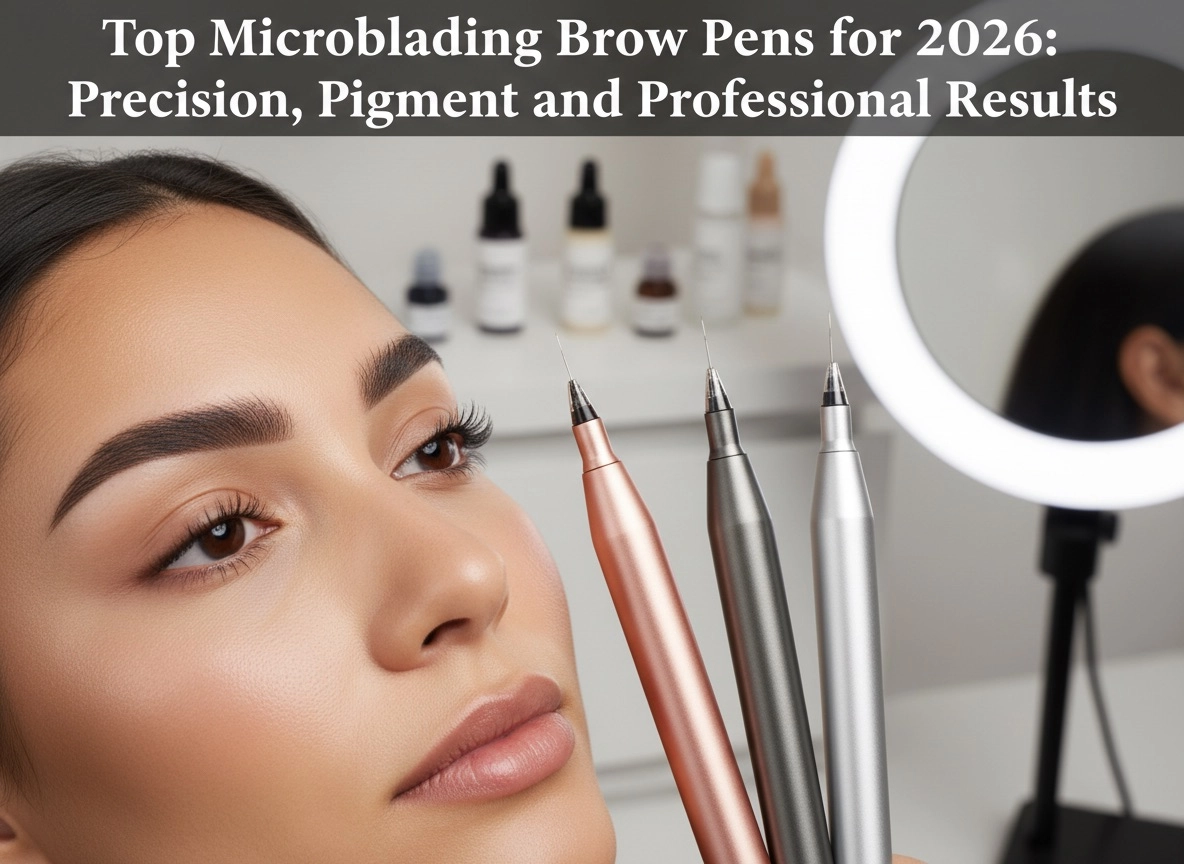
Top Microblading Brow Pens for 2026: Precision, Pigment, and Professional Results
Tattoo balm
How often should I use the tattoo repair balm for best tattoo care results?
Tattoo butter balm is the best aftercare for tattoo, here are the general steps and suggestions for using tattoo repair balm.
Use phase:
Use before tattoo: Before tattooing, tattoo repair balm can be used on the tattoo area to help keep the skin moisturized, reduce friction during tattooing, and reduce skin damage.
After tattooing: After the tattoo artist completes the tattoo, it is recommended to use the repair cream for the first time to protect the new tattoo area.
During the healing period: In the next few weeks, the repair balm can be used every day to help keep the skin moisturized and prevent dryness and scabbing.
Daily care: The repair balm can be used every day on the old tattoo area to effectively prevent the old tattoo from fading. It has the effect of enhancing the color and keeping the faded old tattoo bright.
How to use:
Cleaning: Before using the repair balm, clean the tattoo area with warm water and soap-free lotion and pat dry gently.
Apply the repair balm: Take an appropriate amount of the repair balm and apply it evenly on the tattoo area, making sure to cover the entire area.
Gently massage: Gently massage the repair cream to allow it to better penetrate the skin.
Frequency: Apply 1 to 3 times a day according to the product instructions or the tattoo artist's advice to keep the skin moist.
Avoid irritation: During your recovery period, avoid using products containing alcohol or fragrances, as well as overexposure to the sun.
Lip patch
How should I choose a numbing product? Order of use and recommendations?
Generally speaking, we recommend choosing numbing products based on your operating experience, usage habits, treatment stage, treatment area, and applicable population. Here are some tips for choosing numbing products.
1. Treatment stage: Before treatment: tattoo numb cream/tattoo numb essence; During treatment: secondary tattoo numb essence
2. Treatment area: Eyebrows: tattoo numb cream/tattoo numb essence/eyebrow patch; Eyeliner: numbing cream; Lips: tattoo numb cream/numbing essence/lip patch; Body: tattoo numb cream.
3. Operating experience: Beginner: tattoo numb cream; Professional: all are okay
4. Applicable skin: Normal skin: all are okay; Sensitive skin: nano numb cream
Logistics
How long can I get my goods?
Different shipping methods have different delivery times. The typical delivery time for express shipping is 7-10 business days, while sea and train shipping usually takes 30-60 business days.
Customized service
What customization services do you offer?
We can accommodate various customization such as personalized products, custom formulas, custom designs, custom packaging, private labeling etc.
250g tattoo cream
Where make tattoo numb cream take effect ?
Numb up tattoo cream mainly acts on the epidermis and dermis of the skin, blocking the transmission of nerve signals, thereby quickly relieving pain and discomfort.
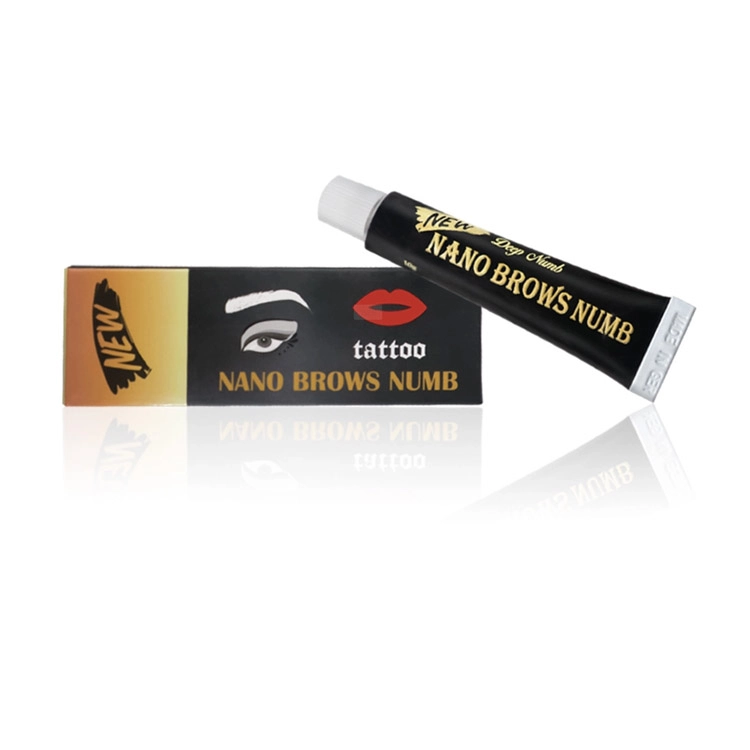
Nano Brows Numb Cream For Tattoo
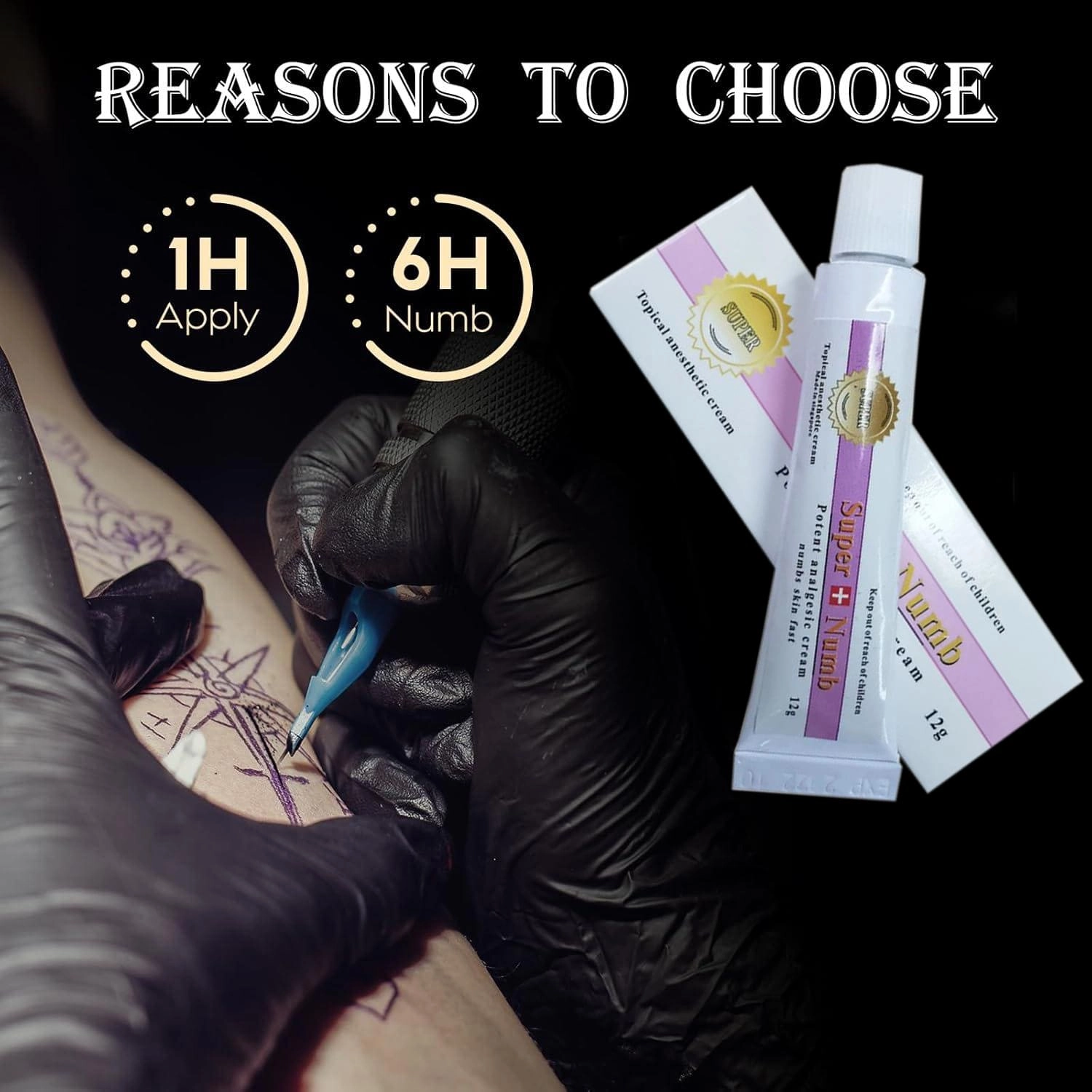
Super Numb Tattoo Cream
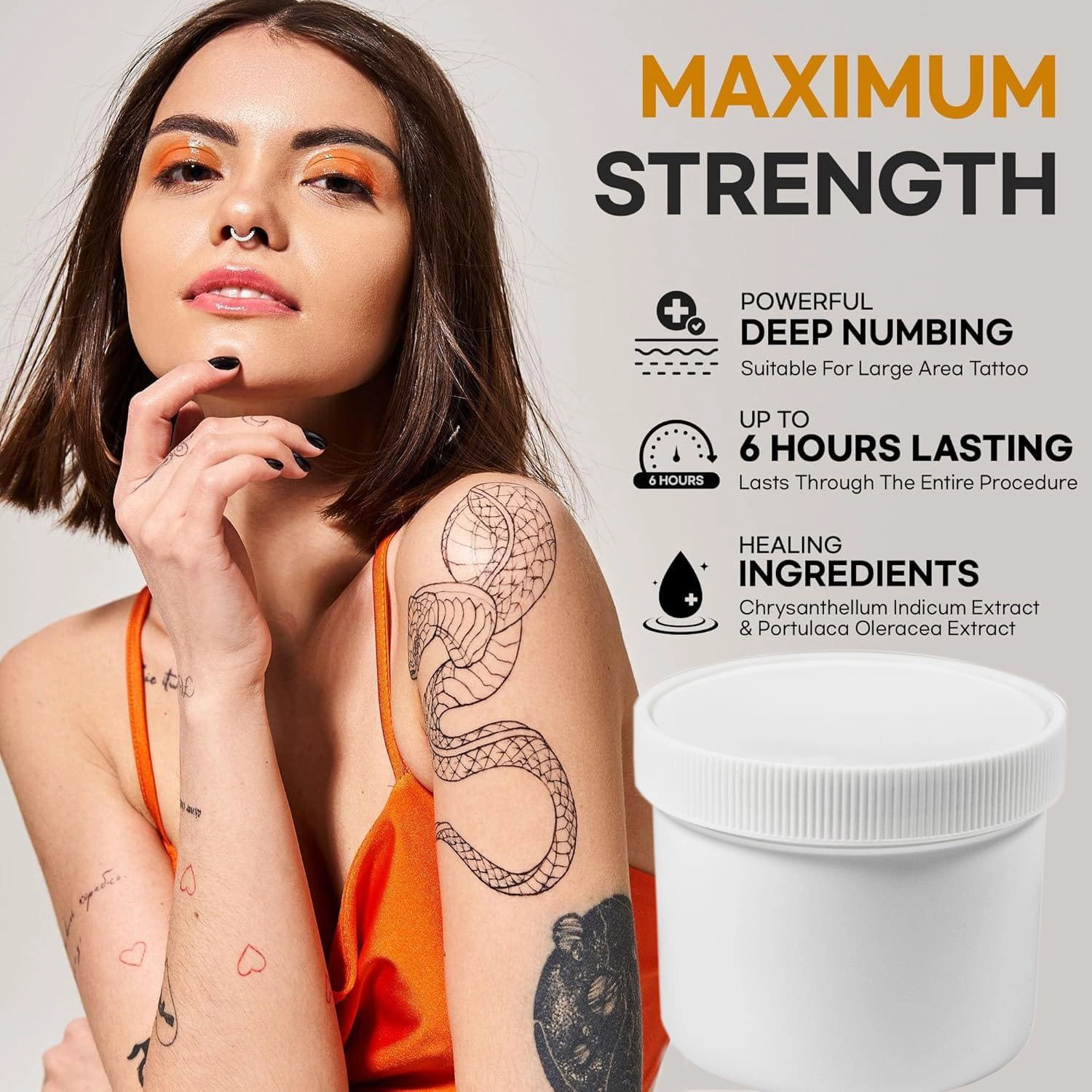
Body Use Super Numb Tattoo Numbing Cream
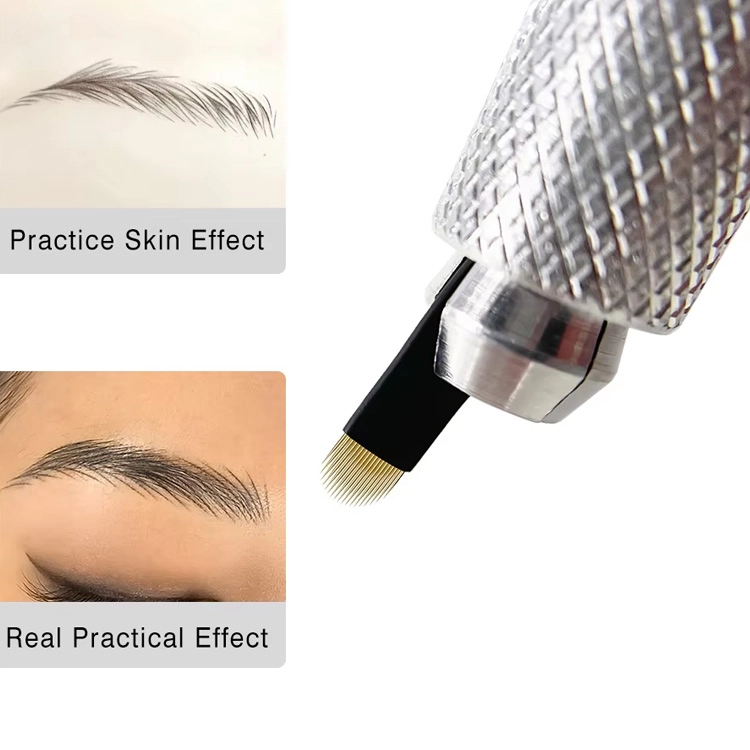
U-Curved Microblading Needle Blade
5ml Crystal Anti-scar Repair Serum Gel

Professional Pre Inked Eye Brow Mapping String 30m
Japan Strong Sticky Lash Lift Glue
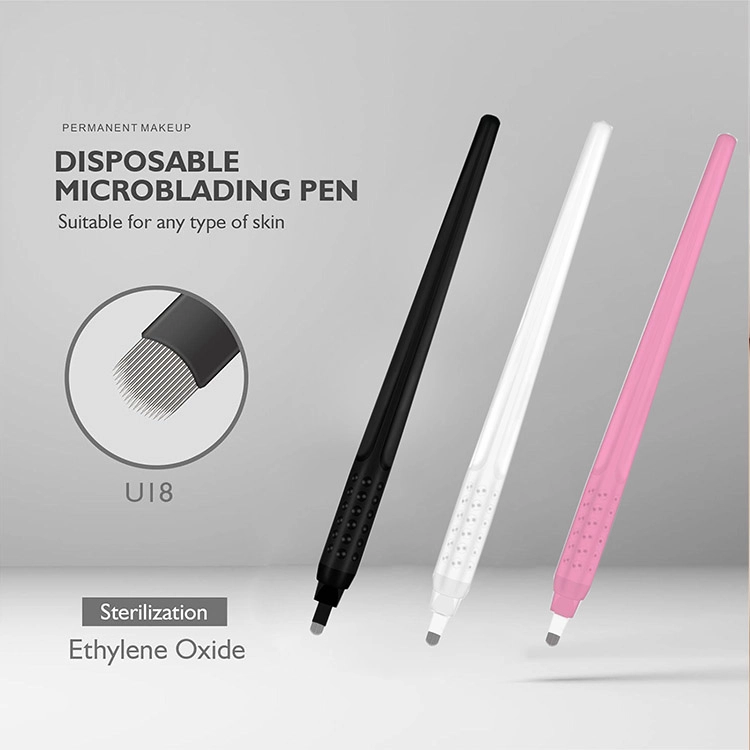
Disposable Microblading Pen
What product do we have?

Instagram
Facebook
YouTube