


how to use microblading machine | QM Makeup Guide
# How to Use a Microblading Machine Like a Pro
Microblading machines are essential for creating natural-looking, semi-permanent eyebrows. However, improper use can lead to uneven strokes, poor pigment retention, or client discomfort. This guide covers machine setup, needle selection, technique, and aftercare to help professionals achieve flawless results.
Choosing the Right Machine & Needles
Machine Selection
Opt for a lightweight, ergonomic microblading machine with adjustable speed settings. Rotary and pen-style machines are popular for their precision and ease of use.
Needle Configuration
- Single needles create fine, hair-like strokes.
- Multi-needle cartridges (e.g., 3-5 pins) work for shading or filling.
- Ensure needles are sterile and single-use to prevent contamination.
Preparing the Skin
Cleansing & Numbing
1. Cleanse the area with an alcohol-free solution.
2. Apply a high-quality numbing cream (20-30 minutes before treatment).
Mapping & Design
- Use a brow pencil to outline the shape.
- Follow natural hair growth patterns for realistic results.
Mastering the Technique
Hand Positioning
- Hold the machine at a 45-degree angle for optimal pigment deposit.
- Use light pressure to avoid over-penetration.
Stroke Technique
- Work in small sections, following the mapped design.
- Feathering strokes should mimic natural brow hairs.
- Avoid going too deep (0.2-0.3mm is ideal).
Aftercare & Touch-Ups
Immediate Aftercare
- Apply a healing ointment to soothe the skin.
- Advise clients to avoid water, sweat, and sun exposure for 7-10 days.
Scheduling Touch-Ups
- Recommend a follow-up session 4-6 weeks later for adjustments.
By following these steps, professionals can enhance their microblading skills and deliver consistent, high-quality results. For High Quality machines and supplies, explore QM Makeup’s professional-grade tools.
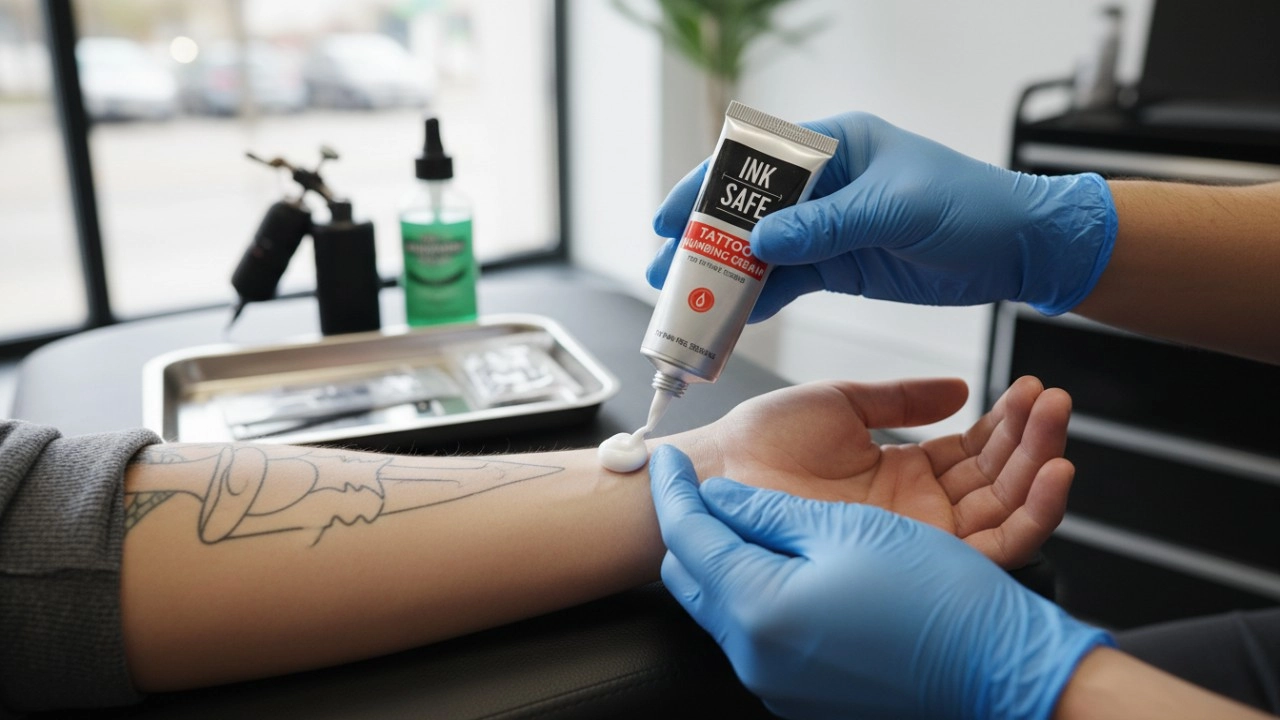
10 Best Numbing Creams for Tattoos in 2026: Ranked by Pain Relief and Safety
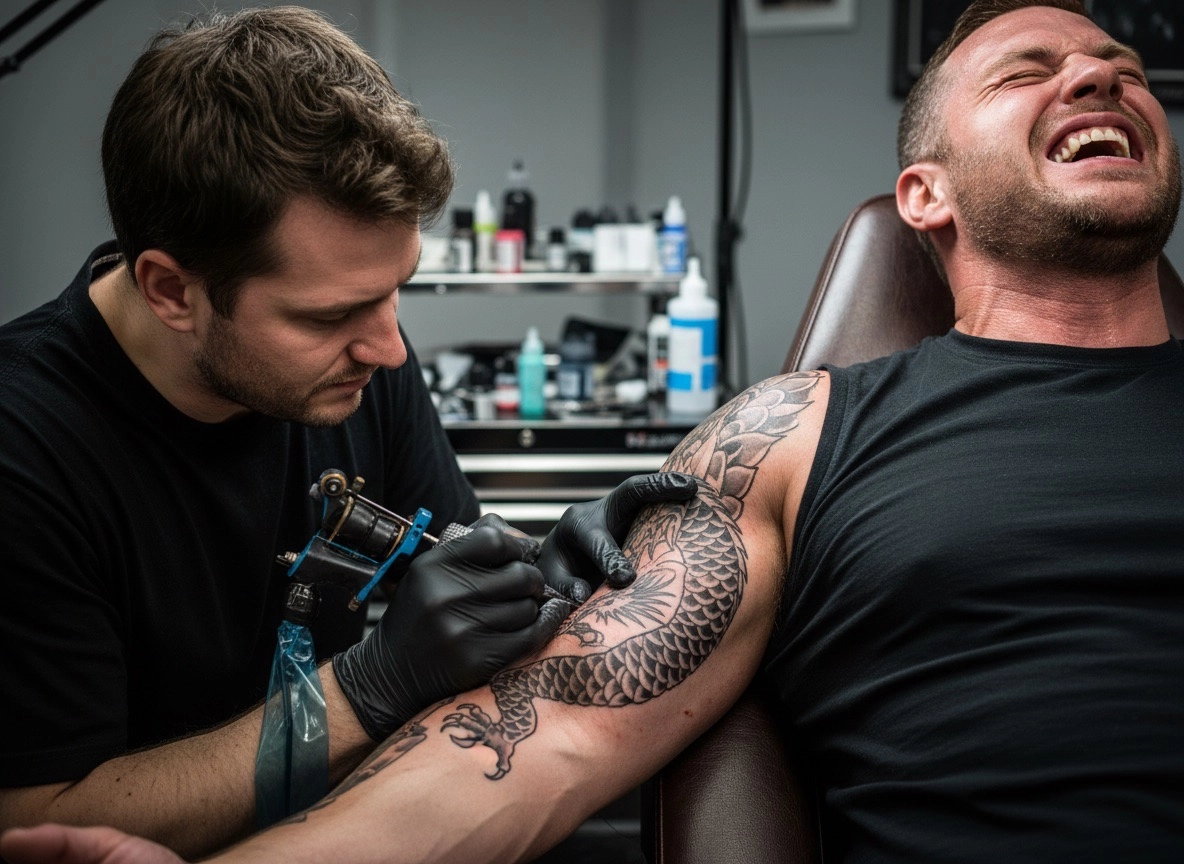
Does Numbing Cream Work for Tattoos? The Ultimate Guide to a Pain-Free Session
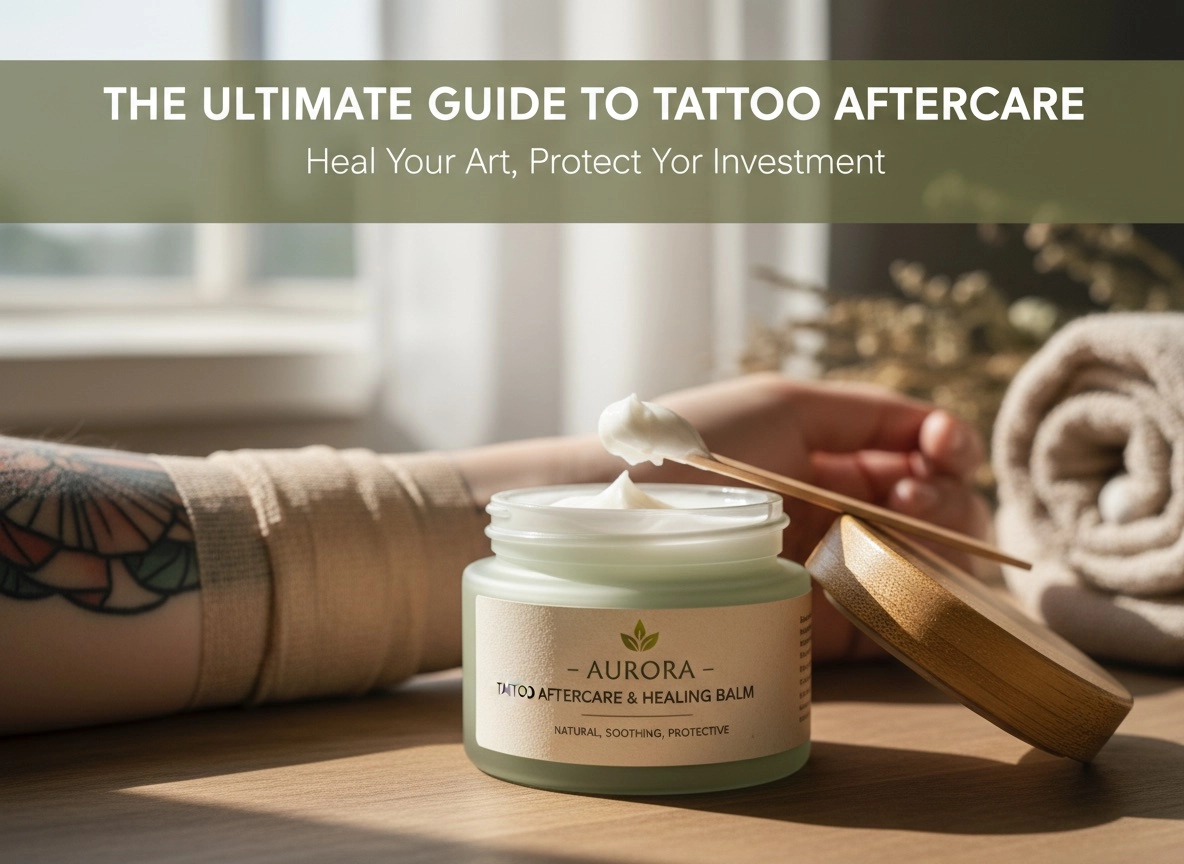
The Ultimate Guide to Tattoo Aftercare Cream: Healing & Vibrancy for 2026 and Beyond
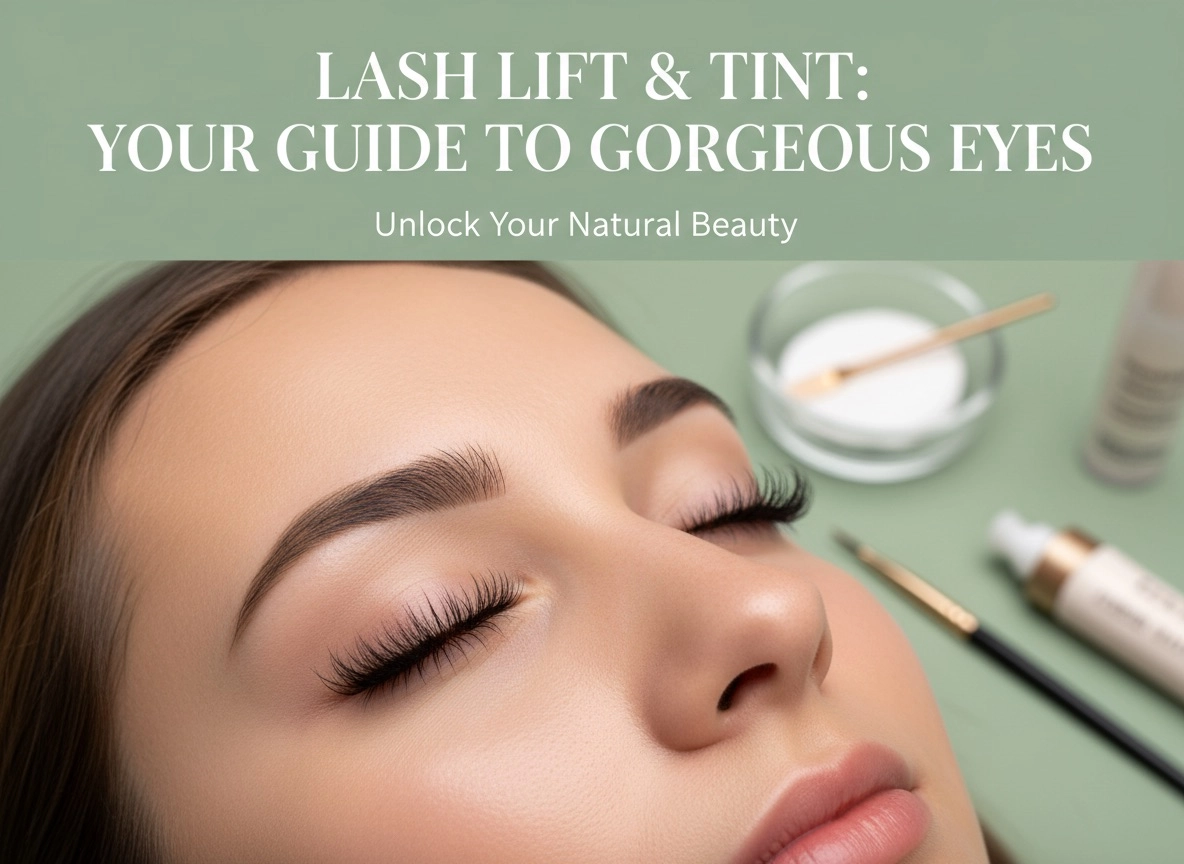
Lash Lift and Tint 2026: Your Ultimate Guide to Defined, Curled Lashes
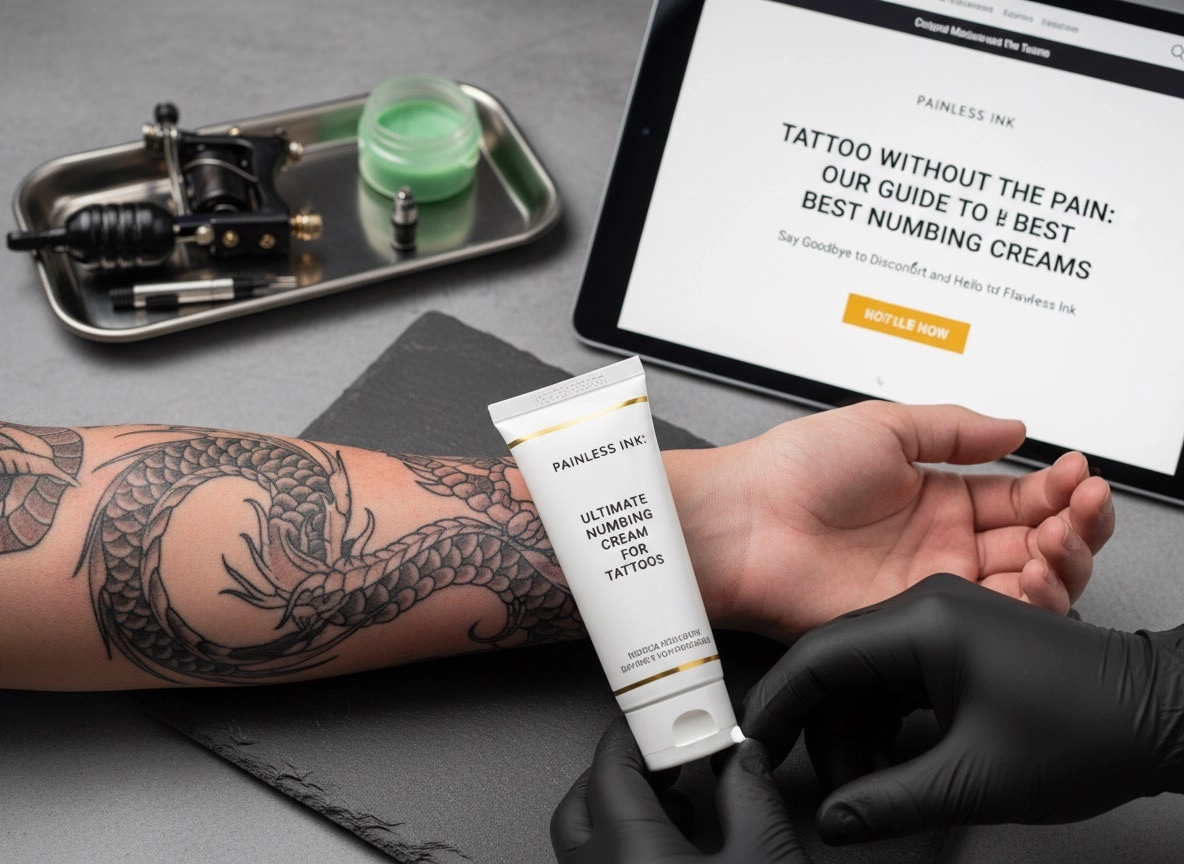
Best Numbing Cream for Tattoos 2026: The Ultimate Guide for Pain-Free Ink
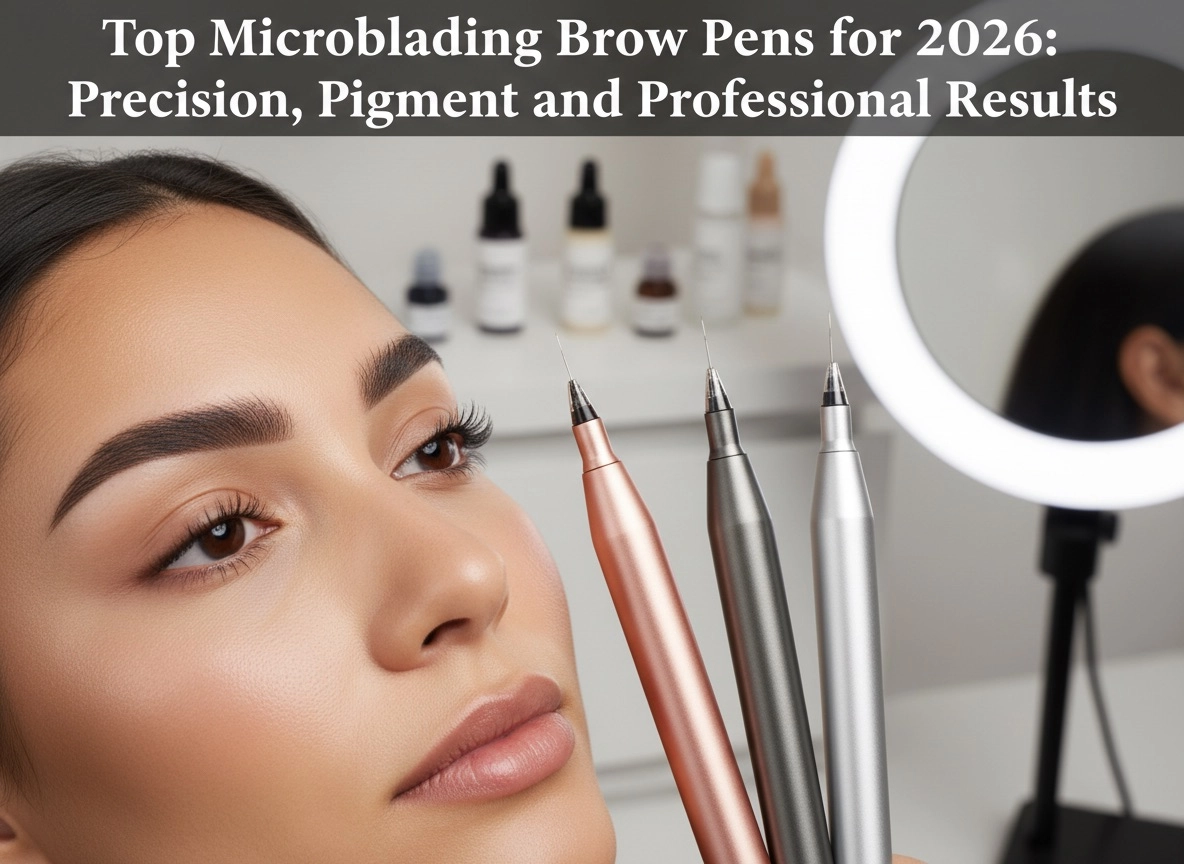
Top Microblading Brow Pens for 2026: Precision, Pigment, and Professional Results
Powder Pigment
What is the color retention rate and color retention time of the pigment?
QM pigments have a higher retention rate than most other tattoo ink brands on the market. With nearly 20 years of microblading pigment permanent makeup formulation experience, the color retention rate of the pigment can be as high as 99%, and the color retention time is generally 3-5 years.
Lash lift kit
How long does the lifting effect last?
On average, the lash lifting effect lasts for 2-3 months, depending on the clients eyelashes individual differences and the time you takes for lash lift procedure of soften (perm lotion) and set (neutralizer).
Products
How many applications does the glue balm for lash lift and brow lamination?
About 15-20 applications.
Eyelash curling
How long does a lash lift last?
The curling effect of eyelash lamination can last for 8-12 weeks, during which time you can carry out water activities normally. Generally, after 12 weeks, the eyelashes will return to their original state, at which time you can arrange for a new eye lash lift treatment.
After sales support
What should I do if I am not satisfied with the product results?
If you are not satisfied with the product or its results, please contact our customer service team immediately and provide relevant evidence. We will handle the issue as soon as possible and provide you with a solution.
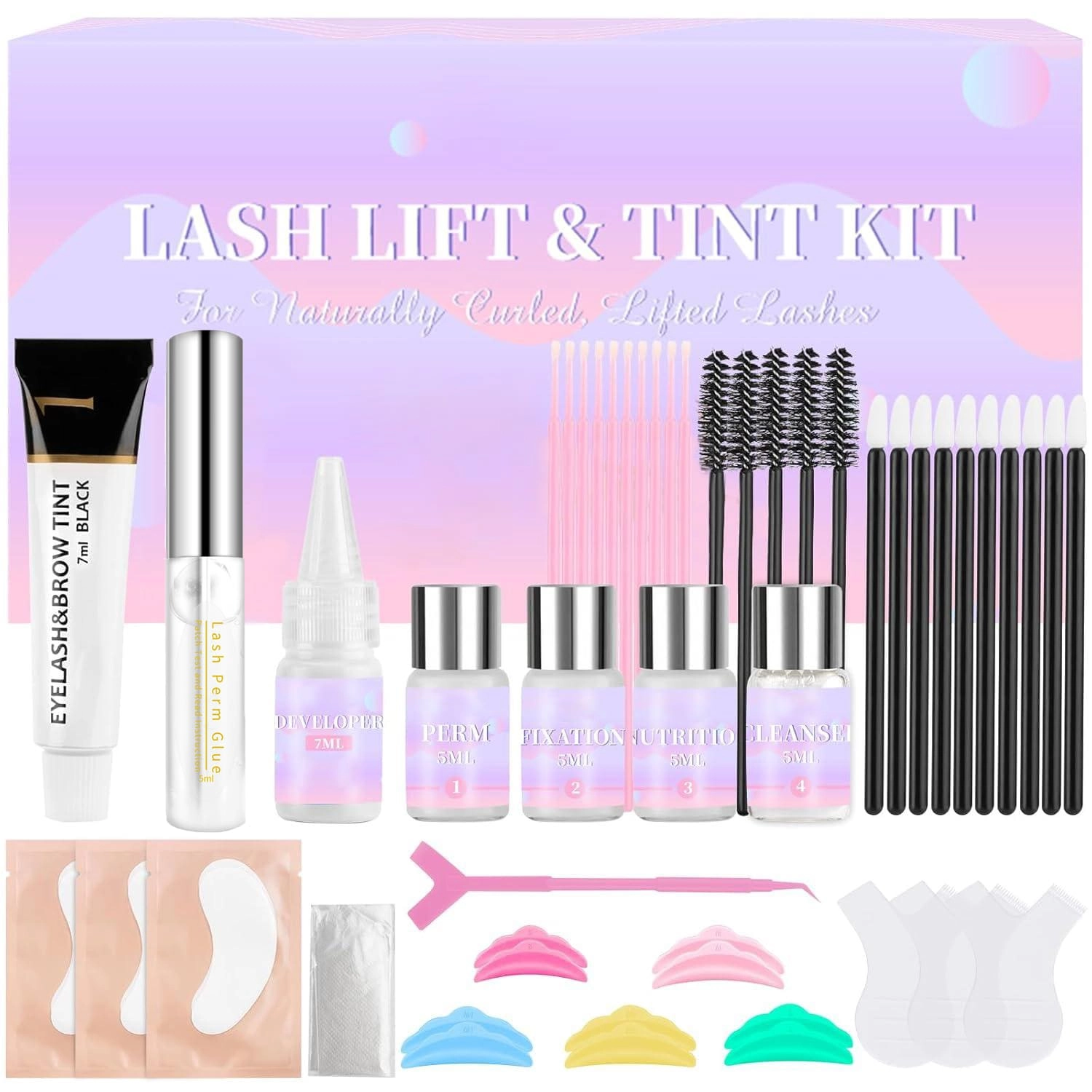
Professional Lash Lift and Tint Kit
Professional Keratin Lash Lift Kit
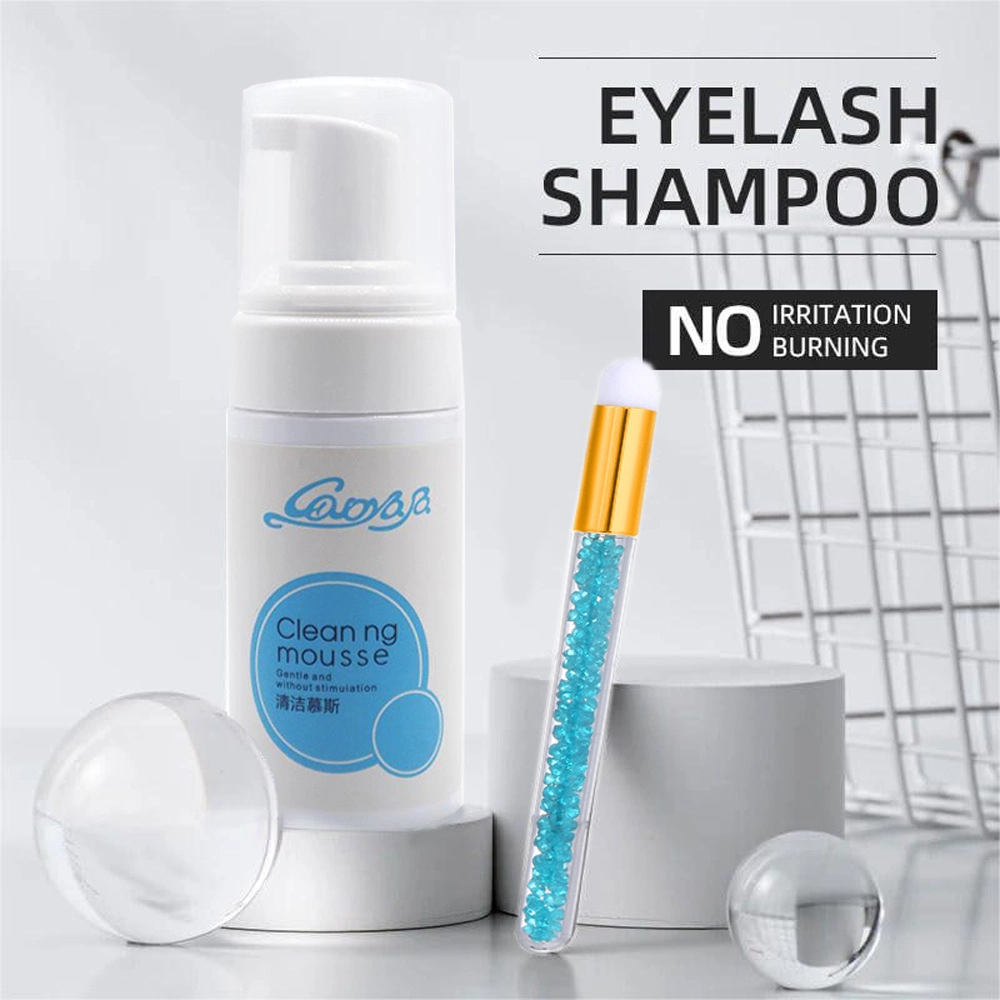
Best Eyelash Extension Cleaning Shampoo
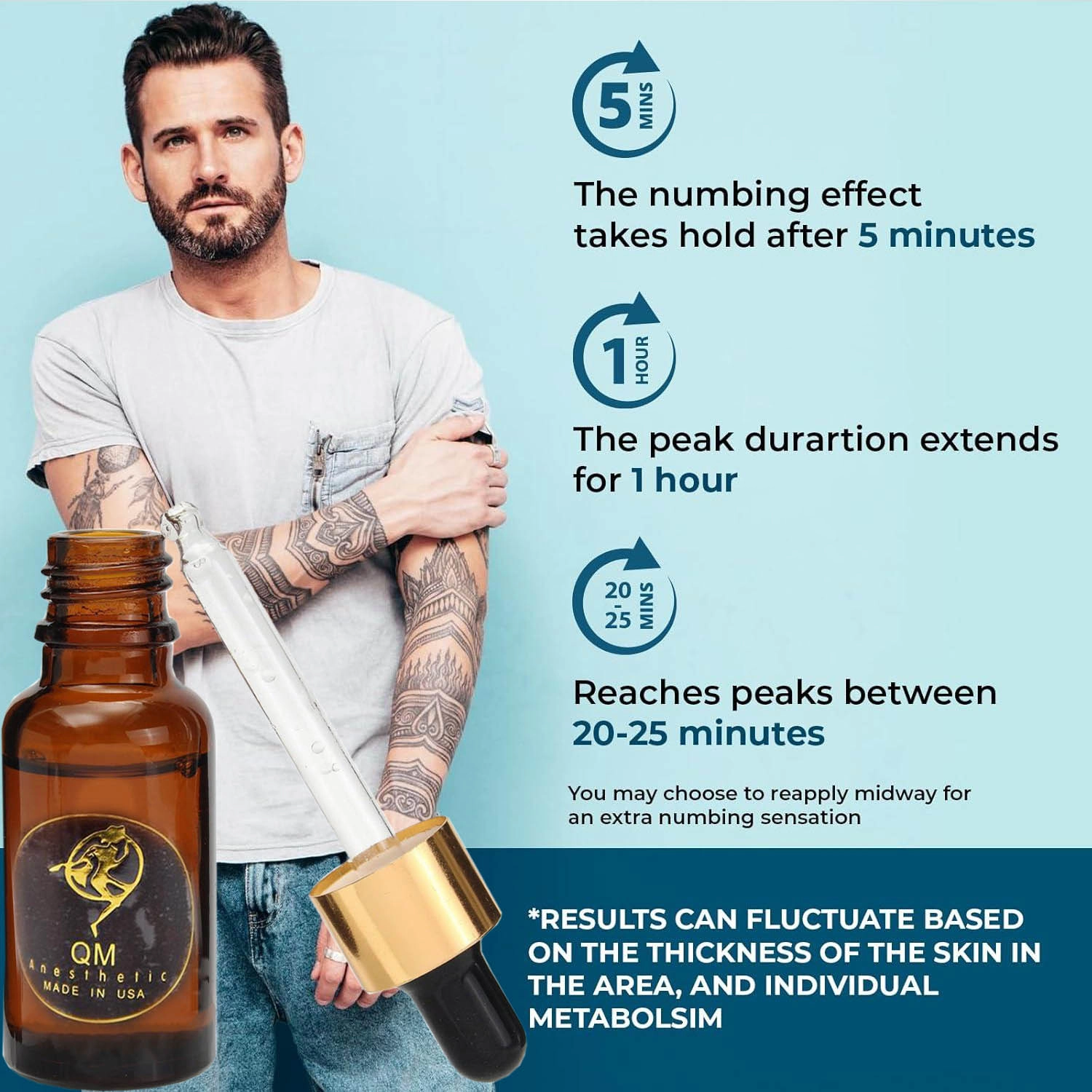
5 Minutes Secondary Numbing Essence
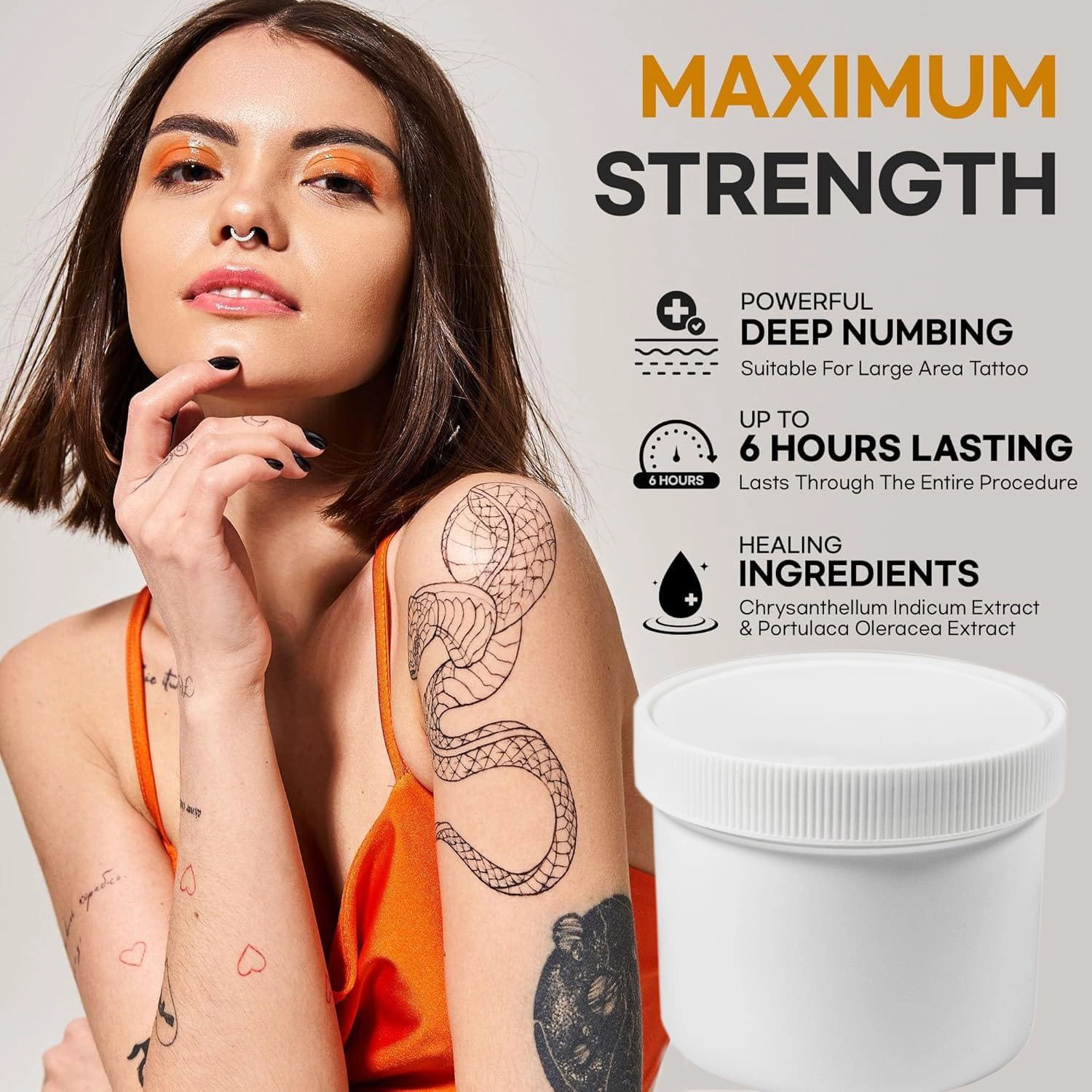
Body Use Super Numb Tattoo Numbing Cream

Professional Pre Inked Eye Brow Mapping String 30m
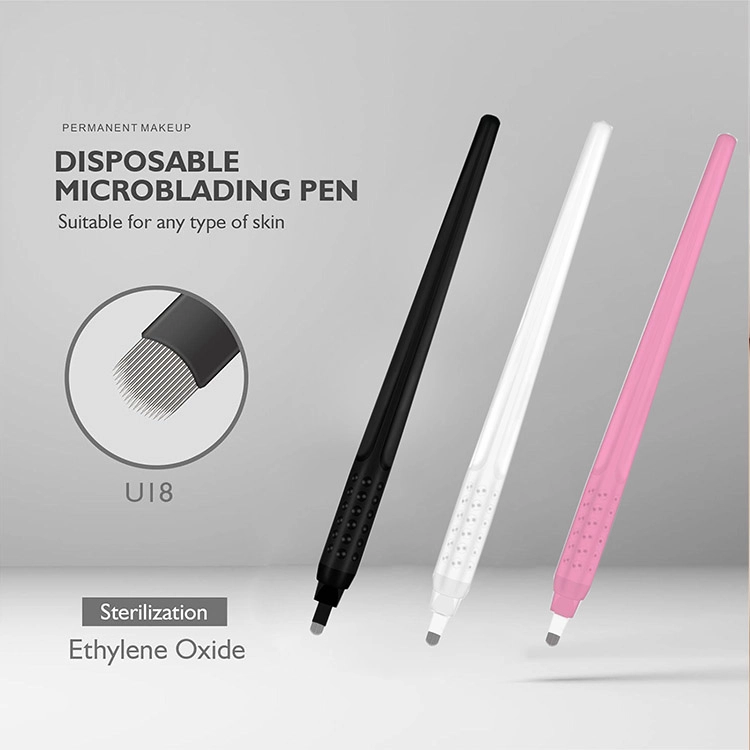
Disposable Microblading Pen
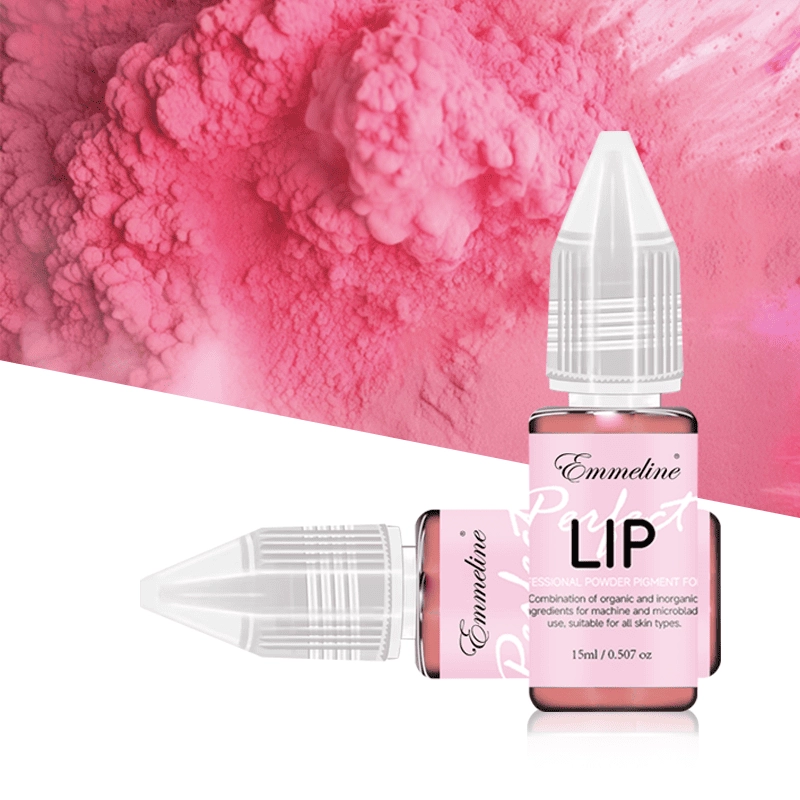
Hybrid Powder Microblading Pigment Ink
What product do we have?

Instagram
Facebook
YouTube