


Microblading vs eyebrow tattoo | Insights by QM Makeup
Microblading vs Eyebrow Tattoo: A Comprehensive Guide to Semi-Permanent Makeup
When it comes to enhancing your eyebrows, two popular semi-permanent makeup techniques are microblading and eyebrow tattooing. Understanding the differences between these methods can help you make an informed decision that aligns with your aesthetic goals and lifestyle.
1. What Are Microblading and Eyebrow Tattooing?
Microblading is a semi-permanent cosmetic procedure that uses a manual hand tool with ultra-fine needles to create hair-like strokes on the skin's surface. This technique deposits pigment into the epidermis, resulting in a natural, fuller appearance that typically lasts 1 to 3 years.
Eyebrow Tattooing, also known as permanent makeup, involves using a tattoo machine to implant pigment deeper into the dermis. This method provides a more defined and bold look, with results that can last several years, often requiring touch-ups every 2 to 5 years.
2. How Do the Techniques Differ?
Application Method:
- Microblading: Utilizes a manual tool to create precise, hair-like strokes.
- Eyebrow Tattooing: Employs a machine to deposit pigment deeper into the skin.
Longevity:
- Microblading: Results last 1 to 3 years, with fading over time.
- Eyebrow Tattooing: Results are more permanent, lasting several years.
Pain and Healing:
- Microblading: Generally less painful with a shorter healing time of 7 to 14 days.
- Eyebrow Tattooing: May involve more discomfort and a longer healing period of 10 to 21 days.
3. Which Method Is Suitable for Different Skin Types?
Microblading:
- Best for normal to dry skin types.
- Not ideal for oily skin, as pigment may blur or fade quickly.
Eyebrow Tattooing:
- More reliable for oily skin, as the ink is placed deeper and resists fading.
4. What Are the Aftercare Requirements?
Both procedures require careful aftercare to ensure optimal results:
Microblading:
- Avoid makeup on the area.
- Refrain from sweating or exercise for several days.
- Avoid swimming or saunas.
- Protect from sun exposure.
- Keep the area clean and moisturized.
Eyebrow Tattooing:
- Keep the area clean.
- Avoid sun exposure and harsh products.
- Scabbing is normal; do not pick.
5. How Do Costs Compare Between the Two?
Microblading:
- Initial cost ranges from $300 to $700.
- Touch-ups cost between $100 and $300, typically every 12 to 18 months.
Eyebrow Tattooing:
- Initial cost ranges from $400 to $1,000.
- Touch-ups cost between $150 and $400, typically every 2 to 5 years.
Choosing the Right Option for You
When deciding between microblading and eyebrow tattooing, consider the following factors:
Desired Look:
- For a natural, hair-like appearance, microblading is ideal.
- For a more defined, bold look, eyebrow tattooing may be more suitable.
Longevity and Maintenance:
- If you prefer a semi-permanent solution with flexibility for changes, microblading offers this advantage.
- If you desire a more permanent solution with less frequent touch-ups, eyebrow tattooing may be the better choice.
Skin Type Considerations:
- Oily skin types may experience faster fading with microblading and blurred strokes over time.
- Eyebrow tattooing is more suitable for oily skin types.
Why Choose QM Makeup?
At QM Makeup, we specialize in providing high-quality semi-permanent makeup services tailored to your individual needs. Our experienced technicians use the latest techniques and premium pigments to ensure natural-looking, long-lasting results. Whether you choose microblading or eyebrow tattooing, we are committed to enhancing your natural beauty with precision and care.
For more information or to schedule a consultation, visit our website or contact us directly. Let QM Makeup help you achieve the perfect brows you've always desired.
- Microblading vs Eyebrow Tattoo: A Comprehensive Guide to Semi-Permanent Makeup
- 1. What Are Microblading and Eyebrow Tattooing?
- 2. How Do the Techniques Differ?
- 3. Which Method Is Suitable for Different Skin Types?
- 4. What Are the Aftercare Requirements?
- 5. How Do Costs Compare Between the Two?
- Choosing the Right Option for You
- Why Choose QM Makeup?
10 Best Numbing Creams for Tattoos in 2026: Ranked by Pain Relief and Safety
Does Numbing Cream Work for Tattoos? The Ultimate Guide to a Pain-Free Session
The Ultimate Guide to Tattoo Aftercare Cream: Healing & Vibrancy for 2026 and Beyond

Lash Lift and Tint 2026: Your Ultimate Guide to Defined, Curled Lashes
Best Numbing Cream for Tattoos 2026: The Ultimate Guide for Pain-Free Ink
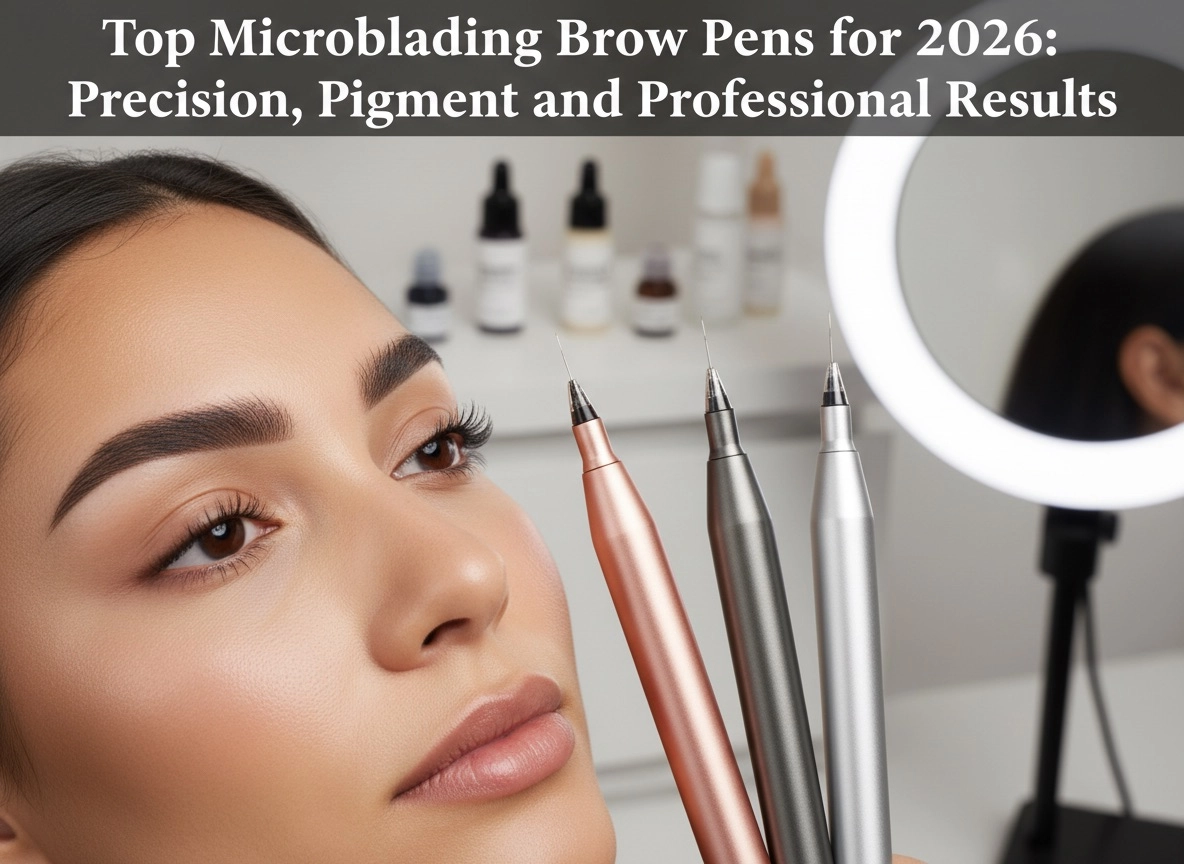
Top Microblading Brow Pens for 2026: Precision, Pigment, and Professional Results
Nano cream
Do your tattoo numb products turn brown? How should they be stored?
Because the tattoo numb product is formulated with a lidocaine and procaine base, it must be stored in a cool, light-proof place. Excessive room temperature, exposure to sunlight, or failure to seal the cap after opening may result in discoloration and deterioration of the product, which may result in loss of the numbing effect.
Here are some instruction for you:
1. Keep tattoo numb numbing cream in cool place and avoid sunlight.
2. After open, please close the lid as soon as possible, make sure that you have already close it tightly.
3. For a better effect to prevent the open cream / essence get touch with the air, you can cover with a plastic film on the tube port, then close with lid.
4. Numb nuts cream for tattoo can also be stored in the crisper section of the refrigerator if you are experiencing hot weather.
Can Nano Numb Cream For Tattoo be used on the lips?
Yes, nano numb cream can be used on the lips.
Handmade pen
What is the lifespan of a disposable microblading pen?
A best disposable microblading pen is a one-time use tool that should be used immediately after opening and discarded after use. It cannot be recycled.
Do disposable eyebrow pen microblading meet hygiene and safety standards?
Our microblading pen for eyebrows are sterilized in individual blister packs using EO gas sterilization. Each 3d microblading pen is packed in a protective cover for safe storage and handling, and is also marked with a batch number, manufacturer date, and expiration date to ensure safety and hygiene, so you can use it with confidence.
Perm and dyeing kit
How long does the lash lift tint and brow tint effect last?
The effect for eyelash tinting and brow tinting can last for 6-8 weeks, during which time you can carry out water activities normally. Generally, after 6-8 weeks, the eyelashes and eyebrows will return to their original state, at which time you can arrange for a new tinting treatment.
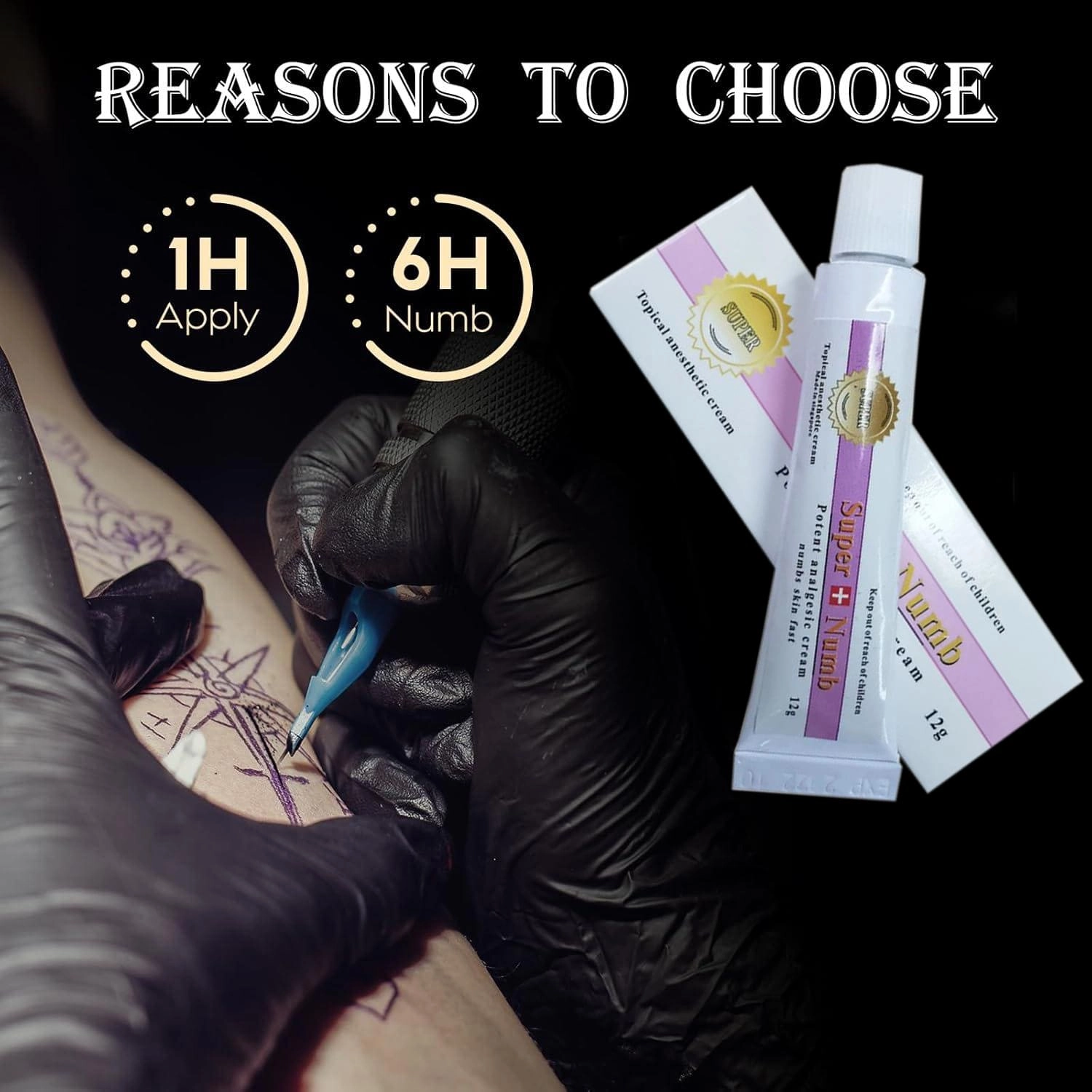
Super Numb Tattoo Cream
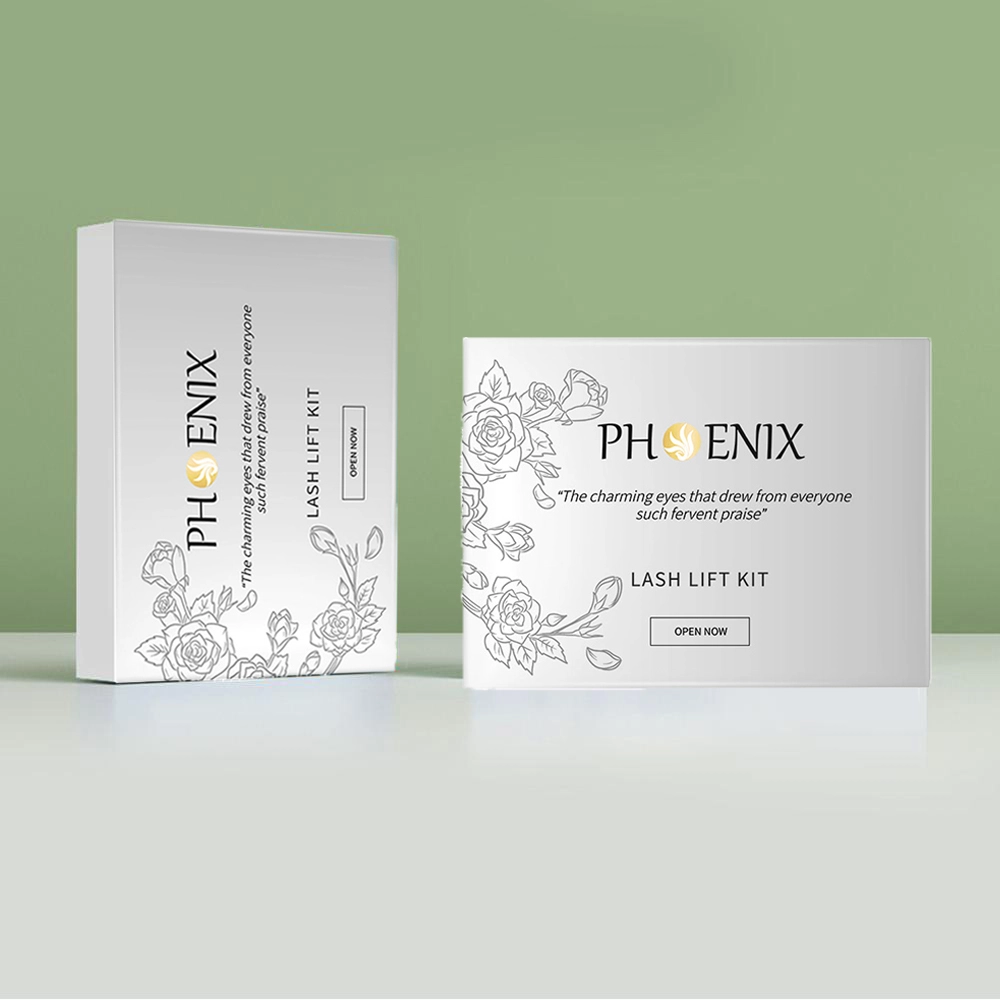
Professional Keratin Lash Lift Kit
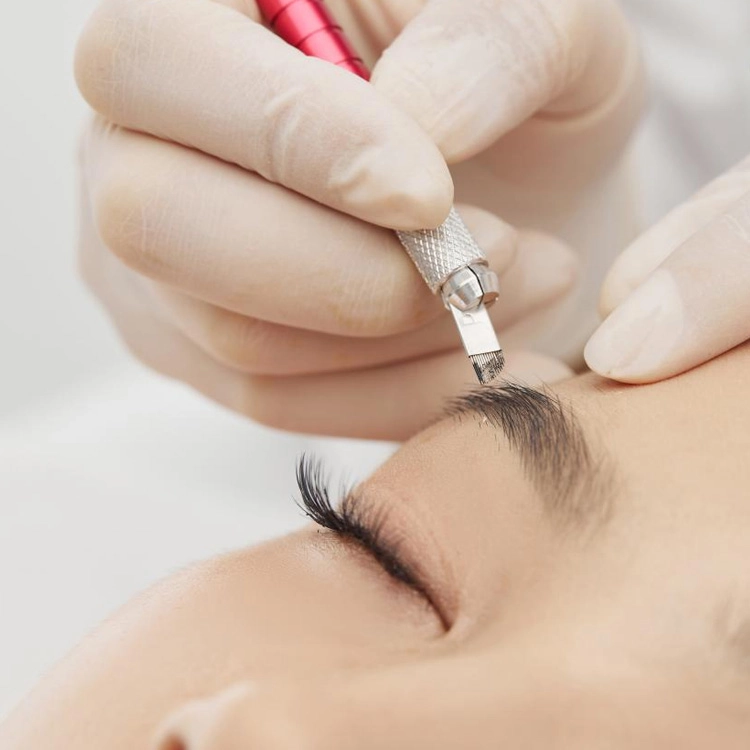
Slope Microblading Needle Blade
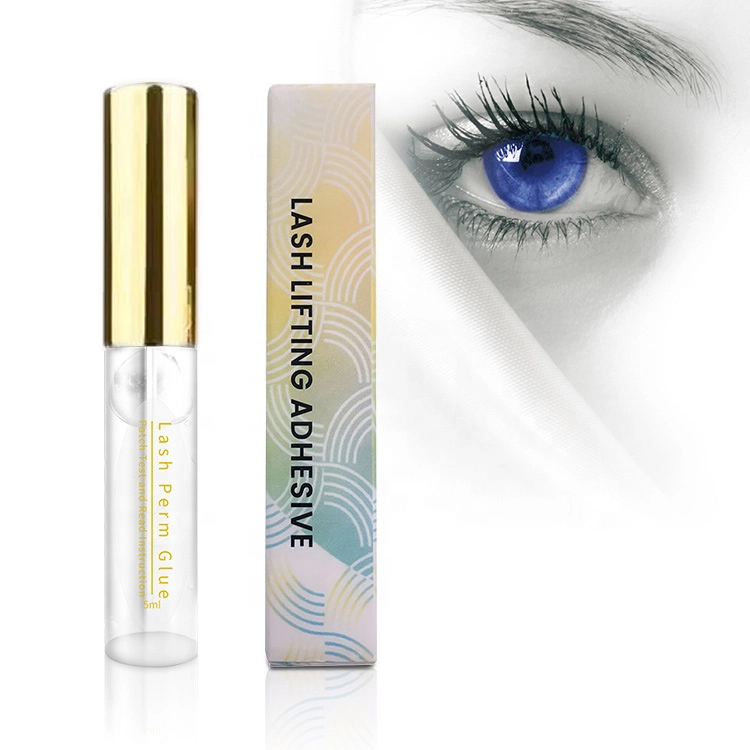
Japan Professional Lash Lift Adhesive
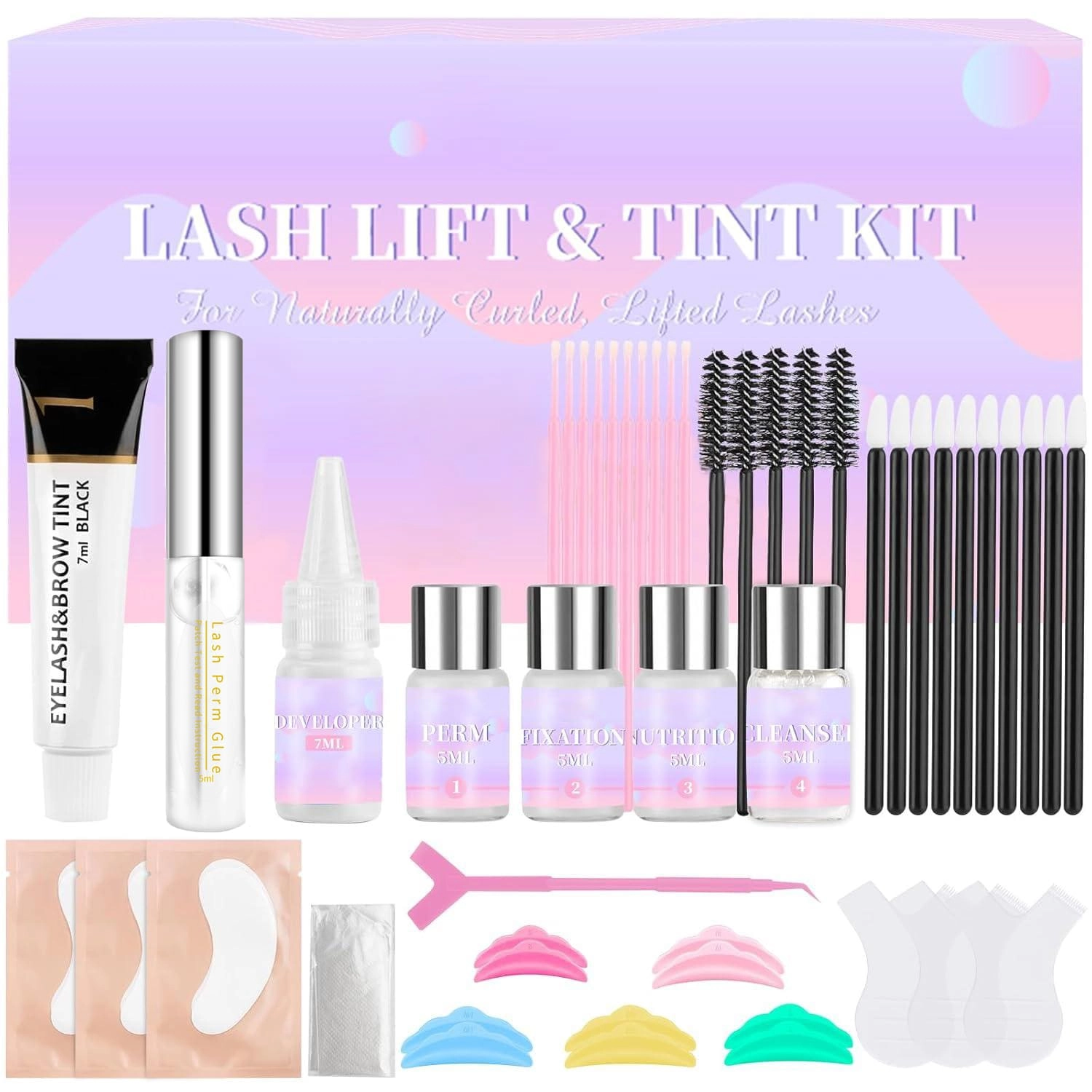
Professional Lash Lift and Tint Kit
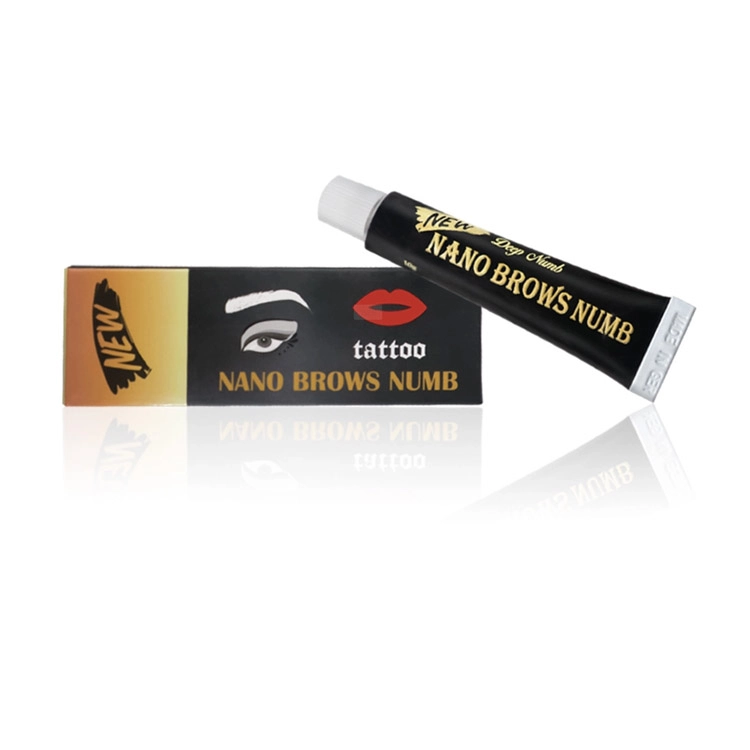
Nano Brows Numb Cream For Tattoo
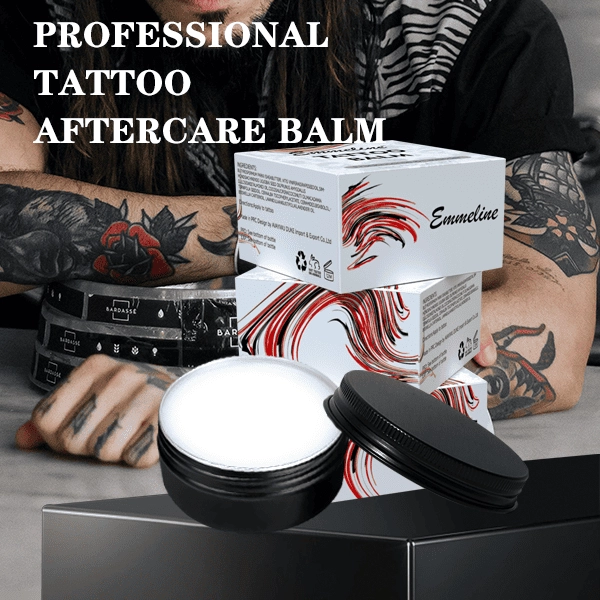
50g Body Tattoo Butter Balm
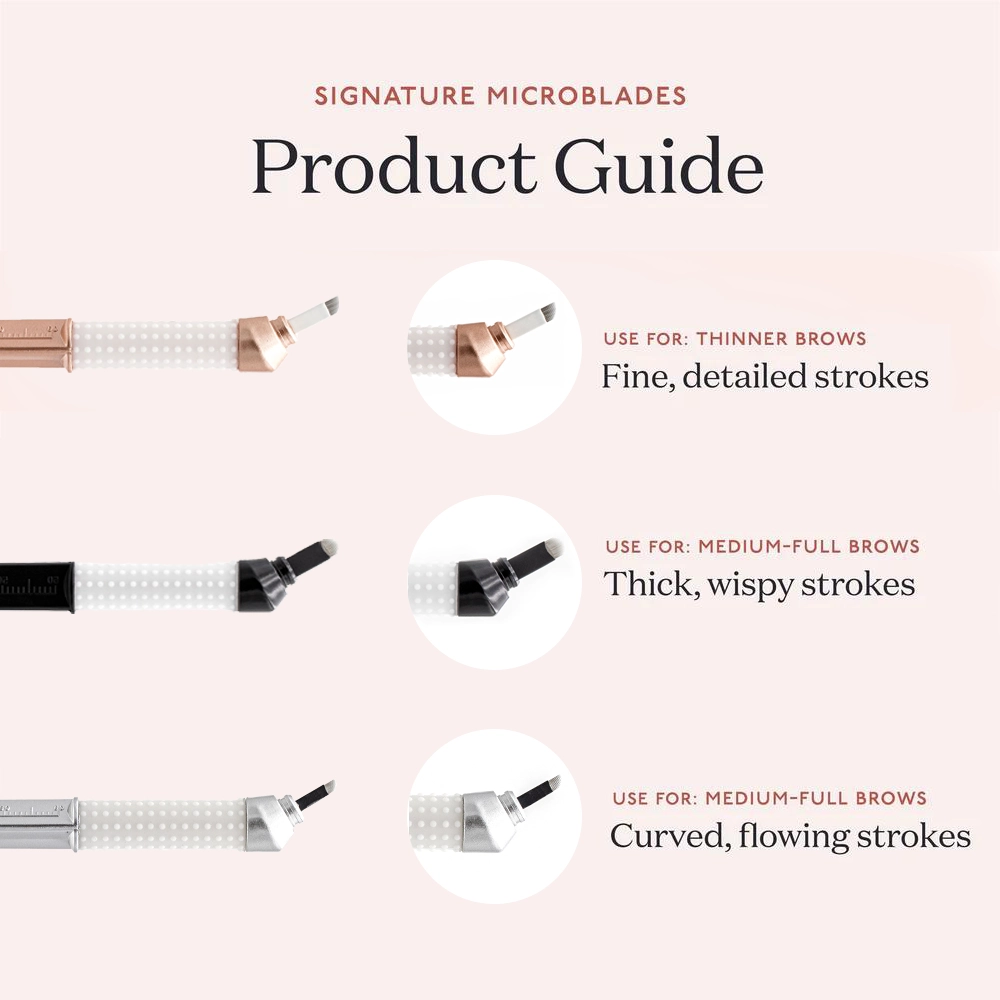
Angled Disposable Microblading Pen for Eyebrows
What product do we have?

Instagram
Facebook
YouTube