


How Often Should I Wash My Tattoo? | Insights by QM Makeup
Comprehensive Aftercare Guide for Semi-Permanent Makeup
Ensuring proper aftercare following a semi-permanent makeup procedure is crucial for optimal healing and the longevity of your results. Below, we address five common questions clients often have and provide expert advice to guide you through the healing process.
1. How Often Should I Clean My Semi-Permanent Makeup?
After your procedure, it's essential to keep the treated area clean to prevent infection and promote healing. Gently wash the area with lukewarm water and a mild, unscented cleanser twice daily for the first seven days. After cleansing, apply a thin layer of the recommended aftercare ointment to keep the area moisturized.
2. When Can I Apply Makeup to the Treated Area?
It's advisable to avoid applying makeup to the treated area for at least ten days post-procedure. This precaution helps prevent infection and ensures the pigment settles properly. After the initial healing period, you can resume makeup application, but it's best to use fresh products to minimize the risk of contamination.
3. What Activities Should I Avoid During the Healing Process?
To facilitate healing and maintain the quality of your semi-permanent makeup, avoid the following activities for at least ten days after the procedure:
Swimming: Chlorine and other chemicals can cause the pigment to fade prematurely.
Saunas and Steam Rooms: Excessive heat can affect the healing process.
Excessive Sweating: Engaging in strenuous exercise can introduce bacteria to the treated area.
Direct Sun Exposure: UV rays can cause pigment fading.
Additionally, avoid touching, scratching, or picking at the treated area to prevent infection and ensure even pigment retention.
4. How Will My Semi-Permanent Makeup Appear During Healing?
It's normal for the treated area to appear darker immediately after the procedure. As healing progresses, you may notice scabbing, flaking, and the color lightening by up to 60% during the first week. This is a natural part of the healing process, and the true color will emerge over the next 4-6 weeks.
5. When Should I Schedule a Touch-Up Appointment?
A touch-up appointment is typically recommended 4-6 weeks after the initial procedure. This session allows your technician to assess pigment retention, make any necessary adjustments, and ensure the desired results are achieved. It's essential to follow all aftercare instructions to ensure the best outcome and minimize the need for additional touch-ups.
By adhering to these aftercare guidelines, you can ensure a smooth healing process and maintain the longevity of your semi-permanent makeup.
QM Makeup is committed to providing high-quality semi-permanent makeup services with a focus on client satisfaction and safety. Our experienced technicians offer personalized consultations and meticulous aftercare support to ensure optimal results. Choose QM Makeup for a professional and caring approach to your beauty enhancements.
- Comprehensive Aftercare Guide for Semi-Permanent Makeup
- 1. How Often Should I Clean My Semi-Permanent Makeup?
- 2. When Can I Apply Makeup to the Treated Area?
- 3. What Activities Should I Avoid During the Healing Process?
- 4. How Will My Semi-Permanent Makeup Appear During Healing?
- 5. When Should I Schedule a Touch-Up Appointment?
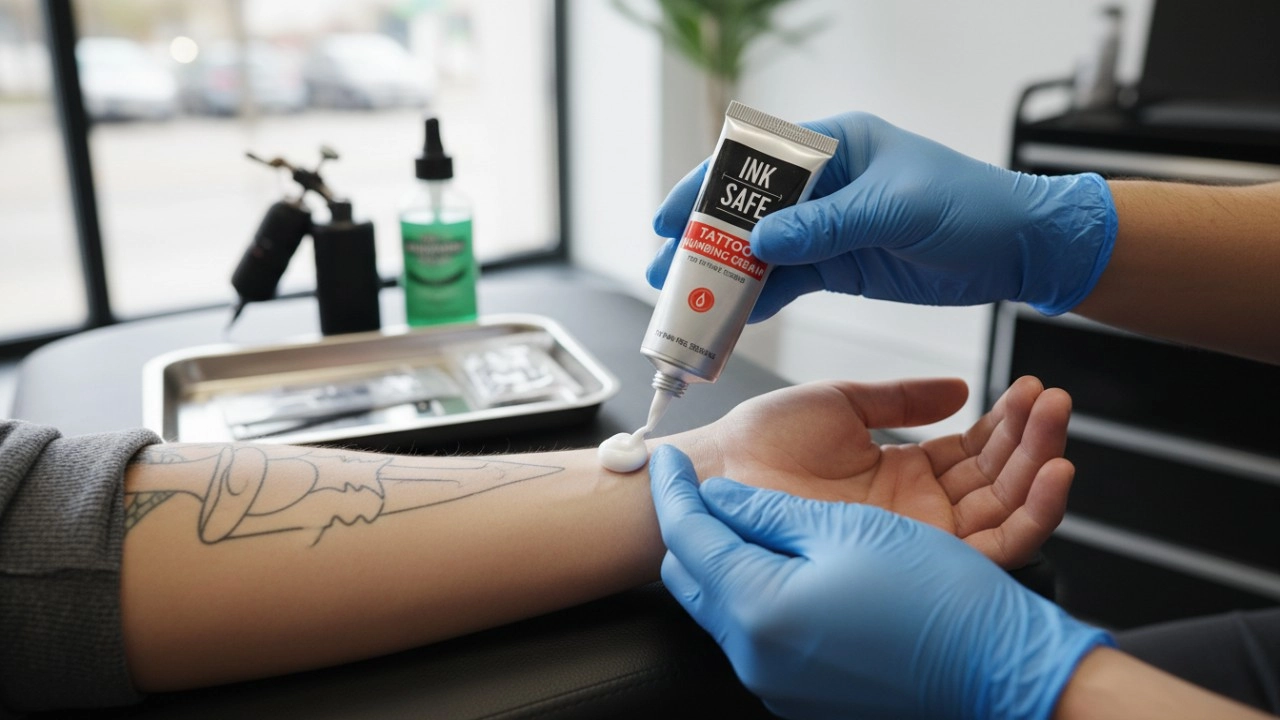
10 Best Numbing Creams for Tattoos in 2026: Ranked by Pain Relief and Safety
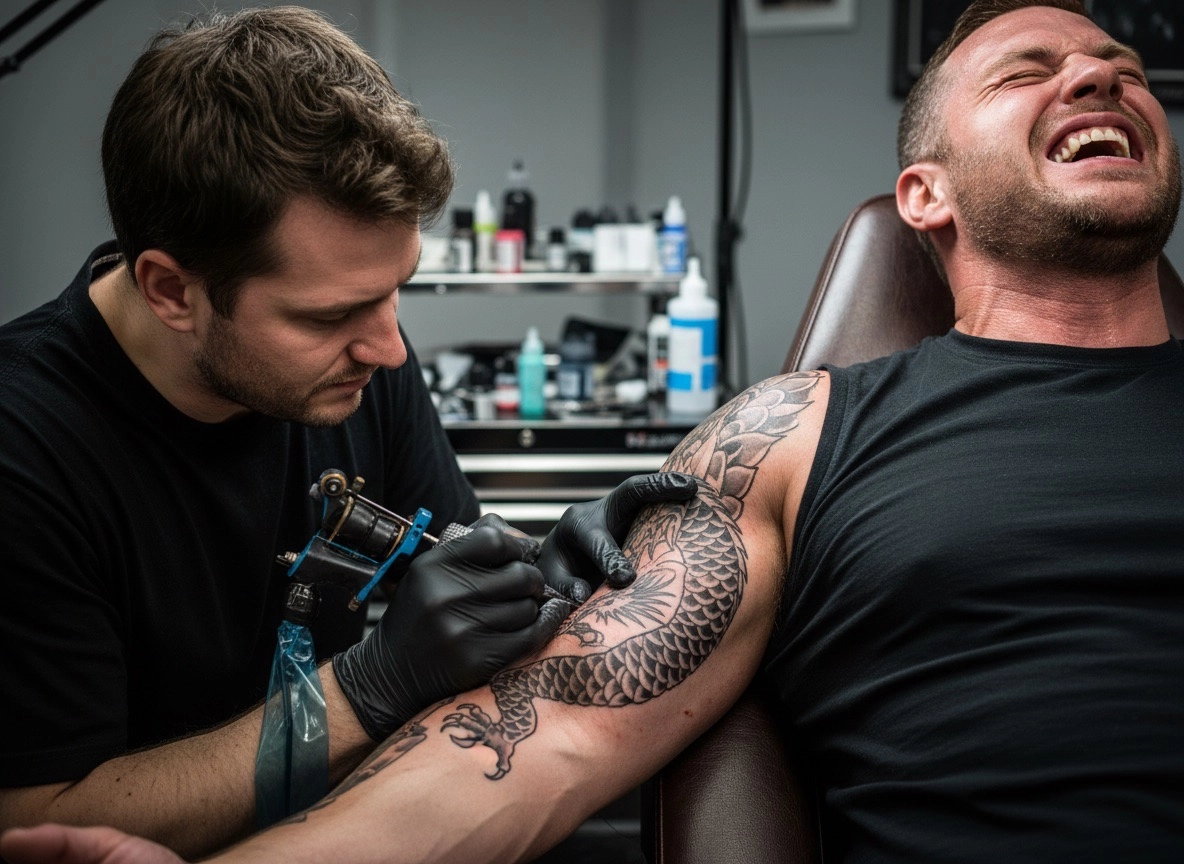
Does Numbing Cream Work for Tattoos? The Ultimate Guide to a Pain-Free Session
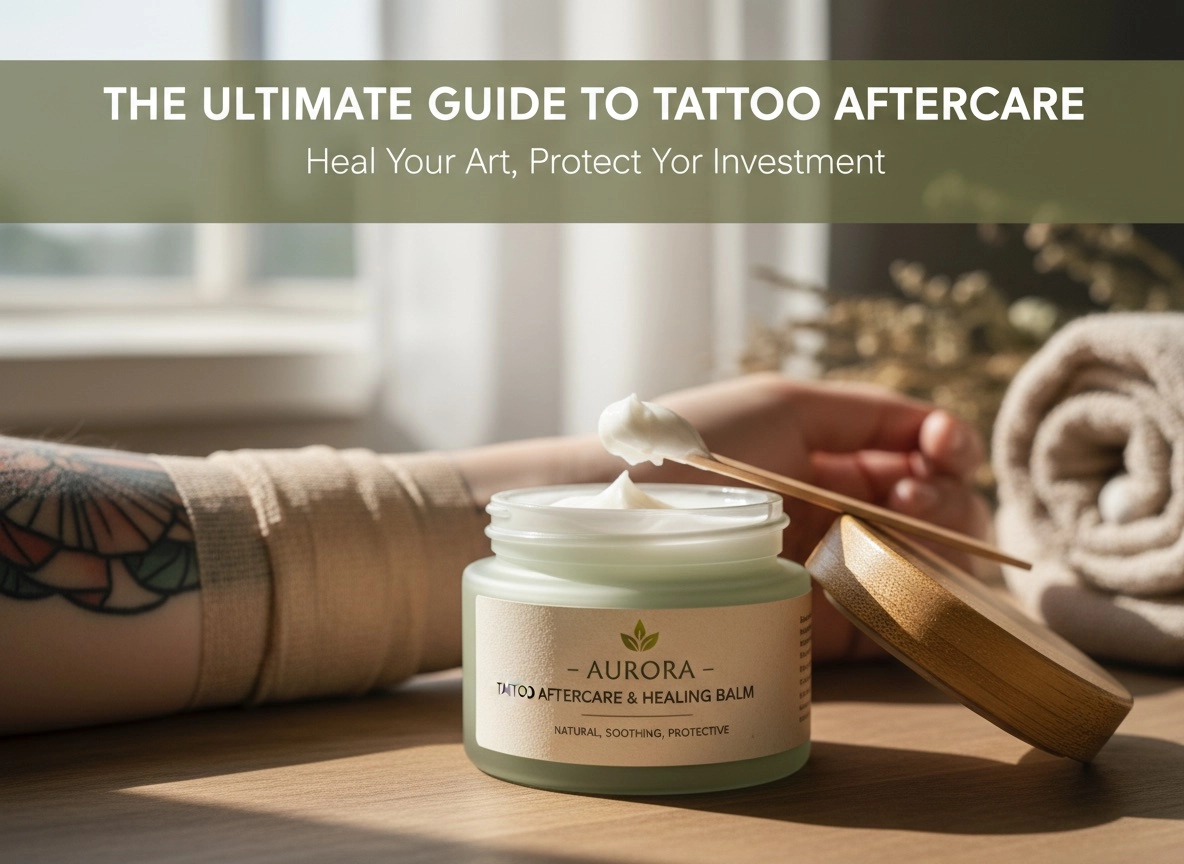
The Ultimate Guide to Tattoo Aftercare Cream: Healing & Vibrancy for 2026 and Beyond

Lash Lift and Tint 2026: Your Ultimate Guide to Defined, Curled Lashes
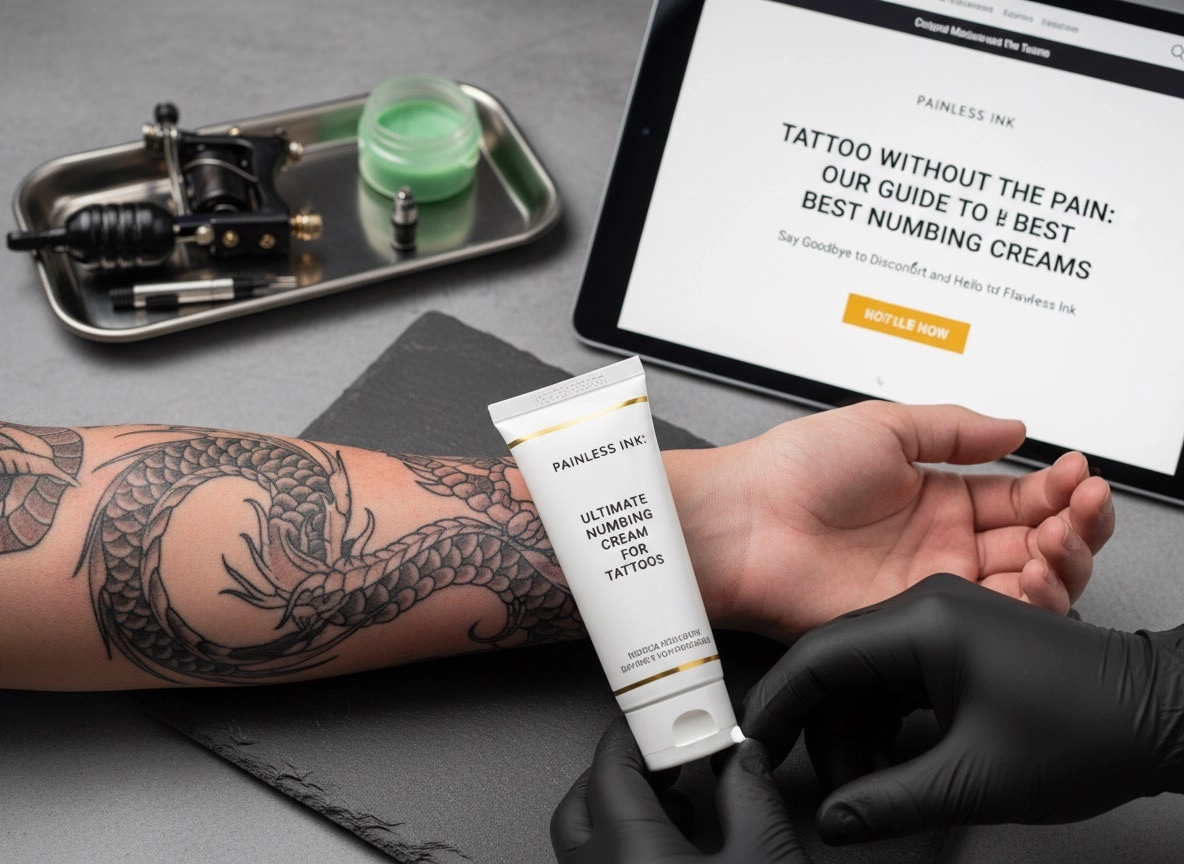
Best Numbing Cream for Tattoos 2026: The Ultimate Guide for Pain-Free Ink
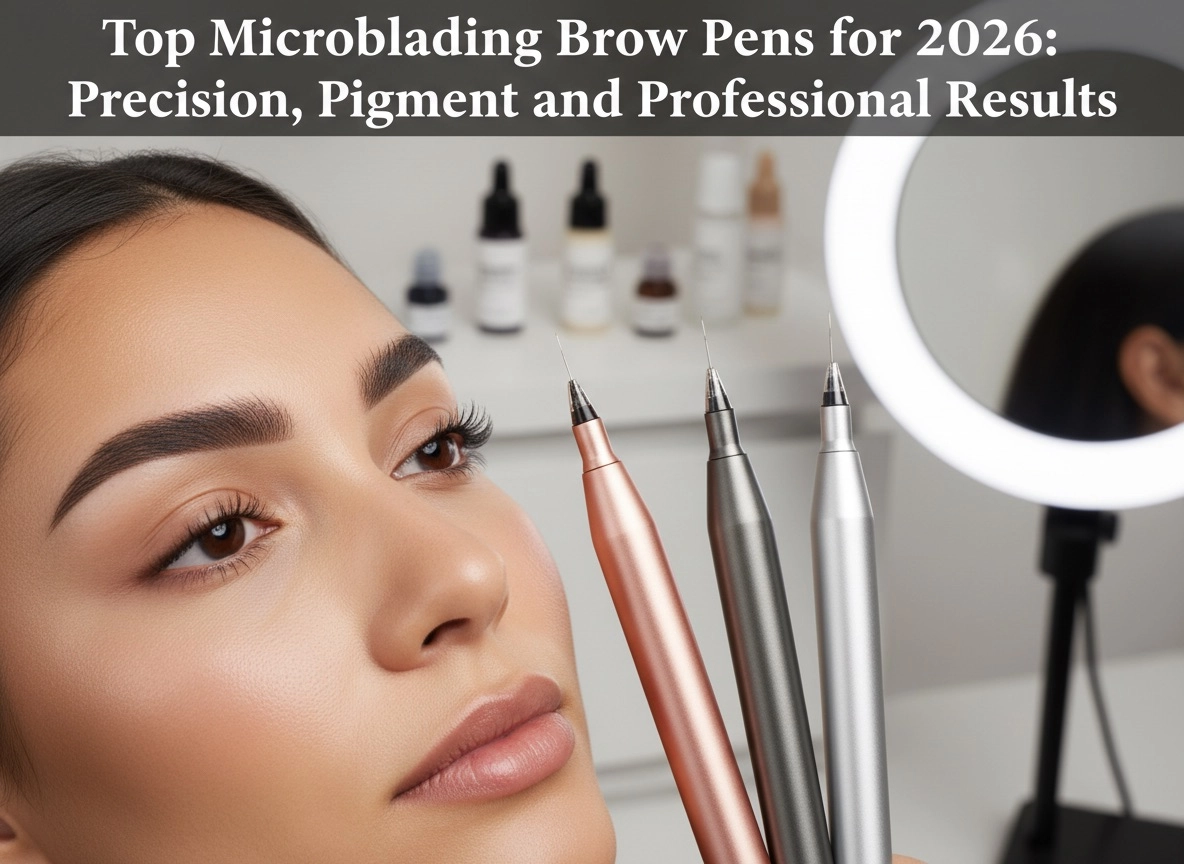
Top Microblading Brow Pens for 2026: Precision, Pigment, and Professional Results
Pre-inked Mapping String
What color do you have for the mapping ink?
We provide different color options for pre-inked mapping string.
For 10m mapping string: black / white / pink
For 30m mapping string (wet ink): black / white / pink
For 30m mapping string (dry ink): black / white / pink / purple / brown
What is the MOQ to make private label?
Our MOQ for private label pre-inked mapping string is 100pcs/design. You can contact us to learn more details.
Lash lift kit
Does the neutralizer contain the ingredient “Sodium Bromate” ?
Yes. The active ingredient of the neutralizer is an oxidant agent, which reconnects the disulfide bonds in the eyelashes that were broken by the perming lotion. Commonly used oxidants are sodium bromate and hydrogen peroxide. Sodium bromate works best at a neutral pH value, and can achieve a firm, elastic styling effect.
Payment
What currencies are supported for payment?
All of our transactions are based in US Dollars. If your credit card is based in another currency, your order total will be calculated in accordance with the daily exchange rate of the date your card issuer processes the transaction. If you have a shipping agent in China who can help you pay in RMB, your order total will be calculated in RMB based on the daily exchange rate.
Tattoo Numbing Patches
What is the MOQ for private label?
We offer private label customization services, including the making private label stickers and printing private label labels on packaging. The MOQ for private label stickers is 100 pieces, and the MOQ for private label labels is 30,000 pieces.
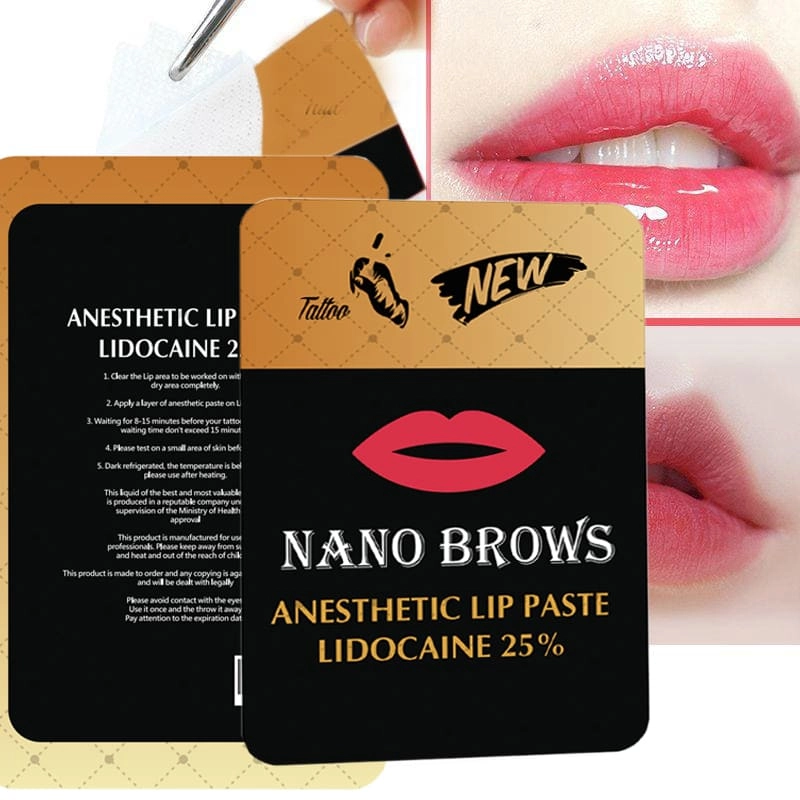
15 Mins Fast Numbing Lip Patches
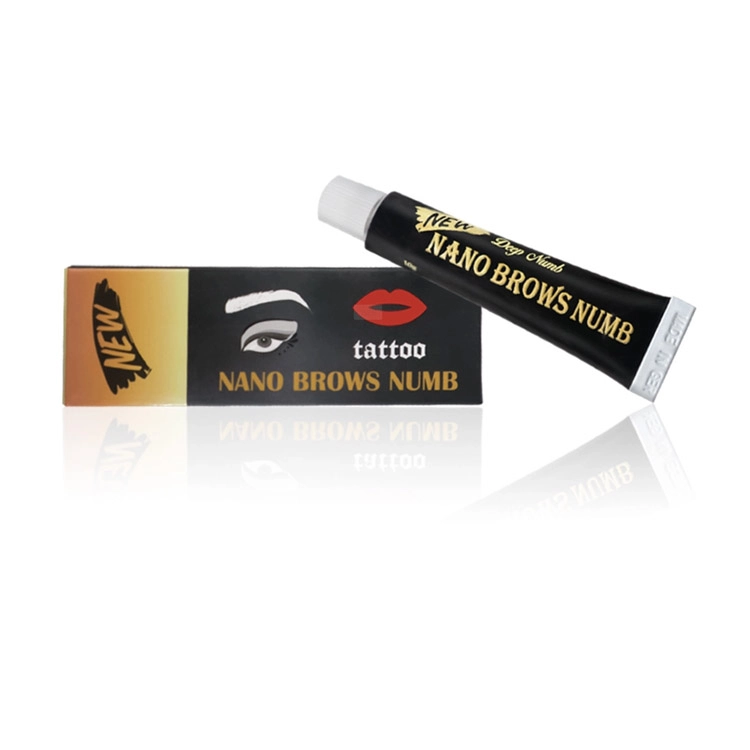
Nano Brows Numb Cream For Tattoo
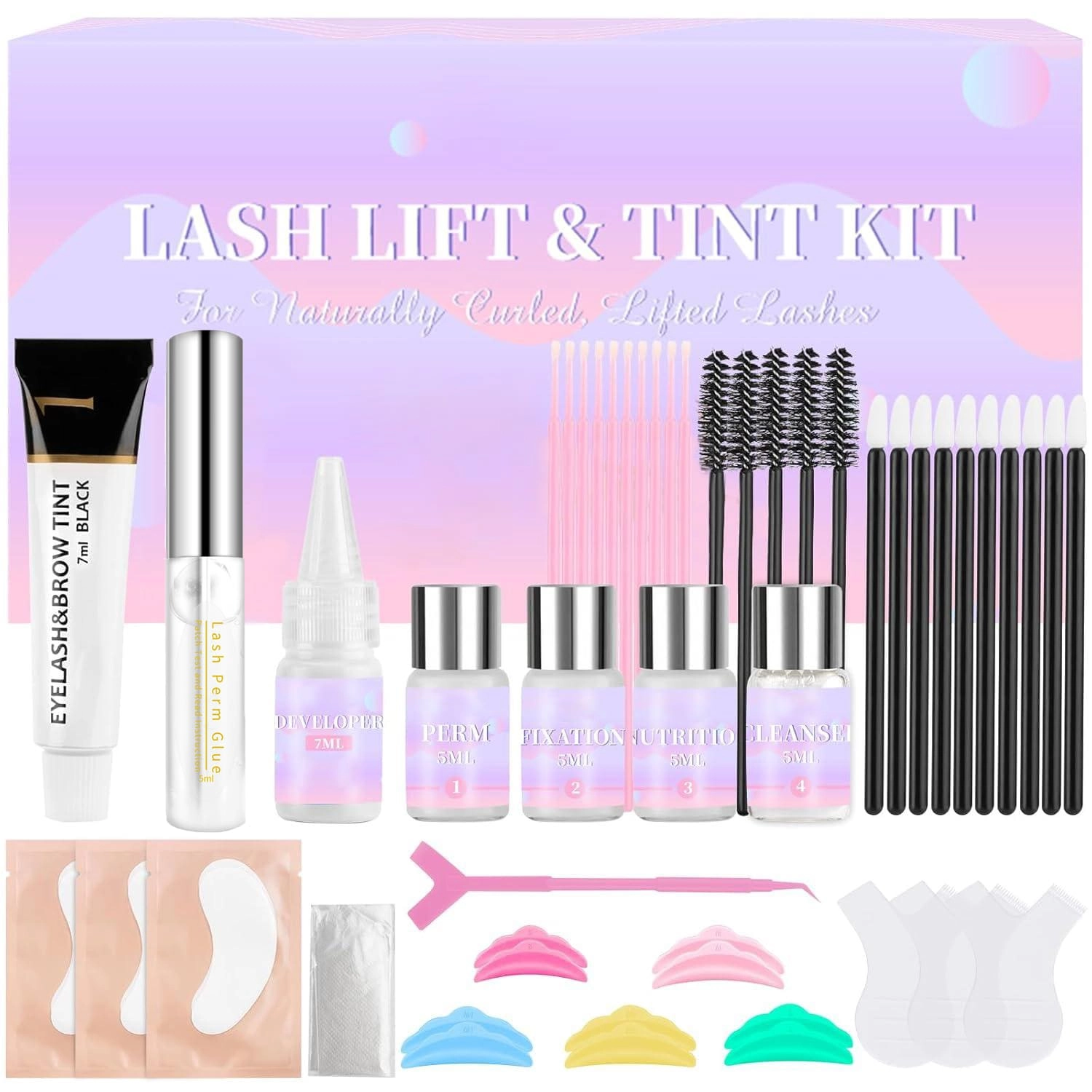
Professional Lash Lift and Tint Kit
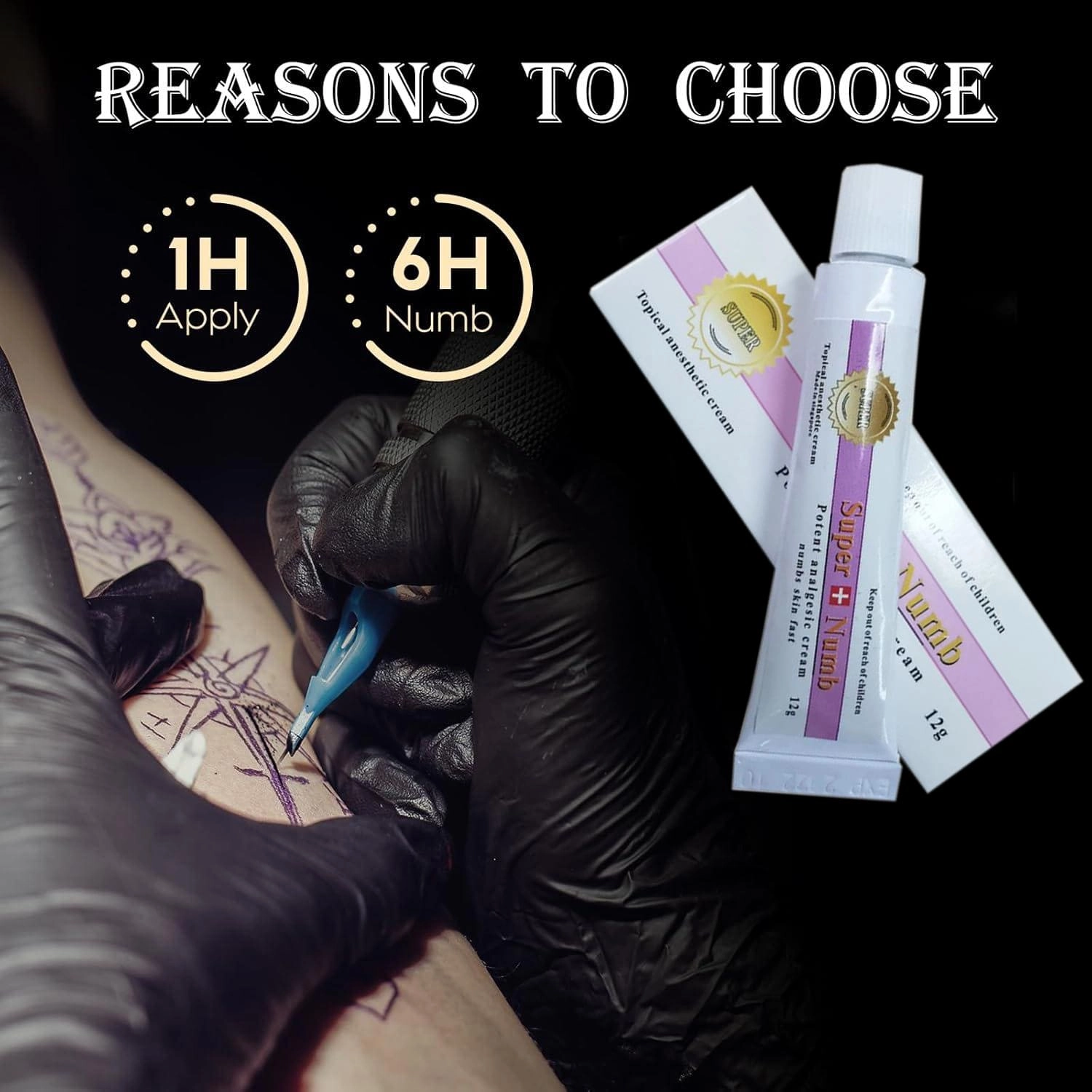
Super Numb Tattoo Cream
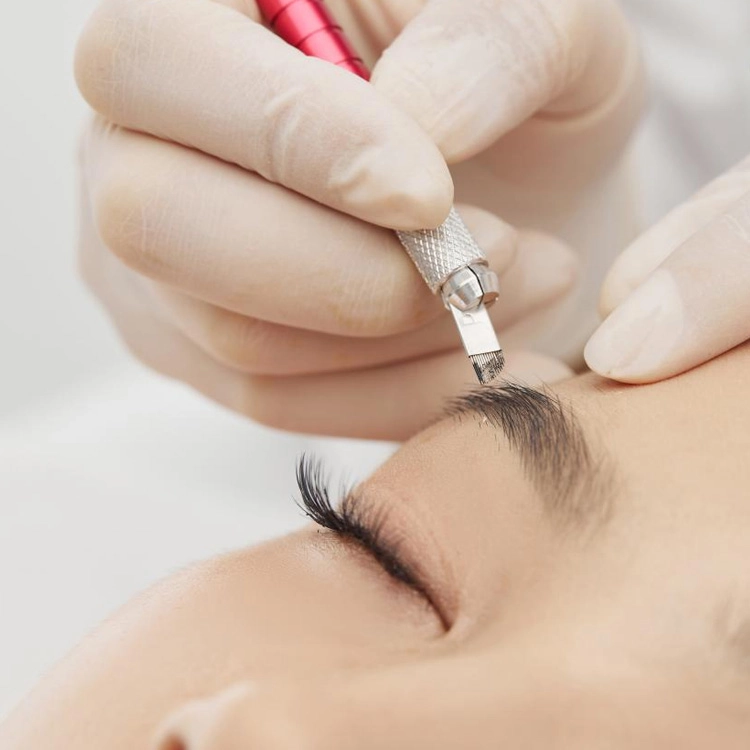
Slope Microblading Needle Blade
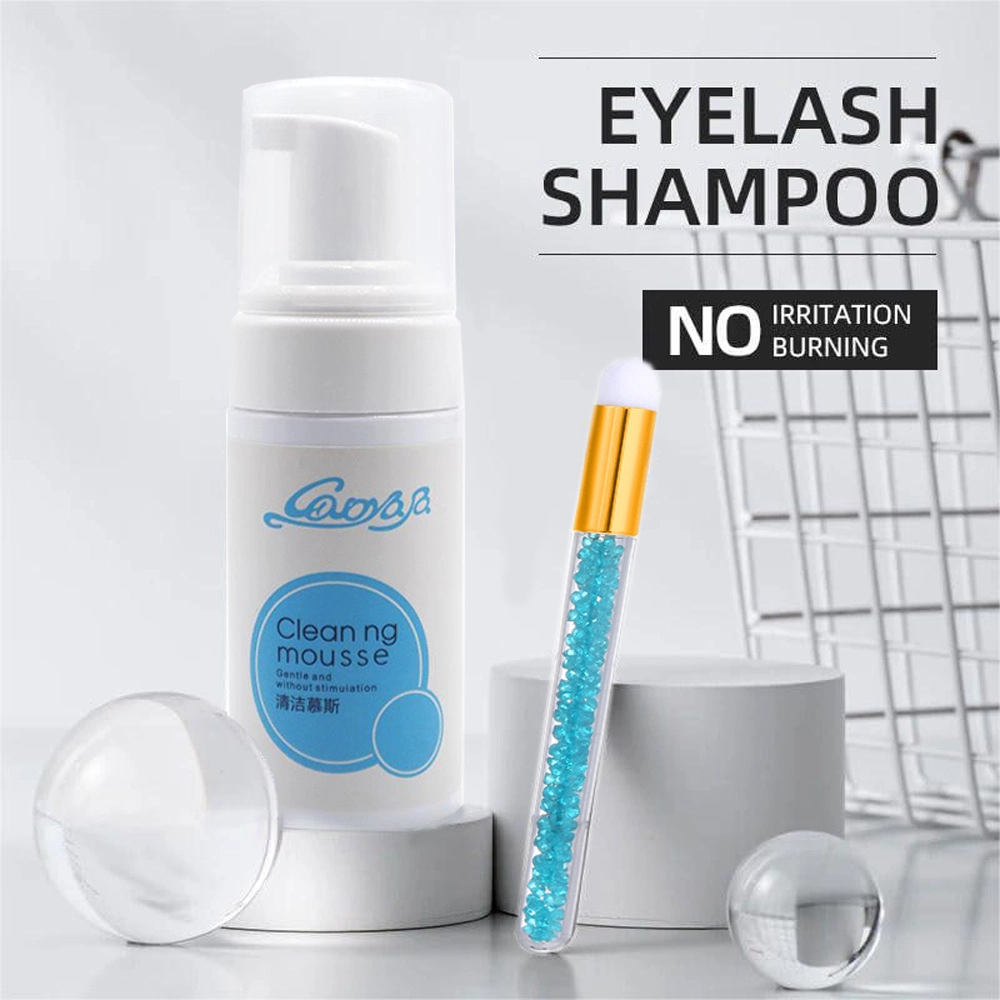
Best Eyelash Extension Cleaning Shampoo
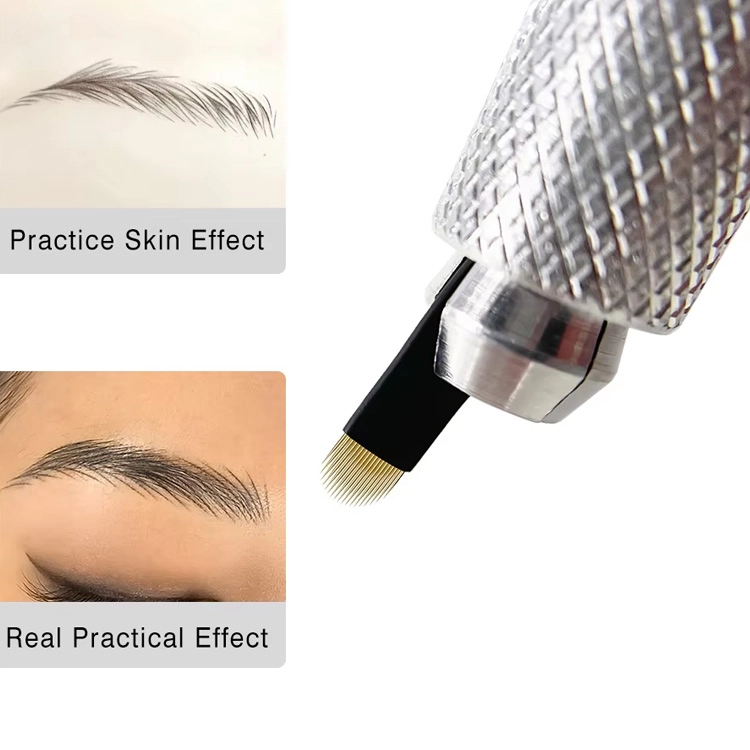
U-Curved Microblading Needle Blade
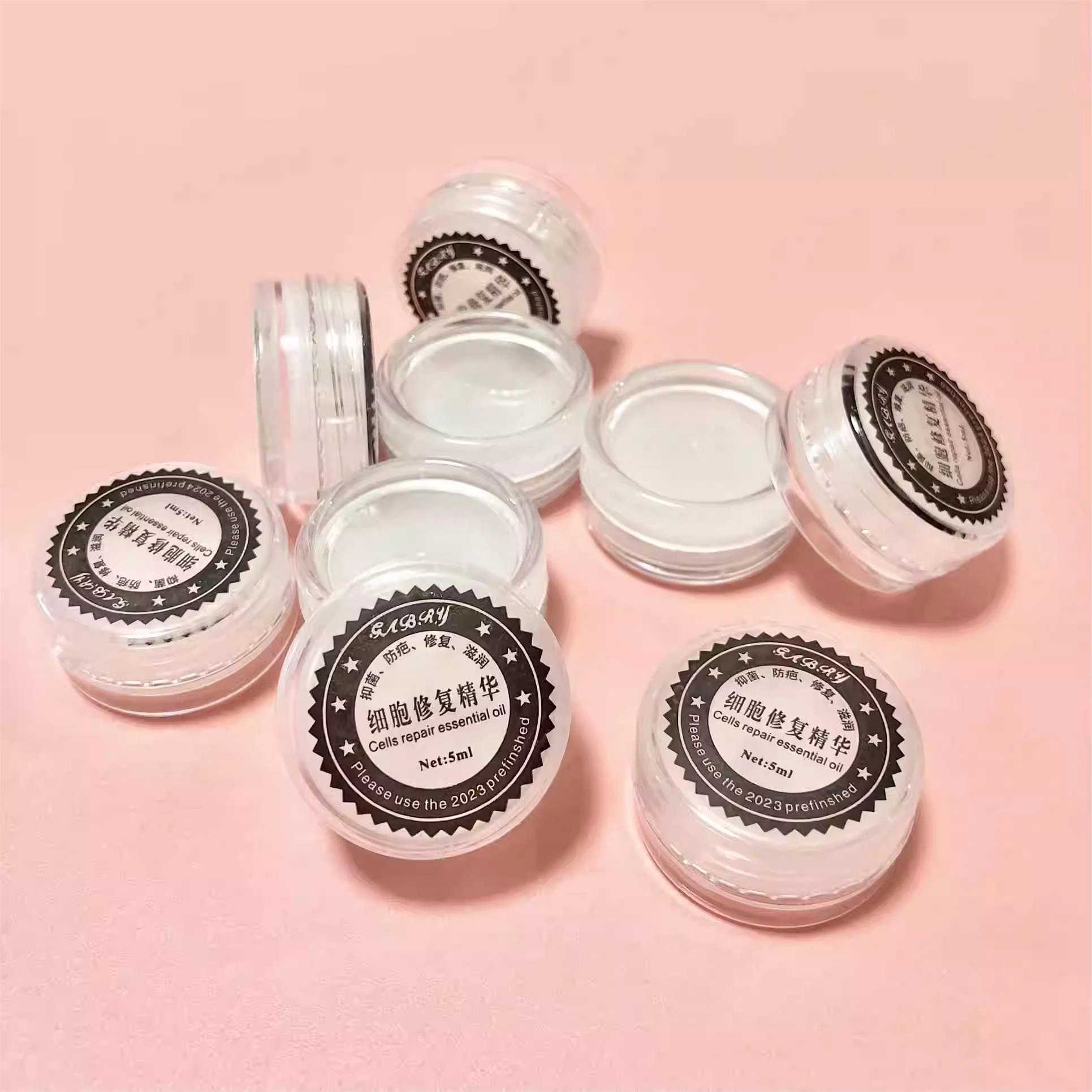
5g Cell Repair Essential Balm
What product do we have?

Instagram
Facebook
YouTube