


Semi‑Permanent Makeup vs Body Tattoo: Key Differences You Should Know
Discover the key differences between semi permanent make up vs body tattoo with QM Makeup. Learn what is semi permanent makeup, its benefits, and how it compares to traditional body tattoos for lasting beauty and confidence. Explore expert insights today!

What is semi‑permanent makeup?
Semi‑permanent makeup, also known as cosmetic tattooing, micro‑pigmentation, or PMU, uses tiny needles or rotary pens to deposit specially formulated pigments into superficial layers of the skin, typically the epidermis and upper dermis. It enhances facial features like eyebrows, eyeliner, or lips by mimicking natural makeup with soft, natural tones that gradually fade over time. Those pigments are gentler than tattoo ink and designed for beauty rather than artistry, fading over one to three years with occasional touch‑ups.
What is a body tattoo?
A body tattoo is a permanent form of art using a tattoo machine with multiple needles to inject ink deeply into the mid and lower dermis. Tattoo inks contain concentrated pigments like carbon black, azo dyes, or metal‑based colors, intended for design or expression, and they typically remain in the skin indefinitely. Removal is difficult and often incomplete.
What layer of skin are pigments placed in for each technique?
Semi‑permanent makeup pigments stay in the upper dermis and superficial epidermis—thin enough to gradually fade yet deep enough to stay visible long‑term. In contrast, traditional tattoo ink penetrates much deeper into the lower dermis, which ensures its permanence but also increases the risk of ink migration and intense longevity.
How do tools and techniques differ?
PMU artists rely on precise rotary devices or manual microblading tools that use shallow, controlled strokes to create realistic hairlines or eyeliner. This ensures softer, natural results with minimal trauma to the skin. Tattoo artists, however, use heavier tattoo guns outfitted with multiple needles per cluster and stronger motors designed for artistic expression and coverage over larger skin surfaces.
Are pigments in semi‑permanent makeup safer than tattoo ink?
Yes. Semi‑permanent pigments are generally mineral or plant‑based, with larger particles that fade over time and carry a lower risk of containing heavy metals. In contrast, traditional tattoo inks often contain carbon black, azo dyes, or colorants with potentially carcinogenic or allergenic compounds, and some banned pigments remain in circulation.
Is semi‑permanent makeup less painful and quicker to heal than a tattoo?
Generally, yes. PMU treatments are performed with finer needles on thinner, more sensitive facial skin and are typically less painful. Healing tends to take just a few weeks—around 4 to 6 for brows and eyeliner—while body tattoos may take 8 weeks or more to fully heal due to deeper needle penetration and larger surface areas.
How long does each last and how quickly do they fade?
Semi‑permanent makeup fades gradually over one to three years—subject to skin type, pigment quality, sun exposure, and aftercare—with touch‑ups helping maintain definition. Tattoos, however, are designed to be permanent, often lasting a lifetime, though they too can blur or fade over time and typically require laser removal for those who wish to undo the artwork.
Why choose semi‑permanent makeup and QM’s PMU products?
If your goal is to enhance facial features subtly and maintain flexibility over time, semi‑permanent makeup offers far more versatility than a permanent tattoo. It’s ideal for clients seeking ease, convenience, and evolving beauty without long-term commitment. QM Makeup stands out by offering high-quality semi‑permanent pigments formulated for sensitive facial skin, alongside precision rotary PMU machines, advanced aftercare products, and flexible OEM/ODM customization that meets international safety standards. From natural brow microblading to defined eyeliner and lip blush, QM’s comprehensive range empowers PMU professionals and trainees to deliver top-tier beauty solutions while supporting sustainable business growth.
Boost your beauty business with QM’s expertise—click here to explore our professional PMU products designed for flawless results!
- What is semi‑permanent makeup?
- What is a body tattoo?
- What layer of skin are pigments placed in for each technique?
- How do tools and techniques differ?
- Are pigments in semi‑permanent makeup safer than tattoo ink?
- Is semi‑permanent makeup less painful and quicker to heal than a tattoo?
- How long does each last and how quickly do they fade?
- Why choose semi‑permanent makeup and QM’s PMU products?
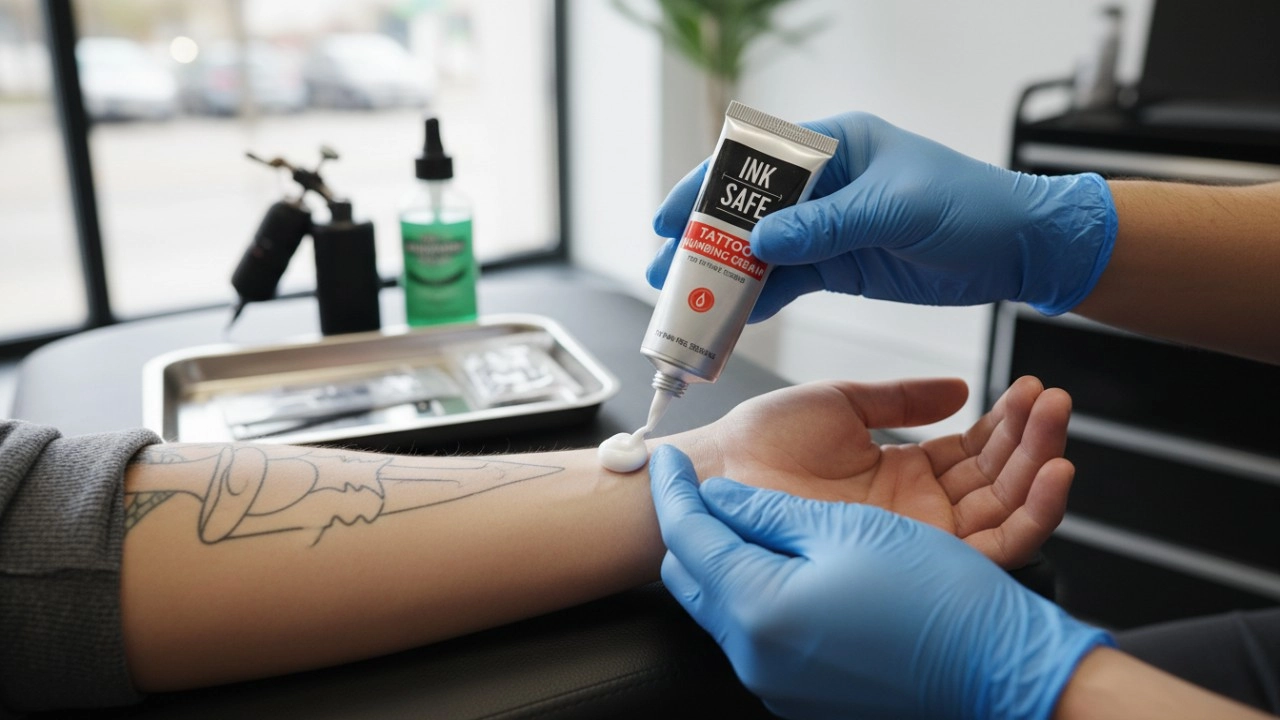
10 Best Numbing Creams for Tattoos in 2026: Ranked by Pain Relief and Safety
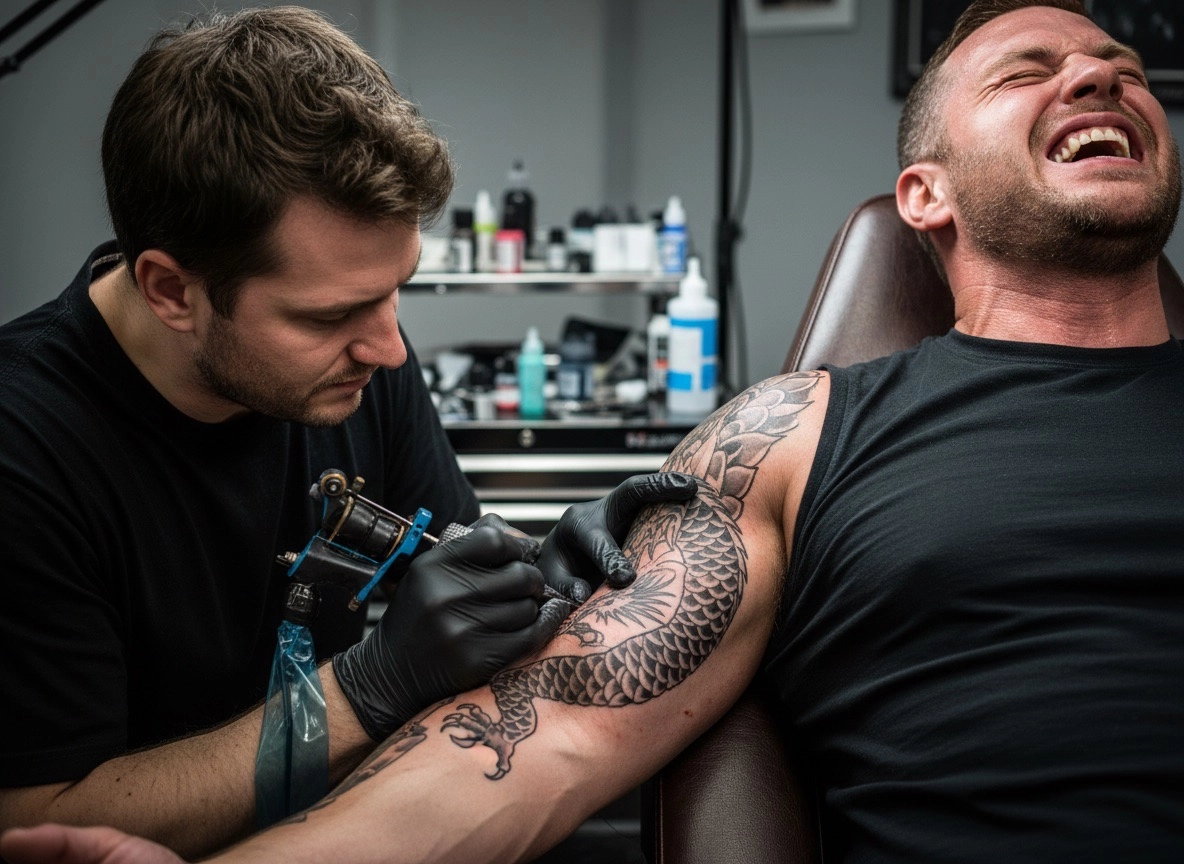
Does Numbing Cream Work for Tattoos? The Ultimate Guide to a Pain-Free Session

The Ultimate Guide to Tattoo Aftercare Cream: Healing & Vibrancy for 2026 and Beyond
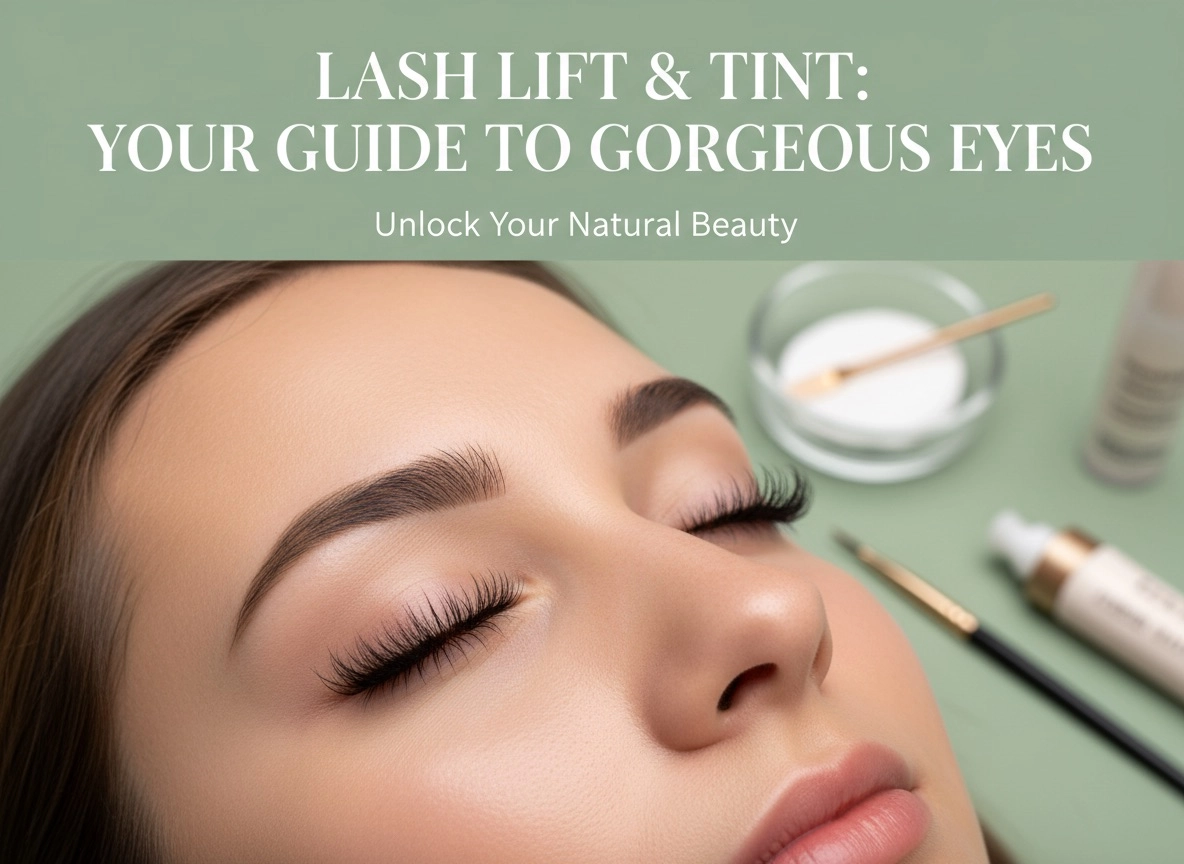
Lash Lift and Tint 2026: Your Ultimate Guide to Defined, Curled Lashes
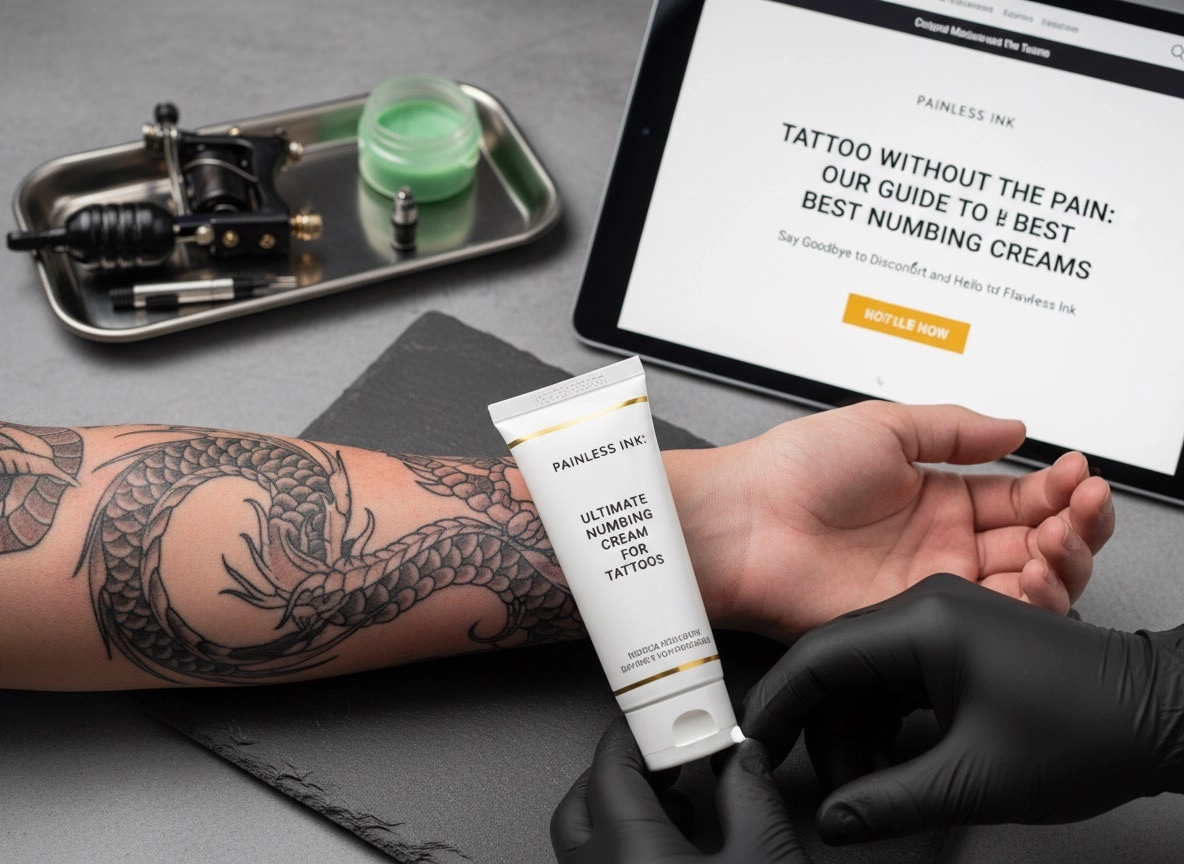
Best Numbing Cream for Tattoos 2026: The Ultimate Guide for Pain-Free Ink
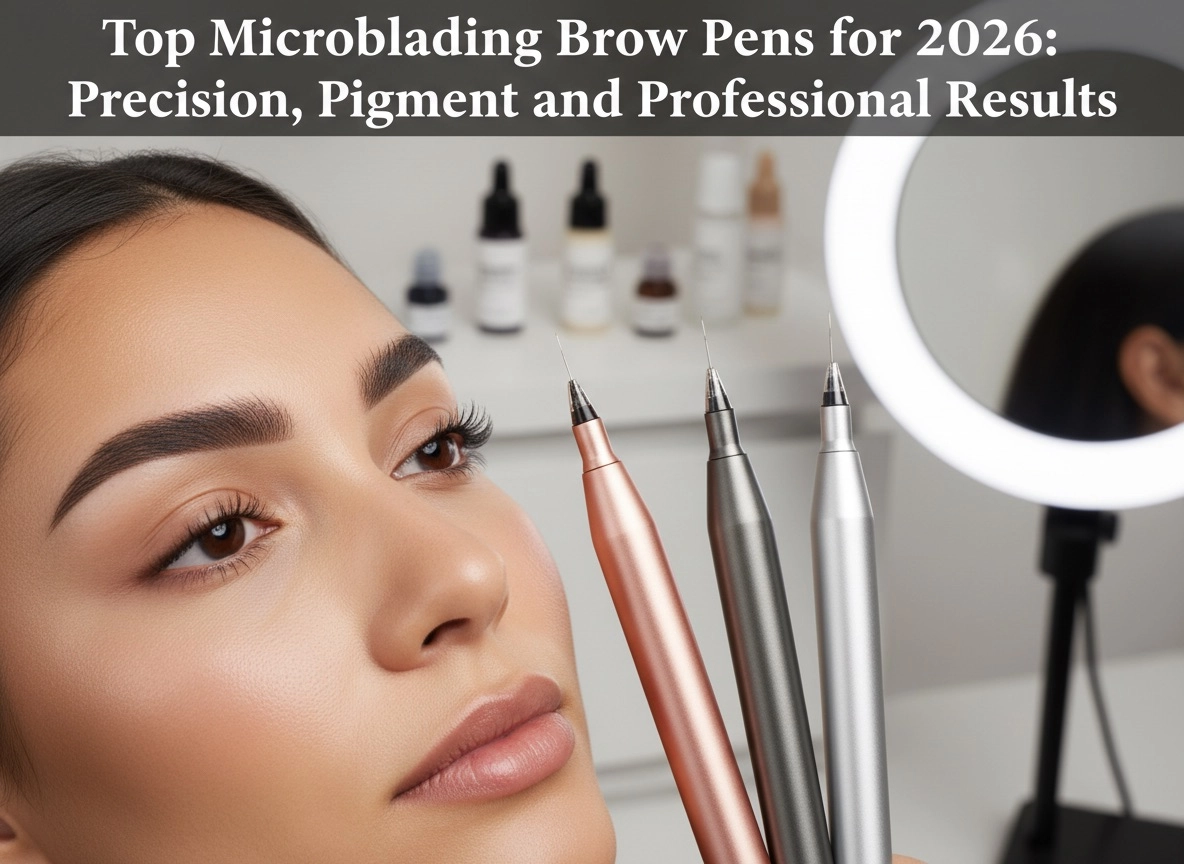
Top Microblading Brow Pens for 2026: Precision, Pigment, and Professional Results
Products
Easy to do lifting with glue balm by myself?
Yes, you could use it by yourself for DIY at home.
Tattoo pigment
Will the pigments turn red, orange, blue, or purple when deposited into the skin?
They won't. Because we use high-quality ingredients and focus on color balance, lightfastness, and pigment concentration, our shades only lighten slightly as they heal. They will never change color.
Perm and dyeing kit
How long does the lash lift tint and brow tint effect last?
The effect for eyelash tinting and brow tinting can last for 6-8 weeks, during which time you can carry out water activities normally. Generally, after 6-8 weeks, the eyelashes and eyebrows will return to their original state, at which time you can arrange for a new tinting treatment.
Powder Pigment
What is the color retention rate and color retention time of the pigment?
QM pigments have a higher retention rate than most other tattoo ink brands on the market. With nearly 20 years of microblading pigment permanent makeup formulation experience, the color retention rate of the pigment can be as high as 99%, and the color retention time is generally 3-5 years.
Lash lift kit
Does the neutralizer contain the ingredient “Sodium Bromate” ?
Yes. The active ingredient of the neutralizer is an oxidant agent, which reconnects the disulfide bonds in the eyelashes that were broken by the perming lotion. Commonly used oxidants are sodium bromate and hydrogen peroxide. Sodium bromate works best at a neutral pH value, and can achieve a firm, elastic styling effect.
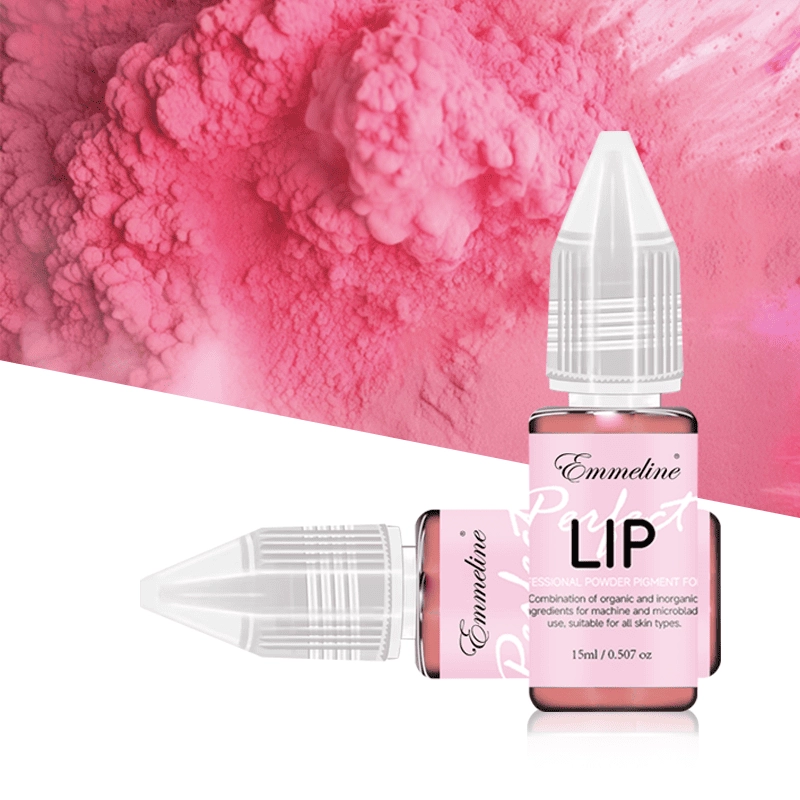
Hybrid Powder Microblading Pigment Ink
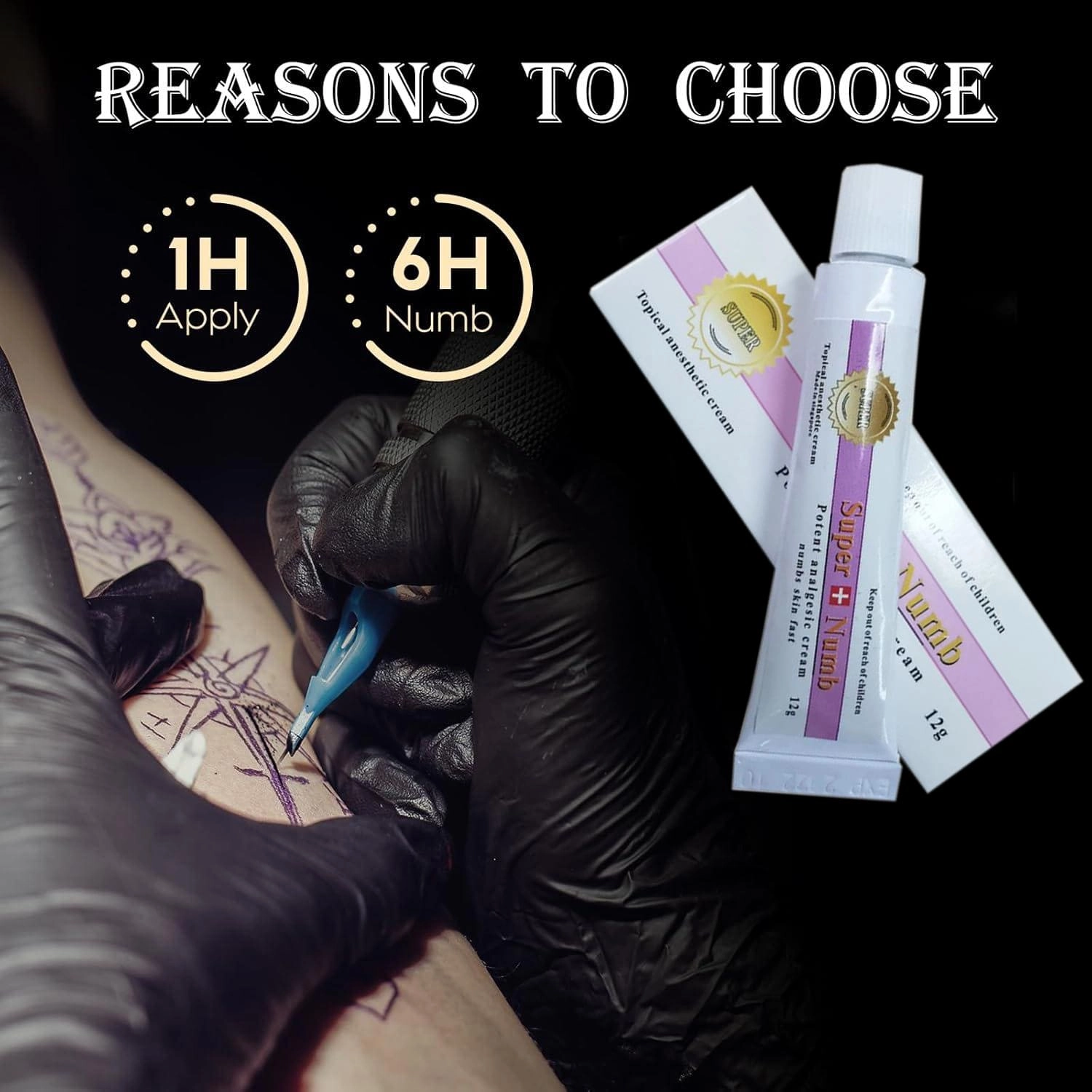
Super Numb Tattoo Cream
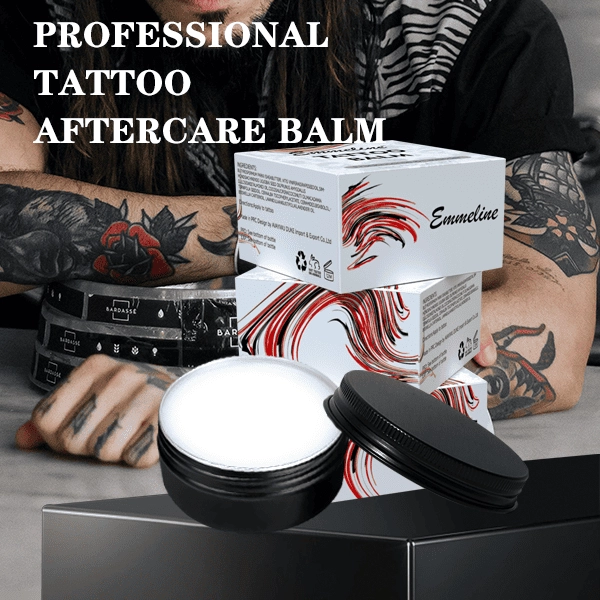
50g Body Tattoo Butter Balm
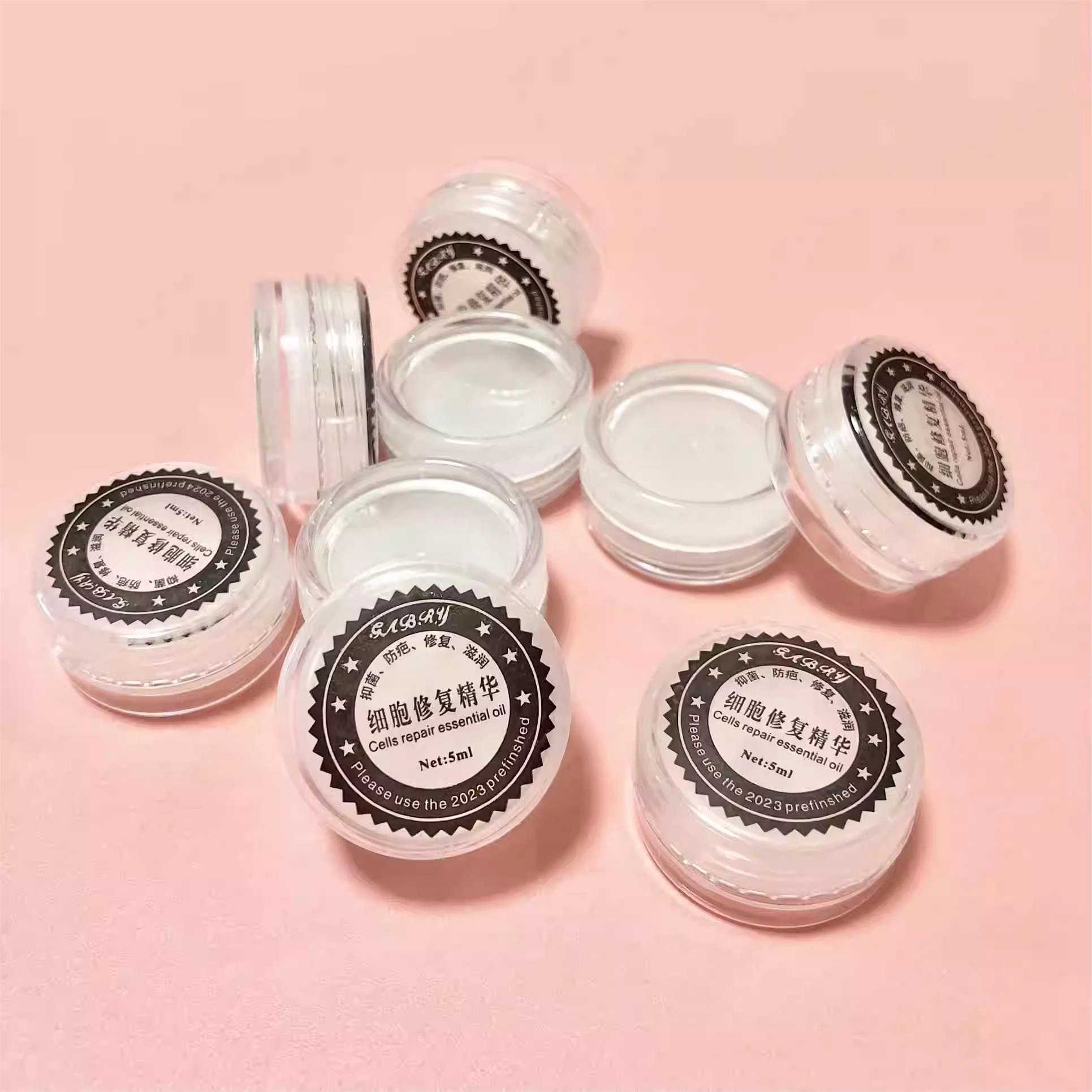
5g Cell Repair Essential Balm
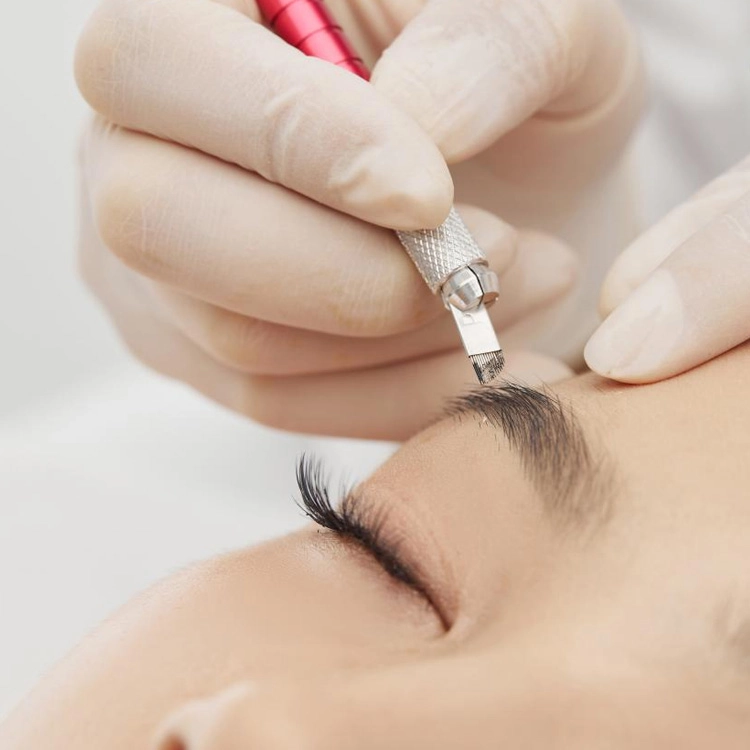
Slope Microblading Needle Blade
What product do we have?

Instagram
Facebook
YouTube