


What is the best serum to get rid of scars? | QM Makeup Expert Guide
Effective Scar Treatment Serums: A Comprehensive Guide for Semi-Permanent Makeup Aftercare
When undergoing semi-permanent makeup procedures, proper aftercare is crucial to ensure optimal healing and minimize scarring. Incorporating a suitable scar treatment serum into your skincare routine can significantly enhance the healing process. Below, we address five common questions to guide you in selecting the best serum for scar treatment.
1. What are the key ingredients to look for in a scar treatment serum?
Effective scar treatment serums often contain ingredients that promote healing, reduce inflammation, and improve skin texture. Key ingredients include:
Vitamin C: Known for its brightening properties, vitamin C helps fade hyperpigmentation and stimulates collagen production, aiding in skin regeneration.
Retinoids: These compounds accelerate cell turnover, improving skin texture and reducing scar formation.
Silicone: Silicone-based products create a protective barrier, hydrating the skin and promoting collagen synthesis, which can flatten and soften scars.
Allantoin: This ingredient soothes the skin, reduces inflammation, and supports tissue regeneration, aiding in scar healing.
2. How should I apply a scar treatment serum for optimal results?
To maximize the effectiveness of your scar treatment serum:
Cleanse the Area: Gently cleanse the treated area to remove any impurities.
Apply the Serum: Using clean fingertips, apply a thin layer of the serum directly onto the scar.
Massage Gently: Massage the serum into the skin using circular motions to enhance absorption.
Frequency: Follow the product's instructions regarding application frequency, typically once or twice daily.
Sun Protection: During the day, apply a broad-spectrum sunscreen to protect the healing skin from UV damage.
3. Are there any side effects associated with scar treatment serums?
While generally safe, some individuals may experience mild side effects, including:
Skin Irritation: Redness, itching, or a burning sensation may occur, especially with products containing retinoids or vitamin C.
Photosensitivity: Some ingredients can increase skin sensitivity to sunlight, making sun protection essential.
If you experience severe irritation or allergic reactions, discontinue use and consult a dermatologist.
4. How long does it take to see results from using a scar treatment serum?
Visible improvements can vary based on the severity of the scar and the serum's formulation. Generally, consistent use over several weeks to months is necessary to notice significant changes. Patience and adherence to the recommended application routine are key.
5. Can scar treatment serums be used on all types of scars?
Scar treatment serums are effective for various scar types, including:
Hypertrophic Scars: Raised scars that remain within the boundaries of the original wound.
Keloid Scars: Thick, raised scars that extend beyond the original wound site.
Atrophic Scars: Depressed scars, such as those resulting from acne.
However, the effectiveness may vary, and some scars, like deep keloids, may require additional treatments.
In conclusion, selecting the right scar treatment serum is vital for effective healing post semi-permanent makeup procedures. Incorporating serums with proven ingredients, such as vitamin C, retinoids, silicone, and allantoin, can enhance skin regeneration and minimize scarring.
When considering a brand, QM Makeup stands out for its commitment to quality and customer satisfaction. Their products are formulated with advanced ingredients designed to support skin healing and improve the appearance of scars, making them a reliable choice for aftercare.
By understanding the key components and proper application methods, you can make informed decisions to achieve optimal results in your scar treatment journey.
- Effective Scar Treatment Serums: A Comprehensive Guide for Semi-Permanent Makeup Aftercare
- 1. What are the key ingredients to look for in a scar treatment serum?
- 2. How should I apply a scar treatment serum for optimal results?
- 3. Are there any side effects associated with scar treatment serums?
- 4. How long does it take to see results from using a scar treatment serum?
- 5. Can scar treatment serums be used on all types of scars?
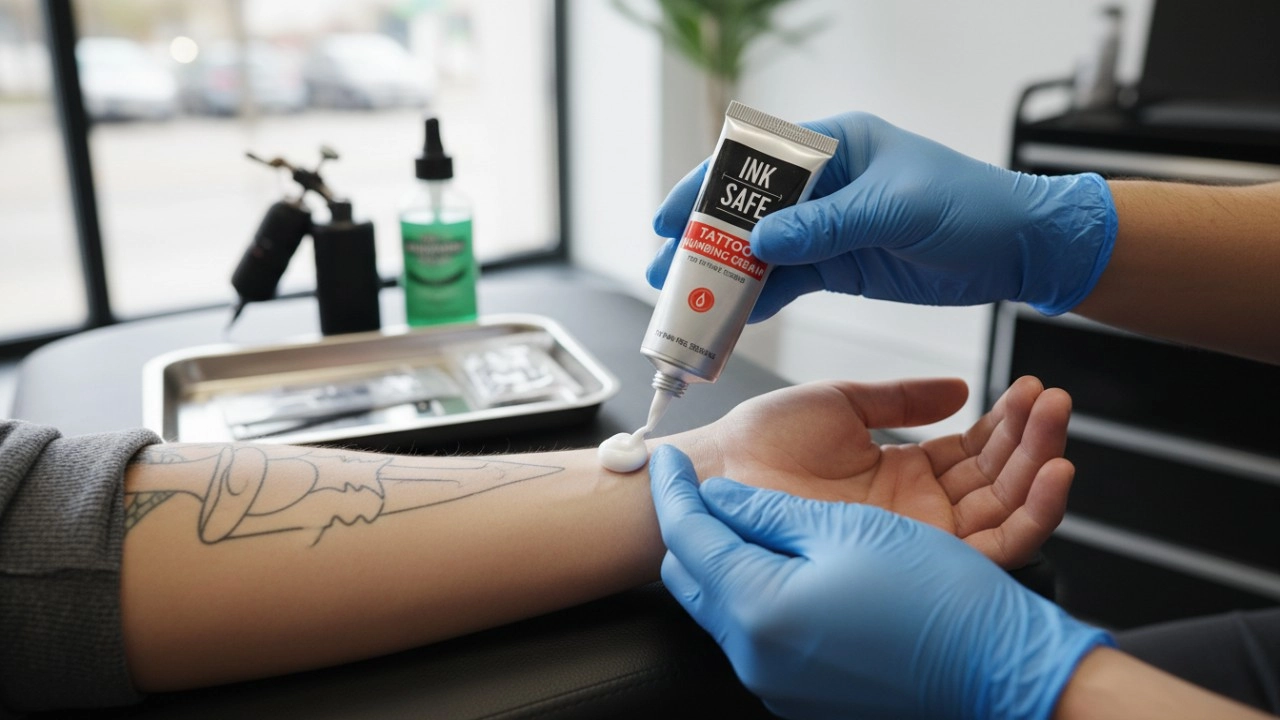
10 Best Numbing Creams for Tattoos in 2026: Ranked by Pain Relief and Safety
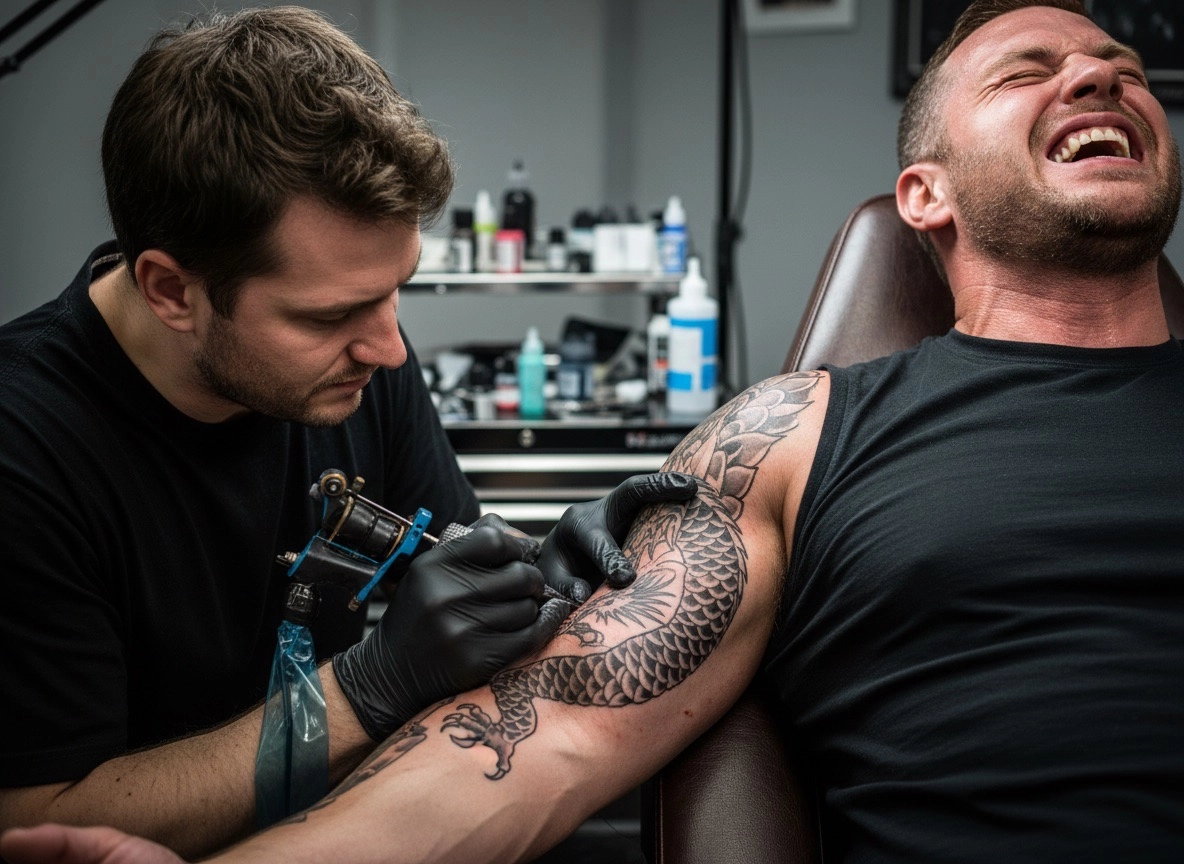
Does Numbing Cream Work for Tattoos? The Ultimate Guide to a Pain-Free Session
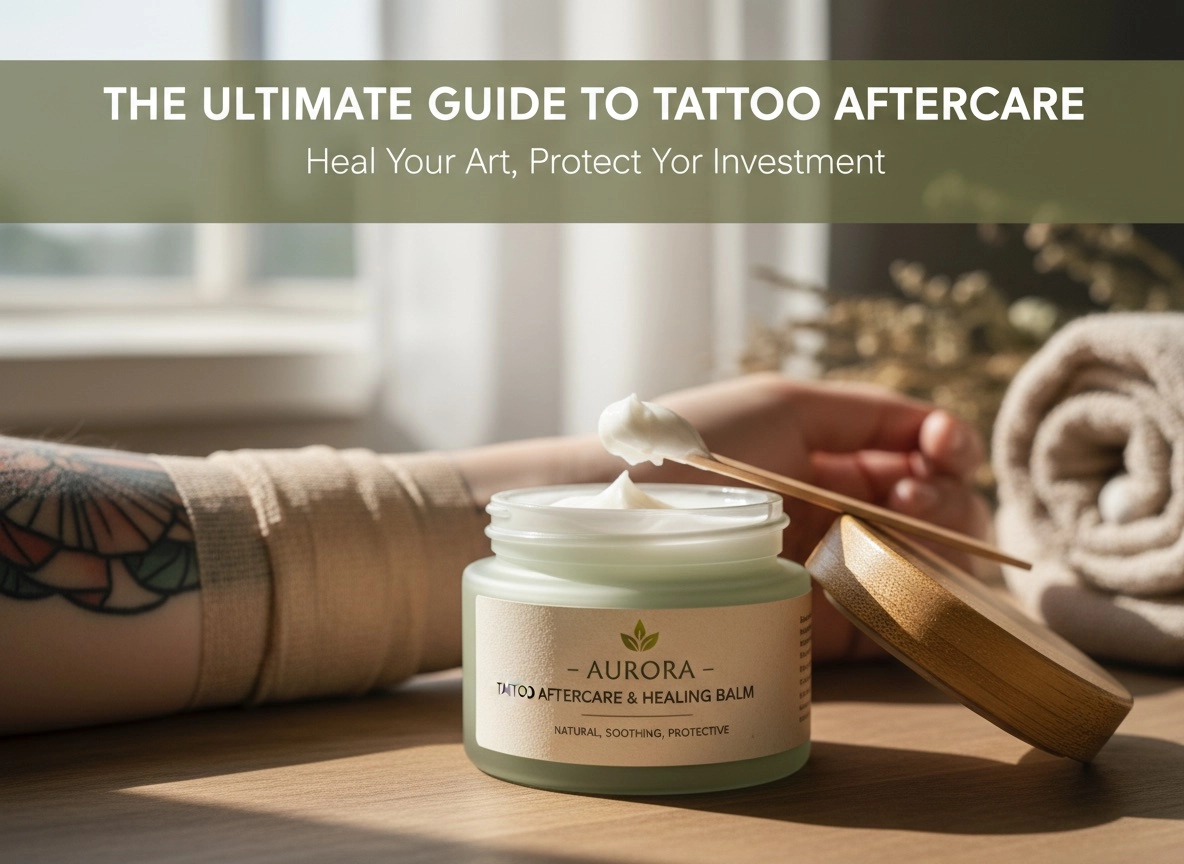
The Ultimate Guide to Tattoo Aftercare Cream: Healing & Vibrancy for 2026 and Beyond
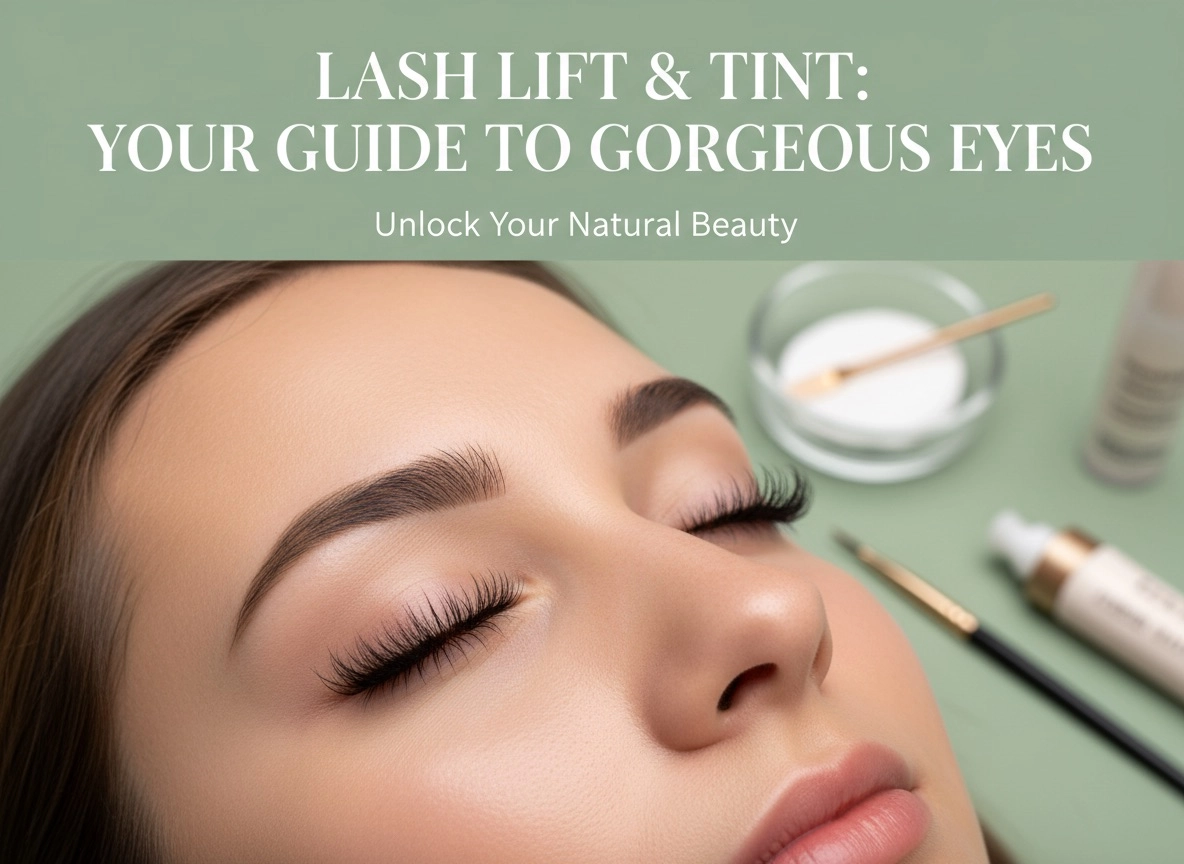
Lash Lift and Tint 2026: Your Ultimate Guide to Defined, Curled Lashes
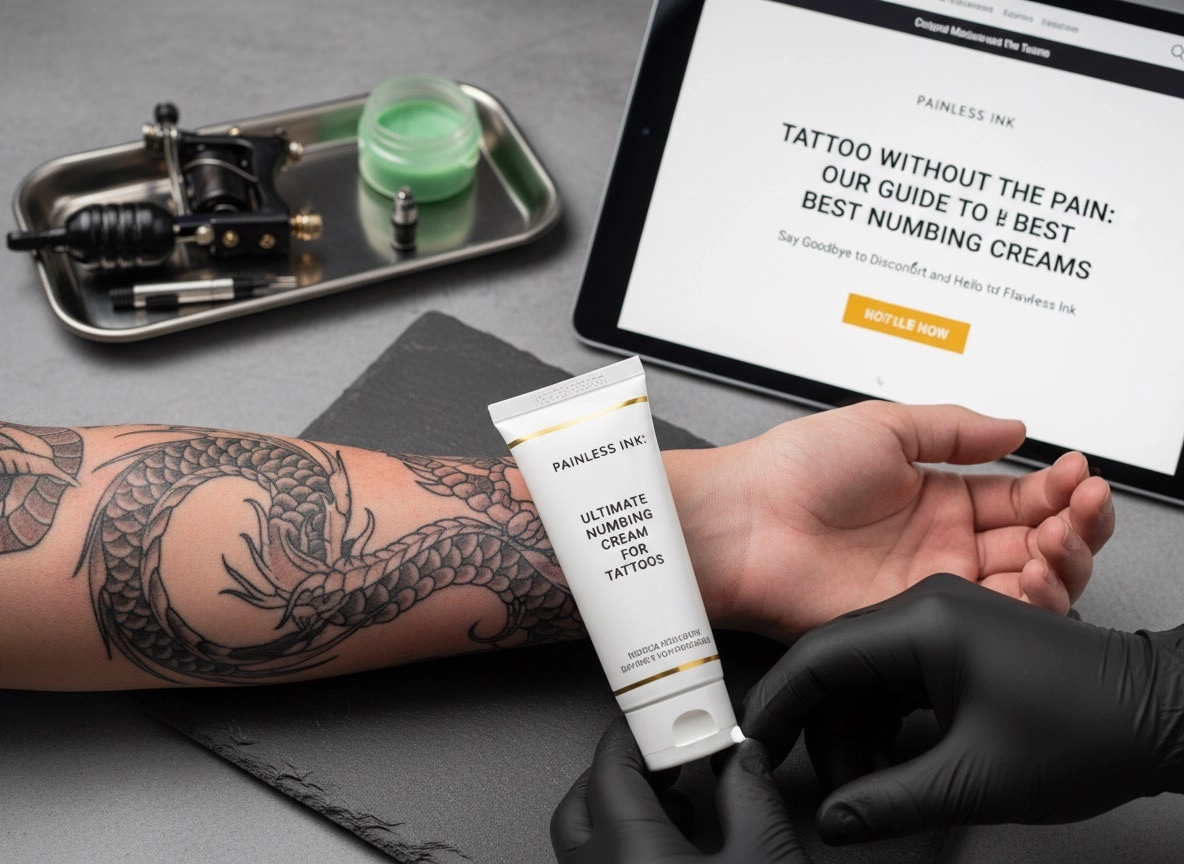
Best Numbing Cream for Tattoos 2026: The Ultimate Guide for Pain-Free Ink
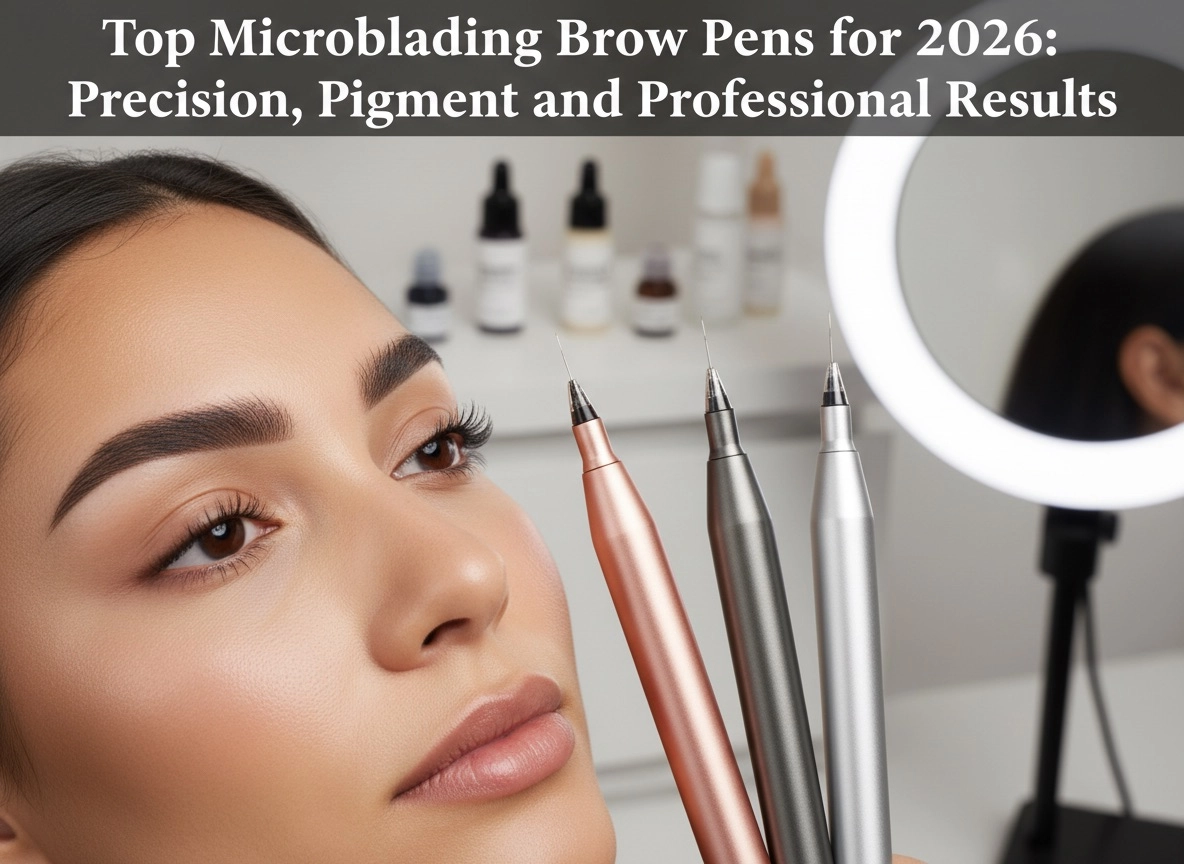
Top Microblading Brow Pens for 2026: Precision, Pigment, and Professional Results
Tattoo pigment
How long does the ink typically last in the skin?
On average, our pigments last about 1-5 years without fading, depending on the clients individual differences and the depth of the tattoo operation.
About us
What are the customer service hours?
We are proud to offer 7*24h services to all our customers.
Lash Glue
Can the lifting glue also be used for eyebrows lifting?
Yes, our eyelash lifting glue is safe, gentle, non-irritating and can be used in direct contact with the skin, so it can also be used for eyebrow lifting projects.
How many times can I use one lifting adhesive glue?
Our lifting adhesive glue is 6ml, it can be used about 10 times.
Eyelash curling
How long does a lash lift last?
The curling effect of eyelash lamination can last for 8-12 weeks, during which time you can carry out water activities normally. Generally, after 12 weeks, the eyelashes will return to their original state, at which time you can arrange for a new eye lash lift treatment.
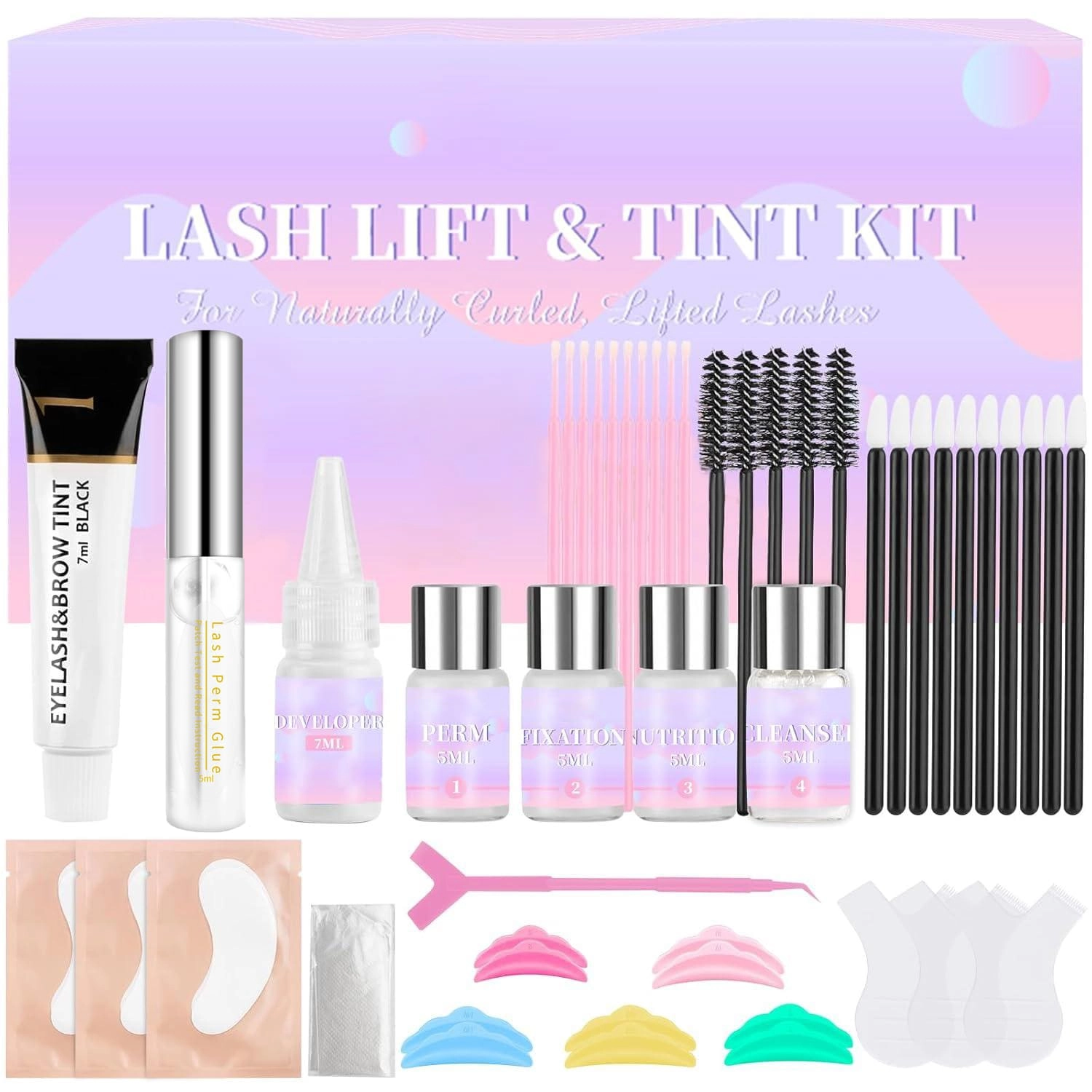
Professional Lash Lift and Tint Kit
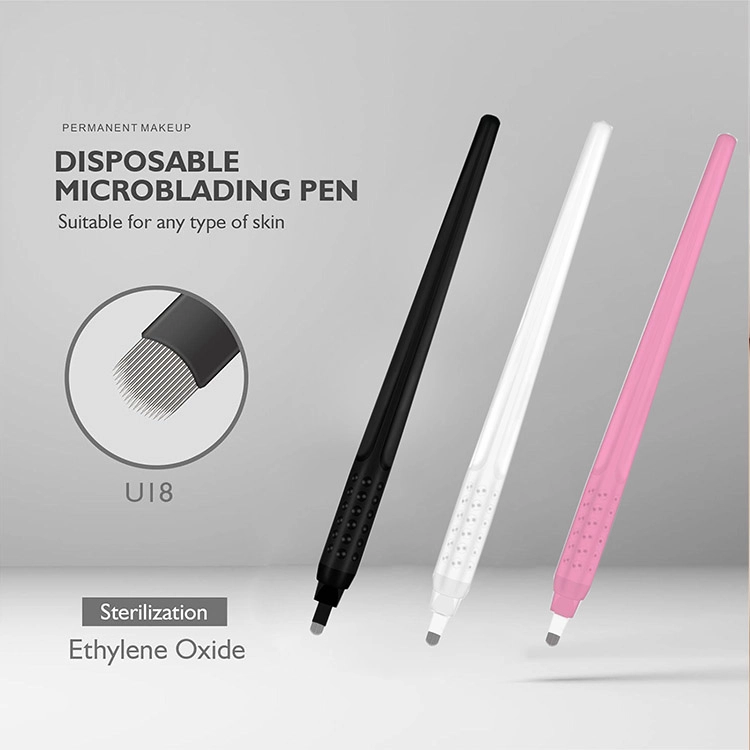
Disposable Microblading Pen
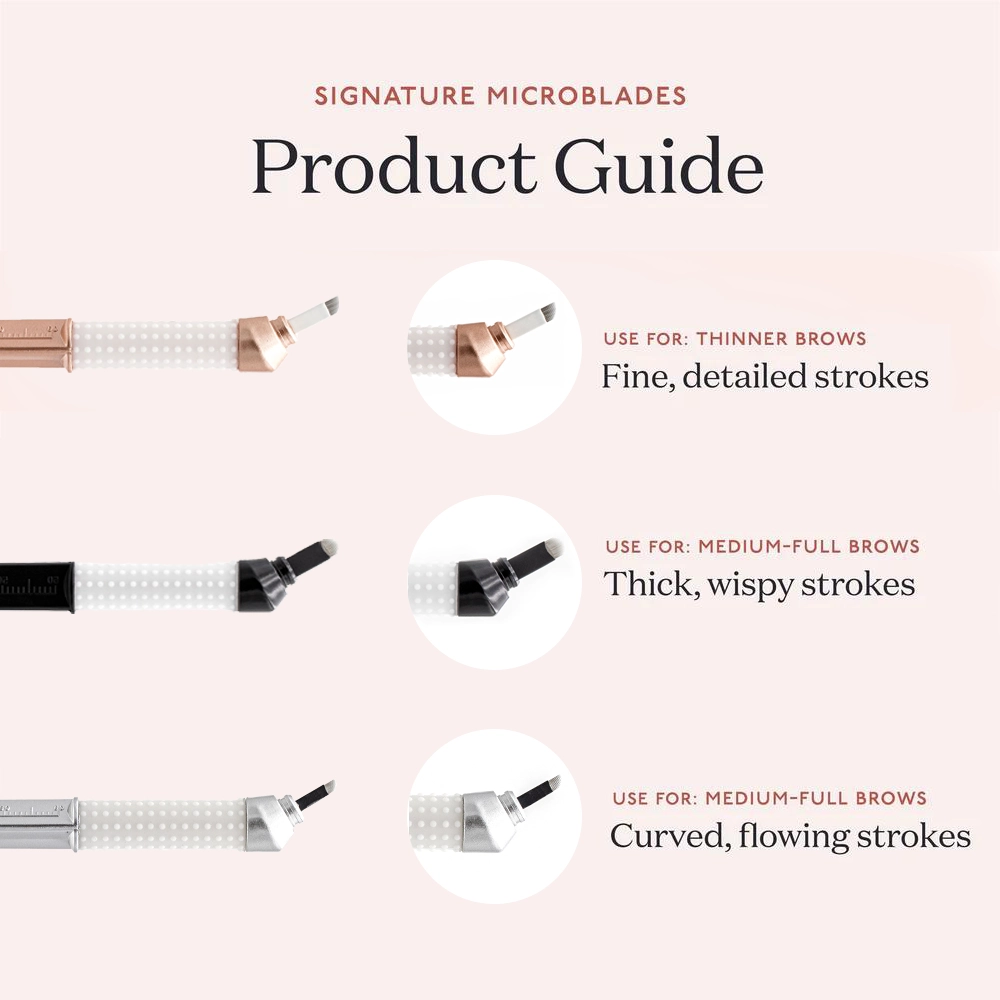
Angled Disposable Microblading Pen for Eyebrows
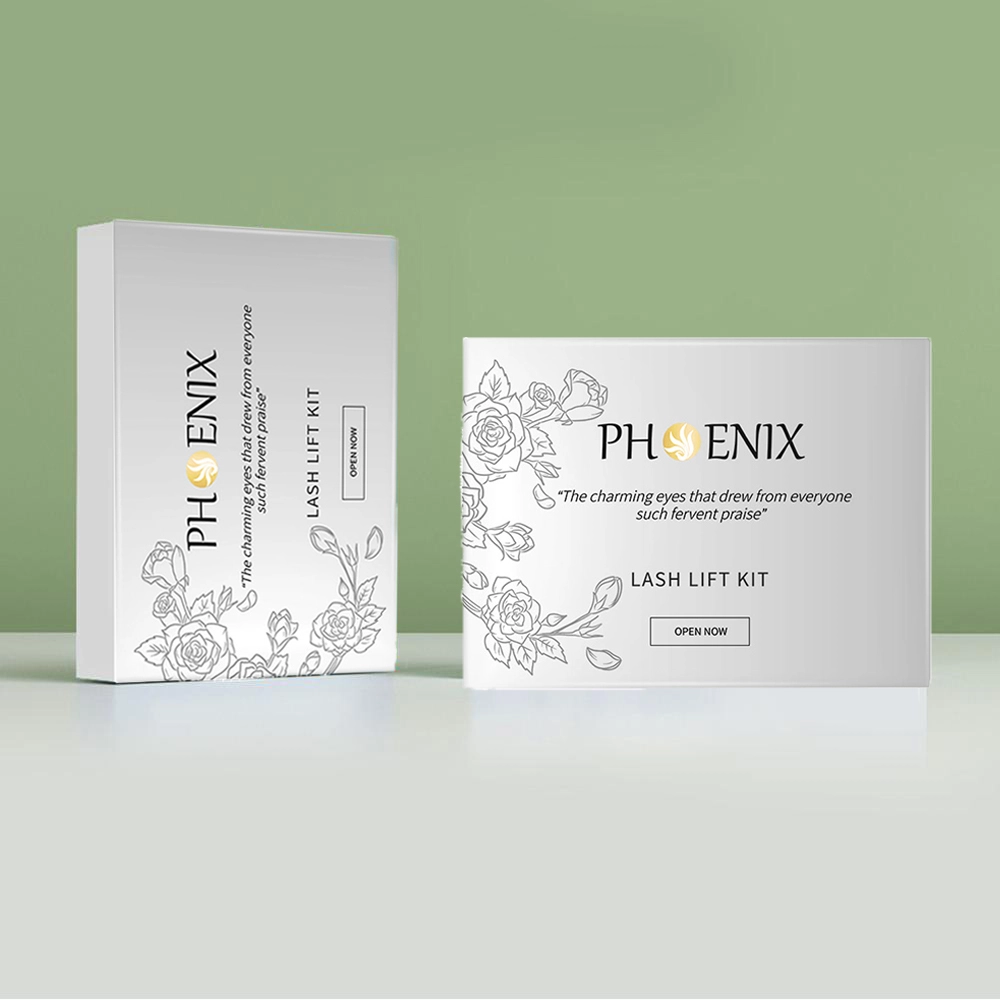
Professional Keratin Lash Lift Kit
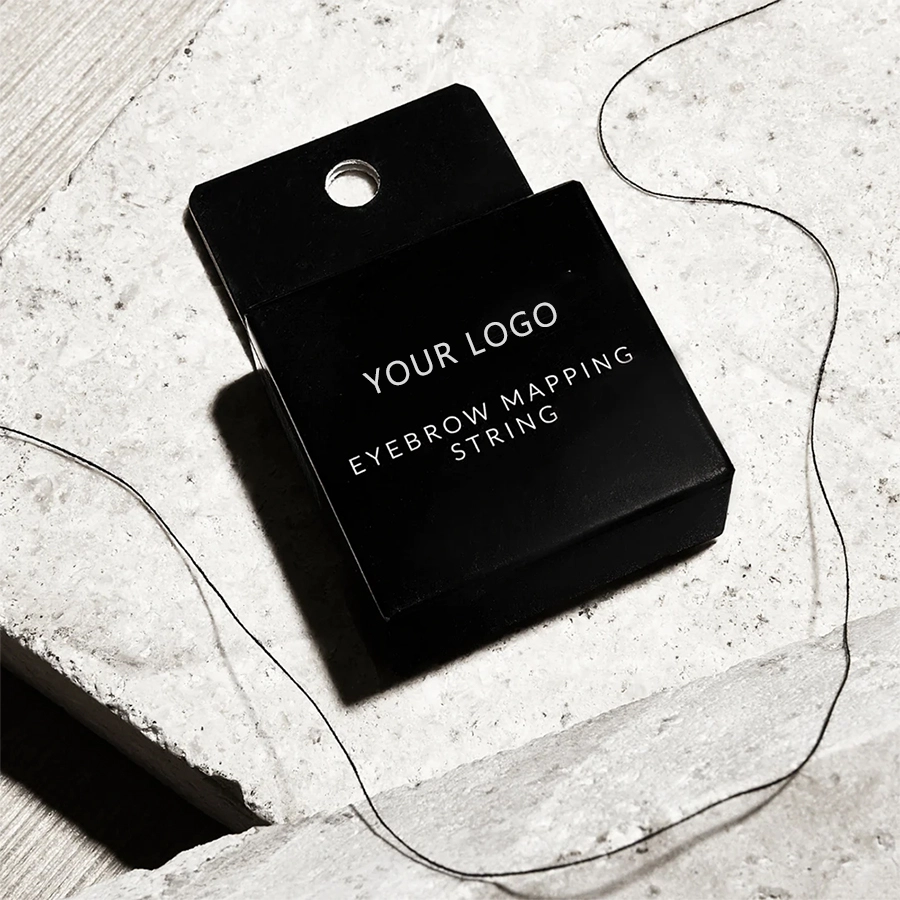
Microblading Pre-inked Mapping String Line 10m
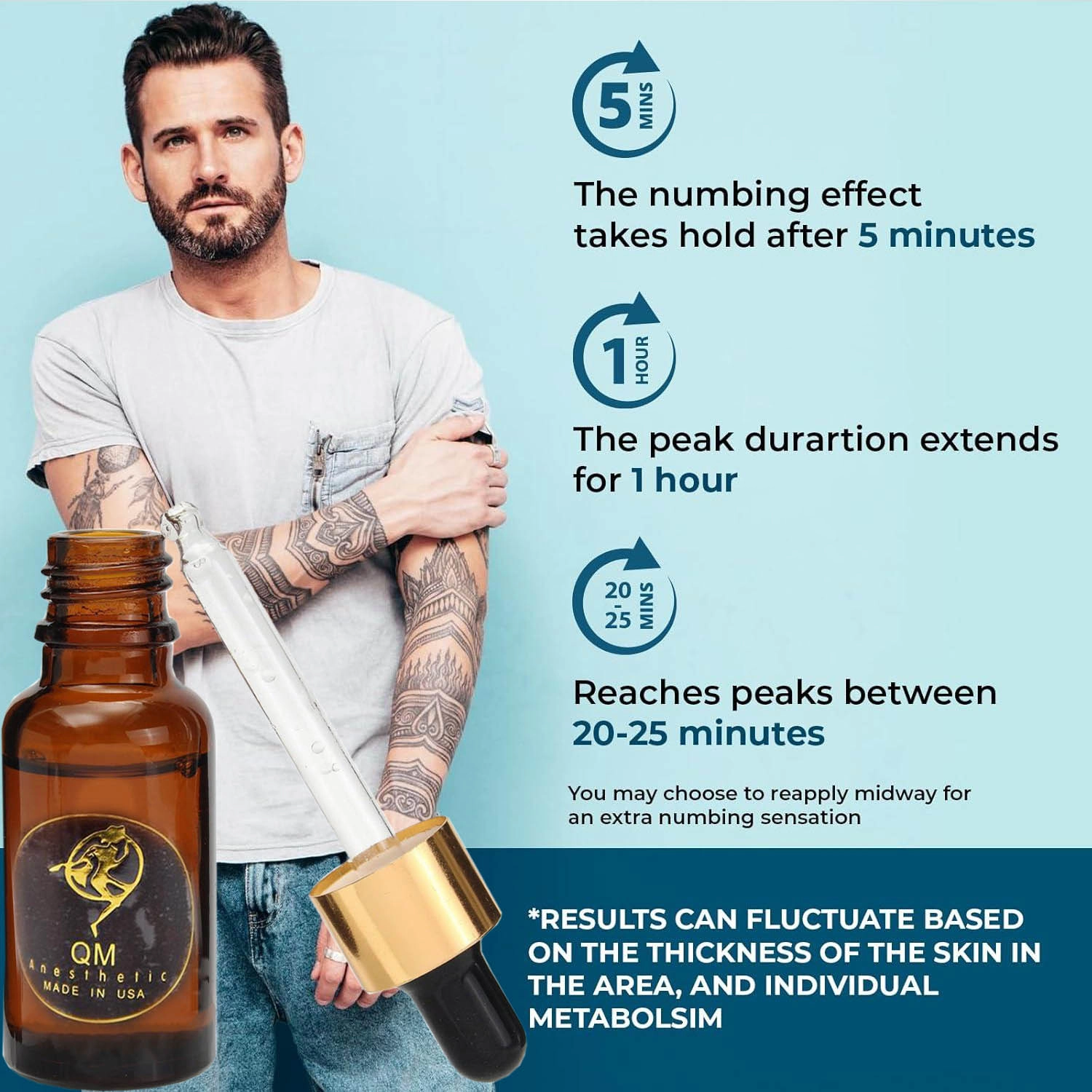
5 Minutes Secondary Numbing Essence
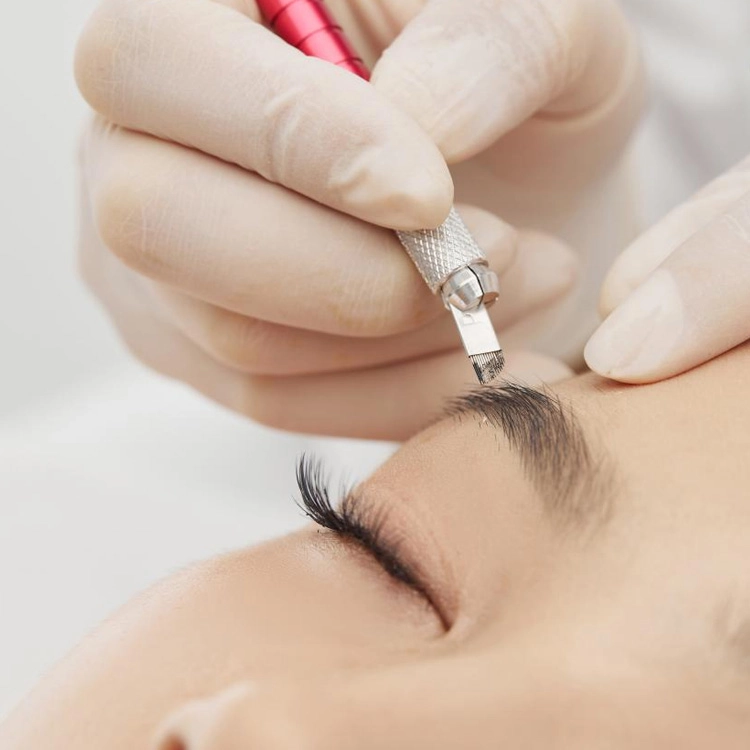
Slope Microblading Needle Blade
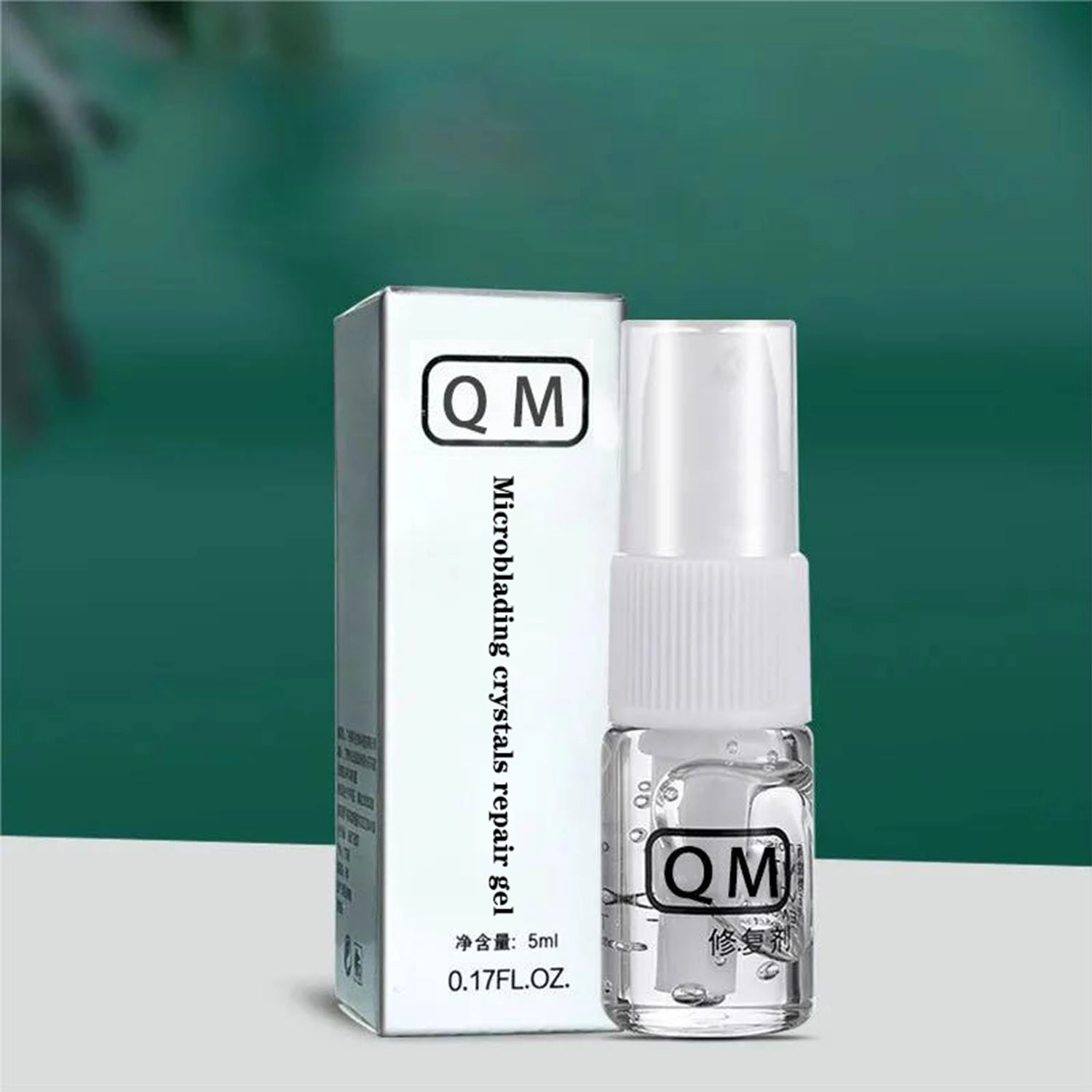
5ml Crystal Anti-scar Repair Serum Gel
What product do we have?

Instagram
Facebook
YouTube