


What Are The Aftercare Instructions For Permanent Eyebrows?
Just had your microblading micro eyebrows? Are you filled with anticipation but also wondering about brow tattoo aftercare? Don't worry, perfect eyebrow microblading results depend half on technique and half on proper care. This article will provide a detailed breakdown of the complete recovery process after microbladed eyebrows, answering all your frequently asked questions and helping you smoothly navigate the tattoo healing stages.
Scientific Explanation: Normal Physiological Reactions After Microblading On Eyebrows
After brow microblading, if you notice slight redness and swelling in the eyebrow area, along with a small amount of clear or pale yellow fluid seeping out, please do not panic. This is an immediate physiological reaction after eyebrows microblading and a completely normal and necessary healing signal.
1.Redness and Swelling: The Skin's "Rescue Operation"
Microblading brows is essentially a minimally invasive skin procedure. The needle tip entering the dermis creates numerous tiny wounds. Your body immediately recognizes these wounds and rushes blood to the affected area. The goal is to quickly deliver a large amount of oxygen, nutrients, and white blood cells (immune warriors) to the wound to fight any bacteria and initiate repair. At this time, local capillaries dilate rapidly, increasing blood flow, and you will see slight redness and swelling in the microblading eyebrow area. This is the first step in healing.
2.Tissue Fluid Exudation: A Natural "Protective Film"
The clear fluid that seeps from a wound is the tissue fluid of skin cells. On one hand, tissue fluid provides a nourishing and moist environment for damaged skin cells, which is crucial for the growth of new cells and accelerates wound healing. On the other hand, after the tissue fluid dries, it forms a natural protective scab on the wound surface, usually appearing as a very thin, transparent or pale yellow protective scab. This effectively isolates external bacteria and contaminants, providing a favorable environment for wound healing. This is the second step in healing.
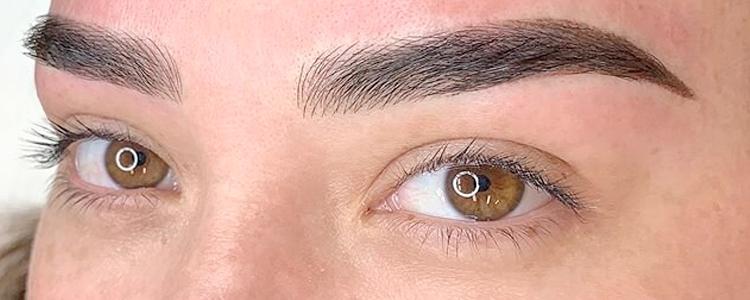
Healing Timeline: What Changes Are Your Eyebrows Undergoing?
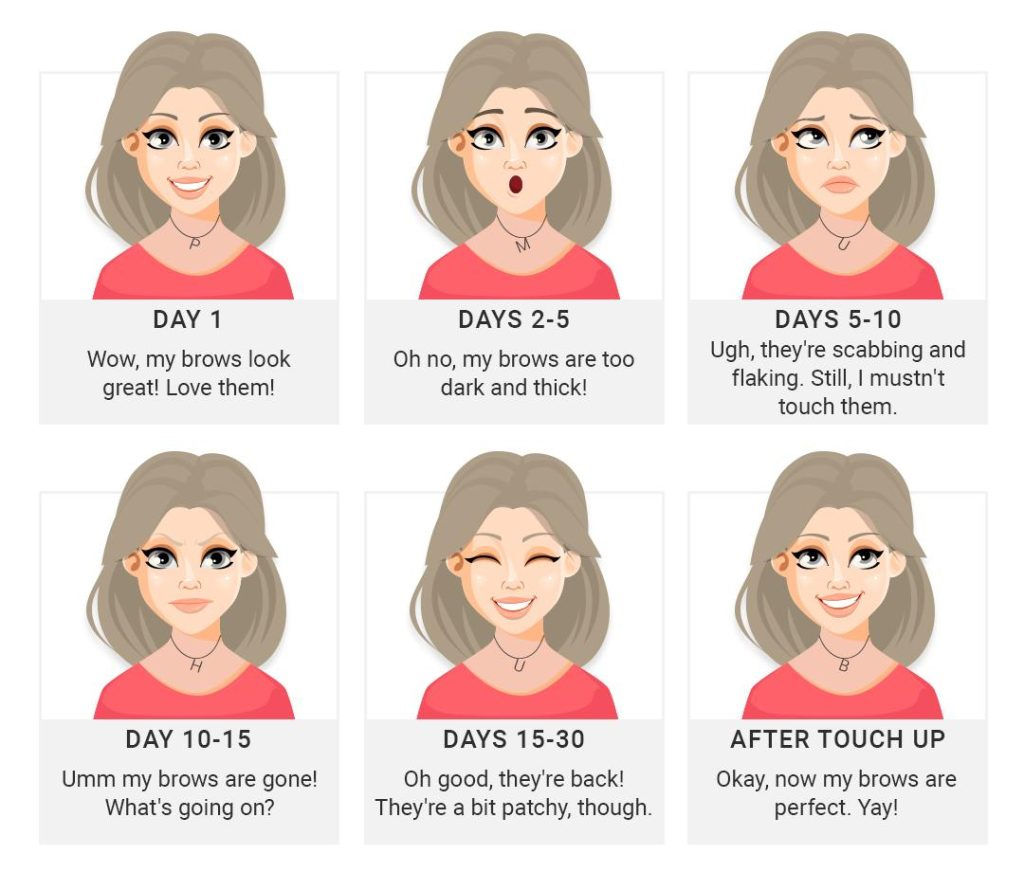
How long does it take for PMU brows to heal? Permanent makeup artists generally recommend a 7-10 day recovery period, but in reality, tattoo brow healing takes longer, typically 20-30 days.
Tattoo healing timeline
Days 1-4: Mild swelling, color is darker.
Days 5-9: Scabbing stage, thin scabs begin to fall off, accompanied by mild itching.
Days 10-15: Scabbing remove stage, scabs have mostly fallen off, color lightens (this is normal).
Days 16-30: Color return stage, deeper skin color gradually appears, tattoo brows effect stabilizes.
Although the body has a strong self-healing ability, to minimize the risk of inflammation, excessively thick scabs, and scar hyperplasia during the scabbing and shedding process, we recommend that patients continue to use tattoo aftercare products after the procedure. This effectively softens the scabs, allowing them to fall off in smaller, more natural pieces, thus better locking in the pigment.
Repair Guidelines: How To Avoid Scabbing After Microblading?
Zero scabs is unscientific, but thin scabs are achievable. During the repair period, keeping the wound dry, cleaning it daily with saline solution, and continuously applying tattoo aftercare ointment are key to providing the best healing environment for your eyebrows.
1.Avoid tap water and skincare products: Avoid the eye brow tattoo area when washing your face; do not use facial cleansers, cosmetics, etc.
2.Avoid touching, picking scabs with your hands: Bacteria on your hands may cause wound infection.
3.Avoid saunas, swimming, and hot springs: High temperatures and contaminated water can affect wound healing.
4.Avoid spicy foods, seafood, and alcoholic beverages: These can trigger inflammation and allergies.
5.Strict sun protection: Avoid ultraviolet rays that can cause pigmentation (darkening of the skin) and skin damage.
Frequently Asked Questions: Common Concerns During the Eyebrow Tattoo Healing Process
Q1: Can I wash my eyebrows after 7 days of powder brows?
This depends on the healing progress of your wound. If the scab hasn't fallen off after 7 days, please continue to avoid contact with tap water and cosmetics. Clean the wound daily with saline solution and continue applying good tattoo aftercare products. If the scab has fallen off naturally, you can get the wound wet. After wetting it, promptly pat the area dry with a tissue and apply tattoo aftercare cream for protection.
Q2: How to stop microblading itching?
Itching during the healing process is normal, but remember not to scratch! You can use cream for tattoo aftercare containing mint or menthol to relieve the discomfort caused by itching through the cooling sensation of menthol.
Q3: What are the aftercare instructions for permanent eyebrows?
Best brow tattoo is a minimally invasive procedure, only penetrating the superficial dermis. Scarring essentially stems from repeated irritation and infection during the healing process. Recommended tattoo aftercare is the core of scar prevention.
Please be sure to follow instructions for tattoo aftercare:
1. Absolutely do not pick at scabs! — This is the most, most, most important rule!
2. Keep the wound sterile to prevent infection.
3. Use professional repair products to maintain a "moist healing" environment.
Q4: What is the best aftercare for PMU?
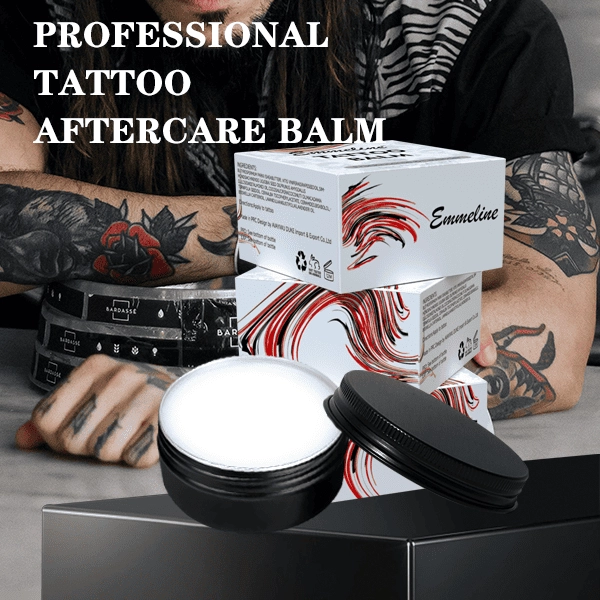
The traditional concept of "dry scabbing" has been proven by modern medicine to be ineffective. The ideal healing environment is "moist healing"—allowing new tissue to grow in a sterile, moist environment. Cell repair ointment for tattoo is developed based on this concept. It provides long-lasting moisture, prevents the skin from forming thick scabs due to excessive dryness, and makes the repair process more comfortable and the results more perfect.
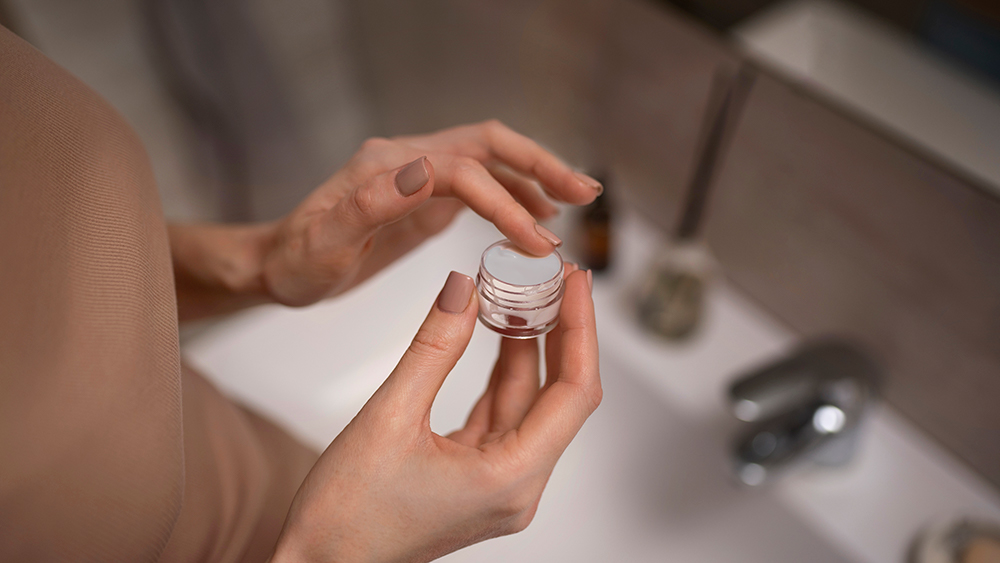
Scientific Care: Cell Repair Ointment Achieves Perfect Healing
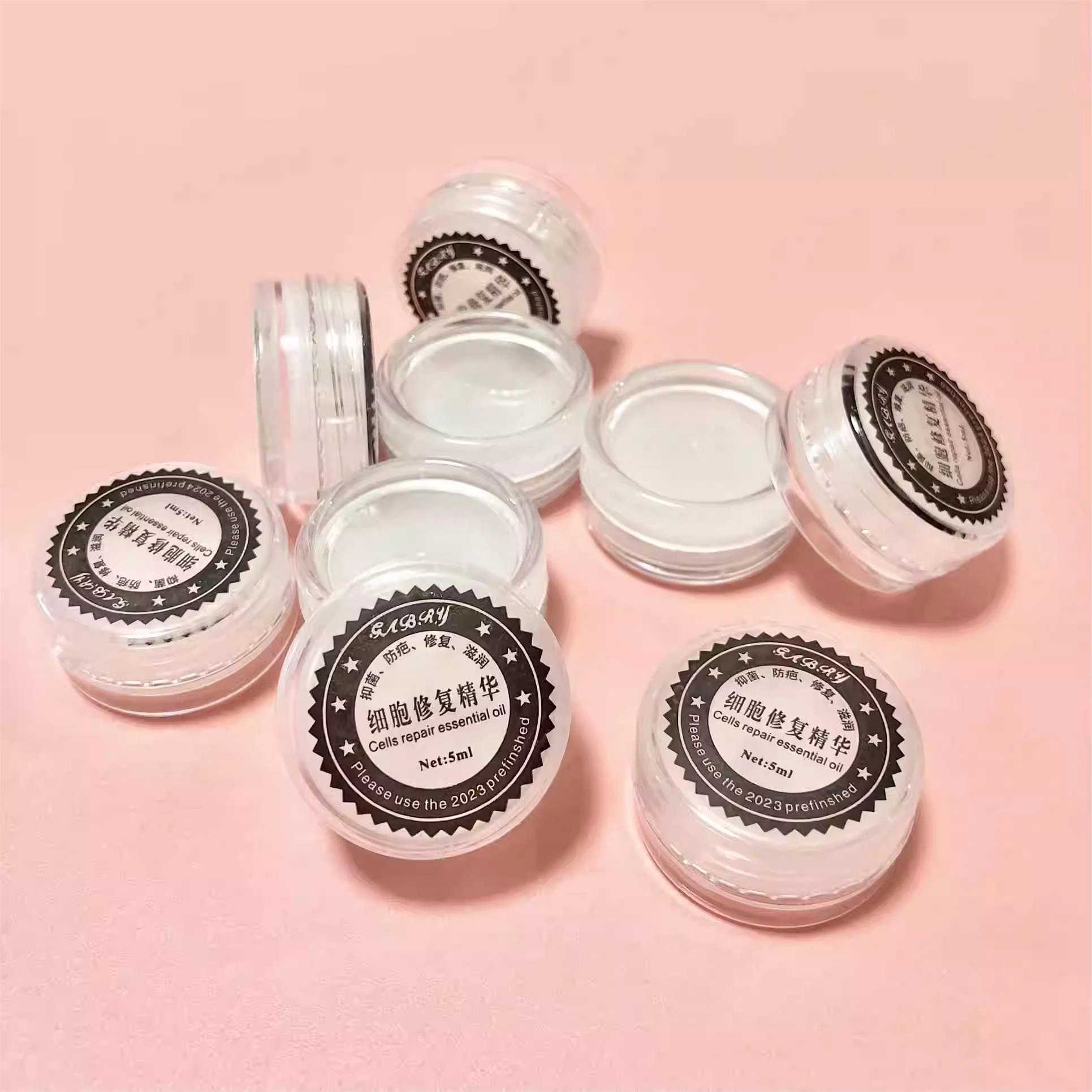
'Zero scars' + 'thin scabs' are achievable! The key lies in using professional best tattoo aftercare products that maintain the wound's water-oil balance. The best tattoo aftercare simulates a healthy sebum film environment, accelerates healing, and maximizes pigment retention. Our cell repair tattoo aftercare ointment is specifically developed for tattoo healing. Unlike ordinary ointments, its core functions are:
1. Simulating a Moist Environment
Combined with glycerin and petrolatum, it simulates an ideal 'moist healing' environment, forming a breathable protective film on the wound surface. This prevents the stratum corneum from drying out and hardening, forming a thick scab, avoiding dryness and itching, and providing an ideal growth environment for new cells.
2. Relieving Itching
Containing a low concentration of mint, it provides a gentle, cooling, and instant soothing effect when the wound is unbearably itchy, effectively preventing the scab from being damaged by unconscious scratching, thereby reducing the risk of scarring and pigment fading.
3. Promotes Epidermal Regeneration
Rich in BFGF growth factor, it accelerates the growth of healthy epidermis, promotes rapid and smooth wound healing, and reduces the risk of scarring.
4. Stabilizes Color
The Vitamin C+E antioxidant alliance resists oxidative damage, prevents dullness in the surrounding skin, and ensures pure and bright brow tattoo color.
How to Use Cell Repair Healing Tattoo Ointments?
We recommend cleaning the wound daily with saline solution after the semi permanent brow tattoo procedure. After cleaning, apply a cell repair tattoo ointment to the wound 2-3 times a day, continuing until the deeper skin color gradually appears and the brow tattoo microblading effect stabilizes.
- Scientific Explanation: Normal Physiological Reactions After Microblading On Eyebrows
- 1.Redness and Swelling: The Skin's "Rescue Operation"
- 2.Tissue Fluid Exudation: A Natural "Protective Film"
- Healing Timeline: What Changes Are Your Eyebrows Undergoing?
- Tattoo healing timeline
- Repair Guidelines: How To Avoid Scabbing After Microblading?
- Frequently Asked Questions: Common Concerns During the Eyebrow Tattoo Healing Process
- Q1: Can I wash my eyebrows after 7 days of powder brows?
- Q2: How to stop microblading itching?
- Q3: What are the aftercare instructions for permanent eyebrows?
- Q4: What is the best aftercare for PMU?
- Scientific Care: Cell Repair Ointment Achieves Perfect Healing
- 1. Simulating a Moist Environment
- 2. Relieving Itching
- 3. Promotes Epidermal Regeneration
- 4. Stabilizes Color
- How to Use Cell Repair Healing Tattoo Ointments?
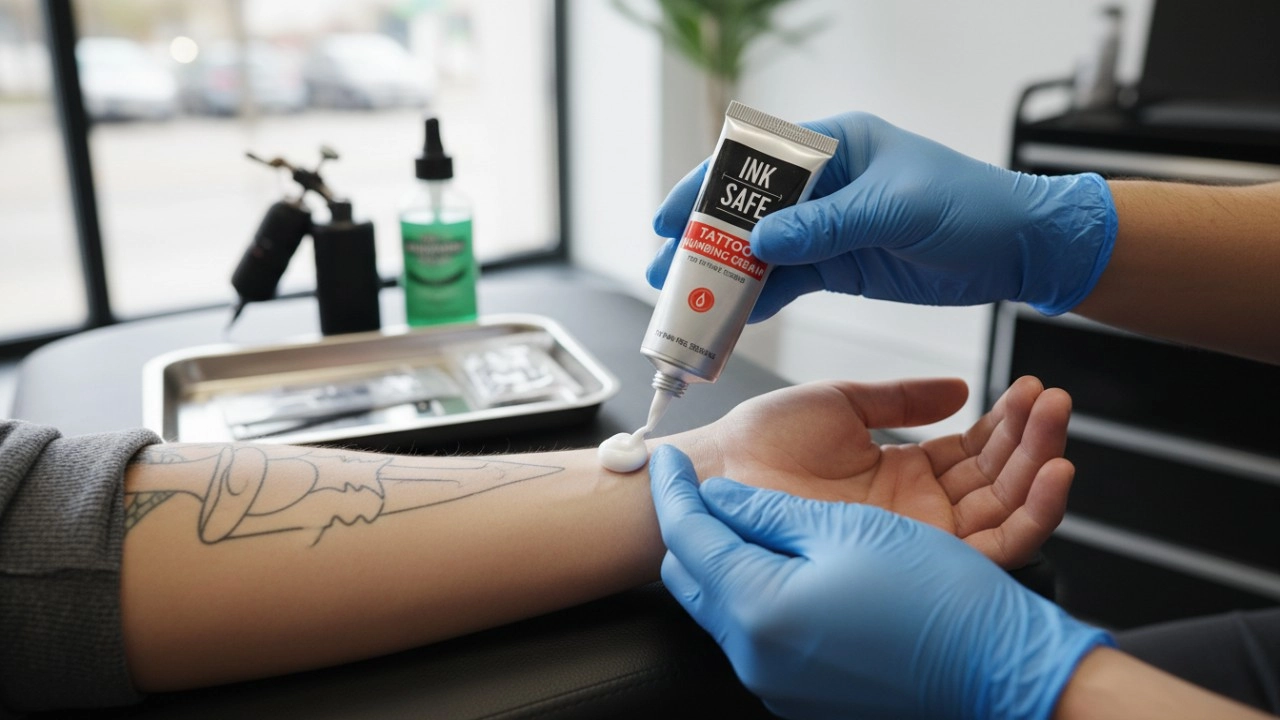
10 Best Numbing Creams for Tattoos in 2026: Ranked by Pain Relief and Safety
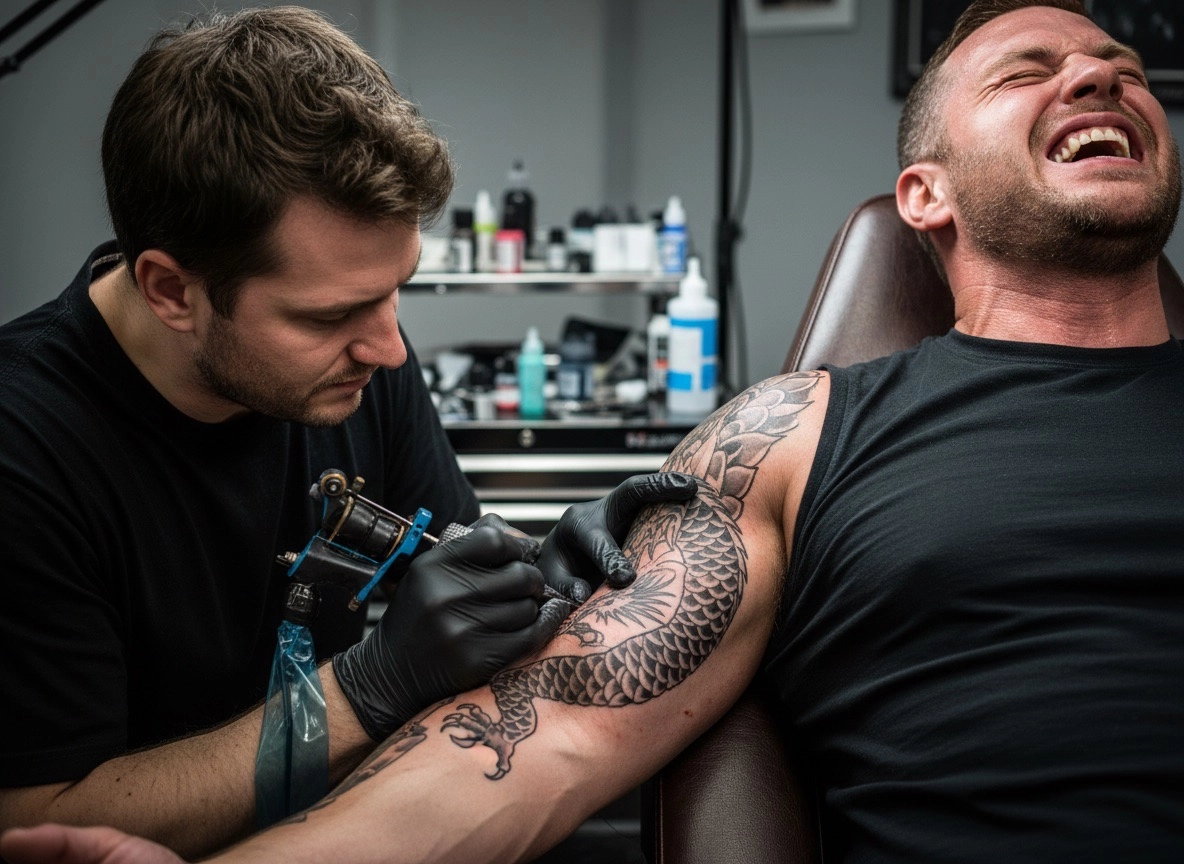
Does Numbing Cream Work for Tattoos? The Ultimate Guide to a Pain-Free Session
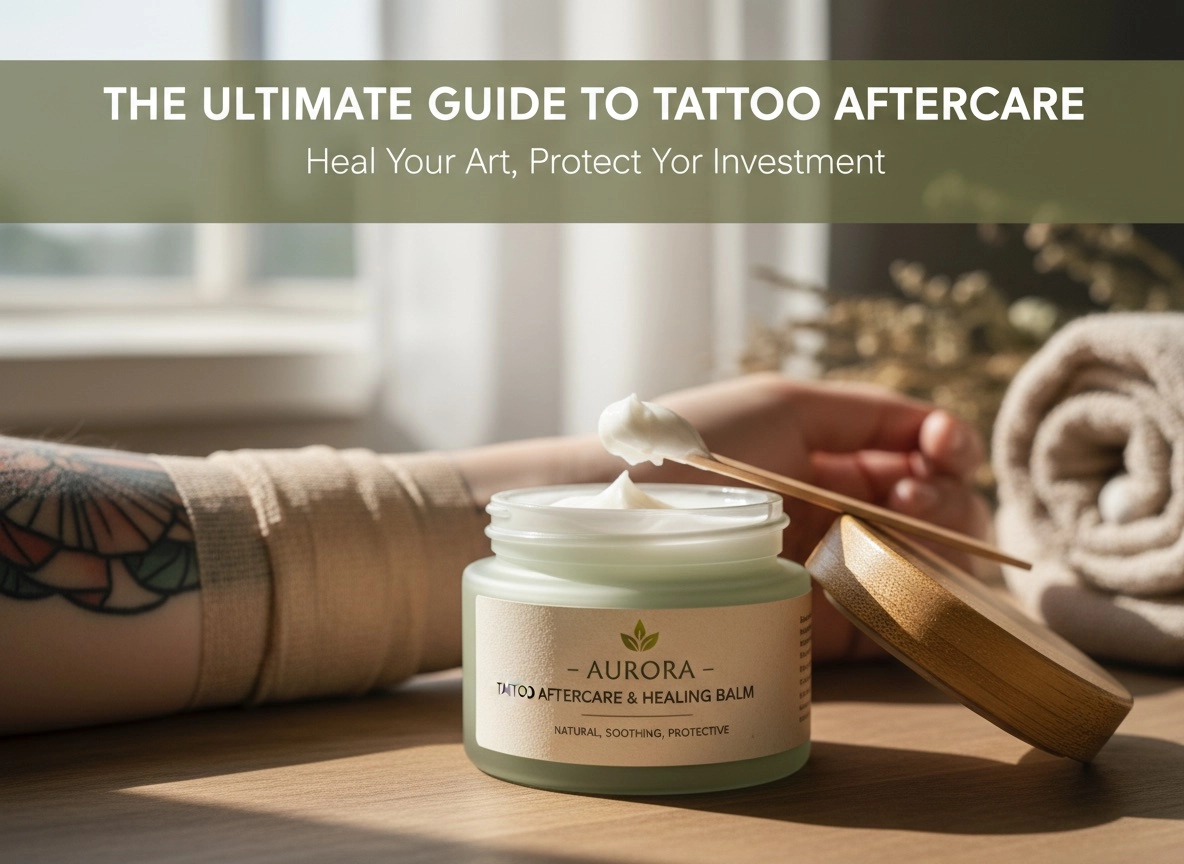
The Ultimate Guide to Tattoo Aftercare Cream: Healing & Vibrancy for 2026 and Beyond
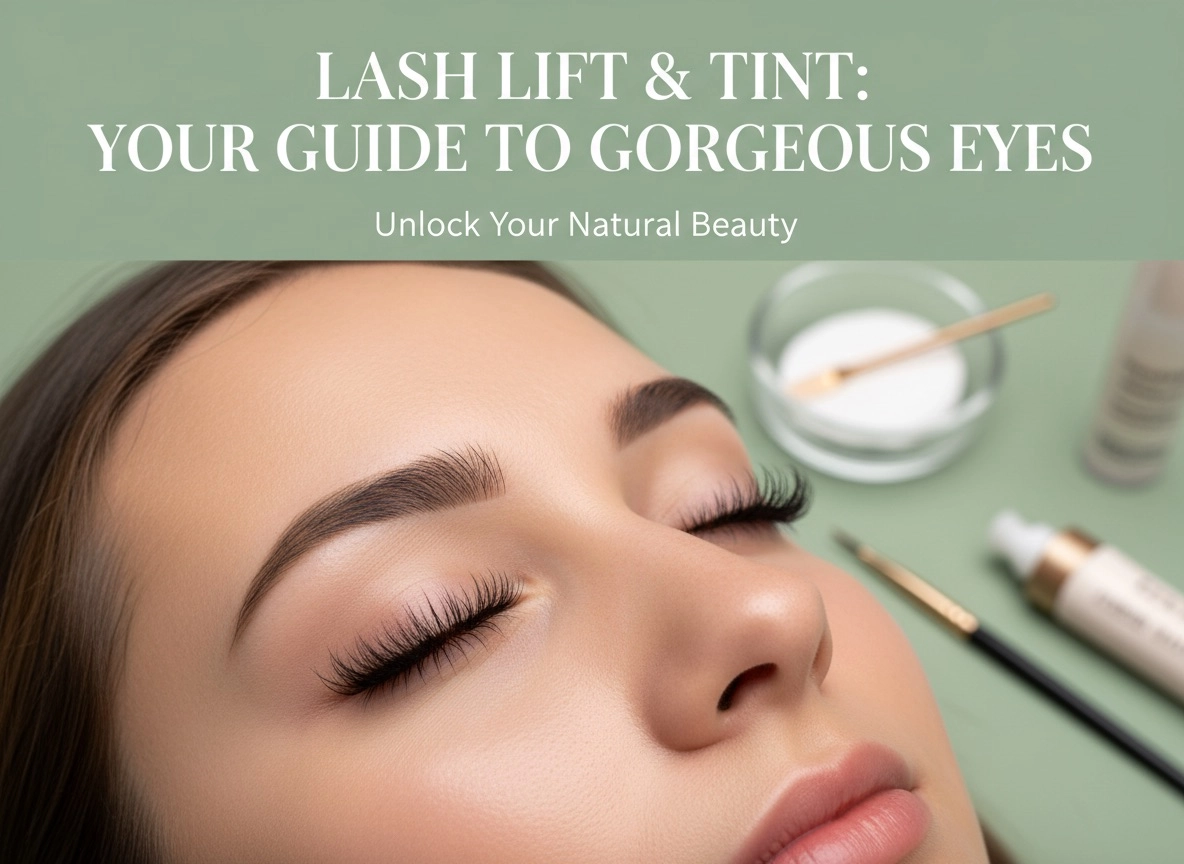
Lash Lift and Tint 2026: Your Ultimate Guide to Defined, Curled Lashes
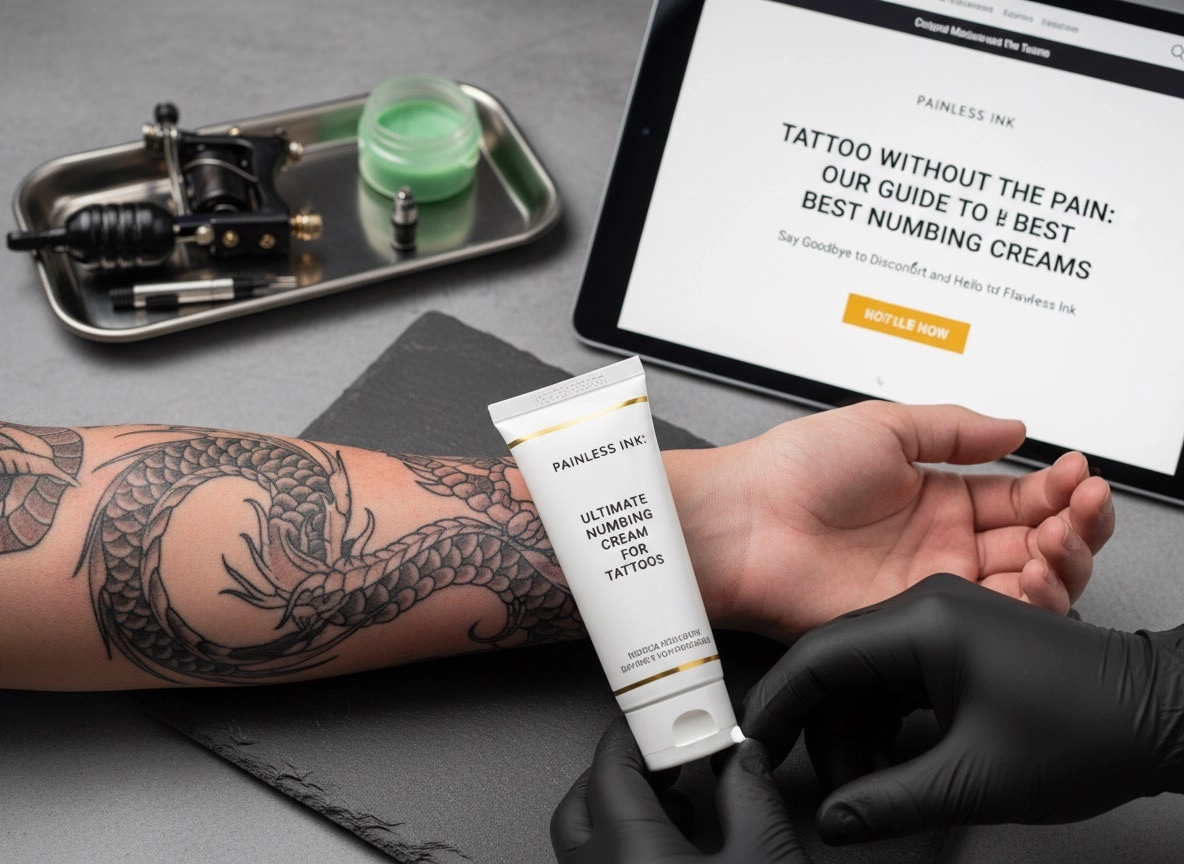
Best Numbing Cream for Tattoos 2026: The Ultimate Guide for Pain-Free Ink
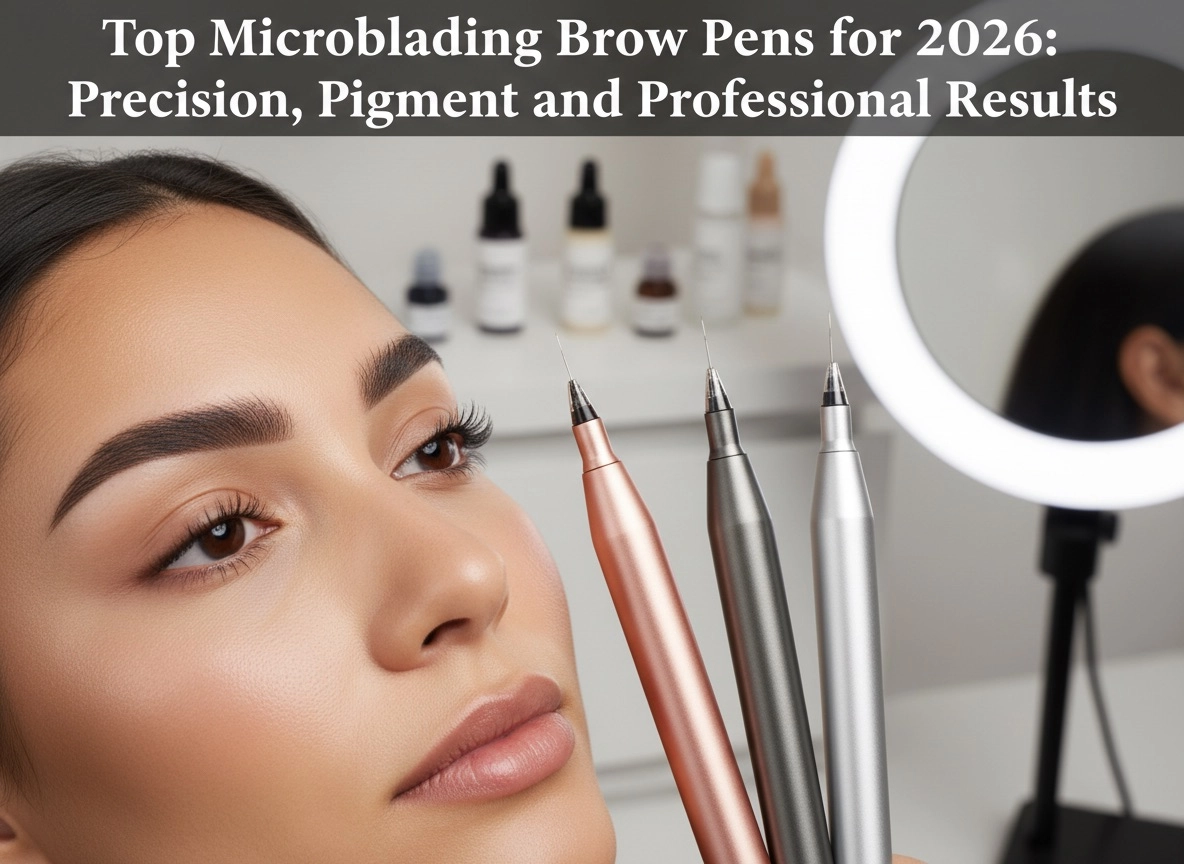
Top Microblading Brow Pens for 2026: Precision, Pigment, and Professional Results
Golden ratio ruler
Can I change color of the Golden ratio ruler? What is the MOQ?
Yes of course, Although the black color is the most popular color, we support changing color for the golden ratio ruler, MOQ is 1000pcs/color. You can contact us to share your reference color, we will provide you more details.
Products
Compare to liquid glue, what is the advantage of glue balm?
Compared with liquid glue, solid glue belongs to non liquid formula glue, with lower fluidity and better control of usage, effectively avoiding the use of too much glue during the operation. At the same time, the solid glue will not leave a thick sticky layer, which is more convenient for you to adjust the position of eyelashes and eyebrows.
250g tattoo cream
How long does the numbing product last?
Different numbing products have different duration of effect. For example, body numbing cream lasts longer than eyebrow numb tattoo cream. For the specific duration, please check the product description or contact us for more details.
Eyelash curling
Can customers with sensitive skin or eyes use lash perm kit?
For customers with sensitive skin or eyes, it is recommended that a patch test be performed prior to use lash lift perm kit. However, our formula is relatively mild and anti-allergenic, so it is normally non-allergenic and suitable for most people.
After sales support
How do I change or cancel my order?
Any cancellation made after an order has been placed, will be subject to a cancellation fee regardless of the time the order has been placed (even if it is just a second later) as the merchant processor/credit card charges us a fee for cancellations.
Please note that any orders that have already been packed, produced or shipped cannot be cancelled.
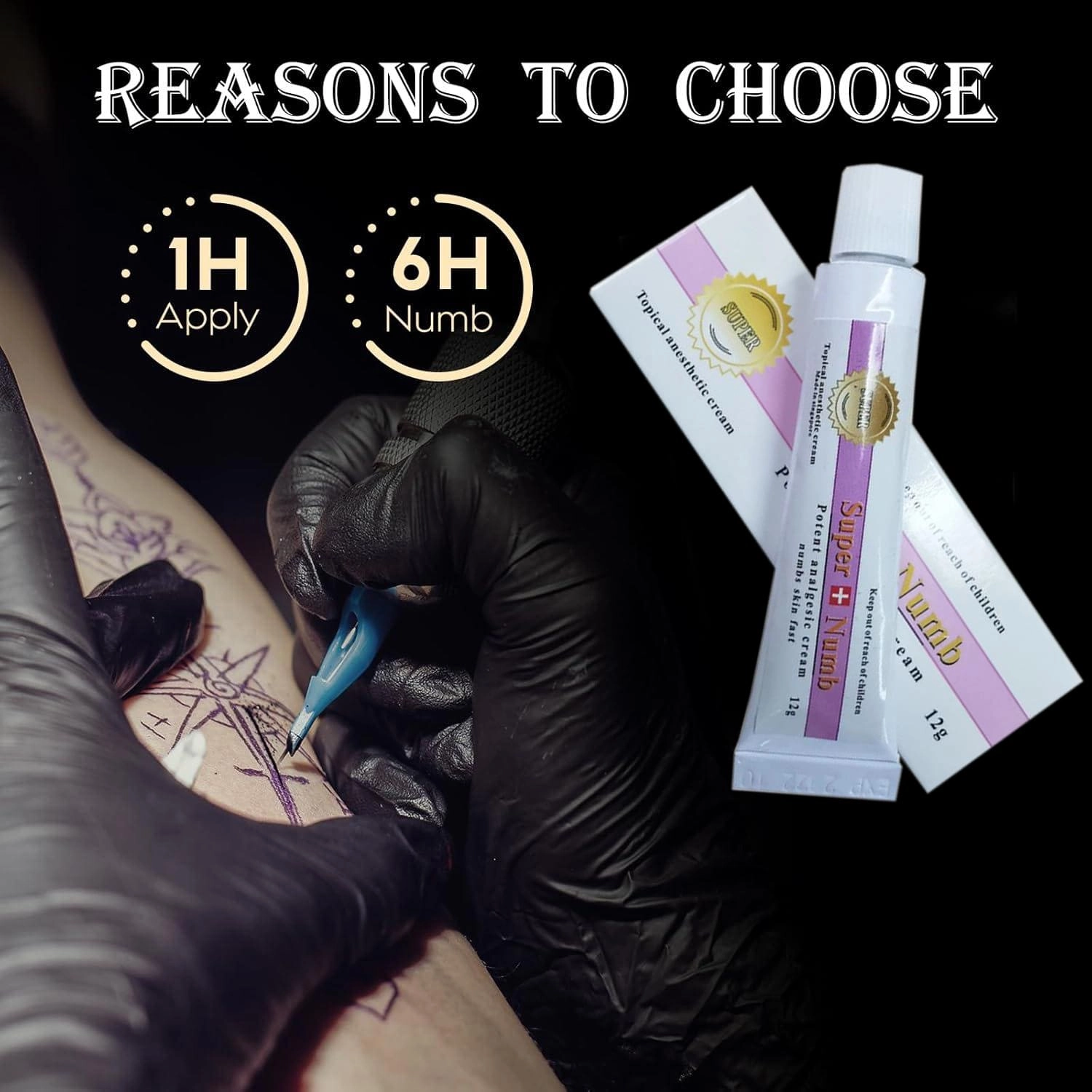
Super Numb Tattoo Cream
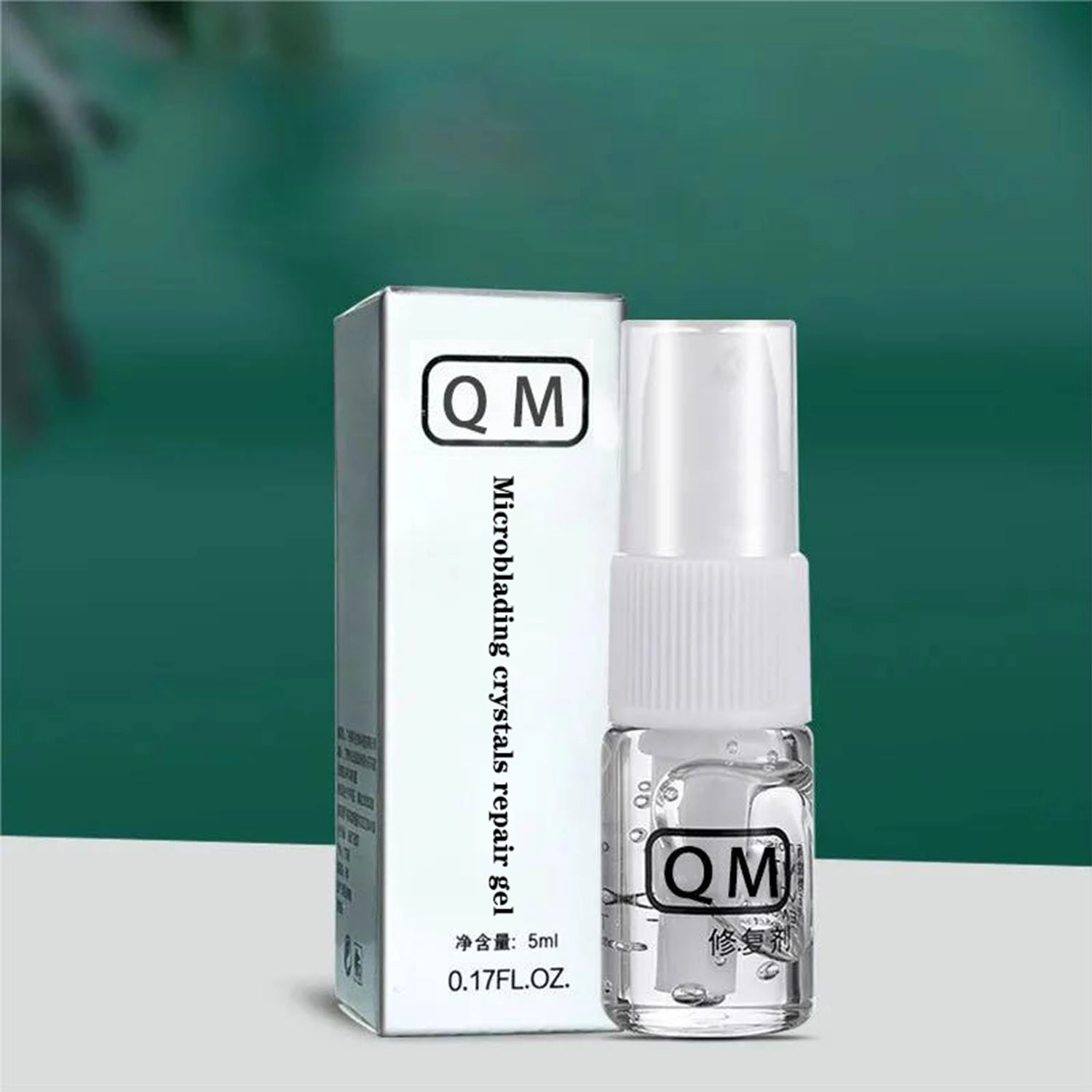
5ml Crystal Anti-scar Repair Serum Gel
5g Cell Repair Essential Balm
50g Body Tattoo Butter Balm
What product do we have?

Instagram
Facebook
YouTube