


what is a microblading eyebrow pen | QM Makeup
In the ever-evolving world of semi-permanent makeup, professionals constantly seek tools that enhance their artistry while meeting client needs. A microblading eyebrow pen emerges as a key instrument, providing a solution to the challenge of achieving natural-looking results. This article delves into the specifics of the microblading eyebrow pen and its significance in the industry.
Understanding the Microblading Eyebrow Pen
A microblading eyebrow pen is a specialized tool designed to mimic the appearance of microblading—a popular semi-permanent makeup technique used to create realistic-looking eyebrows. Unlike traditional microblading, which involves depositing pigment into the skin using a handheld tool, the eyebrow pen offers a non-invasive alternative. It allows professionals to draw individual hair strokes with precision, simulating the look of microblading without the need for needles or pigment.
Applications in the Semi-Permanent Makeup Industry
The microblading eyebrow pen has carved out a niche in the semi-permanent makeup industry for several reasons:
- Versatility: It serves as an excellent tool for touch-ups between microblading sessions or for clients who prefer a less permanent solution.
- Client Comfort: Offering a non-invasive option caters to clients wary of needles, expanding the client base for makeup artists.
- Practice and Training: It's an invaluable tool for professionals in training, allowing them to practice the technique of creating hair strokes without the risk of over-pigmenting a client's skin.
Techniques and Best Practices
When using a microblading eyebrow pen, professionals should adhere to the following best practices:
- Stroke Technique: Master the art of creating fine, hair-like strokes that blend seamlessly with existing eyebrow hair.
- Color Matching: Choose a pen color that closely matches the client's natural hair color to ensure a natural appearance.
- Aftercare: Educate clients on how to maintain the look achieved with the pen, including avoiding oil-based products that can cause the strokes to fade prematurely.
The Future of Microblading Eyebrow Pens
As the semi-permanent makeup industry continues to grow, the role of tools like the microblading eyebrow pen is likely to expand. Innovations may include pens with adjustable tips for varying hair thicknesses or pens infused with nourishing ingredients that benefit the skin.
In conclusion, the microblading eyebrow pen is a versatile tool that complements the skill set of professionals in the semi-permanent makeup field. By understanding its applications and mastering its use, artists can enhance their service offerings and meet a broader range of client needs.
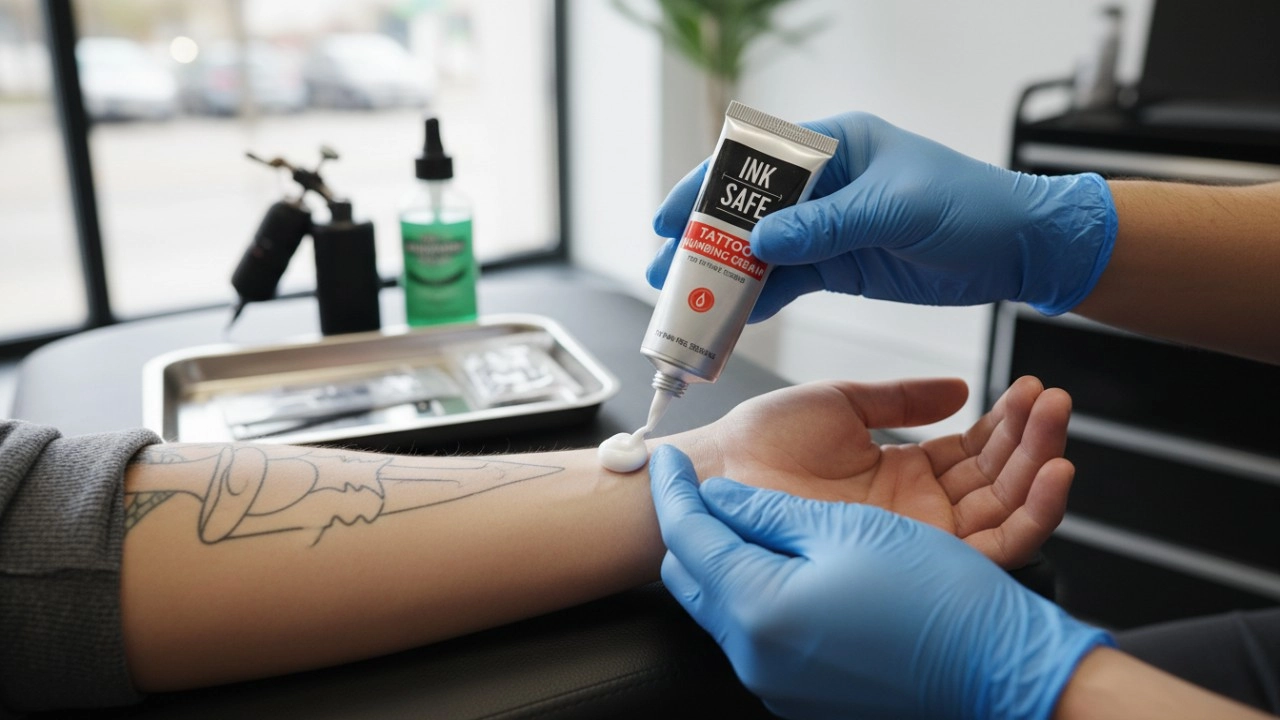
10 Best Numbing Creams for Tattoos in 2026: Ranked by Pain Relief and Safety
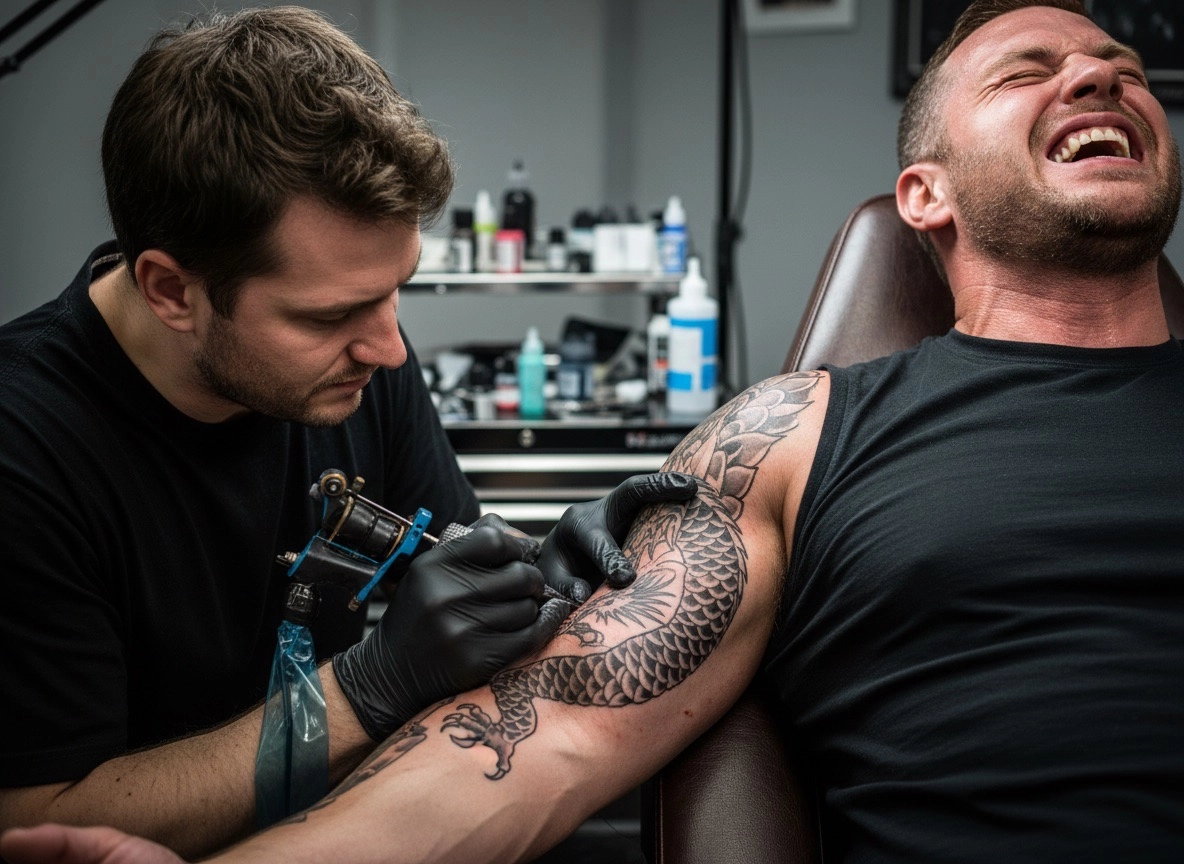
Does Numbing Cream Work for Tattoos? The Ultimate Guide to a Pain-Free Session

The Ultimate Guide to Tattoo Aftercare Cream: Healing & Vibrancy for 2026 and Beyond

Lash Lift and Tint 2026: Your Ultimate Guide to Defined, Curled Lashes
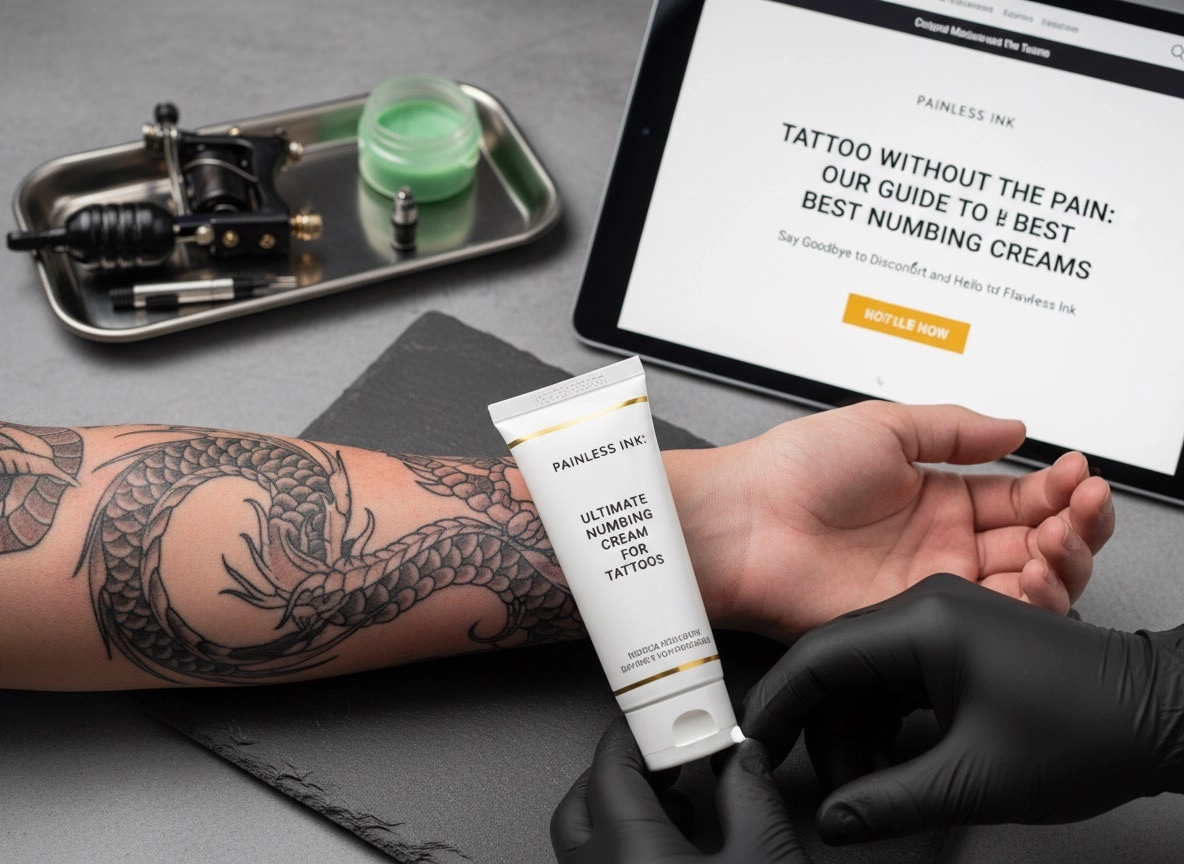
Best Numbing Cream for Tattoos 2026: The Ultimate Guide for Pain-Free Ink
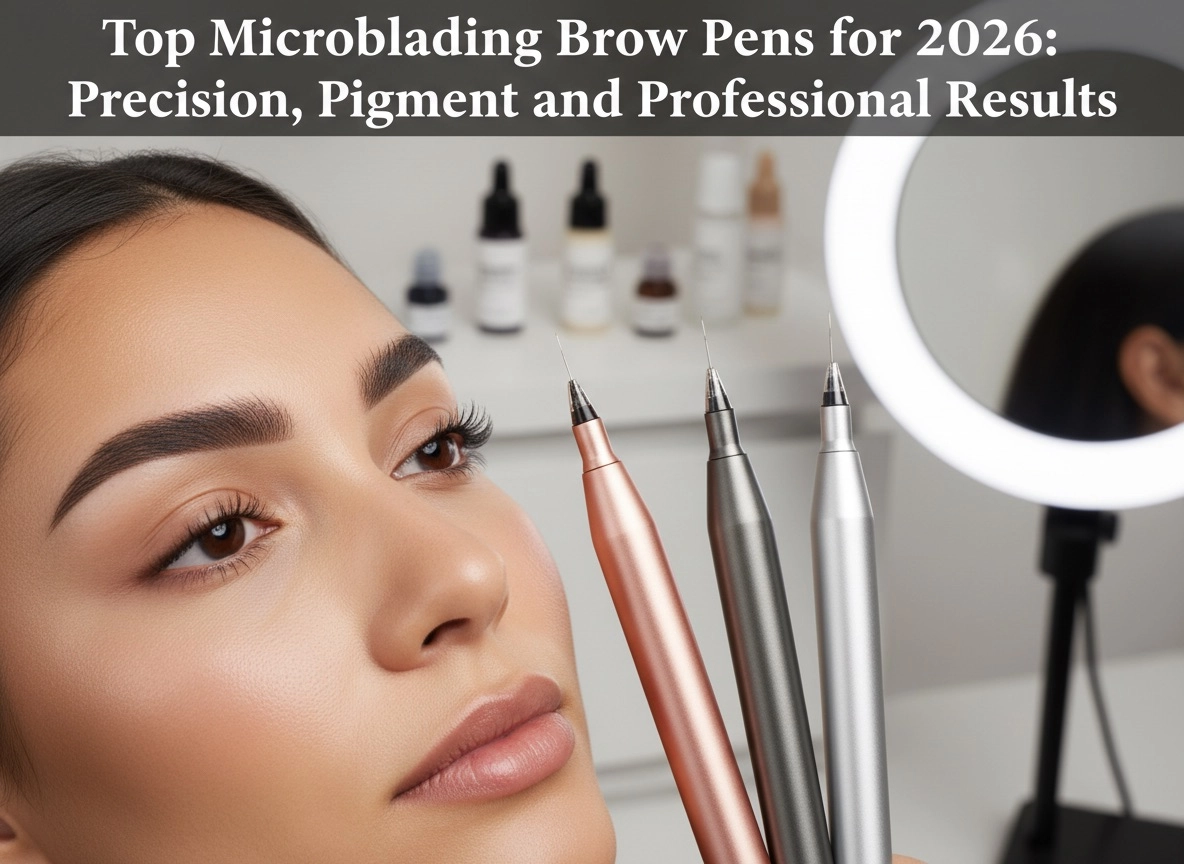
Top Microblading Brow Pens for 2026: Precision, Pigment, and Professional Results
Tattoo aftercare
How often should I use the microblading repair product for best tattoo aftercare results?
It is recommended to apply the repair twice a day, morning and evening, for 1-2 weeks for best aftercare for tattoo results. Continuous use will help promote healing and extend the life of semi permanent makeup tattoos.
Powder Pigment
Why dose the ink not colored on the skin after the pigment microblading operation?
The ink is not colored on the skin after the tattoo operation, which is a common problem encountered by novice tattoo artists. There may be several reasons:
Technical problems: If the tattoo technician is not skilled, the ink may not be properly implanted into the skin during the operation, resulting in the inability to color the colorant.
Selected ink type: The type of ink used does not match the tool used, resulting in the inability to color the colorant, such as using liquid ink with a manual pen. Or the ink is practice pigment, it is not professional-grade permanent makeup pigment.
Skin condition: The condition of the skin will also affect the tattoo effect. If the skin is too dry, greasy or inflamed, the ink may not be absorbed well.
Insufficient depth: If the appropriate implantation depth is not reached during tattooing, the colorant may remain in the epidermis and cannot penetrate into the dermis.
Postoperative care: Improper postoperative care (such as excessive cleaning or improper use of skin care products) may cause the tattoo colorant to fade or fail to be properly absorbed.
If this happens after tattooing, it is recommended to consult a professional tattoo artist for evaluation and adjustment.
What is the difference between inorganic and organic permanent makeup ink?
The main difference between organic and inorganic pigments lies in their chemical composition, properties and performance. Here are some key points to distinguish them:
Chemical composition:
Organic tattoo pigment are composed of carbon-based compounds, usually containing carbon, hydrogen, oxygen and other elements (such as nitrogen, sulfur, etc.). Their molecular structure is complex and usually has organic chemical characteristics.
Inorganic tattoo pigments are mainly composed of inorganic compounds and usually do not contain carbon. Such pigments may contain metal oxides, salts, minerals, etc.
Color saturation:
Organic permanent makeup pigment usually have higher color saturation and brighter colors. Inorganic permanent makeup pigment are generally more stable in color, have strong hiding power, and have low color saturation.
Stability:
Organic cosmetic tattoo pigment have poor stability in light, heat and chemical environments and may fade. Inorganic pigments are generally more stable and resistant to high temperatures and chemical erosion.
Permeability:
Organic pigments are usually composed of organic compounds, which often have good water solubility and can dissolve in water faster. Therefore, organic pigments have stronger permeability than inorganic pigments.
In general, organic and inorganic pigments have their own advantages and disadvantages and are suitable for different application scenarios and needs. In order to take into account the brightness, saturation and stability of the ink, most tattoo supplies ink currently use a mixed formula of organic and inorganic.
Logistics
If I have a freight forwarder in China, can you deliver to them?
Yes, we are located in Guangzhou, China. You can provide us with the freight forwarder's address and we will calculate the freight after checking. If your freight forwarder informs that relevant fees are required for delivery, we will calculate and charge you the relevant fees (such as warehousing fees, weighing fees, unloading fees, etc.).
Eyelash Perming Glue Balm
What’s your product quality certificate?
We have MSDS certificate for PERM & FIXING & Glue lotions.
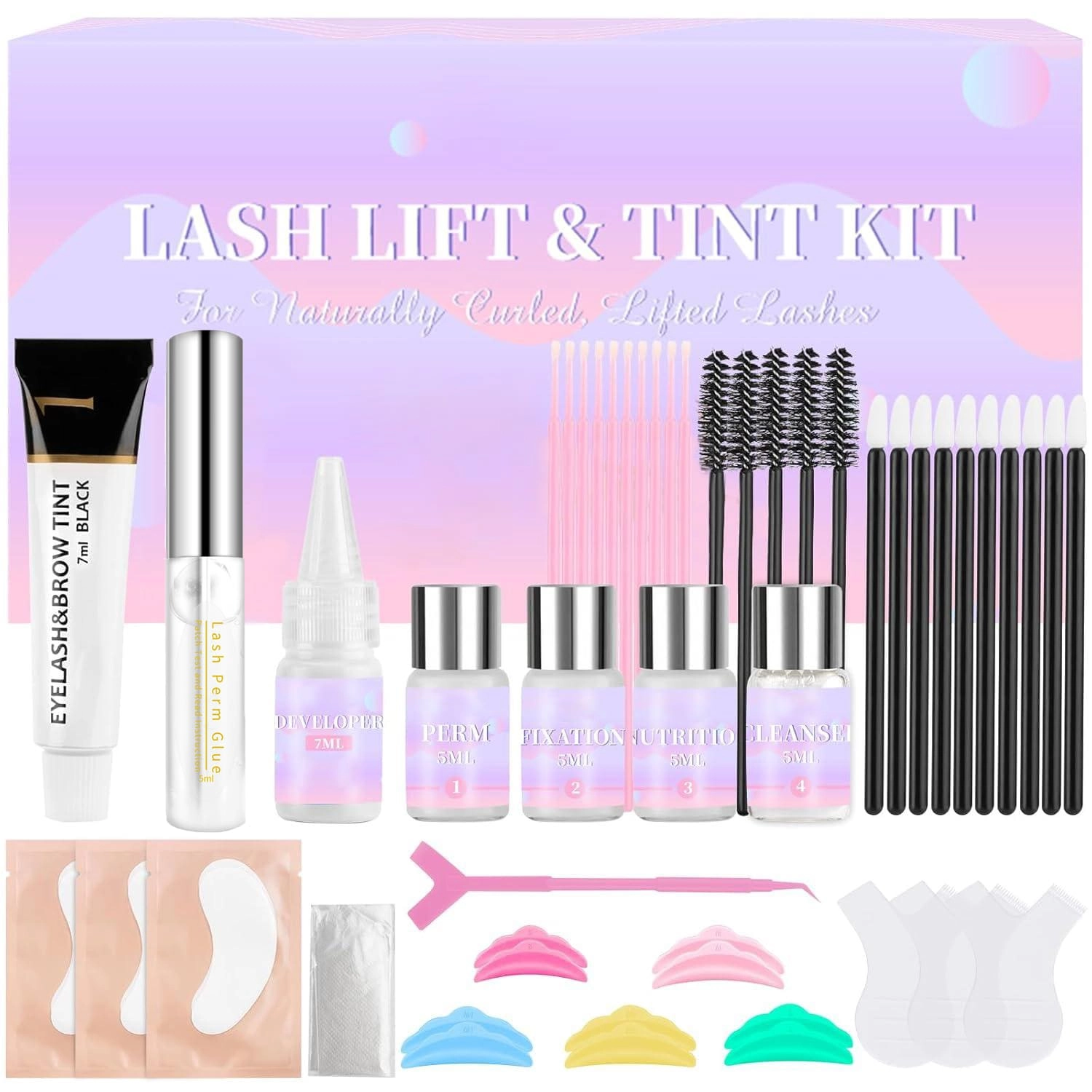
Professional Lash Lift and Tint Kit
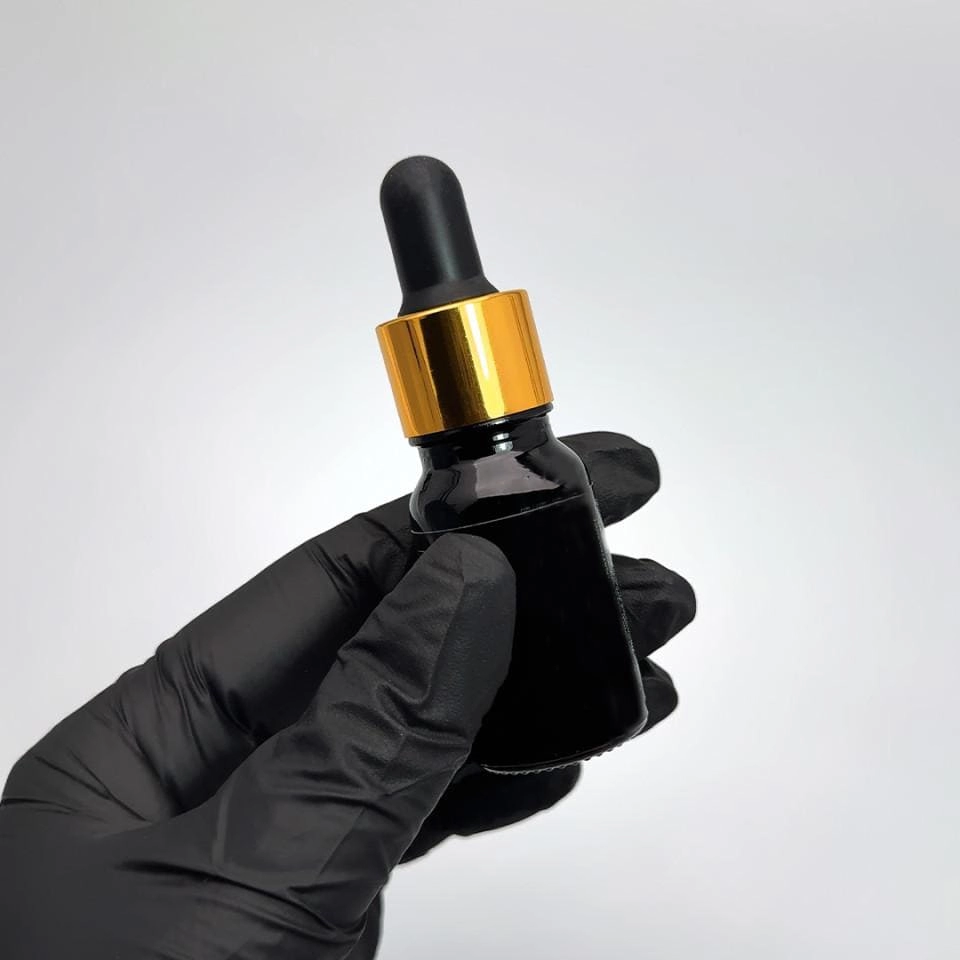
15 Mins Super Numb Tattoo Numbing Essence
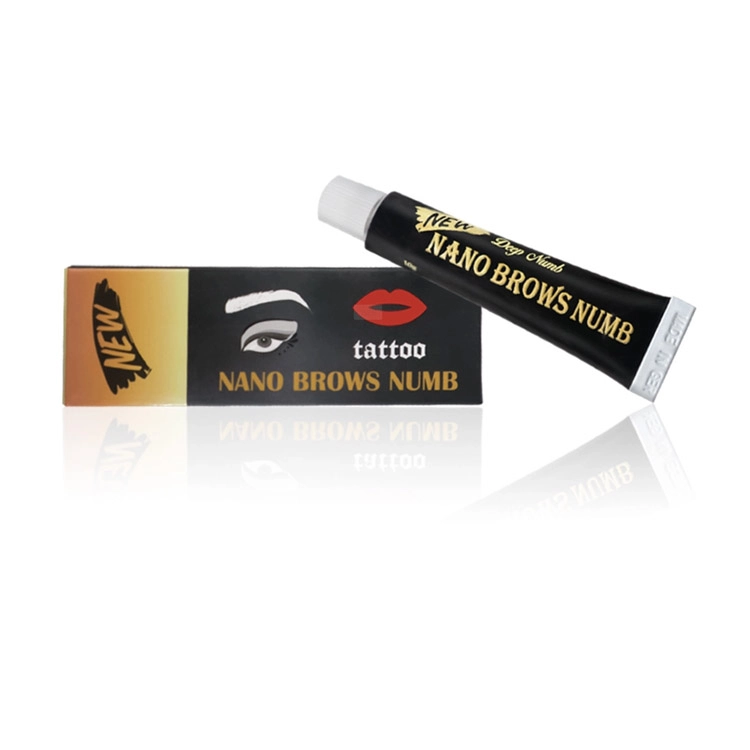
Nano Brows Numb Cream For Tattoo
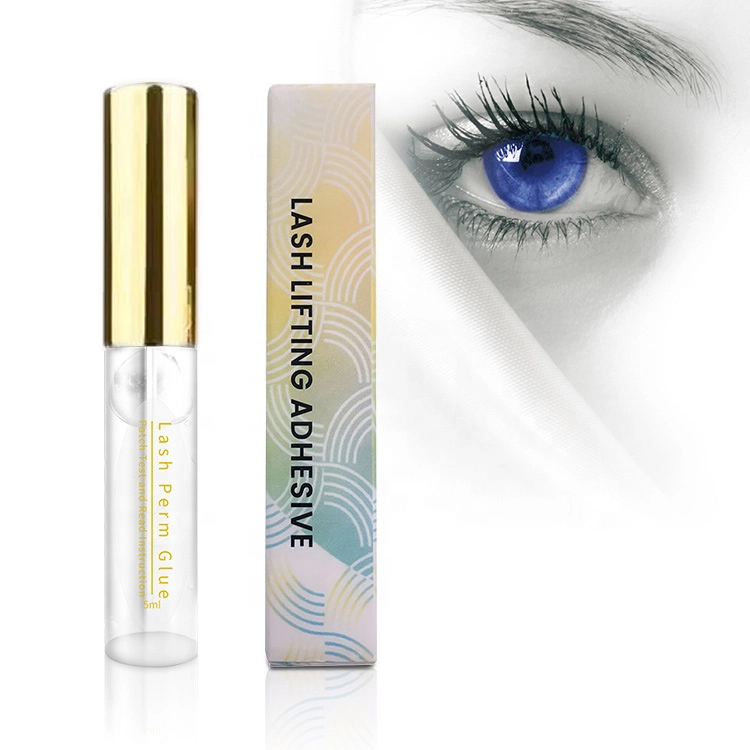
Japan Professional Lash Lift Adhesive
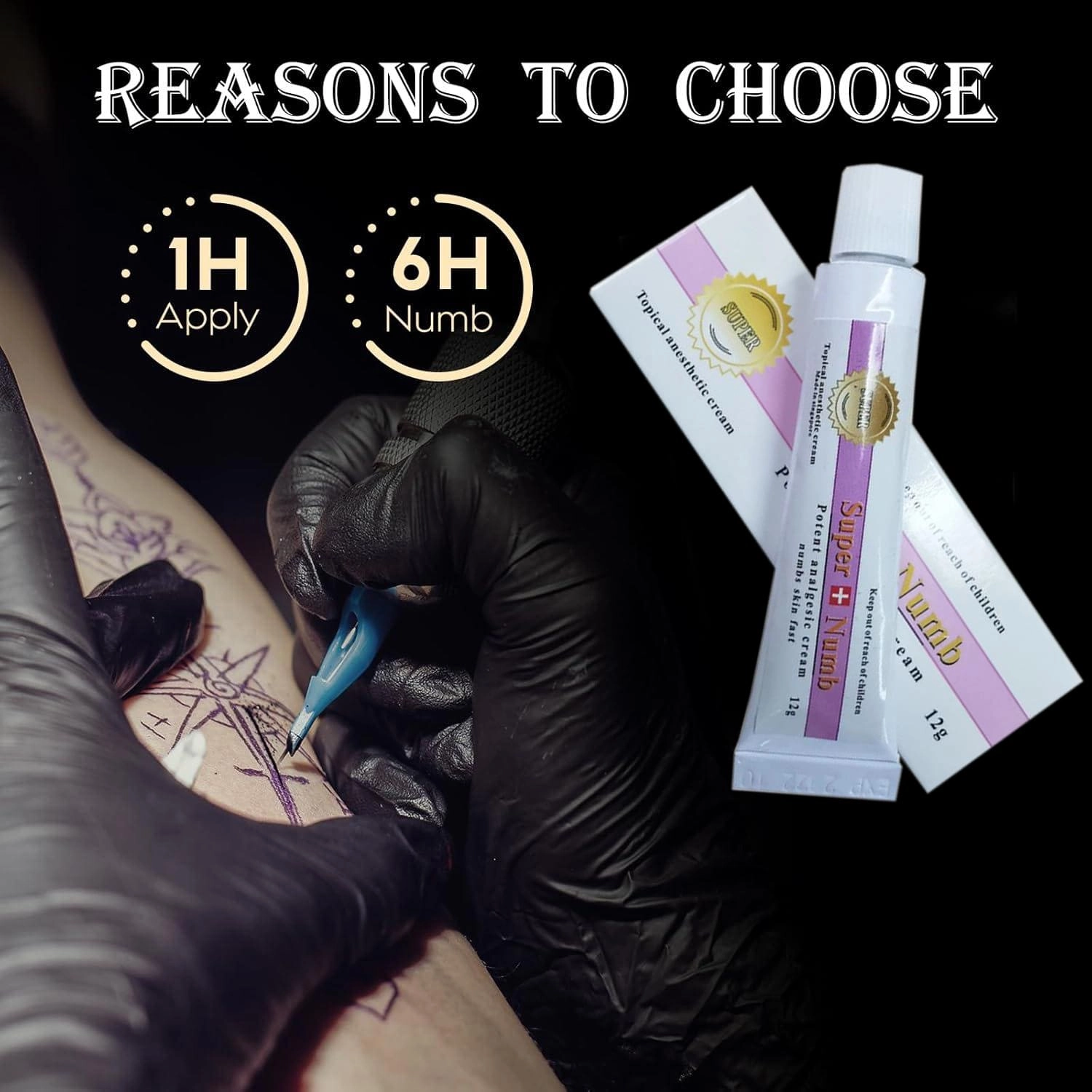
Super Numb Tattoo Cream

Professional Pre Inked Eye Brow Mapping String 30m
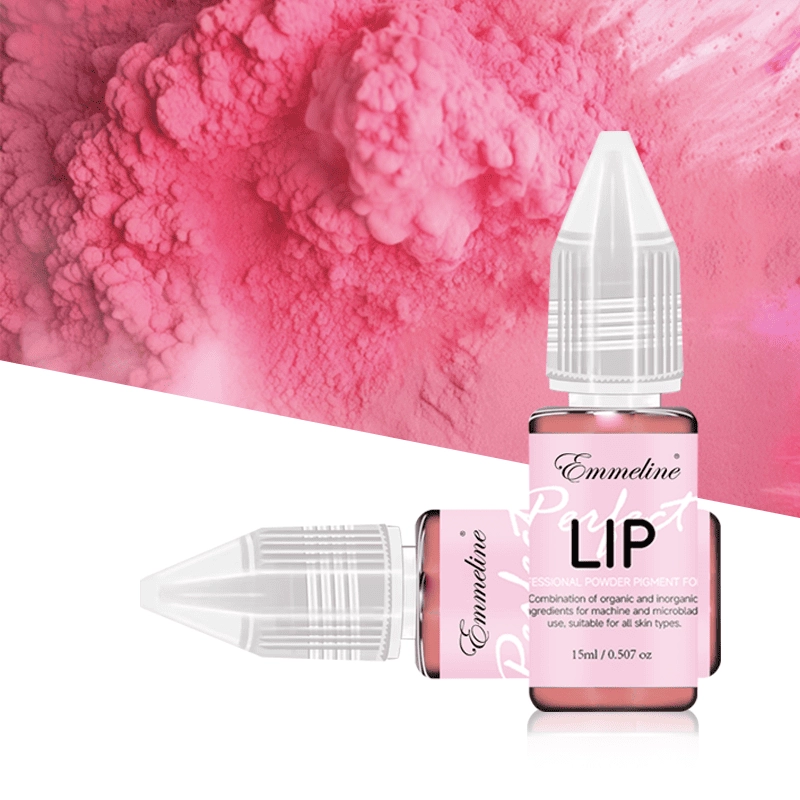
Hybrid Powder Microblading Pigment Ink
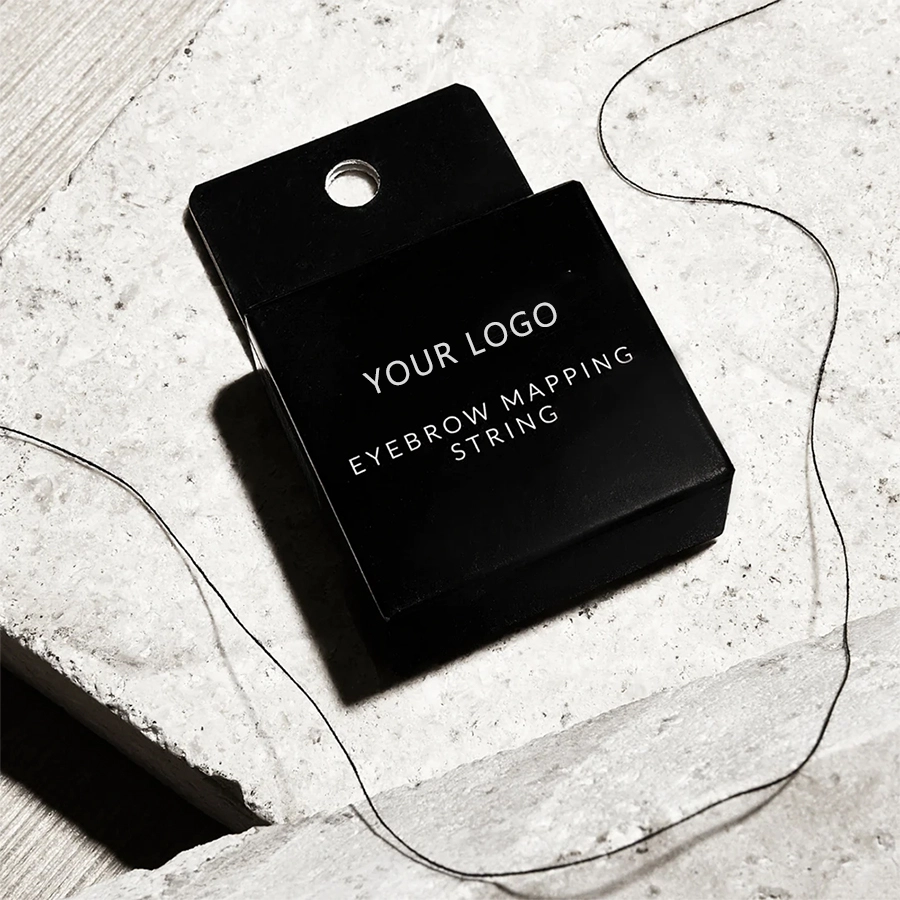
Microblading Pre-inked Mapping String Line 10m
What product do we have?

Instagram
Facebook
YouTube