


Are tattoo pigments safe? | QM Makeup Guide
# Are Tattoo Pigments Safe? A Professional Guide
Semi-permanent makeup artists must prioritize pigment safety to protect clients and maintain industry standards. This guide covers key considerations, regulations, and best practices to ensure safe, high-quality results.
Understanding Tattoo Pigment Safety
Regulatory Standards
- FDA Oversight: In the U.S., tattoo pigments are considered cosmetics but are not FDA-approved for injection.
- EU Compliance: The European Chemicals Agency (ECHA) regulates pigments under REACH, banning harmful substances like certain azo dyes.
- Manufacturer Responsibility: Reputable brands provide safety data sheets (SDS) and comply with regional regulations.
Common Pigment Ingredients
- Inorganic Pigments: Iron oxides (common in PMU) are generally safe but must be free from heavy metals.
- Organic Pigments: Carbon-based dyes may degrade over time, potentially causing allergic reactions.
- Heavy Metals: Avoid pigments containing nickel, lead, or mercury, which can trigger allergies or toxicity.
Potential Risks & How to Mitigate Them
Allergic Reactions
- Patch Testing: Always perform a patch test 24-48 hours before the procedure.
- Hypoallergenic Options: Use pigments labeled as nickel-free and non-reactive.
Infections & Contamination
- Sterilization: Ensure pigments are single-use or properly sterilized.
- Needle Hygiene: Use disposable, sterile needles to prevent cross-contamination.
Long-Term Safety Concerns
- Migration & Fading: Low-quality pigments may migrate, causing blurred results.
- MRI Interference: Some pigments contain metals that can react during MRI scans (rare but documented).
Best Practices for Safe Pigment Use
- Source Responsibly: Purchase from certified suppliers with transparent ingredient lists.
- Client Consultation: Disclose risks and obtain informed consent.
- Aftercare Guidance: Recommend gentle care to prevent complications.
Conclusion
Tattoo pigments can be safe when sourced responsibly and applied correctly. Staying informed on regulations and prioritizing client safety ensures professional, high-quality results.
For trusted, compliant pigments, explore QM Makeup’s High Quality selection—designed for safety and longevity.
10 Best Numbing Creams for Tattoos in 2026: Ranked by Pain Relief and Safety
Does Numbing Cream Work for Tattoos? The Ultimate Guide to a Pain-Free Session
The Ultimate Guide to Tattoo Aftercare Cream: Healing & Vibrancy for 2026 and Beyond
Lash Lift and Tint 2026: Your Ultimate Guide to Defined, Curled Lashes
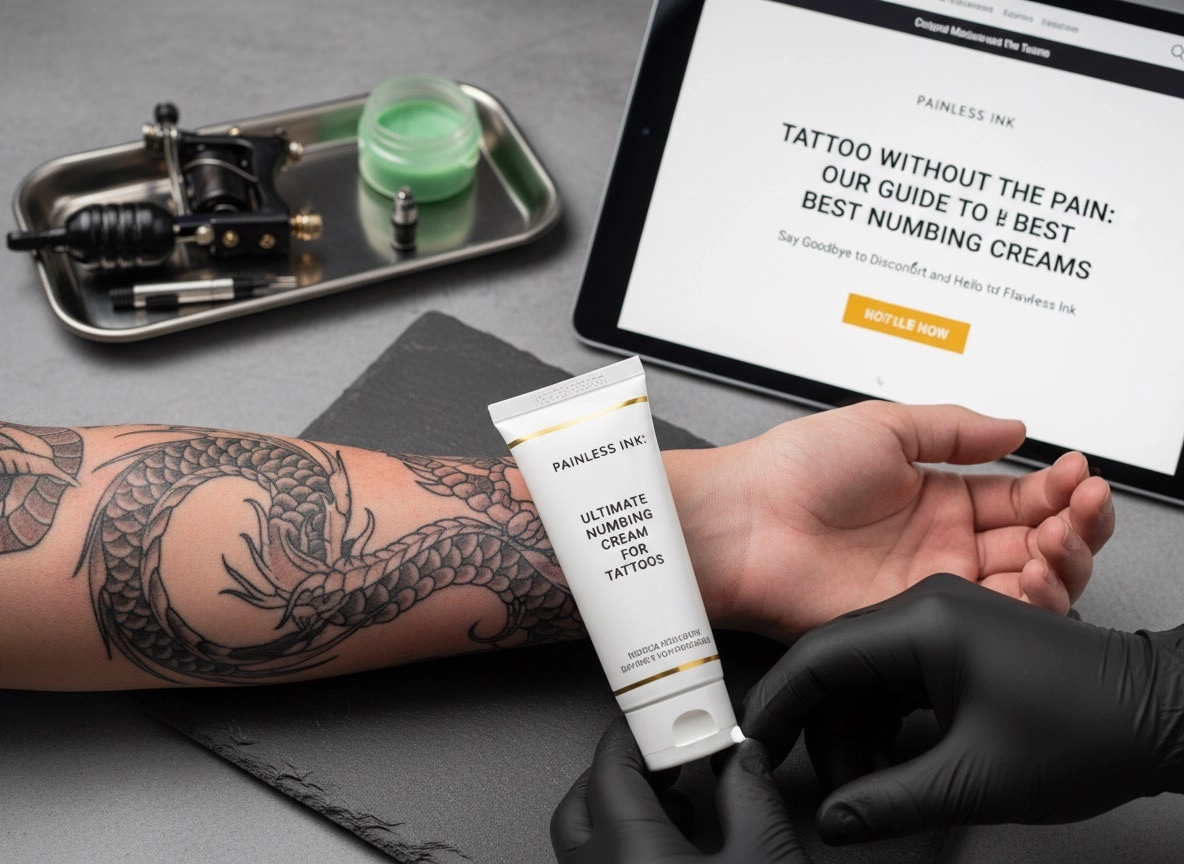
Best Numbing Cream for Tattoos 2026: The Ultimate Guide for Pain-Free Ink
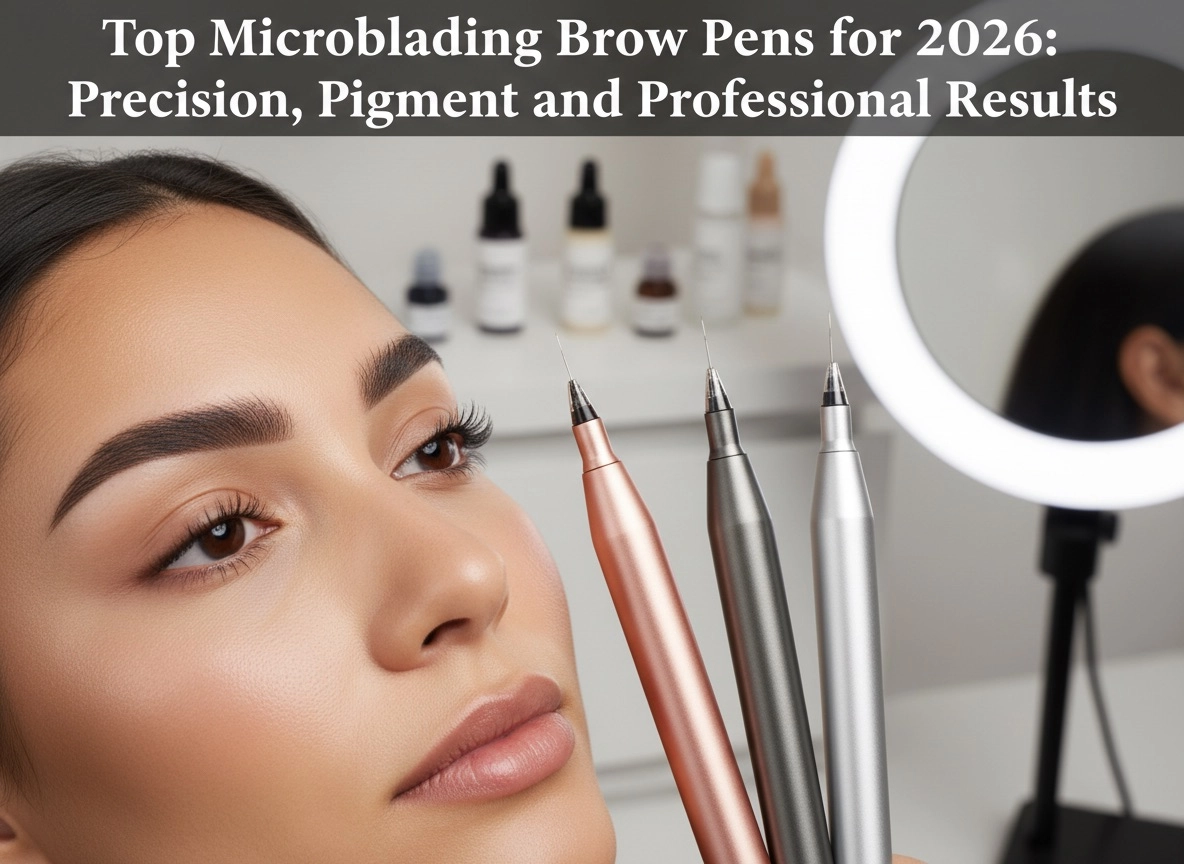
Top Microblading Brow Pens for 2026: Precision, Pigment, and Professional Results
Payment
What currencies are supported for payment?
All of our transactions are based in US Dollars. If your credit card is based in another currency, your order total will be calculated in accordance with the daily exchange rate of the date your card issuer processes the transaction. If you have a shipping agent in China who can help you pay in RMB, your order total will be calculated in RMB based on the daily exchange rate.
Pre-inked Mapping String
What is the MOQ to make private label?
Our MOQ for private label pre-inked mapping string is 100pcs/design. You can contact us to learn more details.
Lash Glue
How many times can I use one lifting adhesive glue?
Our lifting adhesive glue is 6ml, it can be used about 10 times.
Tattoo pigment
Are these pigments safe for human body?
Yes, absolutely safe, we go through layers of screening and rigorous testing of every ingredient to ensure that it is non-toxic and harmless. Our pigments are CE and REACH certified and comply with EU regulations.
Eyelash curling
Can customers with sensitive skin or eyes use lash perm kit?
For customers with sensitive skin or eyes, it is recommended that a patch test be performed prior to use lash lift perm kit. However, our formula is relatively mild and anti-allergenic, so it is normally non-allergenic and suitable for most people.
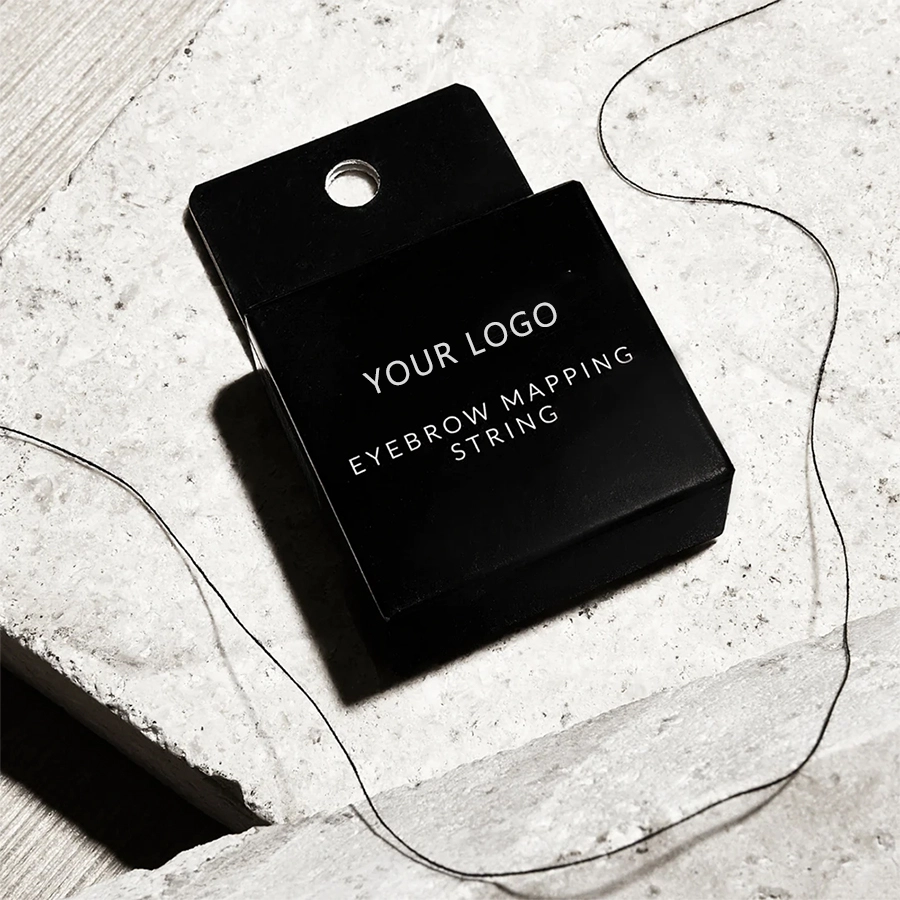
Microblading Pre-inked Mapping String Line 10m
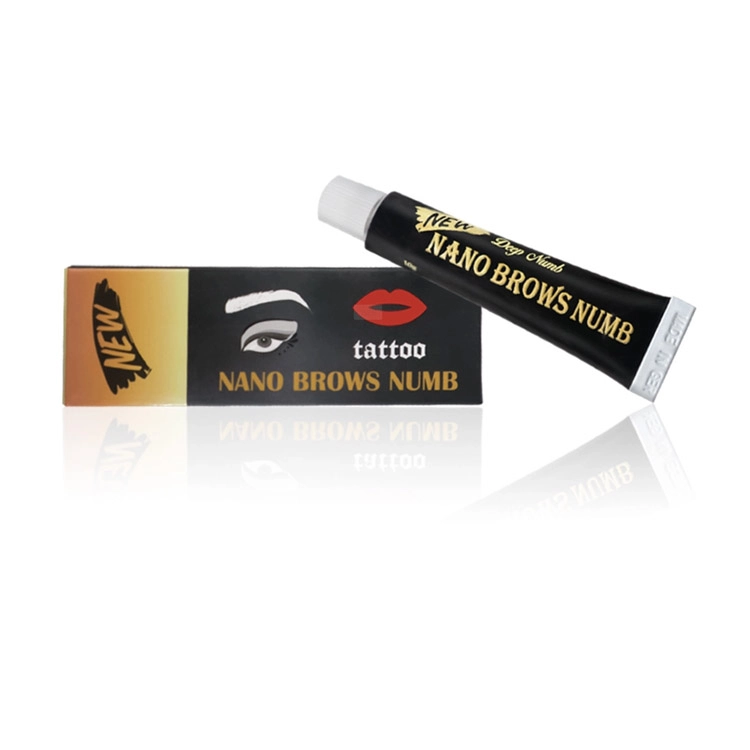
Nano Brows Numb Cream For Tattoo
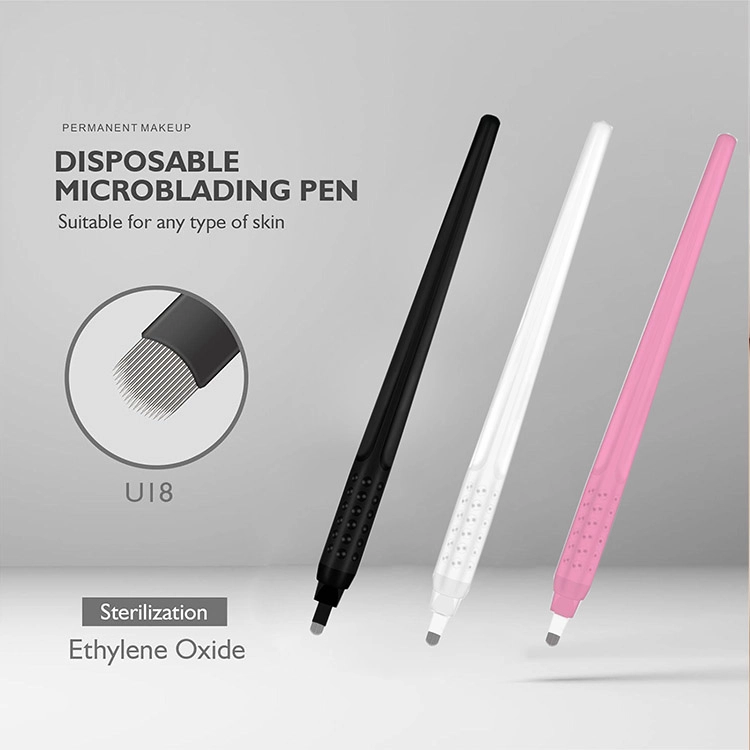
Disposable Microblading Pen
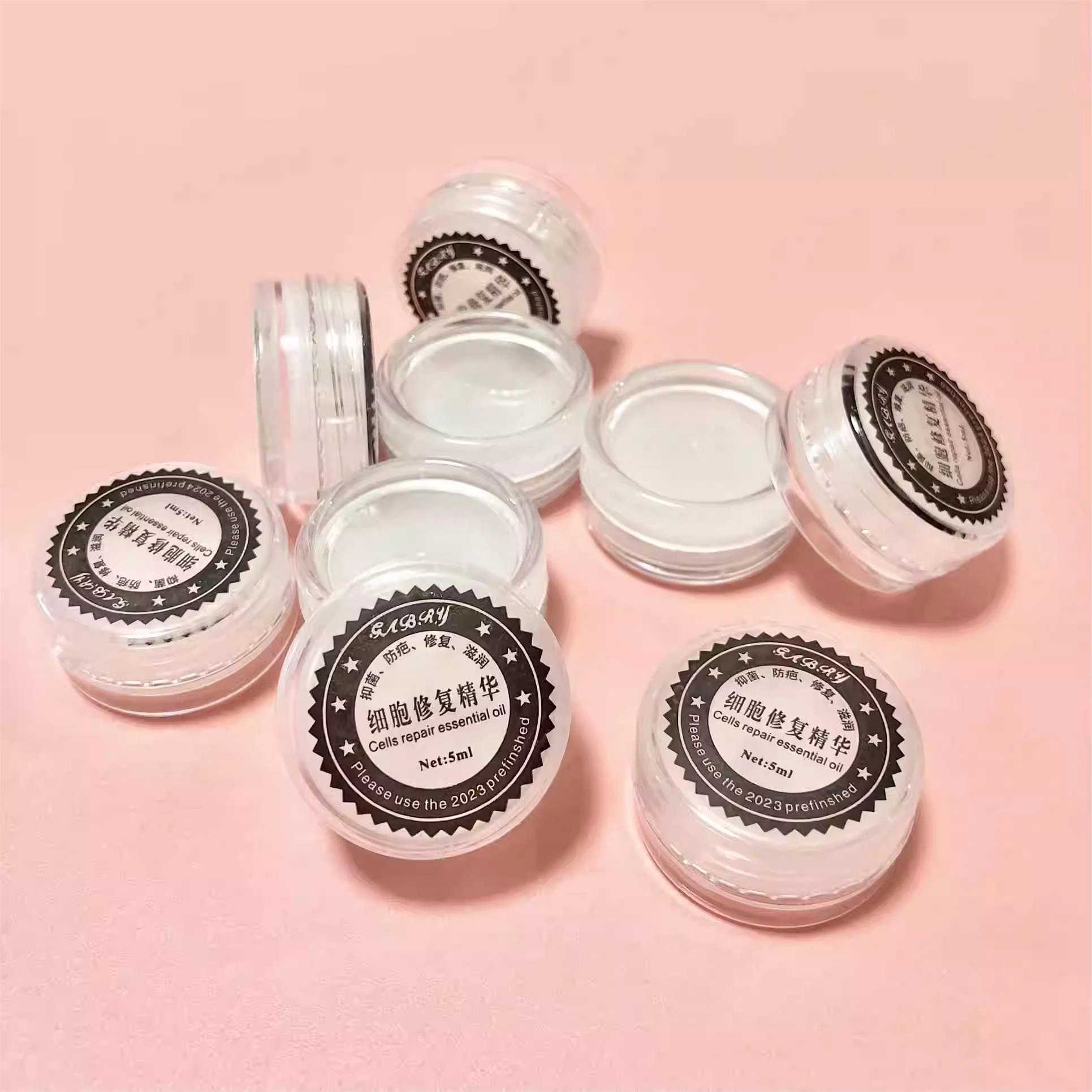
5g Cell Repair Essential Balm
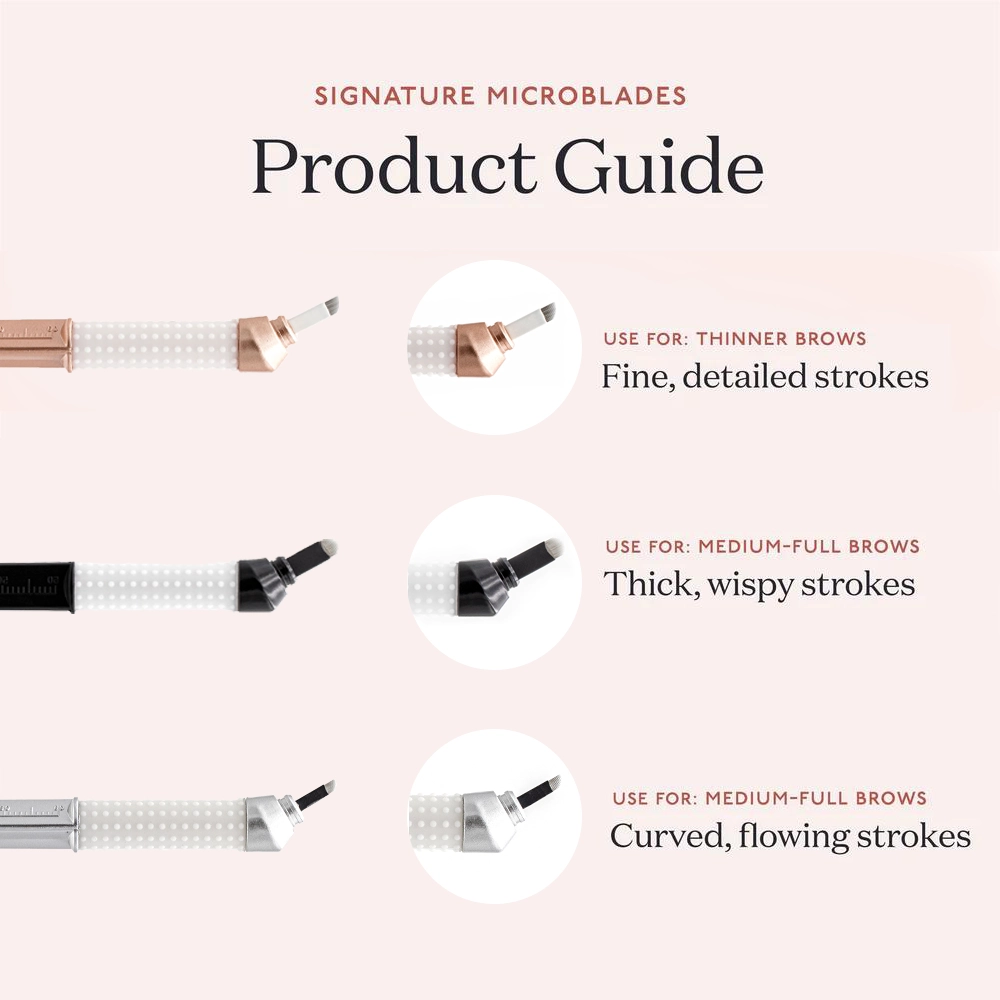
Angled Disposable Microblading Pen for Eyebrows
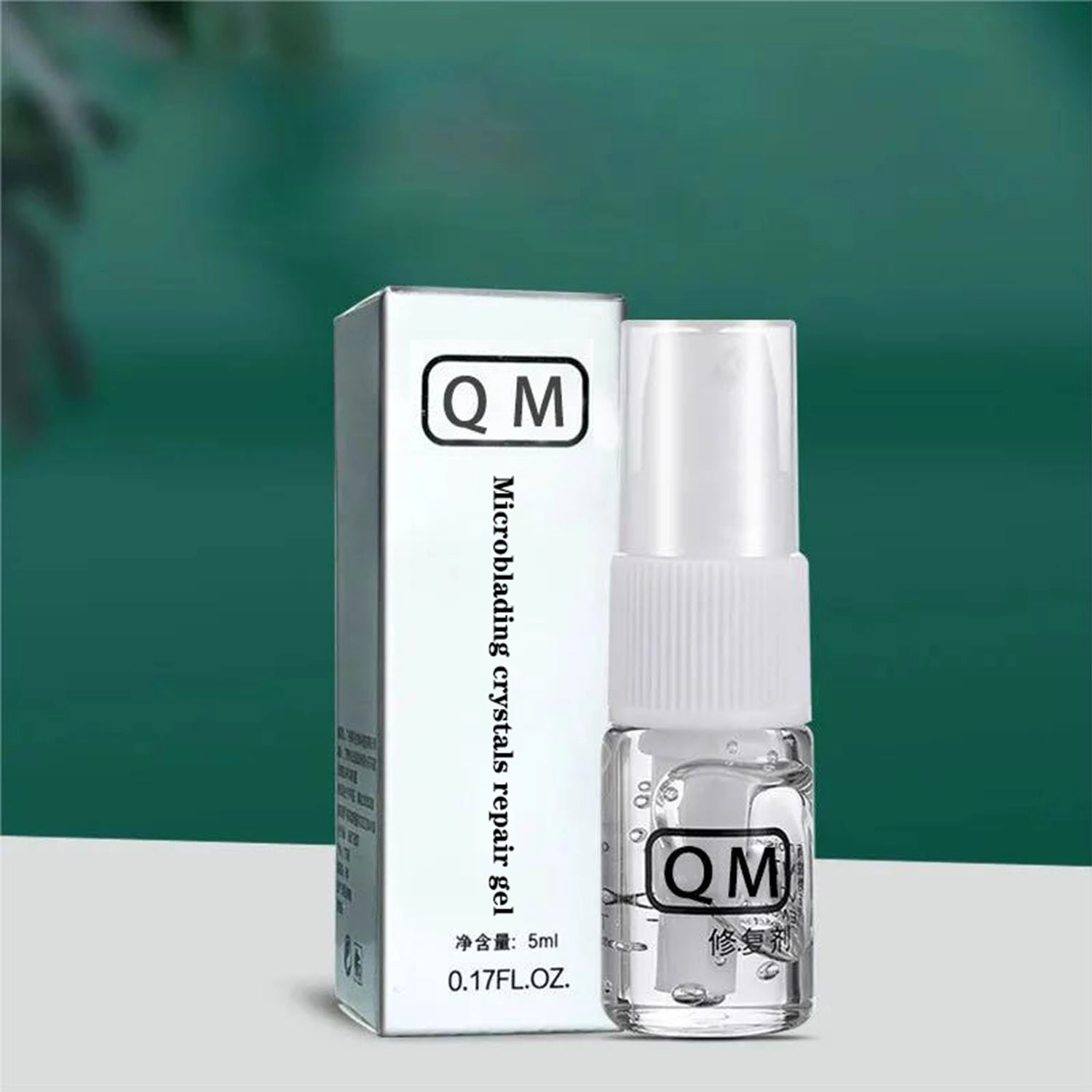
5ml Crystal Anti-scar Repair Serum Gel
Eyelash Perming Glue Balm
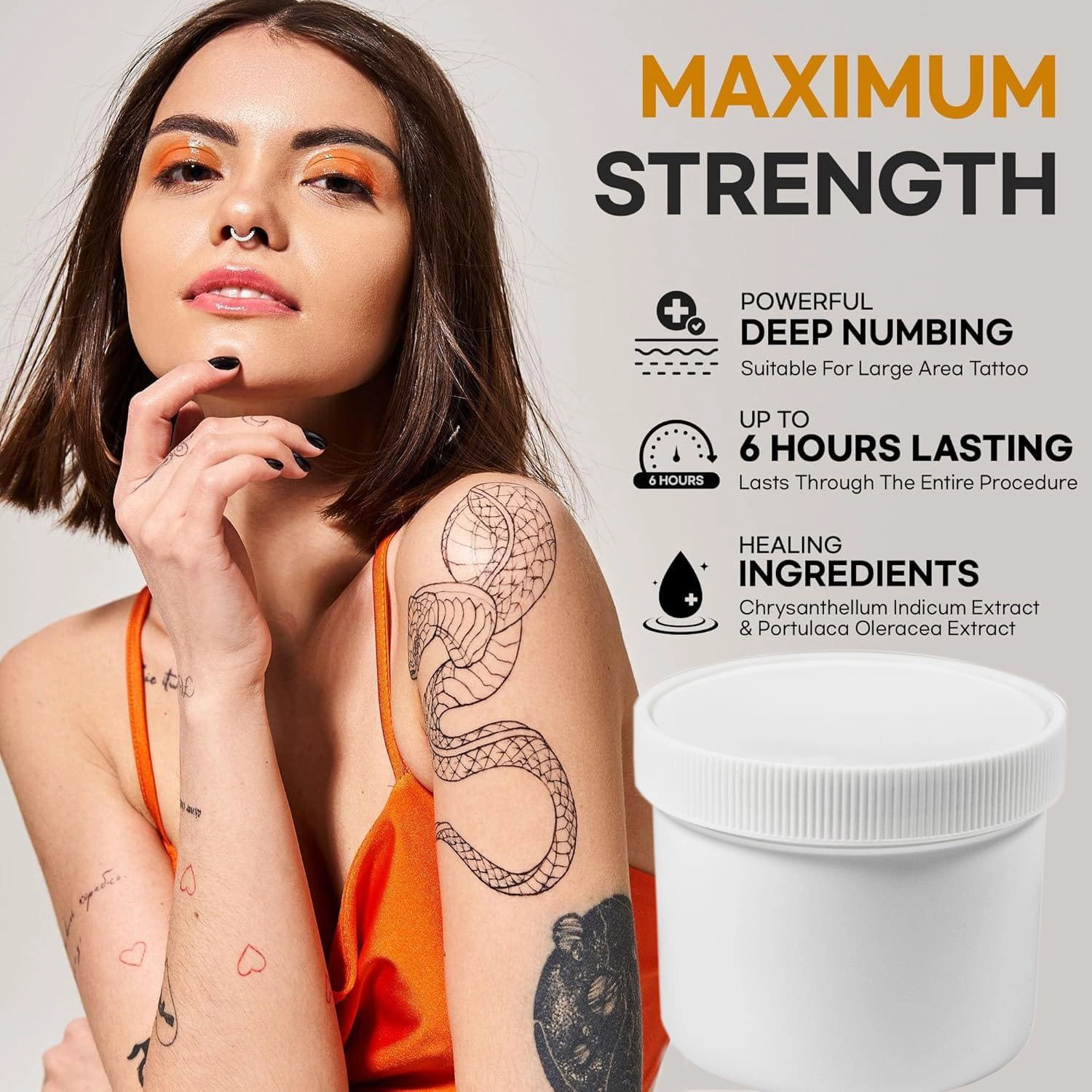
Body Use Super Numb Tattoo Numbing Cream
What product do we have?

Instagram
Facebook
YouTube