


Aftercare for Tattoo: Handling Complications and Revisions
- Understanding tattoo healing and factors that affect outcomes
- Stages of tattoo healing
- Biological and external factors that influence healing
- How proper initial aftercare reduces complication risk
- Aftercare for tattoo: immediate steps, monitoring, and common complications
- Immediate aftercare protocol I recommend
- How I monitor for and recognize complications
- Table: Typical healing timeline and red flags
- Infection, allergic reactions, and scarring: diagnosis and management
- Managing suspected infections
- Allergic and delayed reactions
- Preventing and treating hypertrophic scars and keloids
- When and how to plan tattoo revisions, touch-ups and cover-ups
- Timing a revision for best results
- Techniques and product choices for successful revisions
- Comparing revision options
- Products, quality control and partnerships — why supplier choice matters
- Quality standards I expect from products
- About QM Makeup: a partner I recommend for professionals
- How I choose products for aftercare and revisions
- Frequently Asked Questions (FAQ)
- 1. How long should I keep the initial bandage on after a tattoo?
- 2. When is a red, warm tattoo 'just healing' vs. infected?
- 3. Can I use over-the-counter antibiotic creams on a new tattoo?
- 4. How long before I can get a touch-up or cover-up?
- 5. Are tattoo inks regulated and how can I check safety?
- 6. What should I do if I develop an allergic reaction long after getting a tattoo?
- Closing and contact
I have worked with tattoo and semi-permanent makeup professionals for years, advising on product selection, clinical aftercare and revision strategies. In this guide I explain practical, evidence-based aftercare for tattoo, how to recognize complications early, and step-by-step approaches to manage infections, allergic reactions and scarring — plus when to plan a revision or cover-up. Where appropriate I reference public health and regulatory guidance to help you make verifiable, safe decisions.
Understanding tattoo healing and factors that affect outcomes
Stages of tattoo healing
Tattoo healing typically progresses through predictable stages: immediate wound response (days 0–3), epidermal repair and scabbing (days 3–14), superficial remodeling (weeks 2–6) and long-term pigment stabilization (months). These stages determine what aftercare is appropriate at each timepoint and when complications become apparent. For a broad overview of tattoo techniques and healing, see the general summary on Wikipedia.
Biological and external factors that influence healing
Healing is not the same for everyone. Key variables include client age, skin type, immune status, location of the tattoo, ink type, practitioner technique and aftercare compliance. For example, highly mobile areas (elbows, hands) and places exposed to friction heal slower and are more prone to pigment loss and hypertrophic scarring. I assess these factors before recommending an aftercare plan or scheduling a touch-up session.
How proper initial aftercare reduces complication risk
Good initial aftercare minimizes infection risk and preserves pigment. Core principles I emphasize are keeping the area clean, avoiding occlusion that traps fluid for too long, protecting from UV exposure, and avoiding aggressive picking at scabs that can cause pigment distortion and scarring. Official regulatory bodies such as the U.S. Food and Drug Administration discuss tattoo inks and potential reactions, useful for understanding product-related risks: FDA: Tattoo Inks, Pigments, and Permanent Makeup.
Aftercare for tattoo: immediate steps, monitoring, and common complications
Immediate aftercare protocol I recommend
My standard immediate aftercare instructions that I provide to clients are:
- Leave the practitioner-applied bandage in place for the recommended interval (commonly 1–4 hours for open-air methods; sometimes longer for larger pieces), then gently wash with fragrance-free, mild soap and lukewarm water.
- Pat dry with a clean towel or paper towel. Apply a thin layer of recommended emollient or healing ointment (I specify product choices below) and avoid heavy, prolonged occlusion unless your practitioner advises otherwise.
- Avoid soaking (baths, pools, hot tubs) and intense exercise that promotes heavy sweating for 7–14 days, depending on healing progress.
- Keep sun exposure minimal; once healed, use a high-SPF broad-spectrum sunscreen to protect pigments.
The UK National Health Service provides practical aftercare pointers that align with these steps: NHS: Tattoos.
How I monitor for and recognize complications
Complications usually present in predictable ways: increasing redness, warmth and swelling beyond the first 48–72 hours suggest infection; persistent itching and red patches may indicate allergic reaction; raised firm tissue suggests hypertrophic scarring or keloid formation. I advise clients to contact me if they notice spreading redness, fever, pus, or severe pain. For public-health level guidance on infection prevention and blood-borne risks, see the CDC and WHO resources on safe procedures and blood safety protocols: CDC: Body Art and Ink and WHO: Standards and Specifications.
Table: Typical healing timeline and red flags
| Timeframe | Expected signs | Red flags / action |
|---|---|---|
| 0–3 days | Redness, mild swelling, fluid weep, thin scab formation | Severe pain, spreading redness, fever → contact practitioner/clinician |
| 3–14 days | Peeling, itchiness, scab separation, fading/matte appearance | Purulent discharge, odor, or persistent bleeding → medical assessment |
| 2–8 weeks | Surface healed, pigment settling, minor touch-up may be needed | Raised scar tissue, pigment migration → consult for revision options |
| 3–12 months | Long-term pigment stabilization, scar remodeling | Unresolved hyperpigmentation or chronic inflammation → dermatology referral |
Infection, allergic reactions, and scarring: diagnosis and management
Managing suspected infections
If I suspect a bacterial infection (increasing pain, spreading erythema, pus, fever), I advise immediate medical review. Community-acquired skin infections often require systemic antibiotics prescribed by a physician. Topical antibiotic ointments can be adjuncts in minor, localized superficial infections only under clinician guidance; routine prophylactic systemic antibiotics are not recommended. Public health authorities emphasize medical evaluation for signs of systemic involvement — refer to the CDC body art guidance for infection control principles.
Allergic and delayed reactions
Allergic reactions to pigments — particularly red and yellow organic pigments — can be delayed and present as chronic dermatitis or granulomatous reactions. Patch testing and dermatology referral are often necessary. Steroid creams may reduce inflammatory symptoms short-term, but persistent cases may require specialist treatments such as intralesional steroids or laser removal planning. The practitioner and client should document pre-existing allergies and prior reactions to inks or topical agents.
Preventing and treating hypertrophic scars and keloids
Clients with a personal or family history of keloids require a cautious approach. I avoid aggressive stretching of the skin, counsel on gentle aftercare, and in some cases refer the client to a dermatologist prior to tattooing. If hypertrophic scarring occurs, treatments include silicone gel sheeting, pressure therapy, intralesional corticosteroid injections, and in selected cases laser therapy. Early intervention improves outcomes.
When and how to plan tattoo revisions, touch-ups and cover-ups
Timing a revision for best results
I recommend waiting at least 8–12 weeks (often up to 6 months for large pieces or areas with delayed healing) before performing a revision or cover-up. This timeline allows the skin to fully remodel and pigment to stabilize, which helps me accurately assess color retention and where touch-up pigment is needed. For clients with scar tissue, I may recommend dermatologic clearance first.
Techniques and product choices for successful revisions
Revision strategy depends on the issue: faded pigment may need color correction and additional passes; uneven lines may be refined with microblading or machine shading depending on the technique used originally. For cover-ups, I assess the underlying colors and choose a darker, cooler palette to neutralize unwanted tones. Equipment and ink quality matter: I emphasize the use of certified inks and reliable machines to minimize future complications. Regulatory information on inks and device safety can be found at the FDA site.
Comparing revision options
| Issue | Common fix | Pros | Cons |
|---|---|---|---|
| Faded pigment | Touch-up shading or microblading | Restores color and crispness | May require multiple sessions |
| Allergic reaction to pigment | Removal (laser) or excision | Removes offending pigment | Costly, risk of scarring |
| Scarring and distortion | Scar revision, intralesional steroids, cover-up | Improves contour and appearance | May need multidisciplinary care |
When planning revisions I review past procedure records, pigments used, and any prior complications. I coordinate with dermatologists when medical issues are present and document informed consent thoroughly.
Products, quality control and partnerships — why supplier choice matters
Quality standards I expect from products
As a consultant I evaluate inks and devices for traceability, ingredient transparency and manufacturing standards. Where possible I prefer suppliers who can demonstrate quality systems (ISO certification, batch testing) and who are transparent about pigment composition. The risk of adverse reactions is lower when inks are manufactured and tested to consistent standards.
About QM Makeup: a partner I recommend for professionals
QM Makeup was established in 2005; we specialized in the field of semi-permanent makeup and eyelash tattoo beauty, and we are committed to becoming a leading company in the industry. We specialize in permanent makeup and eyelash beauty products, providing professional wireless tattoo machines, microblading machines, semi-permanent makeup ink, tattoo skin for practice, tattoo numb cream, a professional lash lift kit, the best lash lift and tint kit, professional eyelash glue and eyelash extension lashes products. Our company integrates the distribution, wholesale, private labeling and OEM processing on a large scale. We provide customers with a full range of customized branding solutions to help our partners maximize business value.
Our production base covers an area of 10,000 square meters and has independent research and development and production capabilities, helping customers achieve product customization and providing one-stop tattoo supplies brand solutions. Visit our site at https://www.qmmakeup.com or contact us at [email protected]. QM Makeup's core strengths include robust product lines for tattoo machine, tattoo ink, microblading, tattoo supplies and false eyelashes, combined with large-scale OEM capabilities, rigorous quality control and decades of industry experience. These advantages support professionals who need dependable supplies for both routine aftercare and revision work.
How I choose products for aftercare and revisions
For aftercare I recommend fragrance-free, non-comedogenic emollients and, when appropriate, barrier products with documented safety. For machine work I use regulated, high-quality tattoo power supplies and cartridges that minimize trauma and pigment dispersion. If you are selecting suppliers, request batch certificates, product safety data sheets, and client references.
Frequently Asked Questions (FAQ)
1. How long should I keep the initial bandage on after a tattoo?
Typically 1–4 hours for most procedures, but follow your practitioner’s specific instructions. Some large or complex procedures may warrant longer protection; always follow the practitioner’s plan.
2. When is a red, warm tattoo 'just healing' vs. infected?
Mild redness and warmth are normal in the first 48–72 hours. Worsening pain, spreading redness beyond the tattoo margin, pus, foul odor, or fever indicate infection — seek medical care promptly.
3. Can I use over-the-counter antibiotic creams on a new tattoo?
Occasional short-term use of topical antibiotic ointments may be advised for localized concerns, but routine prolonged use can delay healing and mask complications. Consult your practitioner or physician for guidance.
4. How long before I can get a touch-up or cover-up?
Wait at least 8–12 weeks for small touch-ups; larger pieces or skin that developed complications may require 3–6 months to fully stabilize. This allows tissue remodeling and pigment settling so you and your practitioner can make accurate decisions.
5. Are tattoo inks regulated and how can I check safety?
Regulation varies by country. In the U.S., the FDA oversees aspects of inks and device safety but does not preapprove most inks. Look for suppliers with transparent ingredient lists, batch testing, and quality certifications. When in doubt, consult product safety data sheets and request test documentation.
6. What should I do if I develop an allergic reaction long after getting a tattoo?
Allergic reactions can be delayed. See a dermatologist for patch testing and management. Options include topical steroids, intralesional steroids or planning pigment removal if reactions are persistent.
Closing and contact
If you are a client worried about a healing tattoo or a practitioner seeking reliable supplies for aftercare and revision work, I encourage you to reach out. QM Makeup provides a full range of professional tattoo supplies, machine equipment and inks to support safe outcomes and successful revisions. Visit https://www.qmmakeup.com or email [email protected] for product catalogs, OEM inquiries and technical support. If you need clinical advice for a suspected infection or severe reaction, seek immediate medical attention.
References and resources cited: FDA tattoo ink guidance (FDA), NHS tattoo aftercare (NHS), CDC body art guidance (CDC), general tattoo overview (Wikipedia).
QM Makeup Best professional permanent makeup pigment manufacturers and supplier brands
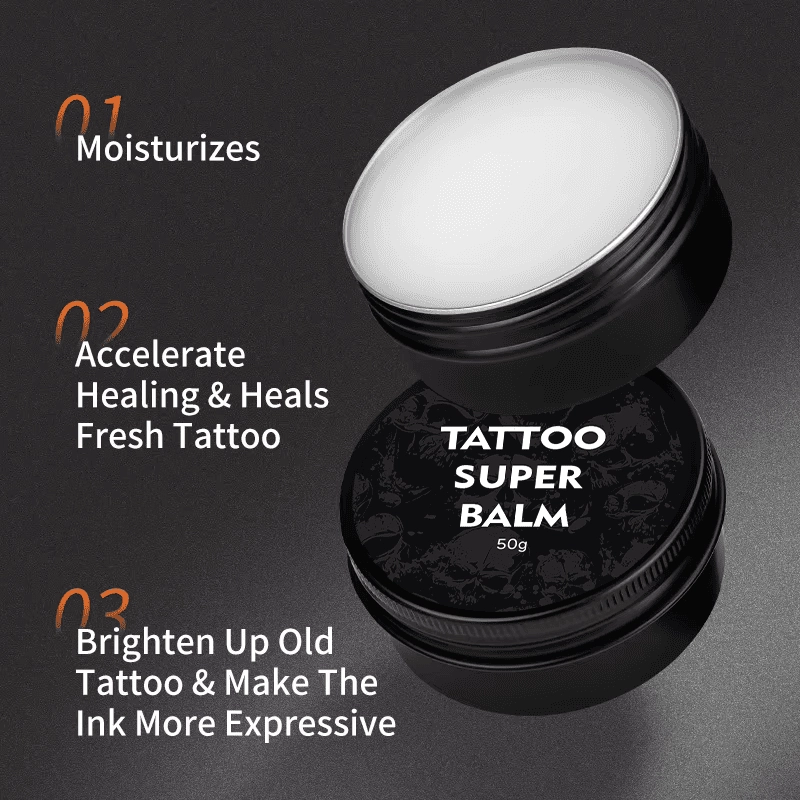
Preventing Fading: Best Practices and Aftercare Creams
Wholesale microblading aftercare balm manufacturer and supplier in 2026
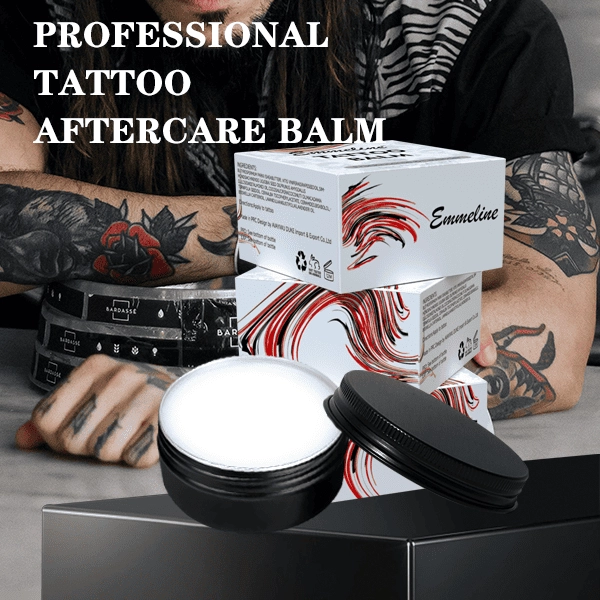
Can Aftercare Creams Help with Tattoo Itch and Scabbing?
Customized service
Can I get samples first for customization?
Yes, we support sample orders. Since your customization is different from regular goods, we may need to produce or process it separately, so we need to charge a corresponding sample fee, which can be refunded when you place a formal order.
250g tattoo cream
How long does the numbing product last?
Different numbing products have different duration of effect. For example, body numbing cream lasts longer than eyebrow numb tattoo cream. For the specific duration, please check the product description or contact us for more details.
After sales support
What do I do if I have missing items in my order?
If you discover any discrepancies in your delivery, such as missing or incorrect items, please contact us via our 'Contact Us' page within 5 days of delivery. Please include your order number, a description of the incorrect item(s), and a photo if possible.We will provide a replacement or issue a refund.
Logistics
When will my order ship?
We ship from our warehouse in Guangzhou, China. The standard order preparing time is typically 5-7 days.
Customization or Production: If the product needs to be customized or produced, the shipping time will depend on the production cycle, which may take 7 days to several weeks.
Eyelash lifting
How long is your production time?
For general orders, we usually complete production in 7-10 days after you confirm the order details and process the deposit. For bulk orders, the production time may be extended to 15-20 days.
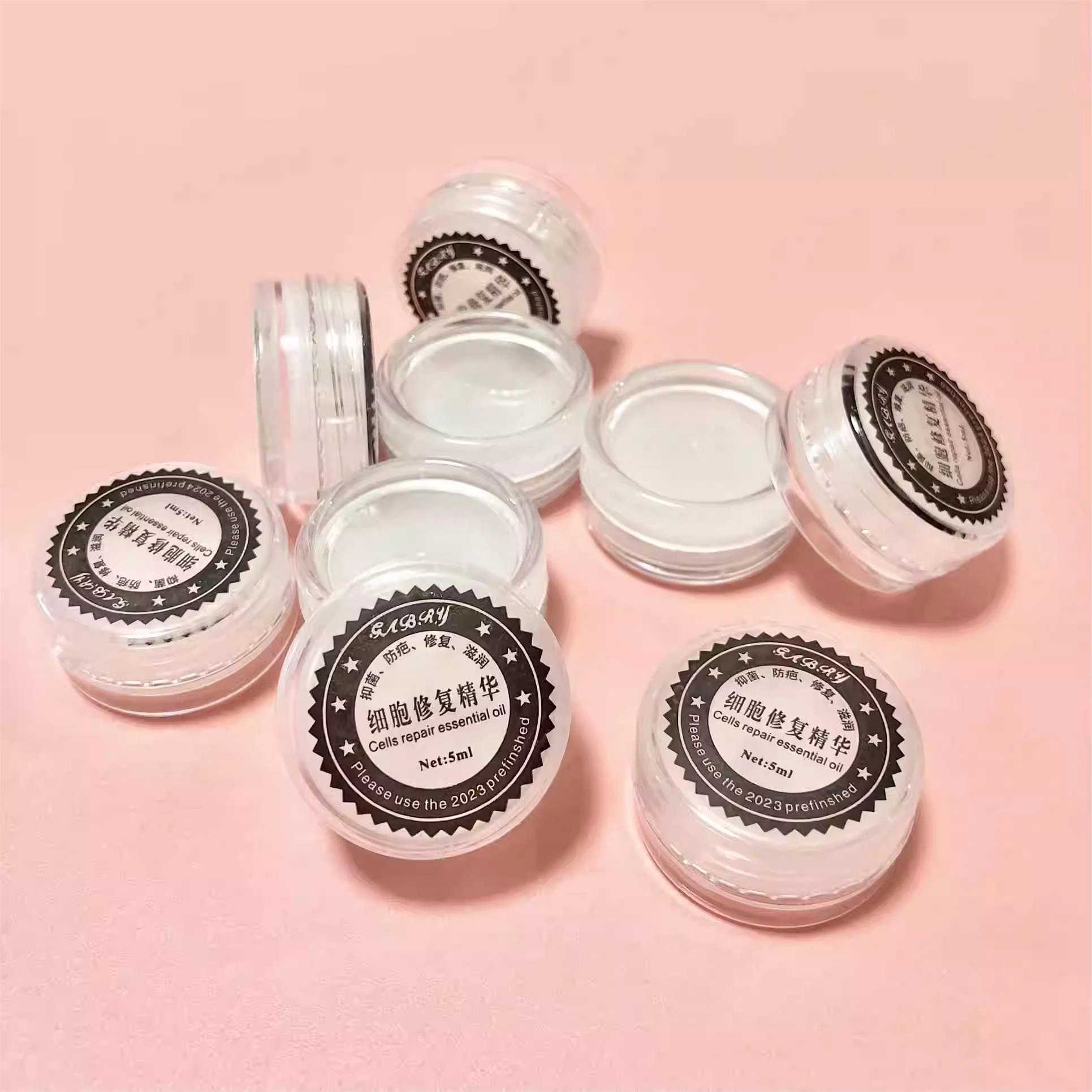
5g Cell Repair Essential Balm

Professional Pre Inked Eye Brow Mapping String 30m
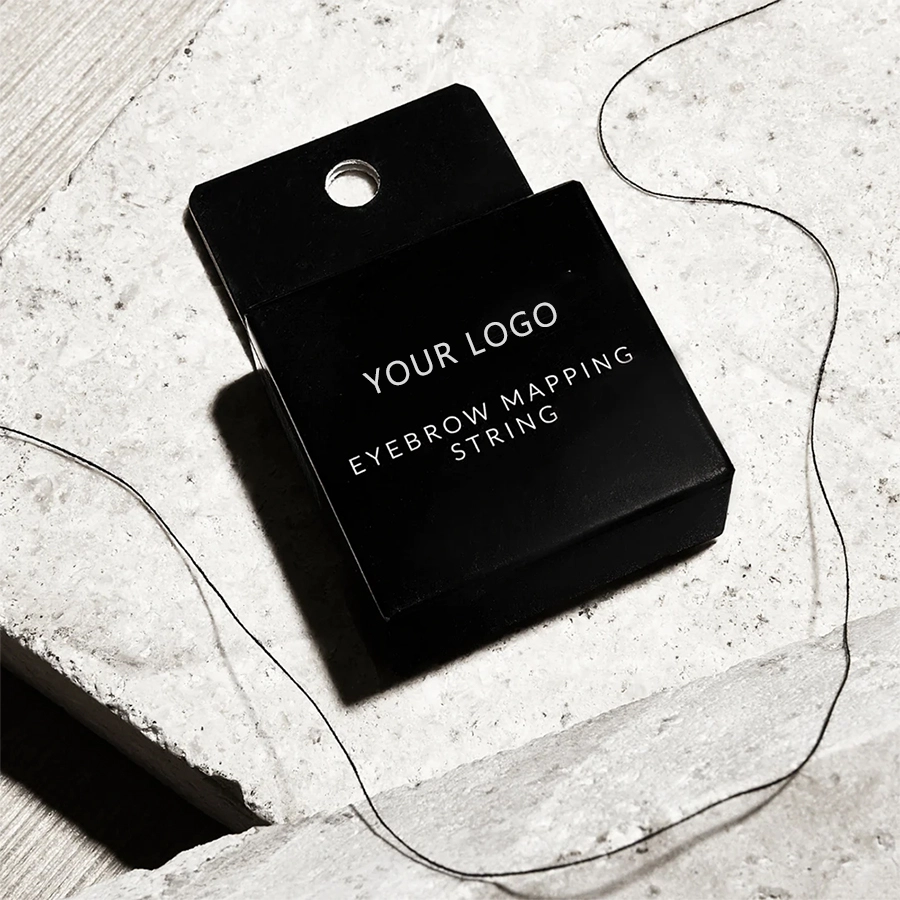
Microblading Pre-inked Mapping String Line 10m

Instagram
Facebook
YouTube