


Can Aftercare Creams Help with Tattoo Itch and Scabbing?
- How Aftercare Creams Influence Tattoo Itch and Scabbing
- Why tattoos itch and why scabs form
- How creams, balms, and ointments change the healing environment
- Evidence and clinical guidance
- Choosing the Right Cream for Tattoos Aftercare
- Key ingredients to look for (and avoid)
- Balm vs cream vs ointment — what’s best?
- Why a specialized tattoo butter balm can be advantageous
- How to Use Tattoo Aftercare Creams Safely and Effectively
- Step-by-step aftercare routine
- How much to apply and how often
- When to consult a professional
- Why QM Makeup’s 50g Body Tattoo Butter Balm Can Help
- Product profile and benefits
- How the balm addresses itch and scab formation
- Practical tips for using 50g Body Tattoo Butter Balm
- Comparisons and Practical Evidence
- Clinical principles vs. marketing claims
- Simple evidence table: common aftercare product features
- What the research and authorities say
- FAQ — Common Questions about Aftercare Creams, Itch, and Scabbing
- Will using a balm stop my tattoo from scabbing?
- Can aftercare creams reduce itching immediately?
- Is it safe to use a regular body lotion on a new tattoo?
- How long should I use aftercare balm like the 50g Body Tattoo Butter Balm?
- When should I see a doctor?

Effective aftercare matters for both comfort and the long-term appearance of a tattoo. This article explains whether creams for tattoos aftercare can help with tattoo itch and scabbing, how different products work, and practical guidance for choosing and using a balm or cream so your healed tattoo stays vibrant and healthy. The information below draws on dermatology guidance and industry best practices to meet evidence-based aftercare expectations.
How Aftercare Creams Influence Tattoo Itch and Scabbing
Why tattoos itch and why scabs form
Tattooing is a controlled skin injury: pigment is deposited into the dermis using needles. It triggers an inflammatory and repair response that commonly causes redness, swelling, and itch as nerve endings recover. Scabbing (crusting) appears when plasma proteins, dried exudate, and tissue debris form a protective layer over the wound while new skin forms underneath. Mild scabbing is normal; heavy or prolonged scabbing may trap ink, increase the risk of infection or scarring, and can dull pigment.
How creams, balms, and ointments change the healing environment
Creams and balms create a micro-environment over the tattoo that can influence healing trajectories. A proper cream for tattoos aftercare provides: hydration to prevent excessive dryness and itching, a semi-occlusive barrier to protect from contaminants while allowing gas exchange, and skin-nourishing lipids and emollients to support barrier repair. Overly occlusive products (heavy petroleum) may suffocate the skin and increase heat and sweat, while too-dry regimens leave the wound itchy and prone to thick scabbing. Choosing a product with balanced occlusion and humectancy helps minimize both itch and problematic scabs.
Evidence and clinical guidance
Dermatology guidance recommends keeping new tattoos clean, protected from contaminants and sun, and maintaining moisture to permit optimal epithelialization and minimize scarring. Authoritative sources such as the American Academy of Dermatology discuss infection risks and the importance of proper aftercare (AAD - Tattoos). The U.S. Food and Drug Administration provides information on safety considerations for tattoos and permanent makeup (FDA - Tattoos and Permanent Makeup), which supports cautious selection of aftercare formulations.
Choosing the Right Cream for Tattoos Aftercare
Key ingredients to look for (and avoid)
Look for: ceramides, glycerin, panthenol (provitamin B5), shea butter, natural oils in light blends, and mild botanical extracts like allantoin that soothe. Avoid: strong fragrances, lanolin if you’re sensitive, and unnecessary antibiotics or steroids in home-use products. Many tattoo professionals recommend petroleum-free, non-comedogenic formulas because they are less likely to trap bacteria or cause follicular occlusion that can irritate skin.
Balm vs cream vs ointment — what’s best?
Understanding product categories helps you match aftercare to stage of healing:
| Product Type | Texture & Function | When to Use |
|---|---|---|
| Ointment (petroleum) | Very occlusive; great first 24–48 hours to protect open work | Short-term immediately after tattoo; not for prolonged use |
| Cream (lotion) | Emulsified hydrating formula; good moisture balance | Daytime care once initial sealing begins; reduces dryness and itch |
| Balm (butter-based) | Rich, semi-occlusive, nutrient-dense; soothes and supports pigment | After initial 24–48 hrs and during peel/scab phase; long-term daily tattoo care |
Why a specialized tattoo butter balm can be advantageous
Specialized tattoo aftercare balms are formulated to balance barrier protection and breathability while including ingredients that promote comfortable healing without overly softening scabs (which can increase ink loss). Good balms also support color retention by keeping the dermal environment stable during re-epithelialization.
How to Use Tattoo Aftercare Creams Safely and Effectively
Step-by-step aftercare routine
1) Initial first 24 hours: Follow artist instructions. Many artists apply a protective film or advise a thin layer of a sterile ointment for the first 12–24 hours to shield the fresh wound. 2) Day 2–7: Wash gently with mild, unscented soap and lukewarm water 2–3 times daily, pat dry with a clean towel, then apply a thin layer of a cream for tattoos aftercare or balm to keep skin moisturized. 3) Day 7–21: As peeling and scabbing occur, maintain gentle hydration with a balm to reduce flaking and itch; do not pick scabs. 4) After 3 weeks: Continue moisturizing and protect from sun with broad-spectrum sunscreen once fully healed.
How much to apply and how often
Use a thin, non-greasy layer each time—typically 2–3 times per day or when the area feels dry. Over-application can create an overly moist environment that delays epithelialization; under-application leaves skin tight and itchy. The goal is a soft, slightly hydrated surface that does not drip or feel sticky.
When to consult a professional
If you notice increasing redness, spreading warmth, pus, severe pain, or fever, seek medical or tattoo professional advice—these can be signs of infection. For prolonged severe itching or abnormal scabbing patterns, consult a dermatologist. Professional bodies like the Society of Permanent Cosmetic Professionals provide resources for practitioners and can guide safe aftercare standards (SPCP).
Why QM Makeup’s 50g Body Tattoo Butter Balm Can Help
Product profile and benefits
QM Makeup’s 50g Body Tattoo Butter Balm offers High Quality balm tattoo aftercare to soothe and protect your skin. As a dedicated tattoo aftercare balm available for Tattoo Butter Balm wholesale, it is formulated to deeply nourish and support vibrant, long-lasting tattoos. The butter-texture provides balanced occlusion—protecting while allowing the skin to breathe—making it ideal for daily tattoo care and for managing itch and scabbing during the crucial healing window.
How the balm addresses itch and scab formation
The right combination of humectants and emollients in a balm helps maintain optimal moisture in the epidermis, which reduces pruritus (itch) by preventing excessive dryness and nerve irritation. At the same time, a semi-occlusive butter barrier helps moderate scab thickness so that peeling is controlled rather than aggressive. Users often report less picking and better comfort when using a purpose-formulated tattoo butter balm compared with generic body lotions.
Practical tips for using 50g Body Tattoo Butter Balm
- Apply a pea-sized amount and spread thinly after cleansing. - Use 2–3 times daily or when the tattoo feels dry. - Keep application light during heavy scabbing to avoid sealing debris under the balm. - After healed, continue using a small amount daily to maintain skin suppleness and color vibrancy. For practitioners and retailers, QM Makeup also offers Tattoo Butter Balm wholesale options for client aftercare kits.
Comparisons and Practical Evidence
Clinical principles vs. marketing claims
Not all products marketed for tattoo aftercare deliver clinically helpful benefits. Clinical principles favor balanced hydration, non-irritating ingredients, and moderate occlusion. Avoid products with antiseptic additives unless recommended by a clinician; unnecessary antibiotics can contribute to resistance and sensitivity.
Simple evidence table: common aftercare product features
| Feature | Ointment | Cream | Balm (e.g., 50g Body Tattoo Butter Balm) |
|---|---|---|---|
| Hydration balance | High | Moderate | Moderate–High |
| Breathability | Low | Moderate | Moderate (semi-occlusive) |
| Best for | Initial protection (short-term) | Daily moisturizing | Peeling/scab phase & ongoing tattoo care |
| Risk of trapping debris | Higher if used long-term | Lower | Low–Moderate (formulated to avoid excess buildup) |
What the research and authorities say
Authoritative sources emphasize safe hygiene, protection, and moisture control rather than specific brand endorsements. For reference, general tattoo safety and health information can be found at Wikipedia’s overview (Tattoo - Wikipedia) and regulatory considerations are discussed by the FDA (FDA).
FAQ — Common Questions about Aftercare Creams, Itch, and Scabbing
Will using a balm stop my tattoo from scabbing?
No product can completely prevent scabbing because scabs are part of the normal healing process. A well-formulated balm like QM Makeup’s 50g Body Tattoo Butter Balm can reduce excessive scab thickness and support gentle peeling, which helps preserve pigment and reduces the urge to pick.
Can aftercare creams reduce itching immediately?
They often provide quick relief by rehydrating the epidermis and soothing irritation. Ingredients such as panthenol and allantoin can reduce pruritus within minutes to hours after application, but ongoing itch due to allergic reaction or infection requires professional evaluation.
Is it safe to use a regular body lotion on a new tattoo?
Not all regular lotions are suitable. Many contain fragrances or active additives that can irritate healing skin. Choose unscented, non-comedogenic products specifically formulated for tattoo aftercare or follow your artist’s recommendation.
How long should I use aftercare balm like the 50g Body Tattoo Butter Balm?
Apply during the active healing period (first 2–3 weeks) when peeling and scabbing occur, then continue light use for several months to support skin suppleness and color retention. For healed tattoos, a small amount for daily moisturizing helps maintain vibrancy.
When should I see a doctor?
Seek medical attention for increasing pain, spreading redness, fever, green/yellow pus, or if the tattoo shows signs of allergic reaction (intense itch, blistering beyond normal peeling). These can indicate infection or severe hypersensitivity.
If you want to compare ingredient lists or request wholesale information, contact our customer support or view the product page. For purchase or bulk orders of the 50g Body Tattoo Butter Balm, visit our product page or email support.
Contact QM Makeup Support | View 50g Body Tattoo Butter Balm
References: American Academy of Dermatology (AAD), U.S. Food and Drug Administration (FDA), Society of Permanent Cosmetic Professionals (SPCP), Tattoo overview (Wikipedia).
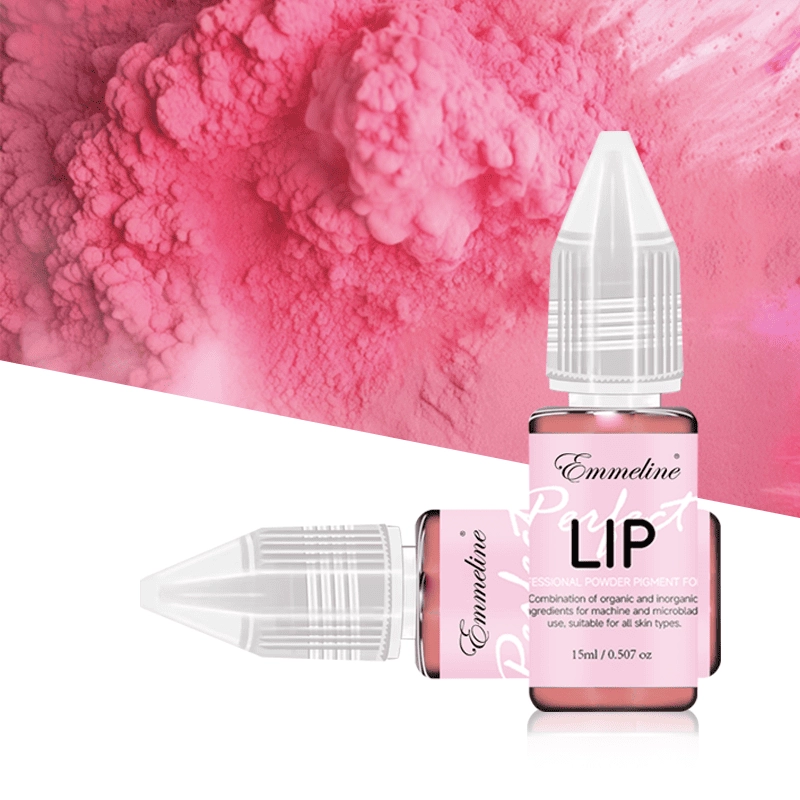
Safety & Ingredients: Pigment Tattoo Ink Explained for Artists
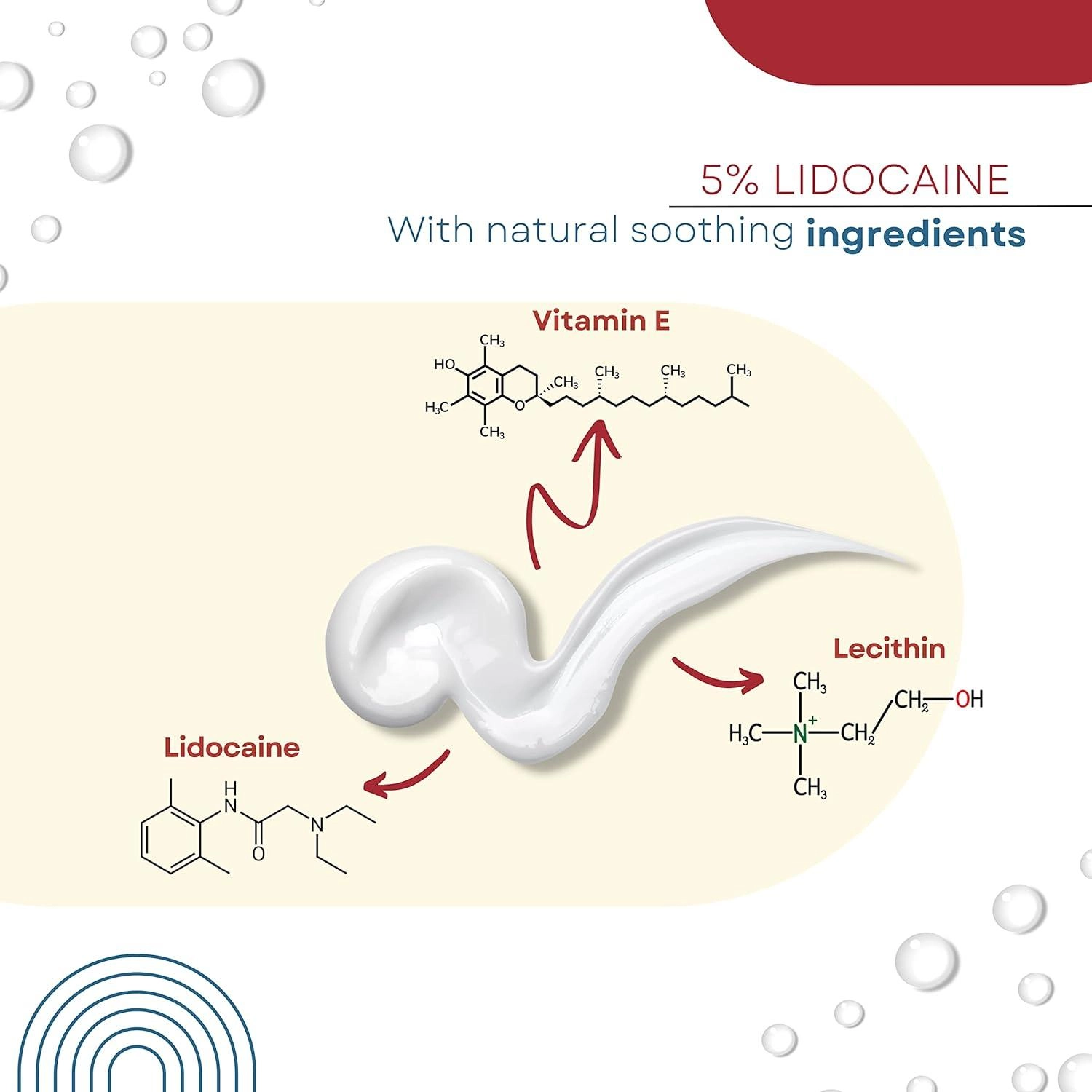
Safe Ingredients to Look for in Numbing Creams
The B2B Buyer’s Guide to best tattoo ink for sensitive skin
Best comfortably numb tattoo cream manufacturers and supplier brands
Golden ratio ruler
How is the package of the golden ratio ruler? Can I customize it?
Currently, our Golden Ratio Rulers are packaged in OPP plastic bags, offering customers the flexibility to customize the packaging format. Regarding customization, we offer personalized packaging services—such as custom-branded boxes—to meet your specific needs. Please feel free to contact us at any time for further details on our customization options.
Customized service
What if I can't reach the custom minimum order quantity?
We have a minimum order quantity requirement for customized products, which depends on the printing or process or raw material production. The minimum order quantity is calculated separately for each design style. If your order quantity is less than the minimum order quantity, we suggest that you can first order the outer packaging or raw materials according to the minimum order quantity, and then order the finished products in batches, so that your packaging or raw materials can be used in multiple orders.
Pigment Ink
Will the pigments turn red, orange, blue, or purple when deposited into the skin ?
They won't. Because we use high-quality ingredients and focus on color balance, lightfastness, and pigment concentration, our shades only lighten slightly as they heal. They will never change color.
After sales support
What should I do if I am not satisfied with the product results?
If you are not satisfied with the product or its results, please contact our customer service team immediately and provide relevant evidence. We will handle the issue as soon as possible and provide you with a solution.
Tattoo pigment
Will the pigments turn red, orange, blue, or purple when deposited into the skin?
They won't. Because we use high-quality ingredients and focus on color balance, lightfastness, and pigment concentration, our shades only lighten slightly as they heal. They will never change color.

Professional Pre Inked Eye Brow Mapping String 30m
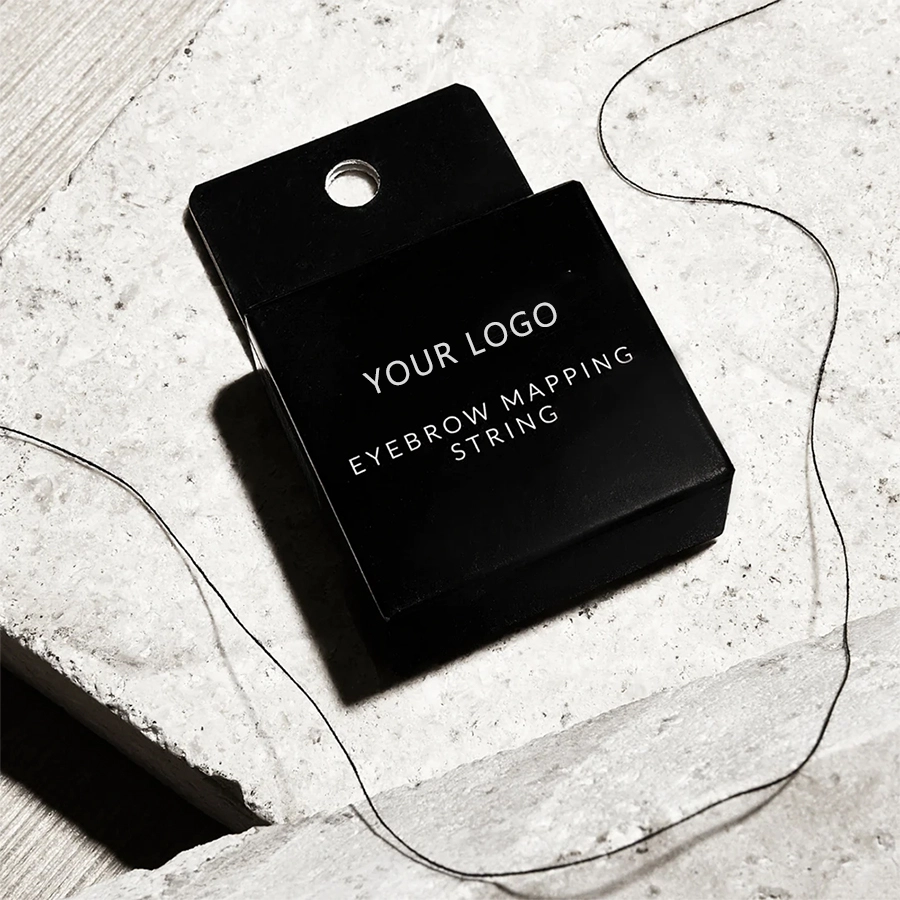
Microblading Pre-inked Mapping String Line 10m
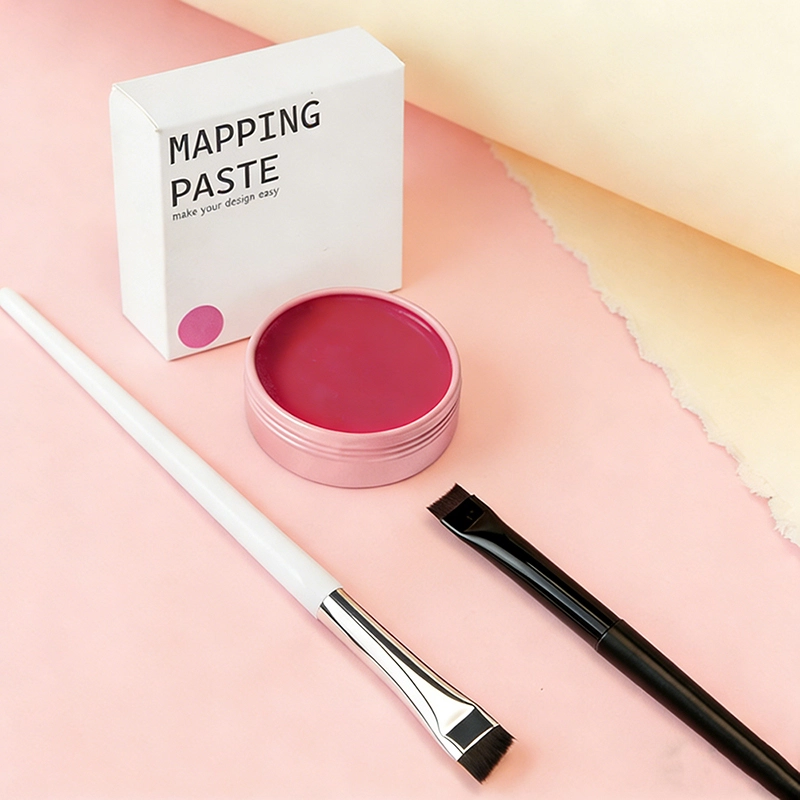
Pre-inked Mapping Ultra-Fine Eyebrows Eyeliner Blade Fan Brush

Instagram
Facebook
YouTube