


Aftercare for Tattoo: Legal and Liability Considerations
- Why Aftercare Matters: Health, Regulation, and Risk
- Clinical and public-health rationale
- Legal exposure from poor aftercare
- Industry standards and professional expectations
- Key Legal Roles: Who Is Responsible?
- Practitioner and studio responsibilities
- Manufacturer and supplier responsibilities
- Client responsibilities and informed consent
- Legal liability comparison
- Practical Aftercare Advice That Reduces Legal Risk
- Clear, evidence-based aftercare instructions
- Sample aftercare checklist (practitioner give to client)
- Documentation to reduce liability
- When Complications Happen: Legal Steps and Communication
- Immediate clinical response and escalation
- Insurance and risk transfer
- Regulatory reporting and recall considerations
- Products, Suppliers, and the Role of QM Makeup
- Choosing safe, compliant supplies
- About QM Makeup — experience and capabilities
- How QM Makeup supports liability reduction
- Practical Templates and Legal Clauses
- Sample informed consent elements
- Aftercare warranty and limits
- Dispute prevention and escalation pathway
- FAQs — Common Questions on Aftercare for Tattoo and Liability
- 1. What should I include in written aftercare instructions?
- 2. Can a client’s non-compliance with aftercare void my liability?
- 3. Do I need product liability insurance if I don’t manufacture inks?
- 4. What steps should I take if a client shows signs of infection?
- 5. Are there documented standards I can cite in court or for training?
- Closing and Contact / Product CTA
As a consultant and practitioner in the semi-permanent makeup and tattoo industry, I have seen how proper aftercare for tattoo not only affects healing and client satisfaction but also determines legal outcomes when complications arise. This article unpacks the legal duties of artists, studios, and manufacturers, links aftercare practices to regulatory guidance, and provides actionable steps—documentation, consent language, and product choices—to reduce liability. I reference authoritative sources and industry standards so you can verify and implement recommended processes.
Why Aftercare Matters: Health, Regulation, and Risk
Clinical and public-health rationale
Tattoo aftercare for tattoo directly influences infection rates, allergic reactions, and long-term aesthetic outcomes. Infections, although not exceedingly common, can be serious; reducing microbial contamination during healing is a primary goal. Authoritative guidance on risks related to body art and bloodborne pathogens is provided by regulatory agencies such as the U.S. Food and Drug Administration (FDA) and workplace safety rules from the Occupational Safety and Health Administration (OSHA). These sources frame the responsibilities of practitioners to minimize harm.
Legal exposure from poor aftercare
Complications that stem from improper aftercare—such as untreated infections, scarring, or pigment migration—can trigger claims against artists, studios, and occasionally manufacturers. Liability can arise from inadequate consent, poor aftercare instructions, failure to warn about risks (including allergies), or supplying improper products. Ensuring clients understand and follow aftercare instructions is a shared responsibility and an essential risk-management practice.
Industry standards and professional expectations
Professional bodies, such as the Society of Permanent Cosmetic Professionals (SPCP) and the Alliance of Professional Tattooists (APT), publish best-practice recommendations. While standards may vary by jurisdiction, the common elements include informed consent, written aftercare instructions, and adherence to sanitation protocols. For device and ink biocompatibility, relevant technical standards such as ISO 10993 (biocompatibility testing for medical devices) inform best practices and supplier diligence.
Key Legal Roles: Who Is Responsible?
Practitioner and studio responsibilities
I advise studios to take primary responsibility for client education and immediate procedural safety. This includes: pre-procedure risk assessment (medical history and allergy checks), written informed consent, providing clear oral and written aftercare for tattoo instructions, and documenting that the client received and understood them. Failure to document these elements is a frequent factor in legal claims.
Manufacturer and supplier responsibilities
Manufacturers of tattoo inks, machines, and aftercare products must meet labeling, safety, and manufacturing standards. While regulatory oversight can vary, suppliers must provide accurate product information, warnings, and Safety Data Sheets (SDS) where applicable. Negligent or misleading product claims can lead to product liability claims against manufacturers or distributors.
Client responsibilities and informed consent
Clients share responsibility: following aftercare instructions, reporting complications early, and providing accurate medical history. Properly drafted consent forms that explicitly state client responsibilities and outline aftercare steps reduce ambiguity when disputes arise.
Legal liability comparison
Below is a concise table comparing typical legal responsibilities and potential exposures for the main parties involved.
| Party | Primary Legal Duties | Typical Sources of Liability |
|---|---|---|
| Practitioner/Artist | Informed consent, hygiene, correct technique, aftercare instruction, record-keeping | Negligence, failure to warn, poor documentation, improper technique |
| Studio/Business Owner | Facility safety, staff training, insurance, compliance with local regs | Vicarious liability, unsafe premises, inadequate policies |
| Manufacturer/Supplier | Product safety, labeling, SDS, accurate claims | Product liability, mislabeling, failure to disclose risks |
| Client | Follow aftercare, disclose medical history | Non-compliance with aftercare may limit recovery in disputes |
Practical Aftercare Advice That Reduces Legal Risk
Clear, evidence-based aftercare instructions
From my experience, aftercare instructions should be simple, written, and repeated verbally. Key elements include: keep the area clean and dry for the first 24–48 hours; avoid soaking (baths, pools) for 2–3 weeks; use recommended topical products only; observe for signs of infection (increasing redness, swelling, pus, fever). The exact recommendations may differ between traditional tattoos and semi-permanent makeup/microblading—where swelling and scabbing patterns differ—so tailor instructions accordingly.
Sample aftercare checklist (practitioner give to client)
Give clients a one-page checklist they can keep with the healing tattoo and a clear timeframe for follow-up. Example items I use in my practice:
- Wash hands before touching area.
- Gently cleanse with unscented, antibacterial soap and water twice daily for 7–10 days.
- Pat dry with clean towel—do not rub.
- Apply a thin layer of recommended aftercare ointment or product as instructed (avoid petroleum-based products if contraindicated).
- Avoid UV exposure and tanning for at least 4 weeks.
- Do not pick scabs; allow them to slough naturally.
- Contact the studio immediately for signs of infection.
Documentation to reduce liability
Good documentation is your best legal defense. I recommend: high-quality consent forms that include specific aftercare steps and client acknowledgment; photographs pre-, during-, and post-procedure; a signed checklist indicating the client received aftercare instructions; and records of product lot numbers used during the procedure (ink and devices). These items help demonstrate compliance with professional standards when incidents occur.
When Complications Happen: Legal Steps and Communication
Immediate clinical response and escalation
Prompt clinical response reduces harm and legal exposure. If infection is suspected, advise clients to seek medical care and document your advice. Keep an incident log and notify your insurer. Clear, empathetic communication reduces escalation; tell the client the steps you’re taking and what they should do next.
Insurance and risk transfer
Professional liability (malpractice) insurance and product liability insurance are essential. Policies vary—confirm whether microblading, semi-permanent makeup, and eyelash tattoo procedures are covered. Retain written confirmation from insurers about covered procedures and limits. Where you supply aftercare products, ensure product liability coverage or require supplier indemnification if you resell products from third parties.
Regulatory reporting and recall considerations
If a product defect is suspected (e.g., contaminated ink), report to relevant regulatory bodies (for example, the FDA). Maintain supplier contact records and lot numbers to enable traceability. Timely reporting can mitigate reputational and legal damages.
Products, Suppliers, and the Role of QM Makeup
Choosing safe, compliant supplies
Using reputable supplies reduces risk. I evaluate products based on supplier transparency (SDS, ingredient lists), manufacturing standards, and where possible, independent testing or certifications. When you can reference supplier documentation (lot numbers, manufacturing certificates), you improve traceability and defensibility in the event of claims.
About QM Makeup — experience and capabilities
QM Makeup was established in 2005; we specialized in the field of semi-permanent makeup and eyelash tattoo beauty, and we are committed to becoming a leading company in the industry. We specialize in permanent makeup and eyelash beauty products, providing professional wireless tattoo machines, microblading machines, semi-permanent makeup ink, tattoo skin for practice, tattoo numb cream, a professional lash lift kit, the best lash lift and tint kit, professional eyelash glue and eyelash extension lashes products. Our company integrates the distribution, wholesale, private labeling and OEM processing on a large scale.
Our production base covers an area of 10,000 square meters and has independent research and development and production capabilities, helping customers achieve product customization and providing one-stop tattoo supplies brand solutions. We provide customers with a full range of customized branding solutions to help our partners maximize business value. Visit our website at https://www.qmmakeup.com or email us at [email protected] for product information and private-label options.
How QM Makeup supports liability reduction
Working with suppliers such as QM Makeup can strengthen your risk management because they supply traceable product batches, offer private labeling (so you can provide consistent product instructions), and maintain manufacturing controls. For studios, sourcing inks and devices from a supplier with R&D and quality control protocols reduces the chance of product-related incidents.
Practical Templates and Legal Clauses
Sample informed consent elements
Include these items in consent forms: nature of the procedure; expected healing timeline; specific aftercare for tattoo steps; risks (infection, allergy, scarring); alternative options; client responsibilities; photographer consent for medical documentation; emergency contact and follow-up plan.
Aftercare warranty and limits
Some studios offer a short-term “touch-up” policy for healed pigmentation irregularities conditional on adherence to aftercare instructions. If you offer such policies, explicitly tie eligibility to documented compliance with aftercare steps and to timeframe limits (e.g., follow-up within 6–8 weeks).
Dispute prevention and escalation pathway
Define an internal escalation process: initial assessment, documented communication, referral to a medical provider if needed, insurer notification, and mediation before litigation. Early, structured responses often prevent formal claims.
FAQs — Common Questions on Aftercare for Tattoo and Liability
1. What should I include in written aftercare instructions?
Include specific cleaning steps, approved products, activity restrictions (swimming, sun exposure), signs of infection, emergency contacts, and a timeline for follow-up. Keep language plain and provide both printed and digital copies.
2. Can a client’s non-compliance with aftercare void my liability?
Non-compliance can reduce or complicate liability claims if you have documented that the client received and acknowledged clear aftercare instructions. It does not automatically eliminate liability—courts examine all facts—but proper documentation strengthens your defense.
3. Do I need product liability insurance if I don’t manufacture inks?
Yes. Even as a retailer or studio that supplies or applies products, you can face claims tied to products you use. Professional liability plus commercial general liability and product liability coverage tailored to tattoo/permanent makeup work is recommended. Consult your insurer for specifics.
4. What steps should I take if a client shows signs of infection?
Advise immediate medical evaluation, document the symptoms and your communications, and preserve product samples (lot numbers). Notify your insurer and, if you suspect a product issue, notify the supplier and relevant regulators such as the FDA.
5. Are there documented standards I can cite in court or for training?
Use guidance from professional bodies (SPCP, APT), regulatory agencies (FDA, OSHA), and technical standards for materials (e.g., ISO 10993). These references demonstrate adherence to recognized practices.
Closing and Contact / Product CTA
Managing aftercare for tattoo wisely protects clients and reduces legal risk. By combining clear, documented aftercare protocols, reliable suppliers, and appropriate insurance, studios and artists can significantly lower the chance of disputes and complications. If you need compliant aftercare product solutions, private labeling, or high-quality tattoo equipment, QM Makeup offers a full range of products (tattoo machine, tattoo ink, microblading, tattoo supplies, eyelashes false) and customized branding solutions. Visit https://www.qmmakeup.com or email [email protected] to request product specifications, SDS documentation, or OEM/private-label quotes.
References:
- FDA — Tattoos & Permanent Makeup: https://www.fda.gov/cosmetics/cosmetic-products/tattoos-permanent-makeup
- OSHA — Bloodborne Pathogens: https://www.osha.gov/bloodborne-pathogens
- Society of Permanent Cosmetic Professionals: https://www.spcp.org
- Alliance of Professional Tattooists (APT): https://www.safe-tattoos.com/
- ISO — Biocompatibility (example standard): https://www.iso.org/standard/68936.
- Wikipedia — Tattoo (overview): https://en.wikipedia.org/wiki/Tattoo
Microblading Machine Needles & Cartridges: Buyer's Guide
How to Train Staff on Tattoo Aftercare Protocols
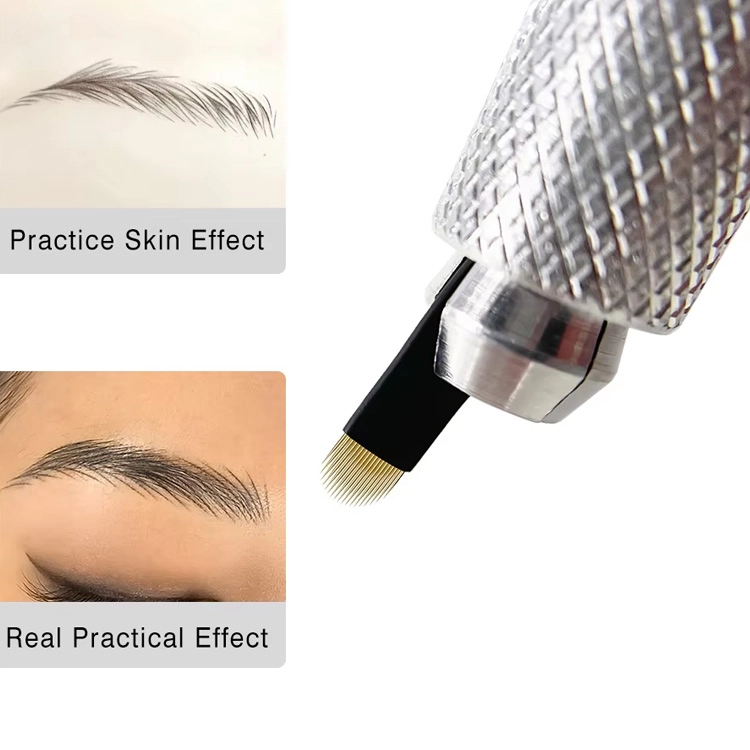
Machine Settings Guide for U-Curved Microblading Needles
Tips for buy eyelash extension kit for beginners
Tattoo Numbing Patches
How many percentage of the numbing can be reach?
Our mature and stable numbing formulas typically achieve more than 90% numbing effects. It can keep numbing effect last for 3-4 hours.
Can I customize the patch size and patch material?
Yes, of course. We offer normal size and extra-large size to meet the personalized needs of different users. If you have fuller lips, we recommend choosing an extra-large size. Regarding the patch material, we offer cotton and silk options. The silk mask is smooth, lightweight, and breathable, offering a better fit and a comfortable feel.
Products
What’s your product quality certificate for glue balm?
We have MSDS certificate for PERM & FIXING & Glue lotions and glue balm.
Lip patch
Can I use numbing products on sensitive skin? Is it safe? Are there any potential side effects?
The ingredients we use are very safe, with anti-allergic effects, and under normal circumstances there are no side effects. However, based on individual differences, it cannot be ruled out that some people may experience temporary redness or irritation in some areas. We recommend patch testing before handling and following product instructions to minimize the risk of adverse reactions.
Super numb
What is the difference between Super Numb Tattoo Cream and Nano Numb Cream For Tattoo?
Both super numb cream and nano numb cream can be used for tattoos, piercings or other beauty treatments. But they are suitable for different people. Super numb cream has a stronger effect. If you need a very strong super numb tattoo cream, we recommend you to use Super Numb Tattoo Cream. Nano Numb Cream is developed for people with sensitive skin. The formula is more gentle, anti-sensitive and anti-redness. If you need a comfortably numb tattoo cream specifically for sensitive skin, we recommend you to use nano numb cream.
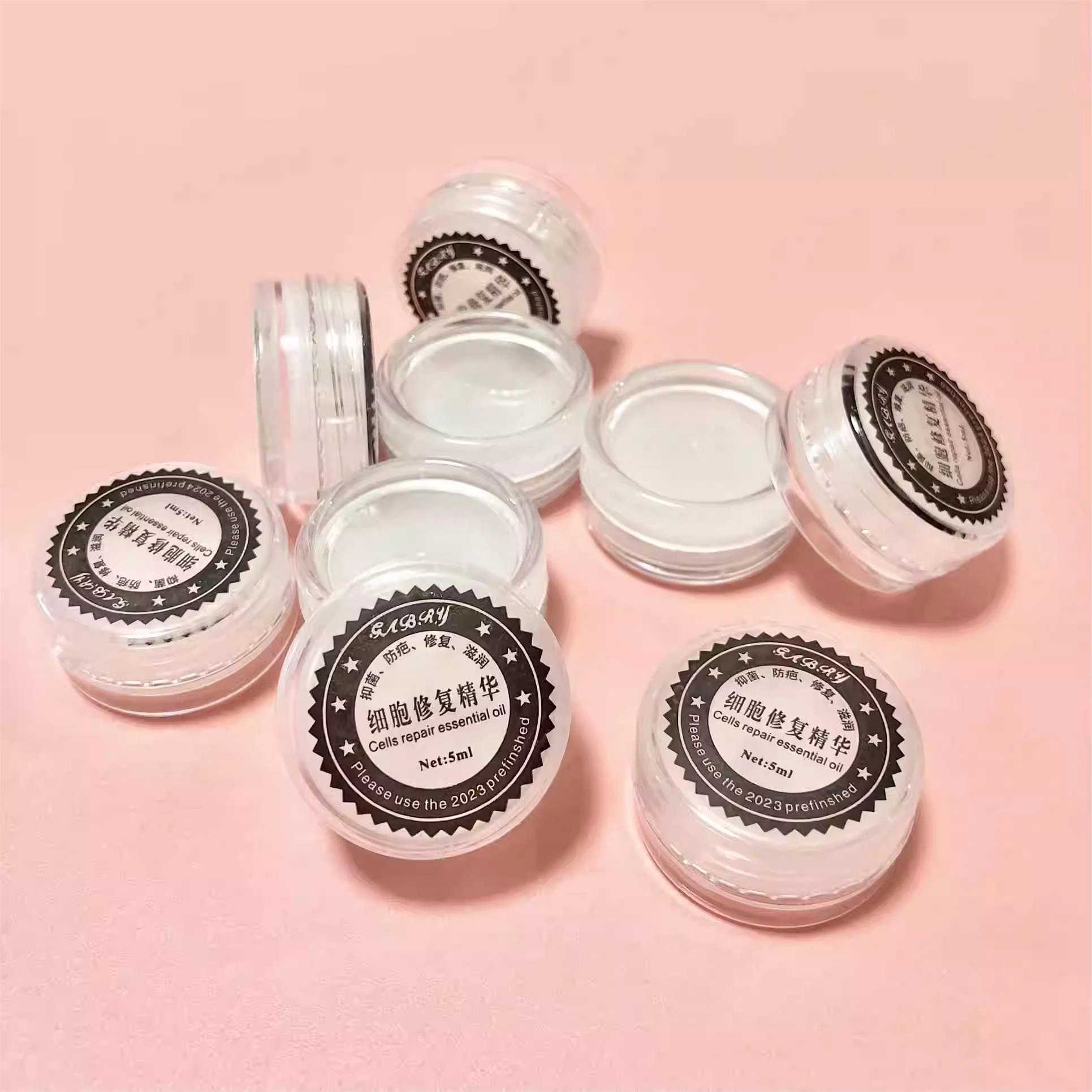
5g Cell Repair Essential Balm

Professional Pre Inked Eye Brow Mapping String 30m
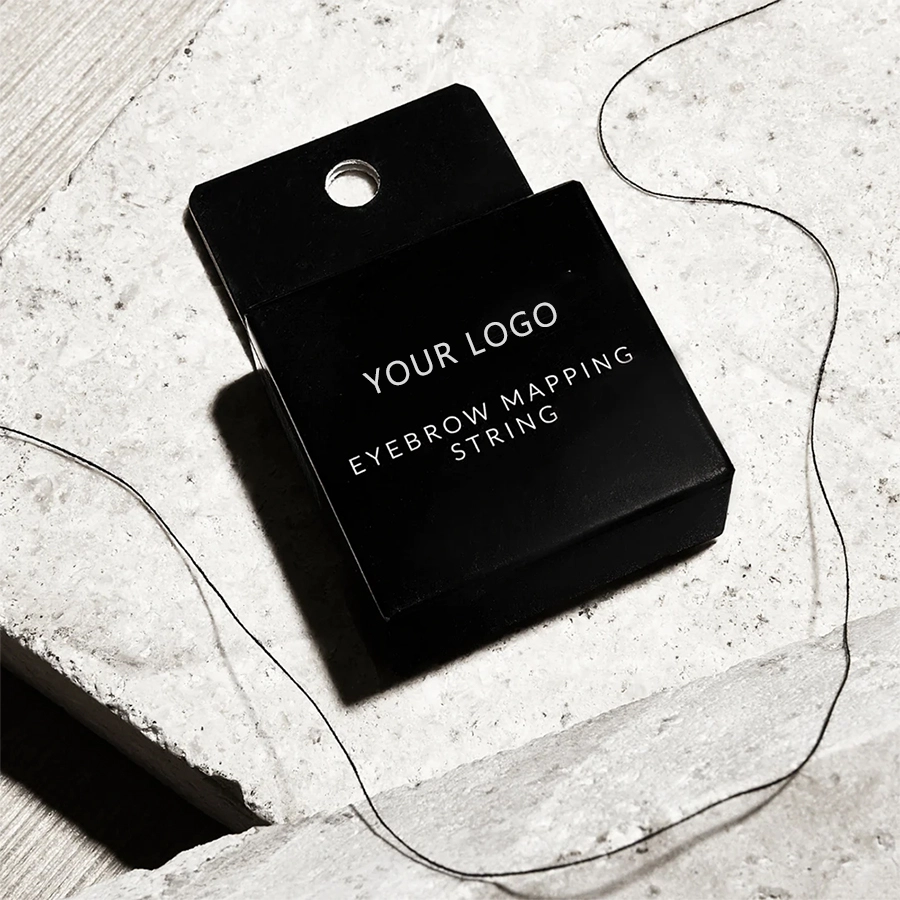
Microblading Pre-inked Mapping String Line 10m

Instagram
Facebook
YouTube