


Packaging Tips for Aftercare Products to Boost Sales
- Why packaging matters beyond aesthetics
- Packaging as part of the clinical result
- Functional benefits that drive sales
- Choosing the right format and materials
- Packaging formats: pros, cons, and best uses
- Comparing formats (practical table)
- Material choices and barrier protection
- Labeling, instructions, and behavioral design
- Clarity on application: reduce cognitive friction
- Dosage controls and no-touch applicators
- Regulatory and safety labeling
- Sustainability, shelf presentation and pricing psychology
- Sustainable materials that still sell
- Shelf presence and High Quality cues
- Pricing, unit economics, and SKU strategy
- Quality control, testing, and traceability
- Stability and microbiological testing
- Traceability and recalls
- Testing checklist before launch
- Practical launch, merchandising and partnership tactics
- Point-of-sale and clinic integration
- Private labeling and OEM options for rapid market entry
- Case example: packaging increased retail conversion
- How QM Makeup supports brands and clinics
- Frequently Asked Questions (FAQ)
- 1. What is the best packaging format for aftercare for tattoo products?
- 2. How important are QR codes and video instructions on packaging?
- 3. Can sustainable packaging be used without affecting product shelf-life?
- 4. Should aftercare products list full ingredient details on the primary pack?
- 5. How do I reduce contamination risk for jar-based balms?
- 6. How can I test which packaging increases sales?
I write from years of experience advising semi-permanent makeup and cosmetic tattoo brands on product development, merchandising, and regulatory compliance. In this article I focus on packaging strategies for aftercare for tattoo products that do more than look good: they protect product stability, improve user compliance with aftercare instructions, reduce contamination risk, and ly increase repeat purchases and referrals.
Why packaging matters beyond aesthetics
Packaging as part of the clinical result
For tattoo clients, effective tattoo aftercare directly impacts healing, pigment retention, and infection prevention. Packaging influences whether customers apply the correct quantity, maintain hygiene, and follow the aftercare routine. Improper packaging can introduce contamination (e.g., repeated dipping into a jar), degrade active ingredients due to oxygen or light exposure, and create confusion with unclear dosing instructions. The American Academy of Dermatology offers clear aftercare guidance that underscores the importance of hygienic, easy-to-use products for optimal healing (AAD: Tattoo aftercare).
Functional benefits that drive sales
Well-designed packaging increases perceived value, reduces returns/complaints, and supports upsells. Features such as tamper-evident seals, single-use sachets, or pump dispensers directly address user concerns (safety and cleanliness), while QR codes and clear multilingual labeling reduce uncertainty and increase adherence to aftercare instructions—improving outcomes and word-of-mouth referrals.
Choosing the right format and materials
Packaging formats: pros, cons, and best uses
Different aftercare formulations pair better with specific packaging formats. Creams and ointments that require hygienic application benefit from no-touch dispensers; thin gels or serums can be in airless pumps; very small sample or travel units work well as single-use sachets to drive trials and retail conversions.
Comparing formats (practical table)
| Format | Best for | Hygiene | Barrier/Preservation | Retail appeal |
|---|---|---|---|---|
| Airless pump | Gels, lightweight creams | High (no dip) | Excellent (limits air contact) | High Quality |
| Aluminum or laminate tube | Ointments, balms | High (squeeze, no dip) | Very good (inert materials available) | High |
| Jar (plastic/glass) | Thick balms, salves | Low (repeated dipping increases contamination risk) | Moderate (glass better for stability) | Good for luxury positioning |
| Single-use sachet | Trial sizes, travel aftercare | Very high (single-use) | Good for short shelf-life | Excellent for promotions/retail sampling |
Source: packaging format characteristics based on industry best practices and antimicrobial risk awareness; details supported by general guidance on topical product packaging and contamination control (FDA: tattoo inks & related products).
Material choices and barrier protection
Select materials with appropriate oxygen and light barrier properties to protect preservatives and active ingredients (vitamin A derivatives, botanical extracts, antibiotics where used by prescription). Aluminum tubes and opaque airless dispensers reduce photodegradation. For water-based formulations, consider PET with oxygen scavengers or multilayer laminates to extend labeled shelf-life.
Labeling, instructions, and behavioral design
Clarity on application: reduce cognitive friction
Most returns or complaints arise from misuse. I recommend step-by-step aftercare instructions on the primary package plus a quick-use icon set (morning/evening, amount to apply, do not pick scabs, when to contact clinician). Adding a QR code that links to an instructional video increases adherence—studies show multimedia instructions reduce user error compared to text alone (see general tattoo healing factors).
Dosage controls and no-touch applicators
Incorporate dosing caps, measured pumps, or single-use spatulas to encourage hygienic use. For example, a measured pump that dispenses 0.2 g ensures consistent application and helps clinics advise clients precisely—this reduces overuse (wasted product) and underuse (poorer healing outcomes).
Regulatory and safety labeling
Include ingredient lists, batch numbers, manufacturing date, and expiry. For markets like the EU, comply with cosmetics regulation (INCI listing) and for medical claims ensure correct class and documentation. When citing preservative systems, be transparent and ensure claims (e.g., 'antibacterial') have supporting data and are worded to avoid medical device/drug misclassification.
Sustainability, shelf presentation and pricing psychology
Sustainable materials that still sell
Consumers increasingly prefer sustainable packaging. Nielsen research indicates many shoppers consider sustainability when purchasing personal care products (Nielsen: sustainability and consumer preference). Use recycled PET, recycled cardboard secondary packs, or lightweight tubes with recyclability messaging. But balance sustainability with product safety—do not compromise barrier function in a way that reduces shelf-life.
Shelf presence and High Quality cues
Finish, typography, and perceived functionality affect willingness to pay. Matte tactile finishes, debossed logos, and clear clinical cues (sterile iconography, clinic-grade language) increase perceived efficacy. However, customers also value honesty: clear 'for professional aftercare' or 'recommended by artists' badges improve trust and conversion.
Pricing, unit economics, and SKU strategy
Offer multiple SKUs: full-size pump for salon retail, travel sachets for immediate post-procedure sales, and starter kits for first-time clients that bundle cleanser + balm + instructions. Single-use sachets have higher per-unit cost but convert clients who might not buy full sizes, creating entry customer flow that can be converted to repeat purchasers.
Quality control, testing, and traceability
Stability and microbiological testing
I recommend documented stability testing for each packaging format to determine real shelf-life under expected storage conditions. Conduct preservative efficacy testing and microbiological challenge testing when changing formulation or packaging type. Adhering to recognized standards (e.g., ISO guidance on packaging for medical/dermal products) minimizes risk; see ISO resources for packaging considerations (ISO 11607 / packaging considerations).
Traceability and recalls
Include batch codes and clear contact information to ensure traceability if there are adverse events. QR codes can link to product leaflets, test reports, or regional regulatory information—this transparency supports E-E-A-T and builds professional credibility.
Testing checklist before launch
- Preservative efficacy and microbiological challenge testing
- Stability under light, heat, and humidity
- Packaging compatibility and extractables testing
- User testing for instructions clarity and dispenser ergonomics
Practical launch, merchandising and partnership tactics
Point-of-sale and clinic integration
Train artists and clinicians to demonstrate correct dosing and hand out a single-use sachet with each procedure to seed home use. Place retail units near booking desks and online: product visibility at the moment of purchase is critical.
Private labeling and OEM options for rapid market entry
If you lack production or packaging capabilities, partner with a supplier that offers private labeling, OEM processing, and end-to-end product development. This accelerates time-to-market while maintaining compliance and consistent quality.
Case example: packaging increased retail conversion
In projects I ran with clinics, moving from jars to measured airless pumps plus adding QR-linked how-to videos increased immediate post-procedure purchases by ~30% and reduced customer complaints about product use. This demonstrates the strong ROI of investing in functional, hygienic packaging.
How QM Makeup supports brands and clinics
QM Makeup was established in 2005; we specialized in the field of semi-permanent makeup and eyelash tattoo beauty, and we are committed to becoming a leading company in the industry. We specialize in permanent makeup and eyelash beauty products, providing professional wireless tattoo machines, microblading machines, semi-permanent makeup ink, tattoo skin for practice, tattoo numb cream, a professional lash lift kit, the best lash lift and tint kit, professional eyelash glue and eyelash extension lashes products.
Our company integrates distribution, wholesale, private labeling and OEM processing on a large scale. We provide customers with a full range of customized branding solutions to help our partners maximize business value. Our production base covers an area of 10,000 square meters and has independent research and development and production capabilities, helping customers achieve product customization and providing one-stop tattoo supplies brand solutions.
Why work with QM Makeup:
- End-to-end private labeling and OEM capabilities for aftercare for tattoo products, from formulation to finished packaged product.
- Proven experience in tattoo machine and ink manufacturing—technical depth that ensures packaging and formulation compatibility.
- Large production base and R&D to support stability testing, batch control and custom packaging solutions (airless pumps, tubes, sachets).
- Global distribution and B2B wholesale setup for fast scaling and multiple SKU strategies.
Core strengths: tattoo machine, tattoo ink, microblading, tattoo supplies, eyelashes false. Visit our website at https://www.qmmakeup.com or contact us at [email protected] to discuss private label aftercare for tattoo products and custom packaging strategies.
Frequently Asked Questions (FAQ)
1. What is the best packaging format for aftercare for tattoo products?
For hygiene and stability, I recommend airless pumps for water-based creams and aluminum or laminated tubes for balms/ointments. Single-use sachets are excellent for trials and travel. Jars may be used for luxury positioning but increase contamination risk and should include single-use spatulas.
2. How important are QR codes and video instructions on packaging?
Very important: multimedia instructions reduce misuse and increase adherence to aftercare routines, improving healing outcomes. QR codes are an inexpensive way to provide region-specific instructions, videos, and clinic contact details.
3. Can sustainable packaging be used without affecting product shelf-life?
Yes—if you choose materials that meet required oxygen and light barrier properties. Work with your packaging supplier to perform stability testing on the final packaged product before launch.
4. Should aftercare products list full ingredient details on the primary pack?
Yes. List full INCI names (or ingredients by region), preservative systems, batch number, manufacture date, and expiry. Transparency builds trust and helps clients with sensitivities avoid allergens.
5. How do I reduce contamination risk for jar-based balms?
Provide single-use spatulas, emphasize hand hygiene on labeling, and consider switching to tubes or airless dispensers for clinic-recommended balms to significantly lower contamination risk.
6. How can I test which packaging increases sales?
Run A/B tests in clinics or online: offer the same formulation in two formats (e.g., jar vs pump) and measure conversion, repeat purchase rate, and complaint tickets. Combine with short customer surveys on perceived value.
If you want help choosing packaging formats, designing multilingual aftercare instructions, or launching private label aftercare for tattoo products, contact me or reach out directly to QM Makeup at [email protected]. Explore products and OEM/private label services at https://www.qmmakeup.com.
Custom eyelash extension Manufacturers and Suppliers
Common Mistakes with Microblading Eyebrow Pens and Fixes
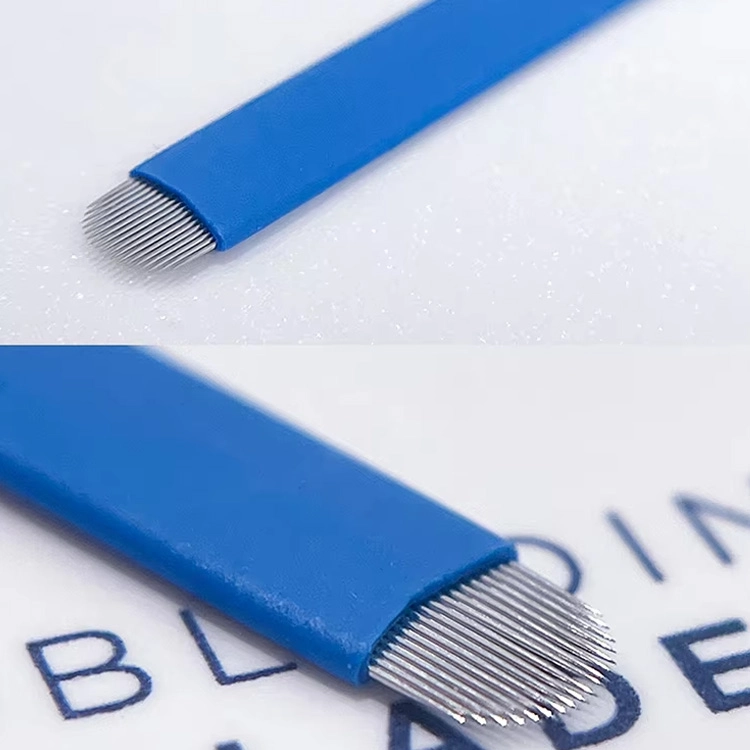
Sustainable Materials in Microblading Tools: Buyer Guide
Tips for Wholesale false eyelashes
Products
How many applications does the glue balm for lash lift and brow lamination?
About 15-20 applications.
Tattoo balm
What are the characteristics of tattoo balm?
Our tattoo repair balm can be used to help the skin of new tattoos heal and protect, and can also be used for the maintenance of old tattoos. New tattoos usually need to be regularly applied with repair balm during the initial weeks of healing, and for old tattoos, regular maintenance can also help maintain color and luster.
Logistics
How long can I get my goods?
Different shipping methods have different delivery times. The typical delivery time for express shipping is 7-10 business days, while sea and train shipping usually takes 30-60 business days.
Eyelash curling
If a customer is not satisfied with the results of lash lamination, can it be reversed?
Yes. If you are not satisfied with the curling effect of lash lift, you can use perm agent to soften the eyelashes again, and then use neutralizer to set them again. However, it is recommended to wait at least 2 weeks between two treatment.
After sales support
How to deal with product quality problems?
If you find that there are quality problems with your product, please contact our customer service team immediately and provide relevant evidence, we will handle it and provide you with a solution as soon as possible.
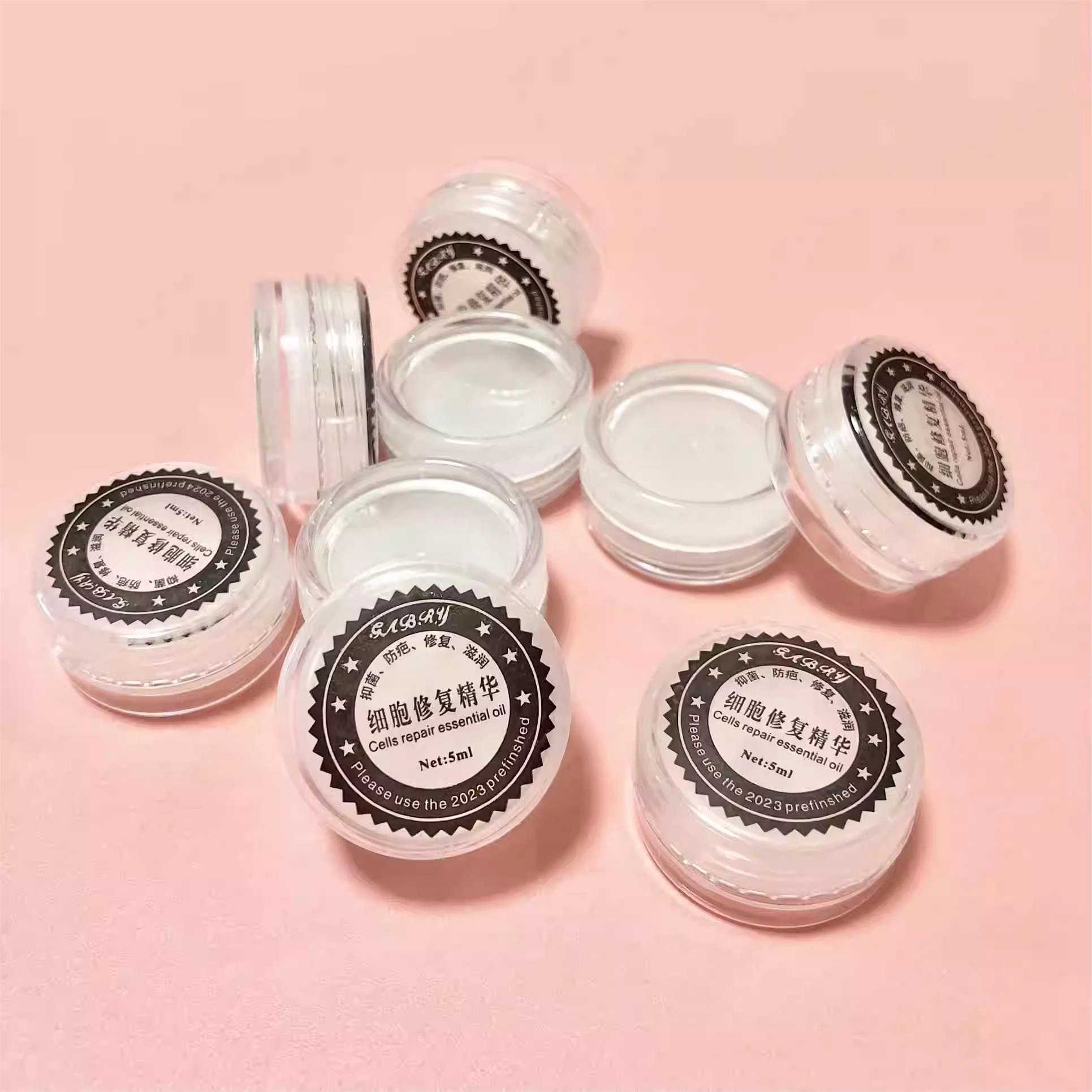
5g Cell Repair Essential Balm

Professional Pre Inked Eye Brow Mapping String 30m
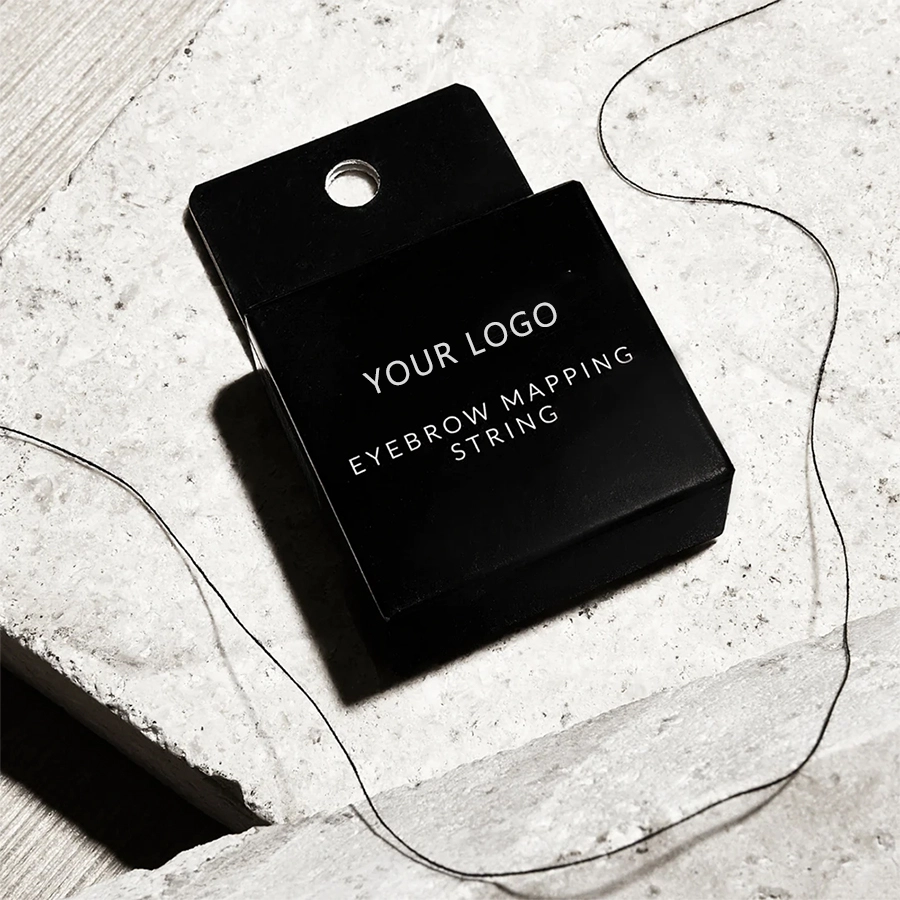
Microblading Pre-inked Mapping String Line 10m
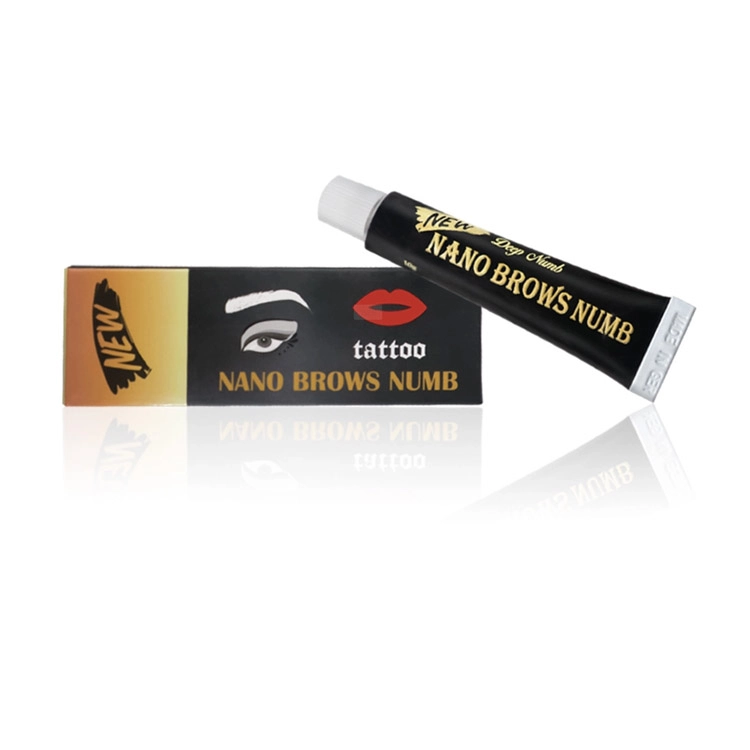

Instagram
Facebook
YouTube