


Sustainable Materials in Microblading Tools: Buyer Guide
- Sustainable Materials in Microblading Tools: Buyer Guide
- Why sustainability matters when choosing a microblading tool
- Common materials for a microblading tool — pros and cons
- Key criteria to evaluate when buying a sustainable microblading tool
- Balancing sustainability with safety and performance for your microblading tool
- How the QM Makeup U-Curved Microblading Needle Blade fits into sustainable purchasing decisions
- Cleaning, sterilization and disposal best practices for microblading tool components
- Supply chain considerations for wholesale and private label microblading tool purchases
- Cost vs lifecycle analysis: evaluating the total environmental and financial cost of microblading tool choices
- Brand advantages: why choose QM Makeup for sustainable microblading tool procurement
- Practical checklist for buyers of sustainable microblading tool products
- FAQ — Sustainable Materials in Microblading Tools & QM Makeup U-Curved Needle
- Q: Are single-use microblading blades recyclable?
- Q: Can I autoclave a bamboo-handled microblading tool?
- Q: How do I verify the safety and sustainability claims of a microblading tool supplier?
- Q: Does choosing a sustainable microblading tool compromise needle performance?
- Q: What sustainable packaging options should I request for wholesale microblading tool orders?
- Contact & Product Call to Action
- Authoritative references and further reading

Sustainable Materials in Microblading Tools: Buyer Guide
Why sustainability matters when choosing a microblading tool
Sustainability in the beauty and semi-permanent makeup industry is more than a marketing trend—it's a practical requirement. Practitioners and clinic owners must balance client safety, regulatory compliance, and environmental impact. Sustainable choices reduce waste, lower long-term operating costs, and improve brand reputation with eco-conscious clients. When you select a microblading tool, you should evaluate not only immediate performance (sharpness, ergonomics, precision) but also lifecycle factors such as sterilization compatibility, material recyclability, and the packaging footprint.
Common materials for a microblading tool — pros and cons
Understanding the materials used for microblading tools (needles, handles, cartridges, and packaging) lets you make informed purchases. Below is a practical comparison of commonly used materials for microblading tool components.
| Material | Durability | Sterilization Compatibility | Recyclability / Biodegradability | Typical Cost | Suitability for microblading tool |
|---|---|---|---|---|---|
| Surgical-grade Stainless Steel | High | Autoclave, chemical sterilants | Recyclable via metal recycling streams | Moderate | Excellent for reusable handles and needles (single-use needles are often stainless steel) |
| Titanium | Very high, lightweight | Autoclave, chemical sterilants | Recyclable (specialized streams) | High | Great for high-end reusable tools; excellent corrosion resistance |
| Bamboo / Wood (handles) | Moderate (varies with treatment) | Limited — cannot autoclave; wipeable and disposable options | Biodegradable / compostable if untreated | Low to moderate | Good for single-use or replaceable-handle models with disposable sterile needle units |
| Recycled Plastics (PET, rHDPE) | Moderate | Depends on grade; some can withstand sterilization methods | Recyclable depending on local facilities | Low to moderate | Suitable for disposable housings or packaging; verify sterilization compatibility |
| PLA / Bioplastics | Low to moderate | Often not compatible with high-heat autoclaving | Compostable in industrial conditions | Low to moderate | Promising for packaging and disposable items but limited for sterilizable tools |
| Medical-grade Silicone (grips) | Moderate | Some grades autoclave-compatible; check supplier data | Not widely recyclable | Moderate | Useful for ergonomics; verify sterilization guidelines |
Key criteria to evaluate when buying a sustainable microblading tool
When shopping for a microblading tool, treat sustainability as a set of measurable attributes rather than a vague ideal. Ask suppliers for data and documentation related to:
- Sterilization compatibility: Can components withstand autoclave cycles or validated chemical sterilants? Does the product have sterilization validation or instructions?
- Material data: Material Safety Data Sheets (MSDS) or technical datasheets describing composition and recyclability.
- Single-use vs reusable: Which components are intended single-use (needle blades) vs reusable (handles)? Consider environmental trade-offs of single-use sterile needles versus reusable handles.
- Packaging: Is packaging minimal, recyclable, or compostable? Is sterile packaging made from mixed materials that complicate recycling?
- Certifications and quality systems: ISO 13485, CE marking, or testing lab reports for biocompatibility or sterilization help demonstrate trustworthy manufacturing.
- Traceability and batch control: Lot numbers, expiration dates, and device traceability aid safety and recalls.
Embedding the commercial keyword naturally: when you evaluate a microblading tool purchase, insist on supplier transparency and documented claims.
Balancing sustainability with safety and performance for your microblading tool
Safety must never be compromised for sustainability. Microblading involves breaking the skin and implanting pigment—sterility and needle precision are critical. Follow this practical approach:
- Prioritize sterilization and single-use where risk is high: single-use, pre-sterilized needle blades protect clients and staff from cross-contamination. Choose single-use parts that use recyclable or minimal packaging where possible.
- Make reusable choices only when you can validate sterilization: handles made from stainless steel or titanium that can be autoclaved reduce long-term waste while maintaining safety.
- Choose materials designed for longevity: durable materials reduce replacement frequency and lifecycle impact. A tool that lasts longer can be more sustainable overall even if its initial footprint is larger.
- Reduce packaging and choose recyclable materials: insist on sterile barrier packaging that uses mono-materials for easier recycling.
How the QM Makeup U-Curved Microblading Needle Blade fits into sustainable purchasing decisions
Discover the QM Makeup U-Curved Microblading Needle Blade—perfect for precision and durability. Available for wholesale and private label, this microblading needle ensures professional results. Elevate QM Makeup with QM Makeup’s trusted U-Curved Microblading Needle.
What to consider from a sustainability perspective when evaluating this product:
- Precision and durability reduce the number of passes required, potentially lowering pigment waste and procedure time.
- Availability for wholesale and private label enables clinics and brands to consolidate supply chains and order larger, less-frequent shipments—this can reduce packaging waste and shipping emissions per unit.
- Because the blade is a single-use critical item, confirm sterile individually sealed packaging and ask your supplier about materials used in the packaging and any recycling guidance.
When contacting QM Makeup, request material data and packaging information so you can include the product in your clinic’s sustainability plan.
Cleaning, sterilization and disposal best practices for microblading tool components
Follow validated procedures and local regulations for infection control and medical waste disposal. Practical steps:
- Single-use blades: Use and discard after a single client. Dispose of needles and blades into an approved sharps container and follow local medical waste incineration or disposal regulations.
- Reusable handles: Clean to remove organic debris, then autoclave according to manufacturer specifications. Use instrumentation washers if available and validated.
- Packaging: Flatten and recycle outer cardboard where possible. For sterile barrier materials, check local recycling guidelines—many sterile pouches are mixed-material and cannot be recycled curbside.
- Documentation: Keep sterilization logs, autoclave cycle records, and lot numbers for traceability.
Regulatory and infection-control guidance from authorities such as the U.S. Food and Drug Administration and the Centers for Disease Control and Prevention should shape your processes.
Supply chain considerations for wholesale and private label microblading tool purchases
If you buy in bulk or develop a private label, consider these procurement checklist items:
- Request Certificates: CE, ISO 13485 compliance, biocompatibility tests, and sterilization validation documents.
- Minimum Order Quantities (MOQs) and lead times: Plan for storage and inventory management to avoid rushed shipments that increase carbon footprint.
- Sustainable packaging options: Ask about low-waste packaging, bulk sterile packaging, or eco-friendly secondary packaging for private label products.
- Supplier audits and traceability: Ensure the manufacturer provides lot traceability and quality control records.
- Labeling compliance: For private label goods, ensure labeling meets local regulatory requirements in your markets (language, warnings, shelf life).
Embedding the keyword: when negotiating with a supplier for a microblading tool or accessories, verify these supply-chain attributes.
Cost vs lifecycle analysis: evaluating the total environmental and financial cost of microblading tool choices
A lifecycle approach compares one-time costs and recurring costs. Below is an illustrative example (hypothetical values) to help clinics estimate per-procedure cost differences between reusable-handle systems and all-disposable systems.
| Item | Reusable-handle model (per procedure) | All-disposable model (per procedure) |
|---|---|---|
| Initial tool cost (amortized) | $0.50 (based on handle amortized over 500 uses) | $1.50 (disposable housing & blade) |
| Sterilization (energy, consumables) | $0.20 | $0.00 |
| Sharps disposal / medical waste | $0.10 | $0.20 |
| Packaging waste | $0.05 (recyclable packaging) | $0.15 (single-use sterile packaging) |
| Total (per procedure, illustrative) | $0.85 | $1.85 |
Interpretation: reusable-handle systems often show lower per-procedure costs over time if sterilization is economical and validated. However, single-use systems can reduce infection-control labor and risk, which carries its own value. Use your clinic’s caseload, local waste-disposal costs, and sterilization capacity to calculate your true lifecycle cost.
Brand advantages: why choose QM Makeup for sustainable microblading tool procurement
QM Makeup’s product offerings, including the QM Makeup U-Curved Microblading Needle Blade, are positioned for practitioners seeking a balance of precision, durability, and procurement flexibility:
- Precision design: The U-curved blade geometry supports consistent hair-stroke techniques, which can reduce touch-ups and pigment waste.
- Wholesale and private label options: Larger orders and private-label arrangements allow clinics and brands to centralize supply, request sustainable packaging, and reduce per-unit shipping emissions.
- Consistent quality: Working with established suppliers simplifies documentation requests (sterility, material data) that clinics need for compliance and inventory control.
For buyers seeking to improve sustainability without compromising professional results, QM Makeup’s wholesale and private label supply chain options help streamline procurement and support eco-focused packaging or batch ordering strategies.
Practical checklist for buyers of sustainable microblading tool products
Before you buy, use this checklist:
- Verify sterile packaging and single-use status for blades.
- Request MSDS / material specifications for handles and blade components.
- Confirm sterilization compatibility for reusable parts (autoclavable? max temp?).
- Ask about packaging materials and options for bulk sterile packaging.
- Request quality system documentation (ISO 13485, CE marking if selling in Europe).
- Check MOQ, lead times, and private label capabilities to plan sustainable ordering frequency.
Embedding the keyword: this checklist helps you confidently buy a microblading tool that aligns with both clinical and environmental priorities.
FAQ — Sustainable Materials in Microblading Tools & QM Makeup U-Curved Needle
Q: Are single-use microblading blades recyclable?
A: Most single-use blades are made from stainless steel and are considered regulated medical waste due to blood contamination and must be disposed of in approved sharps containers and handled according to local medical waste rules. The metal itself may be recyclable only after specialized decontamination and processing, which is handled by regulated medical waste contractors—not typical curbside recycling.
Q: Can I autoclave a bamboo-handled microblading tool?
A: Bamboo and untreated wood handles generally cannot withstand autoclave heat and humidity over repeated cycles. Use bamboo for disposable handle concepts or choose metal/titanium handles for reusable, autoclave-compatible tools.
Q: How do I verify the safety and sustainability claims of a microblading tool supplier?
A: Ask for material safety data sheets, sterilization validation documents, ISO 13485 certification, CE marking if applicable, and sample packaging. Request references and batch traceability. For private label deals, get these requirements written into your supplier agreement.
Q: Does choosing a sustainable microblading tool compromise needle performance?
A: Not if you choose materials and designs validated for clinical use. High-quality stainless steel and titanium maintain sharpness and durability. The QM Makeup U-Curved Microblading Needle Blade is designed for precision and durability while being available wholesale and for private label—making it a practical option for professionals prioritizing performance.
Q: What sustainable packaging options should I request for wholesale microblading tool orders?
A: Request mono-material sterile pouches where possible, recycled cardboard outer boxes, minimal secondary packaging, and clear labeling to enable recycling. Discuss bulk sterile formats for clinics that can safely open and store single sterile units.
Contact & Product Call to Action
To evaluate sustainability options, request technical documentation, or place a wholesale/private label inquiry for the QM Makeup U-Curved Microblading Needle Blade, contact QM Makeup’s sales or customer service team. They can provide material specs, packaging options, and sample blades for performance testing. Visit the QM Makeup product page or email [email protected] (replace with your supplier contact) to request samples and pricing.
Once sustainable material options and manufacturing practices are clear, the next priority becomes scaling procurement efficiently without compromising quality consistency. Best practices for volume planning and stock optimization are discussed in:
Bulk Ordering Strategies for Microblading Tool Inventory
Authoritative references and further reading
- Microblading — Wikipedia: https://en.wikipedia.org/wiki/Microblading
- Tattoos & Permanent Makeup — U.S. Food and Drug Administration (FDA): https://www.fda.gov/cosmetics/cosmetic-products/tattoos-and-permanent-makeup
- Medical Waste — U.S. Environmental Protection Agency (EPA): https://www.epa.gov/rcra/medical-waste
- ISO 13485: Medical devices — Quality management systems — Requirements for regulatory purposes (ISO): https://www.iso.org/iso-13485-medical-devices.
- Infection prevention basics — Centers for Disease Control and Prevention (CDC): https://www.cdc.gov/infectioncontrol/guidelines/index.
(When contacting suppliers or implementing new materials, consult local regulations and certified infection-control guidance relevant to your jurisdiction.)
Best professional wholesale microblading kit manufacturers and supplier brands
Lash Mapping Techniques Using Your Eyelash Kit
Prevent Infection: Signs to Watch While Using Aftercare Cream
How to Choose the Best eye lash lift kit for Your Salon
Sample
Can I have samples before my order?
Yes, we can provide samples before you place your order. Please note that there might be a nominal charge for the samples, and you'll be responsible for the shipping costs.
For customized products,we may charge fee of sample, sample charge will be refundable upon confirmation of the order.
Lash Glue
Can the lifting glue also be used for eyebrows lifting?
Yes, our eyelash lifting glue is safe, gentle, non-irritating and can be used in direct contact with the skin, so it can also be used for eyebrow lifting projects.
How do I choose the right lifting glue for eyelashes?
The choice of glue for eyelash lifting depends on several factors, including skin type, application habits and personal skills. Here are some tips for you:
Skin type: For sensitive skin, we recommend choosing strong sticky glue.
Habits: If you don't want the glue to leave a waxy residue when applied, we recommend choosing strong sticky glue; if you need a very sticky glue and don't mind a slightly elastic status quo during application, we recommend choosing super sticky glue.
Personal skills: If you are a professional, we recommend using liquid lifting glue, strong sticky glue and super sticky glue are ideal for you. If you are a beginner, we recommend lifting glue balm, non-flowing glue allows you to better control the amount of glue and adjust the lashes, you can click to see the lifting glue balm page for more details.
Customized service
What customization services do you offer?
We can accommodate various customization such as personalized products, custom formulas, custom designs, custom packaging, private labeling etc.
Powder Pigment
What is the color retention rate and color retention time of the pigment?
QM pigments have a higher retention rate than most other tattoo ink brands on the market. With nearly 20 years of microblading pigment permanent makeup formulation experience, the color retention rate of the pigment can be as high as 99%, and the color retention time is generally 3-5 years.

Professional Pre Inked Eye Brow Mapping String 30m
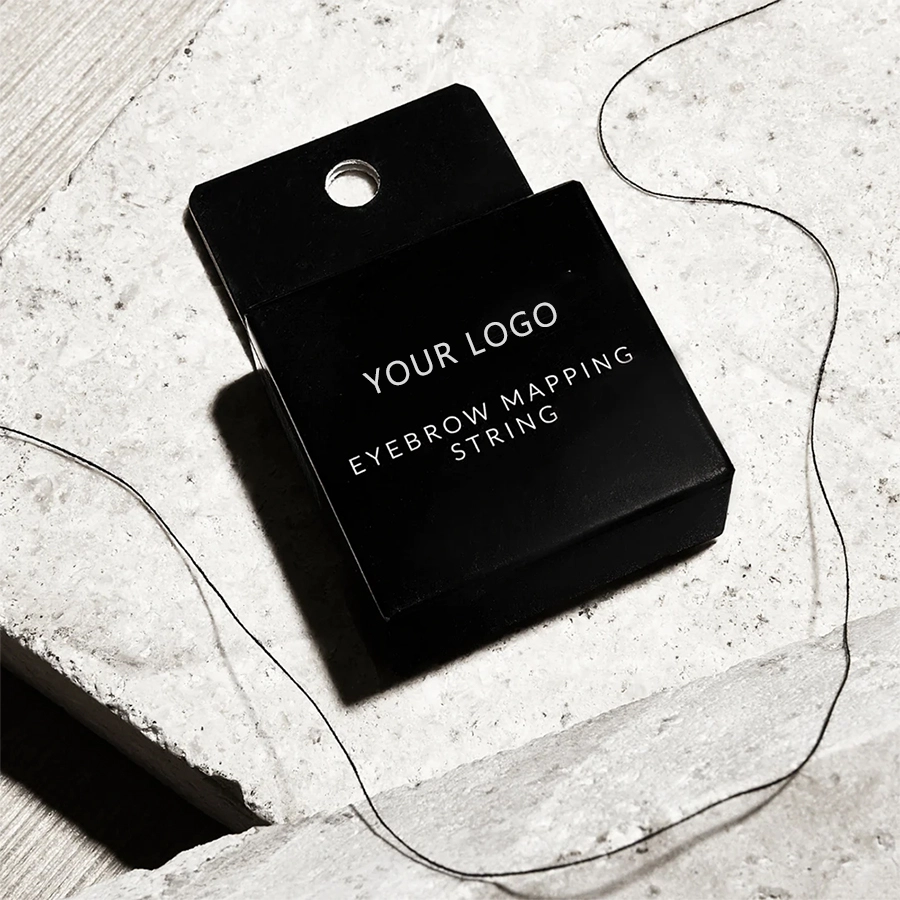
Microblading Pre-inked Mapping String Line 10m
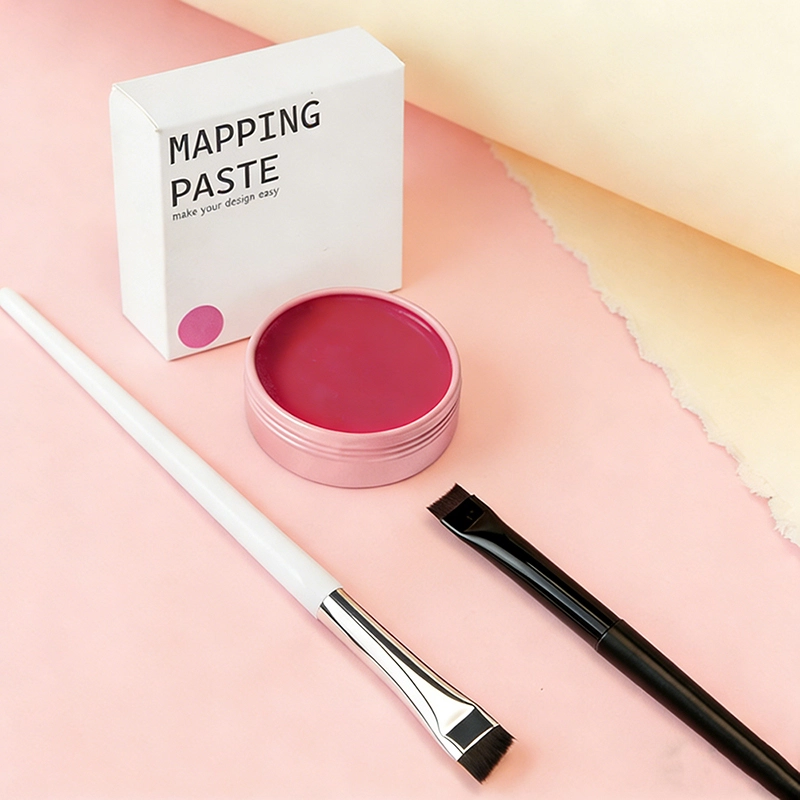
Pre-inked Mapping Ultra-Fine Eyebrows Eyeliner Blade Fan Brush

Instagram
Facebook
YouTube