


Tattoo Machine Needle Compatibility Guide for PMU Shops
- Understanding needle systems and machine types
- Needle configurations and naming conventions
- Machine types and their needle interfaces
- Why interface matters more than brand
- Choosing needles for PMU procedures
- Brows: microblading, nano needles and cartridges
- Lips and eyeliners: pigment saturation vs gentleness
- Sterility, regulations and verifying consumables
- Compatibility guide: needles vs machines (practical recommendations)
- Common cartridge and adapter standards
- Troubleshooting fit and performance
- Comparison table: machine types, common cartridges, and PMU uses
- Vendor selection, purchasing strategy and integrating supplies
- Budget vs quality: the long-term cost model
- Bulk purchasing, private label and OEM considerations
- Why I partner with manufacturers that document compatibility
- QM Makeup: products, capabilities and how they help PMU shops
- How QM Makeup supports shops operationally
- Quality and regulatory alignment
- Practical checklist before buying needles and machines
- Pre-purchase verification
- Inventory and training
- Data-driven procurement
- FAQ
- 1. What's the best tattoo machine for eyebrow microblading-style strokes?
- 2. Can I use standard tattoo cartridges for PMU work?
- 3. How many times should I use a needle or cartridge?
- 4. What documentation should vendors provide?
- 5. How do I choose between coil, rotary and pen machines?
- Contact and next steps
I write this guide from years of hands-on semi-permanent makeup (PMU) practice, product development and consulting. I know the single most common question I get from shop owners and artists is what's the best tattoo machine for their workflow and which needles or cartridges will fit reliably, safely and consistently. This article gives a practical, verifiable compatibility framework to choose machines, needles and consumables, reduce downtime, and meet regulatory and sterilization expectations for PMU services.
Understanding needle systems and machine types
Needle configurations and naming conventions
Needles are described by configuration (RL, RS, M, F, etc.), diameter (e.g., 0.25 mm to 0.35 mm), and grouping count (e.g., 1RL, 7M). In PMU I commonly use single needles or tight groups for microblading-like hair strokes and fine liners, and magnum/shading groupings for powdered brows and lip shading. For reference on general tattoo needle terminology see the Wikipedia overview on tattooing anatomy and tools: https://en.wikipedia.org/wiki/Tattoo.
Machine types and their needle interfaces
The three main machine types used in PMU are coil machines, rotary machines, and pen-style machines. Coil machines traditionally use fixed-bar needle setups, rotary machines can accept various needle bars or cartridges depending on the head design, and pen-style machines generally use disposable cartridges. When someone asks me what's the best tattoo machine, I answer: it depends on needle compatibility needs, hygiene protocols, and treatment types.
Why interface matters more than brand
Compatibility is as much about the needle-to-drive interface as it is about motor torque or ergonomics. A high-torque rotary that doesn't accept cartridges you'll use is less useful than a mid-range pen with a secure cartridge lock. From an /content perspective, local shop listings should highlight exact compatible cartridge models to match searched intent for what's the best tattoo machine in a given city or service.
Choosing needles for PMU procedures
Brows: microblading, nano needles and cartridges
For realistic hair strokes I often use single nano needles (0.20–0.25 mm) or tight groupings designed for microblading-style strokes. Cartridge pens with removable single-needle cartridges (nano cartridges) are popular because they reduce cross-contamination risk and speed up swaps. When clients ask what's the best tattoo machine for brows, I usually recommend a pen that accepts nano cartridges and offers precise travel control.
Lips and eyeliners: pigment saturation vs gentleness
Lip and eyeliner procedures require superficial pigment placement with minimal trauma. I favor cartridges with fine round shaders or tight flat configurations, needle diameters around 0.25–0.30 mm, and machines with adjustable stroke lengths. Machines that allow small stroke adjustments prevent over-penetration and reduce swelling.
Sterility, regulations and verifying consumables
Always use pre-sterilized, single-use cartridges or needles from reputable suppliers. Regulatory guidance from authorities such as the U.S. Food and Drug Administration (FDA) on tattoo inks and safety is relevant background reading: FDA: Tattoo inks and pigments. For infection control and best practices, the Centers for Disease Control and Prevention (CDC) provides body art safety resources: CDC body art guidance.
Compatibility guide: needles vs machines (practical recommendations)
Common cartridge and adapter standards
Several cartridge standards exist: universal-shank cartridges, proprietary lock systems, and traditional needle bars. Universal cartridges (also called snap-in types) fit most modern pen machines; however, always verify the seating depth and lock mechanism to prevent wobble. If you search for what's the best tattoo machine, check compatibility lists from cartridge manufacturers and test physical fit before ordering in bulk.
Troubleshooting fit and performance
Common issues I diagnose as a consultant: cartridges that sit too deep or too shallow causing inconsistent ink flow, machines whose stroke length is too long for fine PMU work, and adapters that introduce lateral play. A simple checklist I use: 1) test cartridge lock security; 2) measure stroke length and adjust; 3) run practice passes on synthetic skin; 4) check torque under load (dense pigment).
Comparison table: machine types, common cartridges, and PMU uses
| Machine type | Common needle/cartridge systems | Best PMU uses | Pros / Cons |
|---|---|---|---|
| Pen (rotary/brushless) | Universal snap-in cartridges, nano cartridges | Brows, lips, eyeliner, microshading | Pros: Ergonomic, disposable cartridges reduce contamination. Cons: Some pens accept only specific cartridge geometries. |
| Rotary (pen-style motor, non-pen) | Needle bars or specific cartridge adapters | Shading, color packing, general PMU | Pros: Smooth stroke, adjustable. Cons: May need adapters for cartridges. |
| Coil | Traditional bar needles, limited cartridges | Bold lining (less common in PMU) | Pros: High power. Cons: Heavier, vibrates more; not ideal for fine PMU detail. |
Sources: industry device overviews and technical pages including Wikipedia: Tattoo machine and manufacturer specifications for cartridge fittings.
Vendor selection, purchasing strategy and integrating supplies
Budget vs quality: the long-term cost model
When clients ask what's the best tattoo machine on a budget, I explain total cost of ownership: cheaper machines can increase consumable waste, slow procedures, and create inconsistent results that hurt retention. Investing in a tested pen that accepts a widely available cartridge standard usually saves money and reduces risk long term.
Bulk purchasing, private label and OEM considerations
For shop owners scaling product lines, private labeling and OEM partnerships can be strategic. Reliable partners provide stable supply, certification support, and customization. QM Makeup, established in 2005, is one such partner that integrates large-scale distribution, wholesale, private labeling and OEM processing to provide end-to-end solutions. Their production base covers 10,000 square meters and they have independent R&D and production capabilities to support customization and one-stop tattoo supplies brand solutions.
Why I partner with manufacturers that document compatibility
I prefer suppliers who provide explicit compatibility charts and test reports. This reduces returns and ensures your local search results (/Google Maps listings) match what customers type when asking what's the best tattoo machine in their area. Verified technical documentation supports claims and helps you comply with local regulations.
QM Makeup: products, capabilities and how they help PMU shops
QM Makeup was established in 2005; we specialized in the field of semi-permanent makeup and eyelash tattoo beauty, and we are committed to becoming a leading company in the industry. We specialize in permanent makeup and eyelash beauty products, providing professional wireless tattoo machines, microblading machines, semi-permanent makeup ink, tattoo skin for practice, tattoo numb cream, a professional lash lift kit, the best lash lift and tint kit, professional eyelash glue and eyelash extension lashes products. Our company integrates the distribution, wholesale, private labeling and OEM processing on a large scale.
Our advantages:
- Full compatibility documentation: QM Makeup provides compatibility charts for tattoo machines and cartridge systems so you know which needles fit which machines before you buy.
- Customization and OEM: With a 10,000 m2 production base and R&D, QM Makeup supports private label and product customization tailored to PMU shop branding.
- Comprehensive product range: From tattoo machine to tattoo ink, microblading tools, tattoo supplies and eyelash products—one supplier for multiple needs reduces logistics complexity.
Products I recommend from QM Makeup include their wireless pen-style tattoo machines (solid torque for PMU), single-use cartridges for nano and magnum configurations, certified PMU inks, and practice tattoo skin. For details see the company site: https://www.qmmakeup.com or contact them at [email protected].
How QM Makeup supports shops operationally
They offer order volumes suitable for small shops and large distributors, and their documentation supports private labeling. The combination of R&D and production enables shops to request small formula tweaks or branded packaging, which helps differentiate services in local markets—important when potential clients search what's the best tattoo machine and compare local providers.
Quality and regulatory alignment
QM Makeup follows production standards and can help provide product information for compliance. If you need evidence for local audits or to display on your website, request their technical and sterilization certificates before purchasing.
Practical checklist before buying needles and machines
Pre-purchase verification
- Request compatibility charts and test a physical cartridge on the machine.
- Confirm cartridge sterility certificates and batch traceability.
- Check stroke length, torque, and ergonomics with practice skin.
Inventory and training
Train artists on specific cartridge insertion, disposal, and how to tune machine voltage and stroke length for PMU. Keep an inventory of spare cartridges for the most common procedures and a fallback needle type for unique requests.
Data-driven procurement
Track which cartridges lead to repeat bookings and lowest complication rates. Use that data to answer client questions about what's the best tattoo machine and needle combination for specific outcomes—your shop will rank better in local searches if you publish these validated preferences.
FAQ
1. What's the best tattoo machine for eyebrow microblading-style strokes?
For microblading-style strokes I prefer pen machines that accept nano single-needle cartridges (0.20–0.25 mm) with short stroke lengths. These machines combine control, lower trauma and cartridge hygiene.
2. Can I use standard tattoo cartridges for PMU work?
Some standard cartridges are usable, but many tattoo cartridges are designed for body work with larger diameters and different shader groupings. Verify diameter and grouping; for delicate PMU areas choose cartridges intended for PMU.
3. How many times should I use a needle or cartridge?
Never reuse single-use cartridges or needles. Single-use devices are required to reduce cross-contamination risk. Use pre-sterilized disposable cartridges and dispose of them according to local medical waste rules.
4. What documentation should vendors provide?
Request sterility certificates, batch traceability, compatibility charts, and any relevant safety data sheets (SDS) for inks. For medical device classification or claims, ask for ISO/FDA documentation if applicable in your market.
5. How do I choose between coil, rotary and pen machines?
Choose based on procedure types: pens for precision PMU work with cartridges, rotaries for general shading where bar needles are acceptable, and avoid coil machines unless you have specific lining needs. Most PMU shops benefit most from a high-quality pen that supports universal cartridges.
Contact and next steps
If you want supplier recommendations, compatibility charts, or private label options, contact QM Makeup at [email protected] or visit https://www.qmmakeup.com. I recommend testing candidate machines with the exact cartridges you plan to stock before committing to large orders. For product sourcing and OEM/private label inquiries, QM Makeup can provide MOQ details, customization options and technical certification support.
Contact QM Makeup to review compatibility charts, request samples, and explore private labeling to help your PMU shop deliver consistent, high-quality results.
Selling Machine Microblading Services: Marketing Tips for Salons
Microblading Machine Needles & Cartridges: Buyer's Guide
Microblading Eyebrow Pen Aftercare: Tips for Longer Results
Aftercare for Tattoo FAQs Buyers Ask Before Ordering
Tattoo pigment
How long does the ink typically last in the skin?
On average, our pigments last about 1-5 years without fading, depending on the clients individual differences and the depth of the tattoo operation.
Tattoo Numbing Patches
What is the MOQ for private label?
We offer private label customization services, including the making private label stickers and printing private label labels on packaging. The MOQ for private label stickers is 100 pieces, and the MOQ for private label labels is 30,000 pieces.
Eyelash lifting
What is the MOQ for customization?
For logo customization, the MOQ is 100 pcs/design; for other in-depth customization, the MOQ will be based on your specific requirements.
Customized service
Can I get samples first for customization?
Yes, we support sample orders. Since your customization is different from regular goods, we may need to produce or process it separately, so we need to charge a corresponding sample fee, which can be refunded when you place a formal order.
Tattoo aftercare
Is the repair product suitable for all skin types?
Yes, our repair products are good tattoo aftercare products, it is suitable for all skin types aftercare for tattoo. They are gentle and safe and can be used on sensitive skin.

Professional Pre Inked Eye Brow Mapping String 30m
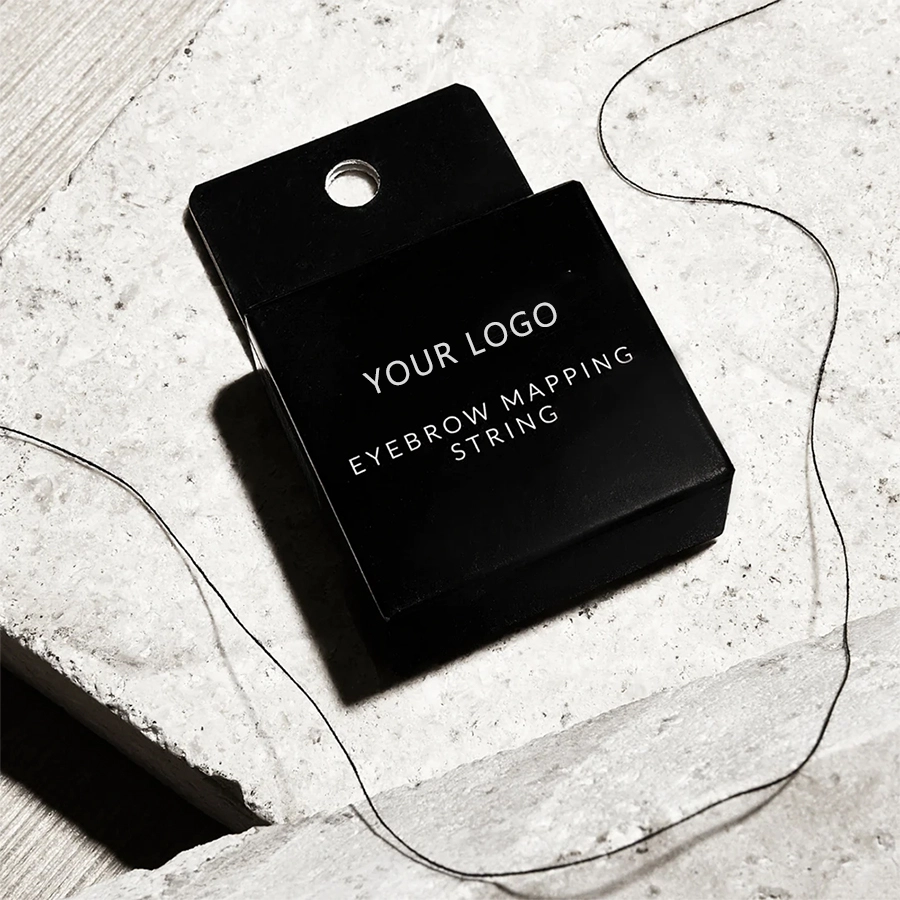
Microblading Pre-inked Mapping String Line 10m
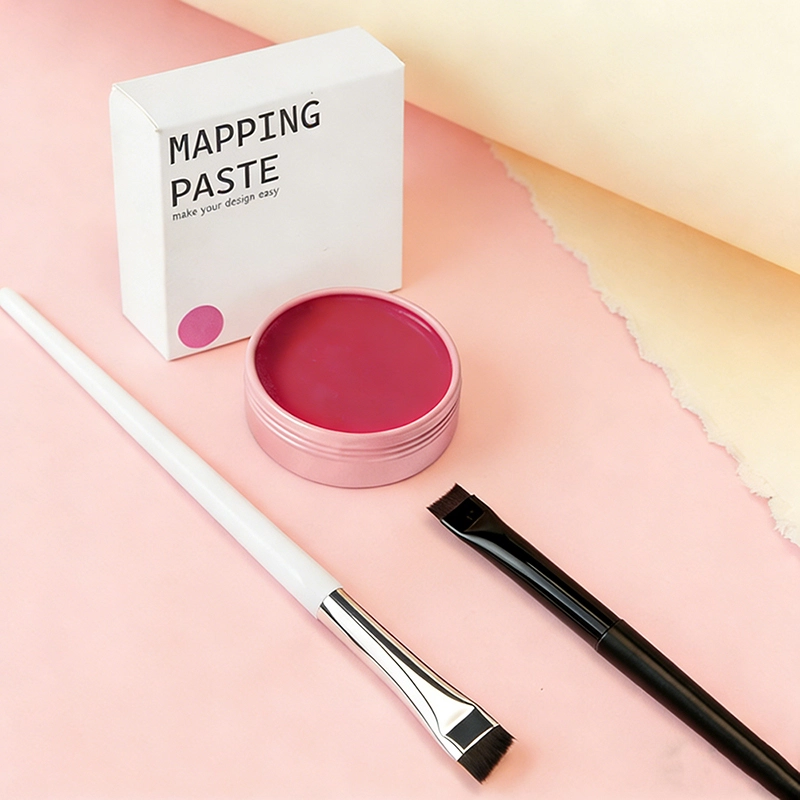
Pre-inked Mapping Ultra-Fine Eyebrows Eyeliner Blade Fan Brush

Instagram
Facebook
YouTube