


Understanding Tattoo Pigment Ink Pigmentation and Shades
- Understanding Tattoo Pigment Ink Pigmentation and Shades
- What is tattoo pigment ink and why it matters for professional results
- Color science: pigmentation, opacity, undertones and color shift
- Types of pigments: organic, inorganic and hybrid—how they compare
- How skin type and Fitzpatrick scale affect pigment choice and healed shade
- Choosing pigments for microblading and powder brows: practical tips for professionals
- Mixing, dilution and consistency: achieving perfect shading with QM Makeup’s High Quality formula
- Longevity and fading: why some inks last and others don’t
- Safety, regulations and documenting ingredients
- Practical color-correction strategies and touch-ups
- Why professionals choose Hybrid Powder Microblading Pigment Ink
- Best practices checklist for working with tattoo pigment ink
- Frequently Asked Questions (FAQ)
- Q: What makes Hybrid Powder Microblading Pigment Ink different from regular tattoo ink?
- Q: How long do pigments typically last in powder brows or microblading?
- Q: Are hybrid pigments safe for all skin types?
- Q: Can I mix Hybrid Powder Microblading Pigment Ink with water or saline?
- Q: How should pigments be stored?
- Contact and product CTA
- References and sources

Understanding Tattoo Pigment Ink Pigmentation and Shades
What is tattoo pigment ink and why it matters for professional results
Tattoo pigment ink refers to the colored suspensions used in tattooing and permanent makeup (PMU) to deposit color into the dermis or upper dermal layers (for microblading and powder brows). For professionals, understanding how pigment chemistry, particle size, and carrier composition work together is essential to predict color outcome, longevity, and safety. Choosing the right ink—such as the Hybrid Powder Microblading Pigment Ink—directly impacts color saturation, blending ability, and how shades heal over time.
Color science: pigmentation, opacity, undertones and color shift
Color in tattoo inks is defined by three practical properties:
- Pigmentation (color strength) — how much light the pigment absorbs and therefore how vivid the color appears when freshly deposited.
- Opacity (coverage) — the ability of a pigment to obscure the skin beneath; higher opacity gives more immediate visible color but can affect blending.
- Undertones and color shift — the subtle secondary tones (warm/cool/neutral) that become visible as inks settle and fade. Undertones often determine the final healed result.
Understanding these allows artists to anticipate how pigments will appear immediately after treatment and after healing. For example, a warm brown with red undertones can appear too warm on certain skin tones; selecting a neutral or slightly cool brown minimizes unwanted warmth.
Types of pigments: organic, inorganic and hybrid—how they compare
There are three broad pigment categories used in tattoo and PMU inks. Each has trade-offs for vibrancy, stability, and allergy potential.
| Pigment Type | Color Vibrancy | Stability / Fade Resistance | Allergy Potential | Common Use |
|---|---|---|---|---|
| Organic (carbon-based dyes) | High (bright colors) | Moderate — can fade or change (photo-degradation) | Higher for some azo dyes | Bright artistic tattoos, some PMU colors |
| Inorganic (metal oxides, e.g., iron oxides) | Moderate (earth tones) | High — very stable, minimal color shift | Generally lower (but metal sensitivity possible) | Brow pigments, long-lasting neutral colors |
| Hybrid (engineered mixes) | High (engineered for consistent vibrancy) | High — optimized stability and reduced shift | Formulated to minimize reactions | Professional PMU inks like Hybrid Powder Microblading Pigment Ink |
Sources used to compile these general comparisons include regulatory and scientific reviews noted at the end of this article. Hybrid formulations aim to combine the vibrancy of organics with the stability of inorganics while using carriers and manufacturing controls to reduce adverse reactions.
How skin type and Fitzpatrick scale affect pigment choice and healed shade
Skin tone and undertone strongly influence the perceived color after healing. The Fitzpatrick scale (I–VI) is a practical reference many PMU artists use to select pigments and predict shifting:
- Fitzpatrick I–III (lighter skin): pigments may retain true color but can show cooler undertones.
- Fitzpatrick IV–VI (darker skin): pigments can appear more muted or warmer; deeper melanin can shift or mask certain hues.
Therefore, a neutral brown formulated for broad compatibility—like many shades in the Hybrid Powder Microblading Pigment Ink range—helps achieve predictable healed results across a range of skin types. Patch testing and conservative color selection on the first session are still recommended.
Choosing pigments for microblading and powder brows: practical tips for professionals
When selecting a product labeled as a wholesale microblading pigment ink or choosing the best ink tattoo option for brows, consider these professional criteria:
- Shade range and neutrality: Look for a palette that offers neutral, warm, and cool increments so you can customize undertones.
- Consistency and flow: For powder brows and microblading, a pigment that mixes predictably with diluents and maintains workable suspension is essential.
- Stability and batch consistency: Wholesale-grade pigments should provide consistent color between batches to repeat client results.
- Safety documentation: Quality manufacturers provide ingredient lists, MSDS, and evidence of manufacturing controls.
QM Makeup Hybrid Powder Microblading Pigment Ink targets these needs: it offers vibrant, long-lasting colors in a formula developed to achieve perfect shading and predictable results for professionals buying wholesale microblading pigment ink.
Mixing, dilution and consistency: achieving perfect shading with QM Makeup’s High Quality formula
Proper dilution and mixing change opacity and flow. Best-practice guidelines:
- Start with the manufacturer recommendations for diluent ratios—small incremental changes are safer than large jumps.
- Use sterile, calibrated tools and mix gently to avoid introducing air bubbles that can affect application.
- Document your mixes per client and per batch; this helps reproduce color on touch-ups.
QM Makeup’s Hybrid Powder Microblading Pigment Ink is formulated to respond predictably to common diluents, making it easier to create soft gradient shading as well as crisp hair strokes for combination techniques.
Longevity and fading: why some inks last and others don’t
Fading depends on pigment chemistry, particle size, depth of implantation, sun exposure, and the client’s skin metabolism. Key points:
- Particle stability: inorganic pigments like iron oxides are less prone to photo-degradation than some organics.
- Particle size: very large particles may sit closer to the epidermis and fade faster; very small particles may migrate.
- Technique: consistent depth in the upper dermis ensures maximum longevity with minimal trauma.
- Aftercare and UV protection: sunscreen and proper aftercare slow pigment breakdown and color shift.
Hybrid inks seek to balance these factors for long-lasting, true-to-tone results. Table below summarizes major factors that influence fading:
| Factor | Effect on Longevity | Practical Control |
|---|---|---|
| Pigment chemistry | Determines susceptibility to UV/photo-degradation | Choose stable formulations (hybrid/inorganic blends) |
| Implantation depth | Too shallow = faster fade; too deep = migration | Consistent technique; train to target upper dermis |
| Sun exposure | Speeds fading and color shift | Recommend UV protection (SPF) to clients |
| Skin metabolism / exfoliation | Higher turnover can reduce pigment retention | Manage expectations; choose pigment with higher stability |
Safety, regulations and documenting ingredients
Regulations for tattoo inks vary by region, and many national authorities advise transparency about ingredients. Professional artists should ask suppliers for:
- Full ingredient lists
- Material Safety Data Sheets (MSDS)
- Batch/lot traceability
- Evidence of manufacturing controls (sterility, contamination testing)
High-quality manufacturers provide these documents so studios can comply with local health regulations and safely advise clients. QM Makeup supplies documentation to support professional use and wholesale purchasing decisions.
Practical color-correction strategies and touch-ups
Color corrections are part of PMU maintenance. Common scenarios and solutions:
- Too warm after healing: consider a neutralizing cool pigment or staged gradual corrections rather than aggressive one-step fixes.
- Too cool/ashy: warm-toned overlays or a different undertone in the next session can reintroduce warmth.
- Patchy fading: assess technique and pigment retention; a targeted top-up with the same or slightly more pigmented formula often works.
Documentation of original pigment, dilution used, and machine/needle settings makes corrections safer and more predictable.
Why professionals choose Hybrid Powder Microblading Pigment Ink
When evaluating the best ink tattoo option for PMU and microblading, professionals prioritize predictable healing, shade stability, and ease of use. QM Makeup Hybrid Powder Microblading Pigment Ink delivers:
- Consistent, vibrant colors designed for microblading and powder brow techniques
- Formulation engineered for long-lasting results and minimal color shift
- Wholesale availability and batch documentation for studio-level purchasing
- Compatibility with common diluents and reliable mixing behavior to achieve perfect shading
These attributes make it a practical choice for artists who need dependable pigments across a wide client base.
Best practices checklist for working with tattoo pigment ink
To maximize client satisfaction and reduce complications, follow this checklist:
- Verify product documentation (ingredient list, MSDS)
- Perform a patch test when using a new pigment formulation
- Use calibrated dilution ratios and document mixes
- Apply conservative color selection on first session; refine on touch-up
- Educate clients on aftercare and sun protection
Frequently Asked Questions (FAQ)
Q: What makes Hybrid Powder Microblading Pigment Ink different from regular tattoo ink?
A: Hybrid Powder Microblading Pigment Ink is formulated specifically for PMU applications: it balances vibrancy with stability, offers predictable dilution behavior, and includes shades tuned for brows and microblading techniques. Unlike some general tattoo inks, it’s optimized for the shallower implantation depths and finer shade transitions required in PMU.
Q: How long do pigments typically last in powder brows or microblading?
A: Longevity varies by pigment chemistry, technique, skin type, and aftercare. Many PMU pigments last 1–3 years before requiring refreshers; hybrid pigments and iron-oxide-based shades can retain natural appearance longer. Sun exposure and skin turnover shorten this timeline.
Q: Are hybrid pigments safe for all skin types?
A: High-quality hybrid pigments are formulated to reduce allergic potential and are generally safe across skin types. However, sensitivities can occur; perform patch testing when needed and consult product MSDS for detailed ingredient information.
Q: Can I mix Hybrid Powder Microblading Pigment Ink with water or saline?
A: Use the manufacturer-recommended diluents. Many artists use sterile saline or specific PMU diluents; QM Makeup provides guidance on compatible diluents to maintain pigment stability and predictable performance.
Q: How should pigments be stored?
A: Store pigments in a cool, dark place away from direct sunlight, in their original sealed containers. Follow shelf-life guidance from the manufacturer and maintain lot records for traceability.
Contact and product CTA
Ready to upgrade your pigment selection with a professional-grade formula? Discover QM Makeup Hybrid Powder Microblading Pigment Ink—trusted as the best ink tattoo option for professionals seeking high-quality wholesale microblading pigment ink. For product details, pricing, or to request documentation and sample shades, contact our sales team or view the product page today.
Contact: [email protected] | View product: https://qmmakeup.example.com/hybrid-powder-microblading-pigment-ink
Once you understand pigmentation and shade variations, it’s helpful to know how these factors influence the durability of tattoo results. Read more in How Long Does Tattoo Pigment Ink Last? Longevity Explained.
References and sources
- U.S. Food & Drug Administration (FDA) — Regulation of Tattoos and Permanent Makeup: https://www.fda.gov/cosmetics/cosmetic-products/faq-regulation-tattoos-and-piercings
- Centers for Disease Control and Prevention (CDC) — Tattooing and risk resources: https://www.cdc.gov/healthywater/body_art/index.
- European Commission — Scientific Committee on Consumer Safety (SCCS) opinions on tattoos and permanent make-up (SCCS outputs): https://ec.europa.eu/health/scientific_committees/consumer_safety_en
Note: For scientific studies on pigment chemistry and long-term safety, consult peer-reviewed literature available through PubMed and official regulatory guidance linked above.
What's the Best Tattoo Machine for Semi-Permanent Makeup?
What is tattoo ink
How to Choose Right unique tattoo pigment manufacturer and supplier ?
Selling Machine Microblading Services: Marketing Tips for Salons
After sales support
How do I change or cancel my order?
Any cancellation made after an order has been placed, will be subject to a cancellation fee regardless of the time the order has been placed (even if it is just a second later) as the merchant processor/credit card charges us a fee for cancellations.
Please note that any orders that have already been packed, produced or shipped cannot be cancelled.
Lash Glue
With this very sticky glue, will the lashes fall off when I use the perm lotion?
Our glue is very sticky and after drying it holds the lashes very firmly to the lash silicone perm rod. Although our glue is water-soluble and can be easily cleaned with water, since there is not much water in the perm lotion, there is not enough water in it to dissolve the glue, so there is no chance that the lashes will not stick to the silicone perm rod and fall off after using the perm lotion. The same goes for Neutralizers too.
How many times can I use one lifting adhesive glue?
Our lifting adhesive glue is 6ml, it can be used about 10 times.
Eyelash Perming Glue Balm
Our glue is strong and the lashes won't pop off all the time. It sets the lashes on the lash lift pads stably and is very easy to remove after the las
Does it come with a Super Glue? I am afraid that the lashes will pop off during the lash lift process.
Micro Blade
What makes your microblades different from other microblades?
Our micro blades are made of 304 stainless steel, which means that the disposable microblading needle are extremely sharp and will give you very natural looking hairline results. They are completely pre-packaged in individual packages and sterilized with ethylene oxide gas. These packages include the lot number, date of manufacture and expiration date. We focus on the highest quality and stand behind our microblading eyebrows products. These tools were designed by QM because we felt that other products on the market were not properly customized or sterilized for the artist's needs.

Professional Pre Inked Eye Brow Mapping String 30m
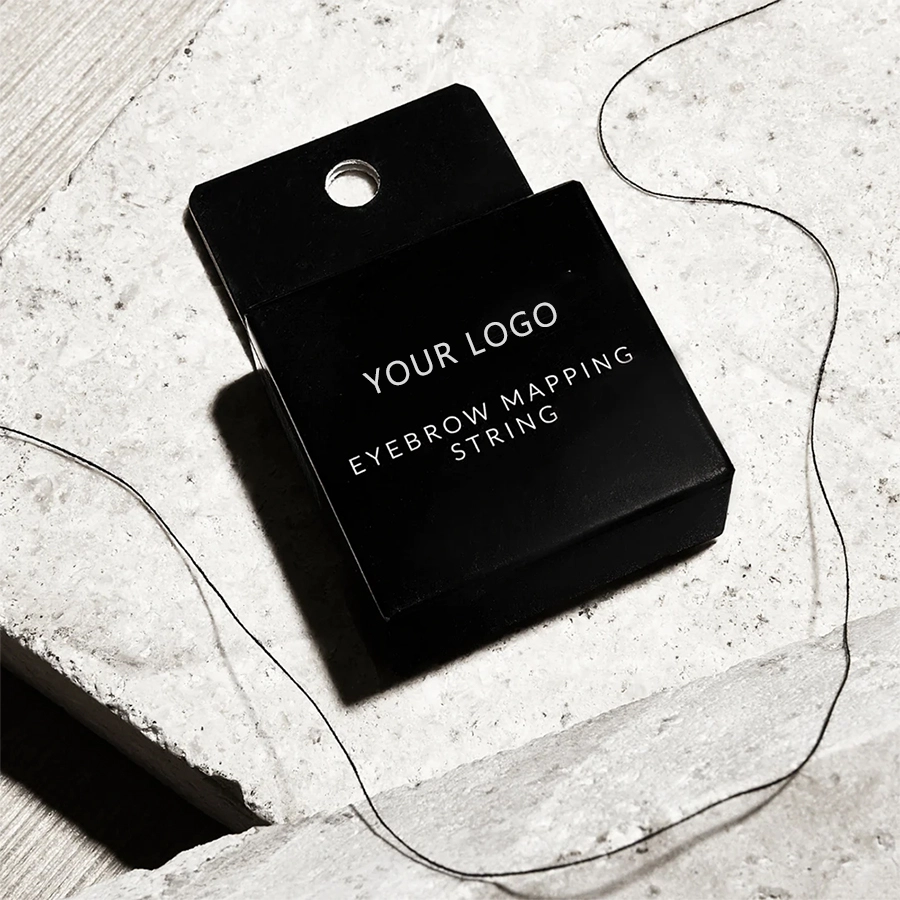
Microblading Pre-inked Mapping String Line 10m
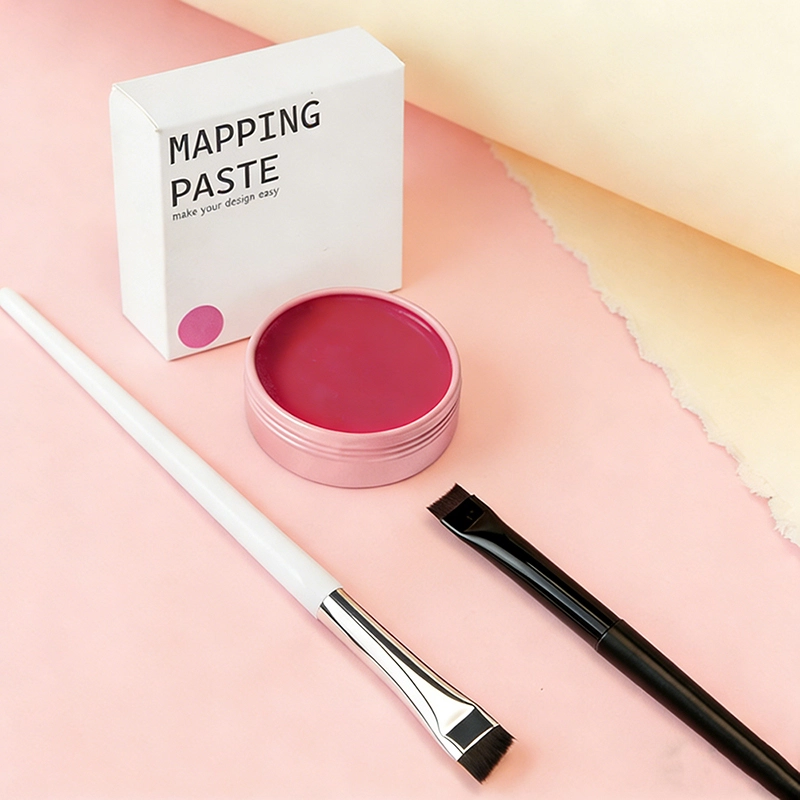
Pre-inked Mapping Ultra-Fine Eyebrows Eyeliner Blade Fan Brush

Instagram
Facebook
YouTube