


Top Safety Standards for Tattoo Pigment Ink Ingredients
- Top Safety Standards for Tattoo Pigment Ink Ingredients
- Why ingredient safety for tattoo pigment ink matters to professionals
- Key safety attributes to look for in microblading pigment ink
- How regulations and guidance shape tattoo pigment ink safety
- Common harmful ingredients to avoid in tattoo pigment ink
- Comparison table: Ingredients of concern, health risks and regulatory status
- Testing and certification standards for safe tattoo pigment ink
- Manufacturing best practices for wholesale microblading pigment ink
- Labeling, transparency and client consent
- How to evaluate suppliers when buying tattoo pigment ink wholesale
- How QM Makeup Hybrid Powder Microblading Pigment Ink meets top safety standards
- Brand advantage: why choosing a trusted ink supplier matters
- Practical checklist for professionals choosing tattoo pigment ink
- Real-world examples of adverse outcomes when standards are ignored
- FAQ — Frequently Asked Questions about tattoo pigment ink safety
- Contact us / View product — CTA
- Cited sources and further reading
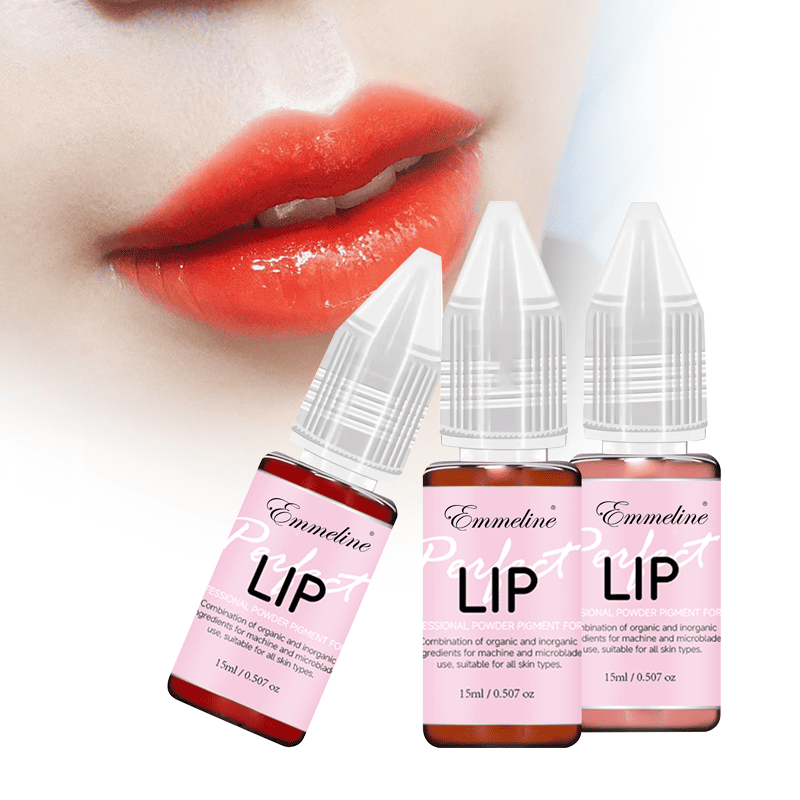
Top Safety Standards for Tattoo Pigment Ink Ingredients
Why ingredient safety for tattoo pigment ink matters to professionals
As a professional in semi-permanent makeup and microblading, choosing safe tattoo pigment ink is not just about color — it's about client health, legal compliance, and long-term results. Tattoo pigment ink ingredients can cause allergic reactions, infections, phototoxicity, or migrate into lymph nodes. For studios offering microblading and permanent makeup, selecting inks that conform to recognized safety standards reduces adverse reactions, protects reputation, and meets growing regulatory scrutiny. When searching for the best ink tattoo option, prioritize inks with transparent formulations and documented testing rather than price alone.
Key safety attributes to look for in microblading pigment ink
Not all inks are created equal. High-quality microblading pigment ink should demonstrate: verified raw-material sourcing, batch-level microbiological and endotoxin testing, heavy-metal limits, absence (or controlled limits) of restricted aromatic amines and polycyclic aromatic hydrocarbons (PAHs), photostability data, and stability under accelerated aging. keywords such as wholesale microblading pigment ink and tattoo pigment ink should be paired with supplier documentation — certificate of analysis (CoA), material safety data sheets (MSDS), and third-party lab reports — to validate claims.
How regulations and guidance shape tattoo pigment ink safety
Regulatory bodies and expert panels have issued guidance affecting tattoo ink safety. In the U.S., the FDA monitors tattoo pigments and has stated that color additives used in tattoo inks are subject to regulation, although there is limited pre-market approval for many inks. In Europe, the European Chemicals Agency (ECHA) has proposed restrictions on certain hazardous substances in tattoo inks, and the EU Scientific Committee on Consumer Safety (SCCS) has issued opinions on safe ingredient limits. Compliance with these guidelines — and awareness of local health authority requirements — is a must for professionals sourcing wholesale microblading pigment ink.
Common harmful ingredients to avoid in tattoo pigment ink
Certain classes of chemicals are consistently flagged by regulators and researchers. Avoid inks with high levels of heavy metals (lead, cadmium, chromium VI), certain azo pigments that can form carcinogenic aromatic amines, and inks contaminated with PAHs or poorly controlled organic pigments. Microbiological contamination (bacteria, fungi) and endotoxins are another critical hazard that can lead to severe infections if inks are not sterile or properly preserved.
Comparison table: Ingredients of concern, health risks and regulatory status
The table below summarizes commonly flagged ingredients and regulatory concerns for tattoo pigment ink. Sources are listed at the end.
| Ingredient / Class | Potential Health Risk | Regulatory Notes |
|---|---|---|
| Lead, Cadmium, Mercury | Systemic toxicity, allergic reactions | Restricted or limited by EU and other authorities; heavy metals are tested in CoAs |
| Azo pigments (some) | May degrade to aromatic amines; possible carcinogenic risk | SCCS/ECHA identify some azo-derived amines as concerning; restrictions apply |
| Polycyclic aromatic hydrocarbons (PAHs) | Carcinogenic or mutagenic potential | ECHA has proposed limits for PAHs in tattoo inks |
| Chromium VI | Strong allergen; skin irritation | Regulated under many safety frameworks for consumer products |
| Microbial contaminants / Endotoxins | Infections, sepsis risk | Manufacturers should perform sterility/micro testing and control preservative efficacy |
Testing and certification standards for safe tattoo pigment ink
Professional inks should come with a clear testing regimen. Typical tests include heavy metal screening (ICP-MS), organic compound identification (GC-MS or LC-MS), PAH quantification, microbial enumeration, endotoxin (LAL) testing, and photostability (lightfastness) tests. Certifications or independent lab reports demonstrating these tests are important. While there is no single universal tattoo ink FDA approval pathway for many pigments, adherence to recognized laboratory standards (ISO/IEC 17025 accredited labs) and alignment with ECHA/SCCS recommendations demonstrates due diligence.
Manufacturing best practices for wholesale microblading pigment ink
Manufacturing controls directly affect safety. Good Manufacturing Practices (GMP) tailored for cosmetic and medical-adjacent inks include: validated raw-material supplier qualification, batch traceability, in-process quality checks, controlled water quality, contamination controls, preservative efficacy testing, and stability studies. For sellers of bulk or wholesale microblading pigment ink, providing batch CoAs and lot traceability instills buyer confidence and provides legal protection if issues arise.
Labeling, transparency and client consent
Transparent ingredient lists, visible manufacturing dates, lot numbers and clear aftercare instructions are essential for both regulatory compliance and informed client consent. Professionals should keep client records of inks used (brand, shade, lot number) to facilitate follow-up if late reactions occur. Embedding keywords such as Hybrid Powder Microblading Pigment Ink and tattoo pigment ink in labeling and product pages helps customers find compliant products but transparency is more important than SEO alone.
How to evaluate suppliers when buying tattoo pigment ink wholesale
When vetting suppliers, request: complete CoAs for each lot, third-party lab test results (heavy metals, PAHs, microbial), MSDS, stability data, and evidence of manufacturing controls (GMP audit reports if available). Check for supplier responsiveness to safety questions and the ability to provide technical support. For microblading professionals seeking the best ink tattoo option, the supplier’s willingness to share documentation is often the strongest indicator of product reliability.
How QM Makeup Hybrid Powder Microblading Pigment Ink meets top safety standards
QM Makeup Hybrid Powder Microblading Pigment Ink offers vibrant, long-lasting colors for flawless results and is positioned as a top choice for professionals seeking high-quality wholesale microblading pigment ink. QM Makeup emphasizes a High Quality formula developed to meet industry expectations: batch-level testing, heavy metal screening within recommended limits, microbiological controls, and formula stability to support consistent shading results. The product's documentation — CoAs, MSDS, and stability testing — should be available on request to verify compliance and support studio due diligence.
Brand advantage: why choosing a trusted ink supplier matters
Choosing a trusted brand reduces risk. QM Makeup distinguishes itself by combining color performance with safety-focused manufacturing: rigorous raw material selection, reproducible color matching for shading consistency, and comprehensive testing to reduce client complications. For businesses buying wholesale microblading pigment ink, working with suppliers that support traceability, offer training resources, and maintain open safety documentation enhances both outcomes and legal protection.
Practical checklist for professionals choosing tattoo pigment ink
Use this checklist when selecting inks: 1) Ask for lot-specific CoAs; 2) Confirm heavy metal and PAH limits; 3) Request microbial and endotoxin testing; 4) Verify stability and photostability; 5) Check supplier GMP and traceability practices; 6) Ensure clear labeling and aftercare instructions; 7) Retain records of ink lot numbers per client. This approach helps identify the best ink tattoo option for your practice and protects clients.
Real-world examples of adverse outcomes when standards are ignored
Reports to health authorities and case studies show allergic reactions, chronic inflammation, granulomas, and infection following use of contaminated or non-compliant inks. Many regulatory responses and restrictions have been driven by such case reports. For studio owners, these real-world examples underscore why investing in tested, documented inks like High Quality Hybrid Powder Microblading Pigment Ink is a cost-effective risk-reduction strategy.
FAQ — Frequently Asked Questions about tattoo pigment ink safety
Q: Are tattoo inks regulated?
A: Yes, tattoo inks fall under cosmetic or color additive regulations depending on jurisdiction. In the U.S., the FDA oversees color additives and may take action if inks are unsafe. In Europe, ECHA and SCCS provide guidance and restriction proposals; many countries implement specific standards. Always check local regulations.
Q: How can I confirm an ink is safe for microblading?
A: Request a lot-specific Certificate of Analysis (CoA) showing heavy metal limits, microbial testing, and stability data. Prefer inks tested by ISO/IEC 17025 accredited labs and supplied with MSDS documentation.
Q: Do sterilized inks eliminate all risk?
A: Sterilization reduces microbial risk but does not remove chemical hazards like heavy metals or harmful organics. Both microbiological and chemical testing are necessary.
Q: What should be included in client records?
A: Include brand, shade, lot number, date of treatment, and the ink’s CoA or supplier details. This helps manage late-onset reactions and regulatory traceability.
Q: Why choose QM Makeup Hybrid Powder Microblading Pigment Ink?
A: QM Makeup’s Hybrid Powder Microblading Pigment Ink combines high color performance, reproducible shading, and documented safety practices tailored for professionals seeking reliable wholesale microblading pigment ink and the best ink tattoo option for client satisfaction.
Contact us / View product — CTA
To evaluate QM Makeup Hybrid Powder Microblading Pigment Ink for your studio, request product documentation, batch CoAs, or a sample. Contact our technical sales team to get detailed test reports, training resources, and wholesale pricing. Ensure your next purchase of tattoo pigment ink meets the highest safety standards and delivers the flawless, long-lasting shading your clients expect.
After learning about the essential safety requirements for tattoo pigment formulations, you may want to explore how pigment behavior and color depth vary across different ink types. Continue with Understanding Tattoo Pigment Ink Pigmentation and Shades.
Cited sources and further reading
- U.S. Food & Drug Administration (FDA) — Tattoos & Permanent Makeup: https://www.fda.gov/cosmetics/cosmetic-products/tattoos-permanent-makeup
- European Chemicals Agency (ECHA) — Consultation page on restriction proposal for tattoo inks and permanent make-up: https://echa.europa.eu/-/echa-opens-consultation-on-restriction-proposal-for-tattoo-inks-and-permanent-make-up
- Centers for Disease Control and Prevention (CDC) — Infection prevention recommendations related to tattooing/piercing (general guidance): https://www.cdc.gov/healthyschools/health_services.htm (for infection control principles) and CDC resources on healthcare-associated infections
- Scientific Committee on Consumer Safety (SCCS) — Opinions on safety aspects of tattoos and permanent make-up (see EU SCCS publications archive): https://health.ec.europa.eu/scientific-committees/consumer-safety_en
QM Makeup: Top microblading pen Manufacturer and Supplier
Tips for Wholesale tattoo ink
How to Choose the eyelash glue manufacturer and supplier ?
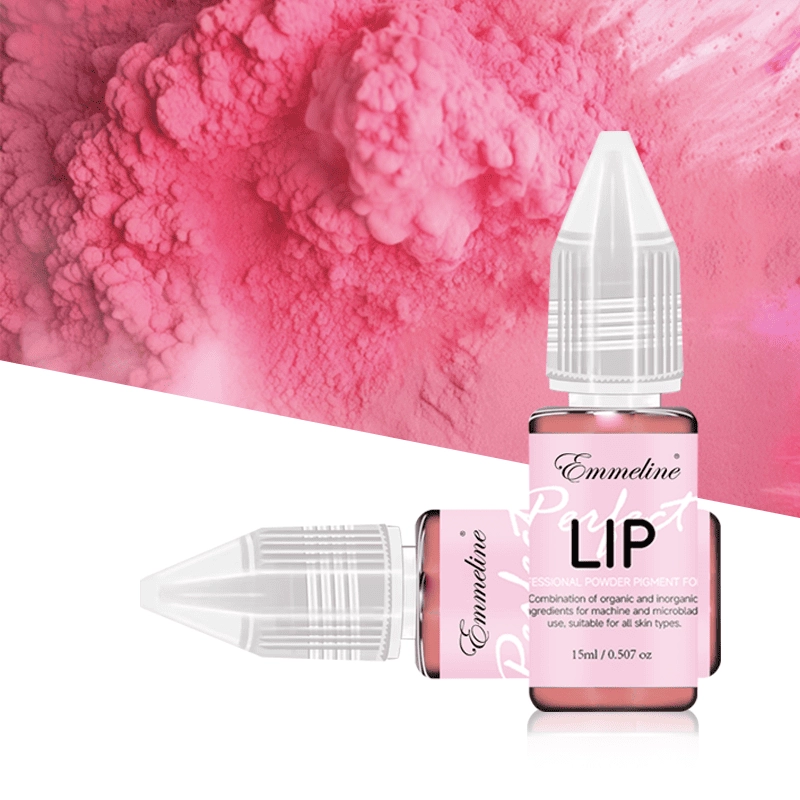
Safety & Ingredients: Pigment Tattoo Ink Explained for Artists
Super numb
What is the difference between Super Numb Tattoo Cream and Nano Numb Cream For Tattoo?
Both super numb cream and nano numb cream can be used for tattoos, piercings or other beauty treatments. But they are suitable for different people. Super numb cream has a stronger effect. If you need a very strong super numb tattoo cream, we recommend you to use Super Numb Tattoo Cream. Nano Numb Cream is developed for people with sensitive skin. The formula is more gentle, anti-sensitive and anti-redness. If you need a comfortably numb tattoo cream specifically for sensitive skin, we recommend you to use nano numb cream.
Tattoo aftercare
How often should I use the microblading repair product for best tattoo aftercare results?
It is recommended to apply the repair twice a day, morning and evening, for 1-2 weeks for best aftercare for tattoo results. Continuous use will help promote healing and extend the life of semi permanent makeup tattoos.
Super Essence
Which is better, numbing cream or numbing essence?
In terms of penetration speed, numbing essence penetrates the skin faster than numbing cream and takes effect faster, but it has higher requirements for the operator and needs to avoid the numbing liquid from flowing into the eyes. For new beginners and eyeliner tattoo treatment, we recommend using numbing cream.
Micro Blade
What size needle for microblading eyebrows? U-curved needle or a slope needle?
Slope Needle: The tip of a tilting needle usually presents a beveled angle. This shape is suitable for detailed line and contour work and is commonly used for contour and fine areas of tattoos, but may require some skill to ensure smoothness and consistency of the line.
U-curved Needle: U-curved needles have a U-curved tip and usually consist of multiple needles. The U-curved needle design distributes ink more evenly across the skin. It is more suitable for color filling and shading effects and gradient effects on large areas, and can cover a larger area in a short period of time. However, you need to control the pressure and speed to avoid uneven color.
To summarize, the choice of needle depends mainly on the design of the eyebrows semi permanent makeup and the desired effect.
Eyelash lifting
How long does the lash lift glue balm get dry?
On average, glue balm will dry in about 15 seconds, which is slower than liquid glue. Therefore, glue balm is more friendly to beginners, and it can provide more time for beginners to adjust the eyelashes when operation.

Professional Pre Inked Eye Brow Mapping String 30m
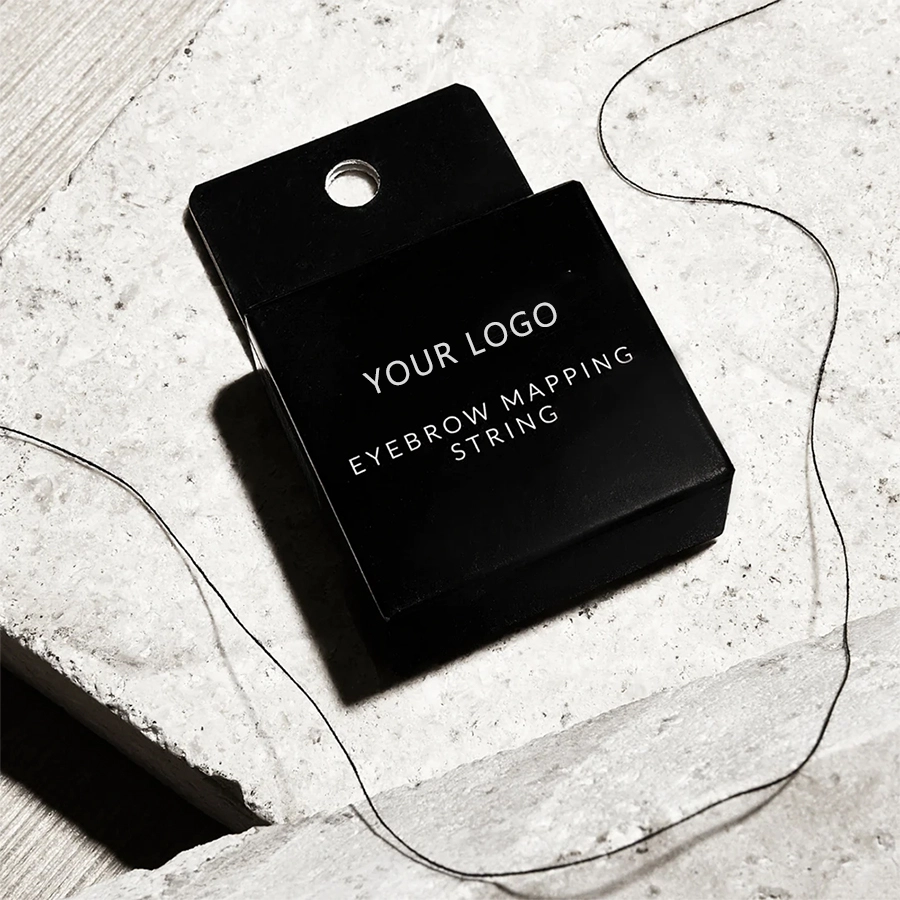
Microblading Pre-inked Mapping String Line 10m
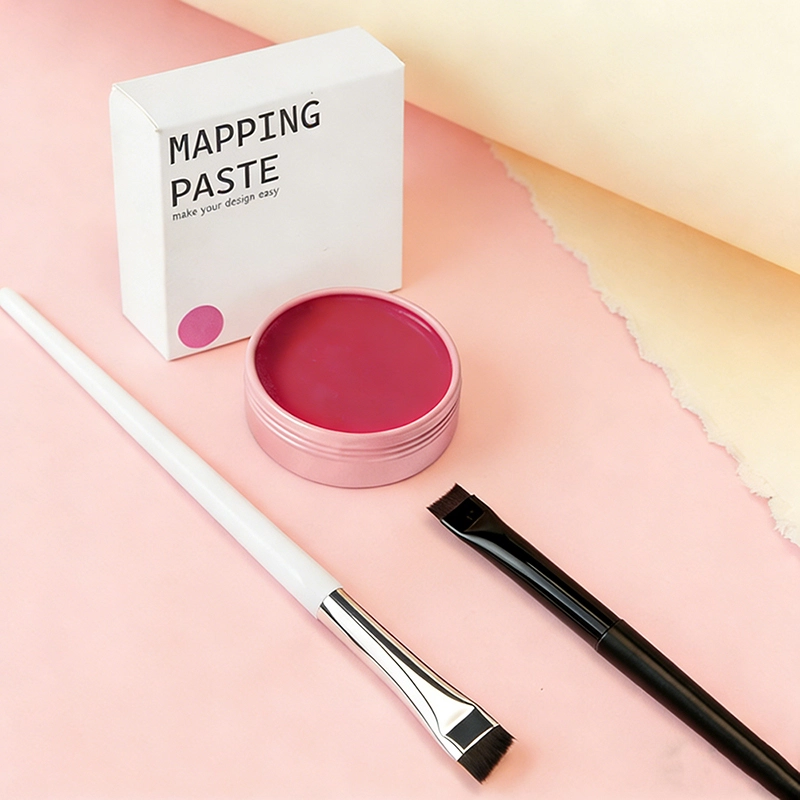
Pre-inked Mapping Ultra-Fine Eyebrows Eyeliner Blade Fan Brush

Instagram
Facebook
YouTube