


How to fix a damaged tattoo? | QM Makeup Expert Guide
How to Fix a Damaged Tattoo: A Guide for Semi-Permanent Makeup Users
Semi-permanent makeup (PMU) offers a convenient way to enhance your features, but like any cosmetic procedure, it can encounter issues over time. Understanding common problems and their solutions can help you maintain the beauty and longevity of your PMU. Below are five frequently asked questions and expert advice to address them.
1. What Causes Color Fading in Semi-Permanent Makeup?
Color fading is a common concern among PMU users. Several factors contribute to this issue:
Sun Exposure: Ultraviolet (UV) rays can break down pigments, leading to premature fading. To minimize this effect, apply a broad-spectrum sunscreen to the tattooed area and limit sun exposure.
Skin Care Products: Certain ingredients, such as retinoids and alpha hydroxy acids, can accelerate pigment breakdown. Consult with your PMU artist about suitable skincare products to use.
Skin Type and Lifestyle: Oily skin types may experience faster pigment fading due to increased oil production. Additionally, activities like swimming or excessive sweating can impact the longevity of your PMU.
Solution: Regular touch-ups are essential to maintain the desired color intensity. Schedule annual or bi-annual sessions with a reputable PMU artist to refresh your look.
2. How Can I Correct Shape Discrepancies in My PMU?
Achieving symmetry in PMU can be challenging, and minor shape discrepancies may occur:
Natural Facial Asymmetry: Everyone has slight natural asymmetries, which can be mirrored in PMU.
Application Technique: Inexperienced technicians may contribute to uneven results.
Solution: Consult with a certified and experienced PMU artist to assess and correct any shape issues. They can perform minor adjustments to achieve the desired symmetry.
3. What Should I Do if I Experience an Allergic Reaction to PMU Pigments?
Allergic reactions to PMU pigments, though rare, can occur:
- Symptoms: Redness, swelling, itching, or the formation of bumps at the tattoo site.
Solution: If you suspect an allergic reaction, seek medical attention promptly. Discuss any known allergies with your PMU artist before the procedure, and consider a patch test to identify potential sensitivities.
4. How Can I Prevent Infection After a PMU Procedure?
Infections are a serious concern following PMU treatments:
Hygiene Practices: Ensure the PMU studio adheres to strict sanitation protocols, including the use of sterilized equipment and disposable needles.
Aftercare: Follow the aftercare instructions provided by your PMU artist, which may include keeping the area clean and avoiding touching it with unclean hands.
Solution: Adhering to proper aftercare is crucial. If you notice signs of infection, such as increased redness, swelling, or pus, contact your healthcare provider immediately.
5. What Are the Risks of Pigment Migration in PMU?
Pigment migration refers to the spreading of pigment beyond the intended area:
- Causes: Incorrect needle depth, skin type, and the body's natural healing process can contribute to pigment migration.
Solution: Choose a skilled PMU artist experienced in managing pigment migration risks. They can adjust techniques to minimize this issue.
Conclusion: Why Choose QM Makeup?
At QM Makeup, we prioritize your safety and satisfaction. Our certified artists use high-quality pigments and adhere to strict hygiene standards to ensure optimal results. We offer personalized consultations to address your unique needs and provide comprehensive aftercare guidance to maintain your PMU's beauty and longevity.
For more information or to schedule a consultation, visit our website or contact us directly.
- How to Fix a Damaged Tattoo: A Guide for Semi-Permanent Makeup Users
- 1. What Causes Color Fading in Semi-Permanent Makeup?
- 2. How Can I Correct Shape Discrepancies in My PMU?
- 3. What Should I Do if I Experience an Allergic Reaction to PMU Pigments?
- 4. How Can I Prevent Infection After a PMU Procedure?
- 5. What Are the Risks of Pigment Migration in PMU?
- Conclusion: Why Choose QM Makeup?
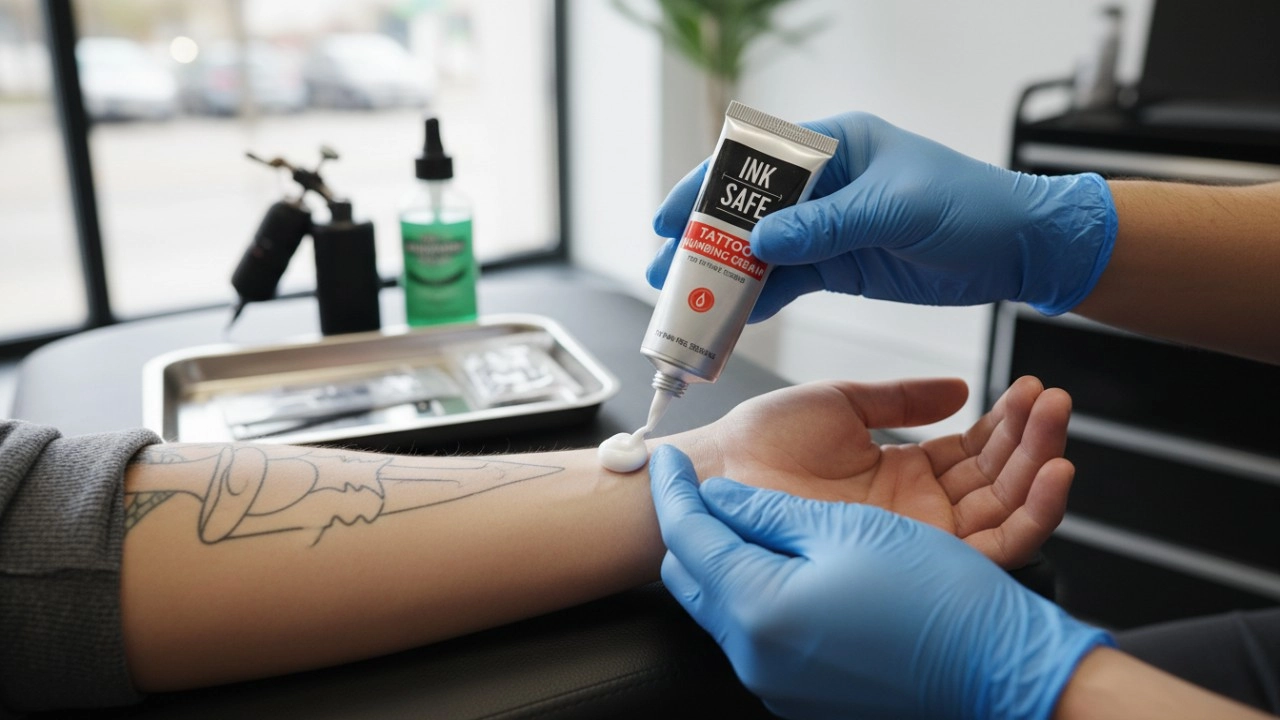
10 Best Numbing Creams for Tattoos in 2026: Ranked by Pain Relief and Safety
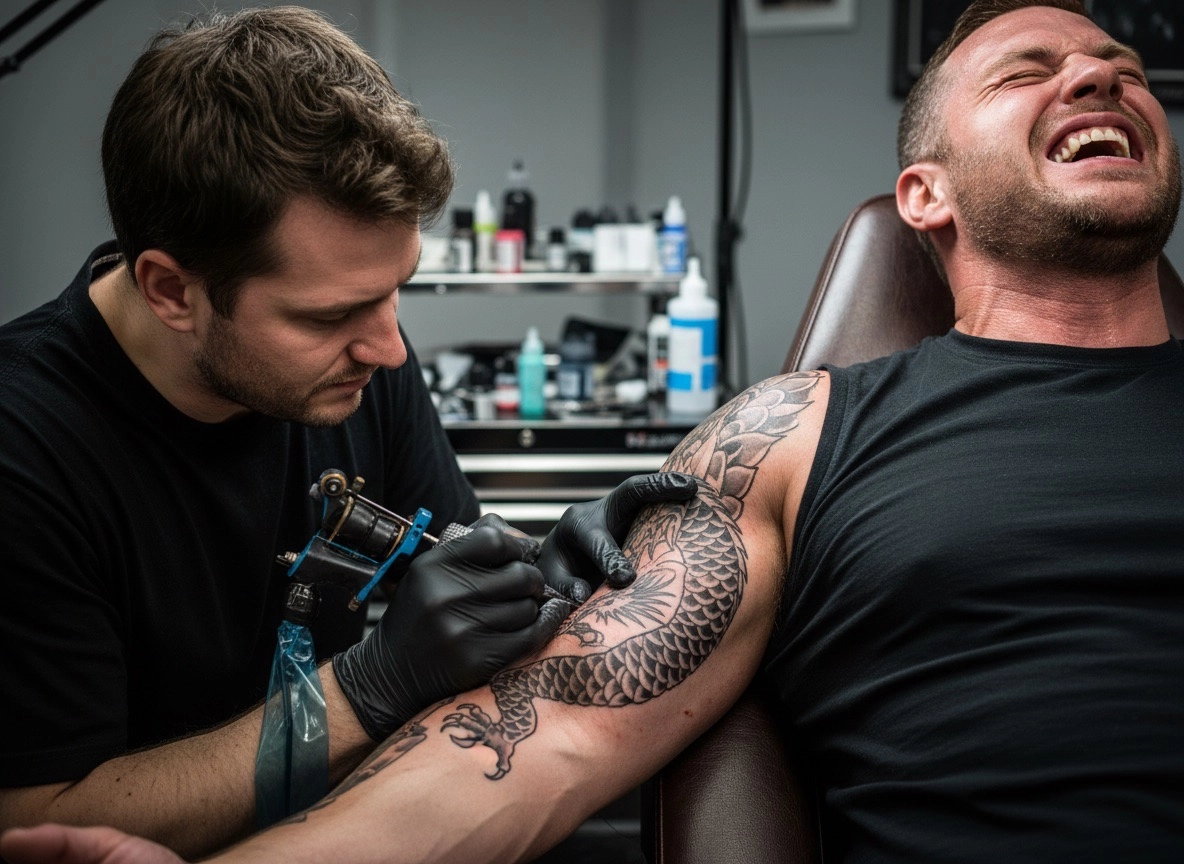
Does Numbing Cream Work for Tattoos? The Ultimate Guide to a Pain-Free Session
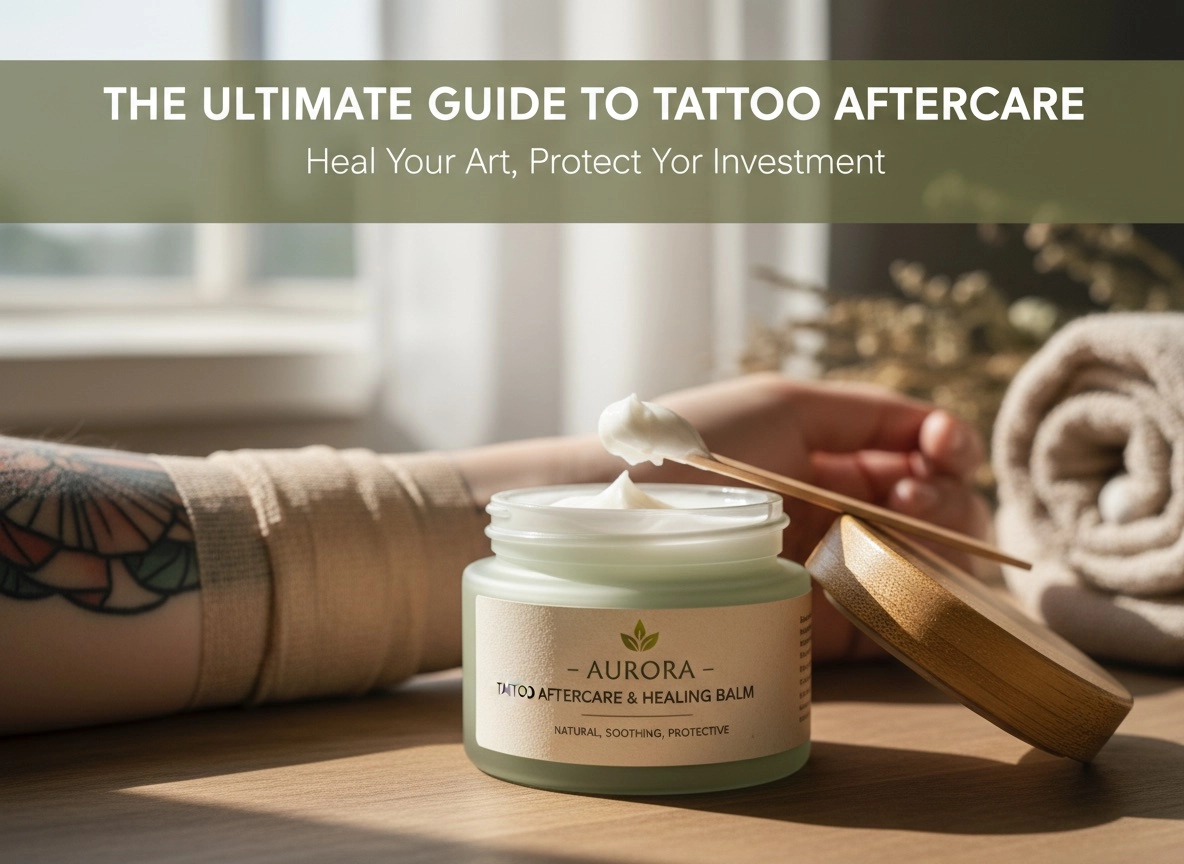
The Ultimate Guide to Tattoo Aftercare Cream: Healing & Vibrancy for 2026 and Beyond
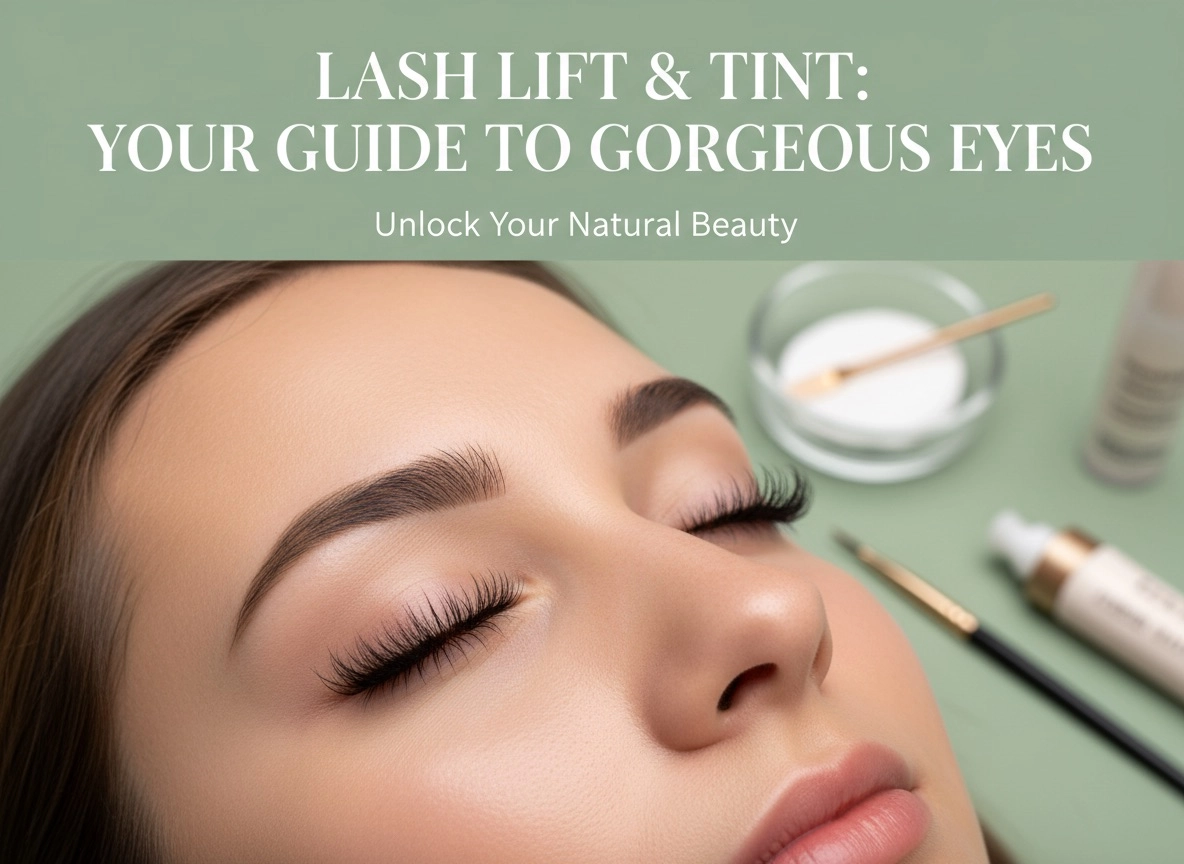
Lash Lift and Tint 2026: Your Ultimate Guide to Defined, Curled Lashes
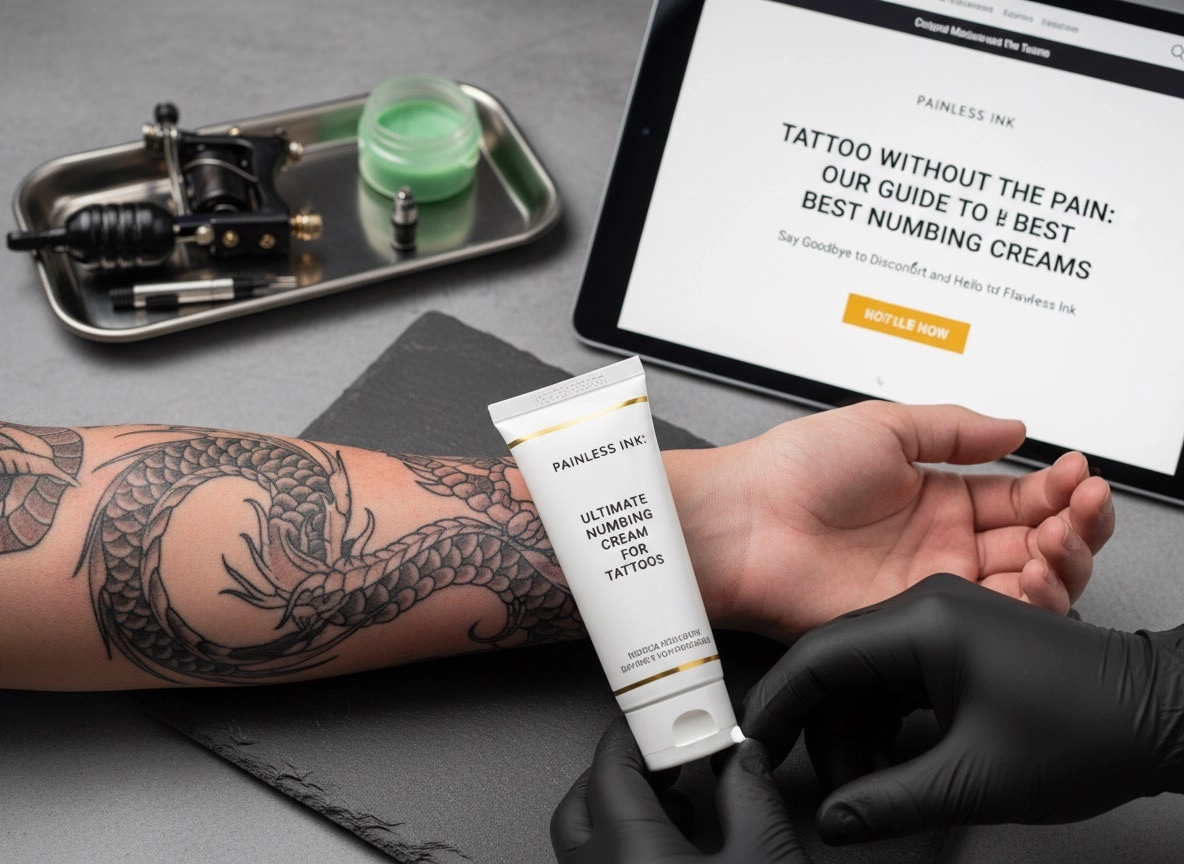
Best Numbing Cream for Tattoos 2026: The Ultimate Guide for Pain-Free Ink
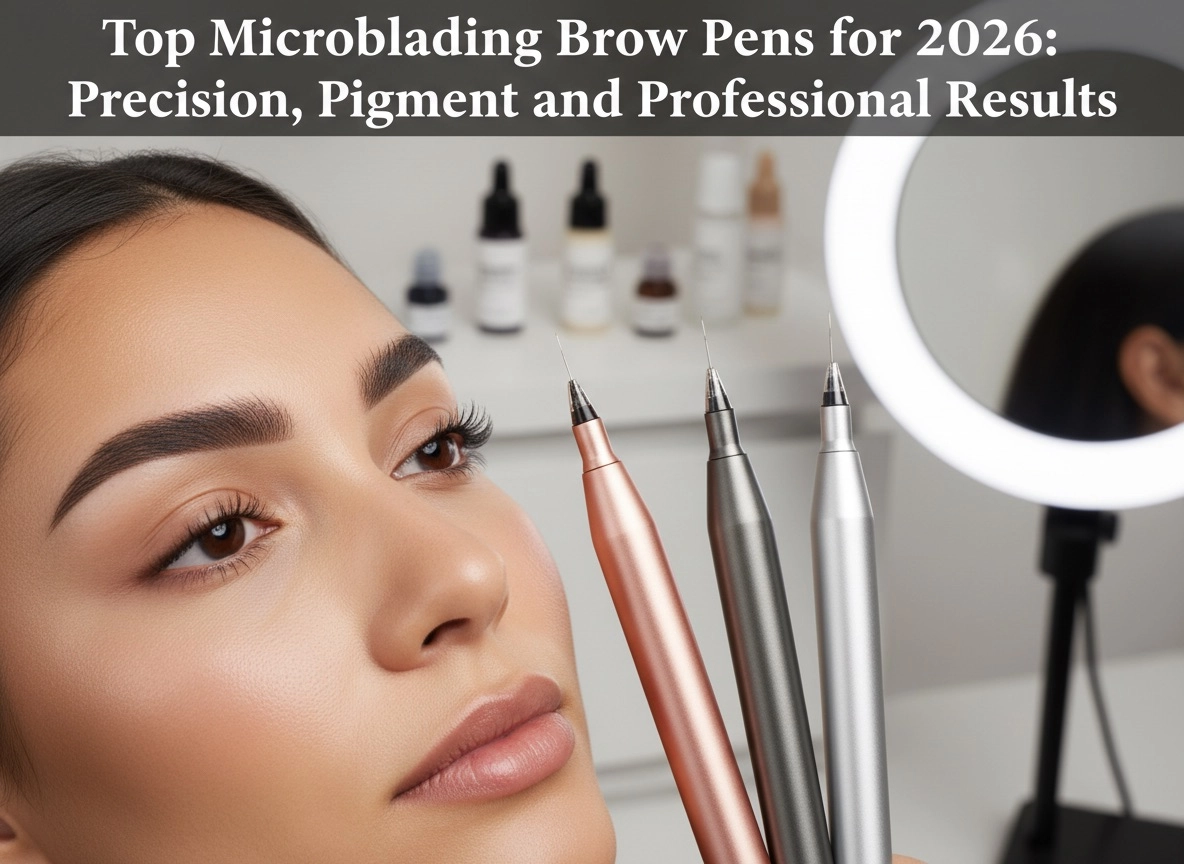
Top Microblading Brow Pens for 2026: Precision, Pigment, and Professional Results
Tattoo balm
Is the repair product suitable for all skin types?
Yes, our repair products are good tattoo aftercare products, it is suitable for all skin types aftercare for tattoo. They are gentle and safe and can be used on sensitive skin.
Powder Pigment
What is the difference between inorganic and organic permanent makeup ink?
The main difference between organic and inorganic pigments lies in their chemical composition, properties and performance. Here are some key points to distinguish them:
Chemical composition:
Organic tattoo pigment are composed of carbon-based compounds, usually containing carbon, hydrogen, oxygen and other elements (such as nitrogen, sulfur, etc.). Their molecular structure is complex and usually has organic chemical characteristics.
Inorganic tattoo pigments are mainly composed of inorganic compounds and usually do not contain carbon. Such pigments may contain metal oxides, salts, minerals, etc.
Color saturation:
Organic permanent makeup pigment usually have higher color saturation and brighter colors. Inorganic permanent makeup pigment are generally more stable in color, have strong hiding power, and have low color saturation.
Stability:
Organic cosmetic tattoo pigment have poor stability in light, heat and chemical environments and may fade. Inorganic pigments are generally more stable and resistant to high temperatures and chemical erosion.
Permeability:
Organic pigments are usually composed of organic compounds, which often have good water solubility and can dissolve in water faster. Therefore, organic pigments have stronger permeability than inorganic pigments.
In general, organic and inorganic pigments have their own advantages and disadvantages and are suitable for different application scenarios and needs. In order to take into account the brightness, saturation and stability of the ink, most tattoo supplies ink currently use a mixed formula of organic and inorganic.
Lash lift kit
What is the MOQ for customization?
For logo customization, the MOQ is 2000 kits; for other in-depth customization, the MOQ will be based on your specific requirements.
Does the neutralizer contain the ingredient “Sodium Bromate” ?
Yes. The active ingredient of the neutralizer is an oxidant agent, which reconnects the disulfide bonds in the eyelashes that were broken by the perming lotion. Commonly used oxidants are sodium bromate and hydrogen peroxide. Sodium bromate works best at a neutral pH value, and can achieve a firm, elastic styling effect.
Logistics
Can you provide DDP service?
We provide DDP by air and DDP by sea to some countries, such as the United States, Mexico, Australia, the United Kingdom, the European Union, the United Arab Emirates, Russia, and Southeast Asia. Please contact us for more details.

Microblading Pre-inked Mapping String Line 10m
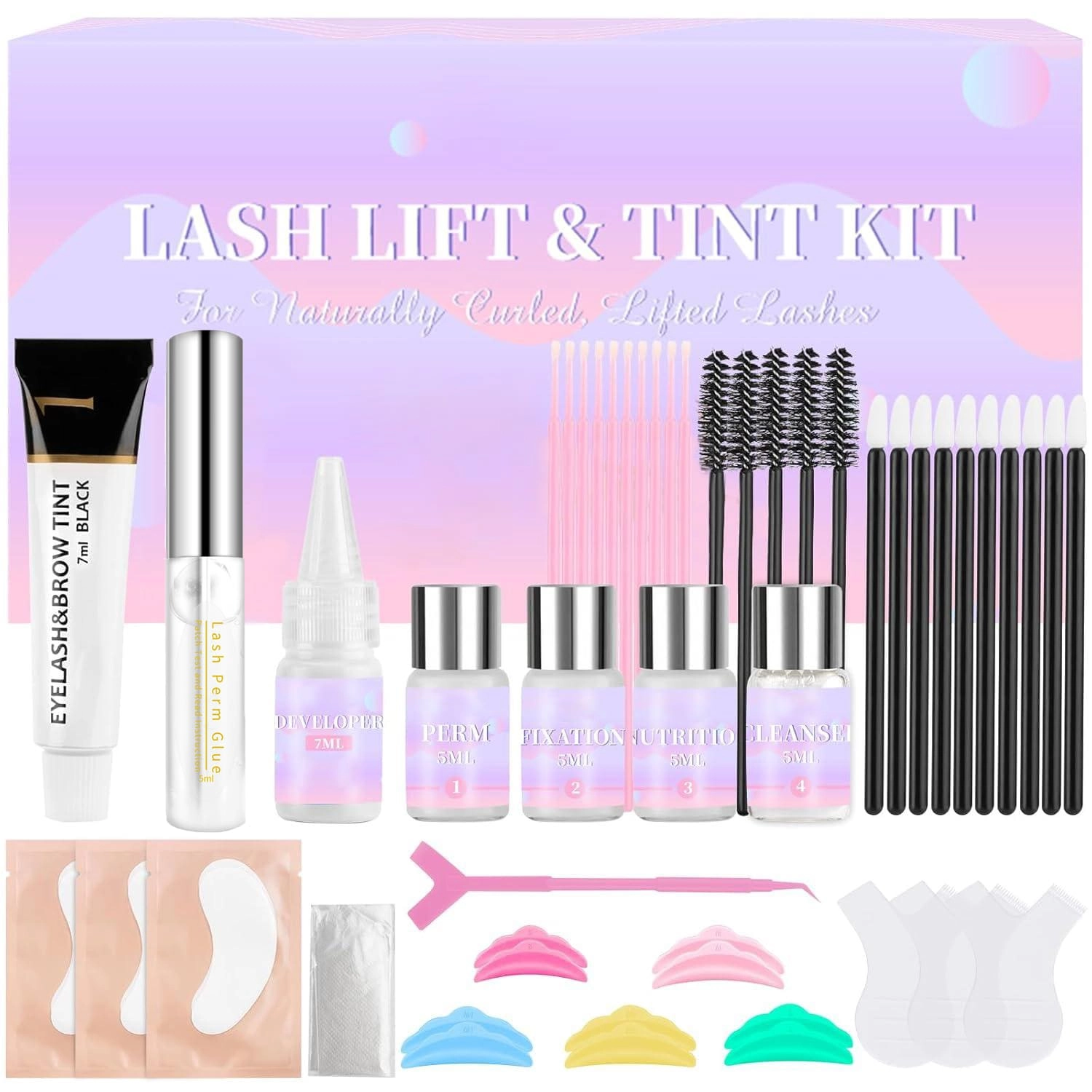
Professional Lash Lift and Tint Kit
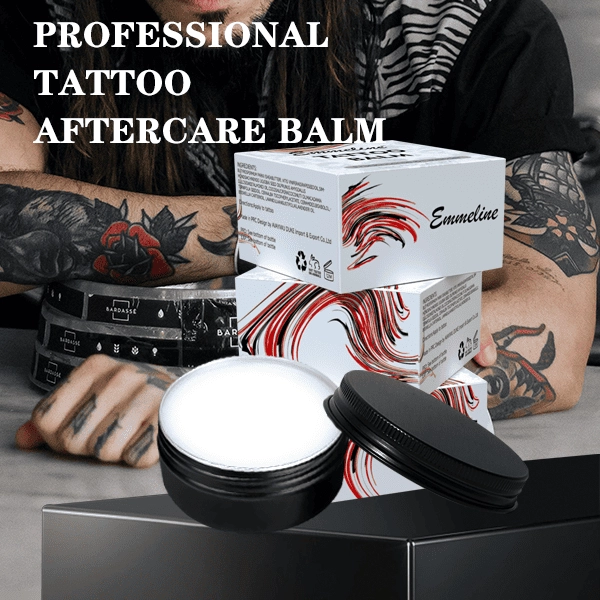
50g Body Tattoo Butter Balm
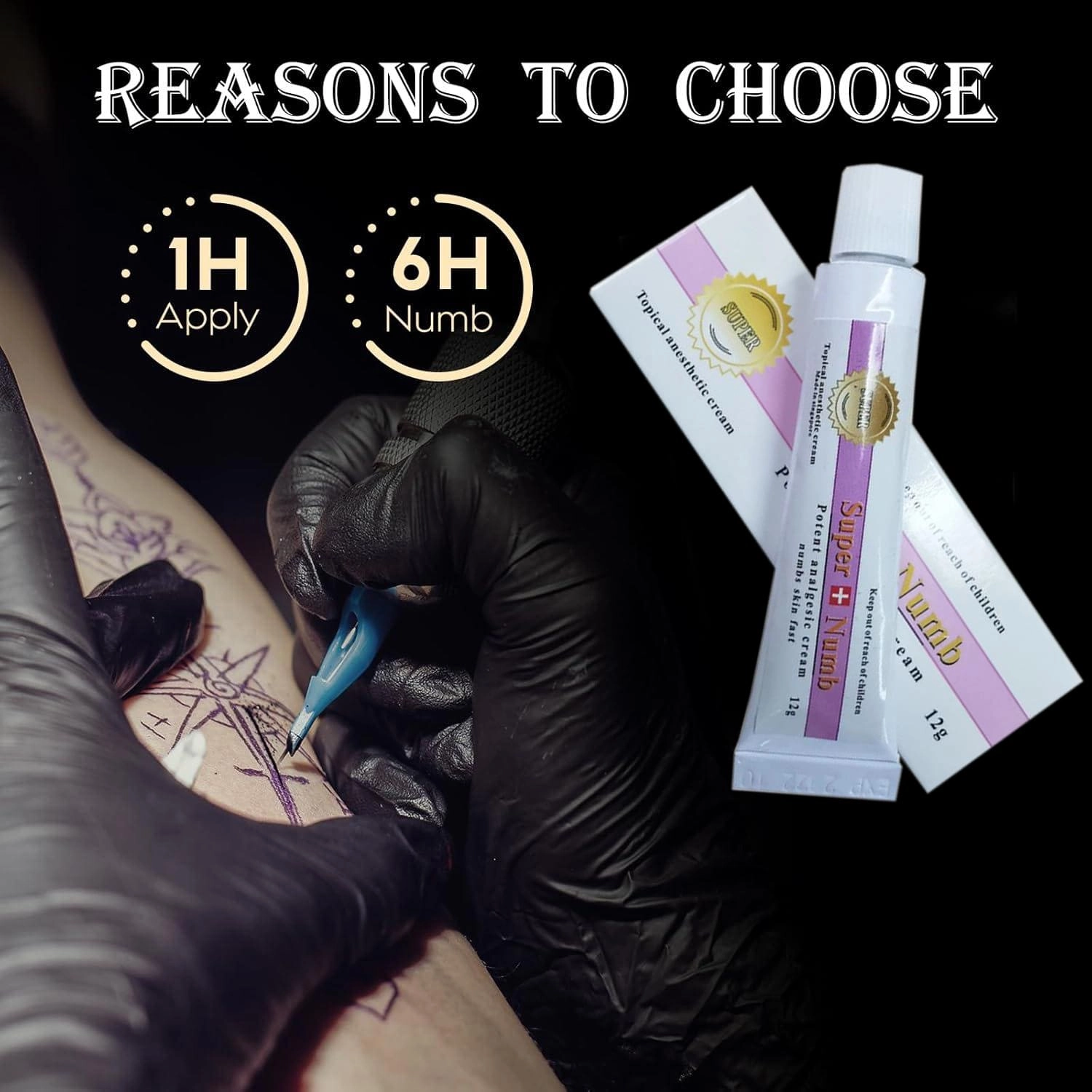
Super Numb Tattoo Cream
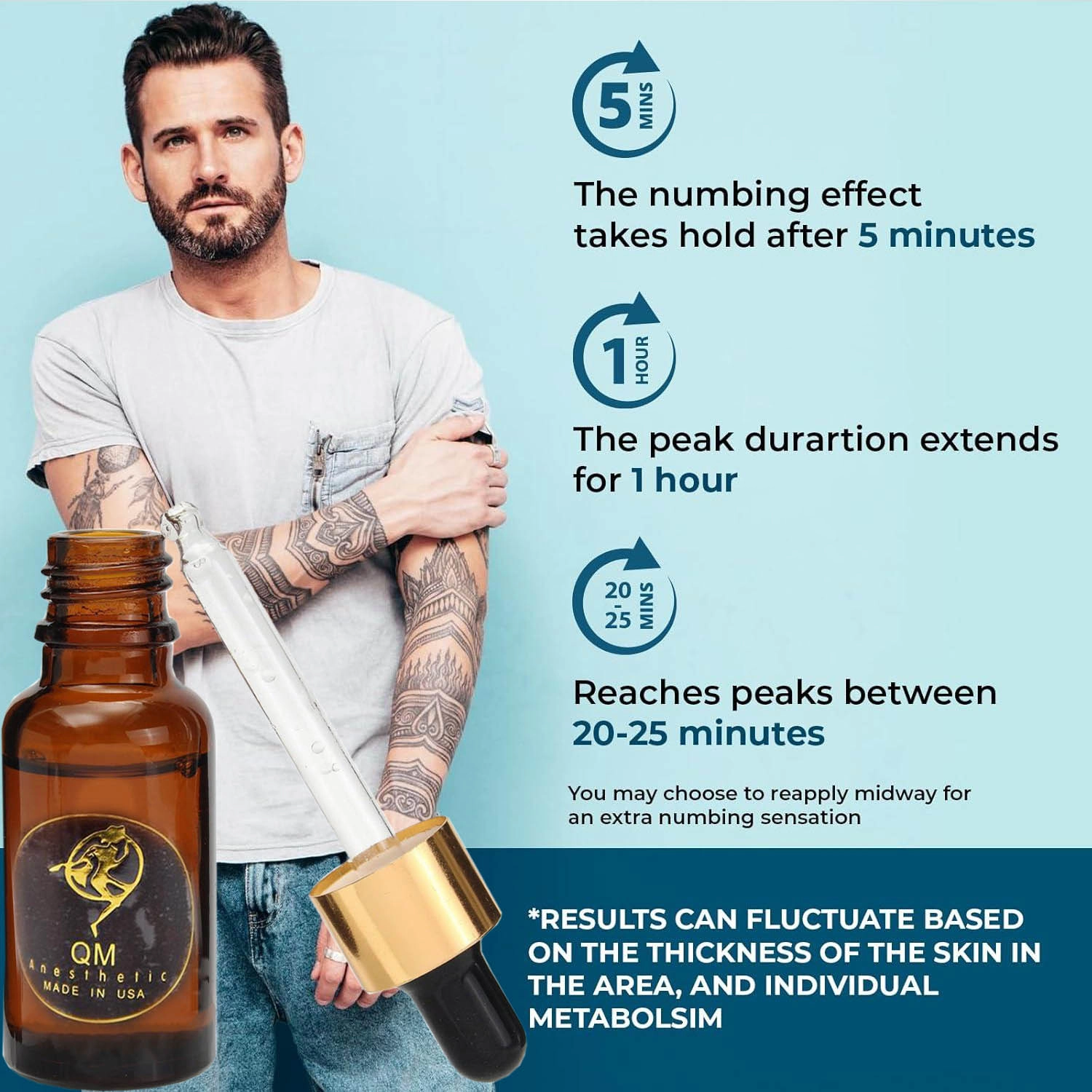
5 Minutes Secondary Numbing Essence
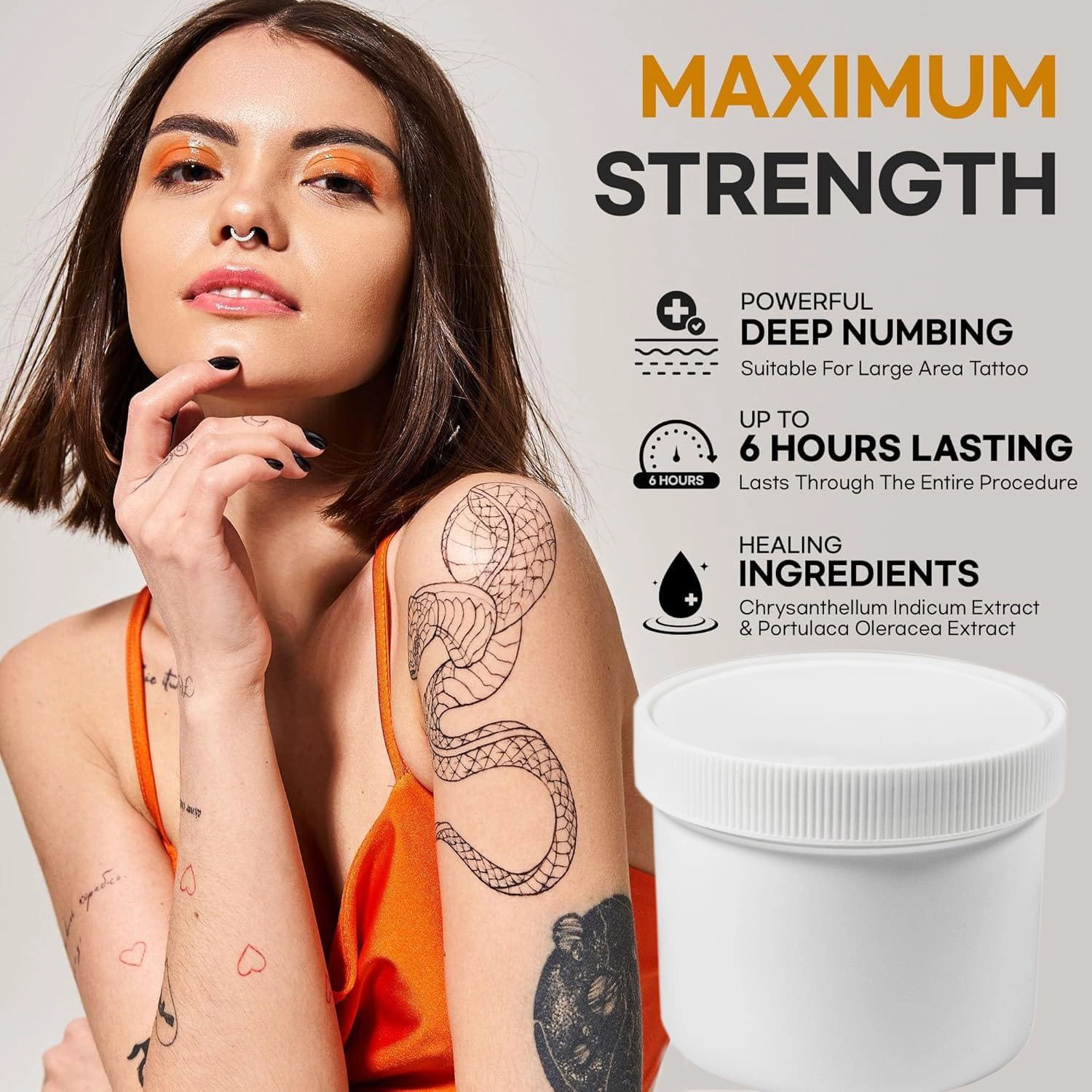
Body Use Super Numb Tattoo Numbing Cream
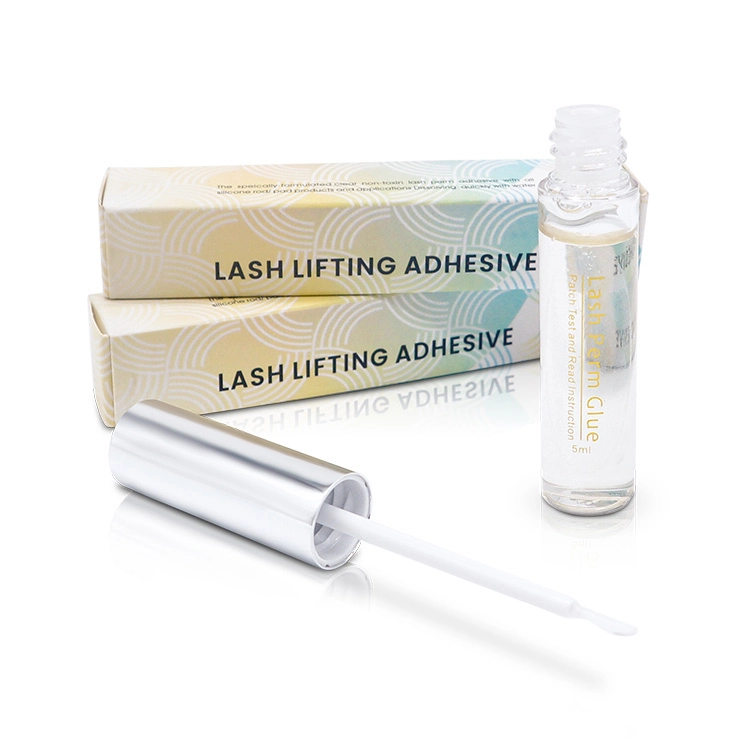
Japan Strong Sticky Lash Lift Glue
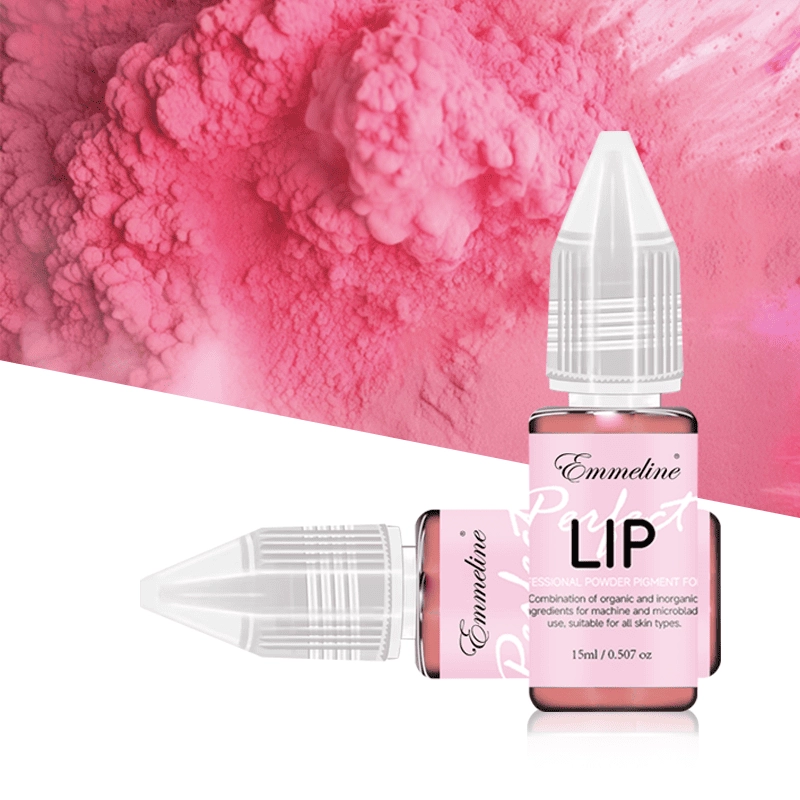
Hybrid Powder Microblading Pigment Ink
What product do we have?

Instagram
Facebook
YouTube