


What Exactly Is Permanent Makeup?
If you are a beginner in semi-permanent makeup, we strongly recommend that you have an in-depth understanding of the following common questions about semi-permanent makeup before entering the semi-permanent makeup industry. This will enable you to get twice the result with half the effort on the road to becoming a professional semi-permanent artist.
What is semi-permanent makeup?
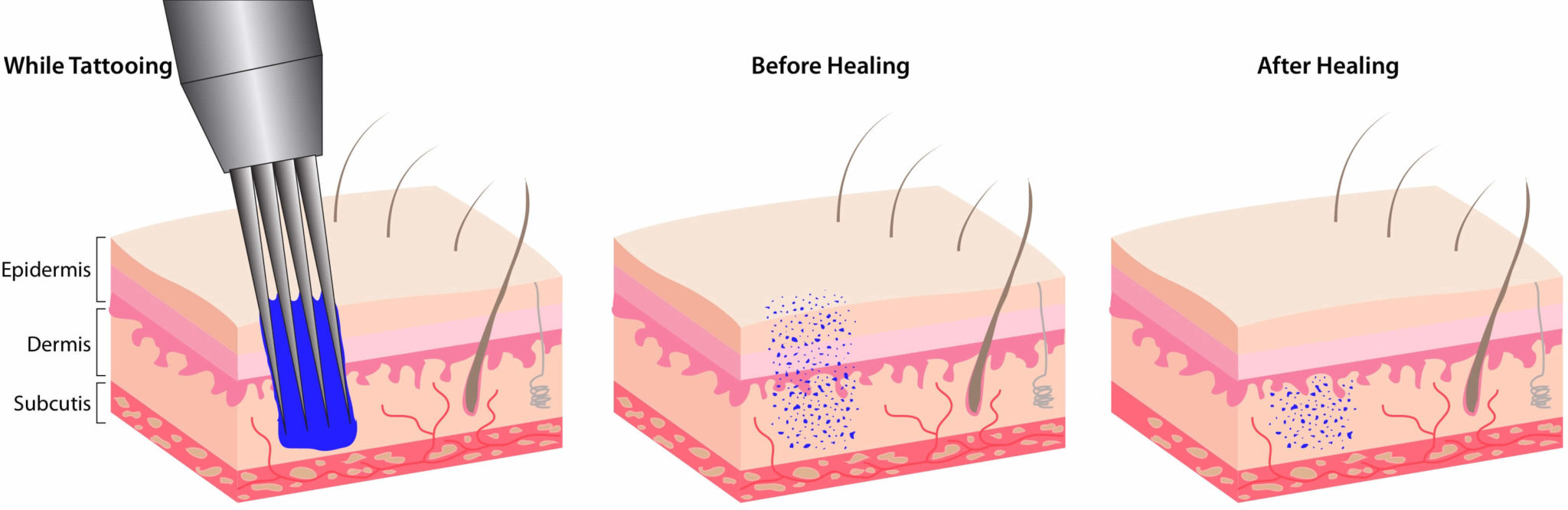
Semi-permanent makeup, also called permanent makeup (PMU) or micropigmentation. Compared to tattoos, semi-permanent makeup is a milder form of pigmentation. Its principle is the same as that of tattoos. It uses an electric permanent makeup tattoo machine to bring harmless tattoo pigments into the dermis of the skin through a tattoo cartridge needle at a very high speed.
Since the cells in the dermis of the skin renew very slowly, the structure is relatively stable, and the tattoo pigment particles are large, the macrophages of the human immune system cannot clear them. Ultimately, the tattoo pigments are deposited in the dermis, forming visible lines and patterns.
Is semi-permanent makeup worth it?
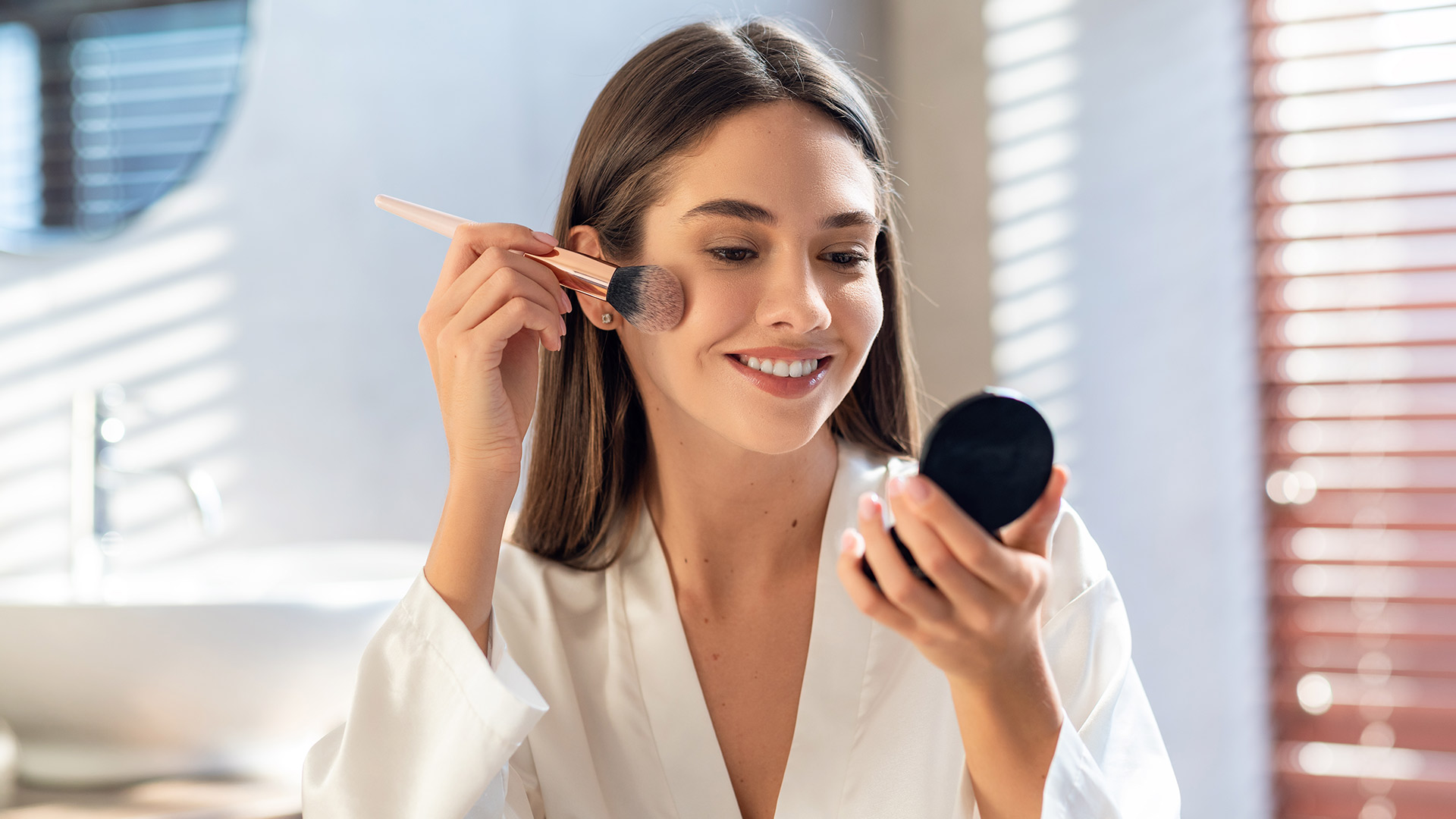
Semi-permanent makeup benefits a lot, it is a very good beauty project, which is both cosmetic and therapeutic.
1. Save time: Semi-permanent makeup can save you more time in your daily makeup process. After you have done semi-permanent makeup brows, semi-permanent makeup lips, and semi-permanent makeup eyeliner, your makeup time can be shortened by at least 50%. The remaining makeup work is just to apply basic makeup, contouring, and blush. Of course, if you like the nude makeup effect, you can even go out directly after washing.
2. Repair treatment: Semi-permanent makeup is also a beauty treatment project for some people. Semi-permanent makeup can effectively help the following people: those with sparse eyebrows, incomplete eyebrows (such as broken eyebrows), pale lips, black lips, etc., so that they have healthy and charming makeup.
What are the disadvantages of permanent makeup?
As for the disadvantages of semi-permanent makeup? We can say with certainty that its disadvantages have less impact than its advantages. If you are a beauty lover who is keen on changing your makeup frequently, we recommend that you choose daily makeup, because the effect of semi-permanent makeup can generally last for 2-5 years.
How long does semi-permanent makeup last?
In general, semi-permanent makeup can last for 2-3 years, but the specific duration is affected by many factors, such as the technique of the tattoo artist, the texture of the pigment used, the quality of the pigment, post-maintenance, skin type, and the body's metabolic rate.
We recommend that you have a color touch-up treatment 1-1.5 years after the first semi-permanent makeup treatment. The semi-permanent artist will adjust the color touch-up plan based on your pigment metabolism. After the color touch-up treatment, the semi-permanent makeup effect can be extended for another 1.5-2 years.
Do I need to be an esthetician to do permanent makeup?
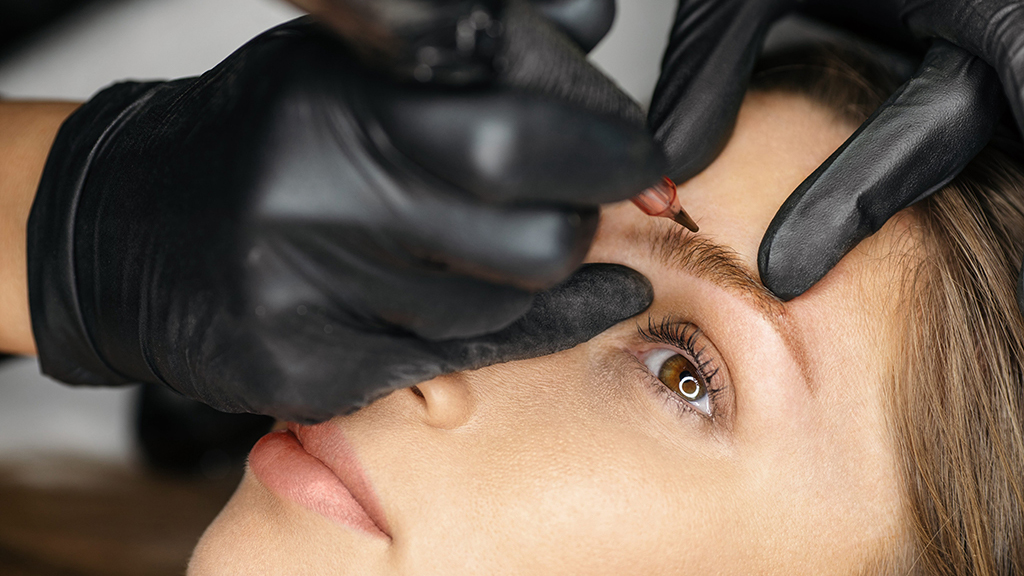
Yes, you must! To legally engage in semi-permanent makeup work, you must have professional semi-permanent makeup knowledge and mature semi-permanent makeup operation skills. Professional semi-permanent makeup cannot be obtained by browsing the web or watching free online teaching videos. We strongly recommend that you go to a formal, reputable semi-permanent makeup training school for systematic offline learning and obtain a professional skills certificate before engaging in semi-permanent makeup work.
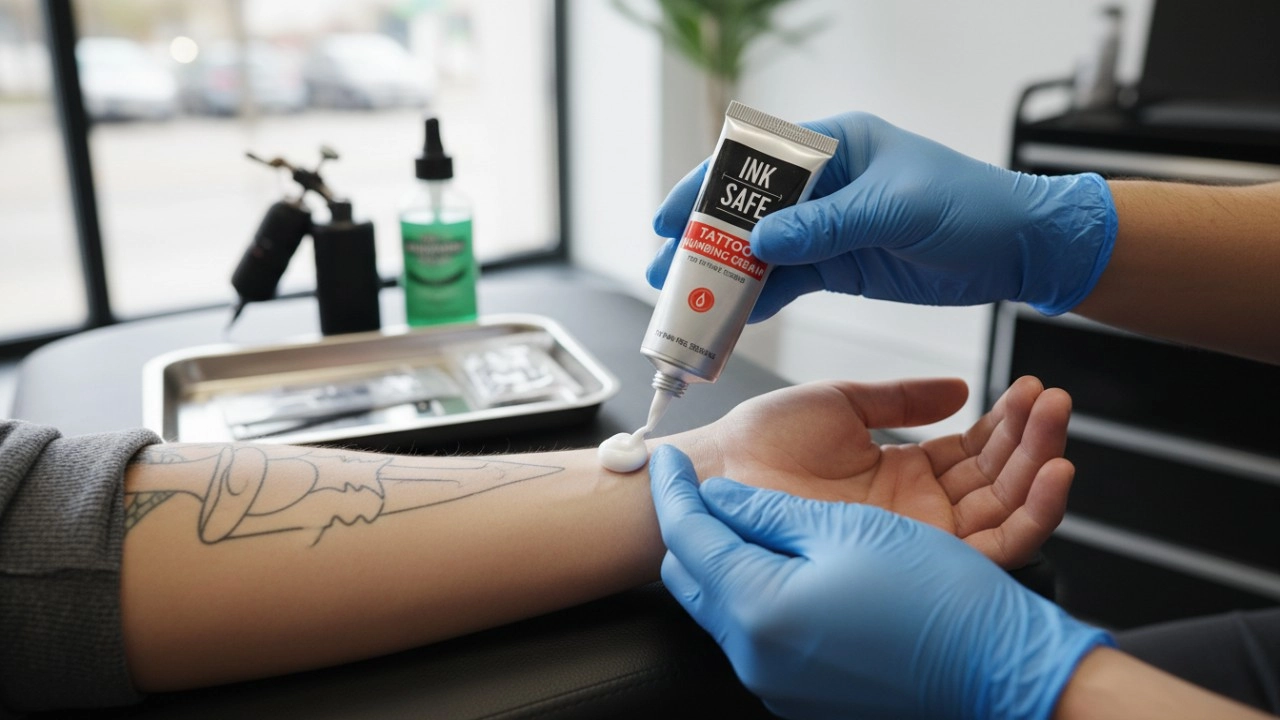
10 Best Numbing Creams for Tattoos in 2026: Ranked by Pain Relief and Safety
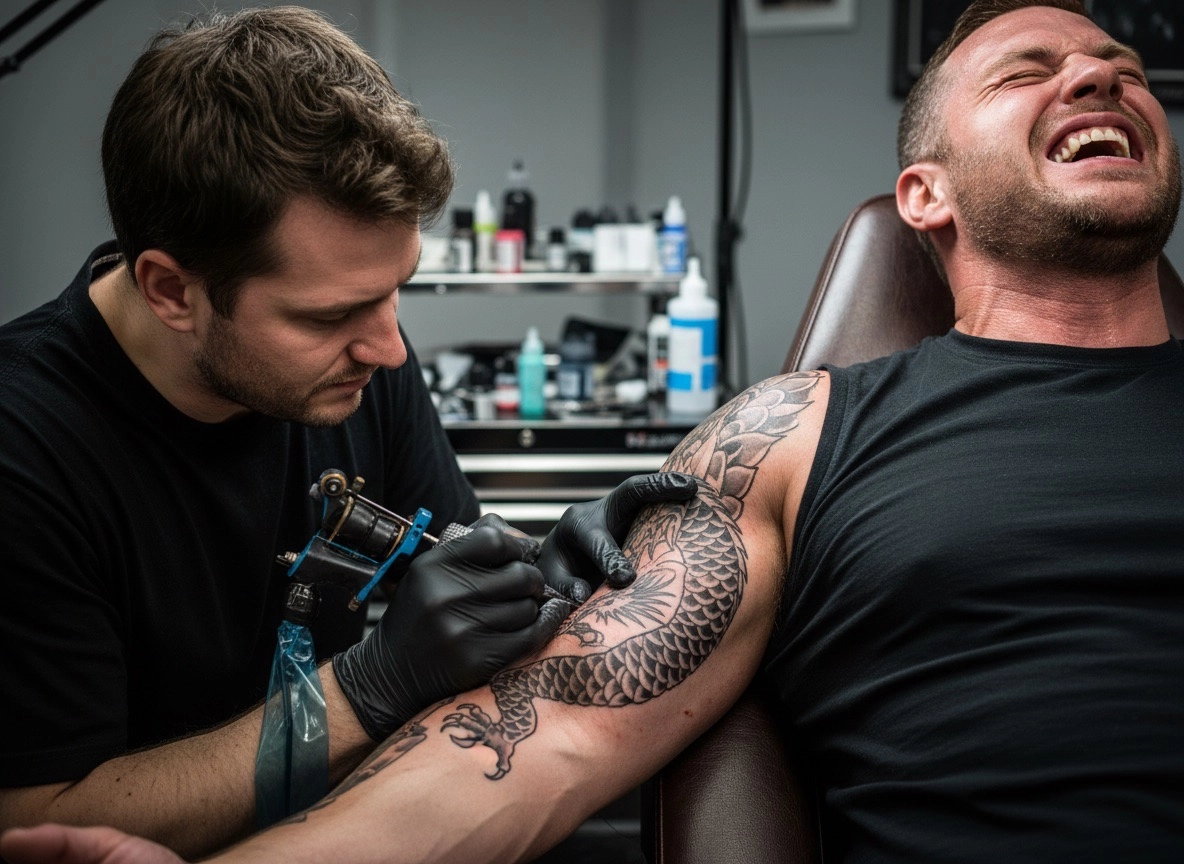
Does Numbing Cream Work for Tattoos? The Ultimate Guide to a Pain-Free Session

The Ultimate Guide to Tattoo Aftercare Cream: Healing & Vibrancy for 2026 and Beyond

Lash Lift and Tint 2026: Your Ultimate Guide to Defined, Curled Lashes
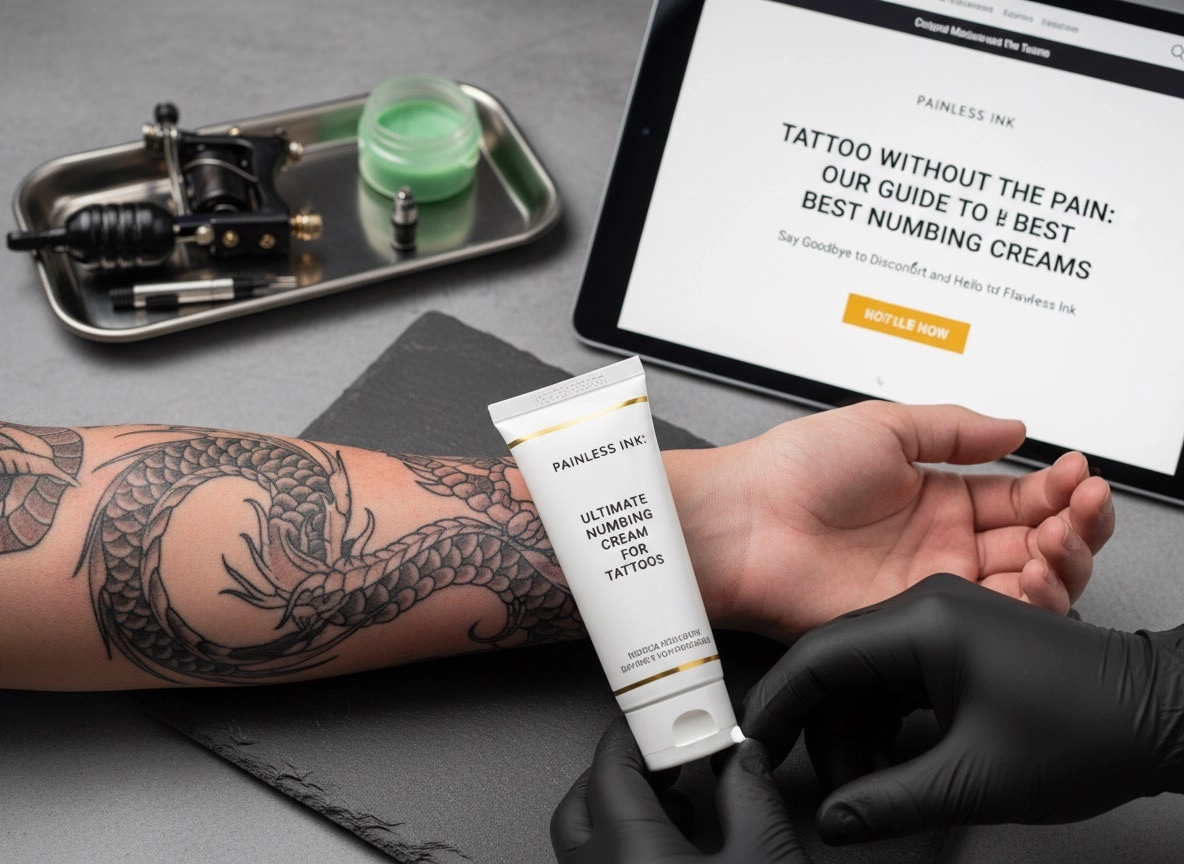
Best Numbing Cream for Tattoos 2026: The Ultimate Guide for Pain-Free Ink
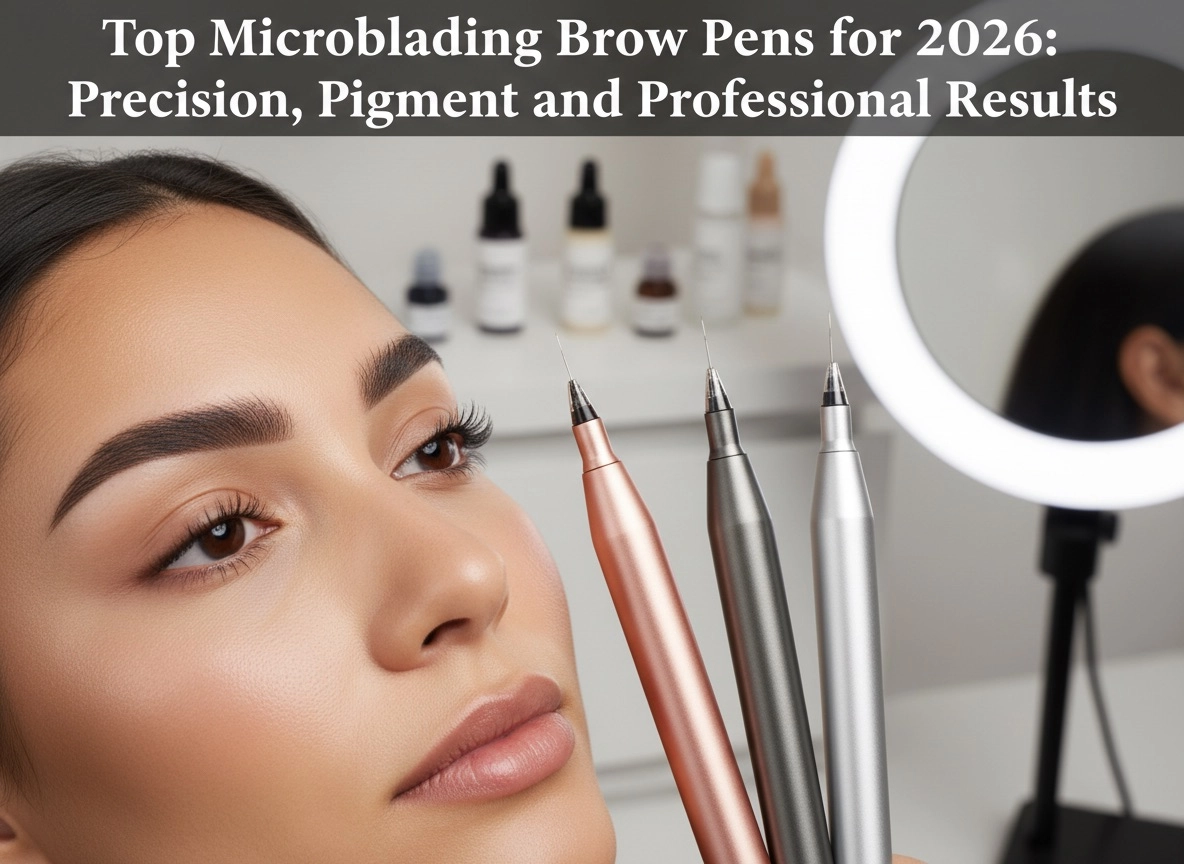
Top Microblading Brow Pens for 2026: Precision, Pigment, and Professional Results
Products
What’s your product quality certificate for glue balm?
We have MSDS certificate for PERM & FIXING & Glue lotions and glue balm.
Pigment Ink
How long does the ink typically last in the skin ?
On average, our pigments last about 1-5 years without fading, depending on the clients individual differences and the depth of the tattoo operation.
Customized service
Can I get samples first for customization?
Yes, we support sample orders. Since your customization is different from regular goods, we may need to produce or process it separately, so we need to charge a corresponding sample fee, which can be refunded when you place a formal order.
Lash lift kit
Does the neutralizer contain the ingredient “Sodium Bromate” ?
Yes. The active ingredient of the neutralizer is an oxidant agent, which reconnects the disulfide bonds in the eyelashes that were broken by the perming lotion. Commonly used oxidants are sodium bromate and hydrogen peroxide. Sodium bromate works best at a neutral pH value, and can achieve a firm, elastic styling effect.
Eyelash lifting
How long does the lash lift glue balm get dry?
On average, glue balm will dry in about 15 seconds, which is slower than liquid glue. Therefore, glue balm is more friendly to beginners, and it can provide more time for beginners to adjust the eyelashes when operation.
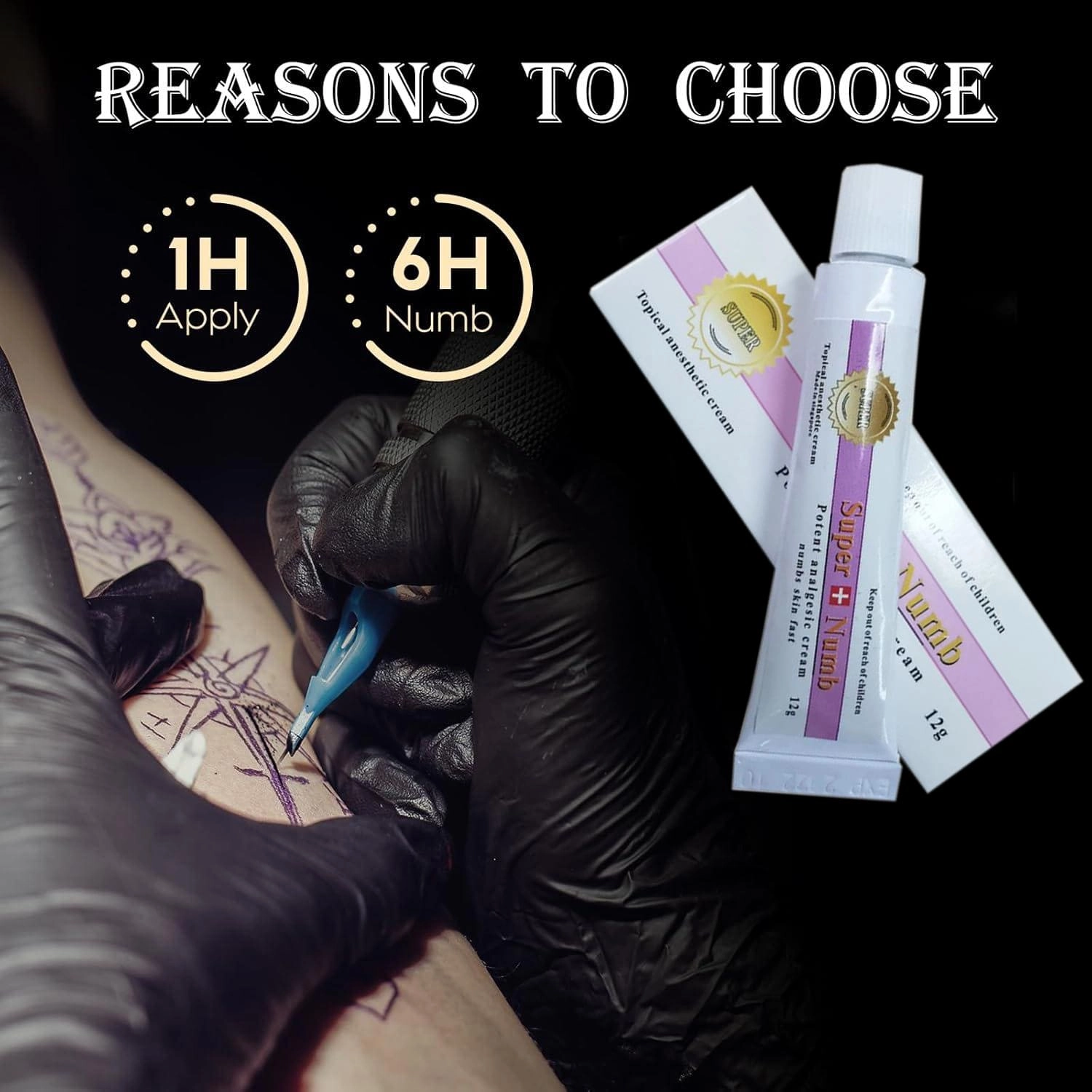
Super Numb Tattoo Cream
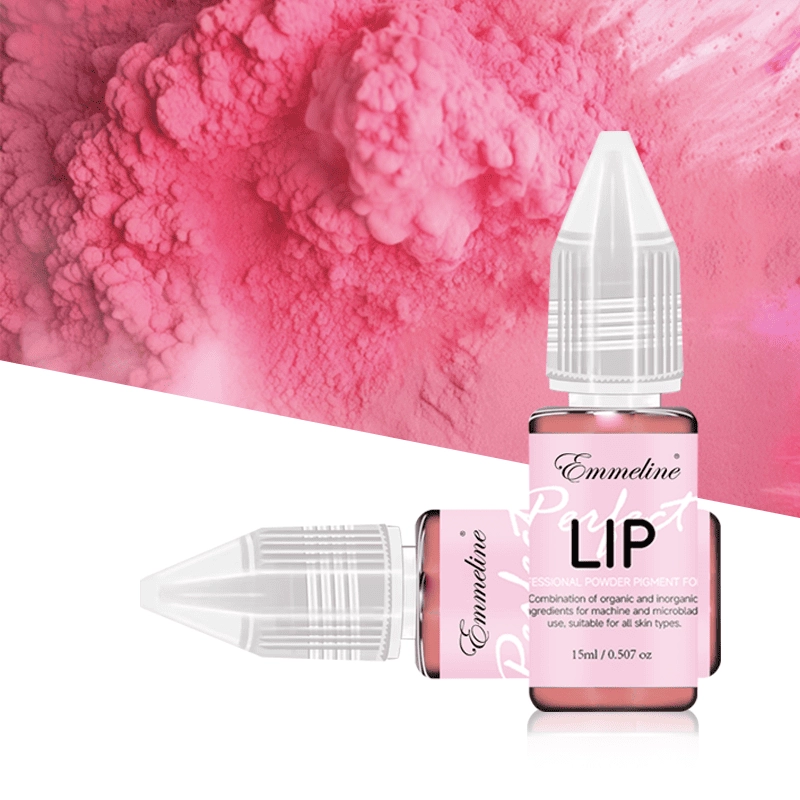
Hybrid Powder Microblading Pigment Ink
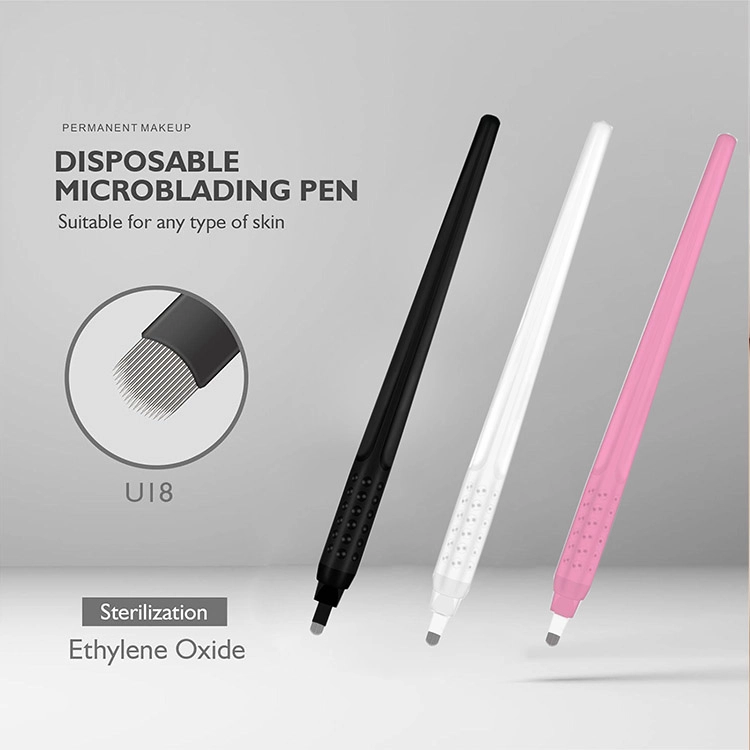
Disposable Microblading Pen
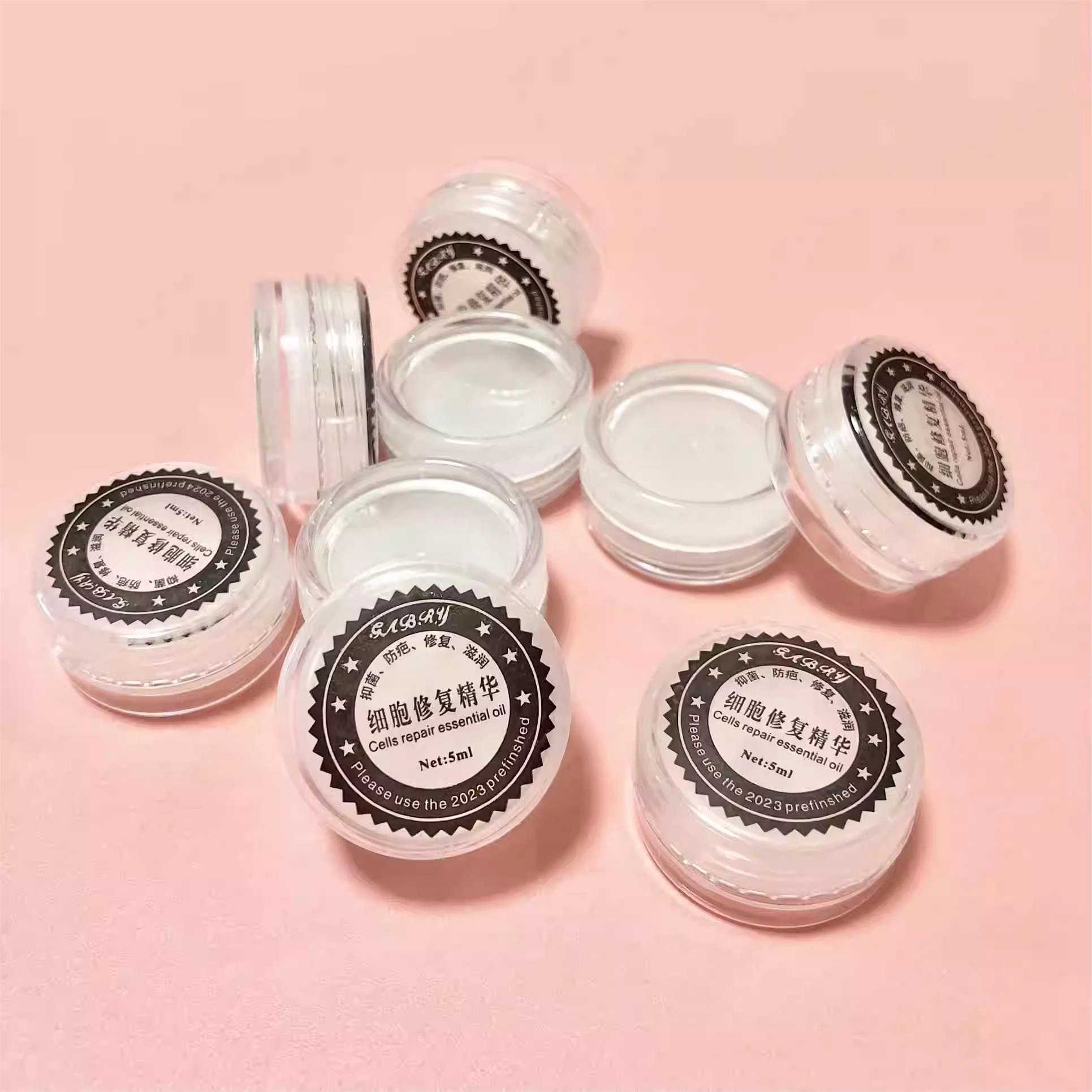
5g Cell Repair Essential Balm
What product do we have?

Instagram
Facebook
YouTube