


how to apply cluster lashes professionally | QM Makeup Guide
How to Apply Cluster Lashes Professionally: Step-by-Step Guidance for Technicians
This article provides semi-permanent makeup industry professionals with practical know-how on how to apply cluster lashes professionally. Learn efficient application methods to maximize client satisfaction, avoid common pitfalls, and improve both speed and retention.
How to Apply Cluster Lashes Professionally
Cluster lash application requires specific techniques for long-lasting, safe, and beautiful results. Mastering this procedure boosts service offerings and client retention for any semi-permanent makeup artist.
Understanding Cluster Lashes
- Definition: Cluster lashes are groups of multiple lash extensions, pre-bonded at the base, designed for quick volume enhancement.
- Use Case: Ideal for temporary or semi-permanent enhancements, suitable for special events but not recommended for extended wear ((https://www.aao.org/eye-health/news/how-safe-are-fake-eyelashes)).
- Comparison: Less individualized than classic lash extensions, but time-efficient and cost-effective.
Essential Tools and Supplies
- Cluster Lashes: High-quality, hypoallergenic clusters in varied lengths.
- Adhesive: Professional-grade, formaldehyde-free adhesive.
- Tweezers: Precision tweezers for accurate placement.
- Cleanser: Oil-free lash cleanser for preparing natural lashes.
- Micropore Tape/Eye Pads: For securing lower lashes and protecting client’s skin.
- Spoolies and Micro Brushes: For separation and adhesive application.
Preparation Steps
- Consultation: Confirm client expectations, assess for allergies or sensitivities.
- Sanitization: Sterilize all tools. Technicians should wash hands, wear gloves, and use disposable applicators ((https://www.cdc.gov/oralhealth/infectioncontrol/summary-infection-prevention-practices/index.html)).
- Cleansing: Remove all traces of makeup and oil from natural lashes.
- Protection: Apply eye pads or tape to secure lower lashes.
Professional Application Technique
- Select Clusters: Choose lengths and volumes to suit the client’s eye shape and desired outcome.
- Dip Cluster: Lightly dip the cluster base in minimal lash adhesive.
- Placement:
- Position cluster above the natural lash line, never directly on the eyelid.
- Attach to isolated sections of the natural lash, avoiding skin contact to reduce risks of irritation and premature fallout.
- Alternate inner, middle, and outer corners to maintain symmetry.
- Spacing: Avoid overcrowding to prevent heaviness or damage to natural lashes.
- Drying: Let adhesive set for at least 30–60 seconds before moving to the next section.
- Finishing: Gently brush lashes with a spoolie for even separation and natural look.
Aftercare Recommendations
- First 24 Hours: Advise clients to avoid water, steam, and eye makeup.
- General Maintenance: Recommend oil-free cleansers, no rubbing or pulling of lashes, and avoiding mascaras that are difficult to remove.
- Removal: Emphasize professional removal with appropriate solvents to prevent lash damage ((https://www.bad.org.uk/shared/get-file.ashx?id=1876&itemtype=document)).
Safety Considerations
- Patch Test: Always conduct adhesive patch tests before the first application.
- Red Flags: Watch for clients reporting burning, redness, or swelling—remove lashes immediately in these cases.
- Quality Control: Source reputable, regulated products to reduce risk of reactions or infection.
Quick Reference FAQs
How long do cluster lashes last?
- Typically 2–7 days, depending on adhesive, aftercare, and natural lash cycle.
Can cluster lashes damage natural lashes?
- Improper technique or heavy clusters can cause stress; correct isolation and light clusters are key ((https://onlinelibrary.wiley.com/doi/full/10.1111/jocd.15589)).
Is client consent required?
- Yes, always use signed consent forms noting risks and aftercare.
Authoritative Sources:
- American Academy of Ophthalmology
- British Association of Dermatologists
- CDC Infection Control Guidelines
- Journal of Cosmetic Dermatology
- How to Apply Cluster Lashes Professionally: Step-by-Step Guidance for Technicians
- How to Apply Cluster Lashes Professionally
- Understanding Cluster Lashes
- Essential Tools and Supplies
- Preparation Steps
- Professional Application Technique
- Aftercare Recommendations
- Safety Considerations
- Quick Reference FAQs
- How long do cluster lashes last?
- Can cluster lashes damage natural lashes?
- Is client consent required?
- Authoritative Sources:
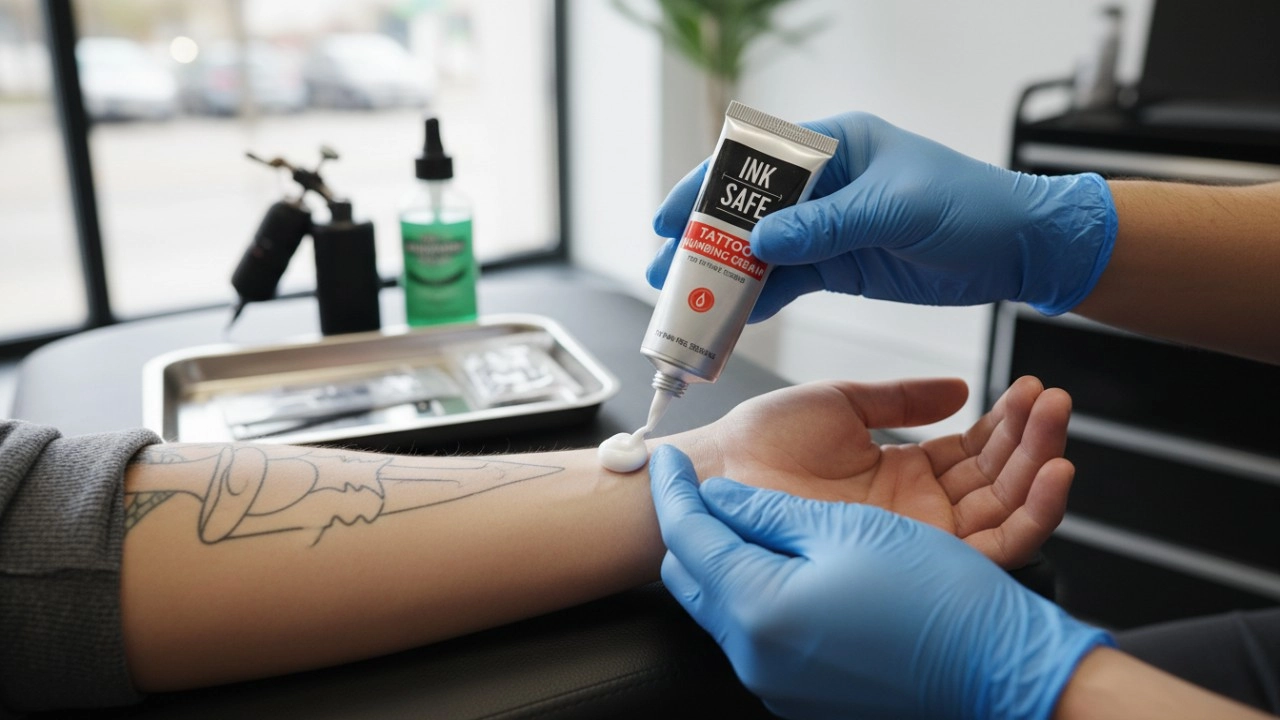
10 Best Numbing Creams for Tattoos in 2026: Ranked by Pain Relief and Safety
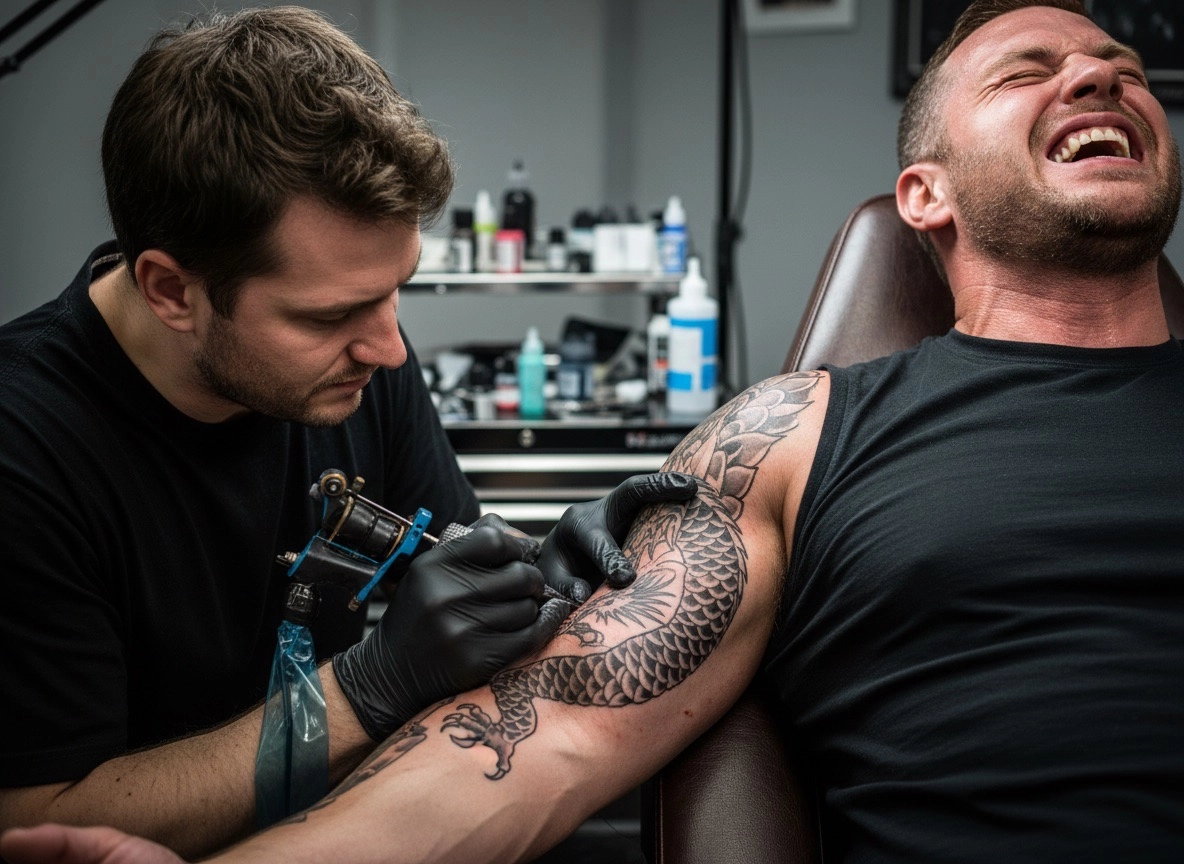
Does Numbing Cream Work for Tattoos? The Ultimate Guide to a Pain-Free Session

The Ultimate Guide to Tattoo Aftercare Cream: Healing & Vibrancy for 2026 and Beyond
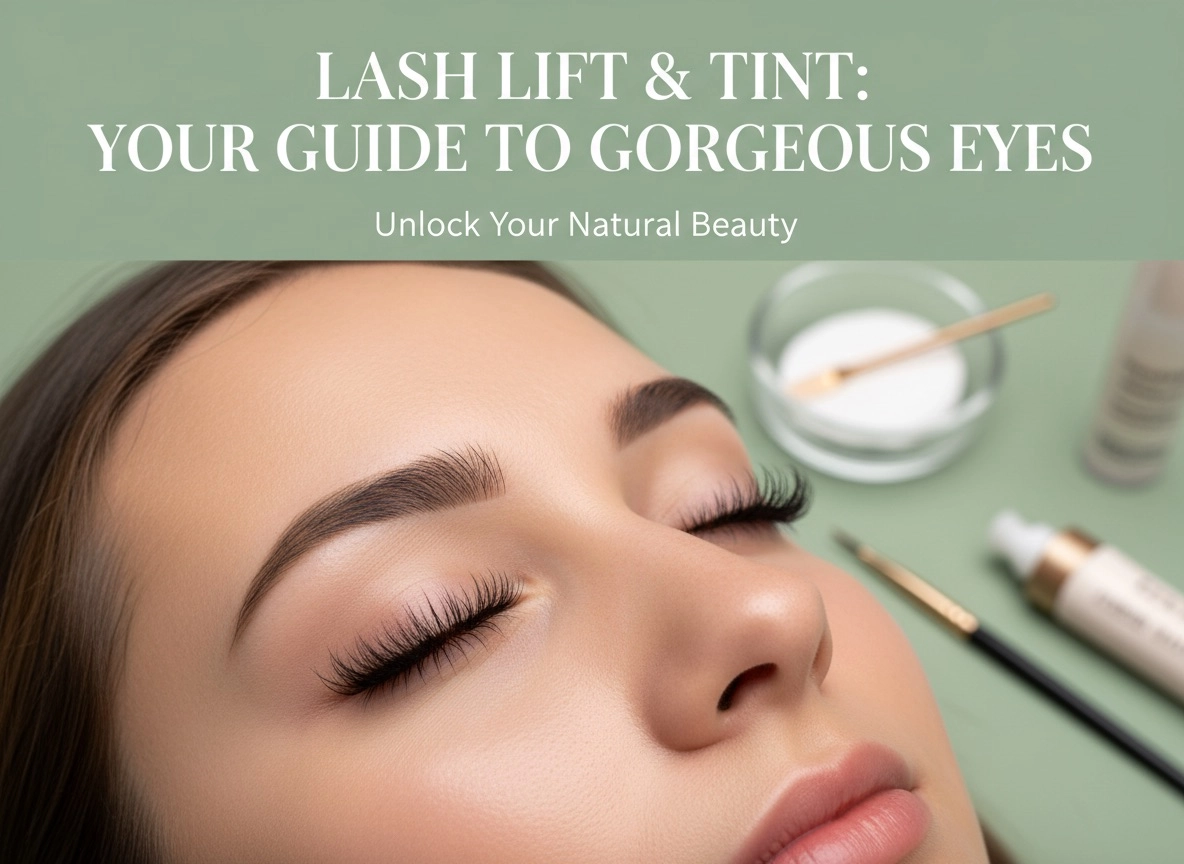
Lash Lift and Tint 2026: Your Ultimate Guide to Defined, Curled Lashes
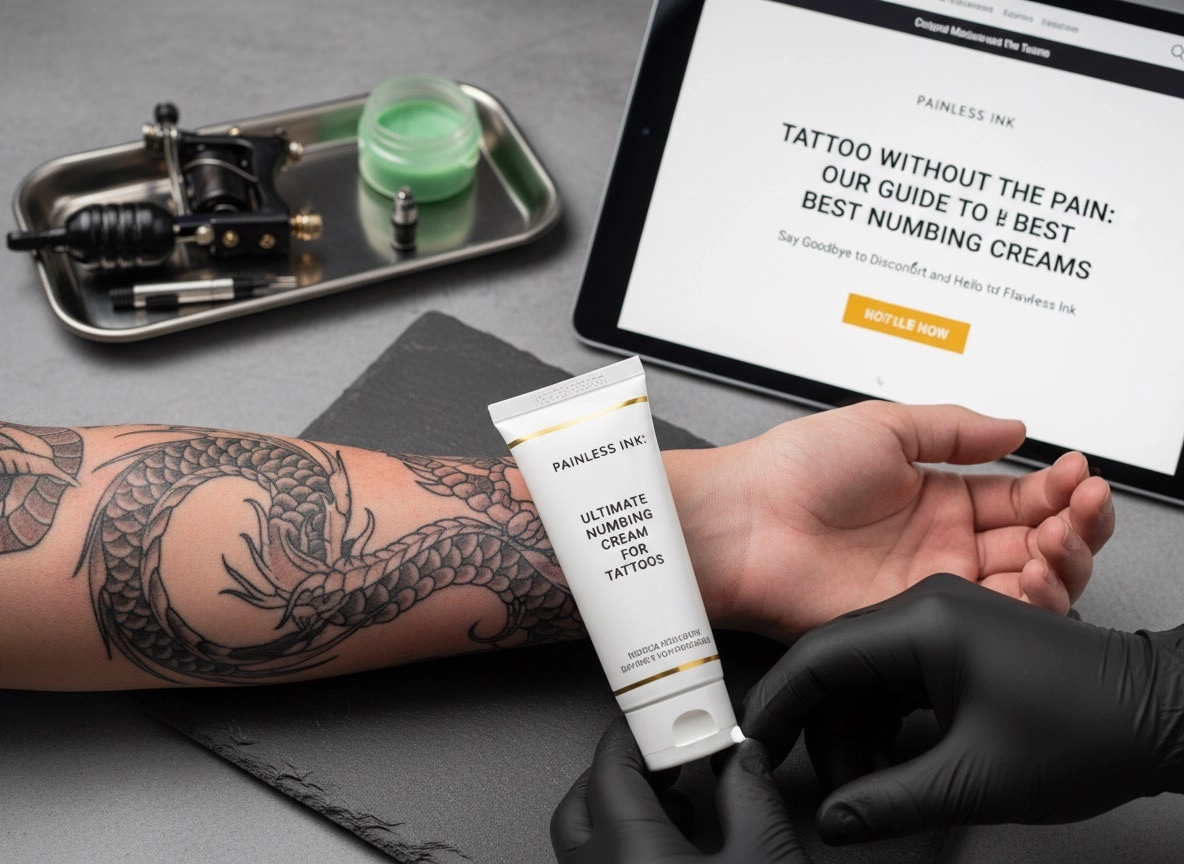
Best Numbing Cream for Tattoos 2026: The Ultimate Guide for Pain-Free Ink
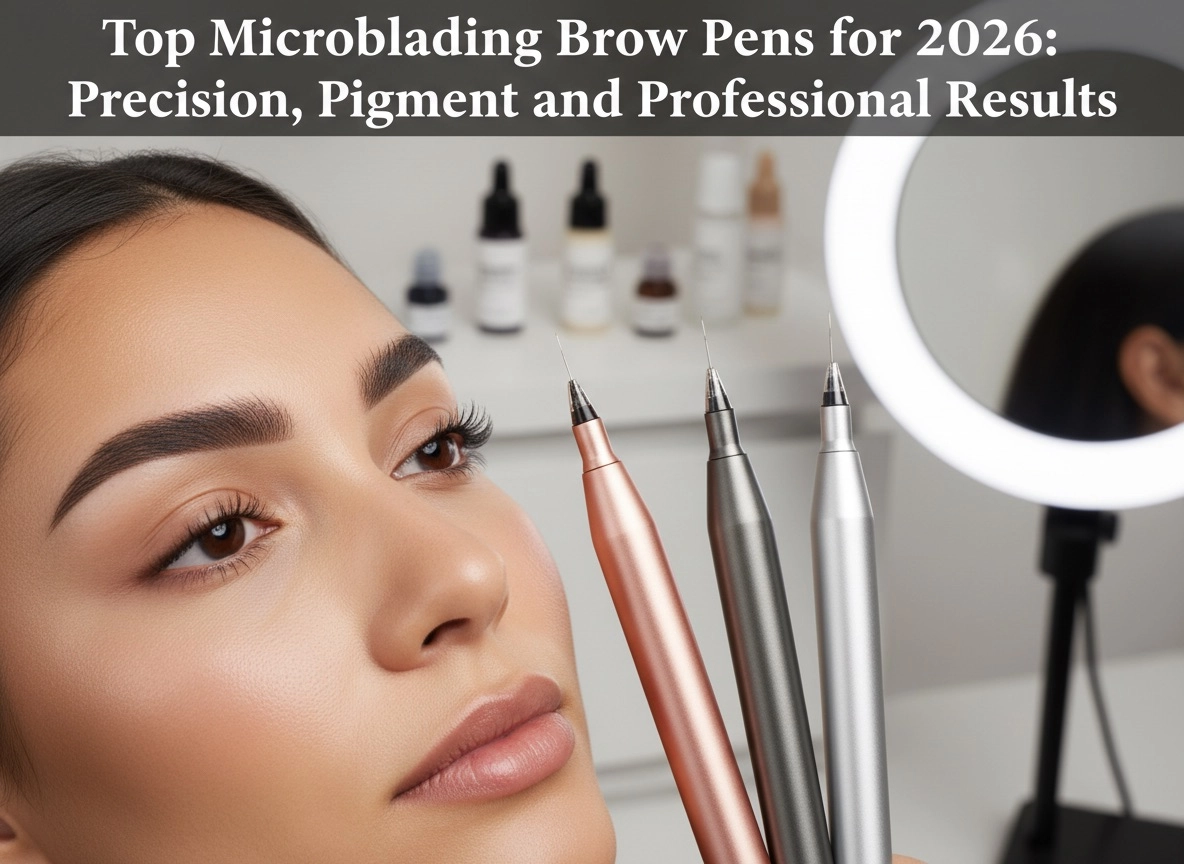
Top Microblading Brow Pens for 2026: Precision, Pigment, and Professional Results
About us
Does your factory accommodate visits from customers?
Yes, we are located in Baiyun District, Guangzhou. We welcome your visit, please do make an appointment with our customer service in advance.
Tattoo Numbing Patches
How long does the production take for custom?
Typically, the production cycle for custom private label stickers is 7-10 days, while the production cycle for custom private label labels is 20-30 days.
Micro Blade
How to use microblading needle? Is finest blade the best needles for microblading?
Choosing the thickness of a microblade depends largely on several factors, including the type of eyebrow tattoo, the level of detail required and the individual's tattooing skills. Here are some basic guidelines:
Type of eyebrow tattoo: Detail and line tattoos: finer lines and details can often be achieved with finer needles (e.g. 0.16mm or 0.18mm).
Filling and shading: slightly thicker needles (e.g. 0.20mm or 0.25mm) may be required for better color coverage and shading effects on the skin.
Individual tattooing techniques: Novice tattoo artists may tend to use thicker needles to minimize manipulation time on the skin, while experienced tattoo artists have the flexibility to choose needles of different thicknesses to achieve more varied results.
Skin type: The texture and thickness of different skins can also affect needle selection. Thicker skin may require a slightly thicker needle to ensure that the color and lines penetrate effectively.
Hair condition: The thickness of the client's native hair is also an important factor in choosing the thickness of the needles. Thicker hairs will require slightly thicker needles to ensure that the lines are consistent with the native hairs.
Logistics
How long can I get my goods?
Different shipping methods have different delivery times. The typical delivery time for express shipping is 7-10 business days, while sea and train shipping usually takes 30-60 business days.
Payment
Do you support pay on delivery?
In order to ensure the security of transactions, improve order service efficiency and speed up the turnover of the company's funds, we have adopted a more secure prepayment method. Therefore, we currently do not support pay on delivery.
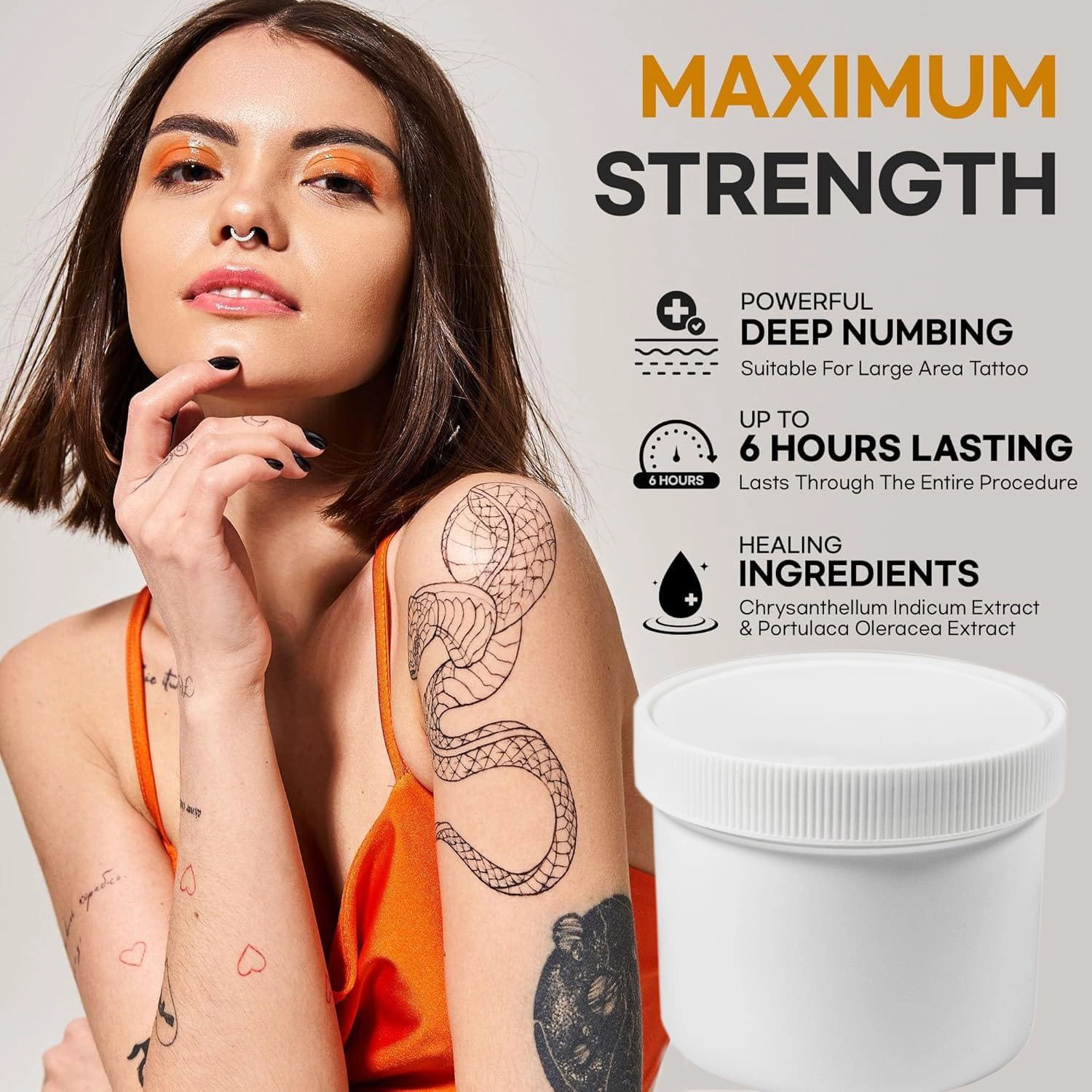
Body Use Super Numb Tattoo Numbing Cream
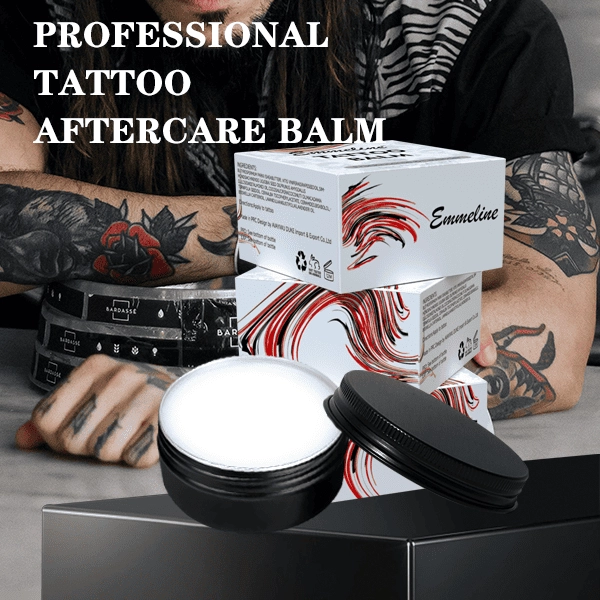
50g Body Tattoo Butter Balm
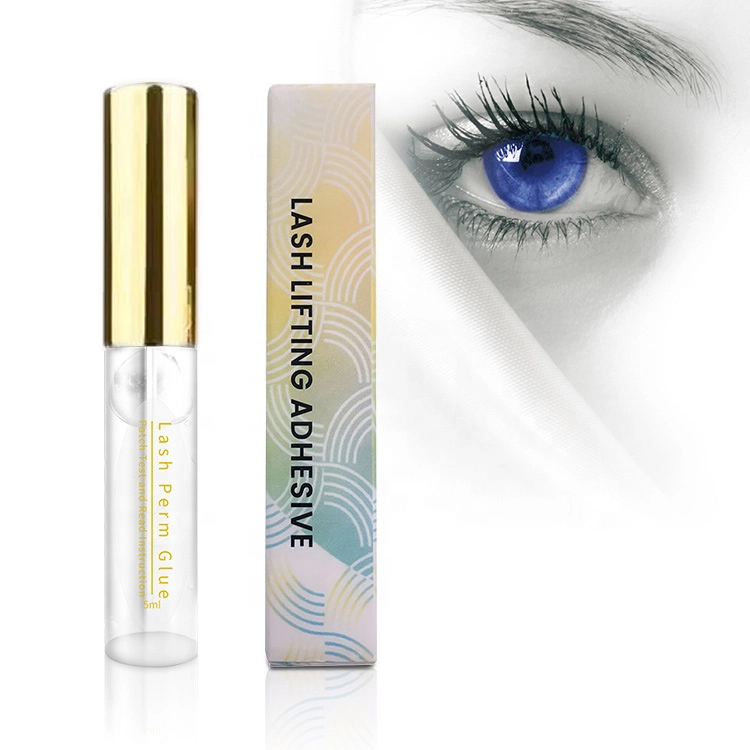
Japan Professional Lash Lift Adhesive
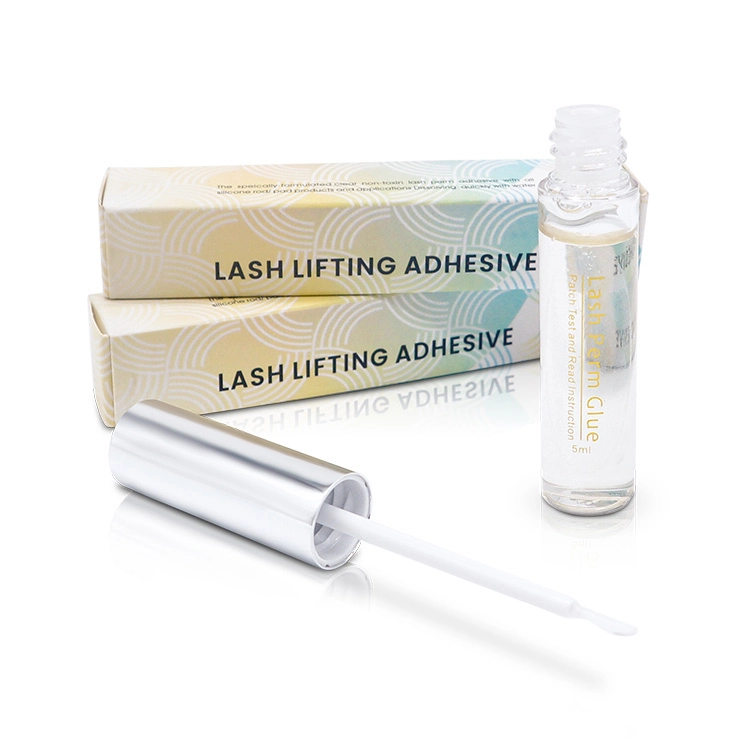
Japan Strong Sticky Lash Lift Glue
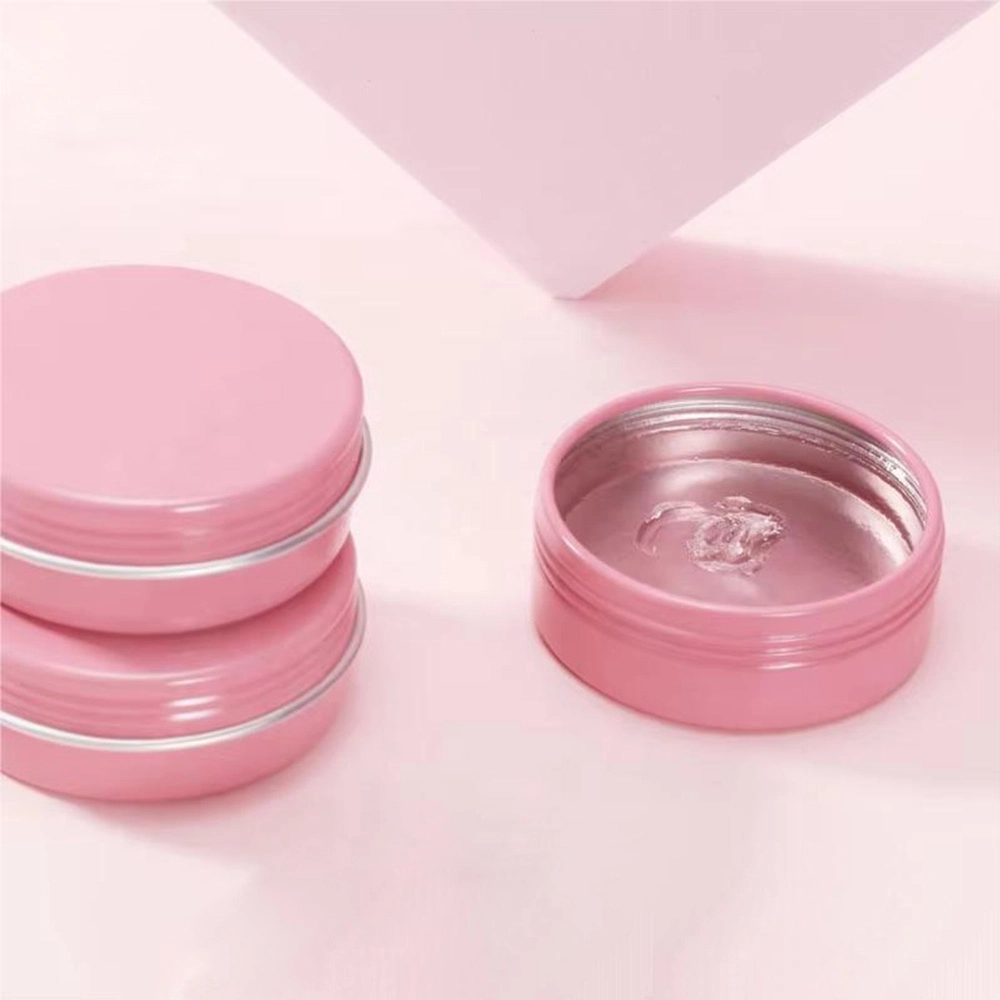
Eyelash Perming Glue Balm
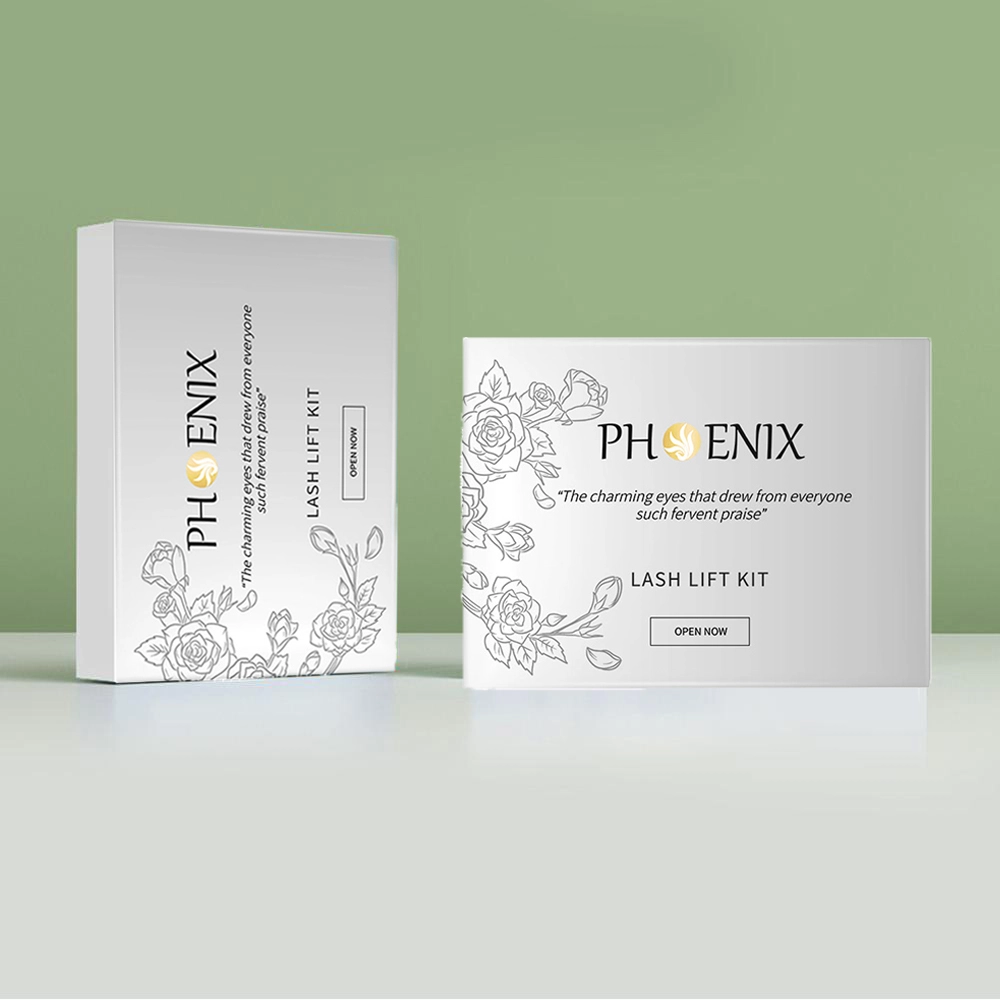
Professional Keratin Lash Lift Kit
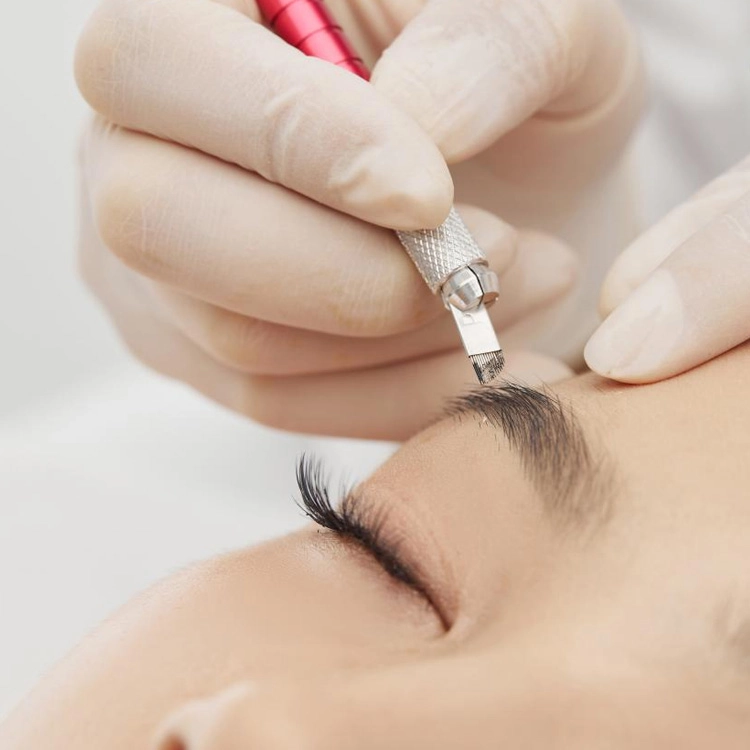
Slope Microblading Needle Blade
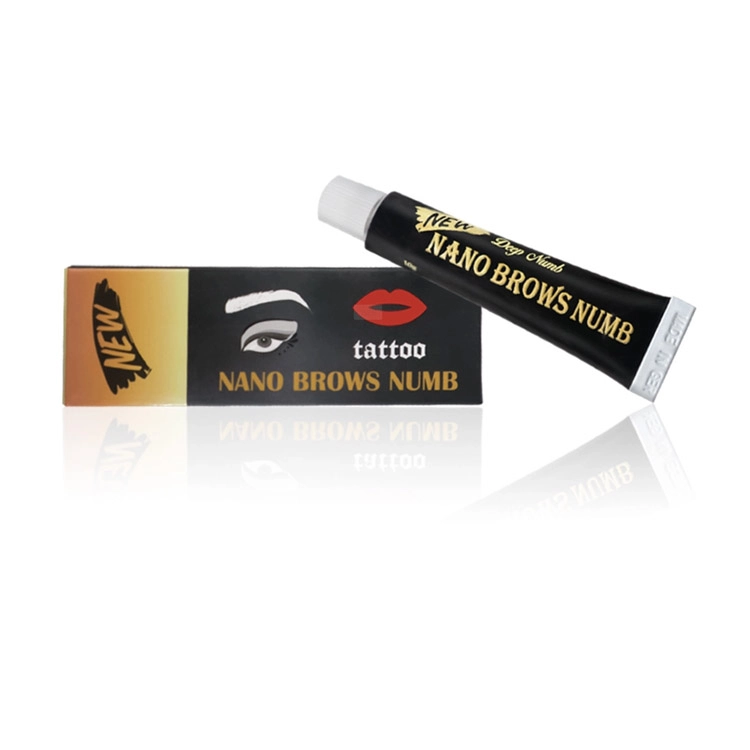
Nano Brows Numb Cream For Tattoo
What product do we have?

Instagram
Facebook
YouTube