


how to choose pigment for microblading | QM Makeup Guide
How to Choose Pigment for Microblading: A Professional Guide
Selecting the right pigment for microblading ensures natural-looking, long-lasting results—crucial for professional semi permanent makeup artists. This article explains key pigment selection factors with authoritative, factual insights. Learn to balance color science, undertones, and skin types for optimal outcomes.
How to Choose Pigment for Microblading
Understanding Pigment Basics
- Types of Pigments:
- *Organic pigments*: Vivid color, quicker fade, less migration
- *Inorganic pigments (iron oxides)*: Softer finish, longer lasting, less allergic reactions ((https://pmuhub.com/semi-permanent-makeup-pigments/))
- Color Stability:
- Select pigments tested for lightfastness and stability to avoid unwanted tones over time.
Assessing Skin Undertone
- Warm vs. Cool:
- Use Fitzpatrick skin type scale as a reference ((https://www.ncbi.nlm.nih.gov/books/NBK263438/)).
- Warm undertones (yellow, olive) suit cooler pigments (ash brown).
- Cool undertones (pink, reddish) suit warmer pigments (golden, caramel browns).
- Depth of Color:
- Darker skin requires deeper pigment tones for lasting clarity and avoiding ashy results.
Factors Influencing Pigment Selection
- Client Consultation:
- Always review the client’s natural brow color, skin tone, and desired outcome.
- Allergy and Sensitivity Testing:
- Patch test is recommended to rule out reactions, especially with iron-oxide-based pigments.
- Healing and Fading Predictors:
- Lighter pigments fade faster; skin type, aftercare, and sun exposure influence endurance.
Color Corrections and Neutralizers
- Correction Tools:
- Use color theory to counteract old pigment undertones (e.g., orange correctors to neutralize blue/gray).
- Layering Pigments:
- Gradual pigment layering prevents unnatural results and allows tailored adjustments.
Safety and Compliance
- Regulation and Certification:
- Opt for pigments certified for cosmetic tattoo use. Follow local and international guidelines (e.g., REACH, FDA).
- Ingredient Transparency:
- Choose reputable brands with full-ingredient disclosure for consistent results and compliance.
Expert Application Tips
- Small Batch Mixing:
- Blend for custom shades but record ratios for consistency in touch-ups.
- Monitor Pigment Aging:
- Discard expired or oxidized pigments; freshness preserves hue integrity.
- Education and Training:
- Stay updated with pigment science through continuous education (Society of Permanent Cosmetic Professionals, SPCP).
References
- (https://pmuhub.com/semi-permanent-makeup-pigments/)
- (https://www.ncbi.nlm.nih.gov/books/NBK263438/)
- (https://www.spcp.org/)
- (https://www.fda.gov/cosmetics/cosmetic-ingredients)
SEO Essentials
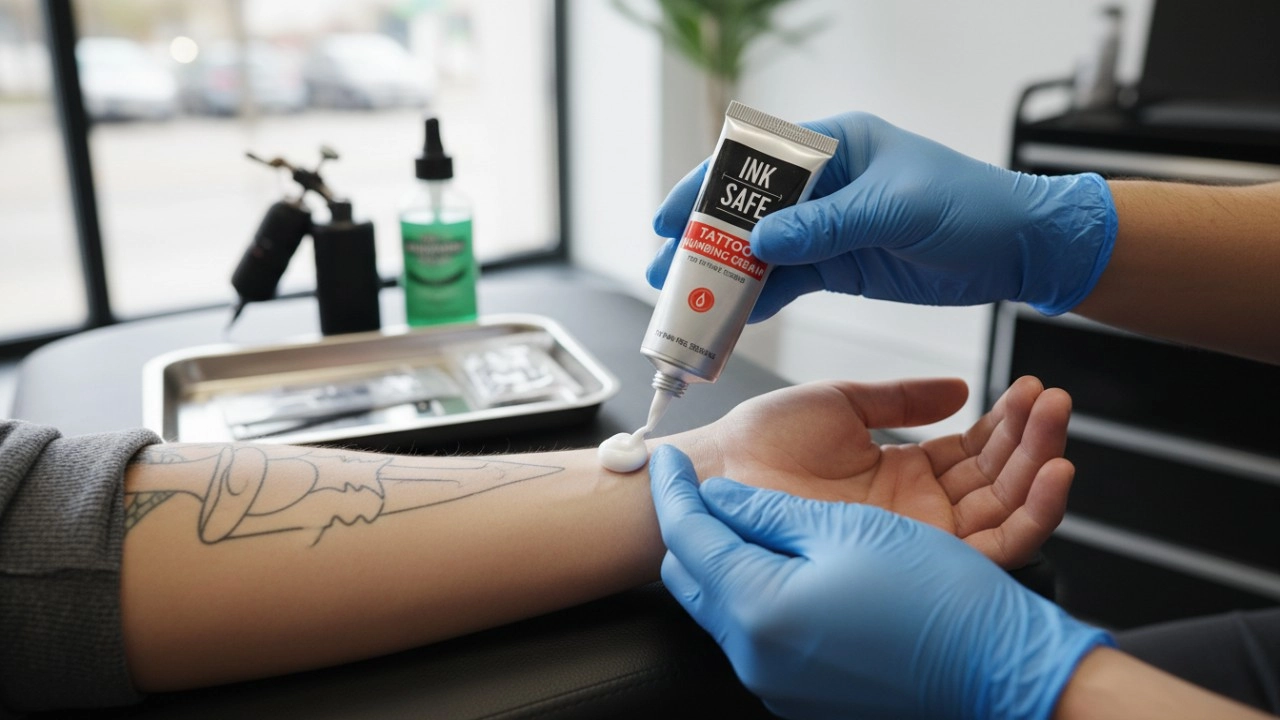
10 Best Numbing Creams for Tattoos in 2026: Ranked by Pain Relief and Safety
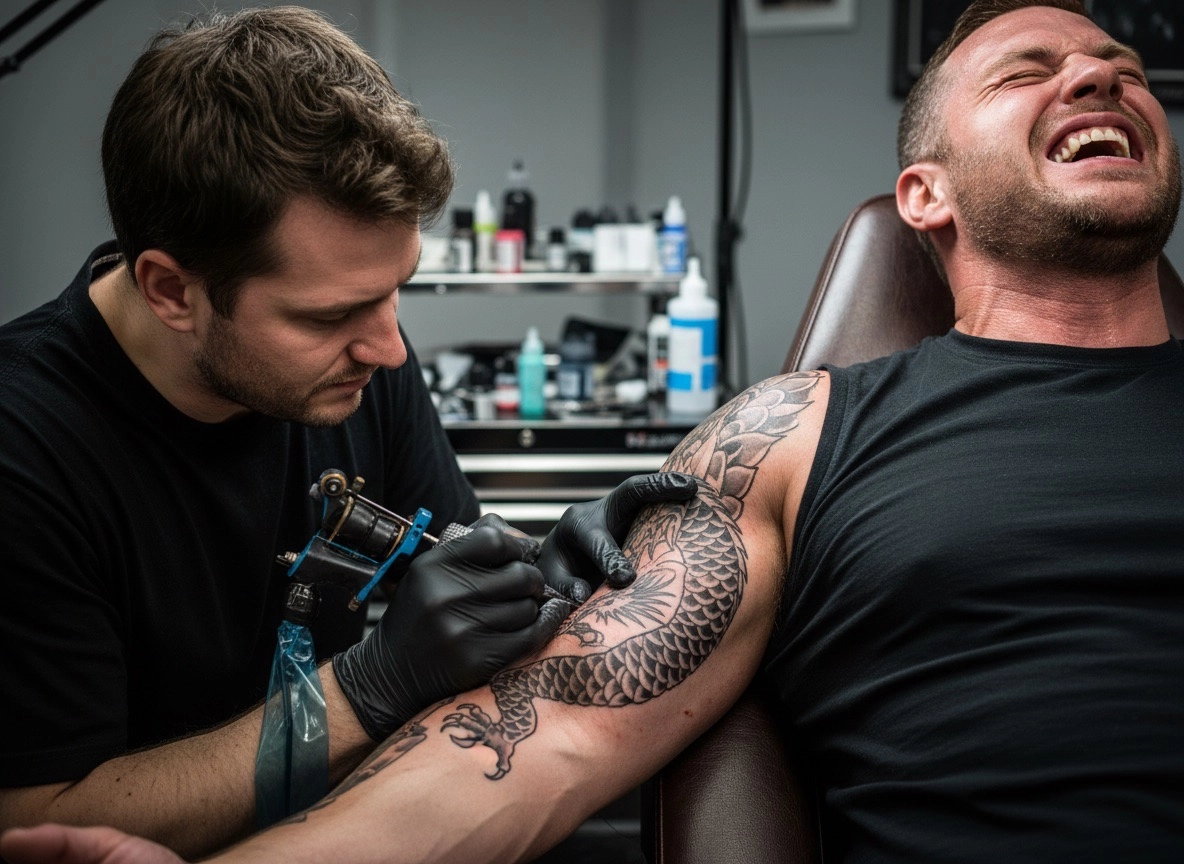
Does Numbing Cream Work for Tattoos? The Ultimate Guide to a Pain-Free Session
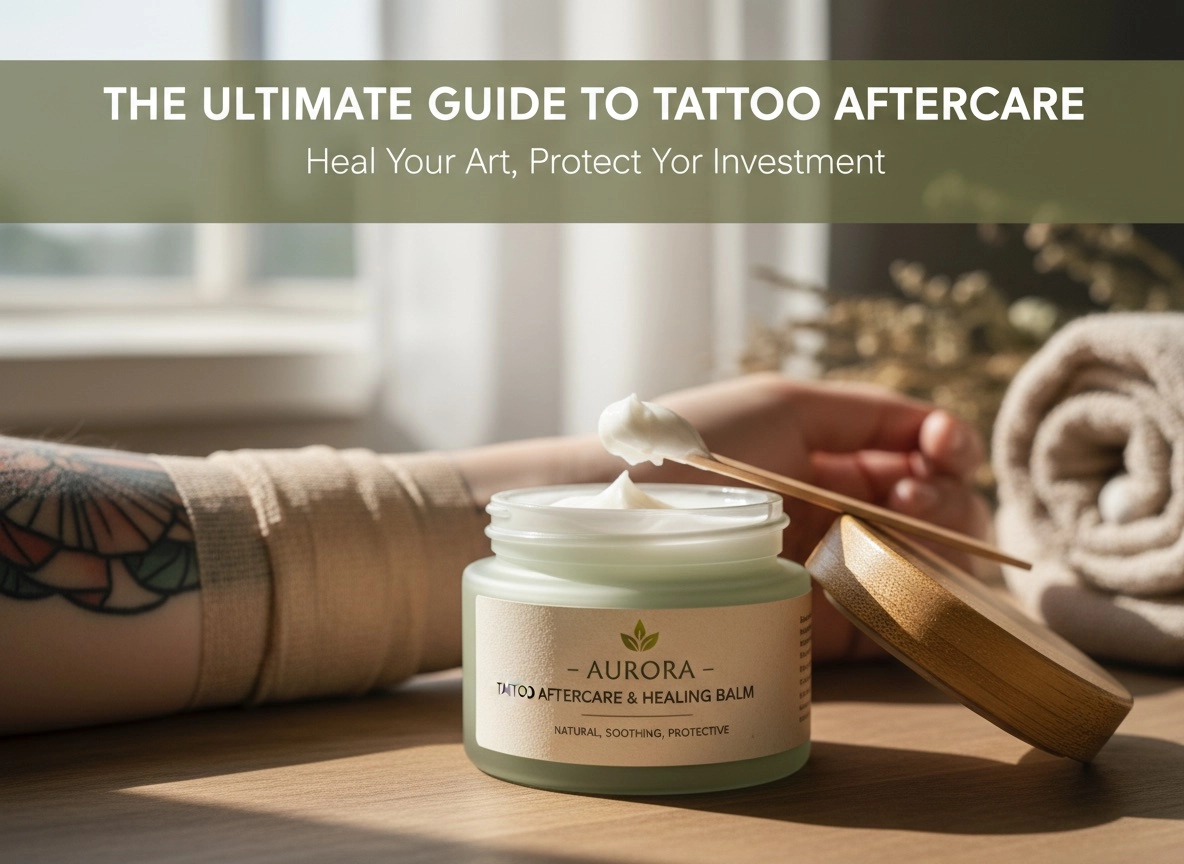
The Ultimate Guide to Tattoo Aftercare Cream: Healing & Vibrancy for 2026 and Beyond
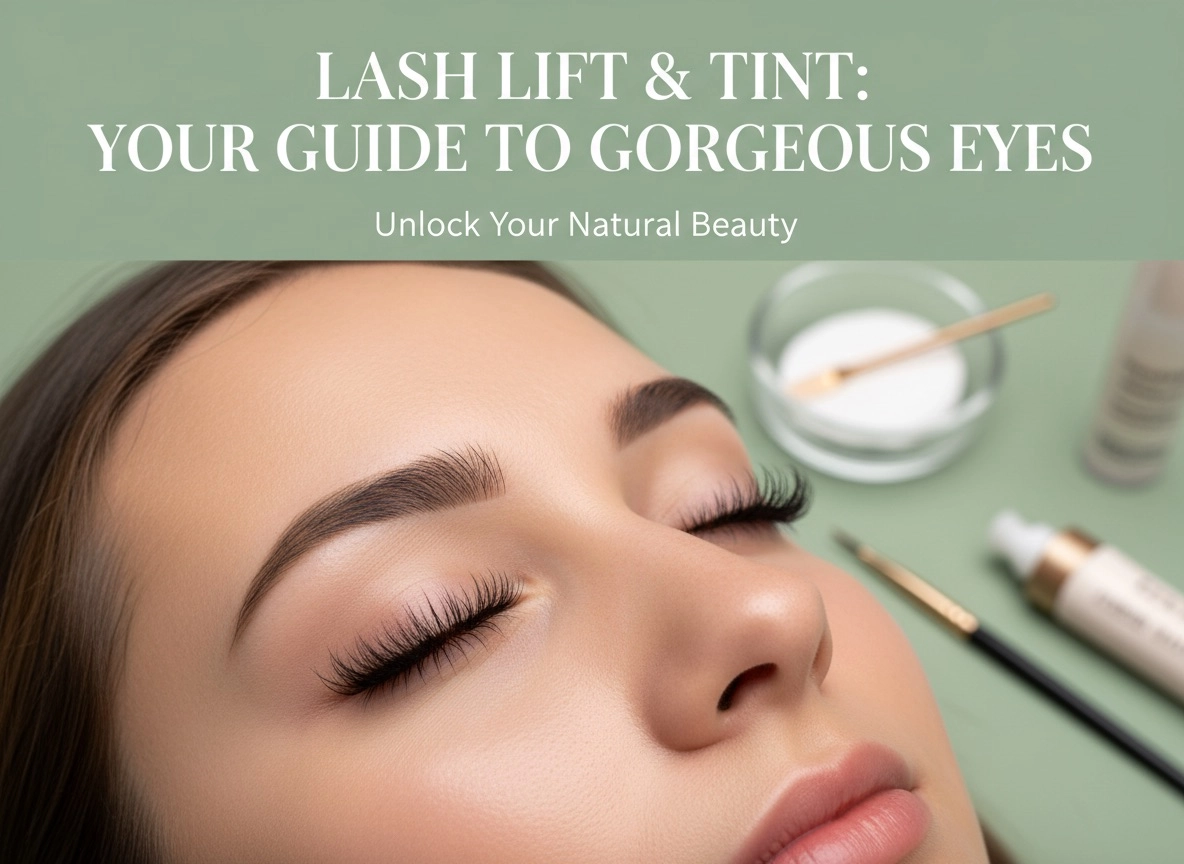
Lash Lift and Tint 2026: Your Ultimate Guide to Defined, Curled Lashes
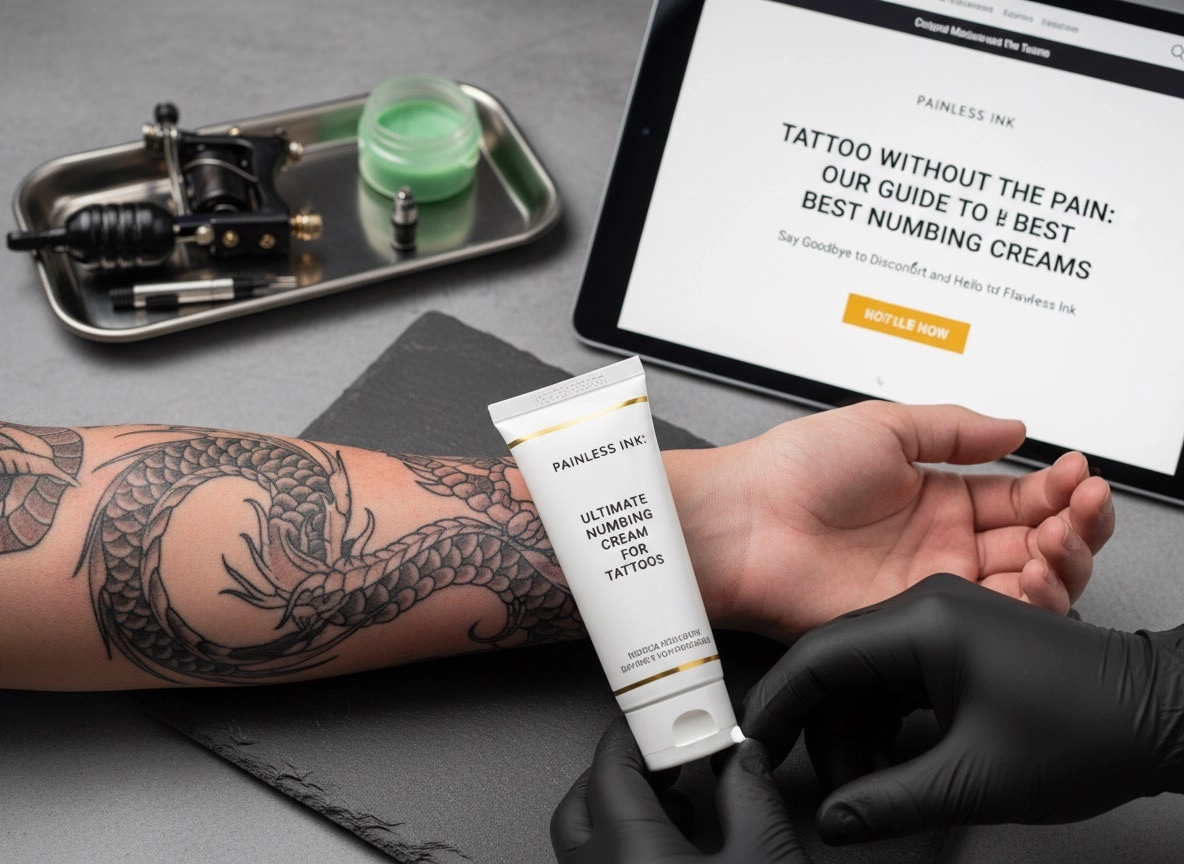
Best Numbing Cream for Tattoos 2026: The Ultimate Guide for Pain-Free Ink
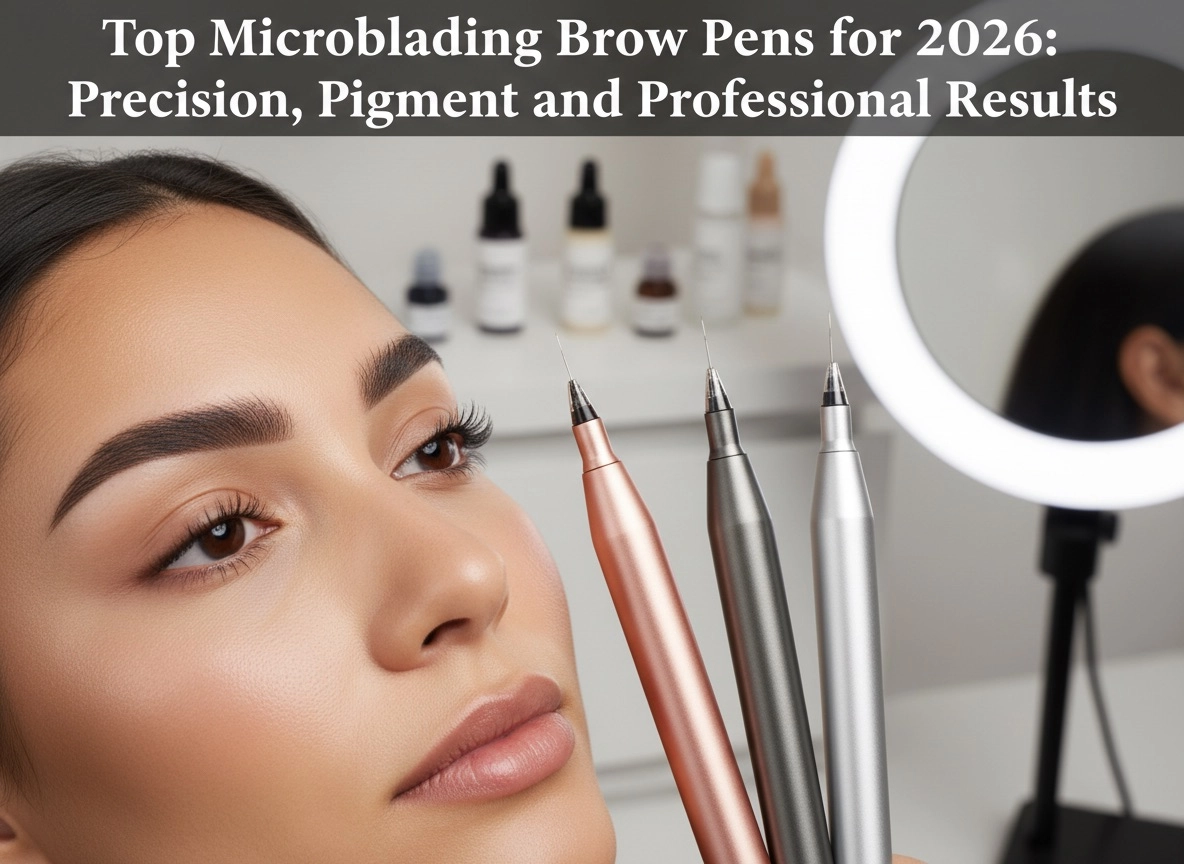
Top Microblading Brow Pens for 2026: Precision, Pigment, and Professional Results
Tattoo aftercare
How do I choose the right PMU repair product? Any professional tattoo aftercare instructions?
How to choose the best tattoo aftercare product for yourself depends largely on your skin type and main needs for repair. Here are some best tattoo aftercare tips:
Personal skin type:
1. Sensitive skin: It is recommended to choose “Cell repair serum balm”, which is natural, moisturizing and non-irritating. It is the best tattoo balm for microblading aftercare.
2. Scar skin: It is recommended to choose “Ice crystal anti-scar repair serum”, which can quickly promote wound healing and prevent scars. It is the best tattoo aftercare lotion serum.
3. Inflammatory skin: It is recommended to choose “Vitamin A&D ointment gel”, vitamins have anti-inflammatory functions and play an important role in the growth and repair of skin cells. It is the best ointment for tattoo aftercare.
Main needs:
1. Skin repair and regeneration: It is recommended to choose “Ice crystal anti-scar repair serum”, BFGF factor is the most effective choice;
2. Moisturizing protection: It is recommended to choose “Cell repair serum balm”, white vaseline is an excellent choice;
3. Anti-inflammatory repair: It is recommended to choose “Vitamin A&D ointment gel”, vitamins A and D are very excellent ingredients.
It is best to choose and use according to your skin condition and needs.
Lip patch
Can I use numbing products on sensitive skin? Is it safe? Are there any potential side effects?
The ingredients we use are very safe, with anti-allergic effects, and under normal circumstances there are no side effects. However, based on individual differences, it cannot be ruled out that some people may experience temporary redness or irritation in some areas. We recommend patch testing before handling and following product instructions to minimize the risk of adverse reactions.
Payment
What methods of payment are accepted?
We accept various payment methods including T/T (Telegraphic Transfer), Western Union, Credit cards, Alipay, WeChat, and more.
What is your order deposit policy?
Normally, we advocate 100% prepayment to ensure transaction efficiency and the interests of both parties. However, in response to your concerns during the transaction, we also provide a flexible deposit payment policy with a deposit ratio between 30% and 50%. Specifically, for standard goods orders, the deposit ratio is 30%; for customized orders, the deposit ratio is 50% to ensure the smooth progress of the customization process and the balance of interests of both parties.
Eyelash Perming Glue Balm
Easy to do by myself?
Yes, you could use by yourself DIY at home.
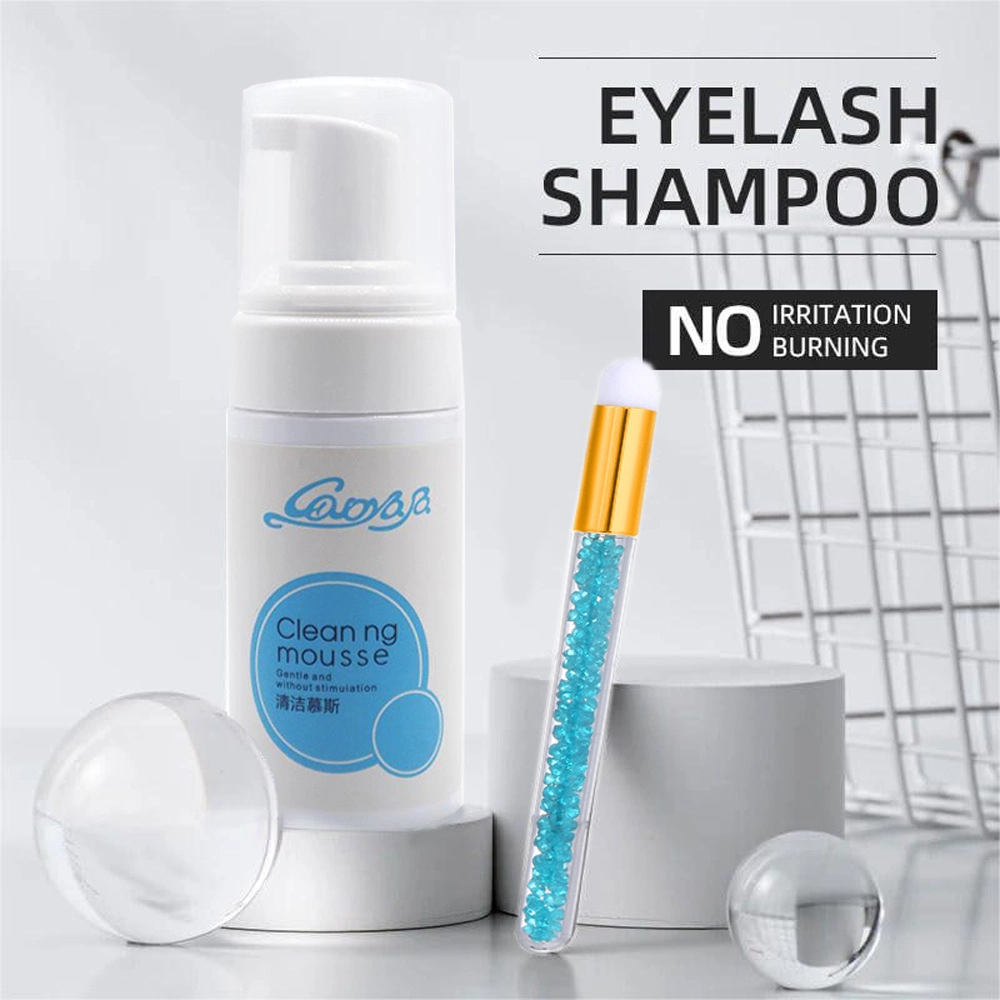
Best Eyelash Extension Cleaning Shampoo
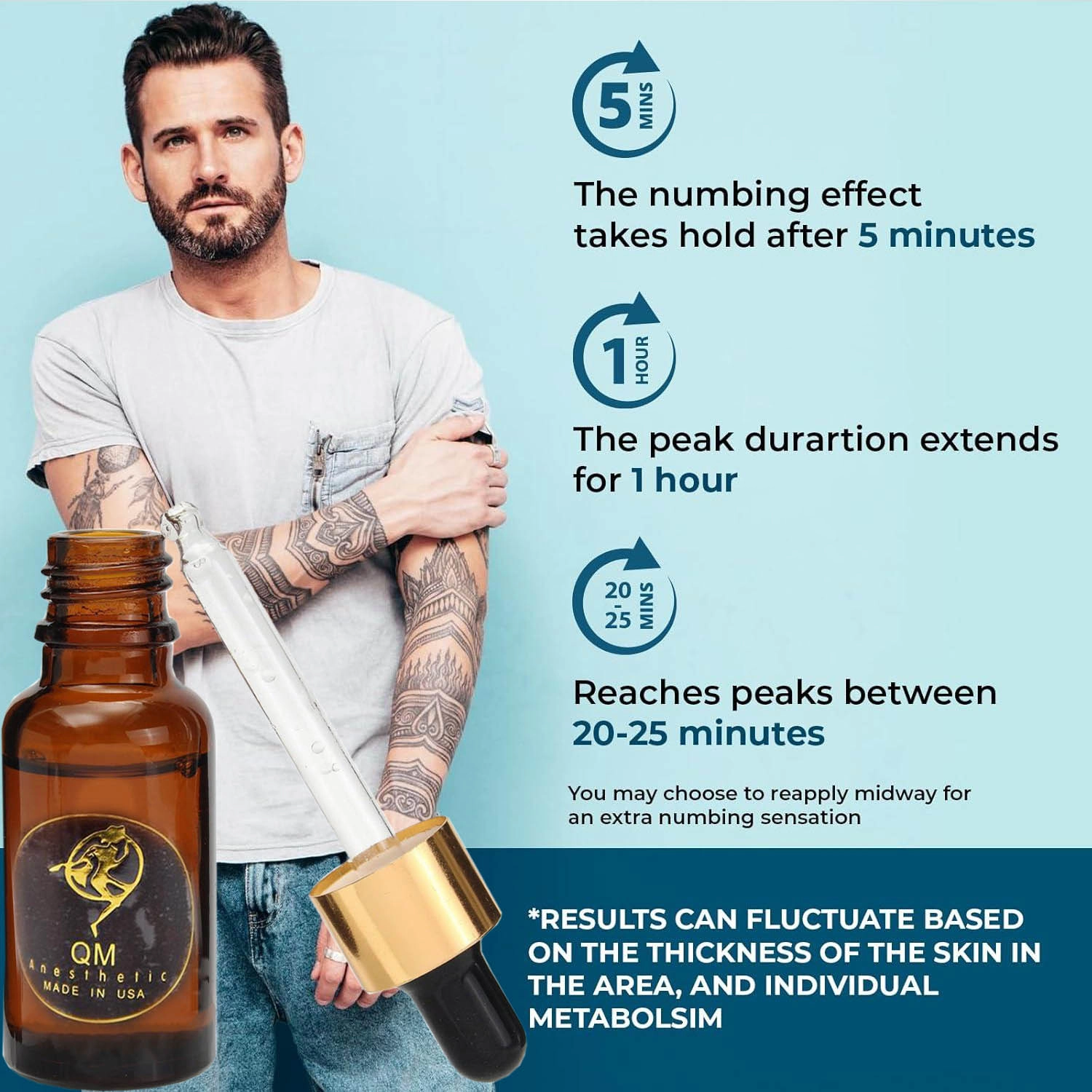
5 Minutes Secondary Numbing Essence
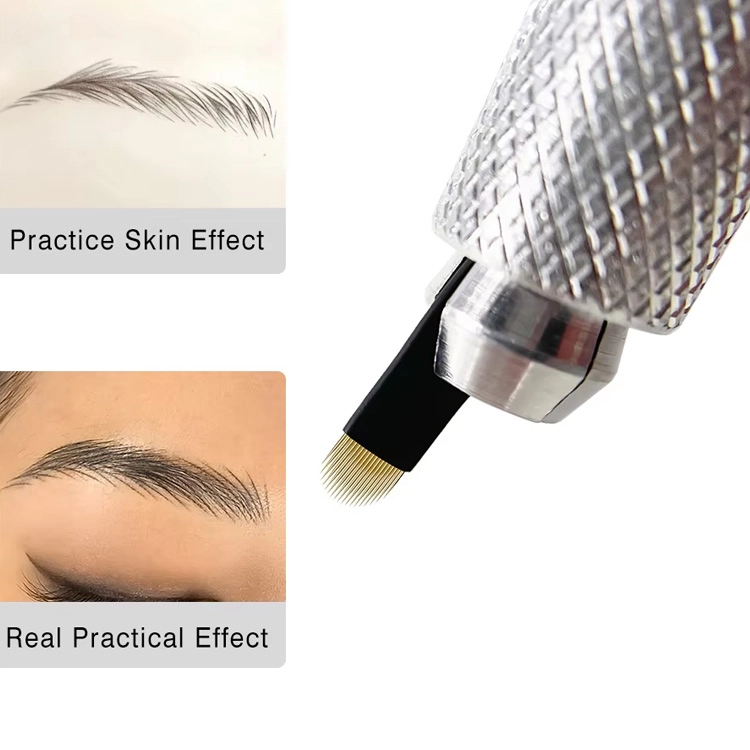
U-Curved Microblading Needle Blade
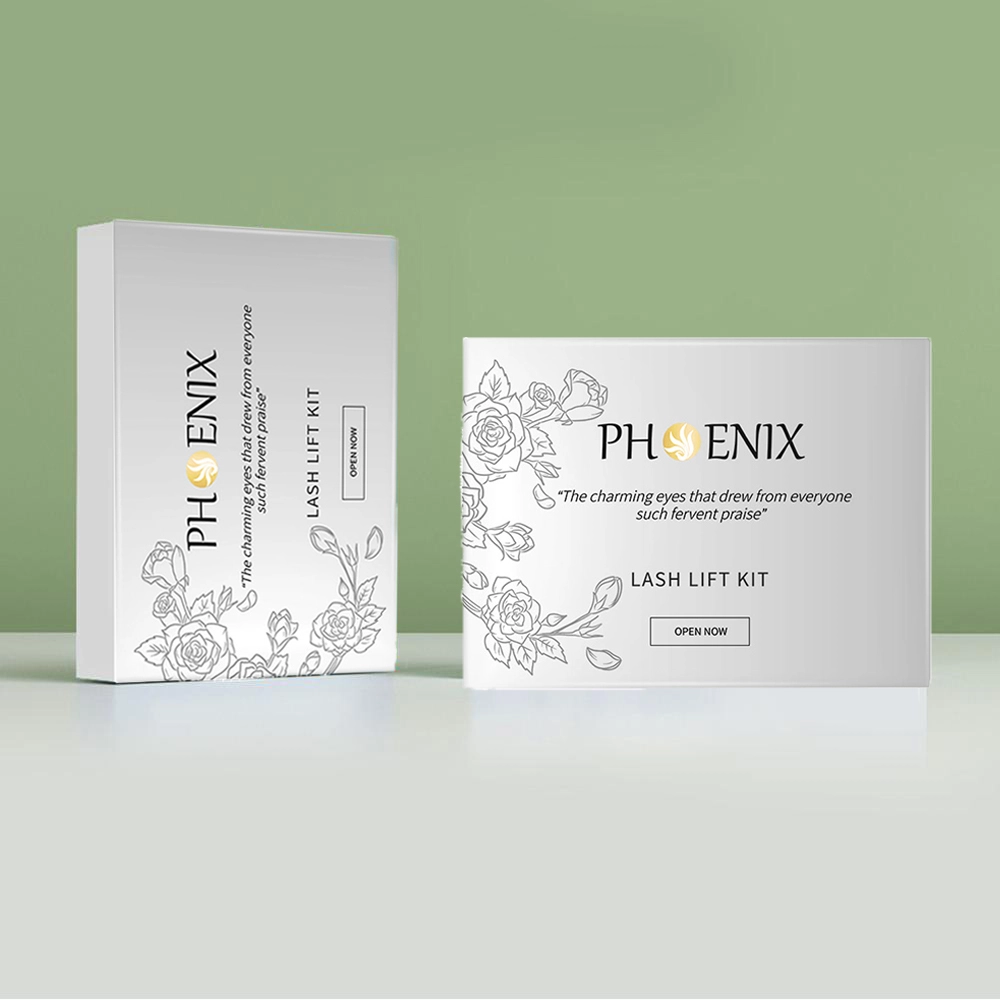
Professional Keratin Lash Lift Kit
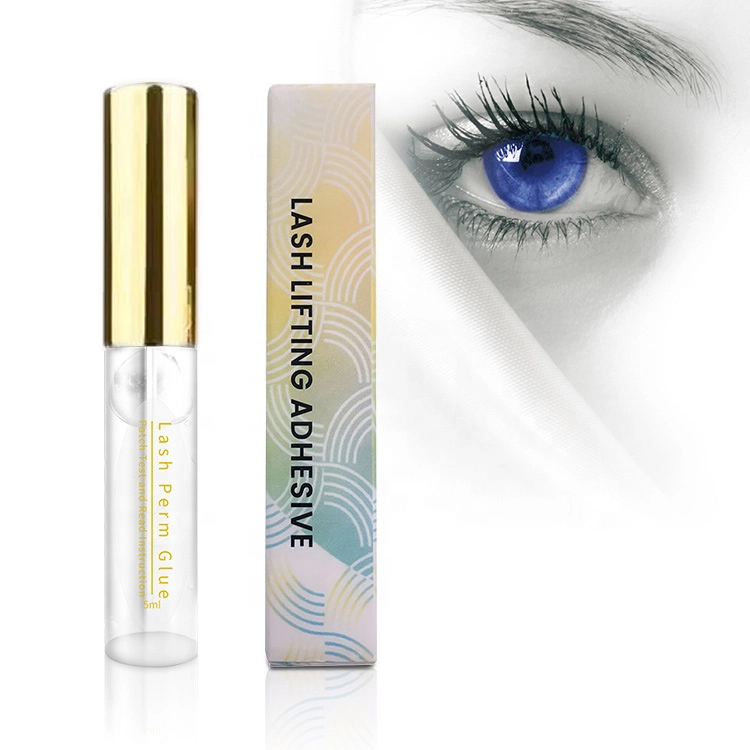
Japan Professional Lash Lift Adhesive
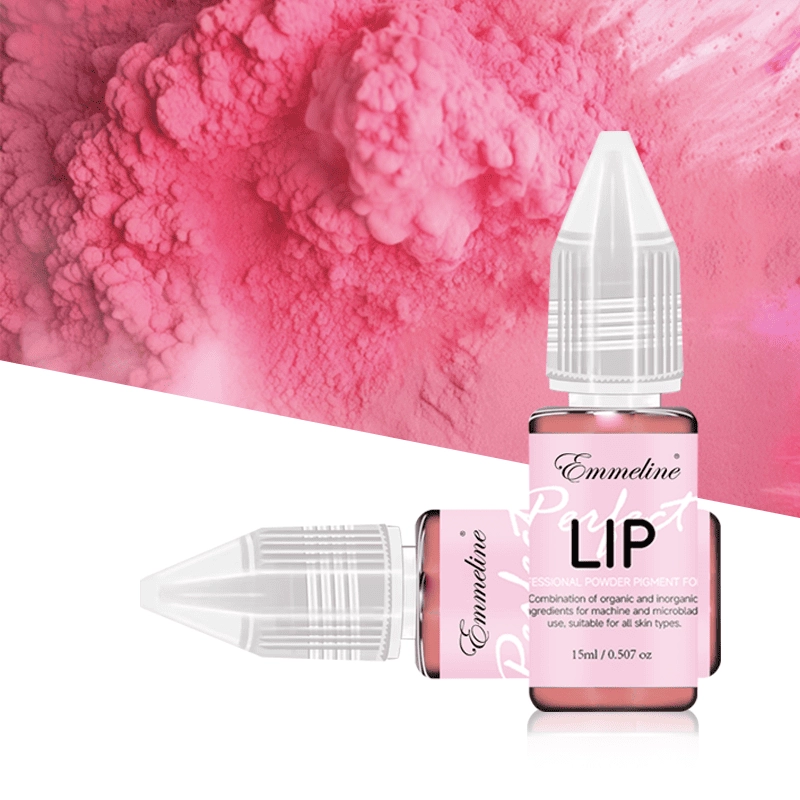
Hybrid Powder Microblading Pigment Ink
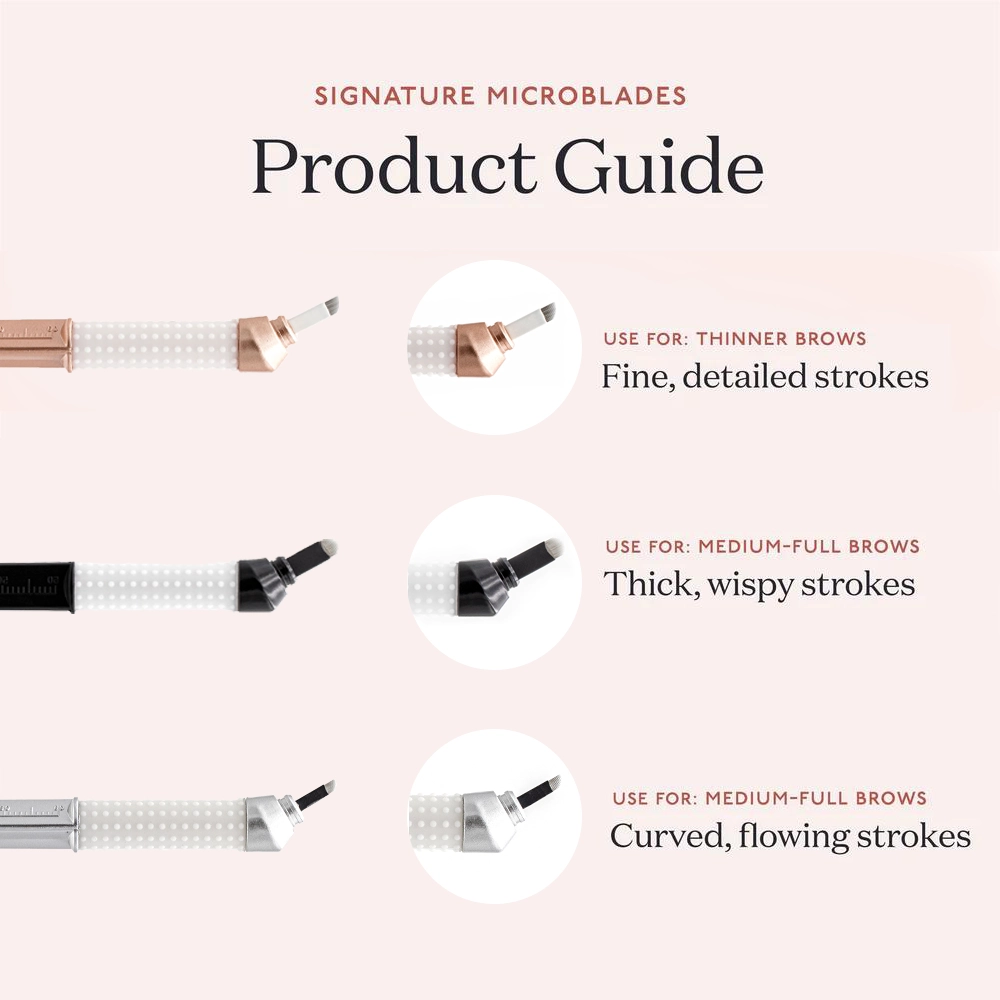
Angled Disposable Microblading Pen for Eyebrows

Professional Pre Inked Eye Brow Mapping String 30m
What product do we have?

Instagram
Facebook
YouTube